




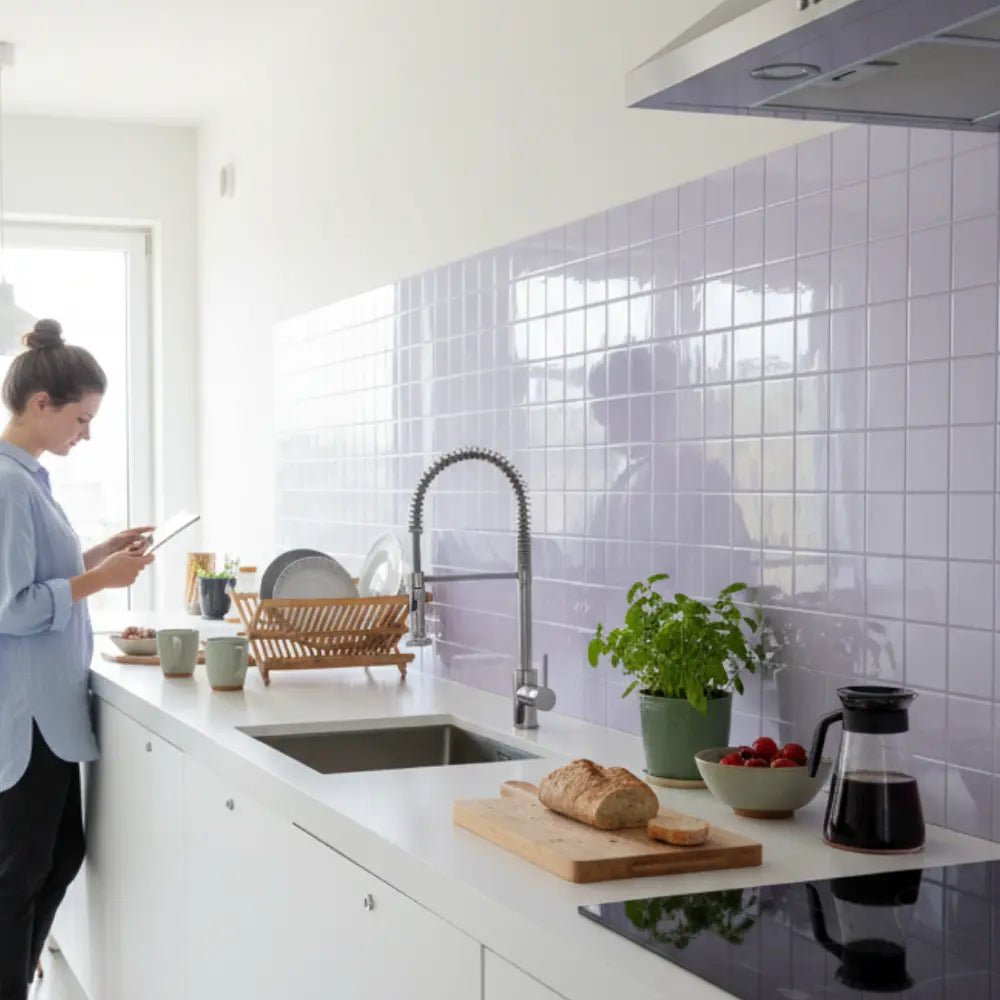



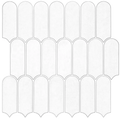
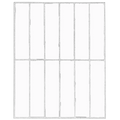
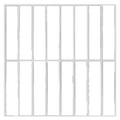
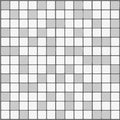
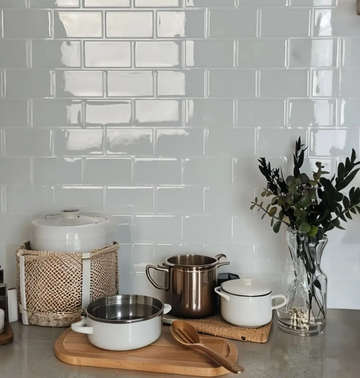
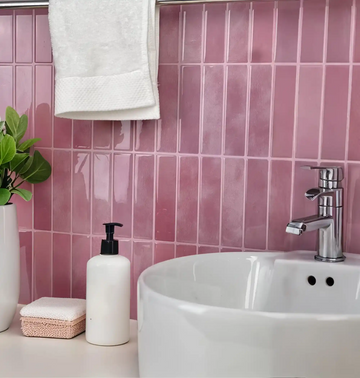
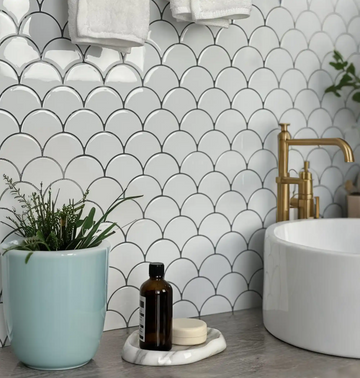
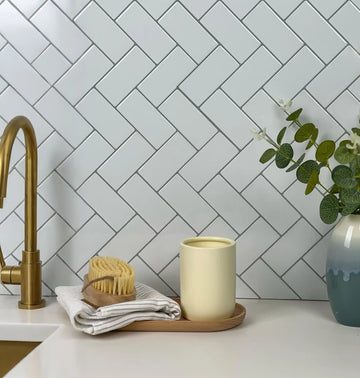
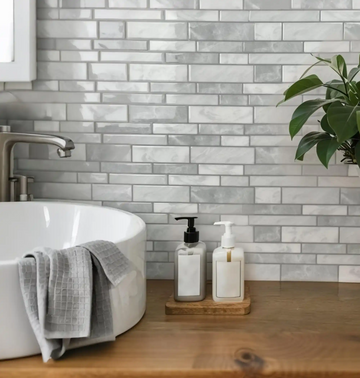
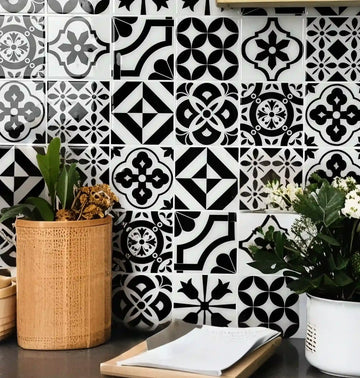
Wählen Sie die Fliesenrichtung nach der visuellen Aufgabe der Wand. Horizontale Verlegungen lassen eine Nische oder einen Spritzschutz meist breiter wirken, vertikale Verlegungen können eine niedrige Wand höher erscheinen lassen, und Muster mit besonderem Effekt bringen Bewegung ins Spiel, wenn der Raum einen Blickfang braucht. Die Richtung sollte zum Raumziel passen, nicht zum Trend.
Nutzen Sie diesen Muster-Leitfaden zusammen mit dem Leitfaden für Fliesendesign-Ideen. Die Muster-Richtung ist eine der schnellsten Möglichkeiten, das Gefühl einer Peel-and-Stick-Wand zu verändern. Sie beeinflusst außerdem Zuschnitte, Steckdosen, Kanten und wie unruhig der Raum wirkt. Entscheiden Sie die Richtung also erst, wenn Sie die Funktion der Wand kennen.
Wählen Sie zuerst die gewünschte Wirkung
Beginnen Sie mit dem Gefühl, das Sie erreichen möchten. Eine kleine schmale Küche braucht vielleicht mehr Weite. Ein kompaktes Gäste-WC braucht vielleicht mehr Höhe. Ein Hintergrund im Homeoffice braucht vielleicht eine gezielte Akzentwand. Eine ruhige Mietwohnung braucht vielleicht Zurückhaltung. Sobald die visuelle Wirkung klar ist, fällt die Entscheidung für die Richtung leichter und ist weniger von aktuellen Trends abhängig.
| Ziel | Zu Erwägende Richtung | Beste Verwendung |
|---|---|---|
| Eine Wand breiter wirken lassen | Horizontale Subway- Oder Lineare Fliese | Spritzschutz Und Schmale Wände. |
| Eine Wand höher wirken lassen | Vertikaler Verband | Waschtische, Nischen Und Kleine Akzentwände. |
| Bewegung Hinzufügen | Fischgrät- Oder Geometrisches Muster | Akzentwände Mit Wenigen Unterbrechungen. |
| Den Raum ruhig halten | Einfaches Wiederholmuster Und Geringer Kontrast | Mietwohnungen, Belebte Arbeitsflächen Und Kleine Küchen. |
Richtung An Unterbrechungen Anpassen
Steckdosen, Schrankunterbrechungen, Regale, Fenster und offene Kanten unterbrechen jedes Muster. Ein komplexes Muster kann in der Wandmitte wunderschön wirken, aber schwieriger werden, wenn jede Fliese zugeschnitten werden muss. Bei Küchenprojekten sollten Sie die Wand mit dem Leitfaden Für Spritzschutz-Layouts planen, bevor Sie sich auf eine Richtung festlegen.
Horizontal
Wirkt meist stabil und vertraut. Gut für lange Spritzschutzbereiche und einfache Kanten.
Vertikal
Wirkt frischer und höher. Am besten, wenn Steckdosen und Regale nicht jede Linie unterbrechen.
Muster Mit Besonderem Effekt
Funktioniert, wenn die Wand bewusst auffallen soll und der übrige Raum ruhiger bleibt.
Farbe Und Fugen-Kontrast Sorgfältig Einsetzen
Die Richtung wirkt stärker, wenn der Kontrast hoch ist. Eine dunkle Linie, ein starker Kunstfugen-Effekt oder eine kräftige Farbe machen das Layout sichtbarer. Das kann auf einer Akzentwand sinnvoll sein, kann aber einen kleinen Spritzschutz überladen. Wenn der Raum bereits viele Muster hat, etwa auf Arbeitsflächen, offenen Regalen oder dem Boden, wählen Sie eine ruhigere Fliesenrichtung oder eine Variante mit geringerem Kontrast.
Design-Regel: Verwenden Sie nur eine Hauptquelle für Bewegung. Wenn die Fliesenrichtung auffällig ist, halten Sie die Farbe ruhiger. Wenn die Farbe kräftig ist, sollte die Richtung einfacher bleiben.
Vor Der Entscheidung Die Produktgröße Prüfen
Dieselbe Richtung kann je nach Fliesengröße anders wirken. Schmale Elemente erzeugen mehr Linien und mehr Bewegung. Größere Elemente wirken ruhiger, erfordern aber möglicherweise sorgfältigere Zuschnitte rund um Steckdosen. Vergleichen Sie vor der Bestellung die Stile in den Stickwoll-Kollektionen und betrachten Sie die Wandbreite im Verhältnis zum jeweiligen Fliesenformat.
Abschließende Checkliste
- Definieren Sie, ob die Wand breiter, höher, ruhiger oder dekorativer wirken soll.
- Planen Sie Steckdosen und offene Kanten, bevor Sie sich für ein komplexes Muster entscheiden.
- Stimmen Sie die Richtung auf Farbe und Oberflächenkontrast ab.
- Verwenden Sie Muster, wenn sich die Wirkung durch das Licht verändern könnte.
- Gehen Sie zurück zu dem Design-Leitfaden für weitere Entscheidungen Raum für Raum.
Vergleichen Sie Musterfamilien, Bevor Sie Sich Festlegen
Subway-Fliesen sind meist die einfachste Musterfamilie für lange Spritzschutzbereiche, weil das Auge den Rhythmus bereits akzeptiert. Vergleichen Sie Optionen in der Kollektion für Peel-and-Stick Subway-Fliesen, wenn der Raum einen klaren, ruhigen Look braucht. Fischgrät erzeugt mehr Bewegung und passt besser, wenn die Wand zum Blickfang werden soll; nutzen Sie die Fischgrät-Fliesenkollektion, wenn der restliche Raum ruhig genug ist, um diese Dynamik zu tragen. Sechseck-Fliesen wirken oft dekorativer und grafischer, besonders in kleinen Akzentbereichen; vergleichen Sie die Größenwirkung in der Sechseck-Fliesenkollektion, bevor Sie sich entscheiden.
Für Küchen sollte die Muster-Richtung dem praktischen Plan für den Spritzschutz folgen. Öffnen Sie den Leitfaden Für Küchen-Spritzschutz, wenn die Wand Steckdosen, Spritzbereiche am Spülbecken, Kanten von Geräten oder eine sichtbare Seitenabschlüsse umfasst. Wenn eine offene Kante Teil des Designs ist, nutzen Sie den Leitfaden Für Kantenabschlüsse, bevor Sie ein Muster wählen, das schwierige Endzuschnitte erzeugt.
Nutzen Sie Licht Als Designfilter
Die Fliesenrichtung kann bei Morgenlicht, Unterbauleuchten und warmem Abendlicht anders wirken. Erhabene Strukturen, glänzende Oberflächen, Marmoraderungen und Kunstfugen-Linien fangen Licht unterschiedlich ein. Halten Sie vor der Verlegung einer ganzen Wand das Fliesenmuster im tatsächlichen Raum und betrachten Sie es vom Eingang, vom Spülbecken und von der Sitz- oder Kochposition aus. Eine Richtung, die online dezent wirkt, kann im Streiflicht deutlich stärker erscheinen.
Wenn der Raum bereits starke Beschläge, offene Regale, gemusterte Arbeitsflächen oder farbige Deko hat, wählen Sie nur einen Hauptdarsteller. Die Muster-Richtung kann dieser Hauptdarsteller sein, sollte aber nicht mit jeder anderen Oberfläche im Raum konkurrieren.
Den Blickabstand Berücksichtigen
Ein Muster, das aus zwei Metern dezent wirkt, kann aus 45 Zentimetern betrachtet sehr beschäftigt erscheinen. Das ist wichtig bei Spritzschutzflächen, Waschtischen und Kaffeebars, weil man dort nah an der Wand steht. Große Akzentwände, Eingangsbereiche und Hintergründe für Schreibtische vertragen meist mehr Maßstab, weil der Betrachter die gesamte Komposition auf einmal sieht.
Nutzen Sie ein Smartphone-Foto als schnellen Test. Machen Sie ein Bild vom üblichen Betrachtungsstandpunkt aus und sehen Sie es sich klein auf dem Bildschirm an. Wenn das Muster klar lesbar bleibt, ohne laut zu wirken, passt die Richtung wahrscheinlich. Wird das Foto zu einem Linienfeld, vereinfachen Sie das Muster, reduzieren Sie den Kontrast oder wählen Sie eine kleinere Akzentfläche.
Wenn ein Raum mehrere mögliche Fliesenrichtungen hat, wählen Sie diejenige, die das Erste unterstützt, was Menschen beim Eintreten wahrnehmen. Ein Spritzschutz kann der Arbeitsplatte folgen. Eine Waschtischwand kann dem Spiegel folgen. Eine Akzentwand kann sich an den Möbeln orientieren, die sie einrahmt.
Nutzen Sie Die Muster-Richtung Zur Produktwahl
Die Muster-Richtung sollte die Produktsuche eingrenzen, nicht erweitern. Wenn das Ziel mehr Breite ist, beginnen Sie mit Subway- und linearen Designs. Wenn das Ziel Höhe ist, vergleichen Sie vertikale Verband-Optionen und einen ruhigeren Fugenkontrast. Wenn ein Blickfang gewünscht ist, vergleichen Sie Fischgrät-, Sechseck- oder Naturstein-Looks, nachdem Sie geprüft haben, ob die Wand genug ununterbrochene Fläche bietet.
So fühlt sich die Produktwahl natürlicher an: Erst die Designfrage beantworten, dann die Produktfamilie vergleichen, die zur Aufgabe der Wand passt, statt mit einem allgemeinen Katalog zu beginnen.
Das reduziert auch die Unsicherheit. Wenn Sie zwischen vertikalen, horizontalen, Fischgrät-, Subway- und Sechseck-Optionen wählen, ist ein Raumgrund meist hilfreicher als eine längere Liste von Stilen.
Nutzen Sie diesen Grund als Filter, bevor Farb-, Oberflächen- oder Preisvergleiche beginnen.
Häufige Fragen Vor Der Verlegung
Sind Vertikale Fliesen Besser Als Horizontale Fliesen?
Keines von beidem ist automatisch besser. Vertikale Fliesen können eine kleine Wand höher wirken lassen, während horizontale Fliesen einen Spritzschutz breiter und ruhiger erscheinen lassen können. Entscheiden Sie nach der gewünschten Raumwirkung.
Welches Muster Ist Für Anfänger Am Einfachsten?
Ein einfaches Subway- oder gestapeltes Layout ist meist leichter als eine starke Diagonal-, Fischgrät- oder geometrische Musterung, weil Zuschnitte und Ausrichtung verzeihender sind.
Kann Ein Auffälliges Muster In Einem Kleinen Raum Funktionieren?
Ja, wenn das Muster eine klare Rolle hat und der Rest des Raums ruhig bleibt. Ein kleines Gäste-WC oder eine Schreibtischwand verträgt oft mehr Muster als eine lebhafte Küche mit vielen visuellen Unterbrechungen.


Kommentar hinterlassen
Diese Website ist durch hCaptcha geschützt und es gelten die allgemeinen Geschäftsbedingungen und Datenschutzbestimmungen von hCaptcha.