






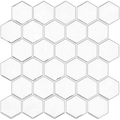
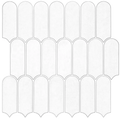
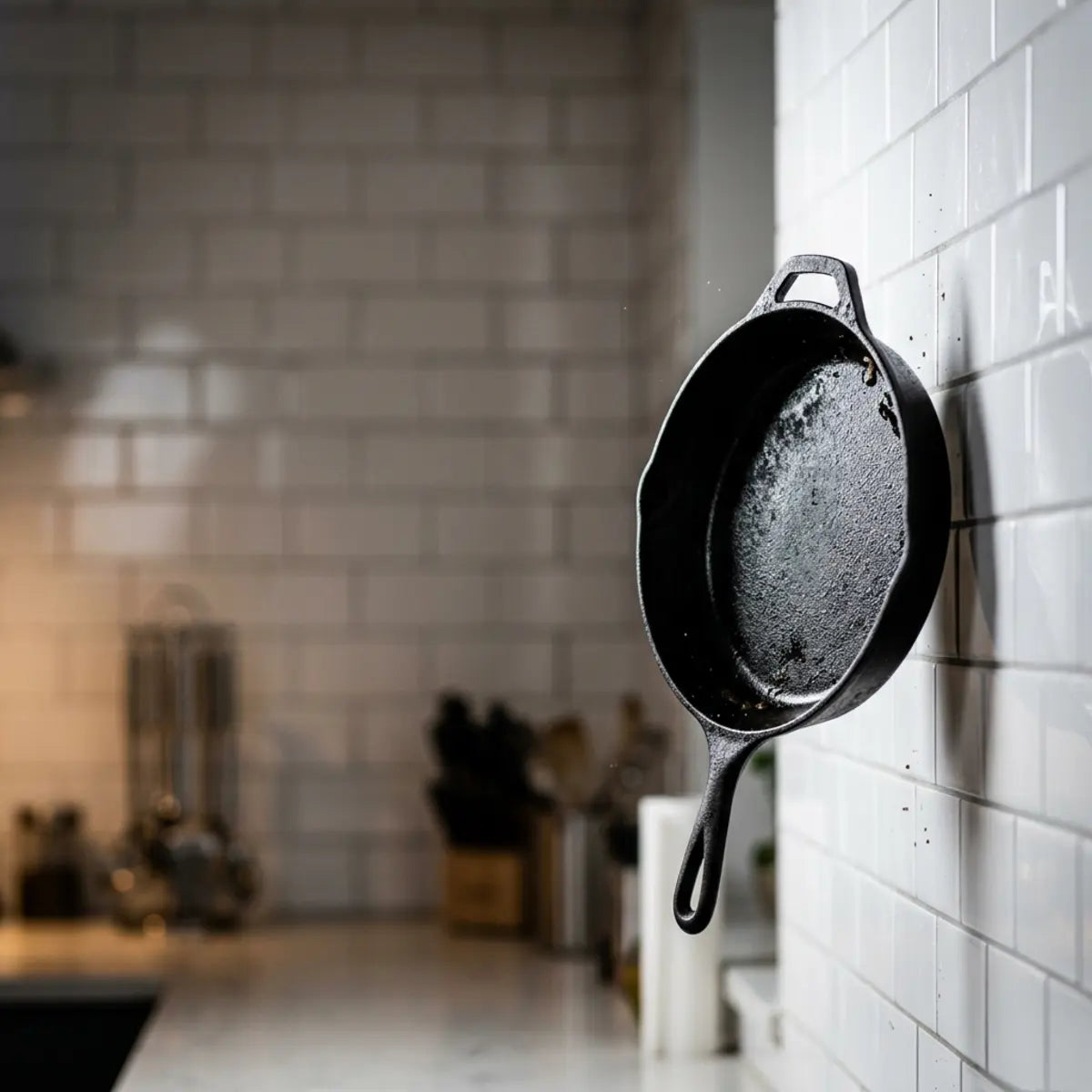
Stell dir vor: Du nimmst eine schwere, zwölf Zoll große gusseiserne Pfanne vom Herd, verlierst den Halt und sie prallt direkt gegen deine frisch montierte Küchenrückwand. Die Stoßfestigkeit ist ein wichtiger Aspekt bei der Wahl einer Küchenrückwand; der Küchenrückwand-Ratgeber behandelt außerdem die richtige Platzierung, Hitze- und Spritzwasserbereiche, Steckdosen, sichtbare Kanten und die Reinigung im Alltag.
Schon das Geräusch allein lässt jedem Hausbesitzer einen Schauer über den Rücken laufen. Küchen sind schließlich nicht nur schöne Hingucker, sondern auch äußerst aktive und naturgemäß chaotische Arbeitsbereiche. Tag für Tag werden schwere Töpfe hin- und hergeschoben, übergroße Geräte an Wände gedrückt und hektische Vorbereitungen schaffen ideale Bedingungen für unabsichtliche Stöße. Eine moderne Küche muss Belastungen aushalten, über die wir meist erst in dem Moment nachdenken, in dem es passiert. Wenn das schwere Eisen auf die Küchenrückwand trifft, entscheidet sich sofort, ob du einfach einen Fleck wegwischst oder mit Reparaturkosten von mehreren hundert Euro rechnen musst.
Eine selbstklebende Rückwand aus Verbundmaterial kann bei typischen Stößen in der Küche eine höhere Stoßfestigkeit bieten als herkömmliches Glass Tile. Sie gibt leicht nach und absorbiert den Aufprall, statt wie sprödes Glas zu brechen.
Diese zunächst überraschende Tatsache erstaunt viele Hausbesitzer, die Gewicht und dauerhafte Montage automatisch mit Langlebigkeit gleichsetzen. Die grundlegenden physikalischen Eigenschaften moderner Verbundmaterialien haben die Innenraumgestaltung grundlegend verändert: Sie bieten Schutzlösungen, die eher wie ein stoßdämpfender Puffer als wie eine starre Glasscheibe funktionieren. Wenn du Zeit und Geld in die Erneuerung deiner Küche investierst, kaufst du nicht nur eine Farbe oder ein Muster, sondern auch eine Schutzschicht für deine Trockenbauwand. Zu verstehen, wie verschiedene Materialien auf Bewegungsenergie reagieren, ist der wichtigste Faktor bei der Wahl einer Rückwand, die deinen tatsächlichen Küchenalltag unbeschadet übersteht.
Bevor wir zum Falltest kommen, lohnt sich ein Blick auf die grundlegenden Unterschiede der Materialien. Wenn du verstehen möchtest, warum starre Strukturen versagen können, wenn sich ein Haus setzt, findest du in unserer ausführlichen Analyse die wichtigsten Hintergründe. Erfahre, warum flexible Verbundfliesen in Häusern, die sich noch setzen, besser abschneiden als Keramikfliesen, und vergleiche Optionen mit geringerem Schadensrisiko, bevor du dich entscheidest.
In dieser Analyse zur Widerstandsfähigkeit zeigen wir die Ergebnisse unseres standardisierten Falltests mit einer gusseisernen Pfanne. Dafür verwenden wir eine spezielle Kennzahl: den Kitchen Impact Survivability Score.
Diese Kennzahl wurde entwickelt, um für mehr Klarheit in der oft uneindeutigen Marketing-Sprache zu sorgen. Begriffe wie „besonders robust“ oder „extrem langlebig“ werden von Herstellern häufig ohne standardisierte Grundlage verwendet. Mit einem strengen, wiederholbaren Testverfahren lassen wir solche Werbeversprechen beiseite und konzentrieren uns ganz auf messbare physikalische Eigenschaften. Wir wollen genau wissen, wie viel Kraft ein Material aushält, bevor es vollständig versagt – und vor allem, wie dieses Versagen in einem echten Zuhause aussieht.
Du siehst, wie sichtbare Schäden nach wiederholten Stößen bewertet werden. Wir vergleichen Verbundfliesen mit herkömmlichem Glass Tile unter identischen Bedingungen. Abschließend geben wir gezielte Einschätzungen für Mieter, Eigentümer von Eigentumswohnungen und viel beschäftigte Familien.
Was passierte, als wir eine gusseiserne Pfanne auf selbstklebende Fliesen und Glass Tile fallen ließen?
Die Gefahr in der Küche: Machst du dir manchmal Sorgen, dass ein einziger ungeschickter Moment mit einer schweren Pfanne deine teure Erneuerung der Küchenrückwand dauerhaft ruiniert?
Die Fakten aus dem Test: In diesem Abschnitt zeigen wir die Ergebnisse unseres eigenen, wiederholbaren Mini-Labortests. Dabei wird genau sichtbar, wie verschiedene Materialien mit extremer, konzentrierter Kraft umgehen.
Wir hören immer wieder von praktisch denkenden Heimwerkern, die vagen Marketingversprechen zur Haltbarkeit misstrauen. Du brauchst einen Beleg dafür, dass eine vorübergehend oder semi-permanent montierte Küchenrückwand deinen tatsächlichen Alltag aushält.
Dieses Misstrauen ist absolut nachvollziehbar. Die Heimwerkerbranche ist voll von extrem günstigen, hauchdünnen Aufklebern, die sich als hochwertige Wandverkleidung ausgeben. Wenn Verbraucher schlechte Erfahrungen machen, weil sich minderwertige Aufkleber innerhalb weniger Wochen ablösen oder einreißen, übertragen sie dieses Scheitern verständlicherweise auf hochwertige Verbundmaterialien für die Wandgestaltung. Der einzige Weg, diesem berechtigten Misstrauen zu begegnen, sind größtmögliche Transparenz und anspruchsvolle Tests. Uns war klar, dass ein leichtes Antippen einer Fliese mit einem Kochlöffel nichts beweisen würde. Wir brauchten einen Test, der ein Worst-Case-Szenario nachstellt.

Um diesen Beleg zu liefern, entwickelten wir ein konkretes Aufprallszenario. Wir ließen die üblichen Kratztests beiseite und konzentrierten uns direkt auf die zerstörerischste Kraft in einer typischen Küche: gusseisernes Kochgeschirr.
Gusseisen ist der unangefochtene Schwergewichtschampion der Kochwelt. Eine normale zwölf Zoll große Pfanne kann problemlos mehr als acht Pfund wiegen. Wenn diese dichte Masse aus Kohlenstoff und Eisen in Bewegung gerät, entwickelt sie eine enorme Bewegungsenergie. Anders als Aluminium oder Kupfer, die sich beim Aufprall verformen und dabei einen Teil ihrer Energie aufnehmen können, gibt Gusseisen nicht nach. Es überträgt 100% seiner Kraft direkt auf das, worauf es trifft. Damit ist es das perfekte, unerbittliche Werkzeug, um hochwertige Wandmaterialien von dünnen Plastikaufklebern zu unterscheiden.
Das Aufprallszenario mit der gusseisernen Pfanne
Damit der Test unter allgemein nachvollziehbaren Bedingungen stattfinden konnte, bauten wir eine kontrollierte Pendelvorrichtung. Sie schwingt eine fünf Pfund schwere gusseiserne Pfanne direkt gegen eine montierte Rückwandprobe.
Beim Bau dieser Vorrichtung hielten wir uns strikt an die Grundsätze des Bauingenieurwesens. Den Rahmen fertigten wir aus stranggepresstem Aluminium mit hoher Wandstärke und verschraubten ihn sicher mit einem Betonunterboden, damit keine Energie durch Vibrationen des Rahmens verloren ging. Der Drehpunkt wurde mit hochwertigen Stahlkugellagern ausgestattet, um eine nahezu reibungsfreie Bewegung zu gewährleisten. Die Pfanne selbst wurde in einer maßgefertigten Halterung befestigt, die sicherstellte, dass sie mit ihrer Fläche exakt im 90-Grad-Winkel auf die Fliese traf. Diese Präzision sorgt dafür, dass jedes einzelne Joule an Energie berechnet und berücksichtigt wird.
Für jeden Test verwendeten wir denselben Untergrund aus Trockenbau. Die Fallhöhen wurden exakt kontrolliert: Wir testeten Aufprälle aus zwei, sechs und zwölf Zoll Höhe.
Die Einheitlichkeit des Untergrunds ist ein entscheidender, beim Testen der Widerstandsfähigkeit jedoch oft übersehener Faktor. Wenn eine Fliese auf Massivholz und eine andere auf einer instabilen Gipskartonplatte montiert ist, sind die Ergebnisse sofort nicht mehr aussagekräftig. Wir verwendeten eine übliche ½ Zoll starke Trockenbauplatte für Wohnräume, grundierten sie und strichen sie mit einer Standard-Innenfarbe in Eierschalenoptik. Vor dem Test durfte die Oberfläche vierzehn Tage aushärten. Die Fallhöhen wurden mit einem Laser-Nivelliergerät kalibriert, sodass ausschließlich die Schwerkraft als Beschleunigung wirkte. Ein Fall aus zwei Zoll Höhe simuliert einen leichten Stoß beim Abwaschen. Sechs Zoll entsprechen dem Herunterstoßen einer Pfanne von einem Abtropfgestell. Zwölf Zoll simulieren den vollständigen Verlust des Halts, wenn eine schwere Pfanne vom Herd zum Spülbecken getragen wird.
Die Beleuchtung wurde vereinheitlicht, damit selbst mikroskopisch kleine Spannungsrisse sichtbar wurden. So schlossen wir menschliche Fehler weitgehend aus und schufen eine stark kontrollierte Umgebung, in der Stöße durch Kochgeschirr, herumschlagende Pfannengriffe und herunterfallende Geräte nachgestellt werden konnten.
Testergebnis im Überblick: Fall aus 12 Zoll Höhe
- Verbundfliese: Unbeschädigt geblieben. Aufprall absorbiert. Die Oberfläche zeigte nur eine leichte, 2mm Vertiefung, die ausschließlich bei schräg einfallendem, hartem Licht sichtbar war. Die Haftung blieb bei 100%.
- Glass Tile: Vollständiges Versagen. Spröder Bruch über die gesamte Oberfläche von 3x6 inch. Bruchstücke lösten sich. Vollständiger Austausch und eine neue Verfugung erforderlich.
Die physikalischen Hintergründe der Ergebnisse sind eindeutig. Herkömmliches Glass Tile weist einen hohen Zugmodul auf. Der Zugmodul – ein Maß für die Steifigkeit eines Materials – erklärt, warum Glas unglaublich starr ist.
Um das auf molekularer Ebene zu verstehen, muss man sich den atomaren Aufbau von Glas auf Siliziumbasis ansehen. Silizium- und Sauerstoffatome bilden ein äußerst gleichmäßiges, starres Kristallgitter. Diese kovalenten Bindungen sind außergewöhnlich stark – deshalb lässt sich Glas nur schwer zerkratzen. Diese extreme Steifigkeit bringt jedoch einen entscheidenden Nachteil mit sich: Glas kann sich überhaupt nicht flexibel verformen. Bei plötzlicher, punktueller Belastung kann sich das Gitter nicht biegen, um die Kraft auszugleichen. Es behält seine Form lediglich so lange, bis die Belastung den Bruchpunkt überschreitet.
Wenn die gusseiserne Pfanne auf Glas trifft, kann die Bewegungsenergie nirgendwohin ausweichen. Sie konzentriert sich am Aufprallpunkt und verursacht einen spröden Bruch.
In der Materialtechnik wird dieses Phänomen als Versagen durch Punktbelastung bezeichnet. Die enorme Energie der schwingenden fünf Pfund schweren Eisenpfanne muss abgebaut werden. Da sich Glas weder dehnen noch zusammendrücken kann, sprengt die Energie die schwächsten atomaren Bindungen im Bruchteil einer Millisekunde und breitet sich netzförmig in Rissen aus. Das Ergebnis ist ein gefährlicher Schauer scharfer Silikat-Splitter, der nicht nur die Optik ruiniert, sondern auch ein erhebliches Sicherheitsrisiko auf Arbeitsflächen und Böden darstellt.
Selbstklebende Verbundfliesen sind dagegen viskoelastisch. Viskoelastizität – also die Eigenschaft, sowohl zähflüssige als auch elastische Merkmale zu zeigen – ermöglicht es dem Material, sich leicht zusammenzudrücken. Dadurch verteilt es die Bewegungsenergie der Pfanne über eine größere Fläche.
Die hochwertigen Verbundpolymere in erstklassigen selbstklebenden Fliesen sind wahre Meisterwerke der Materialtechnik. Anders als das starre Silikatgitter von Glas bestehen ihre Polyurethan- und Vinylkerne aus langen, miteinander verflochtenen Polymerketten. Beim Aufprall des Gusseisens können diese Ketten tatsächlich aneinander vorbeigleiten und sich vorübergehend verdichten. Die innere Reibung wandelt die Bewegungsenergie des Aufpralls in eine winzige, nicht wahrnehmbare Menge Wärme um. Wenn die Kraft die Trockenbauwand hinter der Fliese erreicht, ist sie bereits stark abgeschwächt. Das Material wirkt wie eine kleine, stoßabsorbierende Knautschzone für deine Küchenwand.
Bewertung des Kitchen Impact Survivability Score (KISS)
Um diese Ergebnisse messbar zu machen, haben wir eine standardisierte Bewertungsmethode entwickelt. Wir nennen sie den Kitchen Impact Survivability Score (KISS).
Daten ohne Struktur sind nutzlos. Wir brauchten eine Möglichkeit, rohe physikalische Messwerte und sichtbare Schäden so aufzubereiten, dass sie für Hausbesitzer im Baumarkt sofort verständlich sind. Der KISS-Wert führt die komplexen Variablen Materialverformung, Scherbelastung der Klebeflächen und optische Beeinträchtigung in einem klaren, schonungslos strengen Bewertungssystem zusammen. Dabei soll nicht Perfektion belohnt, sondern Versagen bestraft werden – denn in einer echten Küche kann ein Schaden teuer werden.
Der KISS ist ein Bewertungssystem mit 100 Punkten, das die tatsächliche Alltagstauglichkeit und Langlebigkeit beurteilt. Mehrere entscheidende Leistungsfaktoren fließen dabei in eine einzige, leicht verständliche Zahl ein.
-
01
Rissbeständigkeit (20 Punkte): Zerspringt oder reißt das Material beim Aufprall vollständig? Die volle Punktzahl bedeutet, dass die Oberflächenspannung vollständig erhalten bleibt.
-
02
Absplitterungsbeständigkeit (20 Punkte): Brechen kleine Stücke aus der Oberfläche heraus? Punktabzug bedeutet hier ein Sicherheitsrisiko, da scharfe Splitter auf Flächen zur Lebensmittelzubereitung fallen können.
-
03
Sichtbarkeit von Dellen (20 Punkte): Verformt sich das Material, und ist die Verformung deutlich zu sehen? Bewertet wird, wie gut das Material die Spuren des Aufpralls aus einer normalen Betrachtungsentfernung von etwa einem Meter kaschiert.
-
04
Haftfestigkeit (20 Punkte): Löst die Schockwelle des Aufpralls die Klebeverbindung zur Wand? Wenn die Fliese den Schlag zwar abfedert, sich aber von der Gipskartonwand löst, hat sie ihre eigentliche Funktion als Wandverkleidung grundlegend verfehlt.
-
05
Kantenstabilität (10 Punkte): Lösen sich die Fugen nach einem direkten Treffer? Beschädigte Fugen können das Eindringen von Feuchtigkeit und Fett begünstigen und so langfristig zu weiteren Schäden führen.
-
06
Aussehen nach dem Aufprall (10 Punkte): Sieht die Wand aus normaler Entfernung noch akzeptabel aus? Das ist der letztlich subjektive Test: Muss die Fliese tatsächlich ersetzt werden, oder kann man mit dem Schaden leben?
Bei unserem Falltest aus zwölf Zoll Höhe erlitt die traditionelle Glass Tile einen Totalschaden. Bei der Riss- und Absplitterungsbeständigkeit erhielt sie null Punkte. Glassplitter fielen auf die Arbeitsplatte und stellten sofort ein Sicherheitsrisiko dar.

Die selbstklebende Verbundfliese bekam beim Falltest aus zwölf Zoll Höhe eine Delle. Sie riss jedoch nicht, splitterte nicht ab und verlor auch nicht ihre Haftung. Die Delle war nur bei direkter, schräg einfallender Beleuchtung sichtbar.
Dieser Unterschied ist für moderne Hausbesitzer besonders wichtig. Eine Delle ist ein lokal begrenzter Schaden; die strukturelle Stabilität der umliegenden Schutzschicht bleibt erhalten. Der viskoelastische Kern wurde zusammengedrückt, fing die Wucht des Gusseisens ab und nahm anschließend wieder seine Form an. Die dahinterliegende Gipskartonwand blieb vollständig geschützt. In einer echten Küche ist eine winzige Delle an einer unteren Fliese neben dem Herd kaum zu erkennen – es sei denn, man kriecht mit einer Taschenlampe auf die Arbeitsplatte. Funktional ist das ein klarer Erfolg, auch wenn die Optik einen kleinen Makel davonträgt.
Bei der Bewertung, wie sich die Leistung nach mehreren Aufprällen verändert, spielt die Materialwissenschaft eine entscheidende Rolle. Der ausführliche Ansatz in unserem Expertenbeitrag darüber, warum flexible Verbundmaterialien Keramik überlegen sind, schafft eine messbare Vergleichsgrundlage. Flexible Materialien reduzieren die Wirkung plötzlicher kinetischer Stöße grundsätzlich.
Auch wenn wir uns in diesem Bericht stark auf heftige Stöße konzentrieren, ist Oberflächenabrieb die andere Seite der Medaille. In Küchen wird gescheuert, geschrubbt und gekratzt. Wenn du Aussagen zur Kratzfestigkeit selbstklebender Wandfliesen skeptisch gegenüberstehst, solltest du dir unsere Testergebnisse zu Verbundwandfliesen und die Anwendungstipps für Küchen, Badezimmer und stark frequentierte Bereiche ansehen. Hier geht es zum vollständigen Bericht über Kratzfestigkeit.
Was das für Mieter und Eigentümer bedeutet
Für Hausbesitzer und Mieter verändert die Betrachtung dieser Schadensarten die Kaufentscheidung. Eine kleine sichtbare Spur auf einer Verbundfliese ist in der Regel vor allem ein optisches Ärgernis.
Beim Einrichten und Renovieren machen wir Perfektion oft zum Feind einer praktischen Lösung. Eine Küche ist ein Ort zum Leben und kein Ausstellungsstück. Wenn du deine Einstellung von „Das muss für immer makellos bleiben“ zu „Das muss das Chaos meiner Familie aushalten, ohne mich finanziell zu ruinieren“ veränderst, fällt auch die Kaufentscheidung ganz anders aus. Eine kleine Gebrauchsspur ist ein Zeichen dafür, dass eine Küche wirklich genutzt wird. Sie beeinträchtigt die Hygiene des Raums nicht und zwingt dich auch nicht dazu, deine Wochenendpläne für eine Reparatur abzusagen.
Eine gerissene Glass Tile ist ein struktureller Schaden. Sie muss umgehend und oft kostenintensiv repariert werden, wobei Fugen entfernt und Spezialwerkzeuge eingesetzt werden müssen.
Die Folgen einer zerbrochenen Glass Tile können erheblich sein. Einfach wieder zusammenkleben lässt sie sich nicht. Der ausgehärtete Mörtel und der verfugte Bereich müssen vorsichtig herausgemeißelt werden, ohne die umliegenden Fliesen zu beschädigen. Dabei wird die darunterliegende Gipskartonwand freigelegt und beim Entfernen oft ebenfalls beschädigt – anschließend sind Ausbesserungsarbeiten und Trocknungszeit erforderlich. Für die Ersatzfliese brauchst du außerdem eine spezielle Nassschneidemaschine für Glas, dazu neuen Fliesenkleber und passenden Fugenmörtel. Aus einer einzigen fallengelassenen Pfanne wird so mitten in deinem Zuhause eine staubige, teure Baustelle, die sich über mehrere Tage ziehen kann.
Realitätscheck für Mieter
Die Gefahr für die Kaution: Wenn du zur Miete wohnst, gilt deine Kaution als größte Sorge. Hausverwaltungen sind bei nicht genehmigten dauerhaften Veränderungen bekanntermaßen streng. Eine gerissene Glass Tile kann dich Hunderte Euro für eine professionelle Reparatur kosten, die direkt von der Kaution abgezogen werden – schließlich gilt der Schaden als Beschädigung des Eigentums. Eine hochwertige, vorsichtig entfernte selbstklebende Fliese lässt die ursprüngliche Wand dagegen intakt und erspart dir beim Auszug Geld und rechtlichen Ärger.
Eine gerissene Glass Tile kann dich Hunderte Euro an professionellen Reparaturkosten kosten. Eine leicht eingedellte selbstklebende Fliese bleibt bei der Wohnungsübergabe möglicherweise völlig unbemerkt. Falls sie doch auffällt, dauert der Austausch einer einzelnen selbstklebenden Fliese nur drei Minuten.
In der Branche gilt: Wer Materialien anhand ihres schlimmsten möglichen Schadensbilds bewertet, trifft meist die klügere Kaufentscheidung. Glas versagt mit voller Wucht. Verbundmaterialien geben sanfter nach.
Damit kommen wir zu einem konkreten Entscheidungsrahmen. Wenn du Kratzfestigkeit und Widerstandsfähigkeit bei Stößen gegeneinander abwägst, verschieben sich die Prioritäten. Unsere veröffentlichten Ergebnisse zur Kratzfestigkeit von Verbundwandfliesen zeigen: Glas hält Rasierklingen besser stand, während Verbundmaterialien heftige Stöße effektiv abfangen.
Wasser kann die Folgen eines Aufpralls verschlimmern, wenn das Material beschädigt ist. Durch einen Riss im Glass Tile gelangt sofort Wasser hinter die Wand. Du bist skeptisch, ob selbstklebende Fliesen für Nassbereiche geeignet sind? Unser Ratgeber zeigt anhand praxisnaher Tests, wie langlebig und wasserbeständig sie wirklich sind. Finde heraus, ob sie zu dir passen. Entdecke die Ergebnisse zur Haltbarkeit in Nassbereichen.
Welches Material für den Fliesenspiegel ist für Mieter, Eigenheimbesitzer und viel beschäftigte Familienküchen die sicherere Wahl?
Das Dilemma im Alltag: Zögerst du mit der Modernisierung deiner Küche, weil du befürchtest, Geld für Materialien auszugeben, die dem turbulenten Familienalltag nicht standhalten?
Die strategische Lösung: In diesem Abschnitt übersetzen wir die Ergebnisse unseres Falltests in eine klare Entscheidungshilfe und stellen eine sichere Montage, Alltagstauglichkeit und einen möglichst geringen Reparaturaufwand in den Mittelpunkt.
Je nach Haushalt bestehen ganz unterschiedliche Risiken. Mieter fürchten irreversible Schäden an der Wand. Eigentümer von Eigentumswohnungen müssen strenge Regeln der Wohnungseigentümergemeinschaft beachten. Familien brauchen vor allem Oberflächen, die herumfliegenden Rucksäcken und einem turbulenten Kochalltag standhalten.
Die Vorstellung, dass ein einheitlicher Ansatz bei der Inneneinrichtung für alle passt, ist überholt. Ein pensioniertes Paar in einem ruhigen Vorort hat ganz andere Anforderungen an Materialien als eine fünfköpfige Familie in einer lebhaften Stadtwohnung. Im ersten Fall können empfindliche, handbemalte Keramikfliesen jahrzehntelang halten. Im zweiten Fall wären dieselben Fliesen innerhalb eines Monats angeschlagen. Das Risikoprofil des eigenen Haushalts zu verstehen, ist der erste Schritt zu einer klugen Investition in die Gestaltung des Zuhauses.
Die überholte Annahme lautet, dass schwerere, in Mörtel verlegte Fliesen grundsätzlich die bessere Wahl sind. Unsere Daten haben jedoch deutlich gezeigt: In dynamischen Umgebungen mit hoher Aufprallgefahr bedeutet mehr Gewicht nicht automatisch mehr Widerstandsfähigkeit.
Der Real-World Kitchen Resilience Index (RKRI) im Überblick
Wir haben den Real-World Kitchen Resilience Index (RKRI) entwickelt. Dieses Entscheidungsmodell berücksichtigt mehrere Belastungsfaktoren – nicht nur die Optik.
Der RKRI bewertet, wie gut ein Material Aufprälle übersteht, wie hoch das Montagerisiko und der Reparaturaufwand sind, ob es sich rückstandslos entfernen lässt und wie stark das gesamte Projekt den Alltag beeinträchtigt.
Bei der Berechnung der Gesamtbetriebskosten (TCO) im Rahmen des RKRI darfst du nicht nur den Quadratmeterpreis des Materials betrachten. Für eine herkömmliche Installation mit Glass Tile brauchst du unter anderem Eimer mit Dünnbettmörtel, spezielle Zahnkellen, Fliesenkreuze, eine Nassschneidemaschine zum Zuschneiden, Fugenmörtel ohne Sand, Fugenglätter und Versiegelung. Diese versteckten Kosten können erheblich ausfallen und den ursprünglichen Projektpreis oft verdoppeln oder verdreifachen. Außerdem ist das Montagerisiko sehr hoch: Schon ein einziger Rechenfehler beim Anlegen führt zu einer dauerhaft schiefen, vom Mörtel verhärteten Wand.
Für Mieter und Eigentümer von Eigentumswohnungen erzielt die Verbundmaterial-Variante beim RKRI durchgehend die besten Werte. Sie macht Fugenmörtel, Fliesenschneider, Dünnbettmörtel und einen dauerhaften Rückbau vollständig überflüssig.
Mini-Quiz: Finde dein größtes Küchenrisiko heraus
Welches Risiko ist in deiner Küche am wichtigsten?
Wenn du die Gesamtkosten über einen dreijährigen Wohnzeitraum vergleichst, zeigt die Variante aus Verbundmaterial einen statistisch signifikanten Vorteil. Du erhältst die gewünschte optische Aufwertung, ohne die finanziellen Risiken einer dauerhaften Montage.
Für luxuriöse Renovierungen im dauerhaft bewohnten Eigenheim erreicht Glass Tile einen soliden RKRI-Wert. Das gilt allerdings nur, wenn die Installation von einem Profi vorgenommen wird und das Material vor punktuellen Stößen an den Kanten geschützt ist.
Verbundmaterial ist nicht gleich Verbundmaterial. Du bist unsicher, welche selbstklebende Rückwandverkleidung lange hält? Wir haben führende Marken von Amazon, Home Depot und Wayfair gründlich auf Haltbarkeit, Wasserbeständigkeit und Preis-Leistungs-Verhältnis getestet. Entdecke die Einschätzungen unserer Experten! Lies unseren umfassenden Markenratgeber.
Umfassende Checkliste für stoßfeste Rückwandverkleidungen
Bevor du dich für ein Material entscheidest, solltest du seine genaue Zusammensetzung prüfen. Mit dieser sorgfältigen Checkliste stellst du sicher, dass du ein Produkt kaufst, das typische Schwachstellen gezielt vermeidet.
Das ist nicht bloß ein Vorschlag, sondern der Fahrplan für eine gelungene Renovierung. Der Markt ist voller minderwertiger Nachahmerprodukte. Wenn du diese Punkte nicht prüfst, setzt du deine Zeit und dein Geld aufs Spiel. Drucke die Liste aus, nimm sie mit in den Ausstellungsraum oder lass sie beim Online-Shopping in einem Browser-Tab geöffnet. Bei diesen grundlegenden Anforderungen solltest du keine Kompromisse machen.
- ✔ Materialstärke: Achte auf Verbundmaterialfliesen mit einer Stärke von mindestens 1.5mm, damit sie Stöße ausreichend abfedern können.
- ✔ Art des Verbundkerns: Vergewissere dich, dass das Produkt über einen flexiblen Kern aus Polyurethan oder Vinyl verfügt und nicht aus starrem Kunststoff besteht, der brechen kann.
- ✔ Zusammensetzung des Klebers: Setze auf stark haftende Klebstoffe auf Acrylbasis, die den Scherkräften bei einem direkten Aufprall standhalten.
- ✔ Hinweise zur Hitzezone: Vergewissern Sie sich, dass der Hersteller das Material ausdrücklich für die Verwendung hinter Herden freigibt und dabei die erforderlichen Abstände angibt.
- ✔ Angaben zur Wasserbeständigkeit: Die Oberfläche muss porenfrei sein, damit verschüttete Flüssigkeiten nicht in mikroskopisch kleine Vertiefungen eindringen.
- ✔ Testen Sie zunächst ein Muster: Bestellen Sie zunächst immer nur ein einzelnes Blatt. Fahren Sie kräftig mit dem Fingernagel über die Oberfläche, um zu prüfen, ob sie sich verformt.
Wenn Sie diese Checkliste konsequent befolgen, schließen Sie das Risiko, billige, hauchdünne Aufkleber zu kaufen, von vornherein aus. So stellen Sie sicher, dass Sie tatsächlich einen hochwertigen Verbundwerkstoff erwerben.
Installationsfaktoren, die die Haltbarkeit bestimmen
Selbst Materialien mit hervorragenden Testergebnissen versagen, wenn der Untergrund für die Montage nicht geeignet ist. Die Haltbarkeit einer selbstklebenden Rückwand hängt vollständig von der ersten Haftverbindung ab.
🚨 Nicht überspringen: Wichtiger Hinweis zur Montage
Die Reinigung der Wand ist der wichtigste Schritt. Fett, Staub und zurückgebliebene Speiseöle bilden eine Barriere zwischen dem Kleber und der Gipskartonwand. Wenn Sie hochwertige Fliesen auf einer mikroskopisch dünnen Schicht aus Speckfett anbringen, wird die Fliese nicht halten. Sie kleben die Fliese am Fett fest, nicht an der Wand. Ein kräftiger Stoß führt an diesen beeinträchtigten Stellen sofort zu einer Ablösung.
Wir empfehlen, die Wand mit einem starken Fettlöser zu reinigen. Lassen Sie die Gipskartonwand mindestens 24 Stunden vollständig trocknen, bevor Sie Fliesen anbringen.
Herkömmliche Haushaltsreiniger für Oberflächen reichen für diese Vorbereitung nicht aus. Viele gängige Sprays hinterlassen einen glatten Rückstand oder einen Silikonfilm, der das spätere Abwischen erleichtern soll. Dieser Film ist der größte Feind von Acrylklebstoffen. Verwenden Sie unbedingt einen speziellen Fettlöser – beispielsweise TSP (Trinatriumphosphat) oder einen starken Fettlöser auf Zitrusbasis – und spülen Sie anschließend mit sauberem Wasser nach. Die Trocknungszeit von 24 Stunden ist unverzichtbar, denn mikroskopisch kleine Feuchtigkeitsmengen in der porösen Gipskartonwand verringern die Haftkraft des Klebers deutlich.
Die zuverlässige Vorbereitung in 5 Schritten
- Schritt 1: Chemische Entfettung. Tragen Sie einen starken TSP-Fettlöser auf den gesamten Montagebereich auf und schrubben Sie ihn mit einem Scheuerschwamm gründlich ab, um abgelagerte Kochdämpfe und Öle zu entfernen.
- Schritt 2: Mit klarem Wasser nachspülen. Wischen Sie die Wand vollständig mit frischem, warmem Wasser ab, um alle Rückstände des Fettlösers zu entfernen.
- Schritt 3: Anschleifen für besseren Halt. Rauen Sie glänzende Lackoberflächen mit Schleifpapier der Körnung 120 leicht an, damit der Kleber eine griffige Oberfläche zum Verankern erhält.
- Schritt 4: Staub mit einem Mikrofasertuch entfernen. Entfernen Sie sämtlichen Schleifstaub mit einem trockenen Mikrofasertuch und achten Sie darauf, dass die Oberfläche vollständig frei von Partikeln ist.
- Schritt 5: Unbedingt aushärten lassen. Warten Sie genau 24 bis 48 Stunden, damit die Feuchtigkeit im Inneren der Gipskartonwand vollständig verdunsten kann, bevor Sie die erste Fliese anbringen.
Auch die Glätte der Oberfläche bestimmt die Stoßfestigkeit. Wenn Sie eine Verbundfliese auf einer stark strukturierten Wand anbringen, entstehen Hohlräume hinter der Fliese.
Stellen Sie sich vor, Sie spannen ein Trampolin über eine steinige Vertiefung oder über eine ebene Betonfläche. Springen Sie über der Vertiefung darauf, gibt es sicher nach unten nach. Springen Sie über dem Beton darauf, prallen Sie auf die harte Oberfläche. Selbstklebende Fliesen funktionieren nach demselben Prinzip – nur im Kleinen. Der Kleber muss vollflächig anliegen, damit die Energie gleichmäßig übertragen wird.
Trifft ein Stoß direkt auf eine dieser Lufttaschen, fehlt der Fliese die feste Unterstützung. Dadurch steigt die Wahrscheinlichkeit einer tiefen, sichtbaren Delle oder eines Durchstoßes deutlich.
Auch die Aushärtezeit gilt allgemein als entscheidender Faktor für ein erfolgreiches Ergebnis. Hochwertige Kleber benötigen bis zu 48 Stunden, um ihre maximale Haftkraft zu erreichen. Drücken Sie in dieser Zeit alle Übergänge und Fugen sorgfältig an.
Wenn Sie stark beanspruchte Bereiche für die Zubereitung von Speisen beurteilen, sind unsere Messdaten aus gewerblichen Umgebungen besonders relevant. Die standardisierte Auswertung in unserem Bericht über die Haltbarkeitstests in Cafés und Foodtrucks zeigt, dass eine ordnungsgemäße Aushärtung zu Beginn das langfristige Ablösen der Kanten deutlich verringert.
Sie denken, Ihre Küche zu Hause ist eine echte Herausforderung? Dann stellen Sie sich eine mobile Profiküche vor. Erfahren Sie, wie sich die selbstklebenden Fliesen von Stickwoll in realen Tests in Cafés und Foodtrucks bewährt haben. Entdecken Sie mehr über Haltbarkeit, Pflege und ansprechendes Design. Hier geht es zur Fallstudie aus dem gewerblichen Einsatz.
Vergleich der Schadensbilder
Damit Sie eine klare, quantitative Grundlage für Ihre Entscheidung haben, haben wir unsere Testdaten in einem direkten Vergleich zusammengefasst. Die Tabelle zeigt, wie sich die einzelnen Materialien verhalten, wenn sie über ihre Belastungsgrenze hinaus beansprucht werden.
| Leistungsmerkmal | Selbstklebende Verbundfliese | Traditionelle Glass Tile | Folgen des Aufpralls |
|---|---|---|---|
| Heftiger Aufprall (Fallhöhe: 30 cm) | Verbeult leicht, bleibt aber an der Wand haften. | Zerspringt, die strukturelle Integrität geht verloren. | Das Glas muss sofort ersetzt werden. |
| Risiko sich lösender Kanten | Mittel (wenn die Fugen nicht sorgfältig angedrückt wurden). | Gering (durch ausgehärteten Fugenmörtel fixiert). | Das Verbundmaterial erfordert sorgfältiges Andrücken bei der Montage. |
| Reparaturaufwand | Äußerst gering (ein Quadrat abziehen und ersetzen). | Äußerst hoch (Mörtel herausmeißeln und neu verfugen). | Das Verbundmaterial spart erhebliche Arbeitskosten. |
| Kratzempfindlichkeit der Oberfläche | Anfällig für tiefe, scharfkantige Kratzer. | Sehr widerstandsfähig gegen herkömmliche Kratzer. | Beim Kratzschutz liegt Glas vorn. |
| Wandschäden beim Entfernen | Gering bis mittel (kann etwas Farbe abziehen). | Stark (ein Austausch der Trockenbauplatte ist erforderlich). | Das Verbundmaterial ist die einzige praktikable Option für Mietwohnungen. |
Bei der Betrachtung dieser Daten spricht das Verhältnis von Kosten und Nutzen deutlich für Verbundmaterialien in nicht dauerhaft genutzten Wohnräumen. Das Risiko eines gravierenden Glasbruchs wiegt schwerer als der Vorteil der Kratzfestigkeit.
Auch die Optik der Oberfläche spielt eine Rolle. Glänzende Oberflächen lassen kleinere Dellen durch Stöße meist deutlicher hervortreten als matte Oberflächen.
Das ist eine grundlegende Erkenntnis aus der Optik. Eine hochglänzende Oberfläche wirkt wie ein Spiegel. Wenn ein Spiegel vollkommen eben ist, reflektiert er das Licht gleichmäßig. Sobald sich die Oberfläche auch nur um einen Bruchteil eines Millimeters verformt – etwa durch die winzige Delle aus unserem Test mit der gusseisernen Pfanne –, wird das Licht an der Aufprallstelle ungleichmäßig abgelenkt. Diese fehlerhafte Reflexion wirkt wie ein Scheinwerfer und lenkt den Blick direkt auf die Unebenheit. Eine matte Oberfläche hingegen streut das Licht gleichmäßig. Dadurch werden kleinere Unregelmäßigkeiten der Oberfläche von vornherein kaschiert.
Wenn du mit häufigen, kleineren Stößen rechnest, solltest du die Wirkung deiner Designwahl sorgfältig abwägen. Unser ausführlicher Vergleich von matten und glänzenden selbstklebenden Oberflächen zeigt, dass matte Strukturen kleine Dellen und Fingerabdrücke deutlich besser verbergen.
Machst du dir Sorgen über blendendes Licht in der Küche? Vergleiche matte und glänzende selbstklebende Fliesen vor dem Kauf im Hinblick auf Licht, Fingerabdrücke und Helligkeit. Dieser Artikel hilft dir dabei, die passende Oberfläche für deine selbstklebende Küchenrückwand und die Bedingungen in deiner Küche zu wählen. Oberflächen hier vergleichen.
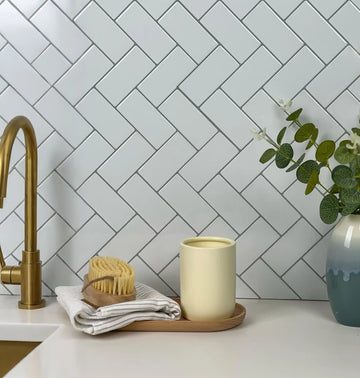
Darüber hinaus bieten bestimmte Produktdesigns einen besonders guten Schutz gegen sichtbare Aufprallspuren. Produkte wie die selbstklebenden Blanco-Chevron-Fliesen mit ihren realistischen 3D-Strukturen sind optimal geeignet, um kleinere Unebenheiten der Oberfläche zu kaschieren.
Verpasse deiner Küche oder deinem Bad in wenigen Minuten einen neuen Look – mit den selbstklebenden Blanco-Chevron-Fliesen für die Küchenrückwand! Die selbsthaftenden, fugenlosen Fliesen überzeugen mit dem faszinierenden Design „Zigzag Charm“ und realistischen 3D-Strukturen. Das Zickzackmuster lenkt den Blick ab und unterbricht große, ebene Flächen, auf denen Dellen normalerweise besonders auffallen. Blanco-Chevron-Fliesen entdecken.
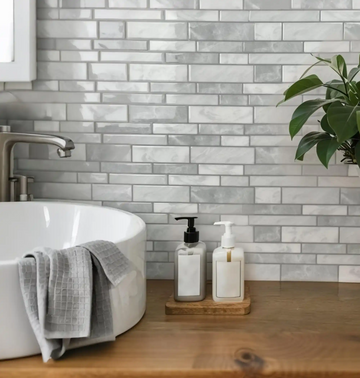
Auch die selbstklebenden Fliesen Olive Lines setzen auf ein dreidimensionales Design. Die speziell entwickelte Struktur streut das Licht und macht kleinere Verformungen durch alltägliche Stöße aus normalen Blickwinkeln nur schwer erkennbar. Diese Produkte sind wie geschaffen für stark beanspruchte Bereiche im Familienalltag.
Wasserfest und hitzebeständig – ideal für Küchenrückwände und Badezimmerwände. Beeindruckende 3D-Struktur: Anders als flache Aufkleber erzeugen unsere selbstklebenden Wandfliesen einen echten dreidimensionalen Look. Die erhabenen Linien der Olive Lines sorgen für zusätzliche Stabilität an den jeweiligen Stellen und bewahren gleichzeitig die Flexibilität der Fliesen. Olive Lines entdecken.

Abschließende Gedanken
Die Ergebnisse unserer kontrollierten Falltests mit einer gusseisernen Pfanne liefern ein klares und objektives Bild. Bei der Bewertung der Widerstandsfähigkeit einer Küchenrückwand gegen Stöße bieten selbstklebende Rückwände aus Verbundmaterial eine bessere praktische Belastbarkeit bei heftigen Aufprällen.
Wir wollten Renovierungen in der Küche planbarer machen. Indem wir die Materialien Kräften ausgesetzt haben, die weit über die üblichen Missgeschicke beim Kochen hinausgehen, konnten wir eine klare Grenze zwischen theoretischer Haltbarkeit und praktischer Widerstandsfähigkeit aufzeigen. Die Daten sprechen für sich. Unter plötzlicher kinetischer Belastung sind viskoelastische Polymere aufgrund ihrer physikalischen Eigenschaften den starren, spröden Eigenschaften herkömmlicher Installationen auf Siliziumdioxidbasis deutlich überlegen.
Traditionelle Glass Tile bleibt äußerst attraktiv. In puncto Kratzfestigkeit sowie für eine dauerhafte, hochwertige Gestaltung ist sie ausgesprochen robust. Gegen sprödes Versagen durch Aufprall ist sie jedoch grundsätzlich anfällig.
In einer aktiven Küche mit viel Durchgangsverkehr ist die Art des Schadens wichtiger als das Marketinglabel. Eine Delle in einer Verbundfliese ist ein ästhetischer Makel. Eine zerbrochene Glass Tile wird dagegen schnell zum praktischen Problem.
Für Mieter, viel beschäftigte Familien und praktisch veranlagte Heimwerker sind Verbundmaterialien die sinnvollste Investition. Sie sorgen für die gewünschte optische Aufwertung und halten gleichzeitig den Reparaturaufwand sowie das Installationsrisiko gering.
Eine Renovierung sollte keine dauerhafte Anspannung auslösen. Sie sollten nicht auf Zehenspitzen durch Ihre eigene Küche gehen und Angst haben müssen, dass ein kurzer Moment der Unachtsamkeit eine teure Reparatur nach sich zieht. Wenn Sie Materialien wählen, die für den modernen Alltag entwickelt wurden, gewinnen Sie Ihren Raum zurück. Sie schaffen eine Küche, die sich Ihrem Leben anpasst, statt eine, die Sie ständig vor Schäden schützen müssen.
Wir empfehlen, Widerstandsfähigkeit bei Stößen und eine unkomplizierte Montage an erste Stelle zu setzen. Sehen Sie sich die RKRI-Checkliste sorgfältig an. Bestellen Sie Materialproben, testen Sie deren Flexibilität und vergleichen Sie stoßfeste selbstklebende Varianten, bevor Sie sich an Ihr Küchenprojekt am Wochenende machen.
Sichern Sie den Erfolg Ihrer Renovierung
Laden Sie unsere kostenlose, einseitige Checkliste für eine robuste Küche herunter. Nehmen Sie sie beim Materialkauf mit, damit Sie garantiert echten Architektur-Verbundwerkstoff kaufen.


Kommentar hinterlassen
Diese Website ist durch hCaptcha geschützt und es gelten die allgemeinen Geschäftsbedingungen und Datenschutzbestimmungen von hCaptcha.