








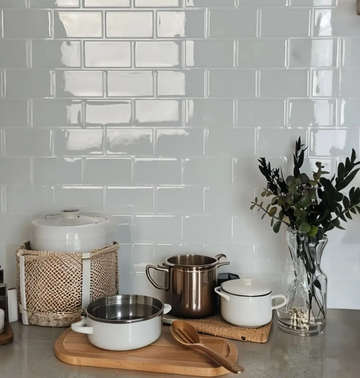

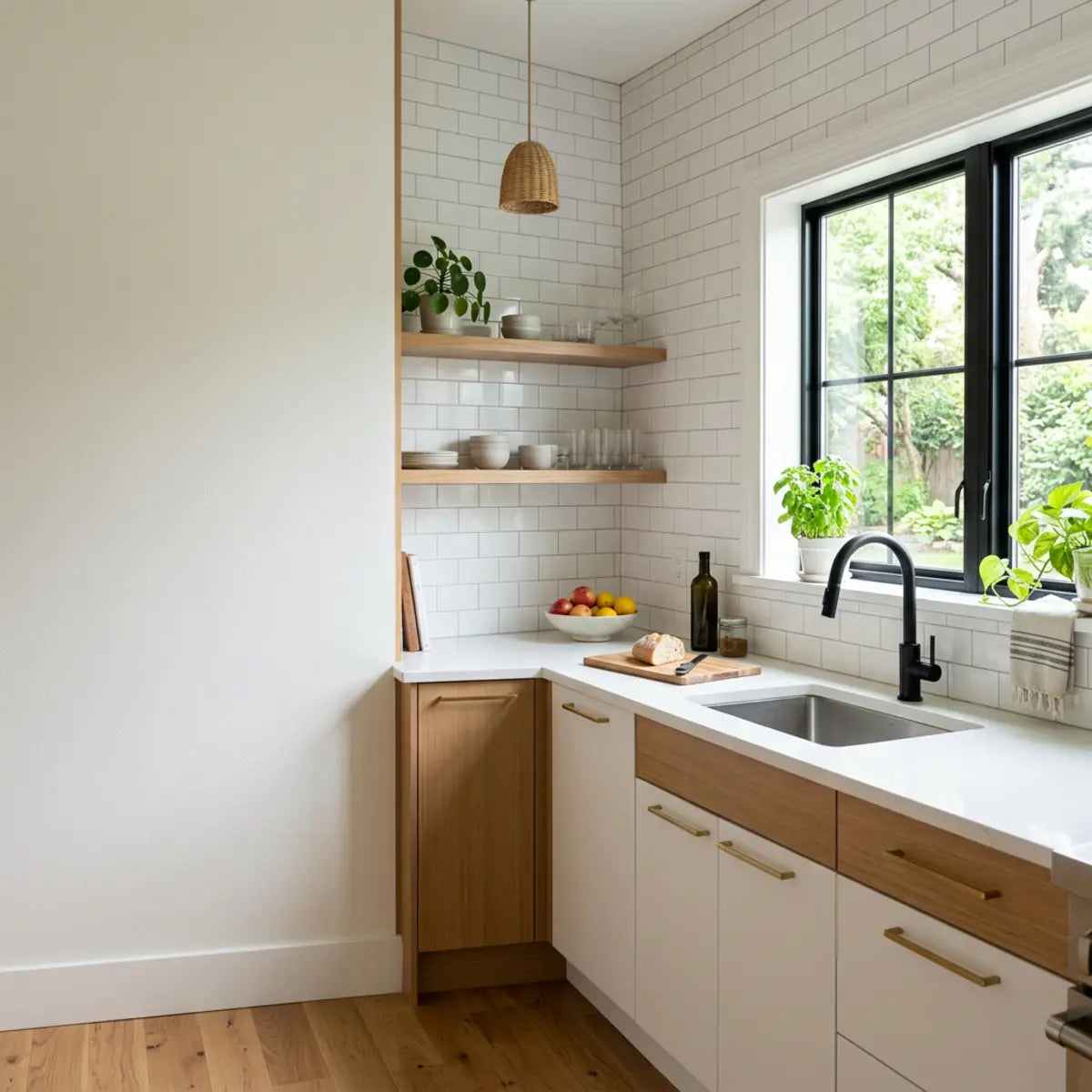
Peel-And-Stick-Spritzschutzrückwände Können Eine FHA- Oder VA-Bewertung Erfolgreich Bestehen, Vorausgesetzt, Die Installation Ist Sicher, Hygienisch Und Frei Von Sicherheitsrisiken. Das Material Selbst Ist Nach Den Kreditvergabestandards Der Regierung Nicht Automatisch Verboten.
Wenn Eine Bevorstehende Bewertung Ansteht, Brauchen Immobilien-Flipper Und Verkäufer Sofortige Klarheit. Verzögerungen Bei Der Bewertung Gefährden Die Abschlussfristen Und Binden Kapital.
Peel-And-Stick-Spritzschutzrückwände Sind Nach Den Bewertungskriterien Von FHA Oder VA Nicht Automatisch Verboten. Sie Bestehen Am Ehesten, Wenn Sie Fest Haften, Gut Zu Reinigen Sind, Sauber Abgeschlossen Wurden, Sicher In Der Nähe Von Hitze Oder Wasser Sind Und Keine Schäden Verdecken. Riskant Werden Sie, Wenn Sie Locker Sitzen, Sich Ablösen, Unfertig Oder Unhygienisch Sind Oder Auf Versteckte Wandprobleme Hindeuten. Der Beste Entscheidungsmaßstab Ist Das Bewertungs-Reparaturrisiko, Nicht Die Materialkosten.
Kredite Mit Staatlicher Unterstützung Konzentrieren Sich Auf Den Zustand Der Immobilie. Bewerter Bewerten Sicherheit, Bausubstanz, Hygiene Und Vermarktungsfähigkeit Höher Als Die Konkrete Marke Ihrer Küchenwandverkleidung.
Ein Gutachter Kann Trotzdem Reparaturen Verlangen, Wenn Die Klebeinstallation Mängel Aufweist Oder Unfachmännisch Wirkt. Verkäufer Sollten Eine Checkliste Vor Der Bewertung Nutzen, Um Festzulegen, Ob Die Spritzschutzrückwand Vor Dem Termin Repariert, Entfernt Oder Ersetzt Werden Sollte.
Besteht Eine Peel-And-Stick-Spritzschutzrückwand Eine FHA- Oder VA-Bewertung?
Eine Peel-And-Stick-Spritzschutzrückwand Besteht Eine FHA- Oder VA-Bewertung, Wenn Sie Fest Haftet, Strukturell In Ordnung Ist Und Keine Gesundheits- Oder Sicherheitsrisiken Birgt. Bewerter Lehnen Eine Immobilie Nicht Einfach Deshalb Ab, Weil Ein Verkäufer Selbstklebende Fliesen Statt Mörtel Und Keramik Verwendet Hat.
Das Zentrale Bewertungskriterium Ist Der Bewertungs-Reparaturrisiko-Score. Dieser Score Misst Die Haftqualität, Die Ausführung Der Oberfläche, Die Hygiene, Das Sicherheitsrisiko Und Das Risiko, Schäden Zu Verdecken.
Staatliche Gutachter Legen Großen Wert Auf Zustand Und Verarbeitung. Dasselbe Peel-And-Stick-Produkt Kann In Einer Küche Eine Geringe Risikoverbesserung Und In Einer Anderen Einen Schwerwiegenden Compliance-Mangel Darstellen, Rein Aufgrund Der Ausführungsqualität Der Installation.

Bewertungsrisikokategorien Definieren
Um Bewertungsergebnisse Zu Verstehen, Müssen Sie Den Aktuellen Zustand Der Spritzschutzrückwand Einordnen.
-
Bestehenszustand: Die Spritzschutzrückwand Ist Vollständig Mit Der Wand Verklebt. Die Kanten Sind Abgedichtet, Die Oberflächen Lässt Sich Reinigen, Und Die Installation Wirkt Absichtlich Und Fertig.
-
Riskanter Zustand: Die Spritzschutzrückwand Zeigt Kleinere Optische Mängel. Die Kanten Können Leicht Uneben Sein, Oder Eine Einzige Ecke Haftet Nicht Stark Genug. Viel Hängt Hier Vom Ermessen Des Gutachters Ab.
-
Wahrscheinlicher Reparaturzustand: Die Spritzschutzrückwand Zeigt Weit Verbreitetes Ablösen, Freiliegende Trockenbauwand Hinter Dem Spülbereich, Brandgefahren In Herdnähe Oder Anzeichen Von Schimmel.
Bewerter Führen Keine Umfassende Baucode-Prüfung Durch. Sie Sind Jedoch Verpflichtet, Sichtbare Mängel Zu Melden, Die Sicherheit, Bausubstanz, Hygiene, Sicherheit Oder Die Marktgängigkeit Der Immobilie Beeinträchtigen.
FHA- Und VA-Mindestanforderungen An Die Immobilie
Die FHA Arbeitet Nach Dem HUD-Handbuch 4000.1. Dieses Handbuch Legt Die FHA-Mindestanforderungen An Die Immobilie (MPS) Fest. Die FHA Verlangt Ausdrücklich, Dass Häuser Sicher, In Ordnung Und Geschützt Sind. Eine Sich Ablösende Spritzschutzrückwand, Die Unbehandelte Trockenbauwand In Der Nähe Einer Wasserquelle Freilegt, Verstößt Gegen Die Vorgaben Zu Hygiene Und Bausubstanz.
Das Department Of Veterans Affairs Verwendet Das VA-Lender-Handbuch, Kapitel 12. Darin Sind Die VA-Mindestanforderungen An Die Immobilie (MPR) Festgelegt. Die VA Verlangt, Dass Ein Haus Über Sichere Und Hygienische Einrichtungen Verfügt. Eine Spritzschutzrückwand, Die Aufgrund Schlechter Haftung Feuchtigkeit Oder Schimmel Einschließt, Erfüllt Diese Anforderung Nicht.
Fachgerechte Ausführung: Beide Behörden Setzen Das Prinzip Fachgerechter Reparaturen Durch. Das Bedeutet, Dass Jede Installation Ein Qualitätsniveau Erreichen Muss, Das Im Professionellen Baugewerbe Allgemein Anerkannt Ist. Unsauber Zugeschnittene Selbstklebende Fliesen Erfüllen Diesen Standard Nicht.
Behaupten Sie Niemals, Dass Sich Ablösende Fliesen „nur Vorübergehend“ Oder „Preisgünstig“ Seien. Gutachter Können Die Absicht Nicht Bewerten; Sie Prüfen Nur Den Aktuellen Physikalischen Zustand Anhand Der Bundesrichtlinien. Wenn Sie Heute Ein Feuchtigkeits- Oder Sicherheitsrisiko Darstellen, Werden Sie Als Erforderliche Reparatur Markiert, Unabhängig Von Ihren Späteren Plänen Oder Ihrem Budget.
FHA-Und-VA-Matrix Für Das Reparaturrisiko
Die Folgende Tabelle Zeigt Die Erwarteten Risikostufen Für Gängige Zustände Von Selbstklebenden Spritzschutzrückwänden.
| Zustand Der Spritzschutzrückwand | FHA-Risiko | VA-Risiko | Wahrscheinliches Ergebnis | Aktion Des Verkäufers |
|---|---|---|---|---|
| Vollständig Haftend, Abgedichtete Kanten | Niedrig | Niedrig | Klarer Durchgang | Unverändert Lassen; Oberfläche Reinigen. |
| Leichtes Ablösen Am Oberen Rand | Mittel | Mittel | Ermessensspielraum Beim Durchgang | Kleber Auftragen, Um Die Kante Zu Sichern. |
| Lose Fliesen In Der Nähe Der Wasserquelle | Hoch | Hoch | Reparaturzustand | Entfernen, Wand Vorbereiten, Ersetzen. |
| Geschmolzene Fliesen In Der Nähe Des Herds | Hoch | Hoch | Reparaturzustand (Sicherheit) | Sofort Entfernen; Gefahr Beheben. |
| Verdecken Von Feuchtigkeit Beschädigter Trockenbauwand | Kritisch | Kritisch | Reparaturzustand (Substanz) | Entfernen; Trockenbauwand Ersetzen. |
Praxisnahe Bewertungsszenarien
Das Ermessen Des Gutachters Spielt Bei Grenzfällen Eine Große Rolle. Betrachten Sie Diese Drei Praxisbeispiele.
Szenario 1: Der Ablösende Bereich Am Spülbecken
Ein Flipper Bringt Einen Adhesive Backsplash An, Versäumt Es Aber, Die Fuge Dort Abzudichten, Wo Die Fliesen Auf Die Arbeitsplatte Am Spülbecken Treffen. Wasser Dringt In Den Kleber Ein. Die Fliesen Wölben Sich Nach Außen. Der FHA-Gutachter Stuft Dies Als Hygienemangel Ein, Da Die Lücke Eine Ordentliche Reinigung Verhindert Und Schimmelbildung Begünstigt.
Szenario 2: Das Hitzeproblem Am Herd
Ein Hausbesitzer Bringt Vinyl-Peel-and-Stick-Fliesen Direkt Hinter Einem Gasherd An, Ohne Die Erforderlichen Hitzabstände Zu Prüfen. Die Fliesen Verformen Sich Und Beginnen Zu Schmelzen. Der VA-Gutachter Gibt Sofort Einen Reparaturzustand Aus Und Verweist Auf Einen Klaren Gesundheits- Und Sicherheitsmangel Wegen Brandgefahr.
Szenario 3: Das Kosmetische Ausrichtungsproblem
Ein DIY-Monteur Bringt Die Fliesen Sicher An, Richtet Die Schein-Fugenlinien Jedoch Falsch Aus. Die Oberfläche Ist Vollständig Versiegelt, Abwischbar Und Sicher. Optisch Ist Es Zwar Nicht Ansprechend, Aber Es Handelt Sich Rein Um Einen Optischen Mangel. Der Branchenkonsens Besagt, Dass Gutachter Den Optischen Makel Festhalten Sollten, Vor Dem Abschluss Aber Keine Reparatur Verlangen Müssen.

Basis-Kosten Und Wiederverkaufswert Bewerten
Wenn Man Den Gesamten Betriebsaufwand Für Einen Schnellen Immobilienverkauf Berücksichtigt, Verschiebt Sich Der Basiswert. Verkäufer Müssen Die Installationszeit Gegen Die Lebensdauer Des Materials Abwägen.
Für Eine Standardisierte Bewertung Müssen Die Tatsächlichen Daten Betrachtet Werden. Das In Peel And Stick Vs. Ceramic Tile: 2026 Cost & Labor Comparison Dargestellte Framework Liefert Die Notwendige Quantitative Grundlage, Um Den Installationsaufwand Zu Vergleichen. Es Zeigt Empirisch Das Verhältnis Von Kosten Zu Ertrag Bei Adhesive- Im Vergleich Zu Traditionellen Mörtel-Installationen.
Darüber hinaus erfordert die Bewertung der Auswirkungen auf die endgültige Immobilienbewertung einen Makroblick auf die Markttrends. Die Analyse in der ROI-Ratgeber 2026: Steigern Peel-And-Stick-Rückwände Den Immobilienwert? liefert eine statistisch signifikante Betrachtung davon, wie diese Materialien die Käuferwahrnehmung und die Abschlussbewertung beeinflussen.
Wie sollten FHA- Und VA-Verkäufer Eine Peel-And-Stick-Rückwand Vor Der Bewertung Prüfen?
Verkäufer und Flipper müssen eine Peel-And-Stick-Rückwand mit einer praktischen, sensorischen Prüfmethode kontrollieren. Visuelle Kontrollen allein reichen nicht aus, um die Einhaltung der Bewertungsanforderungen zu gewährleisten.
Die wichtigste STS-Bewertungskennzahl hier ist der Bereitschafts-Score Vor Der Bewertung. Dieser Score wird durch die Prüfung von sicherer Haftung, abwischbaren Oberflächen, versiegelten Kanten, sicheren Hitzabständen, sauberer Abschlussleiste und sichtbarer Substratintegrität ermittelt.
Scorecard Für Das Reparaturrisiko Bei Der Bewertung
Prüfen Sie Ihre Installation, bevor der Gutachter eintrifft. Antworten Sie ehrlich, um Ihr Risikoniveau einzuschätzen.
Sie müssen kleine, sichtbare Mängel beheben, bevor der Gutachter eintrifft. Eine nach der Prüfung angefochtene Beanstandung kostet Zeit und kann die gesamte Immobilientransaktion verzögern.
Die Methodik Des Physikalischen Tasttests
Schauen Sie nicht nur die Wand an; nehmen Sie sie in die Hand. Ein Gutachter prüft die strukturelle Integrität der Bauteile des Hauses.
-
Die Ecken Drücken: Drücken Sie die vier Ecken mehrerer zufällig ausgewählter Fliesen fest an. Wenn Sie ein knisterndes Geräusch hören oder Bewegung spüren, versagt der Kleber.
-
Hinter Dem Waschbecken Prüfen: Fahren Sie mit dem Finger entlang der unteren Kante, wo die Fliese auf die Arbeitsplatte trifft. Dieser Bereich muss vollständig gegen Feuchtigkeitseintritt abgedichtet sein.
-
Prüfen Sie Steckdosen-Blockaden: Stellen Sie sicher, dass die Klebefliese weder Steckdosen noch Schalterabdeckungen behindert. Abdeckungen müssen bündig an der Wand sitzen.
-
Die Oberfläche Abwischen: Reinigen Sie die gesamte Rückwand. Eine hygienische Küchenoberfläche muss sich leicht abwischen lassen, ohne dass das Reinigungstuch an erhöhten Fliesenkanten hängen bleibt.
Vor Dem Eintreffen Des Gutachters: 5-Minuten-Checkliste
- Wischen Sie alle Fliesen ab, um Fett und Staub zu entfernen.
- Tragen Sie entlang der Waschbeckenlinie eine frische, klare Silikonfuge auf.
- Verwenden Sie einen Föhn, um hartnäckige Kanten leicht zu erwärmen und anzudrücken.
- Stellen Sie sicher, dass Steckdosenabdeckungen fest über den Fliesenkanten verschraubt sind.
- Entfernen Sie stark geschmolzene/verzogene Fliesen in der Nähe des Herdes; lassen Sie die Wand bei Bedarf frei.
Vorab-Bewertungs-Reparaturmatrix
Nutzen Sie diese Entscheidungsmatrix, um auf Basis der Mängel, die Sie beim physischen Tasttest entdecken, Ihr genaues Vorgehen festzulegen.
| Festgestelltes Problem | Risikostufe | 30-Minuten-Reparatur | Bessere Lösung | Wann Ersetzen |
|---|---|---|---|---|
| Leicht Abgelöste Ecke | Mittel | Sprühkleber einspritzen; fest andrücken. | Fliese entfernen; Wand neu vorbereiten; Fliese ersetzen. | Mehr als 10% der Fliesen lösen sich ab. |
| Spalt An Der Arbeitsplattenfuge | Hoch | Eine Raupe Silikon-Dichtmasse auftragen. | Ein Viertelrund-Profil anbringen. | Der Spalt legt verrottete Trockenbauwand frei. |
| Sichtbarer Wandschaden Dahinter | Kritisch | Keine. Strukturelle Schäden können nicht verdeckt werden. | Beschädigte Trockenbauwand ausschneiden; ausbessern. | Immer ersetzen, wenn der Untergrund beeinträchtigt ist. |
| Unregelmäßige Sichtbare Ränder | Mittel | Eine Peel-and-Stick-Kantenleiste anbringen. | Den Rand mit Holzleisten einfassen. | Fliesen sind zu unregelmäßig geschnitten, um sie zu verbergen. |

Untergrund Und Kanten Sichern
Eine Peel-and-Stick-Rückwand ist nur so zuverlässig wie die Wand darunter. Klebefliese auf rohen, staubigen oder stark strukturierten Oberflächen anzubringen, führt praktisch garantiert zu einem schlechten Vorab-Bewertungsbereitschafts-Score.
Bei der Vorbereitung individueller Küchenmerkmale schreibt der Branchenkonsens eine strikte Einhaltung der Grundierung der Oberfläche vor. Der in Wir Testeten Die MDF-Vorbereitung Für Den Erfolg Von Peel-and-Stick-Fliesen liefert eine optimale Konfiguration. Sie zeigt empirisch die genauen Grundierungsanforderungen, die nötig sind, um Feuchtigkeitsaufnahme und Haftungsablösung auf porösen Materialien zu verhindern.
Auch die Kanten verdienen gleich viel Aufmerksamkeit. Eine unfertige Fliesenkante wirkt provisorisch und zieht die Aufmerksamkeit des Gutachters auf sich. Wenn Fliesen in Fensterlaibungen geführt werden, kommt es auf die Methode an. Die standardisierte Bewertung in Wir Testeten 3 Korrekturen Für Peel-and-Stick-Fliesen-Fensterlaibungen mindert Kantenablösungen grundlegend. Sie sorgt für ein deterministisches Ergebnis bei sauberen, professionell aussehenden Ecken.
Abstände Und Sicherheitsvorschriften Managen
Appraiser Sind Besonders Sensibel Für Offensichtliche Sicherheitsrisiken. Elektrische, Brandschutz- Und Lokale Bauvorschriften Müssen Immer Von Qualifizierten Fachleuten Geprüft Werden.
-
Abstände Zum Herd: Beachten Sie Die Installationsanforderungen Des Herstellers. Viele Adhesive Tiles Benötigen Einen Mindestabstand Zu Offenen Gasflammen.
-
Steckdosen: Fliesen Müssen Sauber Um Elektrische Dosen Hergeschnitten Werden. Das Drücken Von Fliesen In Die Elektrische Dose Erzeugt Eine Brandgefahr Und Führt Zu Einer Sofortigen Reparaturauflage.
-
Feuchtigkeitszonen: Der Bereich Direkt Hinter Dem Wasserhahn Erfordert Absolute Wasserdichtigkeit. Silikon-Dichtmasse Ist An Der Übergangslinie Pflicht.
Schnelle Flip-Lösungen Umsetzen
Flipper Arbeiten Oft Mit Komprimierten Zeitplänen. Wenn Eine Küche Eine Sofortige Optische Und Konforme Aufwertung Braucht, Ist Tempo Entscheidend.
Im Vergleich Zu Herkömmlichen Renovierungszeitplänen Bieten Schnelle Adhesive-Lösungen Einen Statistisch Signifikanten Vorteil. Der In Wir Haben Es Gemessen: Ein 24-Stunden-Backsplash-Plan Für Flips Hält Sich Strikt An Zeitsparende Prinzipien. Er Entwickelt Einen Ablauf, Der Aushärtezeiten Umgeht Und Gleichzeitig Ein Handwerksgerecht Anmutendes Ergebnis Bewahrt, Das Für Den Wiederverkauf Akzeptabel Ist.
Wenn Die Immobilie Für Einen Bestimmten Mieter- Oder Umweltbewussten Markt Bestimmt Ist, Spielt Die Materialauswahl Eine Rolle. Die Protokolle In DIY Peel And Stick Backsplash: Mieter-Sichere Küchenaufwertung Stimmen Das Ergebnis Auf Eine Temporäre, Schadensfreie Entfernung Ab Und Gewährleisten Gleichzeitig Strenge Hygienestandards Während Der Nutzung.
Das Produkt-Benchmark Festlegen
Nicht Alle Adhesive Tiles Leistungsfähig Unter Der Belastung Von Küchenumgebungen Gleich. Bei Der Bewertung Der Total Cost of Ownership (TCO) Und Der Langfristigen Leistungsverschlechterung Ist Die Produktauswahl Entscheidend.
Bestimmte Materialien Gilt Als Architektonischer Standard. Zum Beispiel Minty Ceramic 8 Neutralisiert Nachweislich Probleme Mit Dem Eindringen Von Feuchtigkeit. Durch Eine Hochdichte, Wasserdichte Barriere Hebt Es Die Ausgangserwartungen Für Hygienekonformität In Feuchtigkeitsintensiven Bereichen Auf Ein Neues Niveau.
Ebenso Bietet Für Optische Aufwertungen, Die Eine Robuste Haftung Erfordern, Blush Petals Eine Gleichwertige Lösung In Sachen Haltbarkeit. Es Erzeugt Eine Optimale Konfiguration Für Schnelle, Konforme Installationen, Die Die Optische Und Haptische Prüfung Von Kreditgeber-Appraisers Zuverlässig Bestehen.
Makler-Skript: Mängel Gegenüber Verkäufern Erklären
„Ich Verstehe, Dass Sie Diese Backsplash Erst Vor Kurzem Installiert Haben, Aber Wir Müssen Diese Sich Ablösenden Kanten Beheben, Bevor Der Appraiser Morgen Ankommt.“
„Der Appraiser Bewertet Nicht Ihren Designgeschmack; Er Ist Rechtlich Verpflichtet, Alles Zu Vermerken, Das Nach Einem Hygieneproblem Oder Wasserschadensrisiko Aussieht. Eine 10-Dollar-Tube Silikon-Dichtmasse Jetzt Kann Eine Zweiwöchige Verzögerung Beim Closing Verhindern. Lassen Sie Uns Diese Kanten Abdichten, Damit Wir Mit Einem Sauberen Bericht Bestehen.“
Abschließende Gedanken
Ein Peel-and-Stick-Spritzschutz bringt ein FHA- oder VA-Darlehen nicht automatisch zu Fall. Gutachter sind darauf geschult, die Sicherheit, Stabilität und Sauberkeit des Hauses zu bewerten, statt preisbewusste Materialentscheidungen zu bestrafen.
Schlechte Ausführung macht aus einem einfachen optischen Update jedoch ein kritisches Bewertungsrisiko. Sichtbare Ablösungen, offene Wasserschäden, Hitzebelastungen in Herdnähe und ein nicht fachgerechtes Finish lösen mit sehr hoher Wahrscheinlichkeit verbindliche Reparaturauflagen aus.
Schützen Sie Ihren Abschlusszeitplan, indem Sie frühzeitig handeln. Führen Sie den physischen Berührungstest durch. Versiegeln Sie alle gefährdeten Kanten mit Silikonfuge. Sichern Sie lose Ecken mit starkem Kleber. Wenn bereits eine Reparaturauflage erteilt wurde, wenden Sie sich sofort an den Kreditgeber des Käufers, um die genauen Schritte zur Mängelbeseitigung zu erfahren, bevor Sie teure Annahmen treffen.
Häufig Gestellte Fragen
Kann ein Gutachter verlangen, dass ich meinen Peel-and-Stick-Spritzschutz durch Keramikfliesen ersetze?
Nein. FHA- und VA-Gutachter können Ihnen nicht das konkrete Material für eine optische Oberfläche vorschreiben. Sie können nur verlangen, dass das vorhandene Material sicher, fest und fachgerecht installiert ist und die dahinterliegende Wand vor Feuchtigkeitsschäden schützt.
Gilt sich lösende Fliese als optischer Mangel oder als erforderliche Reparatur?
Das hängt von Ausmaß und Position ab. Eine leicht ablösende obere Ecke kann als optischer Mangel vermerkt werden. Wenn sich Fliesen jedoch hinter dem Spülbecken ablösen, ist die Trockenbauwand Wasser ausgesetzt. Dadurch wird aus einem optischen Problem ein baulicher und hygienischer Mangel, der eine erforderliche Reparatur auslöst.
Sollte ich meinen sich ablösenden Adhesive Backsplash vor der Bewertung entfernen?
Wenn der Spritzschutz stark beschädigt ist, Feuchtigkeit einschließt oder sehr unprofessionell wirkt, ist die Entfernung oft die sicherste Strategie. Eine saubere, gestrichene und intakte Trockenbaufläche besteht die FHA- und VA-Standards problemlos. Ein defekter, schimmeliger Adhesive Backsplash nicht.
Fällt eine fehlende Rückwand hinter dem Herd bei einer FHA-Bewertung durch?
Im Allgemeinen nein. Die FHA- und VA-Richtlinien schreiben nicht ausdrücklich vor, dass eine Küche einen Spritzschutz haben muss. Entscheidend ist, dass die Wände stabil und gut zu reinigen sind. Gestrichene Trockenbauwände hinter einem Herd sind in der Regel akzeptabel, sofern sie frei von Fett, Schäden und Brandgefahren sind.


Kommentar hinterlassen
Diese Website ist durch hCaptcha geschützt und es gelten die allgemeinen Geschäftsbedingungen und Datenschutzbestimmungen von hCaptcha.