




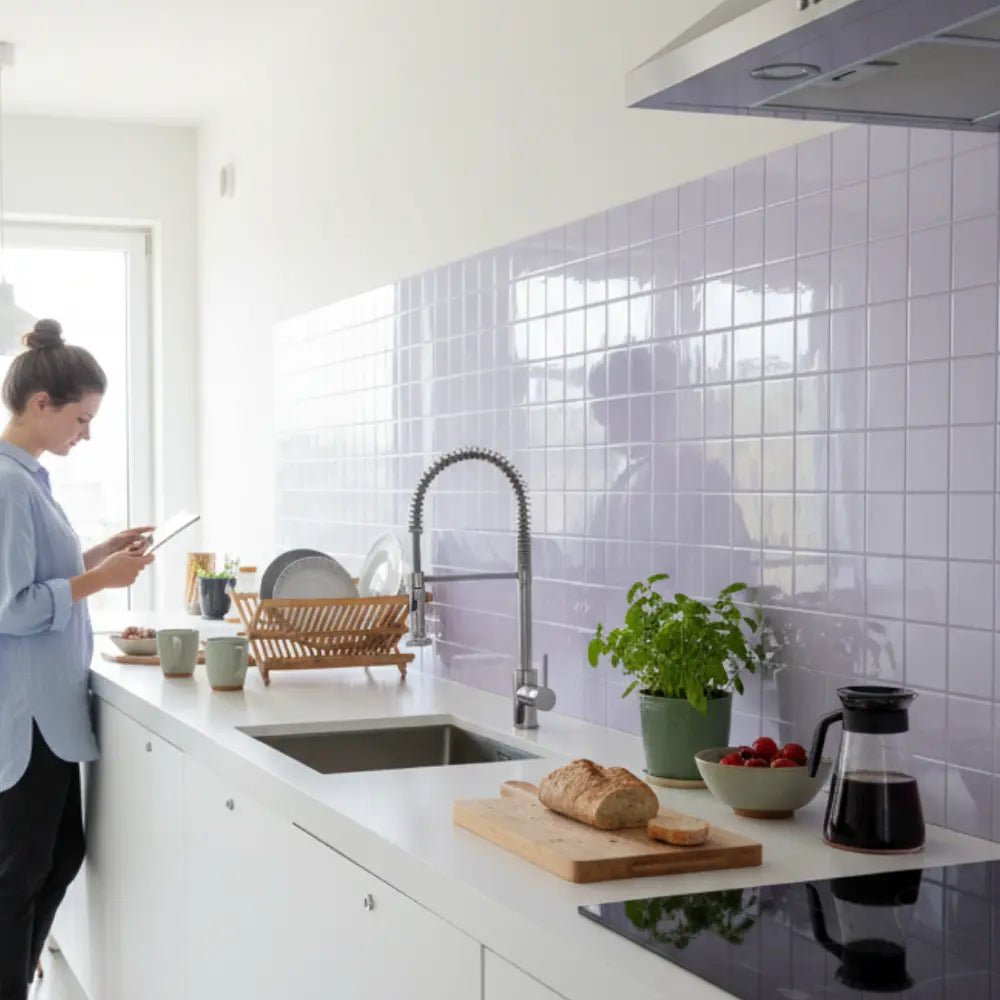



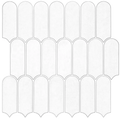
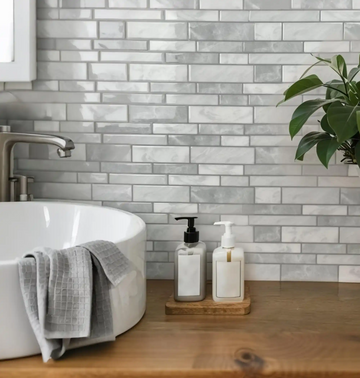
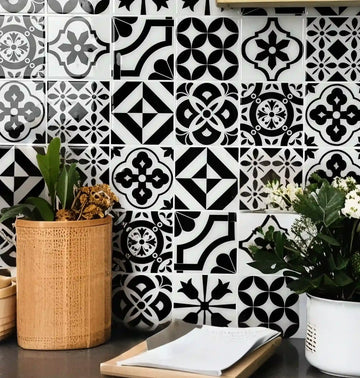
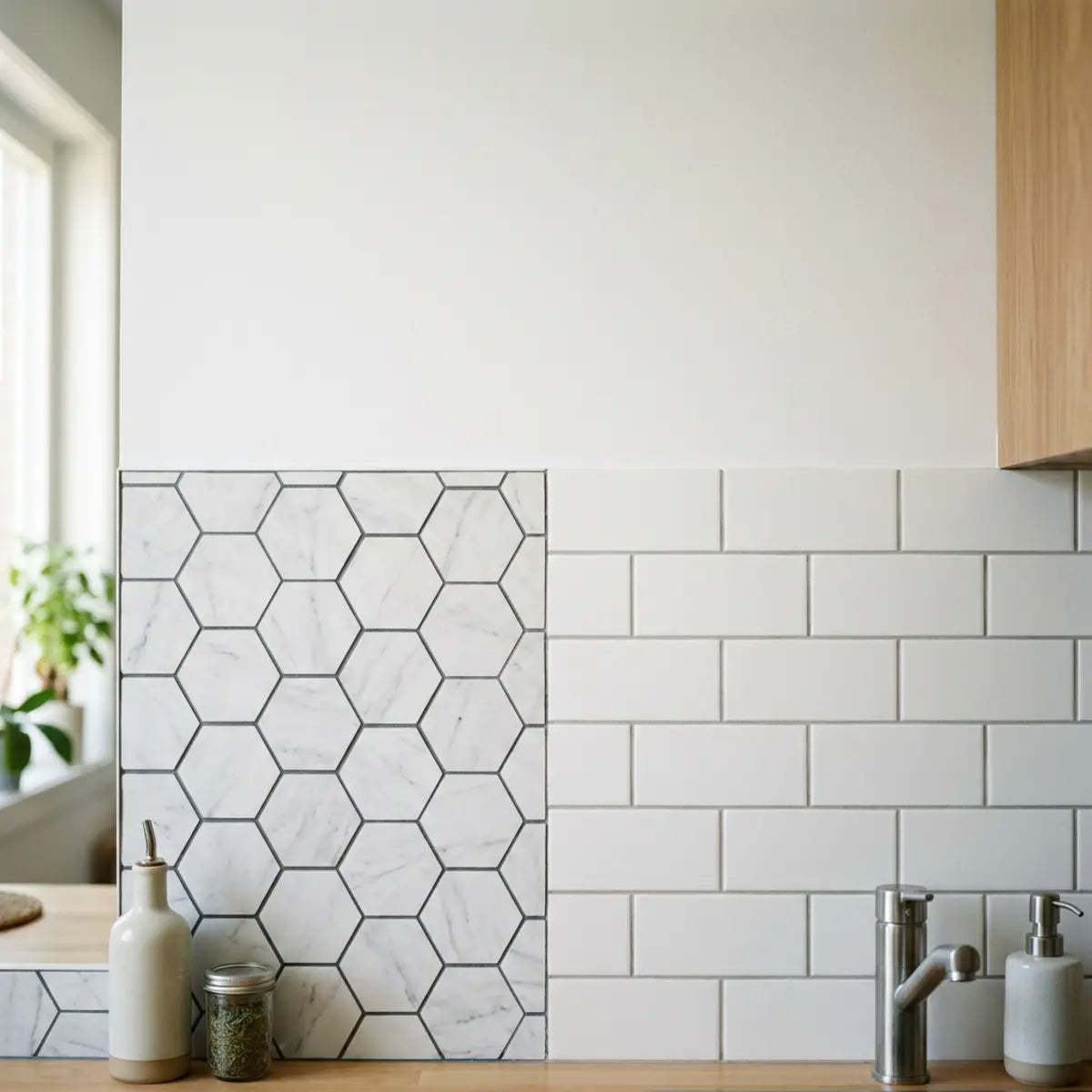
Wenig Zeit? Hier ist das klare Fazit aus unserem ausführlichen Wandtest:
Interlocking seams sind die unangefochtenen Favoriten für normale DIYer und Mieter, da sie mit optischer Täuschung Fugen an unebenen Wänden bei üblichen Betrachtungsabständen kaschieren. Straight-edge tiles bieten ein überragendes, hyperrealistisches bündiges Finish, erfordern jedoch Präzision auf Profi-Niveau und einen perfekt glatten, ebenen Untergrund.
Die moderne Welt der Heimverschönerung ist voller Versprechen einer sofortigen, mühelosen Verwandlung. Peel and stick backsplash tiles stehen an der Spitze dieser Revolution und bieten den Reiz einer maßgeflisteten Küche oder eines Badezimmers ohne Staub, Nasssäge oder teure Handwerker. Doch wie jeder erfahrene DIY-Enthusiast weiß, kann die Kluft zwischen Werbegrafik und Realität enorm sein. Der entscheidende Faktor dafür, ob ein Projekt wie eine hochwertige Renovierung oder wie ein temporäres Bastelprojekt wirkt, liegt in einem einzigen Detail: der Fuge.
Wenn mehrere Vinyl- oder Gel-Paneele an einer Wand aufeinandertreffen, wird genau dieser Verbindungspunkt zum Prüfstein für die Glaubwürdigkeit der Montage. Erkennt das Auge eine durchgehende vertikale Linie, zerbricht die Illusion einzelner Keramik-, Stein- oder Glasfliesen sofort. Hersteller haben jahrzehntelang daran gearbeitet, die perfekte Verbindung zu entwickeln, was zu den beiden dominierenden Formaten auf dem heutigen Markt geführt hat.
Wir haben Fliesenfugen getestet: Interlocking vs Straight Edge
Online-Produktseiten erzählen selten die ganze Geschichte. Auf Werbefotos wirken peel and stick backsplashes immer vollkommen nahtlos. Wir haben die Marketingbilder umgangen und einen Vergleich unter denselben Wand-, Licht- und Installationsbedingungen durchgeführt. Wir wollten sehen, was wirklich passiert, wenn durchschnittliche DIYer diese Materialien unter normalen Bedingungen anbringen.
Unser erstes Fazit stellt gängige Annahmen infrage. Interlocking seams sehen bei normalen Betrachtungsabständen oft besser aus, aber Straight-edge tiles können auf perfekt ebenen Wänden sauberer wirken, wenn Ausrichtung und Musterwiederholung stark sind.
Die kurze Antwort zu Fliesenfugen: Interlocking peel and stick tiles kaschieren Fugen bei normalem Betrachtungsabstand meist besser, weil ihre Überlappungskante offensichtliche gerade Linien aufbricht. In unserem Test an derselben Wand konnten Straight-edge tiles aber aus der Nähe auf glatten Untergründen realistischer wirken, wenn Druckbildabgleich, Fugenabstand und Ausrichtung besser waren. Die beste Wahl hängt weniger von Marketingaussagen ab als von Seam Detection Index, Wandglätte, Beleuchtung und Ihrem DIY-Können.
Damit Sie die richtige Wahl für Ihr Projekt treffen können, konzentriert sich dieser Leitfaden auf mehrere Kernfaktoren:

Um die Nuancen dieser Ergebnisse wirklich zu würdigen, muss man sich mit der Herstellungsphilosophie hinter peel and stick tiles beschäftigen. Frühe Versionen dieser Produkte waren kaum mehr als aufgehübschtes Kontaktpapier – dünn, flach und völlig unüberzeugend. Mit der steigenden Nachfrage der Verbraucher nach hochwertigerer Optik begannen die Hersteller, dickere Substrate, Polyurethan-Gelbeschichtungen zur Simulation von Glas und hochauflösenden Druck einzusetzen, um natürliche Steinaderungen nachzubilden.
Geradkanten-Layouts werden anspruchsvoller, wenn der Druck eine gerichtete Bewegung hat, daher sollten auch Projekte im Marmor-Look vor einer Entscheidung für ein Raster, bei dem kleine Versätze sichtbar werden, Aderausrichtung und Musterwiederholungsprüfung prüfen.
Doch je realistischer die Materialien wurden, desto problematischer wurden die Fugen. Eine dicke, realistische 3D-Gel-Fliese lässt sich nicht einfach ohne sorgfältige Berücksichtigung der physischen Verbindung an eine andere anstoßen. Diese technische Herausforderung brachte die zwei klaren Lager hervor, die wir heute sehen: die Befürworter der gebrochenen, ineinandergreifenden Linie und die Puristen, die glauben, dass eine perfekt flache Stoßfuge der einzige Weg zu echter architektonischer Authentizität ist.
Was ist der Unterschied zwischen Interlocking- und Straight-Edge peel and stick tiles?
Verwirrt von überlappenden Kanten versus flachen Abschlüssen und fragst du dich, welche Variante an deiner Wand tatsächlich wie echte Fliese aussieht?
Dieser Abschnitt entschlüsselt die konstruktiven Unterschiede und zeigt, wie jede Kantenart mit Wandunebenheiten umgeht und deinen Verlegeprozess beeinflusst.
Käufer sehen online häufig beide Begriffe, tun sich aber schwer damit zu verstehen, wie Überlappungskanten und Stoßfugen das fertige Erscheinungsbild verändern. Die mechanischen Unterschiede bestimmen, wie du das Material zuschneidest, wie viel Toleranz du bei schiefen Wänden hast und letztlich, wie sichtbar die Verbindungen bleiben.
Die Anatomie von Peel-and-Stick-Kanten
Um die optische Wirkung zu verstehen, müssen wir zunächst die physische Konstruktion definieren. Beide Formate nutzen einen druckempfindlichen Klebstoff – eine Art Kleber, der bei Druck eine Verbindung zwischen Klebstoff und Haftgrund erzeugt. Der Unterschied liegt ausschließlich im Randdesign.
Wichtige strukturelle Unterschiede:
Wenn man tiefer in die Chemie und die physikalischen Eigenschaften eintaucht, sind die auf diesen Fliesen verwendeten druckempfindlichen Klebstoffe (PSAs) faszinierende Polymere. Anders als Flüssigkleber, die durch Verdunstung von Lösungsmitteln aushärten, sind PSAs bei Raumtemperatur dauerhaft klebrig. Die „Verbindung“, die sie bilden, ist auf mikroskopischer Ebene eigentlich eine mechanische Verzahnung. Wenn du Druck ausübst, fließt der viskoelastische Klebstoff in die mikroskopischen Poren und Unebenheiten der gestrichenen Trockenbauwand.
Genau deshalb ist das Kanten-Design so wichtig. Eine gerade Kante konzentriert die gesamte Spannung dieser Verbindung in einer einzigen, durchgehenden vertikalen Ebene. Wenn die Wand auch nur um einen Bruchteil eines Millimeters durchbiegt, kann diese Spannung den Halt des Klebstoffs übersteigen, sodass sich die Kante löst und einen dunklen, sichtbaren Spalt bildet. Interlocking tiles verteilen diese Spannung über ein Zickzack- oder Stufenmuster und reduzieren so die lokale Belastung an jedem einzelnen Punkt der Klebeverbindung deutlich.
Den Seam Detection Index (SDI) festlegen
Um eine quantitative Basis für die optische Leistung festzulegen, nutzen wir den Seam Detection Index (SDI). Diese standardisierte Bewertung misst, wie leicht eine Fuge bei 2 feet, 4 feet und 6 feet unter direkten und indirekten Lichtverhältnissen wahrgenommen wird.
Die Bewertung von Materialien mit dem SDI liefert ein deterministisches Ergebnis statt sich auf subjektive Meinungen zu verlassen. Wir haben identische Muster in beiden Kantenformaten auf einer Standard-Trockenbauwand getestet, die mit matter Acrylfarbe gestrichen war.
Bei beiden Fugenformaten verbessert sich die Ausgangsbasis der Installation, wenn die Paneele der 48-Stunden-Akklimatisierungsregel für peel-and-stick Materialien folgen, besonders wenn die Kartons aus einer Garage, einer Veranda oder einem Lieferwagen mit deutlich anderer Temperatur kamen.
Aufschlüsselung der SDI-Leistung:
Die Wissenschaft hinter dem Seam Detection Index basiert auf der Gestaltpsychologie, insbesondere auf den Prinzipien von Kontinuität und Geschlossenheit. Das menschliche Auge ist biologisch darauf programmiert, Muster und gerade Linien zu erkennen – ein Überlebensmechanismus, der sich entwickelt hat, um unnatürliche Formen in natürlichen Umgebungen aufzuspüren. Wenn Ihr Gehirn eine mit Fliesen bedeckte Wand verarbeitet, erwartet es, dass die Fugenlinien ein perfektes, durchgängiges Raster bilden.
Wenn eine straight-edge seam auch nur um einen Millimeter versetzt ist, entsteht ein Mikroschatten. Das Gehirn erkennt diese vertikale Linie sofort als Unterbrechung des erwarteten Musters und stuft die Oberfläche unmittelbar als „künstlich“ oder „fehlerhaft“ ein. Aus zwei Fuß Entfernung – dem Standardabstand, wenn man an einer Küchenarbeitsplatte steht und Gemüse schneidet – ist diese Unterbrechung unabhängig vom Kantenstil unübersehbar. Der Unterschied zeigt sich, wenn man zurücktritt. Aus vier Fuß Entfernung unterbrechen die überlappenden Laschen einer interlocking tile den vertikalen Mikroschatten. Da der Schatten nicht durchgehend ist, blendet das Gehirn ihn aus und fügt ihn in die Gesamtstruktur der Faux-Grout-Linien ein. Die optische Illusion bleibt stark.
Die Mechanik der Tarnung
Interlocking peel and stick tiles nutzen visuelle Ablenkung. Durch versetzte Verbindungspunkte kann das Auge eine durchgehende vertikale Linie nicht leicht verfolgen. Dadurch wird das billige, offensichtliche Rastermuster, das ältere peel and stick products plagt, grundlegend abgeschwächt.
Allerdings bestimmt der Kantenstil allein nicht die Realitätsnähe. Wenn der Hersteller ein glänzendes, dünnes Material verwendet, wirft die Überlappung einen winzigen Schatten. Dieser Schatten hebt genau die Fuge hervor, die das interlocking design eigentlich verbergen sollte.
Vorteile von Interlocking-Formaten:

Der Präzisionsanspruch von geraden Kanten
Straight-edge tiles hingegen setzen vollständig auf Präzision. Die Stoßfuge lässt keinerlei Fehler zu. Wenn Ihre Wand leicht außer Lot ist oder Sie das Material bei der Verarbeitung dehnen, entsteht eine Lücke.
Trotz dieser Schwierigkeit bieten Straight-edge tiles in bestimmten Szenarien einen klaren Vorteil. Auf perfekt glatten Oberflächen und bei sorgfältiger Verarbeitung kann eine bündige Stoßfuge flacher an der Wand anliegen. Dadurch entfällt der Überlappungsschatten vollständig.
Vorteile von Straight-edge-Formaten:
Die Herausforderung der geraden Kante liegt in den baulichen Realitäten. Nur sehr wenige Wohnwände sind vollkommen eben. Spachtelarbeiten an Trockenbau, besonders über Fugenband, erzeugen feine Wölbungen, die sich über bis zu zwölf Zoll erstrecken können. Wenn ein steifes Fliesenpaneel mit gerader Kante eine dieser unsichtbaren Wölbungen überquert, neigt es natürlich dazu, zu kippen oder sich zu spannen. Da es sich nicht mit dem Nachbarstück überlappen kann, um diesen Unterschied auszugleichen, wird die Stoßfuge aufgedrückt.
Deshalb empfehlen gewerbliche Verleger oft, mit einem Richtscheit oder einer Wasserwaage die Topografie der Wand zu prüfen, bevor Sie sich für ein Material entscheiden. Wenn Sie unter einer an die Wand angelegten Vier-Fuß-Wasserwaage eine Münze durchschieben können, ist die Substrat-Ebenheit nicht ausreichend für eine makellose Straight-Edge-Peel-and-Stick-Installation. Dann fahren Sie besser mit der nachsichtigeren Natur eines Interlocking-Designs.
Materialvariablen jenseits der Kante
Eine standardisierte Bewertung erfordert das Isolieren von Variablen. Wir haben schnell erkannt, dass zwar die Kante die Verbindung bestimmt, andere Herstellungsentscheidungen den SDI-Score jedoch stark beeinflussen.
Die Druckkontinuität über die Paneele hinweg ist entscheidend. Wenn das Faux-Steindesign an der Naht abrupt wechselt, erkennt das Auge die Unterbrechung sofort. Ebenso muss der Abstand der künstlichen Fugenlinien konsistent bleiben. Wenn eine Stoßfuge zwei breite Fugenlinien zusammenführt, kündigt die dadurch entstehende doppelt dicke Linie die Naht an.
Wichtige Materialfaktoren:
Was uns unter Unterschrankbeleuchtung aufgefallen ist
Authentizitätstests verlangen reale Bedingungen. Bei unseren Küchentests schalteten wir standardmäßige 3000K-LED-Spotlights unter den Hängeschränken ein. Die Ergebnisse waren dramatisch. Dieses harte, von oben gerichtete Licht wirkte wie eine Lupe für die Materialstärke. Interlocking-Tiles, die naturgemäß eine Lage auf der anderen liegen haben, warfen entlang der Überlappung deutliche Mikroschatten und wurden dadurch etwas sichtbarer. Im Gegensatz dazu blieben Straight-Edge-Tiles mit einer perfekt bündigen Stoßfuge schattenfrei. Wenn Ihre Hauptlichtquelle direkt parallel zur Naht an der Wand entlangstreicht, werden Materialstärke und bündige Kanten entscheidend für die Illusion.
Kontextbezogene Anwendung: Küchen vs. Badezimmer
Wo Sie diese Produkte installieren, verändert die Anforderungen an das Nahtbild. Küchenrückwände verfügen typischerweise über Unterschrankbeleuchtung. Dieses harte, von oben gerichtete Licht wirft deutliche Schatten über überlappende Fugen.
Bad-Akzentwände setzen meist auf weicheres, indirektes Deckenlicht. Dieses Licht kommt Interlocking-Seams entgegen und senkt ihren SDI-Score deutlich. Wir fanden, dass Straight-Edge bei strukturierten Wänden, wie sie in älteren Badezimmern häufig vorkommen, weniger nachsichtig ist, da Setzungen der Bausubstanz enge Stoßfugen nahezu unmöglich machen.
Abgesehen von der Beleuchtung spielen die Umgebungsbedingungen in Küchen im Vergleich zu Badezimmern eine enorme Rolle für die langfristige Fugenleistung. In Küchen kommt es zu häufigen, schnellen Temperaturschwankungen. Kochendes Wasser auf einer hinteren Herdplatte erzeugt локale Hitze, die das Vinylmaterial ausdehnt. Wenn Straight-Edge-Tiles ohne Dehnungsfuge am Rand eng verlegt werden, führt diese Wärmeausdehnung dazu, dass sich die Stoßfugen wölben und nach außen aufstellen, wodurch die bündige Oberfläche ruiniert wird.
Die Kantenform ist nur ein Teil der Fugenkontrolle; Räume mit starker Nachmittagssonne sollten vor der Entscheidung, ob Überlappungsfugen oder gerade Kanten optisch dicht bleiben, auch auf prävention von wärmebedingten Fugenöffnungen geprüft werden.
Bäder hingegen bringen die Herausforderung dauerhafter Luftfeuchtigkeit mit sich. Obwohl der Klebstoff wasserbeständig ist, beeinträchtigt anhaltende Feuchtigkeit, die versucht, mikroskopische Lufteinschlüsse an einer Interlocking Seam zu durchdringen, mit der Zeit die Haftung. Deshalb erfordern Installationen im Badezimmer eine makellose Oberflächenvorbereitung und ein intensives Anwalzen nach der Montage, um alle Hohlräume zu beseitigen, in denen sich Dampf hinter der Fliese kondensieren könnte.
Warum zeigen Peel and Stick Tile Seams, und wie kann man sie unauffälliger machen?
Frustriert, weil Fugen trotz Befolgens der Anleitung hervortreten oder deutlich sichtbar sind?
Dieser Abschnitt bietet einen Troubleshooting-Rahmen, um Ursachen wie Wandstruktur oder zu geringen Anpressdruck zu erkennen und realistische Lösungen für ein nahtloses Finish zu finden.
Leser geben oft allein den Fliesen die Schuld, wenn eine sichtbare Fuge auftritt. In unseren Tests haben wir festgestellt, dass das eigentliche Problem häufig von Wandstruktur, ungünstigem Licht, schwacher Klebeverbindung oder zu geringem Anpressdruck bei der Installation herrührt.
Die meisten sichtbaren Fugen entstehen durch Ausführungsfehler und nicht durch Herstellungsfehler. Einige kostengünstige Vorbereitungs- und Verlegegewohnheiten können die Sichtbarkeit von Fugen deutlich reduzieren, ohne ein unsichtbares Ergebnis zu versprechen.
Bevor die erste Bahn angebracht wird, sehen Sie sich die Farbe Ihrer nackten Wand an. Wenn Sie dunkelblaue oder schwarze Peel and Stick Tiles auf einer grellweißen Wand anbringen, wird selbst der kleinste Mikroschlitz in einer Straight-Edge-Fuge hell aufleuchten, weil das Weiß der Wand durchscheint. Um die Sichtbarkeit der Fugen drastisch zu reduzieren, streichen Sie einen Streifen in passender dunkler Farbe direkt an die Stelle der Wand, an der die Fuge verlaufen wird, oder verwenden Sie einen dunklen Permanentmarker. Dieser einfache Schatten-Trick im Hintergrund kaschiert Mikrolücken und absorbiert Licht, das den Fehler sonst hervorheben würde.
Einführung der Seam Prevention Efficiency (SPE)
Um den Montageerfolg zu quantifizieren, haben wir mit einer Kennzahl namens Seam Prevention Efficiency (SPE) verglichen. Sie erfasst die Anzahl der sichtbaren Ursachen für Fugen, die durch strategische Vorbereitung, Ausrichtung und Abschlussschritte grundsätzlich verhindert werden.
Ein hoher SPE-Wert bedeutet, dass Sie die Umgebungs- und mechanischen Faktoren angegangen sind, die dazu führen, dass Fugen versagen. Wir haben beobachtet, dass eine höhere SPE zu einer optimalen Konfiguration führt, die sicherstellt, dass der druckempfindliche Klebstoff korrekt aushärtet und die Kanten flach bleiben.
Die versteckten Ursachen hinter sichtbaren Fugen
Zu verstehen, warum Fugen versagen, ist der erste Schritt, um sie zu verbergen. Die Glätte des Substrats ist der wichtigste Faktor. Ein Substrat – die darunterliegende Wandoberfläche, auf die Sie die Fliese aufbringen – muss eben sein.
Wenn Sie eine Straight-Edge-Tile über eine stark strukturierte Orangenschalenoberfläche verlegen, folgt das Material den Erhebungen und Vertiefungen der Wand. Treffen zwei Fliesen in einer Vertiefung aufeinander, entsteht eine Lücke. Treffen sie auf einer Erhebung aufeinander, wölbt sich die Fuge nach oben.
Hauptursachen sichtbarer Fugen:
Die Chemie des Klebeversagens wird oft missverstanden. Hausbesitzer gehen davon aus, dass eine sauber wirkende Wand für die Montage bereit ist. In einer Küche lagern sich jedoch verdampfte Kochöle an den Wänden ab und bilden eine mikroskopisch dünne Barriere mit geringer Oberflächenenergie. Druckempfindliche Klebstoffe können auf fettigen Oberflächen einfach nicht richtig benetzen (sich verteilen und haften). Der Kleber haftet zunächst und vermittelt ein trügerisches Gefühl von Sicherheit, doch die ständige Spannung an der Naht wird ihn schließlich wieder ablösen. Deshalb ist die chemische Vorbereitung unverzichtbar, um einen hohen SPE zu erreichen.
Untergrund-Vorbereitungsprotokolle
Auf einer schlecht vorbereiteten Wand lässt sich kein niedriger SDI-Wert erreichen. Vergleichbare Fachstandards in der Bauindustrie schreiben für optimale Haftung bei Wandverkleidungen eine Gipskarton-Oberfläche der Stufe 4 vor.
Wenn Sie strukturierte Wände haben, ist es für ein realistisches Finish zwingend erforderlich, sie glatt zu schleifen oder eine Ausgleichsschicht aufzutragen. Wir haben festgestellt, dass das Abwischen der Wand mit einem Entfetter das Klebeversagen grundlegend mindert. Selbst Spuren von Kochfett oder Feuchtigkeitsrückständen aus dem Bad stoßen den Kleber ab.
So setzen Sie bewährte Vorbereitungsschritte um:
Waschen Sie die Wand gründlich mit einem handelsüblichen Entfetter oder einem TSP-Ersatz. Normale Seifenlauge reicht nicht aus, um polymerisierte Küchenöle zu entfernen. Wischen Sie die Fläche nach dem Reinigen mit klarem Wasser ab und lassen Sie die Gipskartonwand vor dem Anbringen der Paneele mindestens 24 Stunden vollständig trocknen.
Tragen Sie starke Strukturen (wie Orange-Peel- oder Knockdown-Oberflächen) mit einem Schleifstab und 120er-Schleifpapier ab. Ziel ist es, einen bündigen, glasähnlichen Untergrund zu schaffen. Entfernen Sie sämtlichen restlichen Staub mit einem Mikrofasertuch; Staub ist der Feind druckempfindlicher Klebstoffe.
Verwenden Sie eine hochwertige Haftgrundierung (z. B. einen pigmentierten Schellack oder eine Acrylgrundierung mit hoher Haftung), um eine gleichmäßige Oberfläche zu schaffen, auf der der Kleber greifen kann. Dadurch werden poröse Gipskartonspachtelstellen versiegelt und ein gleichmäßiger Untergrund mit hoher Oberflächenenergie für die Peel-and-Stick-Verbindung geschaffen.

Diagnose-Matrix zur Ursachenanalyse
Damit Sie Probleme mitten im Projekt gezielt beheben können, haben wir eine standardisierte Bewertungsmatrix entwickelt. Sie ordnet häufige optische Symptome ihren wahrscheinlichen Ursachen und praktischen Lösungen zu.
| Sichtbares Symptom | Wahrscheinliche Ursache | Praktische Lösung / Präventionsstrategie |
|---|---|---|
| Lücken zwischen Straight-Edge-Paneelen | Wandstruktur verursacht ungleichmäßige Spannung; Material dehnt sich während der Anwendung. | Den Untergrund vollkommen glatt schleifen; das Paneel während der Platzierung niemals ziehen oder dehnen. |
| Sichtbare Schattenlinie an der ineinandergreifenden Kante | Hartes Arbeitslicht von oben, das die physische Materialüberlappung hervorhebt. | Verlegen Sie eine Fliese mit matter Oberfläche; richten Sie die Winkel der Unterbauleuchten leicht nach hinten aus. |
| Kanten, die sich in der Nähe von Herd oder Spüle lösen | Hitze oder Feuchtigkeit, die die druckempfindliche Klebeverbindung im Laufe der Zeit beeinträchtigen. | Tragen Sie entlang der anfälligen Kanten eine dünne Raupe hitzebeständigen Silikondichtstoffs auf. |
| Musterabweichung an der Fugenlinie | Chargenabweichungen in der Produktion; das Verlegen des Musters vorab auf dem Boden nicht geplant. | Alle Paneele zuerst trocken auf einem Tisch anpassen; prüfen, ob die Chargennummern auf der Verpackung übereinstimmen. |
| Doppelt dickes Fugenlinien-Optik | Überlappen der transparenten Kunststoffrückseite statt des farbigen Materials. | Überschüssige transparente Trägerfolie vor dem Anbringen mit einem Cuttermesser und einem Metalllineal zuschneiden. |
Interaktives Diagnose-Tool: Welcher Nahttyp passt zu Ihrem Projekt?
Beantworten Sie zwei kurze Fragen, um anhand unserer Testdaten Ihr ideales Kantenformat zu ermitteln.
Frage 1: In welchem Zustand befindet sich Ihre Wand für die Installation?
Ausrichtung und Spannungsentlastung
Wie Sie das Material während der Installation handhaben, beeinflusst die endgültige Naht. Peel-and-stick-Paneele sind etwas elastisch. Wenn Sie das Material straff ziehen, um eine Ausrichtung zu erzwingen, erzeugen Sie Spannung.
Nach einigen Tagen versucht das Material, in seine ursprüngliche Form zurückzukehren. Diese Spannung zieht stumpf gestoßene Kanten bei straight-edge tiles auseinander und hinterlässt sichtbare Lücken. Lassen Sie das Material immer natürlich an seinen Platz fallen. Drücken Sie es nur leicht an, um es zu fixieren, prüfen Sie die Ausrichtung und entscheiden Sie sich dann endgültig für die Position.
Ausrichtungsstrategien:
Stecken Sie Ihre Wand vor dem Abziehen der Trägerfolie mit einem Bleistift und einer Laserwasserwaage ab. Verlassen Sie sich niemals darauf, dass Decke oder Arbeitsplatte perfekt eben sind; legen Sie immer zuerst eine echte horizontale Linie fest.
Ziehe nur etwa fünf Zentimeter der oberen Trägerschicht ab, richte das Stück aus, klebe die Oberkante fest und ziehe den Rest der Trägerschicht dann langsam nach unten. So verhinderst du, dass das gesamte Blatt zu früh haftet und sich verschiebt.
Dehne das Vinyl niemals, um eine Ecke zu erreichen; schneide stattdessen ein neues Stück zu. Elastischer Rücksprung ist die Hauptursache dafür, dass bei straight-edge-Gefügen Wochen nach der Montage Spalten sichtbar werden.
Das Phänomen des elastischen Rücksprungs, in den Materialwissenschaften als Stress Relaxation bekannt, ist bei vinylbasierten Fliesenprodukten besonders ausgeprägt. Wenn du eine Vinylbahn seitlich ziehst, um eine 1mm-Lücke an einer straight-edge-Naht zu schließen, werden die Molekülketten im Kunststoff vorübergehend gedehnt. Der druckempfindliche Klebstoff hält das Material zunächst in diesem gedehnten Zustand. Mit der Zeit jedoch – vor allem bei Wärme in einer Küchenumgebung – versuchen die Molekülketten, in ihren Ruhezustand zurückzukehren. Die Kraft dieses Rücksprungs ist überraschend stark und überwindet nach und nach den Klebstoff, sodass sich die Paneele voneinander lösen und die Wand hinter der Naht sichtbar wird.
Die Physik druckempfindlicher Klebstoffe
Der Begriff „peel and stick“ ist leicht irreführend. Der richtige Ablauf lautet: abziehen, anbringen und andrücken. Die bei diesen Produkten verwendeten Klebstoffe setzen auf mechanischen Druck, um eine dauerhafte Verbindung herzustellen.
Wenn du die Fliese nur mit der Hand glattstreichst, bleiben entlang der Nähte mikroskopisch kleine Luftpolster zurück. Diese Luftpolster lassen Feuchtigkeit eindringen, was schließlich dazu führt, dass sich die Kante hebt und aufrollt.
Anforderungen an die Endbearbeitung:
Ein harter Nahtroller aus Gummi ist Pflicht. Rolle jeden Zentimeter der Platte und drücke dabei fest entlang der interlocking- oder Stoßfugen. Mit der Hand lässt sich nicht der nötige PSI (Pfund pro Quadratzoll) erzeugen, um den Klebstoff vollständig anzudrücken.
Klebstoffe härten am besten zwischen 65�F und 75�F aus. Installiere Paneele niemals an kalten Außenwänden im Winter, ohne den Raum vorher zu erwärmen. Kalte Klebstoffe sind starr und bilden keine mechanische Verbindung.
Vermeide schweres Kochen oder heiße Duschen für 48 Stunden, damit sich die Verbindung vollständig setzen kann. Feuchtigkeit einzubringen, bevor der Klebstoff vollständig ausgehärtet ist, führt garantiert zum Versagen der Kante.
Grenzen in der Praxis und Spritzbereiche
Es ist entscheidend, realistische Erwartungen an die Haltbarkeit zu haben. Auch wenn viele Marken ihre Produkte als wasserdicht bewerben, rät der Branchenkonsens zu einem vorsichtigeren Ansatz.
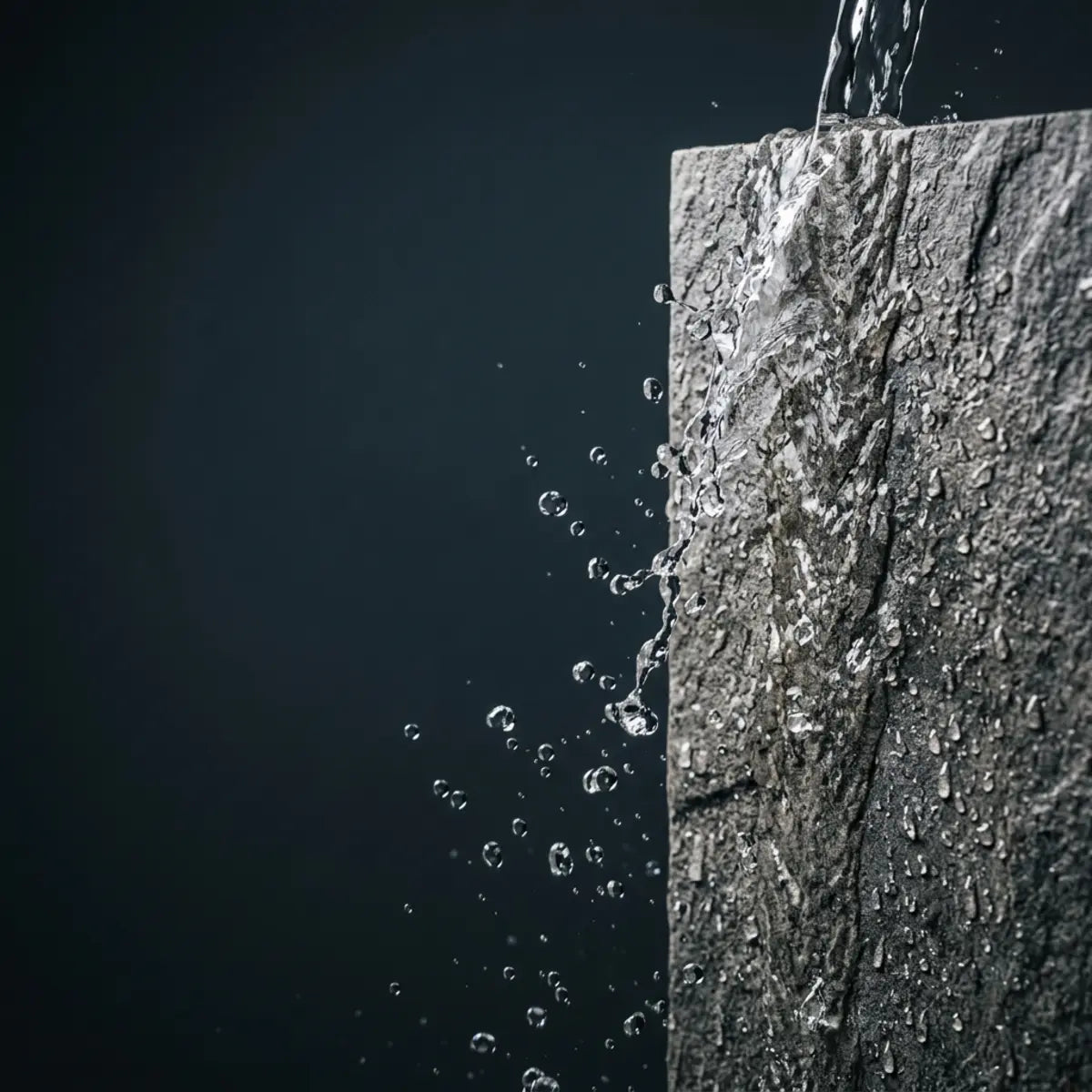
Peel-and-stick-Nähte sind wasserabweisend, nicht wasserdicht. Längerer Kontakt mit stehendem Wasser oder starkem Dampf beeinträchtigt den Klebstoff über eine allmähliche Leistungsverschlechterung. In der Nähe von Spülen, Herden und stark beanspruchten Spritzbereichen musst du die Nähte besonders schützen.
Wir halten uns strikt an die Praxis, die Unterkante dort abzudichten, wo die Fliese auf die Arbeitsplatte trifft, und zwar mit einer Raupe aus transparentem Silikon-Dichtstoff. So wird verhindert, dass Wasser unter die untere Naht sickert – der häufigste Ausfallpunkt in Küchenanwendungen.
Die Logik hinter dem Abdichten der unteren Naht ist unumstößlich. Die Schwerkraft zieht Wasser – sei es beim Abwischen der Arbeitsfläche oder durch Spritzer aus dem Spülbecken – nach unten. Wenn die Unterkante deiner peel and stick-Installation ohne Dichtstoffbarriere direkt auf der Arbeitsplatte aufliegt, zieht die Kapillarwirkung diese Feuchtigkeit nach oben und hinter die erste Fliesenreihe. Sobald Wasser in die Klebeschicht eindringt, schreitet der Verfall schnell voran. Eine dünne, glattgezogene Raupe aus 100% Silikon-Dichtstoff bildet eine undurchlässige Dichtung, verlängert die Lebensdauer der gesamten Installation erheblich und bewahrt die Integrität der unteren Nähte.
Abschließende Gedanken
Unsere Tests zeigen, dass ein realistisch wirkender Look stark davon abhängt, den Kantenstil an den Zustand deiner Wand und dein handwerkliches Können anzupassen. Interlocking tiles gewinnen bei der Tarnung von Fugen aus normalem Betrachtungsabstand durchgehend. Für Mieter und Anfänger mit unebenen Wänden sind sie die sicherste Wahl.
Straight-edge tiles können zwar eine exakte Präzision verlangen, auf außergewöhnlich glatten Wänden mit sauberer Druckausrichtung aber dennoch besser aussehen. Eine sorgfältige Montage mit Nahtroller und einer passenden Untergrundvorbereitung bleibt deine beste Verteidigung gegen sichtbare Linien.
Konzentriere dich weniger auf Herstellerversprechen und mehr auf eine realistische Vorbereitung. Wenn du die mechanischen Grenzen dieser Materialien verstehst, kannst du deinen Raum souverän aufwerten, ohne ein billig wirkendes Ergebnis zu befürchten. Wir empfehlen, verschiedene Fliesenstile mit deiner konkreten Wandsituation zu vergleichen und ausführliche Einbauanleitungen für Anfänger zu lesen, bevor du deine endgültige Kaufentscheidung triffst.



Kommentar hinterlassen
Diese Website ist durch hCaptcha geschützt und es gelten die allgemeinen Geschäftsbedingungen und Datenschutzbestimmungen von hCaptcha.