







Hier Beginnen
Leistung Für Feuchtbereiche
Verstehen Sie Den Unterschied Zwischen Dekorativer Nutzung Bei Geringer Spritzbelastung Und Dem Risiko Bei Direktem Duschstrahl.
Bad-Ratgeber
Trenne Gestaltungsmöglichkeiten für Badezimmerbereiche mit geringer Spritzwasserbelastung von direkter Duschbelastung, bevor Du Peel-and-Stick-Fliesen auswählst.
Produkte Für Das Bad VergleichenHier Beginnen
Verstehen Sie Den Unterschied Zwischen Dekorativer Nutzung Bei Geringer Spritzbelastung Und Dem Risiko Bei Direktem Duschstrahl.
Risiko-Check
Überprüfen Sie, warum direkter Sprühstrahl, gebogene Umrandungen, Hitze, Seife und Fugen das Urteil verändern.
Shop
Wähle Ruhigere Stile Für Waschtischwände, Spiegelrahmen, Gäste-WCs Und Kontrollierte Spritzbereiche.
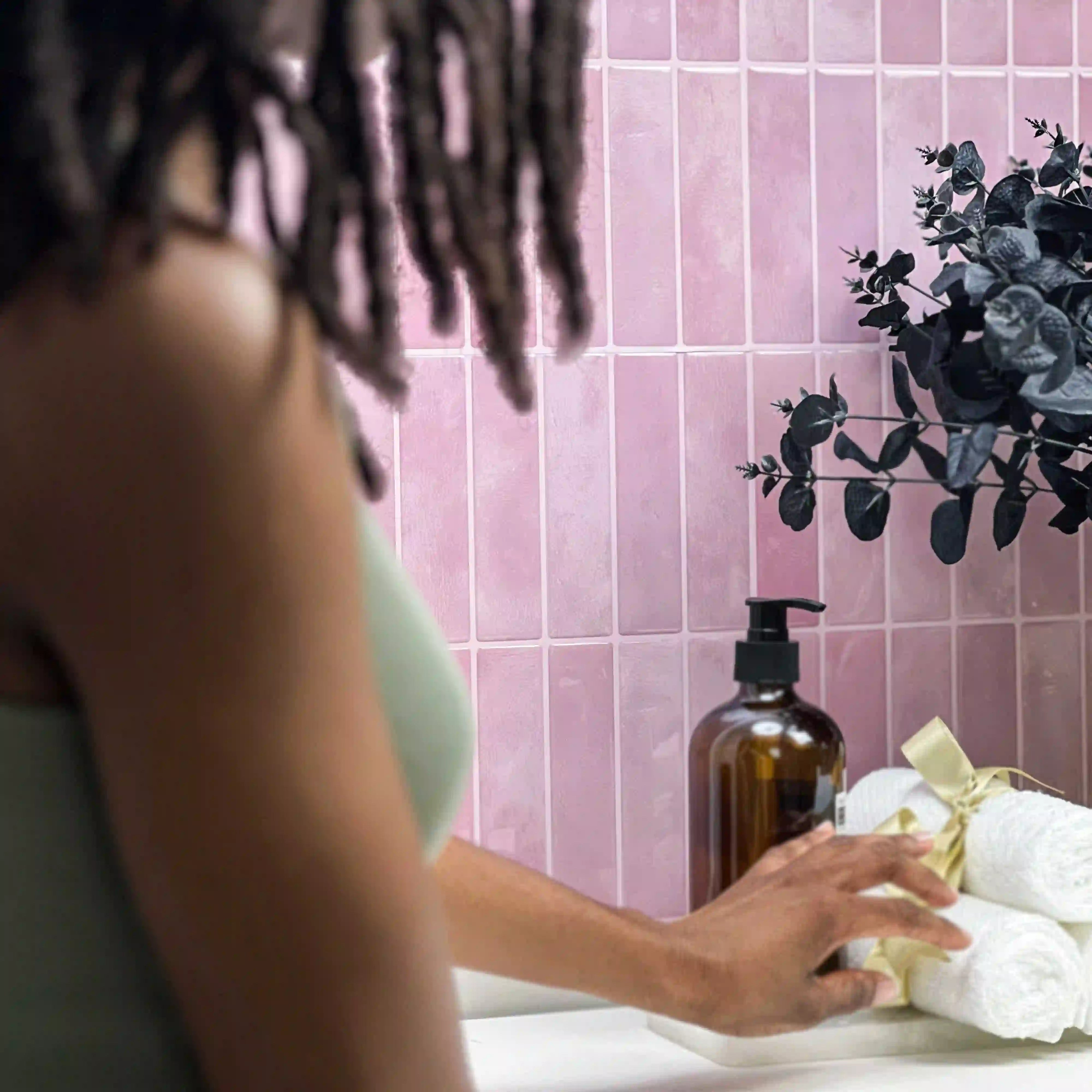
Badezimmer-Peel-and-Stick-Fliesen eignen sich am besten als dekorative Wandverkleidung in kontrollierten Spritzbereichen, nicht als verstecktes Abdichtungssystem. Rückwände hinter dem Waschtisch, Wände im Gäste-WC, Spiegelrahmen und Bereiche neben der freistehenden Badewanne mit wenig Spritzwasser können sinnvolle Projekte sein, wenn der Untergrund trocken und stabil ist. Direkter Duschstrahl, eingeschlossene Feuchtigkeit, versiegelungsbedingte Schwachstellen und weiche Untergründe erfordern deutlich mehr Vorsicht.
Badezimmer sind nicht alle gleich. Eine Akzentwand im Gäste-WC kann fast trocken bleiben. Eine Rückwand hinter dem Waschtisch sieht Spritzer und Reinigungswasser. Eine Wand neben einer freistehenden Badewanne kann gelegentlich Feuchtigkeit abbekommen. Eine Duschumgebung ist direktem Sprühwasser, Seife, Wärme, Fugenbelastung und Wasser ausgesetzt, das an jeder Kante dahinterwandern will. Diese Räume als eine einzige Kategorie zu behandeln, ist der schnellste Weg, das falsche Produkt zu wählen oder von Klebefliesen zu viel zu erwarten.
Beginnen Sie mit Stickwoll Nassbereichsleistung, und vergleichen Sie dann den anspruchsvolleren Glasfaser-Duschtest mit dem weniger spritzintensiven Rückwandtest Für Freistehende Badewannen.
| Ort | Eignungsstufe | Planungshinweis |
|---|---|---|
| Akzentwand Im Gäste-WC | Beste Badezimmer-Eignung | Halten Sie die Wand vor der Montage sauber, trocken und glatt. |
| Rückwand Hinter Dem Waschtisch | Gut Mit Sorgfalt | Planen Sie Spritzwasser-Wischen, Kantenversiegelung und schonende Reinigung ein. |
| Wand Neben Freistehender Badewanne | Bedingt Geeignet | Nur dort einsetzen, wo Spritzwasser selten ist und die Fugen trocknen können. |
| Direkte Duschumgebung | Hohes Risiko | Dekorative Klebefliesen niemals als wasserdichtes Duschsystem betrachten. |
Seifenreste, Hautöle, altes Silikon, glänzendes Fiberglas, feuchte Trockenbauwände und abblätternde Farbe verringern die Zuverlässigkeit des Klebers. Reinigen und entfetten Sie die Wand vor der Montage gründlich, entfernen Sie lose Fugenmasse, prüfen Sie, ob die Wand trocken ist, und kontrollieren Sie sie auf Schimmel oder weiche Stellen. Wenn die Wand bereits beschädigt ist, verdeckt die Fliese das Problem nur, statt es zu lösen.
Für eine fortgeschrittene Vorbereitung lesen Sie den Dampftest, die Anleitung Zum Umwickeln Der Duschnische und den Dampfmopp-Test. Diese sind besonders hilfreich, wenn das Projekt Ecken, Fugen und wiederkehrende Feuchtigkeit umfasst.
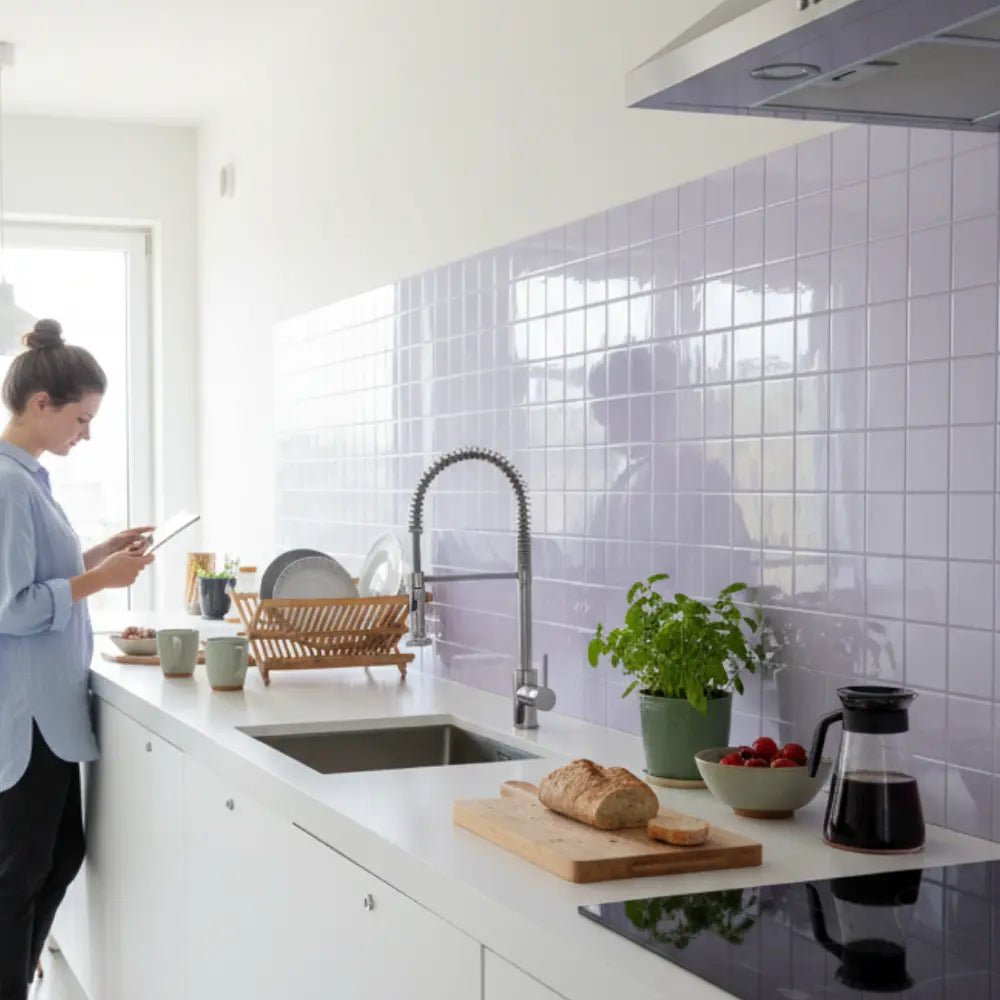
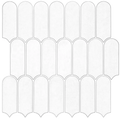
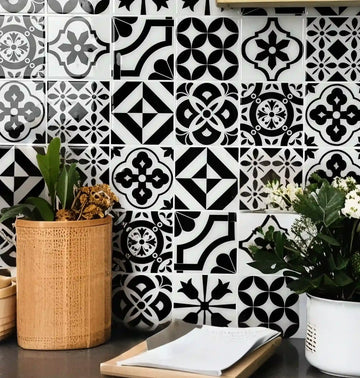
Badezimmer sind optisch klein, daher ist das Fliesenformat wichtig. Weiß, Nebelton, zartes Grün, sanftes Blau und helle Marmoroptiken können den Raum aufhellen, ohne die Kanten überladen wirken zu lassen. Kontrastreiche Muster funktionieren am besten an einer klar definierten Akzentwand, bei der die Fliese nicht jede Ecke umschließen oder starker Wasserbelastung standhalten muss.
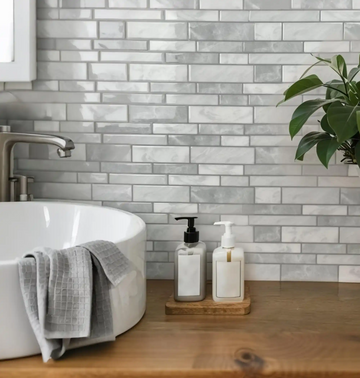
Verwenden Sie ruhige Fliesen hinter einem Waschbecken, wo das Wischen leicht ist und Spritzwasser begrenzt bleibt.
Kleine Fliesenflächen können Struktur bringen, ohne eine ganze nasse Wand zu bedecken.
Halten Sie die Fugen von ständigem Wasser fern und prüfen Sie die Kanten nach der Nutzung.
Prüfen Sie die Wand vor dem Kauf von Badezimmerfliesen wie ein Fachhandwerker. Achten Sie auf weichen Trockenbau, aufgequollene Leisten, gerissene Fugenmasse, lose Farbe, Schimmelflecken und Bereiche, die nach normaler Nutzung feucht bleiben. Wenn eines dieser Anzeichen vorhanden ist, lösen Sie zuerst das Feuchtigkeits- oder Untergrundproblem. Klebefliesen können die Oberfläche optisch verbessern, sollten aber nicht dazu verwendet werden, ein aktives Problem hinter der Wand zu verdecken.
Entscheiden Sie anschließend, wie die Wand trocknet. Eine Rückwand hinter dem Waschtisch, die nach dem Händewaschen schnell trocknet, ist etwas ganz anderes als eine Nische, eine Badewannenverkleidung oder eine Duschwand, die wiederholt Wasser und Dampf abbekommt. Wenn die Lüftung schlecht ist, gehen Sie besonders vorsichtig vor. Wenn der Raum einen Abluftventilator hat, lassen Sie ihn nach dem Duschen weiterlaufen, damit die Wand trocknen kann. Diese einfachen Gewohnheiten sind wichtiger als die meisten Produktversprechen, weil Fugen und Kanten bei Badezimmerprojekten meist zuerst versagen.
Badezimmerprojekte brauchen eine saubere Kantenplanung. An Waschbecken, Spiegeln, Badewannen und Ecken sollten Sie festlegen, wo die Fliese endet und was den Übergang schützt. Eine saubere Silikonfuge kann in einem Bereich mit wenig Spritzwasser hinter dem Waschtisch ausreichen, während eine Badewannenkante eher eine konservativere Platzierung erfordern kann. Verlassen Sie sich nicht darauf, dass dekorative Fliesen ein korrektes Silikon, eine Abdeckung oder eine Abdichtung ersetzen, wo diese Systeme erforderlich sind.
Auch die Reinigung sollte sanft bleiben. Sprühen Sie Reiniger auf ein Tuch, statt die Fugen direkt zu durchtränken. Vermeiden Sie scheuernde Pads, die die Oberfläche stumpf machen können. Beobachten Sie die unteren Kanten und Ecken in den ersten Wochen; wenn sich eine Kante löst, beheben Sie zuerst die Ursache für Feuchtigkeit oder Reinigung, bevor Sie sie wieder andrücken. Für den Pflegekontext lesen Sie den Pflegeleitfaden Für Peel-and-Stick-Fliesen und den Warnhinweis Zu Reinigern.
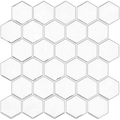
Badezimmerfliesen sollten ein ruhiges, sauberes Gefühl unterstützen. Subway-Formate eignen sich gut rund um Waschtische, weil die Linien vertraut sind und sich leicht ausrichten lassen. Helle Marmor- und Steinoptiken können kleine Räume aufhellen. Sechseck-Muster setzen einen moderneren Akzent, wenn sie in einem begrenzten Bereich eingesetzt werden. Wenn das Badezimmer wenig Tageslicht hat, testen Sie ein Muster unter der tatsächlichen Lichtfarbe, bevor Sie sich für eine dunkle Farbe oder eine glänzende Oberfläche entscheiden.
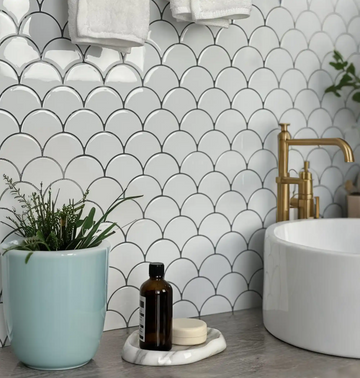
Gute Einstiegsprodukte sind Misty Subway für weiche Flächen mit wenig Spritzwasser, White Honeycomb für einen geometrischen Akzent und Snowfish Marble für eine hellere Marmoroptik. Behalten Sie die Nassbereichsregeln im Blick: Das Design kann schön sein, aber der Ort entscheidet weiterhin, ob das Projekt sinnvoll ist.
Bevor Sie peel-and-stick Fliesen für das Badezimmer kaufen, notieren Sie die genaue Wand, das Spritzwasserniveau, das vorhandene Material und wie oft der Bereich gereinigt wird. Eine Rückwand hinter einem kleinen Waschbecken hat in der Regel ein anderes Risikoprofil als eine Wand neben einer Badewanne und beide unterscheiden sich von einer Duschumgebung. Je mehr Wasser, Seife, Dampf und Kantenbelastung die Fliese abbekommt, desto wichtiger wird es, einen weniger riskanten Ort oder ein anderes Oberflächensystem zu wählen.
Schauen Sie sich die Wand vor dem Ausmessen genau an. Blasen in der Farbe, weicher Trockenbau, Schimmelflecken, lose Fugenmasse und alte Klebereste sind Anzeichen dafür, dass die Oberfläche vor der Dekoration repariert werden muss. Wenn die Wand sauber und stabil ist, messen Sie Breite und Höhe, markieren Sie die sichtbare Abschlusslinie und entscheiden Sie, ob die Kante an einem Spiegel, einer Arbeitsplatte, einem Schrank, einem Zierteil oder einer Innenecke enden soll. Diese Entscheidung beeinflusst, wie fertig das Projekt wirkt.
Wassergrenze: Stickwoll kann dekorative Badezimmerwände aufwerten, ersetzt aber keine normgerechte Abdichtung hinter Fliesen in Dusch- oder Badewannenverkleidungen.
Badezimmerwände sammeln Feuchtigkeit, Seifenfilm, Zahnpastaspuren und Reinigungsrückstände. Verwenden Sie milde Reinigungsmethoden, trocknen Sie den Bereich nach stärkerem Spritzwasserkontakt und vermeiden Sie aggressive Lösungsmittel, die die Oberfläche oder die Fugen angreifen können. Wenn sich eine Ecke oder Fuge zu lösen beginnt, darf dahinter keine Feuchtigkeit eingeschlossen werden; trocknen Sie den Bereich, prüfen Sie den Untergrund und beheben Sie die Ursache, bevor Sie weitere Fliesen andrücken.
Meist ein Projekt mit geringerem Risiko, wenn die Wand glatt, trocken und weit weg von direktem Wasser ist.
Planen Sie um Spritzer vom Wasserhahn, Spiegelkanten, Seifenreinigung und eine saubere Abschlusslinie herum.
Gehen Sie vorsichtig mit stehendem Wasser, dem Zustand der Fugenmasse und der Spritzrichtung um.
Diese Beispiele sollen die Entscheidung praxisnah halten. Ein Badezimmerprojekt kann schön sein und trotzdem für eine bestimmte Wand falsch sein. Wenn der Ort unklar ist, wählen Sie zuerst eine kleinere trockene Wand und gehen Sie erst dann zu einem anspruchsvolleren Bereich über, nachdem Sie verstanden haben, wie der Raum mit Feuchtigkeit, Reinigung und täglicher Nutzung umgeht.
Die Fliesenoberfläche kann Wasser abweisen, aber Fugen, Kanten, Untergrundzustand und Kleberkontakt entscheiden darüber, ob die Montage hält. Verwenden Sie dekorative Fliesen nicht als Abdichtungsschicht für eine Dusche.
Eine trockene Akzentwand im Gäste-WC oder eine kontrollierte Rückwand hinter dem Waschtisch ist in der Regel sicherer als eine Duschwand oder eine ständig nasse Badewannenverkleidung.
Verwenden Sie milde Reiniger und ein feuchtes Tuch, statt die Fugen einzuweichen. Vermeiden Sie aggressive Lösungsmittel und starkes Scheuern, das den Kleber oder die Oberfläche angreifen kann.