


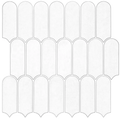

Renovaciones de azulejos peel and stick aptas para inquilinos: tu guía para un hogar elegante y sin daños
Mirar las mismas paredes beige y apagadas de tu alquiler puede sentirse como un callejón sin salida creativo. Tienes muy buen gusto y una visión para tu espacio, pero el miedo a dañar las paredes —y decirle adiós a tu depósito de seguridad— te frena. Quieres un hogar que refleje tu personalidad, no solo las prácticas decisiones de pintura del propietario.
Respuesta directa: Los azulejos peel and stick ofrecen a los inquilinos una forma elegante y sencilla de renovar paredes, suelos y backsplashes sin daños permanentes. Son removibles, asequibles y vienen en infinitos patrones que transforman cualquier estancia en un fin de semana.
Estos azulejos autoadhesivos son el truco definitivo para apartamentos de alquiler. Te dan la posibilidad de crear un backsplash de cocina impresionante, una pared de acento serena en el baño o un elemento llamativo en la sala de estar sin necesitar un contratista ni poner en riesgo tu depósito. Es una solución temporal que logra una mejora de gran impacto y con aspecto permanente.
¿Qué hace que los azulejos peel and stick sean ideales para inquilinos?
¿Te preocupa que cualquier cambio que hagas se convierta en un error permanente? Esta sección explica por qué los azulejos peel and stick están diseñados pensando прежде всего en la tranquilidad de los inquilinos.
Hemos hablado con innumerables inquilinos que sienten que están atrapados con interiores anticuados o poco inspiradores. La mayor barrera no es la falta de ideas; es el riesgo. El azulejo tradicional es engorroso, caro y absolutamente permanente. Los azulejos peel and stick se crearon para resolver exactamente este problema, ofreciendo una combinación de estilo y seguridad perfecta para situaciones de vivienda temporal.

La promesa de no dañar
La magia está en el adhesivo. Piensa en él menos como pegamento súper fuerte y más como una nota adhesiva de alta tecnología. Los azulejos peel and stick modernos usan un adhesivo especialmente formulado que crea una unión fuerte con la pared pero está diseñado para despegarse limpiamente. Cuando llega el momento de mudarte, un poco de calor suave es todo lo que necesitas para ablandar el pegamento y retirar los azulejos, dejando intacta la superficie de abajo.
Un mito común es que estos azulejos inevitablemente arrancarán la pintura. Aunque esto puede ocurrir con pintura vieja, descascarada o con paredes mal preparadas, los azulejos de calidad aplicados sobre una superficie limpia y estable se retiran sin problema. En nuestra experiencia, la clave está en una preparación adecuada y en una retirada suave.
Facilidad de instalación inigualable
Olvídate de la lechada, el mortero y las sierras especializadas. Si sabes pegar una pegatina, puedes instalar estos azulejos. Eso los convierte en el proyecto perfecto para el fin de semana. Un informe reciente sobre tendencias de bricolaje señaló que los proyectos que se pueden completar en menos de un día tienen las tasas de adopción más altas, y un backsplash peel and stick encaja perfectamente en ese perfil. Mucha gente descubre que puede transformar su cocina en menos de una hora. De hecho, nuestra guía muestra lo rápido que puedes lograr resultados impresionantes con el mínimo esfuerzo.
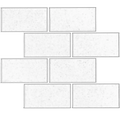
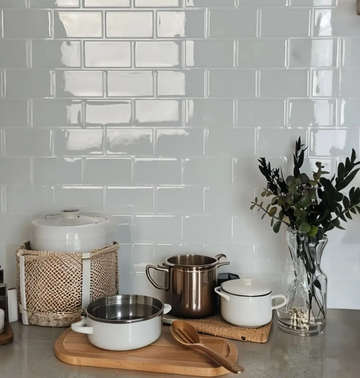
Por ejemplo, una inquilina que conocemos, Sarah, estaba cansada de su cocina deslucida. En solo dos horas una tarde de sábado, instaló un precioso backsplash de azulejos tipo subway blancos y brillantes. El cambio fue inmediato. Su cocina se veía más luminosa, más moderna y muchísimo más personal. Cuando se mudó un año después, los azulejos se retiraron limpiamente, y recuperó su depósito completo. Para ver si esta solución es adecuada para ti, consulta nuestra completa reseña de Stickwoll Peel and Stick Tile, que ofrece un análisis en profundidad del rendimiento, la durabilidad y la estética.
¿Cómo pueden los azulejos peel and stick transformar distintas habitaciones de tu apartamento?
¿Sientes que tus opciones de diseño se limitan a una sola habitación? Aquí te mostraremos cómo estos versátiles azulejos pueden aportar carácter a cada rincón de tu hogar de alquiler.
La belleza de los azulejos autoadhesivos es su versatilidad. No son solo para proyectos puntuales; son una herramienta de diseño completa para todo tu apartamento. Veamos cómo puedes usarlos para crear un hogar cohesionado y con estilo, habitación por habitación.
La cocina: tu lienzo culinario
¿Tu cocina de alquiler te parece un poco poco inspiradora? Exploremos cómo crear un backsplash asequible y digno de revista que puedes instalar tú mismo.
La cocina es el corazón del hogar, pero para los inquilinos, a menudo es la más descuidada. Un backsplash anticuado puede hacer que toda la habitación se sienta pasada de moda. Este es el lugar número uno para una renovación fácil del hogar con azulejos peel and stick. Para quienes apenas empiezan a soñar con lo que es posible, nuestra guía sobre cómo renovar cocinas con azulejos peel and stick ofrece inspiración fantástica y consejos para principiantes para evitar errores comunes.
Con opciones que imitan la cerámica clásica, las tendencias geométricas y hasta la piedra rústica, puedes mejorar al instante tu espacio de cocina. Muchos azulejos modernos de vinilo y gel 3D están diseñados específicamente para usarse como un azulejo de pared removible para cocina, ofreciendo resistencia al calor de la estufa y a las salpicaduras del fregadero. Para profundizar en los mejores diseños y técnicas de instalación específicamente para backsplashes, explora nuestro artículo dedicado: cómo instalar azulejos peel and stick y los mejores diseños 2025.
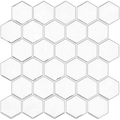
- Caso práctico: Mark, un inquilino en un apartamento del centro, usó baldosas hexagonales negras para crear un backsplash dramático y moderno. Le llevó tres horas y costó menos de $100. Su cocina pasó de ser genérica a convertirse en un punto focal sofisticado, haciendo que el espacio pequeño se sintiera hecho a medida. Para un proyecto como este, nuestra Guía de backsplash de cocina removible: peel & stick es el punto de partida perfecto.
Consejo profesional: elegir el patrón adecuado
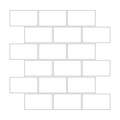
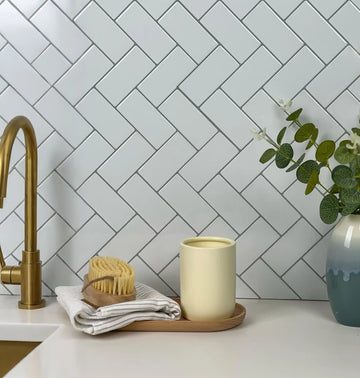
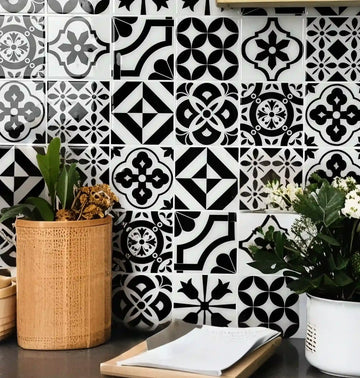
Para cocinas pequeñas, elige baldosas de colores claros con patrones sencillos, como subway o espiga, para que el espacio se sienta más grande y luminoso. Si tienes una cocina más amplia, atrévete a experimentar con patrones geométricos llamativos o colores oscuros y envolventes para crear una pared de acento impactante.
El baño: un refugio tipo spa
¿Sueñas con renovar el baño pero te preocupan la humedad y el vapor? Esta sección te muestra cómo elegir las baldosas adecuadas para crear un oasis de baño duradero y hermoso.
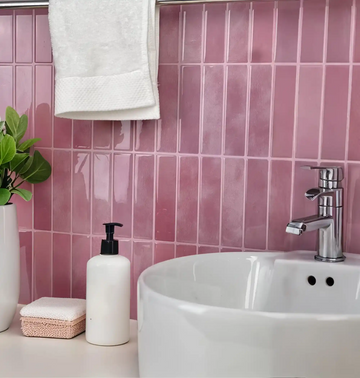
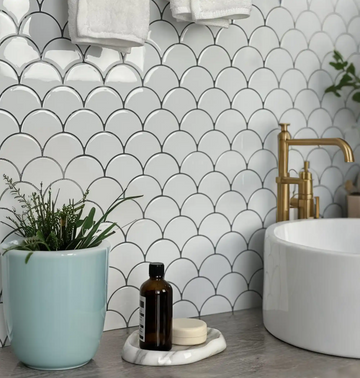
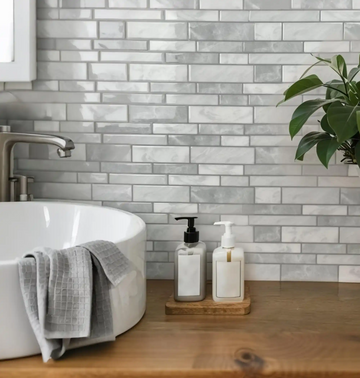
Los baños de alquiler a menudo pueden sentirse fríos y estériles. Añadir un toque de color o un patrón sofisticado detrás del mueble del lavabo o en una pared de acento completa puede cambiar por completo el ambiente. La clave aquí es elegir el material adecuado. Busca baldosas de vinilo de alta calidad, ya que no son porosas y resisten la humedad y las salpicaduras con facilidad.

Una preocupación común es que el vapor de la ducha haga que las baldosas se despeguen. Aunque no deberías instalarlas *dentro* de la ducha, funcionan excepcionalmente bien en el área general del baño. El truco está en asegurarte de que la pared esté completamente limpia y seca antes de la instalación y en dejar que el adhesivo cure entre 24 y 48 horas antes de exponerlo a vapor intenso.
- Caso práctico: Jenna quería una sensación tipo spa. Usó baldosas peel and stick que parecían mármol verde suave para crear una pared destacada detrás de su lavabo con pedestal. El proyecto le dio a su baño un aire lujoso, convirtiendo su rutina matutina en una experiencia más relajante. Nuestra guía sobre Baldosas peel and stick para baño con humedad es el recurso esencial para este tipo de proyecto.
La sala de estar y más allá: momentos inesperados de estilo
¿Crees que las baldosas son solo para cocinas y baños? Prepárate para inspirarte con formas creativas e inesperadas de usar diseños peel and stick para elevar tus espacios de estar.
¡No limites tu creatividad! Las baldosas peel and stick son una herramienta fantástica para añadir textura y personalidad en cualquier lugar. Son perfectas para ideas de baldosas peel and stick para espacios pequeños que causan un gran impacto.
Considera estas aplicaciones:
- Panel trasero de estantería: Forra la parte trasera de una estantería sencilla para convertirla en un mueble personalizado.
- Contrahuellas de escalera: Si tienes la suerte de contar con escaleras, aplicar baldosas en las contrahuellas añade una gran dosis de personalidad.
- “Cabecero” DIY: Crea la ilusión de un gran cabecero aplicando un panel de baldosas en la pared detrás de tu cama.
- Caso práctico: Alex y Ben usaron azulejos texturizados con aspecto de piedra para enmarcar el inserto de su chimenea eléctrica. Le dio a la pared lisa un interés arquitectónico y creó un punto focal acogedor y atractivo en su sala de estar, todo sin un solo clavo.
| Aplicación de la habitación | Tipo de baldosa ideal | Consideración clave | Consejo profesional |
|---|---|---|---|
| Salpicadero de cocina | Gel 3D o vinilo | Resistencia al calor y a la grasa | Para mayor seguridad, puedes sellar el borde inferior con sellador transparente removible. |
| Pared del baño | Vinilo de alta calidad | Resistente a la humedad y al vapor | Aclimata las baldosas en la habitación durante 24 horas antes de instalarlas. |
| Acento para la sala de estar | Cualquiera (vinilo, piedra) | Impacto visual y textura | Usa un nivel láser para asegurarte de que tu primera fila quede perfectamente recta. |
| Suelo (tráfico ligero) | Baldosas de vinilo para suelo | Durabilidad y resistencia a los arañazos | Empieza el patrón desde el centro de la habitación y trabaja hacia afuera. |
¿Cómo se instalan y se retiran los peel and stick tiles sin dañarlos?
¿Listo para empezar pero te preocupa el proceso? Esta sección ofrece una guía clara, paso a paso, para garantizar una instalación impecable y una retirada sin daños.
El proceso es sencillo, pero el éxito está en los detalles. Seguir estos pasos hará que tus azulejos se vean profesionales y, lo que es más importante, que se quiten limpiamente cuando llegue el momento de mudarte. Es un proyecto que ofrece el máximo impacto visual con el mínimo esfuerzo.

Proceso de instalación en 5 pasos
¿Crees que la instalación es complicada? Lo desglosaremos en cinco pasos sencillos que cualquiera puede seguir para lograr un acabado de aspecto profesional.
Antes de despegar nada, tómate un momento para preparar todo. Esta es la parte más importante de todo el proceso. Una superficie limpia no es negociable.
- 1 Limpia y prepara la superficie: Lava la pared con un limpiador desengrasante para eliminar cualquier suciedad, polvo o mugre. Déjala secar completamente durante al menos 24 horas. Una superficie limpia, seca y lisa es esencial para una adhesión adecuada.
- 2 Mide y planifica: Mide tu espacio y coloca los azulejos en el suelo para visualizar tu patrón. Usa un nivel y un lápiz para dibujar una línea guía en la pared. Esto garantiza que tu primera fila quede perfectamente recta, ya que las paredes rara vez son perfectas.
- 3 Despega, alinea y pega: Despega con cuidado una parte del papel protector. Alinea el azulejo con tu línea guía y, una vez que estés seguro de la colocación, presiónalo firmemente contra la pared. Evita tocar el adhesivo con los dedos.
Para una guía más detallada, nuestra Guía de baldosas peel and stick apta para inquilinos es un recurso invaluable, lleno de consejos y trucos para un acabado impecable.
El secreto para retirarlas de forma segura y fácil
¿Te preocupa lo que pueda quedar detrás? Descubre la técnica simple y segura para retirar tus baldosas y dejar la pared exactamente como la encontraste.
Esta es la parte que les da tranquilidad a los inquilinos. Cuando termine tu contrato de alquiler, no necesitas estresarte. El proceso de retirada es tan simple como la instalación.
La clave es el calor. Calentar suavemente las baldosas con un secador de pelo estándar ablanda el adhesivo, lo que permite despegar las baldosas sin arrancar la pintura ni dañar la pared. Es como calentar la tapa rebelde de un frasco para que ceda.
- Calienta la baldosa: Ajusta el secador a temperatura baja o media. Sosténlo a unos 6-8 inches de la pared y calienta la primera baldosa durante unos 30-60 segundos, concentrándote en los bordes.
- Empieza a despegar: Usa una espátula o la uña para levantar suavemente una esquina de la baldosa calentada.
- Despega lentamente: Tira de la baldosa alejándola de la pared despacio y en un ángulo pronunciado. Si sientes resistencia, aplica un poco más de calor. No la arranques ni tires rápidamente.
- Limpia cualquier residuo: En la mayoría de los casos, no quedará ningún residuo. Si encuentras algún punto pegajoso, se puede quitar fácilmente con un removedor de adhesivo suave o alcohol isopropílico en un paño suave.
Hemos dedicado un artículo entero a este paso crucial. Para una guía completa que cubre cada detalle del proceso de retirada, asegurando que recuperes por completo tu depósito de seguridad, tu recurso de referencia es Transforma y retira de forma segura las baldosas peel and stick para inquilinos.
Reflexiones finales: Tu apartamento, tu estilo
Las baldosas peel and stick son más que una solución temporal; son una declaración de libertad creativa para los inquilinos. Te permiten imprimir tu personalidad en un espacio que a menudo se siente impersonal. Con tantas ideas de baldosas peel and stick para inquilinos, por fin puedes dejar de sacrificar estilo.
Desde una rápida renovación de la cocina hasta una pared decorativa completa en el baño, esta fácil mejora del hogar es asequible, rápida y, lo más importante, totalmente reversible. Puedes experimentar con patrones atrevidos y texturas ricas, con la confianza de que podrás devolver tu apartamento a su estado original, con el depósito de seguridad intacto.
¿Listo para empezar tu propia transformación? Explora nuestras galerías para más inspiración o suscríbete a nuestro boletín para recibir consejos semanales de decoración DIY para inquilinos directamente en tu bandeja de entrada. ¿Has completado una renovación con peel and stick? ¡Comparte tus propias transformaciones DIY en los comentarios abajo!
Preguntas frecuentes
¿Cuánto duran las baldosas peel and stick?
Cuando se instalan correctamente sobre una superficie limpia y lisa, las baldosas peel and stick de alta calidad pueden durar años. Su vida útil depende de la calidad de la baldosa y del entorno. En zonas de mucho tránsito o mucha humedad, su durabilidad puede ser un poco menor, pero están diseñadas para resistir.
¿Puedo usarlas en paredes con textura?
Por lo general, no se recomienda. Las baldosas peel and stick requieren una superficie lisa y plana para adherirse correctamente. Una pared con textura crea huecos de aire detrás de la baldosa, debilitando la adhesión e impidiendo un acabado uniforme. Para obtener los mejores resultados, la pared debe ser lisa.
¿Las baldosas peel and stick son impermeables?
La mayoría de las baldosas peel and stick de vinilo y gel 3D son resistentes al agua, no totalmente impermeables. Son perfectas para salpicaderos de cocina y paredes generales del baño donde habrá salpicaduras y humedad. Sin embargo, no deben instalarse dentro de una ducha, donde estarían constantemente expuestas al agua.
¿Las baldosas peel and stick dañarán la pintura?
Cuando se retiran correctamente usando calor bajo de un secador de pelo, las baldosas peel and stick de calidad no deberían dañar la pintura moderna ya curada. El calor ablanda el adhesivo, permitiendo que se desprenda limpiamente. Pueden surgir problemas si la pintura subyacente ya es antigua, se está descascarando o se aplicó incorrectamente.


Deja un comentario
Este sitio está protegido por hCaptcha y se aplican la Política de privacidad de hCaptcha y los Términos del servicio.