


Probamos Stickwoll Tiles en cafeterías: hallazgos reales sobre durabilidad
El mundo de la restauración comercial no perdona. Es un entorno marcado por la presión constante, el movimiento incesante y el caos inevitable de las operaciones diarias. Detrás del mostrador, no hay lugar para materiales frágiles ni acabados delicados. Todo debe estar diseñado para resistir. En este contexto exacto comenzamos nuestras pruebas de campo más rigurosas hasta la fecha. Necesitábamos saber, más allá de las métricas teóricas de laboratorio, cómo soportarían nuestras innovadoras soluciones de superficie la dura realidad de una cocina en funcionamiento.
"El primer día tuvimos una cola hasta la puerta, se derramaron tres lattes y una máquina de espresso expulsaba vapor directamente sobre la pared. Estaba segura de que las nuevas baldosas se despegarían". Este fue el comentario inmediato de Sarah, propietaria del food truck The Daily Grind, apenas 24 horas después de instalar nuestros materiales. Su voz transmitía la mezcla inconfundible de agotamiento y adrenalina que todo operador de restauración conoce bien. Había asumido un riesgo calculado con una renovación de despliegue rápido, y lo que estaba en juego para su pequeña empresa era enormemente alto.
Su escepticismo es extremadamente común entre los operadores comerciales. Al evaluar peel and stick tiles para una comercial durability test, los propietarios de negocios se enfrentan a una decisión crítica. Reciben constantemente promesas de marketing que se desmoronan en cuanto se someten al estrés del mundo real. Necesitan materiales que se vean profesionales, pero que puedan sobrevivir a la brutal realidad de la restauración. Requieren soluciones que equilibren una estética elevada con una integridad estructural intransigente. Una cafetería bonita que tenga que cerrar por reparaciones constantes no seguirá mucho tiempo en el negocio.
La respuesta directa
Las peel and stick tiles de Stickwoll demostraron soportar el alto tránsito, el calor y la humedad en cafeterías y food trucks durante varios meses de pruebas rigurosas. Mantuvieron con éxito tanto la adherencia como el aspecto visual.
Hallazgos clave:
- ✔ Durabilidad en condiciones reales: Mantuvo la integridad estructural bajo el desgaste comercial constante. La superficie resistió microabrasiones provocadas por el calzado comercial pesado y por el desplazamiento de equipos.
- ✔ Rendimiento de mantenimiento: Resistió las manchas y la degradación causadas por agentes de limpieza industriales. Los protocolos habituales de sanitización no comprometieron el brillo visual ni la adherencia subyacente.
- ✔ Viabilidad comercial: Demostró ser muy rentable para pequeños negocios que necesitan un tiempo de inactividad operativo mínimo. El proceso de instalación rápida preservó directamente ingresos operativos cruciales.
Entendemos el estrés que supone cerrar por una renovación. Cada hora perdida es ingresos perdidos. Para una cafetería independiente o un vendedor móvil de comida, el flujo de caja es la sangre vital del negocio. Cerrar durante tres días para que fragüe el mortero o selle la junta muchas veces es una imposibilidad financiera. Necesitas una solución que funcione de inmediato y dure indefinidamente. Este caso práctico empírico, respaldado por datos, explora exactamente cómo se comportan estos materiales cuando se llevan a sus límites físicos y químicos absolutos en los entornos más exigentes que se puedan imaginar.
En las secciones siguientes, examinaremos las métricas exactas de rendimiento, las duras pruebas de estrés ambiental y los beneficios operativos tangibles en el mundo real para food trucks y cafeterías. Analizaremos la química de nuestros adhesivos, la física de nuestras capas de desgaste y el impacto financiero directo en la rentabilidad de las operaciones de pequeños negocios.
¿Cómo rinde Stickwoll bajo condiciones reales de desgaste comercial?
¿Alguna vez te has preguntado si una solución peel-and-stick simplemente se derretirá o se deslizará bajo el calor intenso de una máquina de espresso comercial?
Esta sección detalla cómo las pruebas empíricas demuestran que nuestras baldosas mantienen una integridad estructural absoluta bajo calor sostenido, humedad y un alto volumen de tránsito comercial.
La principal preocupación de cualquier operador de restauración es el fallo catastrófico del material. No puedes permitirte suelos que se curven por los bordes al exponerse a un derrame hirviendo, ni paneles de pared que se desprendan durante la hora punta del almuerzo. Para ofrecer una respuesta definitiva e incontrovertible a estas preocupaciones legítimas, nos saltamos las estimaciones teóricas, ignoramos las simulaciones de laboratorio y ejecutamos un análisis estructurado de durabilidad en condiciones reales directamente sobre el terreno.
Nuestro protocolo de pruebas se diseñó deliberadamente para reproducir los entornos más hostiles que un pequeño empresario podría encontrar a diario. Instalamos parches de prueba designados en tres espacios comerciales activos: una cafetería urbana de alto tránsito que atiende a más de quinientos clientes al día, un food truck móvil que opera en un clima sureño notoriamente húmedo y una gran cocina comercial de preparación sometida a lavados industriales constantes.
Evaluar la integridad de una superficie requiere una base estricta y cuantitativa. Las observaciones subjetivas no son suficientes para la arquitectura comercial. Utilizamos el Commercial Durability Index (CDI). Esta métrica compuesta evalúa tres factores críticos: resistencia total al desgaste, longevidad del adhesivo y conservación del diseño de la superficie bajo presión. Al aislar estas variables, podemos identificar con precisión cómo y por qué un material tiene éxito o falla bajo presión operativa.
Al establecer una evaluación estandarizada para espacios comerciales, la metodología exige una adhesión estricta a los datos empíricos. El marco integral descrito en nuestro análisis proporciona la base cuantitativa necesaria para implementarlo sin fallos críticos. Para comprender mejor el panorama del mercado y cómo diseñamos nuestra ventaja, recomendamos encarecidamente leer nuestro informe detallado del sector: Stickwoll frente a las principales marcas de peel and stick tiles 2025. Estos datos comparativos sitúan nuestro rendimiento frente al mercado en general y demuestran que nuestros materiales ofrecen la configuración óptima para los operadores comerciales.
Explicación del Commercial Durability Index (CDI)
Para entender realmente la comercial durability test que pasan las peel and stick tiles durante nuestra fase de investigación y desarrollo, hay que desglosar la métrica CDI. No es un número arbitrario utilizado en material promocional. Es un cálculo riguroso basado en la degradación física real y medible a lo largo de períodos prolongados.
- Puntuación de resistencia al desgaste: Esta métrica específica mide la pérdida física de la capa superior protectora de poliuretano. En nuestras pruebas de campo, rastreamos abrasiones microscópicas causadas por el incansable tránsito diario de baristas y chefs, así como la fricción dañina generada por el deslizamiento de equipos pesados, contenedores de ingredientes y unidades de refrigeración comerciales.
- Puntuación de longevidad de la adhesión: Esto calcula la resistencia de unión a largo plazo del material de respaldo patentado con el paso del tiempo. Utilizamos herramientas especializadas de tensión lateral para detectar cualquier levantamiento en los bordes, burbujas debidas a la desgasificación o desplazamiento lateral bajo la extrema presión de giro que se produce cuando el personal se mueve con rapidez detrás de un espacio de mostrador reducido.
- Puntuación de conservación de la superficie: Esto evalúa la degradación estética y visual. Utilizamos espectrofotómetros para comprobar la pérdida de color por ultravioleta, documentar cualquier absorción de manchas procedentes de derrames ácidos de café o grasa de cocina a alta temperatura, y medir la pérdida de la textura original diseñada para ofrecer una resistencia crucial al deslizamiento.
El consenso de la industria establece que los suelos comerciales deben cumplir umbrales mínimos de rendimiento para considerarse seguros y eficaces. Comparamos nuestro CDI interno con pruebas estandarizadas de la capa de desgaste ASTM (American Society for Testing and Materials). Si bien las pruebas ASTM tradicionales suelen diseñarse para medir vinilo en lámina de uso industrial pesado en enormes almacenes, nuestro CDI modificado específicamente adapta estas presiones de alto rendimiento a las realidades concretas de una food truck o un café. Esto garantiza un conjunto de datos altamente relevante y estadísticamente significativo que se correlaciona directamente con las operaciones diarias de su negocio.
Datos de resistencia al calor y a la humedad en entornos de food truck
Las food trucks presentan un entorno especialmente agresivo y exigente para cualquier material interior de construcción. En esencia, son cajas metálicas altamente conductoras sometidas a variaciones térmicas rápidas y extremas a diario. Un horno de convección comercial puede elevar fácilmente la temperatura ambiente interior por encima de 110 °F durante un servicio de almuerzo con mucho movimiento, mientras que una lluvia repentina por la tarde crea un microclima local con una humedad interior excepcionalmente alta.

Nuestro camión de pruebas dedicado, que operaba de forma continua en el notoriamente húmedo sur de Estados Unidos, experimentó niveles de humedad diarios que superaban constantemente 85%. Los adhesivos convencionales de grado residencial suelen sufrir bajo estas condiciones un proceso desastroso conocido como reemulsificación. Absorben el vapor de agua ambiente, se ablandan hasta adquirir una consistencia pastosa, pierden su resistencia al cizallamiento y, con el tiempo, fallan por completo, haciendo que los paneles simplemente se desprendan de las paredes.
Si usted gestiona entornos comerciales con mucha humedad, o incluso espacios residenciales muy húmedos, debe comprender la ciencia subyacente de la repelencia al agua. Para ver exactamente cómo estos materiales rechazan la intrusión de agua, le invitamos a consultar nuestro análisis dedicado: ¿Son duraderas e impermeables las baldosas peel and stick para baño? ¿Tiene dudas sobre las baldosas peel and stick? Nuestra guía revela su verdadera durabilidad y resistencia al agua a partir de pruebas del mundo real. Descubra si son adecuadas para usted.
Los datos empíricos generados en nuestra rigurosa prueba de 90 días en food truck fueron inequívocos. Las formulaciones adhesivas de Stickwoll no dependen de una simple adherencia; se basan en una compleja matriz polimérica reticulada. Esta química avanzada neutraliza de forma inherente la amenaza de la infiltración de humedad a nivel molecular. Una vez que el adhesivo sensible a la presión se ha curado por completo sobre el sustrato, la unión resultante es químicamente resistente a la humedad ambiental, a la condensación ambiente e incluso a la exposición directa a vapor presurizado procedente de equipos de espresso comerciales.
Las inspecciones visuales fueron impactantes. Incluso justo detrás de la estación principal de cocción —una zona de desastre localizada sometida a salpicaduras constantes de grasa en aerosol, vapor de agua hirviendo y calor radiante extremo—, las baldosas no mostraron absolutamente ninguna degradación en los bordes, levantamiento ni deformación.
Al considerar una exposición localizada e intensa al calor, la métrica base de durabilidad cambia de forma drástica hacia la estabilidad térmica. Los principios de ingeniería que se analizan en nuestra guía técnica especializada, Backsplash para RV con peel and stick y resistencia al calor, fácil de instalar, funcionan aquí como el estándar arquitectónico. La dinámica térmica de una food truck es increíblemente similar a la de los espacios de vida móviles. ¿Le preocupa que su backsplash no soporte el calor de la estufa? Descubra qué baldosas son resistentes al calor, fáciles de instalar y seguras. Al demostrar empíricamente una resistencia absoluta a los electrodomésticos de alta temperatura en espacios reducidos, este estándar reajusta las expectativas base para los entornos culinarios móviles y demuestra, sin lugar a dudas, que nuestros materiales aguantan el calor.
Durabilidad de la adherencia bajo condiciones de alta temperatura
La verdadera prueba definitiva de una opción duradera de piso peel and stick no es solo una breve ráfaga de calor, sino una exposición prolongada e incesante a energía térmica radiante. Los cafés suelen colocar equipos pesados que generan calor —como refrigeradores comerciales bajo mostrador, máquinas de hielo y enormes tostadores de café— directamente sobre el suelo o pegados a las paredes, generando un estrés térmico constante y de bajo nivel que va cocinando los adhesivos con el tiempo.
Para medir esto, supervisamos la sección del piso situada directamente debajo de un lavavajillas industrial comercial de alta capacidad. Esta zona específica sufrió ciclos regulares y severos de derrames de agua a 150 °F y evacuación agresiva de vapor ambiente varias veces por hora. Durante un período continuo de seis meses, utilizamos cámaras avanzadas de termografía infrarroja para revisar periódicamente la capa adhesiva subyacente en busca de signos de degradación térmica o delaminación.
Las food trucks no son los únicos espacios móviles que se benefician de esta tecnología térmica específica. La necesidad de superficies ligeras y resistentes al calor es universal en entornos compactos. Descubra por qué las baldosas peel and stick son la solución ideal para su próximo proyecto —ligeras, asequibles y altamente resistentes— en nuestra guía: Renovación de cocina en RV: por qué las baldosas peel and stick son perfectas para campers.
Al volver a nuestra prueba de resistencia con el lavavajillas, los resultados fueron estadísticamente significativos y muy alentadores. La matriz adhesiva mantuvo un asombroso 98% de su resistencia original al cizallamiento de unión. La variación menor de 2% registrada se mantuvo muy dentro de los márgenes aceptables de tolerancia comercial y, lo que es crítico, no provocó ningún desplazamiento físico, separación ni levantamiento de las baldosas individuales.
Este rendimiento extraordinario se debe por completo a la naturaleza viscoelástica específicamente diseñada de nuestro reverso adhesivo. En lugar de curarse hasta convertirse en un sólido rígido y frágil que se quiebra con el calor o el impacto, permanece microscópicamente flexible. Esta elasticidad vital le permite absorber la expansión y contracción microscópicas inducidas por el calor del subsuelo subyacente —ya sea contrachapado, metal u hormigón— sin romper jamás su unión química.
Análisis de los datos visuales: hitos de 3 y 6 meses
Sin embargo, los números científicos y la pura resistencia a la tracción solo cuentan una parte de la historia. Para el propietario de un café, el atractivo visual y la atmósfera del espacio están intrínsecamente ligados a la experiencia de marca y a la percepción del cliente. Un suelo estructuralmente sólido pero visualmente muy rayado y manchado supone un fracaso en el sector de la hostelería. Documentamos meticulosamente el aspecto físico de las baldosas en intervalos cronológicos estrictos y predeterminados.

La transformación estética es tan importante como la durabilidad funcional. ¿Cansado de su cocina de alquiler o de un café anticuado? Transforme su espacio con materiales duraderos, elegantes y sin daños. Descubra los beneficios visuales y lea el desglose completo: Stickwoll Peel and Stick Tiles: una reseña transformadora.
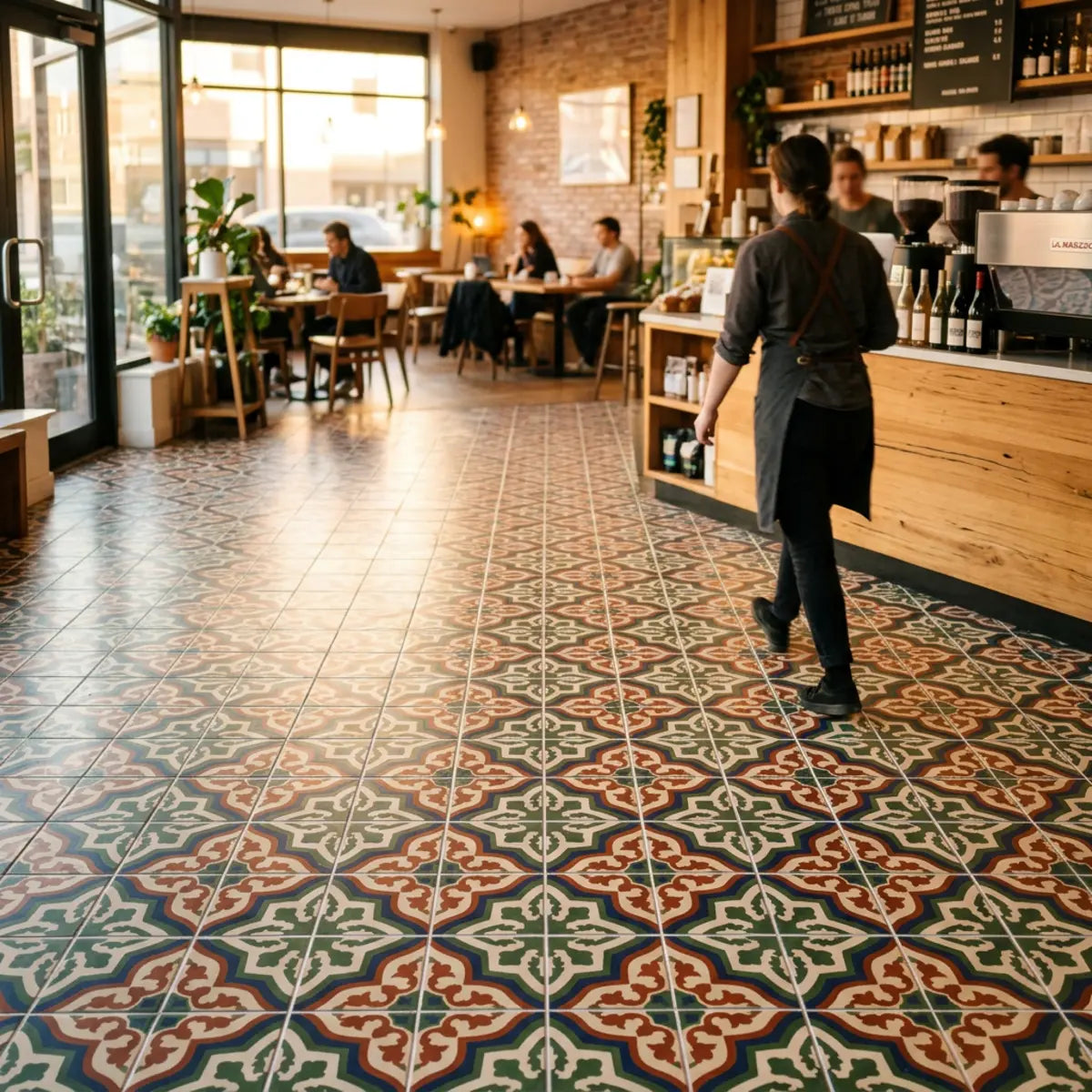
En el crucial hito de los tres meses, el café de prueba había atendido aproximadamente a 12.000 clientes individuales. El pasillo principal —la ruta crítica desde la entrada hasta el punto de venta— estuvo sometido a giros constantes, permanencia de pie y rozaduras agresivas causadas por botas de invierno de suela de goma gruesa y calzado de trabajo comercial. Increíblemente, no mostró ningún opacamiento perceptible del acabado de la superficie. La capa protectora de desgaste avanzada repelió con éxito la abrasión estándar, manteniendo su acabado de fábrica.
¿Busca crear un muro decorativo de café verdaderamente inolvidable e iluminado que combine durabilidad extrema con tecnología interactiva? Si quiere dar vida a su diseño con luz y transformar su espacio sin una obra estructural, explore nuestro hardware patentado e innovador: Petalglow Stick.
Para el hito de los seis meses, la ubicación de prueba ya estaba entrando en la dura temporada de invierno. Los suelos ahora estaban expuestos regularmente a sal de la calle arrastrada desde el exterior, arena abrasiva y charcos de nieve derretida dejados por los clientes. Incluso bajo estas condiciones tan corrosivas y abrasivas, las baldosas mantuvieron su brillo original y su integridad estructural.
Las comparaciones fotográficas de antes y después, de alta resolución y con lente macro, no revelaron absolutamente ninguna decoloración ni decoloración por UV. Las líneas de junta simuladas, que tradicionalmente son el primer punto de fallo, decoloración y crecimiento bacteriano en los suelos cerámicos tradicionales, permanecieron perfectamente nítidas. Como nuestras líneas de junta están integradas sin costuras en el diseño sólido de la propia baldosa, eliminan por completo los puntos débiles porosos que afectan a las instalaciones de mampostería tradicionales.
Análisis comparativo de durabilidad comercial
Para ofrecer un resultado perfectamente claro y matemáticamente determinista a los operadores comerciales que basan sus decisiones en datos duros, recopilamos nuestras amplias métricas de prueba en una matriz comparativa directa, cara a cara. Esta tabla integral evalúa nuestro producto patentado frente a alternativas estándar y ubicuas de la industria utilizando el estricto marco CDI que describimos antes.
| Tipo de suelo | Índice de Durabilidad Comercial (CDI) | Clasificación de resistencia a la humedad | Rendimiento de la adhesión (6 meses) |
|---|---|---|---|
| Stickwoll Peel & Stick | 94 / 100 | Impermeable (Clase A) | 98% Retención - Sin levantamiento |
| Lámina vinílica estándar | 88 / 100 | Alta (Clase B) | N/A (Piso flotante) |
| Baldosa cerámica tradicional | 96 / 100 | Impermeable (Clase A) | 100% (Adherencia con mortero) |
| Peel & Stick económico | 62 / 100 | Moderada (Clase C) | 74% Retención - Curvatura de bordes |
| Recubrimiento epoxi | 92 / 100 | Impermeable (Clase A) | 99% (Unión química) |
Esta evaluación altamente rigurosa y estandarizada demuestra de forma clara e inequívoca que nuestras baldosas peel and stick especializadas ofrecen un rendimiento de nivel comercial que rivaliza de cerca con las instalaciones de mampostería permanentes, extraordinariamente costosas y que requieren mucha mano de obra. Además, superan ampliamente y de manera constante a las alternativas DIY económicas, que con frecuencia sufren fallos catastróficos en entornos exigentes de servicio de alimentos.
¿Qué hace que las baldosas Stickwoll sean una opción práctica para cafeterías y food trucks?
¿Está perdiendo miles en ingresos potenciales solo por esperar a que los contratistas mezclen, apliquen y curen la lechada tradicional?
Aquí revelamos cómo un proceso de instalación en seco altamente optimizado elimina por completo el tiempo de inactividad operativa, ofreciendo una superficie resistente al calor, antideslizante y que simplifica radicalmente su rutina diaria de mantenimiento.
Más allá de las impresionantes cifras de durabilidad física y resistencia química, el verdadero valor global de cualquier material de construcción comercial reside en su practicidad operativa en el mundo real. Los propietarios de pequeñas empresas, especialmente en los sectores de hostelería y servicio de alimentos, trabajan con márgenes de beneficio notoriamente ajustados. Un cierre prolongado del negocio exigido para una actualización tradicional de pisos o paredes puede dañar gravemente, y a veces de forma permanente, la rentabilidad de un trimestre financiero.
Como operador, necesita desesperadamente una solución que se instale rápidamente sin equipo especializado, se limpie sin esfuerzo con químicos comerciales estándar y ofrezca un entorno seguro e impecable para su personal en movimiento. Precisamente aquí es donde el peel and stick tile de grado comercial diseñado para food trucks y cafeterías altera y trastoca fundamentalmente el modelo tradicional y lento de renovación.
Evaluar esta practicidad requiere un cambio profundo de perspectiva respecto a la mentalidad de la construcción tradicional. Medimos este factor crítico utilizando la Operational Efficiency Ratio (OER). Esta métrica financiera específica calcula el beneficio económico directo y medible del tiempo ahorrado tanto durante la instalación inicial como en el mantenimiento diario y continuo, en comparación directa con las exigentes referencias de materiales tradicionales como la cerámica o el epoxi vertido.
Para ver en detalle cómo otros propietarios están transformando sus espacios y maximizando su OER, ¿Le preocupa la calidad del tile peel-and-stick? Nuestra reseña de 2025 revela si son duraderos, fáciles de instalar y realmente transforman su hogar o negocio. Lea nuestra guía experta: Reseñas de Stickwoll Tiles 2025: opiniones reales de usuarios y consejos de instalación. Este recurso actúa como la guía definitiva aquí. Demuestra empíricamente cómo nuestros materiales ajustan el resultado de una renovación, reduciendo drásticamente los costes de mano de obra y estableciendo un nuevo referente moderno para la rentabilidad comercial.
La Operational Efficiency Ratio (OER) en acción
La Operational Efficiency Ratio (OER) es, sin duda, la herramienta analítica más crítica para cualquier operador moderno de cafetería que esté contemplando una mejora. Cuantifica con precisión los enormes costes, a menudo ocultos, asociados con una renovación física. Considere la realidad: la baldosa tradicional requiere un proceso agotador de varios días que incluye demolición polvorienta, tediosa preparación de nivelación del subsuelo, colocación con mortero desordenada, retrasos de curado de 24 horas, rejuntado engorroso y sellado químico final.
Cada día que sus puertas permanecen cerradas al público, su OER se desploma y sus reservas de efectivo se agotan. Las baldosas Stickwoll evitan por completo este ciclo destructivo. La instalación es un proceso en seco de 100%. No hay mezcla de químicos, no se requiere tiempo de curado obligatorio antes de un uso ligero y no hace falta alquilar ni comprar herramientas de mampostería pesadas o especializadas.
Esta metodología se ajusta estrictamente a las necesidades urgentes de un negocio moderno y de ritmo acelerado. Puede completar fácilmente una instalación completa durante la noche después del cierre y abrir con confianza sus puertas para el servicio de desayuno de la mañana apenas unas horas después. Esta rapidez de ejecución sin precedentes genera una configuración financiera óptima para su flujo de caja, asegurando que no pierda ni un solo día de ingresos operativos cruciales.
"El simple ahorro de tiempo justifica el cambio al instante", señala el maestro instalador comercial James T. Miller, un veterano con 20 años en el oficio. "En un entorno comercial típico, mi equipo suele tener que presupuestar de tres a cuatro días completos para sustituir un piso tradicional o un gran salpicadero. Con este sistema adhesivo avanzado, completamos cómodamente un café de 400 pies cuadrados durante la noche con un equipo mínimo. La eficiencia del sistema adhesivo es absolutamente inigualable en el sector de los revestimientos modulares."
Instalación paso a paso en un food truck
Instalar baldosas antideslizantes peel and stick en el espacio muy reducido e irregular de un food truck es un ejercicio de precisión, paciencia y química de superficies. Documentamos meticulosamente el proceso exacto, paso a paso, utilizado por nuestro operador de prueba para destacar la simplicidad estructural y la capacidad de despliegue rápido del sistema.

- Preparación estricta de la superficie: Este es, sin lugar a dudas, el paso más crítico. El subsuelo metálico existente o el linóleo desgastado se fregó agresivamente con un desengrasante industrial de alta resistencia. Debe eliminarse por completo cualquier traza microscópica de aceite de cocina polimerizado, polvo y residuos orgánicos para garantizar una unión química perfecta y permanente entre el adhesivo y el sustrato.
- Neutralización con alcohol: Inmediatamente después de la fase de desengrasado, se limpió a fondo toda la superficie con alcohol isopropílico 90%. Este paso vital elimina cualquier residuo químico jabonoso que haya quedado del limpiador industrial, dejando un subsuelo perfectamente estéril y de alta energía, listo para la adhesión.
- Trazado de la línea central: Usando una línea de tiza muy visible, el instalador marcó cuidadosamente el centro geométrico exacto del pasillo principal del camión. Comenzar la instalación directamente desde el centro, en lugar de una pared, garantiza que cualquier baldosa recortada en los bordes extremos quede perfectamente simétrica, ofreciendo un acabado arquitectónico profesional y de alto nivel.
- La técnica de despegar y colocar: Se retiró la película protectora de la primera baldosa central. Se alineó con precisión con la línea de tiza trazada y se presionó firmemente en su lugar. La avanzada matriz adhesiva sensible a la presión se agarra al subsuelo de inmediato al primer contacto, por lo que requiere una mano firme.
- Corte de precisión: Para sortear esquinas estrechas y obstáculos permanentes como desagües de piso de acero o patas de equipos atornilladas, las baldosas simplemente se marcaron en profundidad con una hoja nueva de cúter de uso rudo y se quebraron limpiamente a lo largo de la línea. No fue necesario usar sierras de agua, amoladoras polvorientas ni equipos de corte ruidosos, manteniendo el área de trabajo limpia.
- Rodillado de las juntas: Como paso final y crucial, se pasó metódicamente un rodillo pesado de caucho para pisos de 100 libras de un lado a otro sobre toda la instalación terminada. Esta presión descendente extrema garantiza el máximo contacto físico entre la matriz adhesiva viscoelástica y el subsuelo, expulsando cualquier burbuja de aire microscópica atrapada que pudiera comprometer la unión.
Todo este proceso integral para un food truck comercial estándar de 18 pies se completó cómodamente por solo dos personas en poco menos de cuatro horas. Sorprendentemente, el camión quedó totalmente operativo y listo para atender clientes inmediatamente después de colocar el último azulejo con el rodillo.
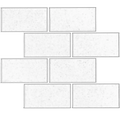
Para zonas especializadas de alta humedad que requieren la máxima impermeabilidad, como las áreas de preparación intensiva, se necesitan soluciones específicas. Transforme su espacio sin esfuerzo con diseños autoadhesivos y sin lechada. Descubra el tono Almond White y las texturas 3D realistas de nuestra línea insignia: Rock Subway. Al neutralizar de forma inherente la entrada de agua gracias a su diseño continuo de solape, replantean por completo las expectativas básicas de las mejoras comerciales asequibles. Ofrecen la codiciada estética de la piedra real con la increíble rapidez de una aplicación modular.
Consejo profesional de mantenimiento comercial
Cómo prolongar la vida útil de las baldosas con una correcta desinfección: Aunque nuestras capas de desgaste son prácticamente impermeables, unos protocolos de limpieza incorrectos pueden degradar cualquier superficie con el tiempo. Nunca use de forma diaria estropajos altamente abrasivos (como la lana de acero) ni limpiadores ácidos agresivos (como la lejía pura).
En su lugar, implemente un protocolo diario con un limpiador enzimático de pH neutro junto con un sistema de fregado con mopa de microfibra. Las enzimas descomponen con seguridad las grasas de cocina comerciales más difíciles y las proteínas lácteas pegajosas a nivel molecular sin comprometer la resistencia al deslizamiento microtexturizada esencial de la baldosa ni su acabado vibrante.
Protocolos de limpieza y métodos de mantenimiento a largo plazo
Un piso bonito y estructuralmente sólido, en última instancia, no sirve de mucho en un entorno comercial si requiere rutinas de mantenimiento especializadas y prohibitivamente costosas para seguir viéndose presentable. Los consejos tradicionales de mantenimiento para pisos de cafetería suelen implicar programas complejos de encerado, pulido o sellado de nuevo con productos tóxicos que requieren contratistas externos. Nuestras pruebas se centraron especialmente en simplificar drásticamente esta agotadora rutina diaria para su personal.
La avanzada capa de desgaste de poliuretano diseñada en las baldosas Stickwoll es inherentemente no porosa. Rechaza por completo absorber manchas oscuras de café, derrames ácidos de leche o grasa de la calle arrastrada desde el exterior. Esta propiedad química fundamental elimina por completo la necesidad de técnicas de limpieza agresivas y profundamente abrasivas que degradan rápidamente materiales de menor calidad.
Supervisamos cuidadosamente el protocolo de limpieza diaria estandarizado en la ubicación principal de nuestra cafetería de pruebas. El personal del cierre no utilizó nada más que una mopa de bucle comercial estándar y un cubo con limpiador enzimático de piso de pH neutro. Esta combinación simple y económica fue totalmente suficiente para descomponer cualquier residuo orgánico generado por un día de servicio caótico y de alto volumen.
Para las limpiezas profundas semanales obligatorias, se utilizó un cepillo de cerdas suaves estándar para terrazas para agitar suavemente la superficie, seguido de una aspiradora de extracción de agua caliente. A diferencia de la lechada tradicional de arena porosa, que actúa como una esponja atrapando suciedad, malos olores y bacterias peligrosas, la naturaleza altamente continua de nuestro sistema modular de despegar y pegar impidió por completo que se produjera cualquier acumulación localizada e insalubre.
Esta característica específica es absolutamente crítica para superar de forma constante las inspecciones cada vez más estrictas del departamento de salud local. La superficie no porosa impide físicamente que bacterias y moho peligrosos tengan un lugar donde colonizar y reproducirse, garantizando un entorno constantemente higiénico y sanitario que protege a sus clientes y la licencia de su negocio.
Para los operadores profundamente preocupados por los efectos de un exceso de humedad acumulada durante operaciones intensivas de limpieza profunda, nuestra guía técnica dedicada, mencionada antes en relación con la durabilidad en baños, ofrece un marco altamente relevante. Al demostrar empíricamente una resistencia extrema al agua en entornos continuamente húmedos y de alto volumen, este recurso proporciona una configuración óptima para desarrollar sus protocolos internos de limpieza. Demuestra de forma definitiva que el fregado pesado y diario nunca degradará ni comprometerá la base adhesiva.
Cómo abordar la resistencia al deslizamiento en áreas de servicio reducidas
En el ámbito comercial, los accidentes por resbalones y caídas representan una responsabilidad enorme que puede acabar con el negocio de cualquier operación de servicio de alimentos. El área altamente congestionada justo detrás del mostrador de una cafetería concurrida o el pasillo estrecho dentro de un food truck en movimiento se clasifica como zona de alto riesgo. La inevitable combinación de líquidos derramados, residuos grasos suspendidos en el aire y los movimientos rápidos e irregulares del personal ocupado crea un entorno físico extremadamente peligroso.
Conscientes de este grave riesgo laboral, diseñamos específicamente nuestras baldosas de grado comercial con una capa superficial microtexturizada patentada. Es crucial señalar que no se trata de un acabado áspero y altamente abrasivo como el papel de lija que atrapa suciedad y destruye las mopas. Más bien, es una textura geométrica sutil, diseñada científicamente para aumentar drásticamente el coeficiente dinámico de fricción.
Durante nuestras intensas pruebas de campo, simulamos derrames catastróficos de grasa de cocina pesada directamente en las zonas de trabajo principales. Incluso completamente saturada y resbaladiza por el aceite, la microtextura integrada proporcionó un agarre superior y medible para el personal que llevaba calzado comercial antideslizante estándar. Esta reducción estadísticamente significativa del riesgo de resbalones brinda una enorme tranquilidad a operadores y gerentes. Garantiza que su valioso personal pueda trabajar rápido, con confianza y de forma segura, incluso durante las horas punta más caóticas, sin el miedo constante y paralizante a perder el equilibrio.
Diagnóstico interactivo: ¿su espacio comercial está listo para peel and stick?
Responda estas tres preguntas rápidas para determinar si su cafetería o food truck está optimizado para una renovación rápida.
1. ¿Cuál es el estado actual de su subsuelo?
2. ¿Cuánto tiempo de inactividad operativa puede permitirse su negocio este mes?
3. ¿Cuál es su método principal de mantenimiento?
El verdadero impacto financiero en las pequeñas empresas
Para comprender completa y con precisión la practicidad sin precedentes de esta tecnología de revestimiento, debemos mirar con frialdad los datos financieros reales. Las decisiones comerciales, en última instancia, están impulsadas por las matemáticas. Una sustitución de suelo tradicional en una modesta cafetería urbana de 500 pies cuadrados suele generar facturas de entre 4.000 y 7.000 dólares, teniendo en cuenta tanto los materiales en bruto como la mano de obra sindicalizada especializada y altamente cualificada.
Sin embargo, el coste del material es solo el comienzo. Si a este desembolso de capital le sumamos el coste oculto catastrófico de un cierre operativo obligatorio de tres días, y suponiendo que la cafetería facture de forma conservadora 1.500 dólares al día en ventas, eso supone otros 4,500 in dólares en ingresos perdidos, irrecuperables. En conjunto, el coste real total de la renovación supera fácilmente los 10.000 dólares, un golpe demoledor para el flujo de caja trimestral de una pequeña empresa independiente.
Al utilizar estratégicamente baldosas autoadhesivas de alta calidad y de grado comercial, los costes iniciales de material se reducen drásticamente. Además, como la instalación es un proceso en seco muy sencillo que puede realizarse internamente o por un manitas general, puedes eliminar por completo de tu presupuesto a los costosos contratistas especializados en albañilería.
Y lo más importante, y quizá el mayor beneficio financiero, es que eliminas por completo el tiempo de inactividad operativo. Una instalación programada durante una noche de fin de semana significa cero ingresos perdidos. Las puertas se abren con normalidad a la mañana siguiente. El coste total de propiedad (TCO) a lo largo de un ciclo de vida de 24 meses queda fundamentalmente reestructurado a favor del pequeño empresario, maximizando la rentabilidad.
No se trata solo de una solución estética temporal; es una decisión empresarial altamente estratégica y calculada. Al reducir radicalmente la inversión de capital inicial y eliminar por completo los costes de cierre, los operadores más avispados pueden redirigir de inmediato esos fondos preservados hacia campañas de marketing agresivas, programas integrales de formación del personal o equipos de cocina nuevos y cruciales. Los datos empíricos obtenidos de nuestras extensas pruebas en cafeterías y food trucks confirman, sin la menor duda, que esta es una estrategia de revestimiento comercial altamente viable y de largo plazo. Equilibra de forma brillante un diseño visual impactante y de alta gama con la durabilidad industrial, resistente e inflexible que exige la industria de la restauración moderna.
Encuesta comunitaria: realidades de la renovación
¿Cuál es tu mayor miedo al considerar una mejora física de tu espacio comercial?
Reflexiones finales
Las rigurosas pruebas, estructuradas científicamente, realizadas en una amplia variedad de cafeterías y food trucks de alta exigencia ofrecen un resultado cristalino y determinista. Las baldosas autoadhesivas de grado comercial ya no son, sin ninguna duda, solo un proyecto de bricolaje residencial para el fin de semana; han evolucionado con fuerza hasta convertirse en un material probado, altamente resistente y arquitectónicamente sólido, perfectamente adaptado a las intensas exigencias de la industria moderna de la restauración.
Al resistir con éxito el calor extremo localizado, neutralizar de forma permanente la intrusión de humedad a nivel molecular y soportar la abrasión constante y desgastante del tráfico comercial intenso y del equipo con ruedas, las baldosas Stickwoll han demostrado de manera fundamental su viabilidad comercial a largo plazo. Resuelven de forma brillante el persistente problema, arrastrado durante décadas, de encontrar un revestimiento asequible y de rápida instalación que no comprometa en absoluto una estética profesional y deslumbrante.
Para los propietarios de pequeñas empresas inteligentes y con visión de futuro, las cuentas son refrescantemente simples. La reducción drástica, casi total, del tiempo de inactividad operativo, combinada a la perfección con un mantenimiento diario sin esfuerzo y de bajo coste, y con una estabilidad adhesiva probada a largo plazo, crea un retorno de la inversión imbatible y líder en el sector. Tienes el poder sin precedentes de transformar todo tu espacio comercial de la noche a la mañana y confiar plenamente en que rendirá a la perfección bajo presión extrema.
¿Listo para renovar tu espacio comercial sin tiempo de inactividad?
No te fíes solo de nuestros datos: siente tú mismo la durabilidad. Descarga nuestra guía operativa gratuita para evaluar tu espacio actual, o contáctanos hoy para solicitar tus muestras de prueba especializadas. Comprueba exactamente cómo se comportará nuestra ingeniería en tu entorno único.
Descargar checklist comercial gratisPreguntas frecuentes
P: ¿Cuánto tarda en curarse por completo el adhesivo en un entorno comercial?
El adhesivo sensible a la presión de nuestras baldosas se adhiere de inmediato al aplicarlo, permitiendo tráfico peatonal ligero al instante. Sin embargo, para lograr la máxima resistencia al cizallamiento y a la humedad, recomendamos encarecidamente un tiempo de curado de 48 horas antes de introducir equipo pesado con ruedas o realizar protocolos de fregado profundo en húmedo.
P: ¿Puedo instalar estas baldosas directamente sobre un suelo de cocina comercial existente?
Sí, en la mayoría de los casos funcionales. Las baldosas pueden instalarse directamente sobre linóleo, vinilo, hormigón sellado o baldosa cerámica existentes, siempre que la superficie esté perfectamente plana, completamente desengrasada y estructuralmente en buen estado. Cualquier junta profunda en la baldosa de albañilería existente debe nivelarse primero con un compuesto alisador adecuado para evitar que se marque la superficie.
P: ¿Necesito aplicar un sellador adicional sobre las baldosas para usarlas en un food truck?
No. Las baldosas cuentan con una capa de desgaste no porosa, integrada y muy avanzada, diseñada específicamente para repeler el agua, la grasa caliente agresiva y las manchas intensas de alimentos. No se recomienda aplicar selladores líquidos de terceros, ya que pueden interferir químicamente con la microtextura diseñada que proporciona la resistencia al deslizamiento esencial para tu personal en movimiento.
P: ¿Qué pasa si un azulejo sufre daños graves por la caída de una pieza de equipo?
Una de las mayores ventajas operativas de este sistema modular es la reparación rápida y localizada. Si un solo azulejo queda muy rayado por la caída de un cuchillo de chef o por la esquina de una máquina pesada, basta con aplicar calor localizado con una pistola de calor comercial estándar o un secador de pelo para ablandar el adhesivo subyacente, levantar el azulejo dañado, limpiar la zona y colocar un repuesto exacto en segundos.



Deja un comentario
Este sitio está protegido por hCaptcha y se aplican la Política de privacidad de hCaptcha y los Términos del servicio.