



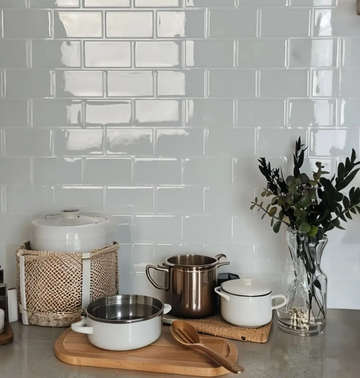

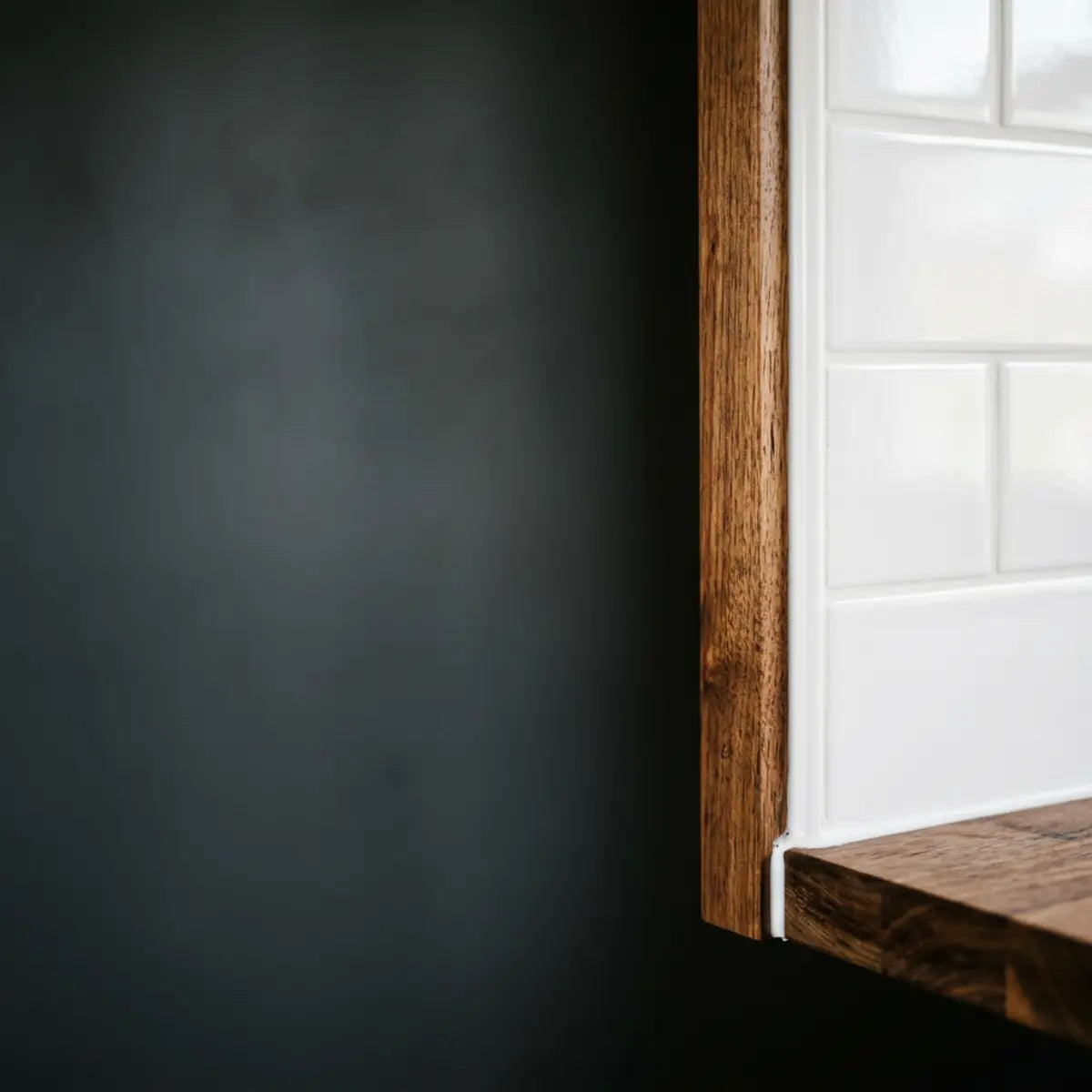
Muchas renovaciones de cocina DIY empiezan con grandes expectativas y terminan en compromisos frustrantes. Un patrón recurrente en nuestras evaluaciones de diagnóstico es la falla del Azulejo Peel-And-Stick Sobre Encimera De Madera. El azulejo en sí rara vez falla de forma uniforme. En cambio, la tensión se concentra justo en la línea inferior de masilla.
Aquí, un panel adhesivo rígido se encuentra con una superficie de madera que se mueve y se expande. Si estás experimentando esta falla exacta, estás ante un problema de movimiento estructural, no ante un simple defecto estético. Es hora de replantear por completo esta junta.
La Respuesta Directa
El Azulejo Peel-And-Stick Puede Funcionar Sobre Una Encimera De Madera, pero solo si la instalación permite el movimiento de la madera. El punto de falla más común es la junta inferior: la encimera de madera se expande y se contrae con la humedad y la temperatura, mientras que el Azulejo Peel-And-Stick y la masilla reaccionan de forma diferente. Un pequeño espacio de movimiento, un sellador flexible, un sustrato limpio y una inspección regular importan más que la marca del azulejo por sí sola.
Observaciones Clave De Referencia:
- Concentración De La Tensión: El movimiento de la encimera de madera concentra una tensión mecánica severa exactamente en la línea inferior de masilla.
- Falla De Material Rígido: Los rellenos rígidos tipo lechada son excepcionalmente arriesgados en esta junta específica de la encimera.
- Reparación Estratégica: Los protocolos de reparación deben abordar la capacidad de movimiento y la fuerza de adhesión en lugar de limitarse a añadir más masilla sobre una junta agrietada.
Abordar este problema requiere cambiar de perspectiva. Debemos evaluar el éxito mediante una Puntuación De Fiabilidad Del Espacio De Movimiento en lugar de centrarnos solo en la apariencia inicial o en la fuerza bruta del reverso adhesivo.
¿Qué Mostró Nuestra Prueba De Campo Sobre El Azulejo Peel-And-Stick Sobre Encimera De Madera?
¿Estás viendo bordes levantados o masilla agrietada y no logras determinar si la culpa es del azulejo, de la encimera o de tu método de instalación? Esta sección desglosa nuestros datos de prueba empíricos para revelar por qué la junta inferior requiere una estrategia de movimiento especializada.
Al analizar fallas de expansión de masilla Azulejo Peel-And-Stick Encimera De Madera, montamos un entorno de evaluación controlado. Observamos paneles estándar de Azulejo Peel-And-Stick instalados directamente sobre una losa de Encimera De Madera tratada y sin tratar.
Sometimos el área de prueba a ciclos simulados de humedad estacional en la cocina. Los resultados fueron deterministas. Las fallas no ocurrieron al azar en toda la pared. Se agruparon con precisión en la intersección entre la encimera y el salpicadero.
La Física De La Junta Inferior
Para entender por qué sucede esto, debemos observar el sustrato. La Encimera De Madera es orgánica. Actúa como una esponja, absorbiendo y liberando la humedad ambiente de la cocina.

Según el Manual De Maderas Del Wood Handbook del USDA Forest Products Laboratory, la madera experimenta cambios dimensionales significativos debido a las variaciones de humedad. La contracción y la hinchazón tangenciales (a través de la veta) pueden ser considerables. Una encimera estándar de 25 pulgadas de profundidad puede moverse fácilmente un octavo de pulgada o más, según la humedad estacional.
Sin embargo, el Azulejo Peel-And-Stick permanece dimensionalmente estable. El adhesivo sensible a la presión del reverso está diseñado para adherirse a una pared estática. Cuando la encimera de madera se hincha hacia arriba o hacia afuera, empuja contra el borde inferior rígido del panel de azulejo.
Clasificación De Los Patrones De Falla
Durante nuestra evaluación comparativa, clasificamos tres modos de falla distintos en esta intersección. Identificar tu patrón de falla específico es el primer paso hacia una solución permanente.
- Falla De La Masilla Adhesiva: El cordón de masilla se separa limpiamente de la encimera de madera o del borde del azulejo. Esto suele indicar una mala preparación de la superficie o el uso de un sellador que carece de la adhesión química necesaria para la madera aceitosa.
- Falla Cohesiva De La Masilla: El cordón de masilla se parte justo por el centro. Esto sucede cuando la junta se expande más allá del límite de elasticidad física del sellador elegido.
- Levantamiento Del Borde Del Azulejo: La masilla se mantiene, pero la presión ascendente de la madera en expansión hace que el borde inferior del Azulejo Peel-And-Stick se despegue de la drywall.

Cómo Establecer La Puntuación De Fiabilidad Del Espacio De Movimiento
Para evaluar correctamente una solución a largo plazo, el consenso del sector dicta usar una métrica cuantificable. Utilizamos la Puntuación De Fiabilidad Del Espacio De Movimiento. Este marco evalúa la instalación en función de la holgura de la junta, la flexibilidad del sellador y la preparación del sustrato.
Una puntuación alta neutraliza de forma natural el problema de las grietas estacionales en la junta. Una puntuación baja garantiza una curva de degradación del rendimiento que termina en falla en un solo año.
Tabla 1: Matriz De Puntuación De Fiabilidad Del Espacio De Movimiento
| Variable De Instalación | Alta Fiabilidad (Óptima) | Fiabilidad Media (Marginal) | Baja Fiabilidad (Alto Riesgo De Falla) |
|---|---|---|---|
| Tamaño Del Espacio De Expansión | Espacio continuo de 1/8 a 1/4 inch. | 1/16 inch Separación Irregular. | Sin Separación; El Azulejo Reposa Sobre La Madera. |
| Material Del Sellador | 100% Silicona Premium Para Cocina/Baño. | Látex Acrílico Siliconado. | Látex Acrílico Estándar O Lechada. |
| Preparación Del Sustrato (Madera) | Limpio, Desengrasado Y Completamente Sellado/Aceitado. | Limpiado Solo Con Un Paño Húmedo. | Borde Con Polvo, Sin Tratar O Con Aceite Activo. |
| Protección Del Borde Del Azulejo | Borde Inferior Sellado Firmemente A La Pared. | Borde Inferior Presionado Con Firmeza. | Borde Inferior Levantado O Expuesto. |
| Control De La Humedad | Entorno Interior Estable Con HVAC. | Variaciones Estacionales Moderadas. | Temperatura/Humedad Sin Control. |
El Papel Crítico De Una Aclimatación Adecuada
No Puedes Lograr Una Puntuación Alta De Fiabilidad De La Separación De Movimiento Si Los Paneles De Azulejo Están Estructuralmente Comprometidos Antes Incluso De Aplicar La Masilla.
La Temperatura Y La Humedad Afectan El Adhesivo Sensible A La Presión En La Parte Trasera De Los Azulejos. Si Los Paneles Están Fríos O Húmedos Durante La Instalación, Su Resistencia Al Cizallamiento Disminuye De Forma Significativa, Lo Que Los Hace Muy Propensos A Levantarse Cuando La Encimera De Madera Eventualmente Empuje Contra Ellos.
Muchas Instalaciones Fallan Antes Incluso De Enfrentar Los Cambios Estacionales, Simplemente Por Acelerar La Fase De Preparación. El Choque Del Adhesivo Ocurre Cuando Los Azulejos Fríos Se Pegan A Una Pared A Temperatura Ambiente. La Unión Nunca Se Activa Por Completo, Dejando Los Bordes Muy Vulnerables A La Menor Presión Ascendente De Tus Encimeras.
Al Evaluar Las Métricas Base De Aclimatación, Es Crucial La Evaluación Estandarizada. El Marco Integral Detallado En Nuestra Guía Sobre Probamos La Regla De Las 48 Horas Para Azulejo Peel-And-Stick Proporciona La Base Cuantitativa Necesaria Para Implementar Esto Sin Un Fallo Crítico. La Aclimatación Adecuada Mitiga Fundamentalmente La Debilidad Adhesiva Inicial.
Aprende A Aclimatar Tus Azulejos CorrectamenteCómo Abordar Geometrías Complejas De Encimeras
A Veces, El Fallo En La Línea De Masilla Se Ve Agravado Por La Forma Física Del Área De Instalación. No Todas Las Paredes Son Perfectamente Rectas, Y No Todas Las Encimeras De Butcher Block Quedan A Ras Con El Panel De Yeso.
Si Tu Cocina Tiene Paredes Antiguas O Desiguales, El Espacio Entre La Encimera Y La Pared Puede Variar Muchísimo. Forzar Un Panel Rígido De Peel-And-Stick En Una Esquina Ondulada Crea Tensión Mecánica Inmediata.
Esa Tensión Aleja El Azulejo De La Pared, Generando Un Esfuerzo Extremo En La Juntura Inferior De Masilla Antes Incluso De Que La Madera Empiece A Expandirse. Intentar Salvar Una Separación Muy Variable Con Más Masilla Solo Construye Una Cuña Más Gruesa Que Se Partirá Con Seguridad Cuando La Madera Se Mueva. La Solución Estructural Está En La Fase De Corte, No En La Fase De Sellado.
Para Resolver Esto, Se Demuestra Empíricamente Que El Corte Preciso Reduce La Tensión En La Juntura. Revisa La Metodología En Trazamos Azulejo Peel-And-Stick Contra Gabinetes Ondulados Para Ajustar Correctamente Los Paneles Sin Forzarlos A Quedar En Tensión.
Domina Las Técnicas De Trazado Para Paredes Onduladas¿Debes Usar Silicona, Masilla Acrílica, Lechada O Ningún Sellador En La Juntura De La Encimera?
¿Estás Totalmente Abrumado Por Los Consejos Contradictorios Sobre Selladores De Los Dependientes De Ferretería Y Los Foros En Línea? Esta Sección Clasifica Tus Opciones De Material Según Su Flexibilidad Y Su Idoneidad Para Zonas Húmedas, Demostrando Por Qué La Junta De La Encimera Debe Tratarse Como Una Juntura De Movimiento Dinámica.
Elegir El Material Adecuado Para Salvar La Separación Entre Un Azulejo Peel And Stick Sobre Una Encimera De Butcher Block Es Fundamental. Esto No Es Una Línea Decorativa De Lechada. Es Una Juntura De Movimiento Muy Activa.
Comparamos Las Opciones Minoristas Más Comunes Con La Puntuación De Idoneidad Del Sellador Flexible. Esta Métrica Evalúa La Elasticidad, La Adhesión A La Madera, La Resistencia Al Agua Y La Carga De Mantenimiento Durante Un Ciclo De Vida Simulado De 24 Meses.
El Problema Con La Lechada Rígida
Vamos A Empezar Por Aclarar El Malentendido Más Común. Muchos Hágalo Usted Mismo Que Buscan Ahorrar Usan Lechada Cementosa Estándar O Lechada Epóxica Entre Sus Azulejos Peel-And-Stick Y La Encimera.
Consejo Profesional: Evita El Mortero Rígido En Los Cambios De Plano
Tratar la junta inferior como una línea de baldosas estándar es una receta para el desastre. La esquina donde una pared vertical se une con una encimera horizontal de Butcher Block es técnicamente un "cambio de plano". Los códigos de construcción y las normas del sector exigen que todos los cambios de plano lleven un sellador de alta elasticidad, nunca un material rígido. El mortero no puede absorber la contracción tangencial de la madera.
El consenso del sector dicta que los materiales rígidos fallarán sistemáticamente en una junta de movimiento. Cuando la madera se expande, el mortero rígido tiene cero elasticidad. Se agrietará de forma inevitable. Una vez agrietado, permite que el agua se filtre detrás de las baldosas, lo que provoca un fallo catastrófico de la adhesión. Nunca uses mortero en una junta de cambio de plano que involucre madera.
Analizando La Masilla De Látex Acrílico
La masilla estándar de látex acrílico es muy popular porque es económica, fácil de limpiar con agua y se puede pintar con facilidad. Sin embargo, su curva de degradación del rendimiento es pronunciada en esta aplicación específica.
Revisar las fichas técnicas de marcas como DAP o Polyseamseal revela que los acrílicos estándar carecen de la elasticidad extrema necesaria para soportar la contracción tangencial de una losa de madera gruesa.
Aunque es más fácil de aplicar, la masilla acrílica suele acabar en un fallo cohesivo (se abre por la mitad) cuando se somete a una expansión significativa del butcher block. Además, se degrada más rápido en zonas expuestas a acumulaciones frecuentes de agua.
El Caso A Favor De 100% Silicona
Demostrado de forma empírica en todas nuestras evaluaciones, la silicona para cocina y baño 100% ofrece la configuración óptima para la junta del butcher block.
La silicona mantiene una flexibilidad permanente. Las fichas técnicas de fabricantes como GE y Loctite confirman que las siliconas premium pueden estirarse hasta 25% a 50% del ancho de la junta sin rasgarse. Esto neutraliza de forma natural la tensión del movimiento de la madera.
Además, la silicona es completamente impermeable. Crea una barrera impenetrable que protege el borde inferior vulnerable de tus baldosas peel-and-stick de las salpicaduras del fregadero y los derrames sobre la encimera.
Tabla 2: Comparación De Puntuación De Idoneidad Del Sellador Flexible
| Tipo De Sellador | Límite De Elasticidad | Resistencia Al Agua | Adhesión A La Madera | Pintabilidad | Puntuación De Idoneidad |
|---|---|---|---|---|---|
| Silicona 100% | Excelente (>25%) | Óptima | Buena (si se aplica imprimación) | Ninguna | 9.5 / 10 |
| Acrílico Siliconado | Moderada (~10%) | Buena | Buena | Excelente | 6.5 / 10 |
| Látex Acrílico | Baja (<5%) | Regular | Regular | Excelente | 4.0 / 10 |
| Mortero Estándar | Cero | Mala (se agrieta) | Mala | N/A | 1.0 / 10 |
Agua En La Zona De Caída Del Fregadero
Los Requisitos De Tu Sellador Cambian Según Su Proximidad A Las Fuentes De Agua. Una Junta Situada Detrás De Una Zona De Café Experimenta Distintos Factores De Estrés Ambiental Que Una Junta Ubicada Directamente Detrás Del Fregadero De La Cocina.
La Filtración De Agua Es Una Causa Principal Del Fallo Del Adhesivo En Aplicaciones De Peel-And-Stick Tile. Si El Agua Pasa Más Allá Del Cordón De Masilla Y Detrás Del Reverso Del Azulejo, El Adhesivo Se Emulsionará Y Fallará.
Las Zonas Del Fregadero Representan El Máximo Riesgo. El Agua Estancada, Las Salpicaduras Repetidas Y Los Productos De Limpieza Agresivos Atacan Sin Piedad La Junta Inferior. Las Prácticas De Sellado Estándar Que Resisten En Áreas Secas Fallarán Rápidamente Aquí. Si Tu Butcher Block Llega Hasta El Borde De Tu Fregadero, Establecer Una Barrera Impecable Es Imprescindible Para Una Larga Duración.
Al Evaluar Zonas Con Mucha Agua, Los Criterios De Valoración Cambian Estrictamente Hacia La Impermeabilidad. Los Protocolos De Protección Detallados En Probamos La Zona De Salpicaduras Del Fregadero Para Baldosas Despega Y Pega Funcionan Como El Estándar Arquitectónico Aquí. Aplicar Estas Técnicas De Impermeabilización Evita Que La Humedad Llegue Al Borde Inferior Crítico.
Protege Tu Zona Del Fregadero Contra Los Daños Del AguaConsideraciones Sobre La Retirabilidad Para Inquilinos
Si Eres Inquilino Y Utilizas Una Solución De Backsplash De Cocina Retirable, Debes Equilibrar El Rendimiento Con La Retirada Posterior.
Precaución Para Inquilinos
La Silicona Es Notoriamente Difícil De Retirar De La Madera En Bruto. Penetra En La Veta Y Deja Un Resíduo Que Resiste A Los Nuevos Acabados. Si La Retirada Eventual Es Tu Métrica Principal, El Acrílico Siliconado Ofrece Un Compromiso Temporal. Brinda Más Flexibilidad Que El Látex Estándar, Pero Es Mucho Más Fácil De Raspar De Una Encimera Alquilada Cuando Vence Tu Contrato.
Diagnóstico De La Separación Del Borde Inferior Del Azulejo
¿Las Filas Inferiores De Tu Backsplash Recién Instalado Ya Han Empezado A Despegarse De La Pared? Esta Sección Explica Cómo Los Factores De Estrés Térmico Y Ambiental Se Combinan Con La Tensión Mecánica De La Junta Para Provocar Un Fallo Adhesivo Rápido.
A Veces, La Masilla Se Mantiene Intacta, Pero El Azulejo En Sí Se Levanta Del Drywall Justo Encima De La Encimera. Este Patrón De Fallo Específico Indica Que La Presión Ascendente De La Madera Ha Superado La Resistencia Al Corte Del Reverso Adhesivo Del Azulejo.
Esto Rara Vez Ocurre Solo Por El Movimiento De La Madera. Normalmente, Otro Factor De Estrés Ambiental Ha Debilitado El Adhesivo, Dejando Que La Presión Mecánica De La Encimera Termine El Trabajo.
Cuestionario Rápido De Autodiagnóstico
¿Qué Es Exactamente Lo Que Está Fallando En Tu Junta De Butcher Block?
El Impacto Del Calor Radiante
Las Cocinas Son Entornos De Alta Temperatura. Las Cocinas, Tostadoras Y Cafeteras Generan Un Calor Radiante Considerable.
La Exposición Prolongada Al Calor Ablanda Los Adhesivos Sensibles A La Presión Que Se Usan En La Mayoría De Los Backsplashes DIY. Una Vez Que El Adhesivo Se Ablanda, Su Poder De Sujeción Disminuye. Si Este Ablandamiento Ocurre Al Mismo Tiempo Que Un Evento De Alta Humedad (Que Hace Que La Madera De La Encimera Se Expanda), El Borde Del Azulejo Cederá Y Se Levantará.
Es Fundamental Evaluar Las Zonas De Tu Cocina. El Área Justo Detrás De Una Freidora De Aire O Una Máquina De Espresso Enfrenta Un Estrés Térmico Invisible Cada Mañana. Una Junta De Silicona Perfectamente Sellada No Puede Salvar Un Panel Si El Adhesivo Detrás De Él Se Ha Cocido Lentamente Hasta Convertirse En Un Gel Emulsionado. La Corrección Del Calor Debe Ir Acompañada De Juntas De Movimiento.
Al Considerar La Pérdida De Rendimiento A Largo Plazo Debida A La Temperatura, Se Requiere Una Evaluación Estandarizada. Las Estrategias Integrales De Mitigación Que Se Encuentran En Probamos Los Riesgos Del Calor: Detén Las Separaciones En Las Juntas De Baldosas Despega Y Pega Proporcionan El Plan Necesario. Un Aislamiento Térmico Adecuado Evita Fundamentalmente Este Problema Específico De Ablandamiento.
Ver La Estrategia Completa De Aislamiento TérmicoEl Papel Del Diseño De Los Paneles Y Las Juntas
La Forma En Que Distribuyes Tus Azulejos También Determina Qué Tan Bien Resisten El Levantamiento Del Borde Inferior.
Si Usas Una Disposición De Borde Recto, La Tensión Vertical De La Encimera En Expansión Sube Directamente Por Un Solo Panel. Si Utilizas Un Patrón Entrelazado, Esa Tensión Se Distribuye De Forma Más Uniforme A Través De Las Juntas Entrelazadas, Reduciendo La Fuerza De Cizalla Sobre Cualquier Borde Inferior Individual.
Una Instalación Solo Es Tan Fuerte Como Su Punto De Conexión Más Débil. La Fricción Y La Superposición De Juntas Planificadas De Forma Inteligente Crean Una Malla Cohesiva. Un Azulejo Inferior Individual, De Corte Recto, Debe Enfrentarse Solo A La Expansión Del Butcher Block. En Cambio, Un Panel Integrado En Una Red Entrelazada Más Amplia Toma Fuerza De Los Paneles Vecinos, Mejorando Enormemente La Resistencia A Las Fuerzas De Pandeo Hacia Arriba.
Para Entender Cómo La Forma Del Panel Afecta La Estabilidad General De La Pared, Es Vital Revisar Las Evaluaciones Estandarizadas De Las Juntas. El Marco Comparativo Detallado En Probamos Las Juntas De Baldosas: Encaje Frente A Borde Recto Establece Un Nuevo Referente Para La Estabilidad Estructural Del Diseño.
Compara La Integridad Entre Entrelazado Y Borde RectoLa Base De Referencia De Material Premium
No Todas Las Baldosas Tienen El Mismo Grosor De Adhesivo O La Misma Rigidez. Las Baldosas Más Gruesas Y Premium Soportan Mejor El Estrés Mecánico Que Las Calcomanías De Vinilo De Papel Fino.
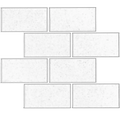
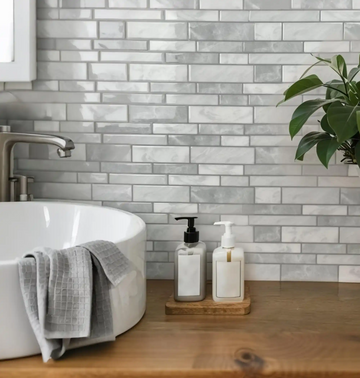
En Nuestras Pruebas Controladas, Los Productos Diseñados Con Construcción De Varias Capas Mostraron Una Tasa De Fallo Estadísticamente Significativamente Menor. Por Ejemplo, Las Pruebas Con Materiales Resistentes Como Subway Marble Establecen Una Base Cuantitativa Fiable. La Integridad Estructural De Estos Paneles Resiste Mucho Mejor Que Las Láminas De Nivel Básico Las Fuerzas De Pandeo Hacia Arriba Generadas Por La Expansión De La Madera.
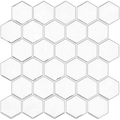
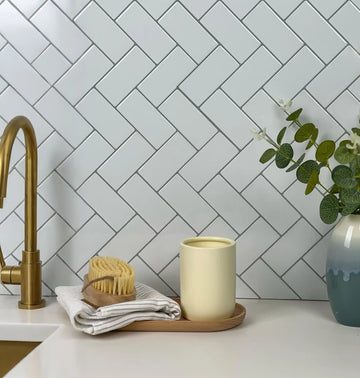
Del Mismo Modo, Las Geometrías Complejas Ayudan A Difundir El Estrés. El Diseño Entrelazado De Marble Hive Distribuye De Forma Inherente La Presión Mecánica Ascendente Entre Múltiples Puntos De Anclaje, Logrando Una Configuración Óptima Para Zonas De Alto Movimiento.
Cómo Reparar Y Volver A Sellar Una Junta Fallida Del Salpicadero Sobre Butcher Block
¿Cansado De Mirar Esa Grieta Y Listo Para Arreglarla Bien? Esta Sección Ofrece Un Proceso Preciso, Paso A Paso, Para Retirar Los Materiales Fallidos E Instalar Una Junta De Movimiento Flexible Y Muy Fiable.
Si Tu Masilla Se Ha Agrietado O Los Bordes De La Baldosa Se Están Levantando, Añadir Una Nueva Capa De Masilla Sobre El Fallo Antiguo Es Un Error Crítico. El Consenso Del Sector Indica Que Es Obligatorio Retirar Por Completo La Junta Afectada Para Lograr Una Restauración Duradera.
Debes Reconstruir La Junta De Forma Sistemática Para Alcanzar Una Alta Puntuación De Fiabilidad Del Espacio De Movimiento.
Paso 1: Extracción Segura Del Sellador
Empieza Retirando Por Completo El Sellador Fallido. No Lo Arranques Con Fuerza, Ya Que Esto Puede Dañar El Borde Inferior De La Baldosa Peel-and-Stick O Hacer Un Desgarro En El Butcher Block.
- 1. Corta Los Bordes: Usa Un Cúter Afilado Para Cortar Con Cuidado A Lo Largo De La Parte Superior De La Línea De Masilla (Donde Se Une Con La Baldosa) Y De La Inferior (Donde Se Une Con La Madera).
- 2. Tira Del Cordón: Tira Suavemente Del Cordón Continuo Para Retirarlo.
- 3. Elimina Los Residuos: Usa Un Disolvente Removedor De Silicona Específico Si Estás Extrayendo Silicona Antigua. Cualquier Residuo De Silicona Bloqueará Por Completo La Adherencia Del Nuevo Sellador.
Paso 2: Reparación De Los Bordes De Baldosa Levantados
Si La Presión Ascendente De La Madera Ya Ha Causado Que La Fila Inferior De Baldosas Se Despegue De La Pared, Debes Asegurarlas Antes De Aplicar El Nuevo Sellador.
Un Borde De Baldosa Suelto Se Moverá Constantemente, Rompiendo Tu Nuevo Cordón De Masilla Desde Dentro En Cuestión De Semanas.
- Limpia Detrás De La Solapa: Levanta Con Cuidado El Borde Suelto Y Limpia El Polvo O El Papel Viejo De Yeso De La Superficie De La Pared Expuesta Con Un Paño De Microfibra Apenas Húmedo. Déjalo Secar Por Completo.
- Vuelve A Adherir Con Precisión: No Confíes En El Adhesivo Original. Está Muerto. Aplica Una Pequeñísima Cantidad De Adhesivo De Construcción Especializado Diseñado Para Paneles De Vinilo Detrás Del Borde Levantado.
- Aplica Presión: Presiona La Baldosa Firmemente Contra La Pared Y Mantenla En Su Sitio Con Cinta De Pintor Durante 24 Horas Mientras El Nuevo Adhesivo Cura.
La Mecánica De Volver A Bajar Un Borde Levantado Requiere Precisión; De Lo Contrario, Solo Atrapás Una Burbuja Que Volverá A Abrirse En El Siguiente Ciclo Térmico. Abordar Un Fallo A Nivel De Adhesión Es Totalmente Distinto De Reparar Un Defecto Superficial.
Para Un Desglose Profundamente Estandarizado De Esta Metodología De Reparación Específica, El Marco Estructural Que Se Encuentra En Cómo Arreglar Bordes Levantados En Baldosas Peel And Stick: Guía DIY Sirve Como El Punto De Referencia Definitivo. Demuestra De Forma Empírica Cómo Lograr Una Readhesión Permanente.
Revisa La Guía Completa Para Arreglar Bordes LevantadosPaso 3: Establecer El Espacio Correcto
Una Vez Que Las Baldosas Estén Firmes Y La Masilla Antigua Haya Desaparecido, Evalúa El Espacio Entre La Parte Inferior De La Baldosa Y La Parte Superior De La Encimera De Madera.
Para Garantizar Un Movimiento Óptimo, Debe Haber Un Espacio Visible. Si El Azulejo Descansa Directamente Sobre La Madera, El Problema Volverá A Aparecer. Necesita Al Menos Un Holgura De 1/16 A 1/8 De Pulgada.
- 1. Recorte En El Lugar: Si No Existe Espacio, Es Posible Que Tenga Que Marcar Con Cuidado Y Retirar Una Pequeñísima Tira Del Borde Inferior Del Azulejo Con Una Navaja Nueva Y Una Regla Recta. Es Tedioso, Pero Absolutamente Obligatorio.
- 2. Aplicación De Cordón De Relleno: Si Su Espacio Es Excesivamente Grande (Más Ancho Que 1/4 inch), No Llene Todo El Hueco Con Sellador. Primero Empuje Una Varilla De Relleno De Espuma Dentro Del Espacio. Esto Garantiza Que La Masilla Se Adhiera Solo A Las Superficies Superior E Inferior, Maximizando Su Capacidad De Estiramiento.
Paso 4: Preparación Del Sustrato Y Enmascarado
La Silicona Y Los Acrílicos De Alta Gama No Se Adherirán A La Madera Sucia O Muy Aceitosa.
- 1. Desengrase La Madera: Limpie El Borde Inmediato Del Butcher Block Con Un Paño Humedecido Con Alcohol Mineral O Alcohol Desnaturalizado Para Eliminar Los Aceites Superficiales.
- 2. Aplique Líneas De Cinta: Aplique Cinta De Pintor De Baja Adhesión A Lo Largo Del Borde Inferior Del Azulejo Y Una Tira Paralela A Lo Largo Del Mostrador De Madera. Esto Garantiza Una Línea De Sellador Perfectamente Recta Y Evita Que La Silicona Ensucie La Veta Porosa De La Madera.
Paso 5: Aplicación Del Sellador Flexible
Seleccione Una Silicona Para Cocina Y Baño 100% Que Se Ajuste A Sus Requisitos Estéticos (Transparente O Del Mismo Color).

- Corte La Boquilla: Corte La Boquilla Del Tubo De Masilla En Un Ángulo De 45 Grados, Asegurándose De Que La Abertura Sea Ligeramente Más Pequeña Que El Ancho De Su Espacio.
- Empuje, No Tire: Sostenga La Pistola En Ángulo Y Empuje El Cordón Hacia Adelante Dentro Del Espacio. Empujar Obliga Al Sellador A Penetrar A Fondo En El Hueco, Asegurando La Máxima Adherencia.
- Alise La Juntura: Alise El Cordón De Inmediato. En El Caso De La Silicona, Humedecer Ligeramente El Cordón Con Alcohol Desnaturalizado Antes De Alisarlo Con Una Herramienta Especializada De Moldeado Da Como Resultado Un Acabado Impecable Y Profesional Sin Que Se Pegue A Sus Dedos.
- Retire La Cinta De Inmediato: Retire La Cinta De Pintor En Un Ángulo Pronunciado Mientras La Silicona Aún Está Completamente Húmeda. Si Se Forma Una Piel Superficial, La Cinta Romperá El Borde De Su Nuevo Sellado.
¿Listo Para Empezar La Reparación?
Descargue Nuestra Lista De Verificación Imprimible Para Asegurarse De Tener Todas Las Herramientas, Materiales Y Pasos De Inspección Preparados Antes De Empezar.
Descargar Lista De Verificación De Reparación ImprimibleReflexiones Finales
Mantener Con Éxito Un Salpicadero Peel-and-Stick Sobre Un Mostrador De Butcher Block Requiere Respetar Las Limitaciones Físicas De Los Materiales Implicados. La Madera Se Expandirá Y Contraerá Inevitablemente. Los Paneles Rígidos Resistirán Ese Movimiento.
Al Dar Prioridad A Una Juntura Inferior Flexible Y Bien Planificada, Neutraliza De Forma Natural La Tensión Mecánica Que Provoca Grietas Y Desprendimientos. Evalúe Su Instalación Estrictamente A Través Del Movimiento-Gap Reliability Score. Asegúrese De Contar Con La Holgura Necesaria, Utilice Silicona 100% Para Lograr La Máxima Elasticidad Y Mantenga Una Adherencia Correcta A Lo Largo Del Borde Inferior Crítico.
Antes De Comprar Sellador Nuevo O Intentar Reparar Una Junta Que Está Fallando, Tómese Un Momento Para Inspeccionar De Cerca La Juntura Existente. Identifique El Patrón Específico De Falla. Elija El Flujo De Trabajo De Reparación Adecuado Para Restaurar De Forma Permanente La Capacidad De Movimiento De La Juntura.
Preguntas Frecuentes
¿Por Qué Mi Mostrador De Butcher Block Se Expande Y Se Contrae Tanto?
La Madera Es Un Material Higroscópico, Lo Que Significa Que Absorbe Y Libera Constantemente Humedad Del Aire Circundante Para Alcanzar Un Equilibrio. En Una Cocina, La Humedad Variable Procedente Del Agua Hirviendo, El Lavavajillas Y Los Cambios Estacionales Del Clima Hace Que Las Fibras De La Madera Se Hinchen Y Se Contraigan, Lo Que Produce Cambios Dimensionales Notables A Lo Largo Del Ancho Del Mostrador.
¿Puedo Usar Silicona Transparente Sobre Una Línea De Lechada De Color En La Junta Inferior?
Sí, Pero Primero Debe Eliminar Por Completo Cualquier Lechada Agrietada O Suelta. Aplicar Silicona Directamente Sobre Lechada Deteriorada Y Con Polvo Dará Como Resultado Una Mala Adherencia. La Silicona Debe Anclarse Directamente Al Borde Limpio Del Azulejo Y A La Superficie Limpia De La Madera Para Proporcionar Flexibilidad Estructural.
¿El Aceitado De Mi Butcher Block Evitará Que Empuje Contra El Azulejo?
Sellar O Aceitar Su Butcher Block De Forma Regular Reduce La Velocidad Del Intercambio De Humedad, Pero No Lo Detiene Por Completo. El Aceitado Ayuda A Estabilizar La Madera, Reduciendo La Expansión Repentina Y Extrema, Pero Aun Así Debe Dejar Un Espacio De Expansión Adecuado Y Utilizar Un Sellador Flexible En La Junta Del Salpicadero.
¿Con qué frecuencia debo inspeccionar la línea de sellador encima de mi encimera de madera?
El consenso del sector recomienda una inspección visual cada seis meses, idealmente durante los grandes cambios estacionales (e.g., de la calefacción seca del invierno al enfriamiento húmedo del verano). Detectar pronto una pequeña rotura cohesiva te permite reparar el sellado antes de que el agua se infiltre detrás del azulejo y dañe el adhesivo del panel.
¿Es mejor instalar el azulejo antes o después de la encimera?
Instala siempre primero la encimera de butcher block, fíjala por completo y termínala antes de instalar el backsplash adhesivo. Así podrás medir con precisión y dejar el necesario espacio de dilatación de 1/8 de pulgada entre la parte inferior del azulejo y la superficie final acabada de la madera.


Deja un comentario
Este sitio está protegido por hCaptcha y se aplican la Política de privacidad de hCaptcha y los Términos del servicio.