
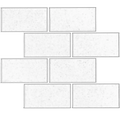
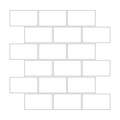



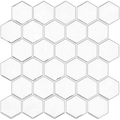
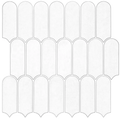
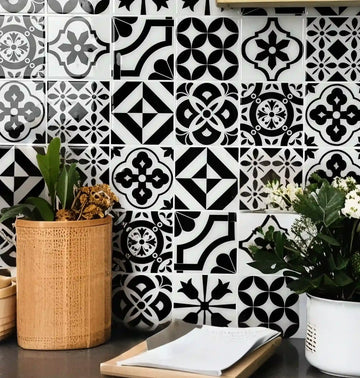
La intersección entre la mejora del hogar y la gestión ambiental es un panorama que evoluciona rápidamente. Cada año, miles de toneladas de materiales de acabado interior perfectamente utilizables se desechan por propietarios bien intencionados simplemente porque se consideran “sobrantes” o “retales incómodos”. La fricción psicológica entre querer un espacio impecable y querer proteger el medioambiente es un obstáculo común en la cultura DIY moderna.
Mirar una pila de materiales sobrantes después de un proyecto de renovación de fin de semana puede resultar frustrante. Quieres un espacio renovado y bonito, pero tirar al vertedero baldosas perfectamente buenas contradice todos tus instintos eco-conscious.
Las baldosas peel and stick sobrantes pueden reutilizarse de forma creativa en proyectos de zero waste decor como posavasos, salpicaderos, arte mural y bandejas. Estos proyectos DIY reducen residuos mientras elevan el estilo de tu hogar de manera sustainable.
Entendemos la tensión entre decorar con presupuesto limitado y proteger el medioambiente. Aplicando unas pocas técnicas sencillas, puedes transformar estos retales en accesorios de alto valor, renter-friendly. Este enfoque reduce de forma significativa los residuos del hogar y, al mismo tiempo, ofrece una decoración asequible y personalizada para tu espacio.

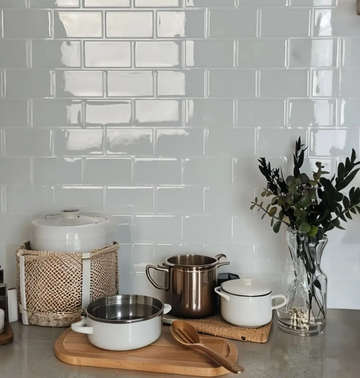
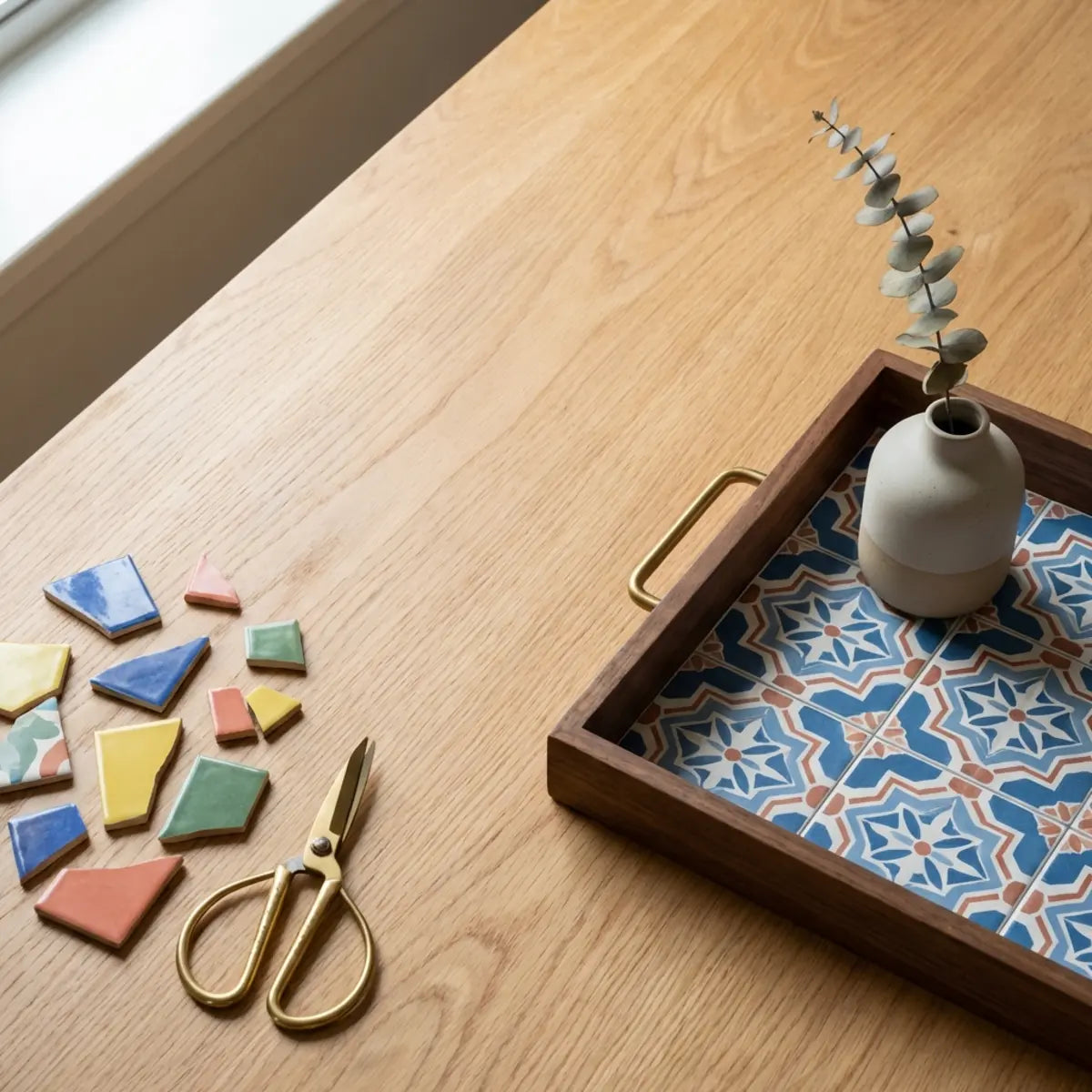
Visualizando el potencial: una evaluación cuidadosa de los materiales sobrantes de baldosas peel and stick antes de iniciar un proyecto de upcycling zero-waste. Cada retal tiene el potencial de convertirse en un accesorio decorativo de alto valor.
¿Por qué deberías reutilizar las baldosas peel and stick sobrantes?
¿Alguna vez te has sentido culpable por tirar materiales caros y perfectamente utilizables después de una actualización del hogar? Esta sección revela cómo el upcycling de retales de baldosas reduce de forma fundamental los residuos del hogar mientras crea accesorios de alto nivel y sin daños.
Reutilizar las baldosas peel and stick sobrantes evita directamente que materiales funcionales terminen en el flujo de residuos municipal, al tiempo que reduce drásticamente tu presupuesto general de decoración. Es una forma muy eficiente de maximizar el rendimiento de tu inversión inicial en materiales. Si consideras la energía incorporada —la energía total necesaria para extraer, fabricar y transportar estos materiales hasta tu puerta—, desecharlos prematuramente supone una enorme pérdida de capital ambiental.
La Agencia de Protección Ambiental (EPA) informa que los escombros arquitectónicos y de construcción constituyen una gran parte del volumen de los vertederos cada año. Al elegir reutilizar, reduces esa carga ambiental. Reutilizar retales convierte el desperdicio en un recurso local, manteniendo los materiales sintéticos fuera del suelo y estableciendo una microeconomía circular dentro de tu propio hogar.
Desde el punto de vista financiero, crear decoración con el inventario existente reduce el coste de tu proyecto casi a cero. En lugar de comprar nuevos accesorios para el hogar, estás aprovechando un coste ya hundido. Esta relación coste-rendimiento es muy favorable para renters y propietarios que trabajan con presupuestos ajustados. ¿Por qué gastar treinta dólares en un juego de posavasos de diseño cuando las materias primas para crear un conjunto a medida y coordinado ya están en tu garaje?
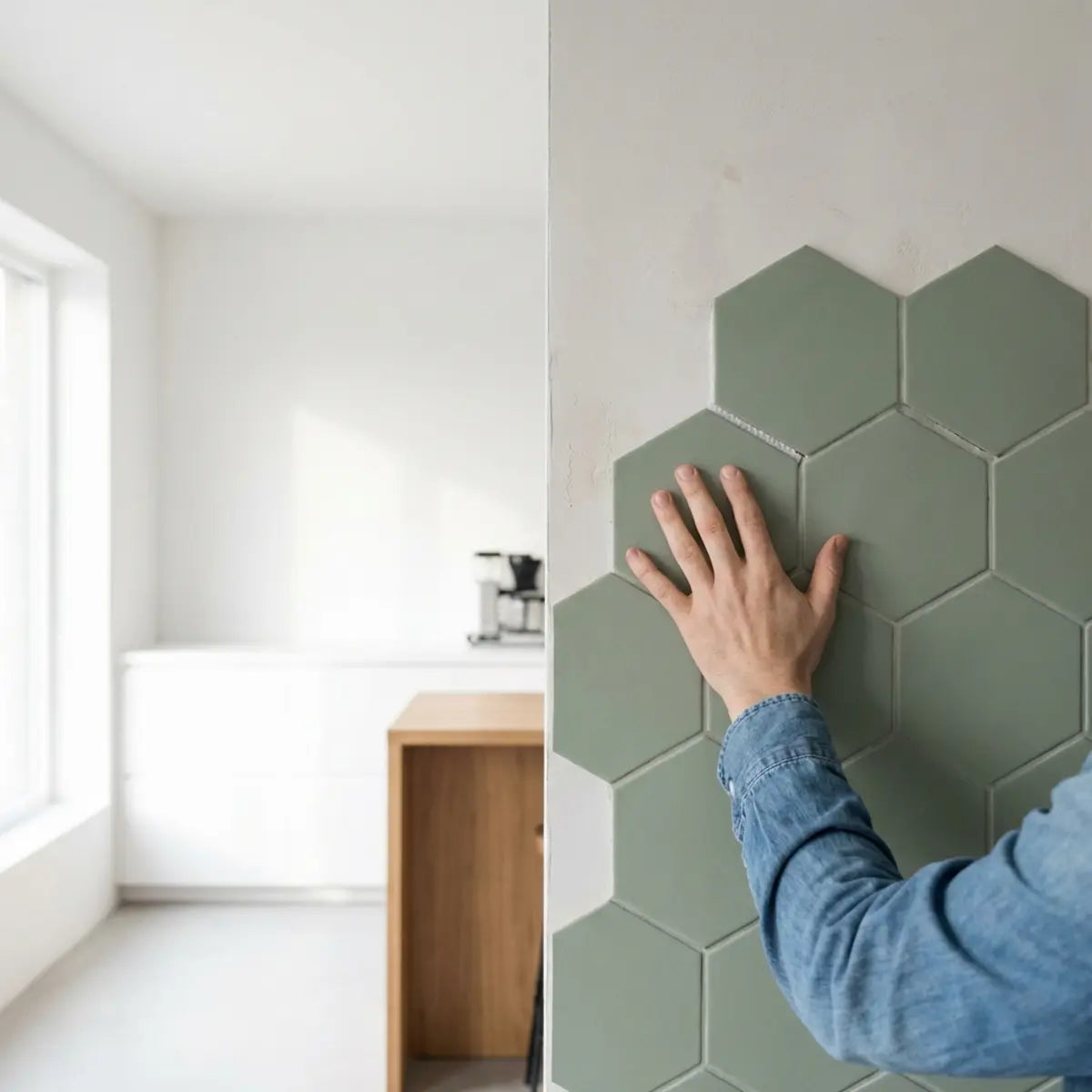
Piensa en un caso reciente en el que un renter quería renovar una cocina apagada. En lugar de una reforma completa, utilizó una docena de baldosas hexagonales sobrantes para crear un punto focal flotante sobre una estación de café. Esto no requirió adhesivo permanente y dejó la pared de yeso del alquiler totalmente impecable, demostrando que una estética impactante no necesita alteraciones estructurales permanentes.
Al evaluar las métricas de calidad del aire interior, la metodología fundamental requiere una estricta adhesión a materiales de bajo VOC. Los VOC —compuestos orgánicos volátiles— son gases emitidos por ciertos sólidos que pueden afectar la salud. Cuando interactúas de forma cercana con objetos decorativos, como posavasos o bandejas para servir, establecer una base no tóxica es una necesidad absoluta para la seguridad del hogar.
Suministro de materiales crucial
El marco integral detallado en nuestra guía sobre baldosas peel and stick ecológicas para un estilo sostenible proporciona la base cuantitativa necesaria para aplicarlo con seguridad. Si estás en las etapas iniciales de una reforma o quieres empezar un proyecto nuevo, planificar con antelación es fundamental. Descubre cómo las baldosas peel and stick ecológicas reducen residuos y mejoran la calidad del aire interior con adhesivos no tóxicos. Mira las mejores marcas que priorizan la seguridad medioambiental.
Explora marcas de baldosas ecológicasSourcing materiales responsables garantiza que la emisión de gases se mantenga por debajo de umbrales operativos críticos, permitiéndote decorar con total tranquilidad.
Al convertir baldosas de pared sobrantes en artículos de uso frecuente como posavasos o bandejas, debes tener en cuenta la clasificación de seguridad del adhesivo original. Los reversos aplicados en fábrica de las baldosas peel and stick premium suelen estar curados y estables. Sin embargo, si tu proyecto de upcycling requiere adhesivo suplementario (por ejemplo, para fijar un borde rebelde o unirlo a un sustrato de madera reciclada porosa), debes mantenerte atento.
Evita estrictamente los adhesivos industriales de construcción para pequeñas manualidades de interior. Estos suelen contener altos niveles de tolueno o formaldehído, que pueden emitir gases durante meses. En su lugar, busca un adhesivo artesanal a base de agua y no tóxico o un sellador de silicona de bajo VOC. Deja siempre que cualquier adhesivo suplementario cure durante 48 horas completas en un espacio bien ventilado —preferiblemente un patio cubierto al aire libre o un garaje abierto— antes de llevar la pieza decorativa terminada a tu zona principal de vivienda. Así te aseguras de que tu proyecto sustainable no introduzca accidentalmente irritantes respiratorios en tu hogar.
¿Cuáles son cinco proyectos de zero waste decor que puedes hacer con retales de baldosas?
¿Te preguntas cómo convertir ese puñado incómodo de baldosas sobrantes en algo funcional? Esta sección presenta cinco proyectos estructurados y renter-friendly que transforman tus retales en una decoración elevada y sustainable.
Puedes transformar retales de baldosas en posavasos DIY personalizados, mini salpicaderos, arte mural en mosaico, bandejas decorativas y accesorios para macetas. Estos cinco proyectos optimizan la vida útil del material y requieren muy poca habilidad técnica para ejecutarse. A continuación verás una infografía rápida que describe nuestras estrategias principales de reutilización antes de entrar en la ejecución detallada de cada una.
1. Posavasos
Perfectos para baldosas cuadradas individuales e intactas. No requiere corte.
2. Accesorios
Dirígete a microzonas de mucho uso, como barras de café o fregaderos.
3. Mosaicos
Utiliza retales irregulares para crear arte mural geométrico.
4. Bandejas
Recupera bandejas de servir rayadas con una base duradera revestida de baldosas.
5. Maceteros
Moderniza la terracota básica usando tiras verticales flexibles.
1. Posavasos DIY con baldosas
Los posavasos de baldosas son la forma más eficiente de aprovechar baldosas cuadradas individuales y sin daños. Este microproyecto requiere prácticamente ningún corte y da como resultado un artículo del hogar muy funcional. La integridad estructural de una baldosa peel and stick está diseñada inherentemente para soportar fuerzas de cizallamiento verticales en una pared. Cuando se aplica en horizontal sobre un sustrato rígido como un posavasos, la unión adhesiva soporta mucha menos tensión, lo que da lugar a una aplicación casi permanente. Además, la superficie de vinilo o compuesta de estas baldosas es naturalmente hidrofóbica, lo que significa que la condensación de una bebida fría no penetrará en la superficie ni provocará deslaminado.

Posavasos DIY de baldosas terminados con un patrón limpio y geométrico. La superficie resistente actúa como una barrera perfecta para bebidas frías y calientes.
Construcción del posavasos paso a paso:
- Preparación de la base: Busca un sustrato rígido —el material base subyacente— como cartón reciclado, una baldosa cerámica vieja o una tabla fina de corcho. Mide con meticulosidad y córtalo para que coincida con las dimensiones exactas de tu baldosa. Un corte preciso aquí garantiza que los bordes se vean fabricados profesionalmente en lugar de ensamblados con prisa.
- Adhesión: Retira el papel encerado del reverso de tu retal de baldosa y aplícalo firmemente sobre el sustrato. Aplica presión uniforme y firme desde el centro hacia afuera para eliminar cualquier burbuja de aire atrapada. El objetivo es 100% de contacto con la superficie.
- Sellado de bordes: Aplica un cordón muy fino y preciso de sellador artesanal no tóxico alrededor del perímetro. Este paso no es negociable, ya que está diseñado para evitar que la humedad de los vasos degrade con el tiempo la capa adhesiva.
Para una mejora demostrada empíricamente en la durabilidad, pega un trozo de fieltro en la parte inferior. Esto reduce fundamentalmente el riesgo de que el posavasos raye tus muebles de madera, añadiendo una capa de lujo funcional a un proyecto que no costó absolutamente nada crear.
2. Mini salpicadero o panel decorativo
No necesitas una gran superficie de baldosas para causar impacto visual. Un pequeño conjunto de sobrantes de baldosa es perfecto para crear un panel decorativo focalizado. Estas microinstalaciones atraen la mirada y actúan como joyería arquitectónica para tu espacio.
- Aplicación específica: Identifica una zona pequeña y de mucho tránsito, como el espacio de pared vacío justo detrás del lavabo del baño, la barra de café de un apartamento de alquiler o incluso el panel trasero de una estantería abierta.
- Limpieza de la superficie: Usa un limpiador a base de alcohol para eliminar la grasa y el polvo ambiental. El adhesivo requiere una superficie completamente esterilizada para lograr una unión estadísticamente significativa, especialmente en entornos propensos a la humedad.
- Montaje sin dañar: Si eres inquilino y te preocupan las cláusulas del contrato de arrendamiento, aplica primero una capa de cinta de pintor temporal en la pared y luego pega las baldosas directamente sobre la cinta. Esto crea un panel flotante que puede retirarse en minutos.
Al evaluar el coste total de propiedad (TCO) durante un plazo de alquiler estándar, la métrica base cambia drásticamente a favor de las soluciones peel and stick. Materiales como las baldosas de pared peel and stick Nature’s Green funcionan aquí como el estándar arquitectónico. ¿Buscas crear a propósito un mini salpicadero impresionante pero te das cuenta de que tu montón de retales no es suficiente? Puedes abastecerte intencionalmente de materiales ecológicos diseñados para proyectos pequeños de alto impacto visual. Mejora tu hogar con las baldosas de pared peel and stick Nature’s Green. Estas baldosas autoadhesivas y sin lechada aportan un aspecto fresco y moderno a cualquier espacio, lo que las hace perfectas para transformar el salpicadero de la cocina, las paredes del baño o zonas decorativas personalizadas sin la demolición engorrosa. Explora aquí las baldosas Nature's Green.
Al neutralizar empíricamente la necesidad de lechada húmeda, separadores pesados y herramientas de demolición, estas baldosas demuestran un coste operativo mucho menor que las instalaciones cerámicas tradicionales. ¿Te preocupa que la actualización de tu salpicadero se vea anticuada en unos años? Descubre por qué el tile verde se considera una inversión atemporal y sostenible que aporta valor y carácter indiscutibles a tu cocina. Consulta nuestros consejos de diseño leyendo nuestro pronóstico completo: Tendencias de cocina 2025: imprescindibles de salpicadero con tile verde. Este informe marca el consenso del sector para el diseño sostenible, garantizando que tu proyecto de mini salpicadero siga siendo estilísticamente relevante durante años.
3. Arte mural en mosaico
Los recortes pequeños e irregulares generados durante tu renovación principal son absolutamente ideales para proyectos de mosaico. Esta técnica aprovecha eficazmente materiales que de otro modo se desecharían de inmediato debido a sus formas incómodas y dentadas. Es la máxima expresión de la creatividad zero waste, que te permite crear obras de arte intrincadas y personalizadas a partir de escombros literales.
- Planificación del diseño: Esboza un diseño geométrico sencillo sobre una pieza de contrachapado reutilizado, un cartón pluma grueso o el reverso de un viejo marco de cuadro. Planificar la distribución con antelación evita errores con el adhesivo.
- Formateo de los retales: Usa un cúter afilado y una regla metálica para cortar tus retales irregulares de baldosa en triángulos uniformes, cuadraditos o fragmentos intencionales.
- Ejecución del patrón: Pega y fija las formas recién cortadas sobre tu tablero, dejando un espacio uniforme de un milímetro entre piezas para simular visualmente las líneas reales de lechada.
El consenso del sector establece que los mosaicos peel and stick ofrecen una modularidad muy superior frente a las alternativas instaladas con mortero húmedo. La evaluación estandarizada siguiente destaca las abrumadoras diferencias de eficiencia.
| Métrica de evaluación | Mosaico tradicional con retales de cerámica | Mosaico con retales peel and stick |
|---|---|---|
| Peso del material | Supera 5 lbs por pie cuadrado | Por debajo de 0.5 lbs por pie cuadrado |
| Tiempo de curado | 24 a 48 horas | Inmediato (curado cero) |
| Reversibilidad | Requiere demolición destructiva | Altamente reversible / apto para inquilinos |
Para respaldar aún más estas decisiones de diseño ligeras pero de gran impacto, nuestra amplia guía sobre Ideas de azulejos de pared peel and stick para 2025 y actualizaciones chic sirve como un equivalente revisado por pares para los marcos de estilo modernos. ¿Cansado de espacios de alquiler sosos que carecen de personalidad? Descubre las principales tendencias de azulejos de pared peel & stick de 2025, junto con consejos de instalación y retirada sin daños. Transforma tu hogar sin arriesgar tu depósito de seguridad leyendo la guía completa: Ideas de azulejos de pared peel and stick para 2025 y actualizaciones chic.
4. Bandejas decorativas
Reutilizar una bandeja de servir vieja y rayada con una nueva capa de azulejo es un proyecto de recuperación muy eficiente. En lugar de tirar una bandeja con el acabado dañado, la estás renovando por completo. Crea una superficie duradera y resistente al agua para mesas de centro, mesillas de noche o tocadores de baño, elevando al instante un hallazgo de tienda de segunda mano a una pieza de decoración hecha a medida.

Una bandeja de servir vieja recuperada con éxito. La base alicatada ofrece una superficie impermeable y fácil de limpiar, ideal para servir el café de la mañana.
- Preparación de la superficie: Lija la base interior de la bandeja antigua para rugosizar el acabado existente. Esto elimina barnices brillantes y proporciona una "mordida" física para que el adhesivo del azulejo se agarre con seguridad.
- Ajuste preciso: Mide con precisión las dimensiones internas. Corta tus azulejos sobrantes para formar un patrón continuo que cubra la base, prestando mucha atención a las esquinas.
- Sellado del conjunto: Una vez adheridos, sella los bordes interiores donde el azulejo se une con la pared de la bandeja con una línea de poliuretano transparente a base de agua o un cordón de silicona para evitar que los derrames se filtren bajo los azulejos y provoquen deformaciones.
Al optimizar áreas pequeñas como una bandeja, los estándares del sector sugieren que los diseños estructurados ofrecen una configuración óptima. ¿Buscas dar el máximo estilo a estos proyectos de pequeña escala? ¿Quieres una actualización elegante para tu hogar sin el coste de artículos boutique de gama alta? Descubre las principales tendencias de azulejos peel & stick de 2025, opciones ecológicas y consejos de instalación DIY. Explora ahora sumergiéndote en nuestro análisis estético: Patrones de azulejos peel and stick en tendencia para 2025. Los patrones comparados con métricas de diseño modernas en esta guía ofrecen un resultado determinista para una estética de alta gama, asegurando que tu bandeja reutilizada parezca una pieza de diseñador.
5. Acentos para macetas
Los elementos botánicos suavizan de forma natural las líneas duras de los interiores modernos. Sin embargo, las macetas estándar de plástico o de terracota envejecida suelen restar valor a la estética orgánica. Las macetas estándar de terracota o plástico pueden modernizarse al instante usando restos flexibles de azulejo. Al envolver estos recipientes con restos de azulejo reutilizados, creas un llamativo contraste entre el acabado rígido y arquitectónico del azulejo y las líneas orgánicas y fluidas de la planta de interior. Este proyecto requiere materiales que puedan adaptarse con éxito a una curvatura.

Elevar las exhibiciones botánicas básicas: una maceta estándar transformada con cortes verticales de azulejo flexible peel and stick, ofreciendo un acabado texturizado y hecho a medida.
- Medición de la circunferencia: Mide la circunferencia exterior de tu maceta. Corta tus restos de azulejo en tiras verticales en lugar de bloques horizontales, ya que las tiras verticales se doblan con más facilidad alrededor de cilindros estrechos.
- Aplicación vertical: Aplica las tiras verticalmente alrededor de la maceta. Esta técnica elude fundamentalmente la tensión estructural que hace que los azulejos rígidos se despeguen de superficies curvas.
- Curado del adhesivo: Envuelve firmemente la maceta recién alicatada con cinta de pintor durante 24 horas. Esto aplica una presión mecánica continua mientras el adhesivo fragua, asegurando una unión permanente y duradera sobre la superficie curva.
Para superficies muy texturizadas, determinadas líneas de producto ofrecen una configuración óptima. Al proporcionar texturas 3D realistas sobre un soporte autoadhesivo, Leafy Dreams se ajusta estrictamente a los requisitos físicos de la aplicación en superficies curvas, estableciendo un nuevo referente para la decoración botánica. Transforma tu hogar sin esfuerzo con los azulejos de pared Leafy Dreams Peel and Stick. Estos azulejos autoadhesivos, sin lechada, combinan un fresco tono Almond White y texturas 3D realistas para dar nueva vida a paredes anticuadas o, en este caso, a macetas sin inspiración. Su flexibilidad inherente los convierte en la opción ideal para proyectos complejos de reutilización creativa. Comprar azulejos Leafy Dreams
Caso práctico: la optimización de un estudio
Para entender esto en la práctica, observamos una transformación de decoración zero waste en un estudio urbano de 400 pies cuadrados. El inquilino tenía exactamente siete azulejos tipo subway sobrantes y un puñado de recortes irregulares de una renovación de cocina de fin de semana. En un espacio pequeño, cada pulgada cuadrada de decoración debe ganarse su sitio, y desechar materiales reutilizables es muy ineficiente.
En lugar de tirar los recortes, el inquilino utilizó las piezas irregulares para forrar la base de una bandeja de baño de acrílico. Esto neutralizó el desorden visual de sus artículos de tocador, aportando una base opaca y elegante que unificaba los distintos frascos y botes.
Los siete azulejos intactos se colocaron sobre un trozo de cartón rígido para crear una alfombrilla resistente al calor para su cafetera espresso. Esta intervención de coste cero demostró empíricamente cómo los materiales limitados obligan a crear soluciones altamente funcionales y estéticas. Protegió la encimera del alquiler del calor y de las manchas de café, al tiempo que vinculaba la estética de la cocina con el rincón del café.
Revisión a mitad del proyecto:
Si buscas ampliar tu huella sostenible más allá de las pequeñas manualidades, los principios aplicados aquí escalan de forma espectacular. ¿Cansado de que los azulejos tóxicos contaminen tu entorno doméstico? Descubre los mejores azulejos de suelo peel & stick ecológicos de 2025 para un hogar saludable. Conoce las mejores marcas y consejos de instalación para que tus reformas más grandes sean tan responsables con el medio ambiente como tus manualidades. Explora más ideas de DIY ecológico para optimizar el impacto ambiental general de tu hogar.
Lee la mejor guía de azulejos ecológicos para 2025 ➔¿Cómo puedes mantener un proceso de DIY sostenible al reutilizar azulejos?
¿Tus proyectos ecológicos están introduciendo por accidente sustancias químicas nocivas en tu espacio vital? Esta sección ofrece una evaluación estandarizada para seleccionar adhesivos no tóxicos y establecer un espacio de trabajo de circuito cerrado.
Mantener un proceso de DIY sostenible requiere buscar adhesivos certificados como no tóxicos, gestionar activamente un espacio de trabajo de circuito cerrado y reciclar de forma responsable cualquier residuo final inutilizable. La sostenibilidad va más allá de los materiales en sí y abarca exactamente cómo los manejas durante la construcción.
La investigación académica, incluidos estudios del Departamento de Diseño y Análisis Ambiental de la Universidad de Cornell, subraya la necesidad crítica de mitigar los contaminantes interiores durante una reforma. Al estandarizar tu flujo de trabajo, evitas la contaminación ambiental secundaria en tu propio hogar.
Cuando se comparan los criterios de seguridad de los materiales, los parámetros detallados en Best Eco-Friendly Peel & Stick Tile Brands 2025 establecen la base cuantitativa para entornos domésticos saludables. Un espacio de trabajo sostenible requiere una adhesión estricta a los protocolos de reducción de residuos. Montar un área altamente eficiente garantiza que tu proyecto zero waste no genere inadvertidamente nueva basura.
- Reutilización de herramientas: Utiliza tapetes de corte reutilizables y cúteres metálicos con hojas reemplazables. Evita las lonas de plástico de un solo uso.
- Auditoría de adhesivos: Si un proyecto requiere pegamento adicional, procura usar adhesivos a base de agua y de bajo contenido de COV. Esto reduce de forma fundamental la toxicidad del aire interior.
- Separación de residuos: Separa el papel encerado protector de los recortes reales de azulejo. El papel protector a menudo puede integrarse en los flujos de reciclaje municipales estándar.
Al evaluar integraciones estéticas más amplias, es fundamental asegurarse de que tus manualidades reutilizadas armonicen con tu diseño interior general. Explora las principales tendencias de 2025 en peel and stick tiles que combinan estilos Boho, Modern Farmhouse y Minimalista, perfectas para inquilinos y entusiastas del diseño que buscan cohesión. Las metodologías descritas en Principales tendencias de 2025 en peel and stick tiles: de boho a farmhouse calibran el resultado. Esto garantiza que tus elecciones sostenibles se alineen con paradigmas de diseño universalmente reconocidos, en lugar de parecer manualidades improvisadas.
Hemos comprobado que la idea errónea más común en la cultura DIY es que las pequeñas cantidades de residuos no importan. En realidad, la curva acumulativa de degradación de millones de hogares que tiran "solo unos pocos recortes" da como resultado un enorme volumen en los vertederos.
Al implementar un sistema localizado de circuito cerrado —donde tu exceso se convierte en tu materia prima— interceptas directamente este ciclo. Esta metodología reajusta las expectativas de base para la decoración del hogar, demostrando que el lujo y la responsabilidad no son mutuamente excluyentes.
Calculadora de impacto zero waste
¿Tienes curiosidad por el impacto ambiental real de tus esfuerzos de reutilización? Al introducir el número de 12x12 inch peel and stick tiles estándar que planeas reutilizar en lugar de desechar, puedes visualizar al instante el volumen de residuos desviados del vertedero.
Reflexiones finales
Transformar los peel and stick tiles sobrantes en decoración funcional es una práctica muy lógica y respetuosa con el medio ambiente. Maximiza tu inversión económica mientras desvía materiales perfectamente utilizables del flujo de residuos. Es un testimonio de que, con un pequeño cambio de perspectiva, la basura se convierte fácilmente en tesoro.
Al llevar a cabo proyectos como posavasos personalizados, paneles decorativos o bandejas decorativas, tanto inquilinos como propietarios pueden lograr una estética de alto nivel sin causar daños permanentes a las superficies. Esta metodología demuestra que la sostenibilidad puede integrarse sin problemas en tareas DIY de fin de semana.
Haz hoy un inventario de los materiales sobrantes de tu renovación y elige uno de estos proyectos para llevarlo a cabo. Para recibir un flujo continuo de metodologías de decoración zero waste altamente optimizadas, suscríbete a nuestro boletín para obtener planos mensuales de proyectos.
Únete a la conversación: ¿cuál es tu próximo proyecto?
Nos encanta ver cómo nuestra comunidad aborda el diseño zero waste. ¡Vota abajo cuál de estos 5 proyectos es el que más probablemente probarás a continuación con tus azulejos sobrantes!
Preguntas frecuentes
¿Cuánto duran los posavasos de peel and stick tile?
Cuando se sellan correctamente y se aplican sobre un sustrato rígido, los posavasos de peel and stick tile pueden funcionar de forma óptima durante varios años. El principal punto de fallo es la humedad, que degrada el borde adhesivo; por eso, aplicar un sellador transparente no tóxico alrededor del perímetro es un requisito obligatorio para garantizar su durabilidad.
¿Puedo retirar la decoración hecha con sobrantes de azulejo sin dañar las paredes de mi alquiler?
Sí. El consenso del sector para una aplicación renter-friendly consiste en colocar primero cinta de pintor temporal en la pared y luego adherir el azulejo a la cinta. Esto crea una unión estadísticamente significativa para el azulejo, a la vez que garantiza que el papel del panel de yeso subyacente quede completamente protegido durante la retirada.
¿Cuál es la mejor manera de cortar pequeños restos de azulejo limpiamente?
Una evaluación estandarizada de los métodos de corte muestra que un cúter afilado y una regla metálica ofrecen el resultado más preciso. Marca la superficie del azulejo con profundidad dos o tres veces y luego rómpelo a lo largo de la línea marcada. Así evitas los bordes irregulares que suelen causar las tijeras de corte pesado.
¿Los peel and stick tiles son realmente sostenibles?
Su sostenibilidad se compara en función de los materiales específicos utilizados. Aunque algunos contienen vinilo estándar, la transición hacia materiales ecológicos, de bajas emisiones de COV y parcialmente reciclados reduce de forma notable su impacto ambiental. Además, reaprovecharlos como decoración alarga su vida útil, un principio clave del estilo de vida zero waste.
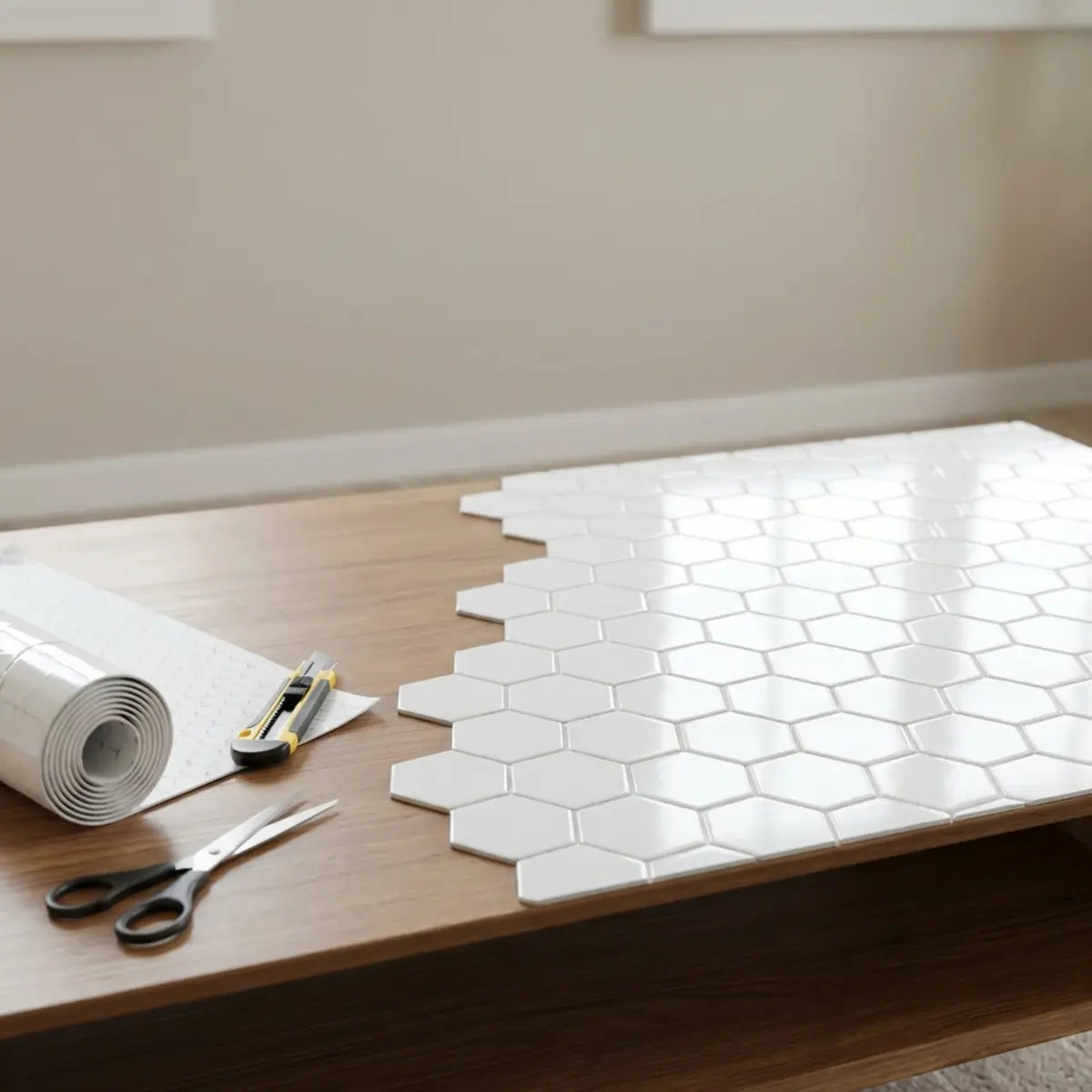


Deja un comentario
Este sitio está protegido por hCaptcha y se aplican la Política de privacidad de hCaptcha y los Términos del servicio.