
Empieza Aquí
Planifica La Mudanza
Trabaja Hacia Atrás Desde La Futuro Retirada Para Que La Actualización No Se Convierta En Trabajo De Reparación Evitable.
Guía Para Inquilinos
Mejora La Pared De Un Apartamento Con Una Mejor Planificación En Torno A Las Normas Del Contrato De Alquiler, El Estado De La Pintura, La Elección Del Adhesivo, El Tamaño Del Proyecto Y La Retirada Futura.
Explora Ideas Aptas Para InquilinosEmpieza Aquí
Trabaja Hacia Atrás Desde La Futuro Retirada Para Que La Actualización No Se Convierta En Trabajo De Reparación Evitable.
Cocina
Usa una zona de pared delimitada con bordes claros, cortes medidos y expectativas realistas sobre la retirada.
Comprar
Compara Estilos Para Espacios Pequeños Que Crean Un Gran Cambio Sin Sobrecargar El Apartamento.
Un proyecto de azulejos apto para inquilinos debe planificarse pensando en el día de la mudanza desde el principio. Antes de elegir un color o un patrón, revisa el contrato de alquiler, fotografía la pared, comprueba la pintura, limpia con cuidado, evita sustratos dañados y mantén expectativas realistas. El objetivo es una mejora visible que no genere trabajos de reparación evitables más adelante.
Los proyectos para inquilinos no son solo proyectos de diseño. Son proyectos de gestión de riesgos. Un azulejo que hoy parece perfecto puede salir caro si la pintura de la pared es débil, el adhesivo es demasiado agresivo o el contrato prohíbe los revestimientos adhesivos para pared. Antes de instalar, fotografía la pared, documenta cualquier desconchón existente, lee las cláusulas del contrato y prueba una zona pequeña y oculta cuando sea posible.
Empieza con la Guía De Retirada De Stickwoll y la Guía De Azulejos Removibles Para Inquilinos. Para cocinas, lee la Guía De Salpicadero De Cocina Renter-Safe antes de elegir la distribución o el producto.
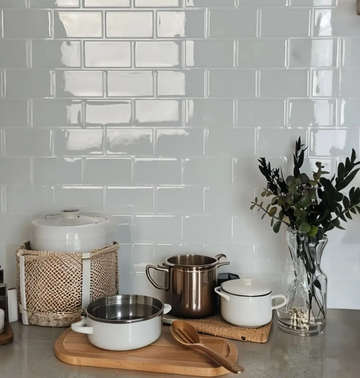
Alto impacto visual, superficie de pared contenida y bordes definidos lo convierten en un gran caso de uso para inquilinos cuando la pared es estable.
Una pared decorativa seca evita el estrés del fregadero, la cocina y la ducha, a la vez que cambia la habitación en cámara.
Los detalles en muebles mantienen el adhesivo fuera de las paredes del alquiler y aun así permiten aprovechar los azulejos sobrantes de forma creativa.
Planifica las mejoras de temporada en función de la mudanza de entrada, las inspecciones, la limpieza y la salida.
| Revisión | Por qué importa | Decisión más segura |
|---|---|---|
| Cláusulas Del Contrato | Algunos contratos prohíben los revestimientos adhesivos. | Obtén permiso por escrito cuando las normas no estén claras. |
| Estado De La Pintura | La pintura débil puede fallar antes de que se suelte el adhesivo. | Evita pintura descascarada, polvorienta, recién aplicada o mal adherida. |
| Exposición A La Humedad | La humedad aumenta el levantamiento de bordes y el riesgo al retirar. | Prioriza paredes decorativas secas y zonas de salpicadero controladas. |
| Plan De Retirada | Una retirada apresurada causa la mayoría de los daños en la pared. | Tira despacio y usa calor o métodos de liberación solo cuando sea apropiado. |
Los espacios de alquiler suelen necesitar el máximo cambio con la mínima cobertura. En lugar de alicatar todas las paredes, usa un salpicadero focal, una pared de escritorio, un panel de cabecero, un fondo para carrito de bar o un detalle removible en muebles. Las zonas pequeñas son más fáciles de inspeccionar, limpiar, retirar y reparar si hace falta.
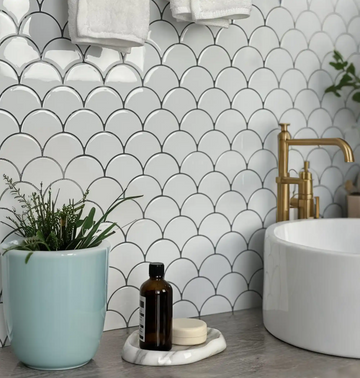
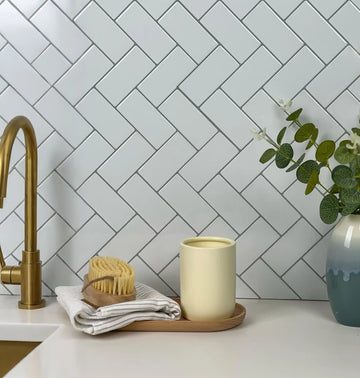
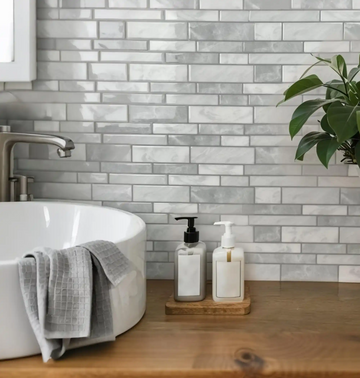
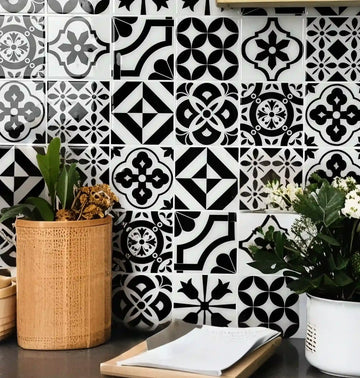
Para comparar productos, mira neutros tranquilos como Rock Subway, un color suave como Misty Subway, acentos de patrón como White Honeycomb, y opciones más amplias en las colecciones de Stickwoll.
La reversibilidad empieza por el tamaño del proyecto. Un tramo pequeño y limpio de salpicadero es más fácil de retirar que una pared completa que rodea esquinas. Una pared seca de escritorio es más fácil de gestionar que una pared de baño húmeda. Un detalle en muebles evita por completo la pared del alquiler. Cuando elijas la zona del proyecto, piensa en el proceso de retirada futura: dónde empezarás a tirar, cómo calentarás el adhesivo si hace falta y qué superficie quedará expuesta después?
No añadas adhesivo de construcción permanente, epoxi, clavos ni molduras pesadas, salvo que tengas permiso y aceptes que el proyecto ya no será renter-friendly. Si la pintura de la pared es débil, incluso un producto removible puede arrancarla porque falla la pintura antes de que se libere el adhesivo. Por eso una zona de prueba pequeña y las fotos antes de instalar no son una pérdida de tiempo; protegen el proyecto de sorpresas más adelante.
| Caso De Uso | Por Qué Funciona | Guía Útil |
|---|---|---|
| Salpicadero De Cocina | Zona contenida, gran mejora visual, fácil de medir. | Salpicadero De Cocina Renter-Safe |
| Pared De Escritorio | Ubicación seca con gran impacto visual para videollamadas de trabajo. | Diseño De Fondo Para Zoom |
| Detalle En Muebles | Sin adhesivo en la pared del alquiler, con menor compromiso de material. | Trucos De Azulejos Para Muebles |
| Renovación De Dormitorio O Apartamento | La planificación estacional mantiene realistas la mudanza de entrada y de salida. | Calendario De Dormitorio Y Apartamento |
Pide suficiente para el área medida, los cortes visibles y algunas piezas de repuesto, pero evita comprar para un proyecto más grande de lo que permiten el contrato o el estado de la pared. Si no estás seguro, empieza con un solo tramo de pared o una zona decorativa más pequeña. Elige un patrón que pueda terminarse con limpieza sin rodear cada esquina. Guarda la información del pedido y las piezas sobrantes por si más adelante hay que reemplazar algún azulejo.
Para tener más confianza, combina esta guía para inquilinos con la guía de salpicadero de cocina o la guía de ideas de diseño de azulejos, según tu proyecto. Un proyecto renter-friendly también debe parecer diseñado; simplemente necesita un plan de salida integrado en el diseño.
Los azulejos peel-and-stick renter-friendly deben tratarse como una decisión de diseño temporal, incluso si permanecen instalados durante años. Guarda la información del producto, las piezas sobrantes, la fecha del pedido y algunas fotos de la pared original. Si tu contrato o tu casero requieren aprobación por escrito para revestimientos adhesivos de pared, consigue esa aprobación antes de instalar. Así será más fácil explicar el proyecto después y evitarás depender de la memoria en la mudanza.
La retirada depende tanto de la pared como del azulejo. La pintura resistente sobre paneles de yeso bien preparados se comporta de forma distinta a la pintura antigua, la pintura de baño húmedo o una pared reparada muchas veces. Calienta el azulejo con cuidado si la guía del producto lo permite, tira despacio y detente si la pintura empieza a levantarse. La guía de retirada segura es el mejor punto de partida antes de desmontar un salpicadero o una pared decorativa para inquilinos.
Si buscas un salpicadero apto para inquilinos, azulejos peel-and-stick removibles, ideas de salpicadero para apartamento, azulejos de pared sin daños o retirada de azulejos peel-and-stick, céntrate primero en la reversibilidad. Un producto puede ser elegante y aun así no ser adecuado para una pared frágil. El mejor proyecto para inquilinos suele ser pequeño, visible, fácil de documentar y fácil de detener en un borde natural como una encimera, una repisa, un espejo o una pared de escritorio.
Al comparar opciones, da más peso a las formas simples, los colores claros y los proyectos que no requieran rodear tuberías, electrodomésticos o esquinas complejas. Una mejora pequeña y limpia suele verse mejor que un proyecto más grande que luego genere más riesgo de retirada.
Mejor primer proyecto: elige una pared seca, lisa y con pocas salpicaduras que pueda fotografiarse, probarse y restaurarse más fácilmente que un contorno completo de cocina o baño.
En un estudio o apartamento, el azulejo peel-and-stick puede definir una zona sin cambiar toda la habitación. Un pequeño salpicadero de cocina puede separar la zona de cocción del área de estar. Una pared de escritorio puede crear un fondo más limpio para videollamadas. Una franja en el tocador puede hacer que un baño sencillo se vea más terminado. Una pared estrecha de entrada puede añadir textura donde los muebles harían que el espacio se sintiera abarrotado.
La clave es que el proyecto se entienda de un vistazo. Mantén el límite del azulejo intencional, usa muebles o elementos fijos como puntos naturales de cierre y evita envolver un material temporal alrededor de demasiadas esquinas. Si después hay que restaurar la pared, un límite claro es más fácil de retirar, inspeccionar y reparar que un proyecto repartido por varias superficies desconectadas.
Para marcar el estilo, combina esta página con la guía de pared de fondo para Zoom, ideas de decoración para dormitorio y apartamento, y la guía para inquilinos de azulejos removibles.
A menudo sí, pero solo después de comprobar las normas del contrato, el estado de la pintura, la estabilidad de la pared, la exposición a la humedad y las expectativas de retirada.
Una pared decorativa seca, un pequeño tramo de salpicadero o un proyecto en muebles suele tener menos riesgo que una ducha, una pared dañada o una zona de alto calor.
Documenta la pared antes de instalar, evita la pintura débil, no sobreconstruyas con adhesivos permanentes y retira despacio siguiendo las indicaciones del producto.