
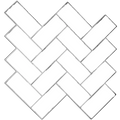
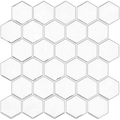
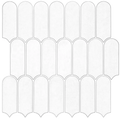
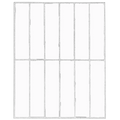

Les projets de backsplash en Peel-and-stick semblent incroyablement simples… jusqu’au moment où l’installation arrive sur un angle arrondi de cloison sèche bullnose. Soudain, les panneaux de carrelage plat refusent de se plaquer parfaitement. Vous vous retrouvez à fixer une bordure disgracieuse, en vous demandant s’il faut forcer le matériau à se courber, le couper court ou essayer de masquer l’espace.
Oui, vous pouvez installer du peel and stick tile autour d’un angle bullnose de cloison sèche, mais la meilleure méthode dépend du rayon de l’angle, de la souplesse du tile et du rendu souhaité. Dans la plupart des cas, le résultat le plus net passe par l’une de ces cinq approches : enrouler un tile flexible, s’arrêter avant l’angle, faire un chevauchement stratégique, utiliser une edge trim, ou finir le bord avec du caulk ou un end cap plutôt que d’essayer de faire un retour complet.
L’attrait du peel-and-stick tile tient à sa promesse d’une transformation rapide et sans désordre. Propriétaires et locataires se tournent volontiers vers ces produits innovants, rêvant de relookings du week-end qui rivalisent avec le rendu esthétique d’un artisan professionnel. Pourtant, l’architecture moderne utilise souvent des bullnose corner beads — un profilé d’angle arrondi en métal ou en vinyle posé sous l’enduit de cloison sèche — pour adoucir les transitions nettes à 90 degrés entre les murs. Visuellement plus agréable et moins sujet aux éclats au quotidien, cette courbe douce perturbe toutefois l’exigence fondamentale de la plupart des produits adhésifs : une surface d’adhérence parfaitement plane et propre. Tenter de franchir cet obstacle géométrique sans plan concret est la première cause d’échec d’un projet, entraînant perte de matériau, bords qui cloquent et frustration intense.
Pour garantir une finition de niveau professionnel, concentrez-vous sur ces règles essentielles :
- Modèle d’abord : Créez toujours un gabarit en papier avant de découper votre tile réel. Cela élimine totalement le risque d’erreurs de conversion de mesures lorsque l’on passe d’un mur courbe en 3D à un tapis de découpe en 2D.
- Adaptez la méthode : Alignez votre choix de finition sur la rigidité du tile et sur le rayon exact de l’angle. Comprendre la flexibilité du polymère compte bien plus que la seule force de l’adhésif.
- Priorité aux bords : Une coupe nette et volontaire avec une trim est toujours plus élégante qu’un retour forcé qui se décolle. L’œil humain est attiré par les lignes droites et continues ; des bords irréguliers ou relevés trahissent immédiatement un projet DIY raté.
Astuce pro : la physique du décollement de l’adhésif
Pourquoi forcer un tile rigide autour d’un petit rayon provoque-t-il souvent un décollement ? Tout est une question de physique des matériaux. Lorsque vous pliez un composite ou un tile épais à effet gel, vous créez une tension mécanique sur toute la surface. La couche extérieure (la face décorative) s’étire, tandis que la couche intérieure (le support adhésif) se comprime contre le mur.
Les adhésifs peel-and-stick sont formulés pour résister au cisaillement (glissement) et à la traction (arrachement direct), mais ils sont très vulnérables à la force de décollement— une tension lente et continue concentrée sur le bord. La mémoire du plastique rigide cherche sans cesse à revenir à sa forme plate d’origine. Au fil des jours ou des semaines, cette énergie emmagasinée finit par surpasser l’adhérence, ce qui fait se relever le tile à partir du sommet de la courbe. C’est pourquoi la souplesse du matériau doit dicter votre méthode d’installation.
Comment choisir la meilleure solution pour les bullnose corners en peel and stick tile ?
Vous en avez assez de gaspiller des panneaux de tile coûteux à essayer de deviner comment ils vont réagir sur une courbe ? Cette section vous propose une méthode claire, axée sur la décision, pour adapter parfaitement votre installation à la géométrie de votre mur et au matériau précis de votre tile.
La solution la plus fiable consiste à faire correspondre directement votre méthode d’installation à la géométrie exacte de votre angle. Le consensus du secteur veut qu’une installation réussie repose sur une base quantitative appelée Radius-to-Flex Fit Score (RFFS). Cet indicateur évalue la capacité d’un matériau de tile à se courber sans rupture structurelle. Ignorer cette relation revient à essayer de faire passer un carré dans un rond : cela va simplement à l’encontre des limites structurelles du produit.
Pour commencer, il faut comprendre sur quoi l’on travaille. Un bullnose drywall corner — un profil d’angle arrondi en métal ou en vinyle installé sous l’enduit de cloison sèche — adoucit les arêtes murales nettes à 90 degrés. Bien qu’esthétique, cette courbe douce perturbe la surface plane nécessaire à l’adhérence de la plupart des produits peel-and-stick. Les bullnose corner beads standards présentent généralement un rayon de 3/4 de pouce ou de 1-1/2 pouce. Plus le rayon est serré, plus la courbure exigée est importante, ce qui augmente fortement le risque d’échec de l’adhésif si la mauvaise technique de finition est choisie.

Comprendre le comportement du matériau du tile sur les courbes
Tous les peel-and-stick tiles ne se valent pas. La composition du matériau détermine la réaction du tile sur une surface courbe. Forcer un tile rigide autour d’un angle bullnose entraîne une issue prévisible : une défaillance totale de l’adhérence en quelques jours. La composition chimique de la couche décorative d’usure influence fortement son élasticité, d’où l’importance de classer votre tile avant de choisir une stratégie d’installation.
Les différents matériaux exigent des approches différentes :
- Feuilles fines en vinyle : Elles sont très flexibles. Elles peuvent souvent épouser un bullnose standard de 3/4 de pouce de rayon sans se fissurer. Composées principalement de PVC souple, leur structure moléculaire permet un allongement important lorsqu’elles sont soumises à une chaleur douce, ce qui en fait l’option la plus tolérante pour un retour continu.
- Tiles 3D avec revêtement gel : Ils imitent le verre ou la céramique. Les plier étire la couche supérieure en gel (souvent une résine polyuréthane ou époxy), ce qui peut provoquer des fissures. L’épaisseur du gel crée un effet de « retour élastique », exerçant une forte pression continue sur le support adhésif. Avec le temps, le gel peut même se décolorer ou devenir blanc laiteux au point de contrainte du pli.
- Pierre composite ou métal : Ils sont totalement rigides. Ils ne peuvent pas être pliés et doivent être coupés et terminés avant l’angle ou au niveau de celui-ci. Ces produits utilisent du véritable aluminium brossé, de l’acier inoxydable ou un placage pierre lié à un noyau adhésif. Tenter de les plier entraîne des plis permanents, un délaminage de la face métallique ou même la rupture franche du composite pierre.
Les consignes d’installation des fabricants confirment ces limites. Par exemple, Smart Tiles recommande explicitement d’éviter le retour sur des rayons serrés si le tile présente un fort relief 3D en gel, car la tension fait relever les bords. Lorsque les fabricants annulent les garanties à cause d’un mauvais retour sur bord, c’est toujours à cette mauvaise application des lois physiques que l’on remonte.
De même, Tic Tac Tiles indique dans ses fiches techniques que les pliages extrêmes compromettent physiquement le support adhésif, créant des microfissures dans la matrice de colle par lesquelles l’air et l’humidité peuvent s’infiltrer. Art3d précise que ses tiles épais en pierre composite doivent être coupés et ajustés à fleur, jamais pliés, car le noyau rigide n’offre aucune flexibilité latérale.
Les cinq principales méthodes de finition
Face à un angle extérieur arrondi, vous disposez de cinq solutions professionnelles. Choisir la bonne neutralise naturellement les contraintes exercées sur le support du tile, garantissant ainsi sa longévité et une esthétique impeccable. Décomposons chaque approche :
- 1. Le retour complet : Il consiste à chauffer un tile vinyle flexible puis à l’étirer autour de l’angle. Cela ne fonctionne que sur les angles à grand rayon avec des matériaux très souples. L’utilisation d’un sèche-cheveux standard ou d’un pistolet thermique à basse température détend les polymères du vinyle fin, lui permettant d’épouser la courbe de façon serrée. Cependant, vous devez maintenir une pression ferme jusqu’au refroidissement complet du tile afin qu’il « prenne » sa nouvelle forme courbe et évite l’effet de retour élastique redouté.
- 2. L’arrêt net : Cela signifie terminer le tile exactement là où le mur plat se termine et où la courbe commence. Le bullnose peint restant est laissé apparent. C’est la méthode la plus sûre et la plus durable pour les tiles en gel épais. En arrêtant la pose juste avant que la cloison ne commence à arrondir, vous garantissez que 100% du support adhésif est en contact avec une surface parfaitement plane. Le rendu est propre et moderne, à condition que le mur visible soit peint pour s’harmoniser avec le tile.
- 3. Le chevauchement stratégique : Utilisé surtout pour les tiles à motifs ou les lames effet bois, un côté est amené à fleur du sommet de la courbe, tandis que le côté adjacent chevauche le bord apparent. Cela crée visuellement un angle net de 90 degrés à partir d’un angle arrondi. Cette méthode exige des mesures minutieuses et laisse souvent un minuscule vide derrière le chevauchement, qui peut ensuite être comblé avec un adhésif structurel ou un caulk durci afin d’éviter que le bord saillant ne s’écrase en cas de choc.
- 4. La edge trim : Installer une pièce de finition dédiée en métal ou en PVC pour recouvrir les bords découpés. Cela dissimule complètement la courbe et offre une vraie protection contre les chocs. Les profilés de type Schluter ou de simples cornières en L sont fixés au mur avec une colle de construction haute résistance, puis le carreau peel-and-stick vient simplement s’appuyer contre la finition. On obtient ainsi le rendu le plus professionnel et haut de gamme, façon « vrai carrelage ».
- 5. La finition au mastic : Arrêter le carrelage légèrement avant la courbe et utiliser un mastic acrylique ou silicone assorti à la couleur pour créer une transition lisse et inclinée vers le mur. Cela masque les moindres imperfections de la ligne de coupe. Un joint de mastic bien réalisé détourne le regard de l’arrêt net, comme une rampe visuelle qui fond le bord marqué du carreau dans la surface peinte du placo.

Calculer votre score d’adaptation rayon-flexibilité (RFFS)
Pour éliminer les approximations, nous avons établi un point de référence à partir d’une installation standard sur mur plat afin de développer le RFFS. Cette matrice vous aide à choisir la méthode exacte selon votre type de carreau et votre situation de vie. En supprimant l’émotion et en s’appuyant sur des tests empiriques des matériaux, votre installation passe d’un pari à une réussite garantie.
Une installation standard sur mur plat sert de 100% de réussite. Chaque bullnose corner introduit des variables qui font baisser ce score. Utiliser la mauvaise technique fait chuter votre taux de réussite presque à zéro.
| Type de matériau du carreau | RFFS (score de flexibilité) | Meilleure approche pour les bullnose corners | Finition de bord recommandée | Adapté aux locataires ? |
|---|---|---|---|---|
| Fine applique en vinyle | Élevé (90% de correspondance avec le plat) | Enveloppement complet avec application de chaleur | Auto-finition (enveloppement) | Oui, très facile à retirer |
| Mosaïque 3D en gel | Moyen (60% de correspondance avec le plat) | Arrêt net ou edge trim | Mastic ou profilé PVC | Oui, si la préparation est correcte |
| Pierre composite rigide | Faible (10% de correspondance avec le plat) | Edge trim strictement nécessaire | Profilé métallique de type Schluter | Non, nécessite souvent de la colle |
| Feuilles effet métal | Faible (15% de correspondance avec le plat) | Arrêt net ou chevauchement | Mastic assorti à la couleur | Non, les bords tranchants risquent d’endommager |
Cette évaluation standardisée réduit considérablement le risque de gaspillage de matériau. Si vous êtes locataire et utilisez des carreaux 3D en gel, la matrice montre que l’enveloppement est un mauvais choix. Un arrêt net avec une finition au mastic offre une configuration optimale pour un retrait ultérieur. En respectant la science des matériaux plutôt qu’en luttant contre elle, l’esthétique finale s’améliore nettement.
Locataire ou propriétaire : maîtriser le risque de dommages
Pour finir un bullnose corner, le fait de posséder le logement détermine votre marge de manœuvre. Pour les locataires : Votre objectif principal est de récupérer votre dépôt de garantie. Évitez les colles de construction puissantes et les profilés métalliques rigides qui nécessitent de marquer le placo. Optez pour la méthode de l’« arrêt net » avec du vinyle fin ou des carreaux 3D en gel légers. Terminez le bord avec un fin cordon de mastic acrylique amovible. Cela vous permet de couper la ligne de mastic au cutter et de décoller les carreaux proprement le jour du départ.
Pour les propriétaires : La durabilité et l’intégration architecturale sont essentielles. Vous avez la liberté d’utiliser des stratégies d’« edge trim ». Même si fixer directement un bord métallique Schluter sur l’enduit du bullnose corner entraîne une modification permanente, cela donne une mise à niveau luxueuse et durable. Les propriétaires peuvent utiliser en toute confiance des carreaux en pierre composite plus épais et des mastics de finition de qualité industrielle pour créer un angle étanche et résistant aux chocs, conçu pour résister à des décennies d’usage quotidien.
Comment couper un carreau peel and stick autour d’un angle arrondi en placo sans gaspiller de matériau ?
Vous craignez qu’une seule mauvaise coupe ne gâche toute une feuille de backsplash coûteux ? Cette section vous apprend une méthode centrée sur le gabarit, qui garantit un ajustement parfait autour des angles complexes, tout en vous faisant gagner du temps, de l’argent et en évitant bien des frustrations.
Pour découper du peel-and-stick tile sans gaspillage, il faut adopter une méthode rigoureuse, centrée sur le gabarit. Nous mesurons la réussite de ce workflow grâce à l’indice CAEFI (Cut Accuracy and Edge Finish Index). Cela garantit que vos coupes finales s’alignent parfaitement avec la géométrie du mur, en tenant compte des variations organiques inévitables que l’on trouve dans l’ossature de cloison sèche résidentielle.
Essayer de faire une découpe à main levée autour d’un angle arrondi de cloison sèche mène à coup sûr au gaspillage de matériau. Un bullnose corner est rarement parfaitement d’aplomb du plafond au sol. L’accumulation de jointoiement crée de légères ondulations qu’une règle droite ne peut pas prendre en compte. Les maisons bougent avec le temps, les corner beads se déplacent pendant la pose, et les couches de peinture accumulées pendant des décennies ajoutent une épaisseur imprévisible. Si vous vous fiez à un simple mètre ruban, vous couperez inévitablement le carreau bien droit, pour découvrir ensuite que le mur lui-même bombe vers l’extérieur au milieu.
Outils essentiels pour une pose au millimètre
Avant de faire la moindre coupe, vous devez réunir les bons outils. Un équipement adapté calibre le rendu de votre projet, en garantissant des lignes nettes et une forte adhérence. Les amateurs accusent le carreau quand les bords se décollent ; les professionnels savent que les vrais responsables sont des outils médiocres et une pression insuffisante lors de la pose.
- Cutter à lame sécable : Des lames émoussées déchirent le revêtement en gel et étirent l’adhésif, créant des bords irréguliers qui laissent passer l’humidité. Utilisez un segment de lame neuf et ultra-tranchant pour chaque trois coupes linéaires afin de conserver une précision digne d’usine.
- Jauge de contour : Cet outil capture parfaitement la courbe du bullnose bead. En appliquant ses tiges métalliques ou en plastique contre l’angle, vous obtenez instantanément une carte physique, transférable, de cette courbure complexe.
- Règle flexible : Indispensable pour mesurer le long d’un axe courbe. Les mètres rubans rigides enjambent la courbe et donnent des mesures artificiellement trop courtes.
- Carton épais ou papier kraft épais : À utiliser pour créer vos gabarits. Le papier standard d’imprimante est trop fin et se froisse lorsqu’on l’applique contre des jonctions de mur complexes.
- Raclette d’adhérence professionnelle : Nécessaire pour exercer une pression uniforme sur les surfaces texturées et garantir que l’adhésif sensible à la pression s’active pleinement dans les micro-pores du mur.
En tenant compte de la dégradation des performances à long terme, les bons outils de lissage deviennent la référence en matière de pose. En neutralisant de façon empirique les poches d’air emprisonnées — qui agissent comme des micro-environnements isolés favorisant la dégradation de l’adhésif lorsqu’ils sont exposés aux variations de température ambiante — le Scraperoo - Y et sa variante à angle précis, le Scraperoo - R, redéfinissent le niveau d’exigence en matière d’adhérence du carrelage. Ces outils appliquent la pression exacte, en livres par pouce carré (PSI), nécessaire pour sécuriser la liaison sur les bords difficiles sans marquer ni creuser la surface délicate en gel-coat des carreaux haut de gamme. Ne remplacez pas cet outil par vos mains ou un chiffon doux ; les doigts humains ne peuvent pas exercer une pression uniforme sur une surface plane, ce qui entraîne des micro-vides sporadiques.
Prêt pour une précision impeccable ?
Ne commencez pas à couper à l’aveugle. Téléchargez notre checklist complète, étape par étape, pour les gabarits et assurez-vous que chaque coupe autour de vos bullnose corners soit mathématiquement parfaite.
Télécharger gratuitement la checklist de gabaritLa méthode de coupe centrée sur le gabarit
Ne découpez jamais votre feuille finale de carreaux sur la seule base d’une mesure au mètre ruban. Vous devez d’abord créer un gabarit physique de l’espace mural. Cette approche fait le lien entre les mesures théoriques et la réalité physique d’un jointoiement de cloison sèche ondulant.
Suivez ces étapes exactes pour un gabarit impeccable :
- Scotcher la zone : Appliquez une couche de large ruban de peintre directement sur le bullnose corner et sur la partie de mur plane où le carreau sera posé. Veillez à ce que le ruban soit parfaitement lisse, sans plis, pour qu’il serve de seconde « peau » sur la cloison sèche.
- Tracer le contour : À l’aide d’un crayon ou d’un bâton de charbon, ombrez légèrement sur le ruban. En frottant, la courbe sous-jacente du corner bead, ainsi que les creux ou bosses du composé, apparaîtront avec précision, formant une carte graphite très visible.
- Reporter la forme : Décollez soigneusement le ruban du mur d’un geste continu, en prenant garde de ne pas l’étirer ni le déchirer, puis collez-le sur un morceau de carton rigide ou sur une chemise manille de rechange.
- Découper le gabarit maître : Découpez le carton le long du trait de crayon ombré à l’aide de grands ciseaux ou d’un cutter de loisirs créatifs. Vous obtenez alors une réplique parfaite à l’échelle 1:1 de la géométrie unique du mur, adaptée à ce fraction de pouce exact.
- Tester l’ajustement : Maintenez le gabarit en carton contre le mur pour vérifier la précision de la coupe. Il doit s’ajuster parfaitement, sans pli forcé ni espace visible. Ce n’est qu’une fois ce prototype papier validé que vous devez reporter son contour sur le papier de protection de votre backsplash tile.
Techniques de coupe selon le matériau du carreau
Une fois votre gabarit validé, reportez le design sur le papier de protection de votre peel-and-stick tile. Tracez le périmètre avec un marqueur à pointe fine. En revanche, la manière d’effectuer la coupe dépend entièrement de la composition du carreau lui-même. Utiliser une mauvaise technique de coupe fera éclater, fissurer ou fondre les bords.
Pour les fines feuilles de vinyle ou de faux subway, utilisez un tapis de découpe auto-cicatrisant robuste. Incisez d’abord légèrement la face du carreau avec votre cutter, afin de créer un guide. Puis, repassez avec plus de pression pour traverser proprement le noyau adhésif et le papier support. Cette méthode en deux passages empêche le vinyle souple de s’étirer pendant que la lame le traverse.
Lorsque vous travaillez avec des mosaïques en gel plus épaisses, ralentissez nettement. Le frottement de la lame produit de la chaleur, qui peut déformer le revêtement en gel. Une coupe unique et trop appuyée fera tirer, gondoler et se déformer le gel, laissant un bord irrégulier et peu esthétique. Faites trois à quatre passages superficiels. Cette découpe progressive empêche la couche supérieure de s’étirer et de se déchirer, tout en conservant l’illusion de joints de coulis individuels.
Pour les composites rigides effet pierre ou les feuilles en métal brossé, un couteau utilitaire est totalement insuffisant et dangereux. Vous aurez besoin d’une paire de cisailles d’aviation professionnelles ou d’une scie à main à dents fines (comme une scie à métaux ou une scie à chantourner). Coupez toujours depuis la face vers le bas. Si vous utilisez une scie, couper face vers le haut fera remonter les dents de la lame, accrochant la surface décorative et ébréchant violemment le placage pierre ou le métal sur les bords.
Mettre en œuvre les méthodes de finition des bords
Une fois vos carreaux découpés avec précision, il est temps de soigner la finition finale. Laisser un bord brut et coupé apparent sur un angle extérieur donne un rendu extrêmement peu professionnel. Plus important encore, cela favorise les infiltrations d’humidité, l’accumulation de graisse de cuisson et les accrochages qui finiront par arracher le carreau du mur. La transition architecturale doit être gérée avec méthode.
Si vous utilisez la méthode Edge Trim, le choix du bon profil est essentiel pour obtenir une transition affleurante et sans joint visible. Une évaluation standardisée des profils d’angle montre que les trims en L offrent l’aspect le plus net pour les carreaux fins, en restant presque au même niveau que la face du carreau. Pour maîtriser cette technique et comprendre comment réaliser les coupes d’onglet de ces trims dans des jonctions complexes, le cadre complet détaillé dans Comment installer une moulure d’angle pour carreaux muraux comme un pro fournit la base chiffrée et les exigences étape par étape en matière d’outillage nécessaires pour mettre en œuvre cette amélioration architecturale sans risquer une défaillance structurelle critique.
Pour les salles de bains, les buanderies ou les zones très humides autour des éviers de cuisine, la composition du matériau du trim compte beaucoup plus que dans les zones sèches. L’évaluation du coût total de possession (TCO) sur un cycle de cinq ans déplace notre analyse des plastiques bon marché vers l’aluminium anodisé ou des composites haut de gamme. Les équivalents évalués par les pairs et les analyses de matériaux présentés dans Idées de trim de carrelage pour angles de salle de bains 2025 montrent un coût opérationnel nettement inférieur en prévenant la dégradation liée à l’humidité à long terme, la formation de moisissures derrière la matrice de carrelage et les traces de rouille inesthétiques.

Parfois, votre bullnose corner débouche directement sur une zone en retrait, comme un profond retour de fenêtre ou une niche de douche intégrée. Cela modifie considérablement les exigences d’installation. Vous ne faites plus seulement le tour d’un angle ; vous reliez des plans exposés à différents niveaux de pression hydrostatique et de gravité. Lorsque votre installation franchit ce seuil opérationnel, les techniques d’enveloppement standard ne suffisent plus. Vous devez adapter complètement votre approche. Les chevauchements d’étanchéité et les protocoles d’habillage multi-plans spécifiques décrits dans Guide expert : habillage de niche de douche en Peel-and-Stick sont conçus par des entrepreneurs de premier plan pour contourner les points de défaillance capillaire courants dans les angles profonds, en garantissant que l’eau s’écoule vers le bas sans stagner derrière l’adhésif.
Diagnostic des échecs d’adhérence les plus courants
Même avec une coupe parfaite et des matériaux haut de gamme, le défaut d’adhérence sur les angles arrondis reste une plainte fréquente chez les bricoleurs. Une surface courbe crée une tension cinétique constante, agissant en quelque sorte comme un levier microscopique qui tire en permanence l’adhésif de la surface murale peinte. Il faut contrer cet effet dès le premier jour.
Le principal responsable d’un décollement prématuré est souvent une préparation de surface inadéquate. La poussière de plaques de plâtre laissée après le ponçage, les graisses de cuisson en aérosol dans les cuisines et une peinture murale non entièrement sèche détruisent immédiatement l’adhérence en créant une couche barrière. La colle adhère à la poussière ou aux vapeurs de peinture humide plutôt qu’au mur lui-même. Le consensus du secteur impose un protocole de nettoyage rigoureux avec un dégraissant comme le TSP (phosphate trisodique), suivi d’un rinçage et d’un séchage complets. De plus, de grands fabricants de peinture architecturale comme Behr Paint recommandent explicitement un temps de séchage minimum de 21 jours pour une peinture fraîche avant l’application de tout produit adhésif sensible à la pression. Précipiter ce délai emprisonne des composés organiques volatils (COV) sous le carreau, ce qui liquéfie la colle.
Si les bords commencent à se décoller de la courbe bullnose peu après l’installation, ne paniquez pas et n’arrachez pas toute la plaque. Il s’agit d’une courbe de dégradation de performance connue pour les carreaux flexibles posés sous tension sans pression ni chaleur suffisantes lors de la pose. Les procédures correctives immédiates et les techniques de réactivation d’urgence détaillées dans Réparer les bords qui se soulèvent sur les Peel and Stick Tiles : guide DIY respectent strictement les normes du secteur pour rétablir une liaison chimique permanente. Grâce à l’activation à la chaleur, aux adhésifs en spray ciblés et à des outils de marouflage spécialisés, vous pouvez sauver l’installation sans remplacer le carreau concerné.
Souvent, les bullnose corners complexes se situent à proximité d’interrupteurs, de prises GFCI ou de prises électriques le long de la ligne de crédence. Cette двойная complexité complique fortement le traçage, car il faut tenir compte simultanément d’une courbe et d’un vide central. Face à ces deux obstacles structurels, estimer les mesures comporte des risques esthétiques et de sécurité importants. Les calculs avancés de gabarit et les techniques de coupe de précision explorés dans Maîtriser la découpe : comment couper des Peel and Stick Tiles autour des prises comme un pro permettent d’obtenir une configuration optimale pour la sécurité électrique, en veillant à ce que les plaques murales recouvrent entièrement les bords bruts sans pincer ni déformer la surface du carrelage autour.
Enfin, la finition d’un angle peut impliquer la réinstallation d’étagères d’angle lourdes, de porte-épices ou de quincaillerie de fixation auparavant ancrée dans la plaque de plâtre. Percer un carreau composite ou gel nouvellement posé exige une extrême prudence. Les forets à bois standards accrochent la couche de gel, enroulant l’adhésif autour de la mèche et déchirant violemment un grand trou dans la face du carreau. Les techniques de perçage, les recommandations de vitesse de rotation et la logique de choix des mèches démontrées dans Nous avons testé la quincaillerie de fixation : percer des Peel & Stick Tile en toute sécurité fournissent la solution de référence, fondée sur des données scientifiques, pour percer sans risque la couche décorative afin d’installer des chevilles murales sans fissurer la surface du carreau ni compromettre son étanchéité.
Auto-évaluation rapide : quelle est votre meilleure solution pour un bullnose corner ?
Répondez à deux questions rapides pour générer votre stratégie d’installation optimale et éviter des défaillances d’adhérence coûteuses.
Erreurs courantes à éviter
- Découper le gabarit trop grand : Laisser trop d’espace sur le bord donne aux lignes de mastic un aspect négligé et excessivement large. Coupez toujours exactement sur la ligne tracée, en privilégiant un ajustement plus serré.
- Négliger la préparation de surface : Poser du carrelage sur des murs de cuisine gras ou sur des joints de placo poussiéreux garantit que les bords se décolleront en 48 heures. Un dégraissant TSP est indispensable.
- Choisir une baguette de finition trop profonde par rapport à l’épaisseur du carrelage : Si votre carrelage fait 2mm d’épaisseur et que vous achetez un profilé de finition avec une rainure de 8mm, le carrelage restera mal calé à l’intérieur, créant une grosse cavité qui retient l’eau et la saleté. Mesurez l’épaisseur du carrelage avec un pied à coulisse avant d’acheter la finition.
Conclusion
Un angle arrondi en bullnose sur cloison sèche n’a pas à gâcher la rénovation de votre cuisine ou de votre salle de bain. En abandonnant l’idée d’une solution universelle, valable pour tous les cas, et en adoptant une approche rigoureuse, axée d’abord sur le problème et fondée sur la science des matériaux, vous pouvez obtenir une finition impeccable et techniquement irréprochable.
Le succès passe par l’évaluation de vos matériaux spécifiques à l’aide du Radius-to-Flex Fit Score (RFFS). Il faut de la patience et la volonté d’utiliser des outils de lissage spécialisés plutôt que la force brute. Privilégiez toujours un workflow basé sur un gabarit afin d’éviter le gaspillage de plaques de carrelage coûteuses et de garantir un ajustement parfait aux courbes organiques. Optez pour des solutions de finition haut de gamme et intentionnelles, comme une baguette métallique spécialisée ou un mastic parfaitement assorti, plutôt que de forcer des matériaux rigides et incompatibles à se plier au-delà de leur limite.
Avant de commencer à retirer la pellicule protectrice de votre premier carreau, finalisez votre plan d’action complet. Téléchargez un guide de gabarit imprimable, évaluez rigoureusement la géométrie de votre mur à l’aide de jauges de contour, et commandez le profilé de finition adapté, précisément assorti au profil d’épaisseur total de votre carrelage. Une préparation minutieuse et rigoureuse est la clé ultime d’une finition professionnelle et durable, qui valorise votre espace sans révéler son origine DIY.
Foire aux questions
Peut-on courber du peel and stick tile autour d’un angle ?
Vous pouvez courber de fines dalles vinyle peel-and-stick très flexibles autour d’un angle, à condition que le rayon soit doux (comme un bullnose standard de 3/4 de pouce ou de 1-1/2 pouce). L’application d’une légère chaleur avec un sèche-cheveux aide à assouplir les polymères. En revanche, les dalles 3D en gel épaisses, la pierre composite ou les dalles métalliques se casseront, se fissureront ou perdront leur adhérence si on les force à se plier à cause d’une forte tension mécanique. Vérifiez toujours d’abord l’indice de flexibilité du fabricant afin d’éviter d’annuler la garantie.
Quelle est la meilleure finition pour du peel and stick tile sur un bullnose corner ?
La meilleure finition dépend entièrement de l’épaisseur de votre carrelage. Pour des dalles vinyle fines (1mm-2mm), un profilé PVC en L discret fonctionne le mieux, en se fixant proprement avec un encombrement minimal. Pour des dalles plus épaisses en gel, en verre ou composites (3mm+), un profilé de bordure métallique de type Schluter, fixé avec un adhésif de construction, offre une finition robuste et professionnelle qui protège les bords bruts contre l’infiltration d’humidité, les chocs et le décollement à long terme.
Comment masquer l’espace entre le peel and stick tile et un angle arrondi ?
Si vous utilisez la méthode du « Hard Stop » et arrêtez votre carrelage בדיוק avant le début de la courbe, vous pouvez masquer sans difficulté le petit espace obtenu avec un mastic acrylique ou un latex siliconé de haute qualité, assorti à la couleur. Appliquez un cordon fin et régulier le long du bord brut du carrelage, puis lissez-le avec un doigt humide ou un outil à mastic pour lui donner un angle de 45 degrés. Cela crée une rampe visuelle qui se fond parfaitement dans la courbe peinte du mur en placo.
Le peel and stick tile abîme-t-il les angles de cloison sèche lorsqu’on le retire ?
S’il est posé directement sur une peinture mate, une finition de constructeur ou une cloison sèche non apprêtée, l’adhésif puissant peut arracher la couche de papier de la plaque de plâtre au moment du retrait. Pour éviter cela, surtout sur les angles extérieurs fragiles qui ont tendance à s’effriter, appliquez plusieurs semaines à l’avance une sous-couche haute adhérence dédiée (comme Kilz ou Zinsser). Lors du retrait, utilisez un décapeur thermique réglé sur basse température pour ramollir et réactiver progressivement la matrice adhésive, en tirant lentement parallèlement au mur afin de limiter les dommages.


Laisser un commentaire
Ce site est protégé par hCaptcha, et la Politique de confidentialité et les Conditions de service de hCaptcha s’appliquent.