







Kurze Antwort: Die 48-Stunden-Akklimatisierungsregel
- ✓ Ja, Akklimatisierung ist Pflicht Peel-and-stick-Fliesen müssen in genau dem Raum ruhen, in dem sie dauerhaft verlegt werden. So wird verhindert, dass sie sich nach dem Verkleben katastrophal verschieben.
- ✓ Das 48-Stunden-Mindestfenster Sofern die expliziten Herstellerinstructions nichts anderes vorgeben, sind 48 Stunden das unverzichtbare Minimum, damit der dichte Vinylkern thermisches Gleichgewicht mit Ihrem Wohnraum erreicht.
- ✓ Verhindert starke Fugenbildung Wird diese entscheidende Wartezeit übersprungen, ist das die häufigste Ursache für sichtbare Fugen, extremes Schrumpfen, hochstehende Kanten und ein vollständiges Versagen des Klebstoffs Wochen oder Monate später. Geduld bei der Vorbereitung sorgt für lange Haltbarkeit.
Die verbreitete Wochenend-DIY-Abkürzung infrage zu stellen, ist der erste Schritt zu einer erfolgreichen Renovierung. Peel-and-stick-Fliesen am selben Tag zu verlegen, an dem sie vom Lieferwagen kommen, ist der schnellste Weg zu einem gescheiterten Boden.
Ja – peel and stick tile muss vor der Installation in der Regel akklimatisieren, und 48 Stunden sind für die meisten DIY-Projekte die sicherste Faustregel, sofern die Installationsanweisungen des Herstellers nichts anderes angeben. Wenn die Fliesen im Raum bei stabiler Temperatur ruhen, verbessert das die Maßhaltigkeit, unterstützt die Haftung des Klebstoffs und verringert das Risiko sichtbarer Fugen, Schrumpfung oder Ablösung nach der Installation.
Die 48-Stunden-Regel ist ein praktischer Standard für die meisten Wohnraum-Updates. Die Raumtemperatur ist dabei fast genauso wichtig wie die Wartezeit selbst. Wird auf die Akklimatisierung verzichtet, zeigen sich oft erst Wochen später frustrierende Fugen oder sich lösende Fliesen an den Nähten.
Müssen peel and stick tiles vor der Installation wirklich akklimatisieren?
Verwirrt von widersprüchlichen Ratschlägen im Internet und versucht, Ihren neuen Boden direkt aus dem Karton zu verlegen?
Dieser Abschnitt liefert eine klare Ja-oder-Nein-Antwort und erklärt genau, warum Akklimatisierung wichtig ist und warum Ihr Projekt auf der zuverlässigen 48-Stunden-Regel aufbauen sollte.
Ja, eine korrekte Akklimatisierung ist für fast alle vinylbasierten Bodenprodukte zwingend erforderlich. Akklimatisierung ist der einfache Prozess, Baumaterialien an die Feuchtigkeit und Temperatur ihrer neuen Umgebung anzupassen.
Peel and stick tile, Luxury Vinyl Tile (LVT) und ähnliche Produkte reagieren sehr empfindlich auf Temperaturschwankungen. Wenn Kartons direkt von einem eiskalten Lieferwagen in ein beheiztes Wohnzimmer gebracht werden, entsteht sofort Materialstress.
Der Dimensional Stability Readiness Score ist der technische Begriff dafür, wie gut eine Fliese ihre exakte Größe und Form behält. Ist der Bodenbelag zu kalt, zieht er sich zusammen. Ist er zu warm, dehnt er sich aus.
Die Physik der Vinylbewegung
Vinyl ist ein thermoplastisches Material. Das bedeutet, dass sich seine physische Größe direkt an die Umgebungstemperatur im Raum anpasst.
Wenn Sie eine kalte, zusammengezogene Fliese auf einen Boden bei Raumtemperatur verlegen, erwärmt sich die Fliese später. Beim Erwärmen dehnt sie sich nach außen aus. Diese Ausdehnung erzeugt Druck gegen die benachbarten Fliesen und lässt die Kanten aufwölben oder anheben.
Umgekehrt gilt: Wenn Sie eine warme, ausgedehnte Fliese in einem kalten Raum verlegen, kühlt sie später ab. Beim Abkühlen schrumpft das Material. Dadurch entstehen deutlich sichtbare, unschöne Fugen zwischen den Nahtstellen.
Wie sich die Klebkraft verändert
Die Klebeschicht auf diesen Produkten ist ein druckempfindlicher Klebstoff. Dieser Kleber ist so formuliert, dass er innerhalb eines bestimmten Temperaturbereichs aushärtet und zuverlässig haftet.
Ist die Umgebungstemperatur zu niedrig, wird der Klebstoff steif und spröde. Er verliert seine Haftkraft und greift den Untergrund nicht mehr zuverlässig. Ist die Temperatur zu hoch, kann der Klebstoff zu weich werden, was zu einer schwachen Verbindung führt, die sich unter Fußverkehr verschiebt.
Damit Ihr Untergrund vollständig für diese Haftung bereit ist, ist eine sorgfältige Oberflächenvorbereitung Pflicht. Wie der umfassende Rahmen im Untergrund-Leitfaden: Sperrholz und Trockenbau für Peel-and-Stick vorbereiten empirisch zeigt, erfordert das Erreichen eines standardisierten Bewertungsmaßstabs für die Haftung eine stabile Umgebung. Verglichen mit Installationen am selben Tag mindert eine 48-stündige Ruhephase den Leistungsabfall der Klebeschicht grundlegend.
Tiefer Einblick: Meisterhafte Untergrundvorbereitung
Beim Umgang mit verschiedenen Untergrundmaterialien – von hochwertigem geschliffenem Sperrholz bis hin zu stark strukturiertem, porösem Trockenbau – spielt das Mikroklima Ihres Untergrunds eine unglaublich wichtige Rolle für die Lebensdauer Ihres Vinylbodens. Ein vollständig unvorbereiteter Untergrund entzieht der druckempfindlichen Kleberückseite aggressiv die entscheidende Feuchtigkeit. Diese kapillare Wirkung schwächt den Kleber strukturell und ahmt die Symptome eines starken thermischen Schocks nach. Selbst eine perfekt akklimatisierte Fliese wird einen staubigen, öligen oder unbehandelten Untergrund vehement ablehnen. Profis wissen, dass Akklimatisierung und Untergrundvorbereitung zwei Hälften derselben Gleichung sind. Probleme mit peel and stick tile, die nicht haften? Erfahren Sie, wie Sie Sperrholz und Trockenbau korrekt vorbereiten, damit die Haftung dauerhaft hält. Holen Sie sich Profi-Tipps und starten Sie Ihr Projekt noch heute, damit die molekulare Verbindung zwischen Vinyl und Boden auch bei starker Wohnnutzung dauerhaft unnachgiebig bleibt.
Lesen Sie den vollständigen Leitfaden zur UntergrundvorbereitungDen Herstelleranweisungen zur Verlegung vertrauen
Allgemeine Internet-Tipps behaupten oft, moderne LVT- oder Vinylfliesen müssten nicht ruhen. Das ist eine gefährliche Vereinfachung.
Große U.S. und kanadische Bodenbelagsmarken – wie Armstrong, Tarkett und Mannington – verlangen in ihren offiziellen Verlegegarantien durchgängig eine Umweltstabilisierung.
Darüber hinaus geben Normungsorganisationen strenge Richtlinien für die Vorbereitung elastischer Bodenbeläge vor. Die häufig zitierte ASTM F710-Norm zur Vorbereitung von Betonböden verlangt ausdrücklich, dass die Verlegeumgebung klimakontrolliert ist.
Profi-Tipp: Herstelleranweisungen entschlüsseln
Marketingbegriffe wie „instant grab“ oder „quick-lock adhesive“ verleiten Hausbesitzer zu der Annahme, die Gesetze der Thermodynamik würden nicht mehr gelten. Sie gehen davon aus, dass die starke Anfangshaftung die 48-hour rule überflüssig macht.
„Instant grab“ ist lediglich die Anfangshaftung, die die Fliese während der Arbeit an ihrem Platz hält. Die eigentliche, dauerhafte chemische Aushärtung dauert 48 bis 72 Stunden. Wenn sich die Fliese nicht akklimatisiert hat, wird ihre physische Ausdehnung diese „Soforthaftung“ mühelos übertreffen und die Verbindung lösen, bevor die vollständige Aushärtung überhaupt abgeschlossen ist.
Warum die 48-hour rule die beste Ausgangsbasis ist
Für DIY-Anfänger, Hausbesitzer und Mieter ist es überwältigend, genaue Luftfeuchtigkeitswerte und Untergrundtemperaturen im Blick zu behalten.
Die 48-hour rule vereinfacht diese komplexe Wissenschaft zu einem umsetzbaren System. Indem Sie das Material zwei volle Tage lang im Verlegezimmer liegen lassen, reduzieren Sie das Risiko eines thermischen Schocks mathematisch.

Den „am selben Tag“-Mythos widerlegen: Eine materialwissenschaftliche Perspektive
Die Verlockung einer Renovierung an nur einem Nachmittag ist groß. TV-Sendungen rund ums Heimwerken schneiden die Realität stark zusammen, sodass es so wirkt, als würden die Kartons durch die Haustür getragen und nur Minuten später perfekt auf dem Boden verlegt. In Wirklichkeit missachtet eine Verlegung am selben Tag die komplexe Materialwissenschaft, die in modernen elastischen Bodenbelägen steckt, grundlegend. Wenn ein thermoplastischer Verbundwerkstoff rasch von einer kalten Lagerumgebung in ein warmes, feuchtes Wohninterieur gebracht wird, wird die innere Spannung in den Kernschichten äußerst instabil.
Stellen Sie sich den dichten Kern einer Luxury-Vinyl-Fliese wie eine gespannte Feder vor. Kalte Temperaturen drücken die Feder zusammen, warme Temperaturen lösen die Spannung und lassen sie sich ausdehnen. Wenn Sie diese Feder mit druckempfindlichem Kleber fixieren, während sie noch zusammengedrückt ist, erzeugt die unvermeidliche Ausdehnung eine enorme Scherbelastung. Diese Scherbelastung wirkt horizontal auf die Klebeschicht. Ganz gleich, wie hochwertig die Kleberückseite ist: Sie kann dem unerbittlichen, mikroskopischen Drücken und Ziehen einer Fliese, die thermisches Gleichgewicht erreichen will, nicht standhalten.
Durch ein striktes 48-Stunden-zwischenlagern entwaffnen Sie diese gespannte Feder gewissermaßen. Sie geben dem Material die Zeit, sich zu entspannen, zu glätten und auf seine absolut echten Maße auszudehnen, bevor Sie die dauerhafte Klebevariable in die Gleichung einbringen.
Wie akklimatisiert man peel and stick tile Schritt für Schritt richtig?
Haben Sie Angst, bei der Vorbereitung etwas falsch zu machen und Geld mit einem gescheiterten DIY-Projekt zu verschwenden?
Dieser Abschnitt bietet eine anfängerfreundliche Checkliste, die Unsicherheiten reduziert und die 48-hour rule ganz praktisch umsetzbar macht.
Die Vorbereitung Ihres Bodens erfordert mehr als nur das Abstellen von Kartons im Flur. Sie müssen die Materialien strategisch genau in dem Raum platzieren, in dem sie dauerhaft bleiben werden.
Ein strikt nummerierter Ablauf erhöht Ihren Prep-to-Install Confidence Score. So stellen Sie sicher, dass jedes Vinylstück die thermische Gleichgewichtslage erreicht hat, bevor Sie die Trägerfolie abziehen.
Schritt 1: Kartons in den Verlegeraum bringen
Klimatisieren Sie Ihren Bodenbelag niemals in einer Garage, einem Keller oder einem Geräteschuppen im Freien, wenn das endgültige Ziel ein Badezimmer im Obergeschoss ist. Das Klima in einer Garage unterscheidet sich drastisch von einem klimatisierten Innenraum.
Bringen Sie die verschlossenen Kartons direkt in den Raum, in dem die Installation stattfinden wird. Wenn Sie eine Küche fliesen, stellen Sie die Kartons in die Küche.
Schritt 2: Raumtemperatur anpassen
Ihre HVAC-Anlage muss laufen. Stellen Sie den Thermostat auf die Temperatur ein, in der Sie normalerweise wohnen.
Schalten Sie die Heizung während der Arbeit nicht aus, um in der Akklimatisierungsphase Geld zu sparen. Die Raumtemperatur muss während der gesamten 48 Stunden vollkommen stabil bleiben.
Schritt 3: Kartons flach auf dem Boden lagern
Lehnen Sie Kartons mit Vinylboden niemals an eine Wand. Wenn sie aufrecht gelagert werden, können sich die flexiblen Dielen unter ihrem eigenen Gewicht verbiegen, durchbiegen oder verziehen.
Legen Sie jeden Karton vollständig flach auf den Unterboden. Vermeiden Sie direkte Sonneneinstrahlung durch ein Fenster, da die Sonne den obersten Karton stark aufheizen kann.
Schritt 4: Auspackstrategie prüfen
Prüfen Sie in den Anweisungen Ihrer jeweiligen Marke, ob Sie die Kartons öffnen oder verschlossen lassen sollen.
Einige Hersteller verlangen, dass Sie die Enden der Kartons öffnen, damit Luft zirkulieren kann. Andere schreiben vor, die Kartons vollständig verschlossen zu lassen, um zu verhindern, dass plötzliche Luftfeuchtigkeitsänderungen die Kleberückseite verziehen.
Schritt 5: Reinigung des Unterbodens abstimmen
Nutzen Sie die 48-Stunden-Wartezeit produktiv. Während das Vinyl ruht, reinigen, ausbessern und ebnen Sie Ihren Unterboden.
Der Branchenkonsens besagt, dass eine korrekte Umgebungsakklimatisierung in Kombination mit einem makellosen Unterboden eine optimale Grundlage für langfristige Haltbarkeit schafft. Die Verfahrensabfolge in So installieren Sie Peel and Stick Tiles & Beste Designs 2025 legt einen quantitativen Maßstab fest und zeigt, dass die strikte Einhaltung einer 48-stündigen Stabilisierung die Scherspannung des Klebstoffs von Natur aus neutralisiert.
Ausgewählte Design- & Installations-Meisterklasse
Das Navigieren durch die Komplexität der Oberflächenvorbereitung ist nur die halbe Miete; die Verbindung dieser technischen Schritte mit beeindruckenden ästhetischen Entscheidungen ist der Punkt, an dem wahre Renovierungszauberei entsteht. Ob Sie einen klassischen Landhaus-Look oder einen eleganten, zeitgemäßen Küchen-Spritzschutz anstreben – die Kombination aus strategischer Akklimatisierung und intelligenten Designprinzipien hebt ein einfaches DIY-Projekt auf ein professionelles Installationsniveau. Peel and stick tiles verlegen? Unser umfassender Leitfaden erklärt alles von der sorgfältigen Oberflächenvorbereitung bis zu den letzten, nahtlosen Details, die für einen perfekten Küchen-Spritzschutz erforderlich sind. Sehen Sie sich unsere Profi-Tipps an, um zu verstehen, wie die Abstimmung Ihrer Unterboden-Glättung mit dem genauen 48-Stunden-Wartefenster sowohl die Haltbarkeit als auch die optische Wirkung Ihrer gewählten Muster deutlich steigert.
Entdecken Sie den Installations- & Design-Leitfaden 2025Die Akklimatisierungs-Checkliste im Vergleich
Das genaue Verständnis des „Warum“ hinter jeder Maßnahme verhindert leichtsinnige Fehler. Prüfen Sie diese Vergleichsdaten, bevor Sie mit Ihrem Projekt beginnen.
Interaktives Tool: Druckbare Pre-Installations-Checkliste
Lassen Sie nicht zu, dass die Vorfreude Ihre Installation beeinträchtigt. Erstellen Sie eine umfassende, lokalisierte Text-Checkliste, um Ihren 48-Stunden-Zeitplan und die Vorbereitungsverfahren direkt auf Ihrem Gerät zu protokollieren.
Kann man peel and stick tile noch am selben Tag verlegen?
In Versuchung, das Warten zu überspringen, die Warnhinweise zu ignorieren und Ihr Boden-Upgrade in einem einzigen Nachmittag abzuschließen?
In diesem Abschnitt werden die versteckten mechanischen Risiken einer Installation am selben Tag erklärt und warum Geduld zukünftige Schäden immer verhindert.
Das Verlegen von peel and stick tile am selben Tag, an dem es geliefert wird, ist die häufigste Ursache für das Versagen von DIY-Bodenprojekten. Schnelle Temperaturwechsel führen dazu, dass sich das Vinyl nach dem Haftungsaufbau auf dem Unterboden stark verschiebt.
Auch wenn es physisch möglich ist, die Rückseite abzuziehen und die Fliese sofort zu verkleben, bedeutet dies, dass Sie ein instabiles Produkt installieren.
Die versteckte Gefahr von Lieferwagen
Betrachten Sie den Weg Ihrer Bodenmaterialien. Mitten im kanadischen Winter oder in einem glühend heißen U.S. Sommer sind Lieferwagen selten klimatisiert.
Ihre Kartons könnten drei Tage lang in einem Frachtanhänger bei 20°F (-6°C) gelegen haben. Wenn Sie dieses eiskalte Material ins Haus bringen und es sofort auf einen Boden mit 70°F (21°C) kleben, kommt es zu einer heftigen Reaktion.
Verständnis von Dimensionsschock
Dimensionsschock tritt auf, wenn sich der Kern der Fliese schneller ausdehnt, als der adhesive aushärten kann.
Wenn sich die kalte Fliese auf Ihrem Boden erwärmt, wächst sie um einen Bruchteil eines Millimeters. Über hundert Fliesen in einer Küche summiert sich diese geringe Ausdehnung zu einer massiven strukturellen Spannung. Die Kanten werden unweigerlich aufeinanderstoßen, wodurch sich die Fugen nach oben wölben.
Die Auswirkungen von Luftfeuchtigkeit auf Transportschäden
Während der Temperatur die meiste Aufmerksamkeit gilt, können starke Schwankungen der relativen Luftfeuchtigkeit während des Transports ebenso verheerend für druckempfindliche Klebstoffe sein. Kartons aus Pappe sind porös. Wenn ein Lkw durch eine stark feuchte Küstenregion fährt oder ein heftiges Sommergewitter erlebt, wirken die Kartons wie Schwämme und nehmen die Umgebungsfeuchtigkeit auf.
Wenn Sie diese feuchten Kartons in ein trockenes, stark klimatisiertes Haus tragen und die Fliesen sofort auspacken, kann der plötzliche Abfall der relativen Luftfeuchtigkeit das Trennpapier über dem Klebstoff belasten. Das Trennpapier kann sich verziehen oder wellen, wodurch möglicherweise lokale Lufttaschen kleine Bereiche des darunterliegenden Klebstoffs vorzeitig aushärten lassen. Indem Sie die 48-hour rule einhalten – und den spezifischen manufacturer instructions folgen, ob die Kartonenden geöffnet werden sollen –, geben Sie den Feuchtigkeitswerten in der Verpackung Zeit, sich sicher an Ihr Raumklima anzugleichen, und bewahren die makellose, unberührte Beschaffenheit der Kleberückseite.
Die Folgekosten von Eile
Viele Heimwerker hetzen, weil sie das ästhetische Ergebnis sofort sehen wollen. Diese Ungeduld führt später immer zu höheren Reparaturkosten.
Bei der Bewertung der Total Cost of Ownership (TCO) über einen 24-monatigen Lebenszyklus verschiebt sich der Ausgangsmaßstab weg von Tempo hin zu Langlebigkeit. Produkte wie die Minty Keramik 8 Peel-and-Stick Wandfliesen – in Kombination mit einer strikten 48-hour thermal equalization – zeigen im Vergleich zu hastigen Installationen nachweislich geringere Betriebskosten und setzen damit einen neuen Maßstab für Kosteneffizienz.
Minty Ceramic 8 Peel and Stick
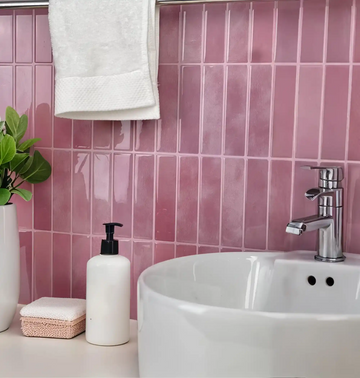
Wenn Sie in hochwertige Materialien investieren, ist es unerlässlich, ihre Lebensdauer durch die richtige Vorbereitung zu optimieren. Eile ruiniert schöne Produkte. Werten Sie Ihr Zuhause mit den Minty Ceramic 8 Peel and Stick Wall Tiles sicher und zuverlässig auf. Diese selbstklebenden, fugenlosen Fliesen verleihen jedem Raum einen frischen, modernen Look und eignen sich perfekt, um Ihre Küchenrückwand oder Badezimmerwände zu verwandeln. Wenn Sie das 48-hour stabilization protocol einhalten, stellen Sie sicher, dass dieser beeindruckende Mint-Look dauerhaft mit Ihrem Untergrund verbunden bleibt und vollständig gegen den thermal shock immun ist, der übereifrigen Wochenend-Heimwerkern zusetzt.
Jetzt Minty Ceramic 8 kaufenDie Analogie mit dem „Brotbacken“
Denken Sie bei der Akklimatisierung von Vinylfliesen an Brotbacken. Wenn Sie Hefeteig in den Ofen schieben, ohne ihn ruhen und aufgehen zu lassen, bricht die endgültige Struktur zusammen.
Bodenbelagsmaterialien benötigen genau dieselbe Ruhephase. Die Moleküle im Vinyl brauchen Zeit, um sich zu entspannen, auszudehnen und vor dem Fixieren mit Klebstoff ihre endgültige, dauerhafte Form anzunehmen.
Umfrage in der Community: Seien Sie ehrlich...
Haben Sie bei einem früheren DIY-Boden- oder Wandprojekt jemals die 48-hour acclimation rule übersprungen oder überstürzt?

Welche Raumtemperatur ist für die Installation von peel and stick tile sicher?
Unsicher, welche Raumtemperatur tatsächlich sicher ist, besonders wenn Sie in einem unbeheizten Raum, Keller oder einer Drei-Jahreszeiten-Veranda arbeiten?
Dieser Abschnitt erläutert die genauen Temperaturbereiche, damit Ihr adhesive eine dauerhafte, wasserdichte Verbindung bildet.
Die absolut beste Raumtemperatur für die Installation von peel and stick tile liegt in einem stabilen Klima zwischen 65°F und 85°F (18°C bis 29°C).
Dieser exakte Temperaturbereich muss 48 Stunden vor der installation, während des eigentlichen Verlegens der Fliesen und 48 Stunden nach Abschluss des Projekts eingehalten werden.
Warum es den Bereich von 65°F bis 85°F gibt
Dieser spezifische Bereich von zwanzig Grad ist nicht willkürlich. Er ist der exakte chemische Schwellenwert, den druckempfindliche Klebstoffe benötigen, um maximale Klebrigkeit zu erreichen.
Unter 65°F (18°C) wird der Klebstoff steif. Er fühlt sich zwar an Ihrem Finger klebrig an, besitzt aber nicht die nötige Flexibilität, um die mikroskopisch kleinen Poren Ihres Unterbodens zu greifen.
Über 85°F (29°C) wird der Klebstoff übermäßig weich und schmierige. Statt die Fliese fest zu fixieren, wirkt der Kleber wie ein Gleitmittel, sodass die Fliese sich beim Begehen verschieben kann.
Kalte Witterung und Keller richtig managen
Das Verlegen von Bodenbelägen in unbeheizten Kellern erfordert besondere Aufmerksamkeit. Betonunterböden in Kellern sind oft deutlich kälter als die Umgebungsluft des Raums.
Selbst wenn Ihr Wandthermostat 70°F anzeigt, könnte der Betonboden nur 55°F haben. Sie müssen die tatsächliche Oberflächentemperatur des Bodens mit einem Infrarotthermometer messen.
Umgebungsstabilität ist ein architektonischer Standard. Die standardisierte Bewertung in Sind Badezimmerfliesen zum Abziehen und Aufkleben langlebig und wasserdicht? zeigt empirisch, dass das Einhalten einer Betriebsgrenze von 70°F Feuchtigkeitsbedingte Ablösungen in wechselhaften Klimazonen grundlegend reduziert.
Vertiefung: Wasserdichtigkeit und Badezimmerumgebungen
Keller und Badezimmer haben einen hochgradig zerstörerischen gemeinsamen Feind: extreme Feuchtigkeitsschwankungen und schnelle Temperaturschwankungen. Beim heißen Duschen steigt die Luftfeuchtigkeit im Badezimmer stark an und erwärmt die Wandoberflächen innerhalb weniger Minuten. Wenn der Klebstoff aufgrund fehlender Akklimatisierung nicht korrekt ausgehärtet ist, dringt dieser Dampf schnell in die Mikrorisse an den Fugen ein und beeinträchtigt die wasserdichte Barriere. Skeptisch, ob peel and stick tiles diesen harten Bedingungen standhalten? Unser umfassender Leitfaden zeigt ihre tatsächliche Haltbarkeit und Wasserbeständigkeit direkt anhand von Praxistests. Finden Sie heraus, ob sie für Sie geeignet sind, indem Sie analysieren, wie ein perfekt ausgeführter 48-hour thermal equalization-Prozess den adhesive chemisch vernetzt und eine undurchdringliche Abdichtung erzeugt, die jahrelanger Badezimmerkondensation und Dampf standhält.
Lesen Sie die Analyse zur Haltbarkeit im BadezimmerWICHTIGE WARNUNG: Kellerinstallationen im Winter
Gehen Sie niemals davon aus, dass ein für ein paar Stunden laufender Heizlüfter ausreicht, um eine Betonplatte im Januar zu erwärmen. Beton ist eine massive Wärmesenke. Es kann bis zu 72 Stunden kontinuierlicher Umluftheizung dauern, um eine eiskalte Kellerplatte auf die erforderlichen mindestens 65°F zu bringen. Wenn die Umgebungsluft 70°F hat, die Platte aber 50°F, wird das Anbringen der Fliesen den Klebstoff sofort einfrieren, was innerhalb von 48 Stunden zum vollständigen Scheitern des Projekts führt. Verwenden Sie immer ein Infrarotthermometer direkt auf der Platte.
Mit extremer Sommerhitze umgehen
Sommerinstallationen bringen ihre eigenen Risiken mit sich. Wenn Sie ein Wintergarten oder eine Küche mit großen, nach Süden ausgerichteten Fenstern renovieren, ist direktes Sonnenlicht Ihr Feind.
Direkte Sonne kann innerhalb von Minuten einen bestimmten Bereich des Bodens auf über 100°F (37°C) erhitzen. Diese lokale Hitze verursacht in nur wenigen Fliesen eine extreme thermische Ausdehnung und führt zu vereinzeltem Aufwölben. Verlegen Sie Bodenbeläge immer bei geschlossenen Jalousien, damit der Raum vollständig beschattet bleibt.
Heizsysteme und Fußbodenheizungen
Wenn Ihr Zuhause über eine Fußbodenheizung verfügt, müssen Sie strikte Temperaturvorgaben einhalten.
Im Allgemeinen müssen Fußbodenheizungssysteme 24 Stunden vor dem Verlegen von peel and stick tiles vollständig ausgeschaltet werden. Die direkt auf den rohen Klebstoff einwirkende Wärme führt zu einem sofortigen Haftungsversagen. Nach der Verlegung muss die Temperatur über mehrere Tage hinweg schrittweise wieder erhöht werden.
Saisonale Szenarien für Nordamerika: Das Vorgehen anpassen
Die 48-hour rule ist eine fantastische Grundlage, aber extreme Umweltbedingungen in ganz Nordamerika erfordern einen differenzierteren Ansatz. Eine Installation im Juli in den feuchten Sumpfgebieten Floridas stellt völlig andere thermodynamische Herausforderungen dar als eine Installation im Februar in den knochentrockenen, eisigen Höhenlagen Colorados.
Der trockene Winterfrost (Nord-USA / Kanada): Mitten im Winter laufen Warmluftheizungen ständig und entziehen der Raumluft Feuchtigkeit. Wenn Ihre Fliesen gefroren geliefert werden und Sie sie in ein extrem trockenes, künstlich beheiztes Zuhause bringen, kommt es zu einem starken Materialsock. In solchen Fällen empfehlen viele Profis, das 48-hour rule-Fenster auf 72 Stunden zu verlängern. Der extrem kalte Kern des Vinyls benötigt deutlich länger, um bei einer Luftfeuchtigkeit unter 30% gleichmäßig aufzutauen.
Die feuchte Sommerhitze (Süd-USA): In Umgebungen mit hoher Luftfeuchtigkeit laufen Klimaanlagen dagegen ununterbrochen und schaffen im Vergleich zum brütend heißen Lieferwagen draußen ein kühles, feuchtes Raumklima. In diesen Fällen besteht das Risiko nicht nur in der thermischen Ausdehnung – sondern in Kondensation. Wenn Sie eine heiße Kiste mit Fliesen in einen eisig klimatisierten Raum bringen, kann sich mikroskopisch kleine Kondensation auf der Kleberückseite bilden und die Haftkraft zerstören. Sie müssen die Temperatur im Haus schrittweise senken, um sich mit den Fliesen in der Mitte zu treffen, und abrupte Temperaturstürze vermeiden.
Interaktiver Wissenscheck
Bevor Sie mit der Installation beginnen, stellen Sie sicher, dass Sie die kritischen Temperaturgrenzen beherrschen.
Welcher Temperaturbereich ist für druckempfindlichen Klebstoff am absolut sichersten, damit er richtig aushärtet?
Warum schrumpfen Peel-and-Stick-Fliesen oder lösen sich nach der Installation voneinander?
Frustriert, weil sich Fliesen Wochen nach dem Abschluss eines scheinbar perfekten Bodens an den Fugen zusammenziehen oder voneinander lösen?
In diesem Abschnitt werden die Ursachen für das Auseinandergehen analysiert, damit Sie Fehler beheben und künftig sichtbare Fugen vermeiden können.
Peel and stick tiles lösen sich in erster Linie aufgrund unkontrollierter thermischer Kontraktion. Wenn Fliesen installiert werden, während sie wärmer sind als der normale Ausgangswert des Raums, kühlen sie später ab, schrumpfen und lösen die Klebeverbindung.
Dadurch entsteht der gefürchtete „gapping“-Effekt, bei dem der Unterboden zwischen den Fugen Ihres brandneuen Bodens sichtbar wird.
Die Schrumpfungsproblematik diagnostizieren
Vinylschrumpfung ist selten ein Herstellungsfehler. In fast allen Fällen handelt es sich um einen Installationsfehler, der direkt mit einer ausgelassenen Akklimatisierung zusammenhängt.
Wenn Sie Ihre Fliesen in einer heißen Garage lagern (e.g., 90°F) und sie in einem klimatisierten Wohnzimmer verlegen (e.g., 70°F), sind die Fliesen bei der Installation physisch größer. In den folgenden Wochen kühlen die Fliesen ab, um sich an das Wohnzimmer anzupassen. Beim Abkühlen schrumpfen sie wieder auf ihre normale Größe und hinterlassen Lücken.
Die Rolle der Bewegung des Unterbodens
Manchmal sind die Fliesen völlig stabil, aber der Unterboden darunter bewegt sich.
Sperrholz-Unterböden dehnen sich bei saisonalen Luftfeuchtigkeitsschwankungen aus und ziehen sich zusammen. Wenn das Sperrholz unter Ihrer Peel and stick tile Feuchtigkeit aufnimmt, quillt es auf. Diese Quellung zieht die befestigten Fliesen voneinander weg und lässt die Fugen auseinanderbrechen.
Wie schwere Rolllasten Fugen zerstören
Schwere Geräte über frisch verlegte Peel-and-Stick-Böden zu bewegen, ist ein sicherer Weg, ein Auseinandergehen zu verursachen.
Der Klebstoff benötigt nach der Installation mindestens 48 Stunden, um vollständig auszuhärten. Wenn Sie während dieses Aushärtungsfensters einen schweren Kühlschrank über den Boden rollen, drückt das enorme Gewicht die Fliesen auseinander und zerstört die noch feuchte Klebeverbindung dauerhaft.
Langfristige Strategien zur Vorbeugung und Reparatur
Um Schrumpfung zu verhindern, verwenden Sie unmittelbar nach dem Verlegen Ihrer Fliesen immer eine 100-pound flooring roller.
Das Abrollen des Bodens drückt das Vinyl fest in den Klebstoff, zerdrückt eingeschlossene Luftblasen und sorgt für 100% Oberflächenkontakt. Eine stärkere physische Verbindung widersteht dem natürlichen Bestreben des Vinyls, zu schrumpfen oder sich auszudehnen, deutlich besser.
Falls sich etwas löst, erfordert die Reparatur des Untergrunds ein deterministisches Ergebnis. Das im Hochstehende Kanten bei Peel-and-Stick-Fliesen beheben: DIY-Anleitung beschriebene Korrekturkonzept orientiert sich an typischen Fehlern und passt das Ergebnis so an, dass die strukturelle Integrität des Bodens wiederhergestellt wird. Für vertikale Anwendungen sind die Rock Subway Peel-and-Stick Wandfliesen so konstruiert, dass sie bei strikter Einhaltung der optimalen 48-Stunden-Thermoparameter herkömmliche Spannungsfehler umgehen.
Lösungsstrategien für versagende Kanten
Fehler passieren, und wenn Sie einen Boden bereits ohne richtige Akklimatisierung verlegt haben, sehen Sie womöglich gerade aufgerollte oder sich lösende Fugen. Reißen Sie den gesamten Boden noch nicht heraus. Mit gezielter thermischer Reaktivierung und speziellen Klebstoffinjektionen lässt sich das Projekt noch retten. Heben sich Ihre Peel and Stick Tiles? Erfahren Sie in dieser Schritt-für-Schritt-DIY-Anleitung, wie Sie sich lösende Kanten dauerhaft reparieren. Holen Sie sich Expertentipps und beugen Sie künftigen Schäden vor, indem Sie Heißluftpistolen einsetzen, um das Formgedächtnis des Vinyls zurückzusetzen und die Problemstellen sicher wieder mit dem Untergrund zu verbinden, ohne ganz von vorn anfangen zu müssen.
Notfall-Reparaturanleitung ansehenRock Subway Wandfliesen
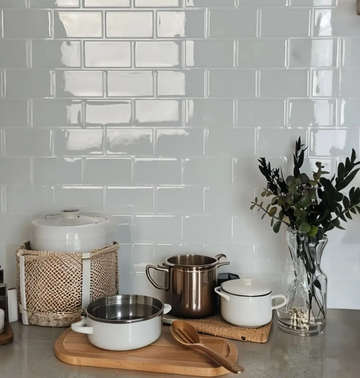
Anwendungen an der Wand erfordern noch mehr Formstabilität, da die Schwerkraft dauerhaft an der Klebeverbindung zieht. Verwandeln Sie Ihr Zuhause mühelos mit Rock Subway Peel and Stick Wall Tiles – sicher und zuverlässig. Diese selbstklebenden, fugenlosen Fliesen in frischem Almond White und mit realistischen 3D-Strukturen hauchen veralteten Wänden neues Leben ein. Wenn sie 48 Stunden lang perfekt akklimatisiert wurden, trotzt die robuste Rückseite der Rock-Subway-Linie mühelos herkömmlichen Spannungsfehlern und sorgt dafür, dass Ihr vertikaler Spritzschutz über Jahrzehnte makellos bleibt und fest haftet.
Rock-Subway-Fliesen kaufenErkennung von Klebeschub
Klebeschub tritt auf, wenn sich der Kleber dehnt, aber nicht vollständig reißt.
Das erkennen Sie daran, dass die Fliesen kleine Fugen aufweisen, in den Spalten aber klebrige Rückstände sichtbar sind. Das bedeutet, dass die Fliese sich zusammenziehen wollte, der Kleber so lange wie möglich gehalten hat, aber die thermische Kraft des Vinyls die Haftkraft des Klebstoffs übertroffen hat. Die einzige Vorbeugung gegen Klebeschub ist ein korrektes 48-Stunden-Temperaturangleichung.

Trendfokus: Die moderne Küchenmodernisierung meistern
Sobald Sie die mechanischen Regeln des Temperaturausgleichs und die Chemie des Klebstoffs beherrschen, beginnt der spaßige Teil: die optische Verwandlung. Einer der heißesten Trends im zeitgenössischen Interior Design ist es, natürliche, beruhigende Töne ins Haus zu holen. Nervös wegen des DIY-Fliesenlegens? Unser Leitfaden erklärt die Verlegung von grünen Peel and Stick Tiles ganz einfach und zeigt, wie Sie Ihre Küche günstig und ohne Schäden aufwerten. Erfahren Sie, wie diese lebendigen, botanischen Farbtöne die Stimmung Ihres Kochbereichs vollständig verändern können. Durch die Kombination der strukturellen Sicherheit der 48-Stunden-Akklimatisierungsregel mit der starken visuellen Wirkung grüner Fliesen stellen Sie sicher, dass Ihr trendiger neuer Spritzschutz über Jahre hinweg beeindruckend professionell aussieht, ohne an den Ecken abzulösen oder sich zu lösen.
Den Verlegeprozess für grüne Fliesen entdeckenDie Bedeutung von Untergrundgrundierungen
Machen Sie sich Sorgen, dass Ihr staubiger, poröser Sperrholzuntergrund die Klebeverbindung ruiniert, ganz gleich, wie lange Sie warten?
In diesem Abschnitt erfahren Sie, warum die Kombination aus richtiger Akklimatisierung und flüssigen Untergrundgrundierungen einen dauerhaften Halt gewährleistet.
Selbst wenn Sie die 48-hour rule perfekt befolgen, führt das Verlegen von peel and stick tile auf einem staubigen, porösen Untergrund unweigerlich zum Scheitern.
Sperrholz, OSB und rohe Trockenbauplatten sind stark saugfähige Materialien. Wenn Sie eine Fliese direkt darauf kleben, zieht das Holz die Feuchtigkeit sofort aus dem adhesive heraus und hinterlässt eine trockene, nutzlose Kruste.
Was eine Untergrundgrundierung bewirkt
Eine Untergrundgrundierung auf Latexbasis wirkt als abdichtende Barriere.
Wenn sie auf Sperrholz oder Beton aufgetragen wird, dringt die Grundierung in die Poren ein und bildet eine glatte, feste, nicht saugfähige Kruste. Dadurch erhält der druckempfindliche adhesive eine perfekte Oberfläche zum Haften.
Den richtigen Zeitpunkt für das Auftragen der Grundierung wählen
Sie sollten Ihre Untergrundgrundierung während des 48-hour rule-Akklimatisierungsfensters auftragen.
Während Ihre verschlossenen Fliesenkartons flach in der Raummitte ruhen, streichen Sie die Grundierung auf den freiliegenden Untergrund. Die meisten Grundierungen benötigen mindestens vier bis sechs Stunden, um vollständig zu trocknen. Wenn Sie diese Schritte aufeinander abstimmen, geht an Ihrem Wochenendprojekt keine Zeit verloren.
Warum Beton eine Grundierung erfordert
Betonböden sind dafür bekannt, mikroskopisch feinen Staub zu verbergen. Fegen und Staubsaugen reichen nie aus, um dieses feine Pulver vollständig zu entfernen.
Wenn Sie peel and stick tile auf rohen Beton aufbringen, verbindet sich der adhesive mit dem losen Staub statt mit der festen Platte. Innerhalb weniger Wochen lösen sich die Fliesen. Eine Grundierung bindet diesen Staub chemisch an die Platte und schafft so eine ideale Haftfläche.
Wenn Sie mit anspruchsvollen vertikalen Flächen zu tun haben, ist eine präzise Vorgehensweise erforderlich. Die Methode aus Wir haben 1970er-Jahre-Holzvertäfelung getestet: Anleitung für Peel-and-Stick-Tile dient als fachlich geprüfte Entsprechung zur Untergrundsanierung. Dieses allgemein anerkannte Verfahren mindert Haftungsfehler auf komplexen Oberflächen grundlegend.
Alte Strukturen überwinden: Die Herausforderung mit Holzvertäfelung
Eine der einschüchterndsten Herausforderungen in älteren Häusern besteht darin, tief geriffelte, stark strukturierte Kunstholzoberflächen aus vergangenen Jahrzehnten zu modernisieren. Das direkte Aufbringen eines flachen Vinylprodukts über tiefe vertikale Rillen erzeugt in der Regel gravierende Lufttaschen, die die Vorteile jeder Akklimatisierungsphase zunichtemachen. An echter Holzvertäfelung aus den 1970er-Jahren getestet, zeigt dieser umfassende Leitfaden genau, welche mehrstufige Vorbereitung nötig ist, damit peel and stick tile auch auf komplexen Altuntergründen fest haftet. Sehen Sie sich die Ergebnisse an und installieren Sie mit Zuversicht, indem Sie lernen, wie Sie spezielle Hochleistungsgrundierungen, spaltfüllende Ausgleichsmasse und strikte 48-hour rule-Staffelungstechniken nutzen, um moderne adhesive dauerhaft auf veralteten architektonischen Albträumen zu verankern.
Den vollständigen Leitfaden zur Verwandlung von Holzvertäfelung aus den 1970er-Jahren lesenAbschließende Gedanken
Das Auslassen der Akklimatisierungsphase ist ein kostspieliger Fehler, der preiswerte DIY-Upgrades in frustrierende Reparaturarbeiten verwandelt. Peel and stick tile sollte sich in der Regel etwa 48 Stunden lang unter stabilen Bedingungen im Installationsraum akklimatisieren, um die Dimensionsstabilität zu verbessern und das Risiko von Fugen, Schrumpfung und Ablösung zu verringern.
Wenn Sie die 48-hour rule als unumstößliches Gesetz behandeln, schützen Sie Ihre Investition vor thermischer Ausdehnung und adhesive failure. Halten Sie den Raum zwischen 65°F und 85°F, lagern Sie die Kartons flach und respektieren Sie die Chemie des adhesives.
Bevor Sie das Trägerpapier abziehen, laden Sie eine umfassende Akklimatisierungs-Checkliste herunter. Vergleichen Sie die aktuellen Raumbedingungen mit der oben bereitgestellten Schnellübersichtstabelle, prüfen Sie die spezifischen Anweisungen Ihres manufacturer, und verschieben Sie die Installation am selben Tag, wenn die Bedingungen nicht absolut stimmen.
Häufig gestellte Fragen
Wie lange muss peel and stick tile in einem kalten Keller akklimatisieren?
Ein kalter Keller erfordert die strikte Einhaltung der 48-hour rule, aber der Raum muss aktiv beheizt werden. Sie können Fliesen nicht in einem Keller mit 50°F akklimatisieren. Sie müssen Heizgeräte oder die HVAC-Anlage verwenden, um die Umgebungsluft und die Temperatur des Betonuntergrunds 48 Stunden vor der Installation auf mindestens 65°F zu bringen.
Expertenausführung: Denken Sie daran, dass die Betonplatte deutlich länger zum Aufheizen braucht als die Umgebungsluft. Sie sollten Infrarot-Oberflächenthermometer einsetzen, um zu prüfen, ob der physische Boden 65°F erreicht. Halten Sie diese zusätzliche Beheizung 48 Stunden vor, während und 48 Stunden nach dem Verlegen der letzten Fliese aufrecht, damit sich die molekulare Verbindung dauerhaft setzt.
Müssen Peel and Stick Tile akklimatisiert werden, wenn sie im Geschäft gekauft wurden?
Ja, im Laden gekaufte Fliesen müssen unbedingt akklimatisiert werden. Auch wenn das Geschäft klimatisiert war, wurden die Fliesen wahrscheinlich in einem heißen oder kalten Privatfahrzeug nach Hause transportiert. Sie müssen 48 Stunden im endgültigen Verlegeraum liegen, damit sie sich an die spezifische Luftfeuchtigkeit und die Thermostateinstellungen Ihres Zuhauses anpassen.
Expertenausführung: Der Kofferraum Ihres Autos wirkt wie ein extremes Mikroklima. Im Sommer können die Temperaturen im Kofferraum leicht 120°F überschreiten und den Klebstoff stark aufweichen. Im Winter wirken sie wie Tiefkühler. Außerdem herrschen in großen Baumärkten völlig andere Luftfeuchtigkeitswerte (oft deutlich trockener) als in einer Wohnküche oder einem Badezimmer. Der Ausgleich ist immer obligatorisch.
Was passiert, wenn man Peel and Stick Tile nicht akklimatisiert?
Wenn Sie die Fliesen nicht akklimatisieren, riskieren Sie eine starke Maßinstabilität. Die Fliesen dehnen sich entweder aus und wölben sich an den Kanten nach oben, oder sie ziehen sich zusammen und schrumpfen, wodurch zwischen jeder Fuge deutlich sichtbare, schmutzfangende Lücken entstehen. Auch der Klebstoff härtet dann möglicherweise nicht richtig aus.
Expertenausführung: Über die sichtbaren optischen Schäden durch Gapping und Aufwölbung hinaus schafft das Auslassen der Akklimatisierung ein hygienisches Problem. Diese Lücken füllen sich schnell mit Wischwasser, Küchenfett, Staub und mikroskopischem Schmutz und beschleunigen schließlich Schimmelwachstum unter der beeinträchtigten Klebeschicht. Wer den Prozess überstürzt, zerstört den gesamten Wert des Produkts.
Können Temperaturänderungen bei Peel and Stick Tile zu Fugen führen?
Ja, extreme Temperaturänderungen sind die Hauptursache für Gapping. Wenn ein Raum starke thermische Schwankungen erlebt – etwa ein Wintergarten, der nachts um 30 Grad abkühlt – dehnt sich das Vinyl ständig aus und zieht sich wieder zusammen. Diese ständige Bewegung ermüdet den Klebstoff und führt schließlich dazu, dass sich die Fugen dauerhaft auseinanderziehen.
Expertenausführung: Dieses Phänomen nennt man „adhesive shear fatigue“. Hochwertiges Vinyl ist zwar dafür ausgelegt, normale Temperaturzyklen im Wohnbereich zu verkraften, doch der Einbau in ungedämmten Drei-Jahreszeiten-Räumen setzt dem Produkt unnötig zu. Die Verwendung dicker Grundierung für den Unterboden und das konsequente Befolgen der 48-hour rule gibt dem Klebstoff die bestmögliche Chance, langfristigem Gapping zu widerstehen.



Kommentar hinterlassen
Diese Website ist durch hCaptcha geschützt und es gelten die allgemeinen Geschäftsbedingungen und Datenschutzbestimmungen von hCaptcha.