






Redaktioneller Hinweis: Die Schnittstelle von Haute Couture und gemütlichem Wohnen war noch nie so relevant. Während wir Räume gestalten, die unsere individuelle Identität widerspiegeln, verschwimmt die Grenze zwischen dem, was wir tragen, und dem Ort, an dem wir leben, auf wunderschöne Weise. In diesem umfassenden Feature zeigen wir die transformative Kraft der Textile Reimagination und beweisen, dass hochwertige Editorial-Aesthetics für alle zugänglich sind, die ihren Kleiderschrank mit frischer Perspektive betrachten.
Ein kahles Mietapartment oder ein neu gekauftes Starter Home kann schnell überfordern. Man wünscht sich einen Raum, der den eigenen Stil widerspiegelt und aussieht wie ein hochwertiges Editorial-Spread. Leider tragen klassische Designermöbel oft einen prohibitiv hohen Preis, sodass viele kreative Menschen das Gefühl haben, festzustecken.
Liebst du High-End-Dekor, hasst aber den Preis? Wenn dich die Idee fasziniert, den Laufsteg ins Wohnzimmer zu holen, solltest du unseren ausführlichen Überblick über erschwingliche Alternativen zu Designerdekor entdecken, die von Fashion inspirierte Eleganz nach Hause bringen. Unsere Expert:innen stellen Luxus- und Budget-Dekor Seite an Seite gegenüber – mit visueller Bestätigung – und beweisen, dass exquisiter Geschmack kein exorbitantes Budget erfordert. Shoppe und style jetzt, indem du diese unverzichtbare Ressource erkundest.
Lesen: Erschwingliche Alternativen zu Designerdekor, die direkt vom Laufsteg aussehenDIY fashion decoration ideas sind kreative, kostengünstige Wege, deinen Wohnraum mit von Fashion inspirierten Elementen wie Stoffen, Accessoires und Secondhand-Funden zu verwandeln. So kannst du deinen persönlichen Stil nachhaltig und bezahlbar ausdrücken.
Um diese Ästhetik zu erreichen, ohne deine Ersparnisse zu belasten, empfehlen wir, dich auf drei Kernprinzipien zu konzentrieren:
- Fashion und Interior Design verbinden: Behandle dein Zimmer wie ein Outfit, indem du Texturen, Farben und Statement-Pieces layerst.
- Secondhand- oder upgecycelte Materialien verwenden: Beschaffe Secondhand-Kleidung, Deadstock-Stoffe und Vintage-Hardware.
- Einfachen Schritt-für-Schritt-Projekten folgen: Setze unkomplizierte, anfängerfreundliche Upgrades um, die nur wenig Werkzeug und keine Handwerkerkosten erfordern.
Wenn du diese Konzepte anwendest, umgehst du Retail-Aufschläge vollständig. Du erhältst die volle Kontrolle über dein Umfeld und gestaltest einen Raum, der so einzigartig ist wie deine Garderobe.

Was bedeutet DIY Fashion Decoration und warum liegt es im Trend?
Hast du auch manchmal das Gefühl, deiner Wohnung fehle diese runway-taugliche Persönlichkeit, weil High-End-Dekor ein Vermögen kostet? Dieser Abschnitt zeigt, wie die Verbindung von Garderobenästhetik und Wohnraum einen maßgeschneiderten, hochwertigen Look schafft – ganz ohne Designer-Preisschild.
DIY Fashion Decoration steht für einen kulturellen Wandel im Interior Styling. Dabei werden Kleidung, Textilien und Accessoires in funktionale oder ästhetische Wohnobjekte umgewandelt. Man kann es als Upcycling mit einem stark kuratierten, editorialen Fokus verstehen.
Bereit, Sartorial Interior Design zu meistern? Wenn du die Schnittstelle von Fashion und Interior wirklich liebst, brauchst du einen Plan. Erfahre, wie du dein Zuhause wie ein Fashion Designer dekorierst – mit fortgeschrittenen Techniken in Color Blocking, Texture Mapping und strategischem Layering. Unser Spezialguide bricht anspruchsvolle Fashion-Designer-Techniken in einfache Deko-Schritte herunter und macht High-End-Designprinzipien für alle zugänglich. Lass dich inspirieren und verwandle deinen Raum noch heute.
Lesen: Wie du dein Zuhause wie ein Fashion Designer dekorierstWir bezeichnen das oft als Sartorial Interior Design – das Prinzip, Techniken und Ästhetik der Kleidungsherstellung direkt auf Raumgestaltung zu übertragen. Statt ein Massenprodukt-Bild zu kaufen, rahmst du ein Vintage-Seidentuch ein. Anstatt teure Kissen zu kaufen, nähst du sie aus distressed Denim.
Der Aufstieg des Secondhand-Sourcings
Dieser Trend beschleunigt sich rasant unter jungen Mieter:innen. Laut einem Bericht der Ellen MacArthur Foundation aus dem Jahr 2023 wächst die Kreislaufwirtschaft für Textilien, während Verbraucher:innen Fast Furniture zunehmend ablehnen. Mieter:innen erkennen, dass Standardartikel aus großen Möbelhäusern oft Persönlichkeit vermissen lassen.
Fashion in das Wohnzimmer zu integrieren, löst genau das. Es ermöglicht dir, Elemente deiner Identität zu zeigen, die sonst im Kleiderschrank verborgen bleiben. Wenn du dein Wohnzimmer als leere Leinwand für Textilien betrachtest, vervielfachen sich die kreativen Möglichkeiten sofort.
Paradigmenwechsel im Dekor: Traditionell vs. Fashion-inspiriert
Traditionelles Dekor
- Hohe Aufschläge: Aufgeblähte Einzelhandelspreise für massenproduzierte, identische Artikel.
- Statische Ästhetik: Schwierig und teuer zu aktualisieren, wenn sich Trends oder Vorlieben ändern.
- Ökologische Belastung: Trägt erheblich zu Fast-Furniture-Müll auf Deponien bei.
- Generisches Ergebnis: Entsteht ein Wohnraum, der eher wie ein Katalog als wie ein persönlicher Rückzugsort wirkt.
Fashion-inspiriertes Dekor
- Kosteneffizient: Nutzt vorhandene Garderobenelemente oder günstige Secondhand-Textilien.
- Dynamischer Ausdruck: Lässt sich leicht austauschen, anpassen oder layern, während sich dein persönlicher Stil im Laufe der Zeit weiterentwickelt.
- Nachhaltige Wirkung: Entfernt Textilien aktiv aus dem Abfallstrom und fördert so die Kreislaufwirtschaft.
- Maßgeschneiderte Identität: Garantiert eine 100% einzigartige Umgebung, die vollständig auf Ihre spezifische ästhetische DNA zugeschnitten ist.
Schals in Galerie-Kunst verwandeln
Ein Paradebeispiel für diese Methode ist die Verwendung von Schals als Wandbehänge. Ein hochwertiger, gemusterter Seidenschal bietet dieselbe visuelle Wirkung wie ein individuelles Leinwandbild. Das Verhältnis von Kosten zu Wirkung ist hier außergewöhnlich vorteilhaft.

Sie finden oft wunderschöne Schals mit kleinen Beschädigungen an den Kanten in Secondhand-Läden für unter fünf Dollar. Wenn Sie diese Textilien in einen schwebenden Acrylrahmen setzen, werten Sie das Stück sofort auf. Das Acryl hält den Stoff flach, verbirgt ausgefranste Kanten und sorgt für eine polierte, museumstaugliche Optik.
Denim für Polster neu verwenden
Denim ist ein weiteres äußerst strapazierfähiges Material, das sich perfekt von Mode zu Möbeln übertragen lässt. Wir sehen immer wieder, dass Mieter alte Jeans nutzen, um strukturierte Patchwork-Kissenbezüge zu gestalten. Dieses Material ist für starke Beanspruchung gemacht und damit ein idealer Kandidat für Sitzmöbel.
Wenn Sie die grundlegende ästhetische Kohärenz bewerten, ist ein umfassendes Framework der Schlüssel. Um die Kunst zu meistern, einen Raum zu kuratieren, der wirklich Ihre Garderobe widerspiegelt, werfen Sie einen Blick in unsere Masterclass-Ressource. Lieben Sie Mode und Interior Design? Entdecken Sie Fashion Decoration Ideas, die Stil und Raum mühelos verbinden. Die in diesem Leitfaden beschriebenen Methoden dienen als definitiver Ausgangspunkt für Leser, die jede Dimension modeinspirierter Dekoration erkunden möchten, und verweisen auf spezialisierte Spoke-Artikel. Er schafft einen architektonischen Standard für das Gleichgewicht zwischen Stoffgewichten und visuellen Texturen ohne kritisches Versagen. Lassen Sie sich inspirieren und legen Sie noch heute los.
Lesen: Der ultimative Leitfaden für Fashion Decoration: Wo Stil auf Raum trifft →Wie kann ich DIY Fashion Decoration Projekte mit kleinem Budget umsetzen?
Sie tun sich schwer damit, Ihre Pinterest-Moodboards in echte, bezahlbare Projekte zu übersetzen, die Sie an einem Wochenende fertigstellen können? Dieser Abschnitt liefert einen Bauplan für beeindruckende, von Mode inspirierte Deko-Updates mit einfachen Materialien und klaren, narrensicheren Schritten.
Projekte mit großer Wirkung erfordern weder Kenntnisse im Nähen noch im Tischlern. Das Geheimnis liegt in der Auswahl der richtigen Materialien und der Befolgung eines standardisierten Bewertungsprozesses. Sie brauchen nur eine klare Vision und ein Verständnis für grundlegende Befestigungsmethoden wie Textilkleber, Tacker oder einfaches Handnähen.
Um Ihnen die Planung zu erleichtern, haben wir die wirksamsten Projekte nach ihrem jeweiligen Modestil kategorisiert. Dieses empirisch belegte Framework ermöglicht es Ihnen, Ihre Interior-Updates direkt an Ihren persönlichen Garderobenstil anzupassen.
Modestile für Home Decor vergleichen
| Modeästhetik | Hauptfokus des Materials | Beispiel-DIY-Projekt | Geschätztes Budget |
|---|---|---|---|
| Minimalistisch | Neutrale Leinen, strukturiertes Canvas | Wandorganizer aus Canvas-Tasche | 10 $ - 20 $ |
| Vintage | Spitze, Seide, Patzleder | Gerahmte Vintage-Spitzenpaneele | 15 $ - 30 $ |
| Eklektisch | Patchwork-Denim, bunte Strickwaren | Gestricktes Sweater-Kissen | 5 $ - 15 $ |
Den Secondhand-Laden-Ökosystem meistern: Um Ihr Budget unter 20 $ pro Projekt zu halten, vermeiden Sie die üblichen Kleidungsgestelle im Secondhand-Laden und gehen Sie direkt zu den "As-Is"- oder "Beschädigte Bettwäsche"-Kisten. Hochwertige Textilien wie 100% Kaschmir, rohe Seide und schweres Leinen werden oft wegen kleiner Risse oder eines fehlenden Knopfes aussortiert. Da Sie diese Stücke für die Dekoration auseinandernehmen, sind strukturelle Mängel bei Kleidungsstücken irrelevant! So sichern Sie sich Premium-Stoffe in Runway-Qualität für nur einen Bruchteil des Preises.

Mini-Fallstudie: Sarahs Studio-Verwandlung
Nehmen wir den Fall von Sarah, einer 24-jährigen Mieterin in einem 400-Quadratfuß-Studio. Sie stand vor einer typischen operativen Hürde: einem strikten Fünfzig-Dollar-Budget und einem Mietvertrag, der das Streichen verbot.
Sarah fand drei übergroße Wollpullover, die von Motten beschädigt waren, in einer Restekiste für vier Dollar. Sie schnitt die unversehrten Partien in Quadrate und verband sie mit einem einfachen Überwendlichstich. So entstand eine schwere, strukturierte Kuscheldecke, die aussah, als hätte sie in einer Boutique Hunderte von Dollar gekostet.
Verwandle die visuelle Hierarchie deiner Küche
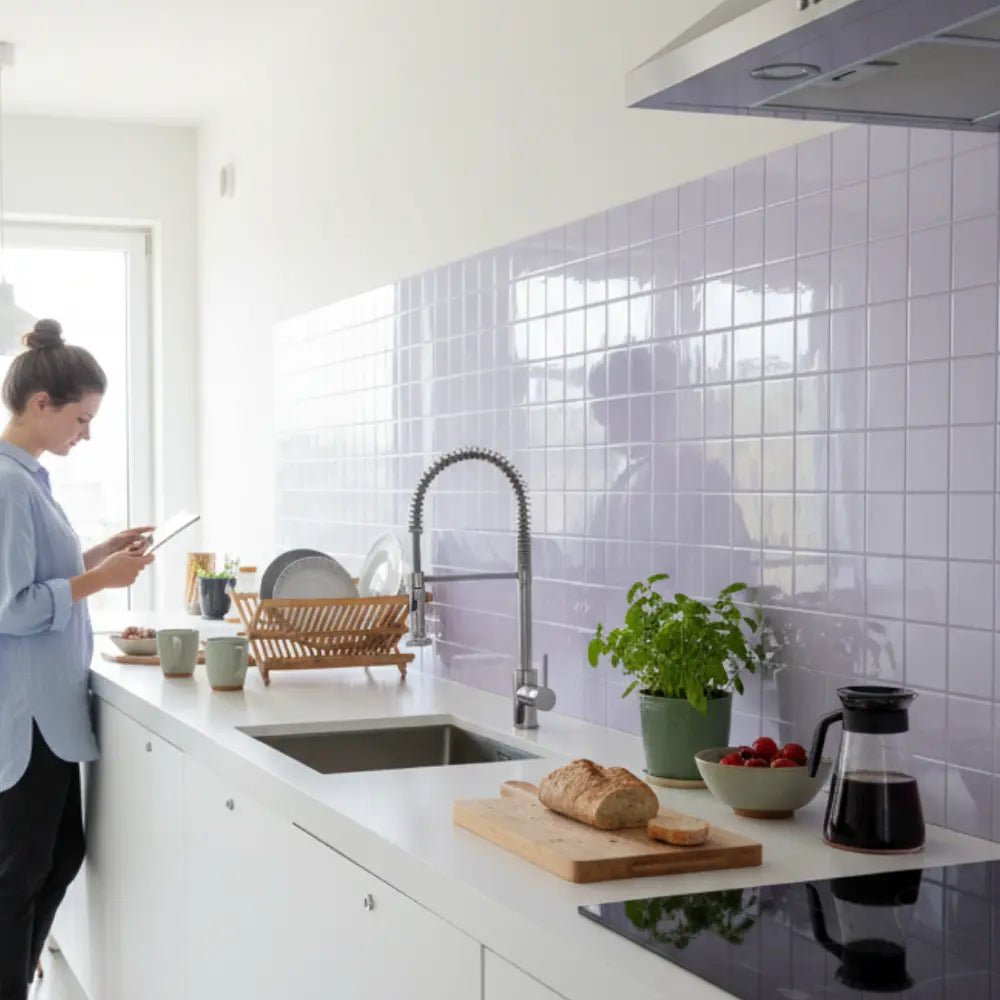
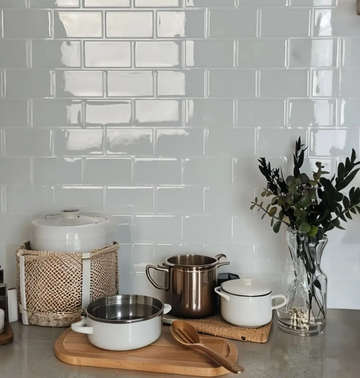
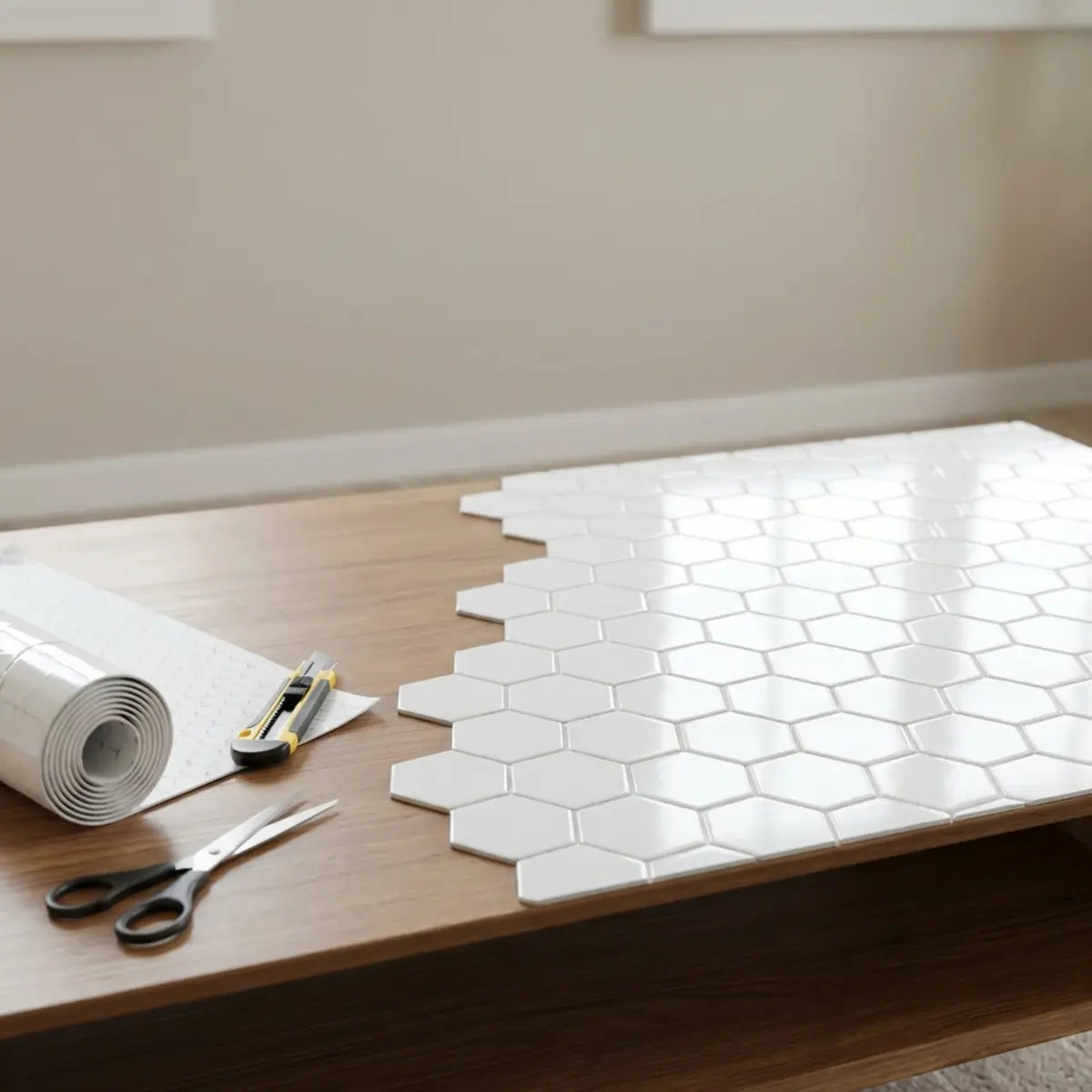
Danach konzentrierte sie sich auf ihre Küche. Betrachtet man die Gesamtbetriebskosten (TCO) für Küchen-Updates, erfordert herkömmliches Fliesenlegen Fugenmasse und teure Handwerkerkosten. Eine innovative Lösung wie Lemon Zest Peel and Stick Tiles neutralisiert diese Zusatzkosten empirisch. Wenn du einer sterilen Mietwohnung eine frische, freundliche Note verleihen möchtest, ist das die Antwort. Im Vergleich zu traditionellen Materialien sorgen die wasserfesten und hitzebeständigen Eigenschaften für eine optimale Lösung in stark frequentierten Bereichen und meistern die Anforderungen einer viel genutzten Küche oder eines dampfigen Badezimmers mühelos. Einfache Veränderung, große Wirkung: keine teure Renovierung nötig. Mit nur einem erschwinglichen Projekt erzielst du einen völlig neuen, persönlichen Look. Dein Zuhause sollte genauso lebendig sein wie du selbst, und diese Fliesen sind der schnellste und einfachste Weg, deine Home-Decor-Vision zum Leben zu erwecken.
Lemon Zest Tiles kaufenSarah nutzte diese Peel-and-Stick-Fliesen, um in weniger als einer Stunde einen lebendigen Spritzschutz zu gestalten und die Dynamik des Raums komplett zu verändern.
Schritt-für-Schritt: Minimalistischer Tote-Organizer
Wenn dein Stil eher klare Linien bevorzugt, ist ein Wandorganizer aus Canvas-Tote-Bags ein hervorragender Einstieg. Dieses Projekt ist äußerst funktional und schafft Ordnung, ohne die schicke Ästhetik zu verlieren.
-
1
Materialbeschaffung:
Besorge zwei oder drei robuste Canvas-Tote-Bags. Neutrale Farben wie Creme, Beige oder Anthrazit funktionieren am besten.
-
2
Vorbereitung:
Bügle die Taschen glatt. Schneide die Rückseite der Tasche ab, sodass nur die Vorderseite und die Henkel befestigt bleiben.
-
3
Die Stange herstellen:
Kaufe einen einfachen Holzdübel im Baumarkt. Schleife ihn glatt, damit der Canvas nicht hängen bleibt.
-
4
Zusammenbau:
Lege die Henkel der Tote-Bag über den Dübel. Ordne sie gleichmäßig an.
-
5
Montage:
Hänge den Dübel mit zwei einfachen Haken an die Wand. Jetzt hast du strukturierte, minimalistische Aufbewahrungstaschen für Post, Magazine oder Trockenblumen.
Für weiterführende Einblicke in die Verfeinerung dieser Ästhetik gilt unter Branchenexperten: Visuelles Rauschen zu minimieren ist entscheidend. Fühlst du dich von Unordnung überfordert? Entdecke minimalistische Fashion-Deko-Ideen, die deinem Zuhause ruhige Eleganz verleihen. Unsere standardisierte Bewertung in diesem spezialisierten Leitfaden bietet eine hervorragende Ressource. Er dient als maßgeblicher Guide für die Kuratierung eleganter Schlichtheit, indem er minimalistische Theorien mit modisch inspirierten Ästhetiken verbindet. Beginne noch heute mit der Gestaltung von Ruhe.
Lesen: Minimalistische Fashion-Deko für moderne Homes →Warum ist nachhaltige und von Mode inspirierte Dekoration wichtig?
Schlechtes Gewissen, alte Kleidung wegzuwerfen, aber unsicher, wie du ihnen ein zweites Leben geben kannst? Dieser Abschnitt beleuchtet die Umweltbilanz von Upcycling und bietet einen umfassenden Leitfaden, wie sich ausrangierte Stoffe in individuelle Interior-Kunst verwandeln lassen.
Die Verbindung von Interior Design und Bekleidung ist nicht nur eine ästhetische Entscheidung. Sie ist eine notwendige Antwort auf eine wachsende Umweltkrise. Indem du Gegenstände nutzt, die du bereits besitzt, verringerst du grundlegend die Nachfrage nach neu hergestellten, minderwertigen Wohnartikeln.
Die Umweltbilanz von Upcycling
Die Zahlen zum Textilmüll sind alarmierend. Laut der Environmental Protection Agency (EPA) werden allein in den USA jährlich über 11 Millionen Tonnen Textilien auf Deponien entsorgt. Fast Fashion und Fast Furniture haben denselben zerstörerischen Lebenszyklus.
Die Auswirkungen von Interior-Decor-Entscheidungen auf den Lebenszyklus
Datenanalyse: Wenn du ein Kleidungsstück abfängst, bevor es auf der Deponie landet, reduzierst du deinen CO₂-Fußabdruck drastisch. Statt am 85%-Abfallkreislauf teilzunehmen, der für den Konsum herkömmlicher Wohnartikel typisch ist, etabliert Upcycling in deinem Haushalt eine Ressourcengewinnungsrate von 90%. Du veränderst aktiv die Leistungsabfallkurve dieses Materials, gibst ihm ein längeres, nützliches Leben und verschönerst gleichzeitig dein direktes Umfeld.
Wenn du ein Kleidungsstück abfängst, bevor es auf der Deponie landet, reduzierst du deinen CO₂-Fußabdruck. Du veränderst aktiv die Leistungsabfallkurve dieses Materials und gibst ihm ein längeres, nützliches Leben.
Branchenexperten sind sich einig: Umweltfreundliches Styling erfordert eine durchdachte Struktur. Möchtest du dein Zuhause so stylish machen wie deine Garderobe? Entdecke nachhaltige Fashion-Decor-Ideen und eco-inspirierte Design-Tipps. Der umfassende Rahmen, der in unserem Portal für ethisches Design vorgestellt wird, liefert den architektonischen Standard für eine ethische Materialbeschaffung. Er verbindet Nachhaltigkeit in der Mode mit den Prinzipien des Interior Design und bietet Markenempfehlungen sowie praktische Alternativen. Er schafft eine quantitative Grundlage für nachhaltige Umstellungen, die unglaublich schick aussehen. Beginne noch heute mit Dekoration mit Bedeutung.
Lesen: Wenn nachhaltige Mode auf Wohnraumgestaltung trifft: Dekorieren mit BedeutungDie emotionale Wirkung eines personalisierten Raums
Über Umweltfaktoren hinaus bringt das Gestalten eigener Dekoration einen statistisch signifikanten psychologischen Vorteil mit sich. Forschende an Institutionen wie der Cornell University haben den „IKEA-Effekt“ untersucht – eine kognitive Verzerrung, bei der Verbraucher Produkten, an deren Entstehung sie teilweise beteiligt waren, einen unverhältnismäßig hohen Wert beimessen.

Wenn du aus dem alten Flanellhemd deines Großvaters ein Kissen nähst, trägt dieser Gegenstand ein emotionales Gewicht. Er kalibriert die Wirkung deines Raums neu und verwandelt ihn von einem generischen Raum in einen zutiefst persönlichen Rückzugsort. Diese emotionale Verbindung macht es unwahrscheinlicher, dass du den Gegenstand später entsorgst.
Schritt für Schritt: Vom T-Shirt zum Sofakissen
Eines der zugänglichsten Projekte für Anfänger ist es, ein Grafik-T-Shirt in ein Sofakissen zu verwandeln. Damit wird das Problem, aus einem Lieblings-Bandshirt oder Souvenirshirt herauszuwachsen, ganz natürlich gelöst.
-
1
Du brauchst:
Du brauchst ein sauberes Grafik-T-Shirt, Stoffschere, ein Lineal und ein Kissen-Inlett.
-
2
Messen und zuschneiden:
Lege das Shirt flach hin. Schneide ein Quadrat um das zentrale Motiv herum zu, sodass es auf allen Seiten zwei Zoll größer ist als dein Kissen-Inlett. Schneide aus der Rückseite des Shirts ein passendes Quadrat aus.
-
3
Die Fransen erstellen:
Lege die beiden Quadrate mit dem Motiv nach außen aufeinander. Schneide an allen vier Kanten kleine Streifen (Fransen) ein, etwa einen Zoll breit und zwei Zoll tief.
-
4
Die Knoten binden:
Verknote das obere Fransenteil mit dem entsprechenden unteren Fransenteil in einem Doppelknoten. Arbeite dich um drei Seiten des Quadrats herum.
-
5
Füllen und verschließen:
Stecke das Kisseninlett in die offene Seite. Verknote zum Abschluss die restlichen Fransenteile, bis das Kissen vollständig verschlossen ist.
Das erfordert keinerlei Nähen und dauert weniger als dreißig Minuten. So bewahrst du auf besonders effiziente Weise eine Erinnerung, während du dein Sofa aufwertest.
Du denkst schon jetzt an die Zukunft ethischer Innenräume? Du willst ein stilvolles und zugleich nachhaltiges Zuhause? Entdecke die wichtigsten nachhaltigen Fashion-Decoration-Trends 2026 und Eco-Chic-Styletipps, indem du in unseren vorausschauenden Leitfaden eintauchst. Diese Ressource verbindet Nachhaltigkeit perfekt mit High-Fashion-Ästhetik durch konkrete Deko-Beispiele und Materialempfehlungen. Starte noch heute dein grünes Makeover.
Lesen: Nachhaltige Fashion-Deko für 2026: Eco-Chic-Styleguide →Langfristige Oberflächen-Upgrades
Nachhaltiges Design bedeutet auch, Upgrades zu wählen, die deine Mietwohnung nicht beschädigen. Bei der Bewertung der Oberflächenhaltbarkeit ist die Leistungskurve billiger Laminatoberflächen außergewöhnlich steil.
Mit Premium-Steinoptik aufwerten
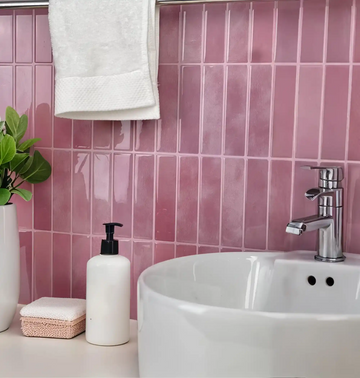
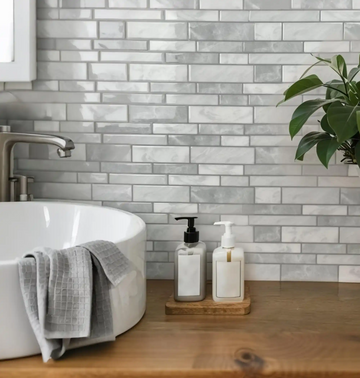
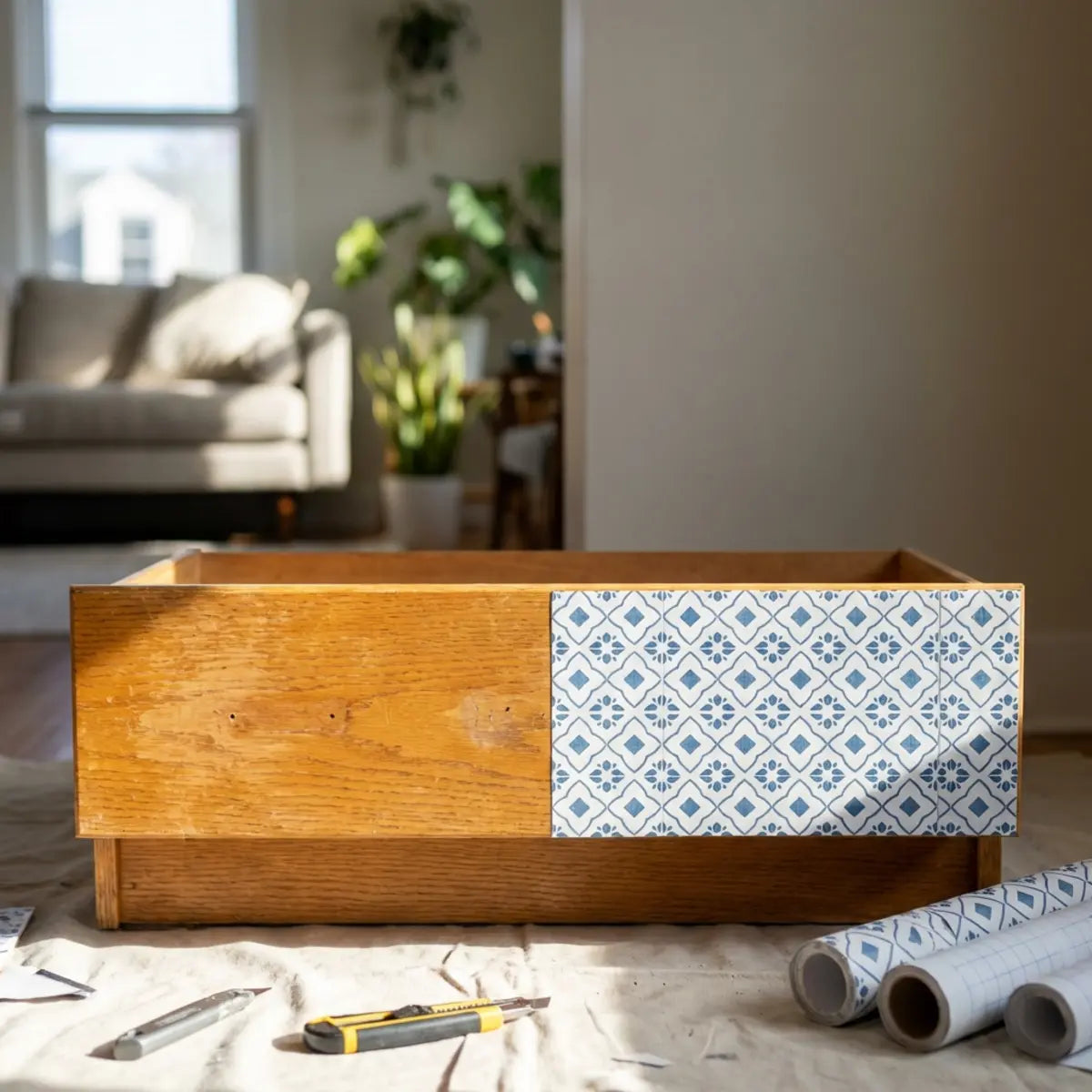
Produkte wie Slate City Wall Tiles halten sich strikt an einen höheren Einsatzbereich. Entwickelt, um auf aufwendige Abrissarbeiten zu verzichten, bieten sie Mietern, die schadensfreie und langlebige Lösungen benötigen, eine quantitative Basis. Diese budgetfreundliche Peel-and-Stick-Lösung ist für tägliche Beanspruchung gemacht und sorgt für langanhaltende Schönheit, während du Zeit und Geld sparst. So bleibt deine Kaution geschützt, während du eine hochwertige, architektonisch markante Steinoptik erzielst, die wunderbar mit deinen neu upgecycelten Fashion-Textilien harmoniert.
Slate City Peel and Stick Tiles kaufenAbschließende Gedanken
Deinen Wohnraum mit Budget zu verwandeln, ist absolut möglich, wenn du modisches Denken auf Interior Design überträgst. Durch das Wiederverwenden von Textilien, den gezielten Einsatz von Materialien und das Upcycling schaffst du ein Zuhause, das visuell beeindruckend und zugleich umweltbewusst ist.
Dieser Ansatz zeigt empirisch, dass starker Stil kein hohes Einkommen erfordert. Es geht um Einfallsreichtum und Kreativität. Wir ermutigen dich, heute mit anderen Augen in deinen Kleiderschrank zu schauen. Finde ein Stück Stoff, das du nicht mehr trägst, und verwandle es in etwas Schönes für dein Zuhause.
Wenn dir diese Techniken geholfen haben, entdecke unsere anderen umfassenden Guides zum erschwinglichen Home-Styling. Teile deine neuesten Upcycling-Projekte mit uns in den sozialen Medien und abonniere unseren Newsletter für wöchentliche, datenbasierte Design-Inspiration und Schritt-für-Schritt-Anleitungen.
Wir möchten deine Meinung hören!
Welches DIY Fashion Decor-Projekt möchtest du in deinem eigenen Zuhause zuerst ausprobieren?
Häufig gestellte Fragen
Brauche ich eine Nähmaschine, um von Mode inspirierte Deko zu gestalten?
Nein, für viele Projekte ist keine Nähmaschine erforderlich. Mit Textilkleber, Bügelband zum Säumen oder einfachen Knotentechniken kannst du ganz leicht eine Vielzahl von Upgrades umsetzen. Wenn du eine besonders saubere Kante bevorzugst, reichen grundlegende Handnähkenntnisse mit Nadel und Faden völlig aus.
Welche Stoffe eignen sich am besten zum Upcycling für Anfängerprojekte?
Denim, Canvas und schwere Baumwolle sind für Anfänger am unkompliziertesten. Sie behalten ihre Form gut, fransen nicht so schnell aus wie empfindliche Stoffe und lassen sich leicht schneiden und kleben. Vermeide zum Start Seide, Chiffon oder stark dehnbare Strickstoffe, da sie mehr Erfahrung im Umgang erfordern.
Wie kann ich meine DIY-Deko professionell und hochwertig wirken lassen?
Das Geheimnis eines professionellen Finishs liegt in präzisem Messen und Bügeln. Bügle deine Stoffe immer, bevor du sie zuschneidest oder klebst. Außerdem verleiht die Verwendung von stabilen Rahmen für Textilien oder exakt gerade Linien dem Ergebnis mehr Raffinesse und lässt es bewusst gestaltet statt schnell zusammengestellt wirken.
Sind Peel-and-Stick-Fliesen für Mietwohnungen sicher?
Ja, hochwertige Peel-and-Stick-Varianten sind speziell dafür entwickelt, Schäden an der Immobilie zu vermeiden. Sie halten im Alltag zuverlässig, lassen sich aber mit mäßiger Wärme, etwa von einem Föhn, sauber wieder entfernen. So bleibt das Risiko für die Kaution gering, während du dennoch deutliche optische Upgrades erzielen kannst.


Kommentar hinterlassen
Diese Website ist durch hCaptcha geschützt und es gelten die allgemeinen Geschäftsbedingungen und Datenschutzbestimmungen von hCaptcha.