



Börja Här
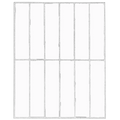
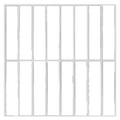
Mönsterriktning
Använd Vertikala, Horisontella Och Geometriska Layouts För Att Förändra Hur Ett Rum Känns.
Designguide
Hitta Rätt Stickwoll-Uttryck Genom Att Matcha Mönster, Färg, Yta Och Rummets Skala Med Hur Väggen Faktiskt Kommer Att Användas.
Handla KakelstilarBörja Här
Använd Vertikala, Horisontella Och Geometriska Layouts För Att Förändra Hur Ett Rum Känns.
Inspiration
Koppla ihop färg, textur, kontrast och stylingdetaljer för praktiska vägguppdateringar.
Handla
Jämför Subway, Fiskbensmönster, Hexagon, Marmorlook, Mosaik och Färgstarka Stilar.
Bra design med peel-and-stick-kakel börjar med väggens funktion. En stänkskyddsyta måste vara lätt att rengöra och ha rena kanter. En fondvägg behöver skala och balans. Ett hyresvänligt projekt kräver återhållsamhet och möjlighet att tas bort. Välj mönster, färg och yta först när du vet rummets roll, ljuset och installationsgränserna.
Börja inte med att fråga vilket kakel som är trendigt. Börja med att fråga vad väggen ska göra. Ska den lysa upp ett litet kök, lugna en badrumskommod, skapa en kameravänlig bakgrund för hemmakontoret, få ett sänggavel-liknande uttryck eller ge en vanlig vägg en mer boutiquekänsla? När målet är tydligt blir mönsterval mycket enklare.
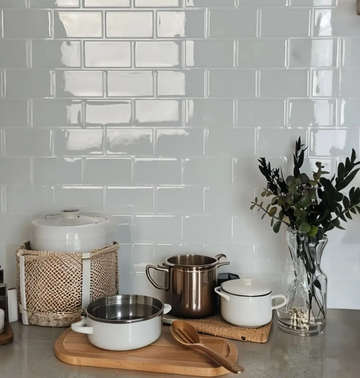
Horisontella linjer och Subway-format kan visuellt sträcka ut ett stänkskydd.
Utseenden med sten, marmor och mosaik skapar en mer lager-på-lager-känsla utan byggdamm.
Ett genomtänkt mönster bakom ett skrivbord kan få ett hemmakontor att kännas avsiktligt inrett.
Små kreativa projekt kan göra spillbitar användbara utan att du behöver ta dig an en hel vägg till.
| Mönster | Bäst För | Planeringsnotering |
|---|---|---|
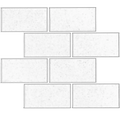
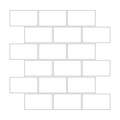
| Subway | Rena kök, badrum och nybörjarlayouter | Enkla linjer gör det lättare att kontrollera kapningar och kanter. |
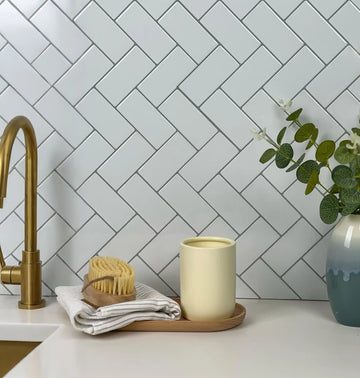
| Herringbone | Rörelse, boutiquedetaljer och blickfångsväggar | Planera avslut vid kanter innan installationen. |
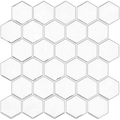
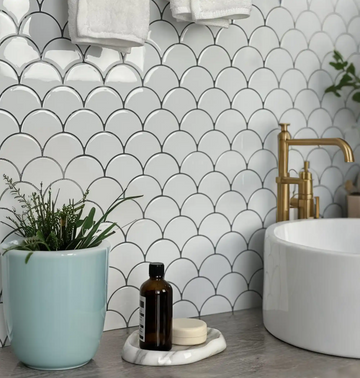
| Hexagon | Modern geometri och små accentytor | Upprepade former kräver noggrann linjering i hörn. |
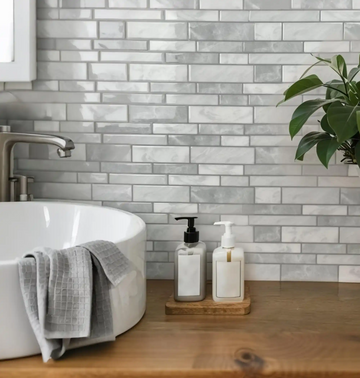
| Marmorlook | Mjuk lyx och köksdesign med hög-låg-kontrast | Ådringens riktning spelar större roll än de flesta köpare förväntar sig. |
Naturligt ljus, belysning under skåp, spegelreflektion och väggskuggor förändrar hur kakel uppfattas. Vitt och dimmiga toner kan öppna upp ett litet rum. Grönt och blått kan tillföra färg utan att kännas skrikigt. Svart, skiffer och stark kontrast fungerar bäst när väggen har tillräckligt med ljus och en ren kant. Blank yta kan ljusa upp ett mörkt hörn men kan också visa blänk och fläckar snabbare än matta ytor.
För beslut om färg och yta, läs testning av matt kontra blankt stänkskydd, linjering av fejkad marmorådring, och modetrender för inredningsfärger.
För kök, välj en produkt som är lätt att rengöra och ett mönster som är enkelt att linjera runt skåp och uttag. För badrum, använd mjuka ytor i zoner med lite stänk och behandla inte designkakel som ett vattenskydd. För kontor, prioritera kamerakomposition och kontroll av blänk. För vardagsrum, använd kaklet som en avgränsad accent i stället för att täcka varje yta. För hyresrätter, välj en mindre yta med stor effekt som kan tas bort med mindre risk.
Användbara nästa läsningar är design av TV-fondvägg, ett projekt med fejkad sänggavel, modeinspirerad heminredning, och peel-and-stick-möbelhacks.
En bra kakeldesign ska stödja rummets känsla. I ett kök behöver kaklet ofta kännas rent, tåligt och lätt att torka av. I ett badrum ska det kännas fräscht utan att låtsas lösa fuktproblem som hör hemma i tätskikt. I ett vardagsrum kan väggen vara varmare och mer dekorativ eftersom den inte utsätts för dagliga stänk. I ett hemmakontor ska mönstret hjälpa bakgrunden att se polerad ut utan att störa på bild.
Använd produktprover och verkligt ljus innan du gör det slutliga valet. Ett kakel som ser ljust ut på en produktbild kan upplevas kallare under LED-belysning. Ett blankt kakel kan reflektera belysning under skåp i ett kök. Ett starkt mönster kan se fantastiskt ut på en liten provbit men kännas för rörigt över en hel vägg. Det här är designbeslut, inte bara produktbeslut.
Välj Subway-format när du vill ha ett bekant stänkskydd med enklare linjering.
Använd ljusgrönt, blått och vitt för en ljusare vägg som ändå har personlighet.
Använd hexagoner, herringbone eller mosaikmönster för mindre fokusytor.
Använd produkter med stenlook där ådringens riktning och ljuset kan planeras noggrant.
Det enklaste sättet att få peel-and-stick-kakel att se mer polerat ut är att kontrollera var det slutar. Avsluta kaklet vid ett skåp, ett hörn, en listlinje, en hylla, en spegelkant eller en uppmätt designgräns. Undvik att låta kaklet sluta slumpmässigt mitt på väggen om inte just det avbrottet är en del av designen. Om kanten blir synlig, planera för list eller ett rent avslut före installation.
Efter det, visa återhållsamhet. En stark fondvägg kan se mer genomtänkt ut än tre delvis kaklade ytor. Ett enkelt Subway-kakel kan se mer premium ut än ett komplicerat mönster som installeras runt för många hinder. När du är osäker, välj den layout som blir enklast att linjera, rengöra och leva med längst.
Det vanligaste designmisstaget med peel-and-stick-kakel är att välja mönster innan man väljer väggens roll. En rörig mosaik kan se spännande ut på en närbild men kännas stökig över ett helt stänkskydd. Ett mörkt kakel med marmorlook kan se elegant ut online men behöva bättre ljus i ett litet hyrkök. En liten hexagon kan ge en kommod ett skräddarsytt uttryck, men den kan också dra mer uppmärksamhet till foglinjer än ett lugnare Subway-mönster.
Använd rummets fasta delar som designram: skåpfärg, bänkskivans ton, armaturens finish, golv, väggfärg och naturligt ljus. Om de här elementen redan är livliga, välj ett lugnare kakel. Om rummet är enkelt kan herringbone, kustfärg, fejkad sten eller en metallisk accent ge energi. De bästa idéerna för peel-and-stick-kakel känns som en del av rummet, inte som en separat dekoration som lagts ovanpå det.
Så Bygger Du En Designboard
Enkel regel: välj ett huvudsakligt visuellt grepp: mönster, färg, textur eller lyster. När ett peel-and-stick-kakel försöker göra alla fyra samtidigt kan rummet kännas mindre och svårare att inreda.
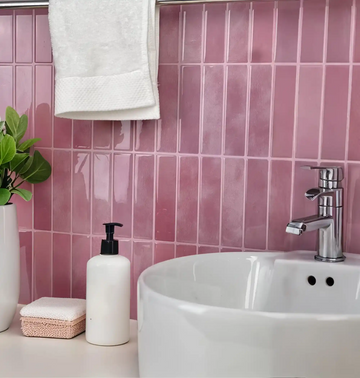
För färgdriven design, låt rummet avgöra hur stark du ska gå. Ett vitt kök kan må bra av mjukt grönt, kustblått eller varm sten. Ett kök med mörka skåp kan behöva ett ljusare kakel för att väggen inte ska kännas tung. Ett badrum med kromarmaturer ser ofta renare ut med ljusa neutrala toner, medan mässing eller svarta armaturer kan bära upp starkare kontrast. Använd produktprover och foton från verkliga rum tillsammans så att det slutliga valet bygger på ditt ljus, inte bara på en katalogbild.
När du ringar in känslan, jämför
Subway väggkakel, Herringbone-kakel, Hexagon-kakel, och Snowfish Marble sida vid sida.
Subway-layouter är oftast enklast att börja med eftersom linjerna är förutsägbara och det är enklare att planera avslut.
Inte alltid. Små rum gynnas ofta av enklare och lugnare mönster. Mönstrets skala bör matcha väggens roll och antalet snitt som krävs.
Planera kanter, linjera synliga linjer, undvik att täcka för mycket och välj en produktstil som passar rummet i stället för att bara följa en trend.