




Adhesive Forensics: Sichere Lösungsmittel Für Drywall-Rückstände
Ein Deterministischer, Wissenschaftlich Gestützter Ansatz Zum Entfernen Hartnäckiger Wandkleber, Ohne Ihre Farbe Zu Zerstören Oder Ihre Kaution Zu Verlieren.
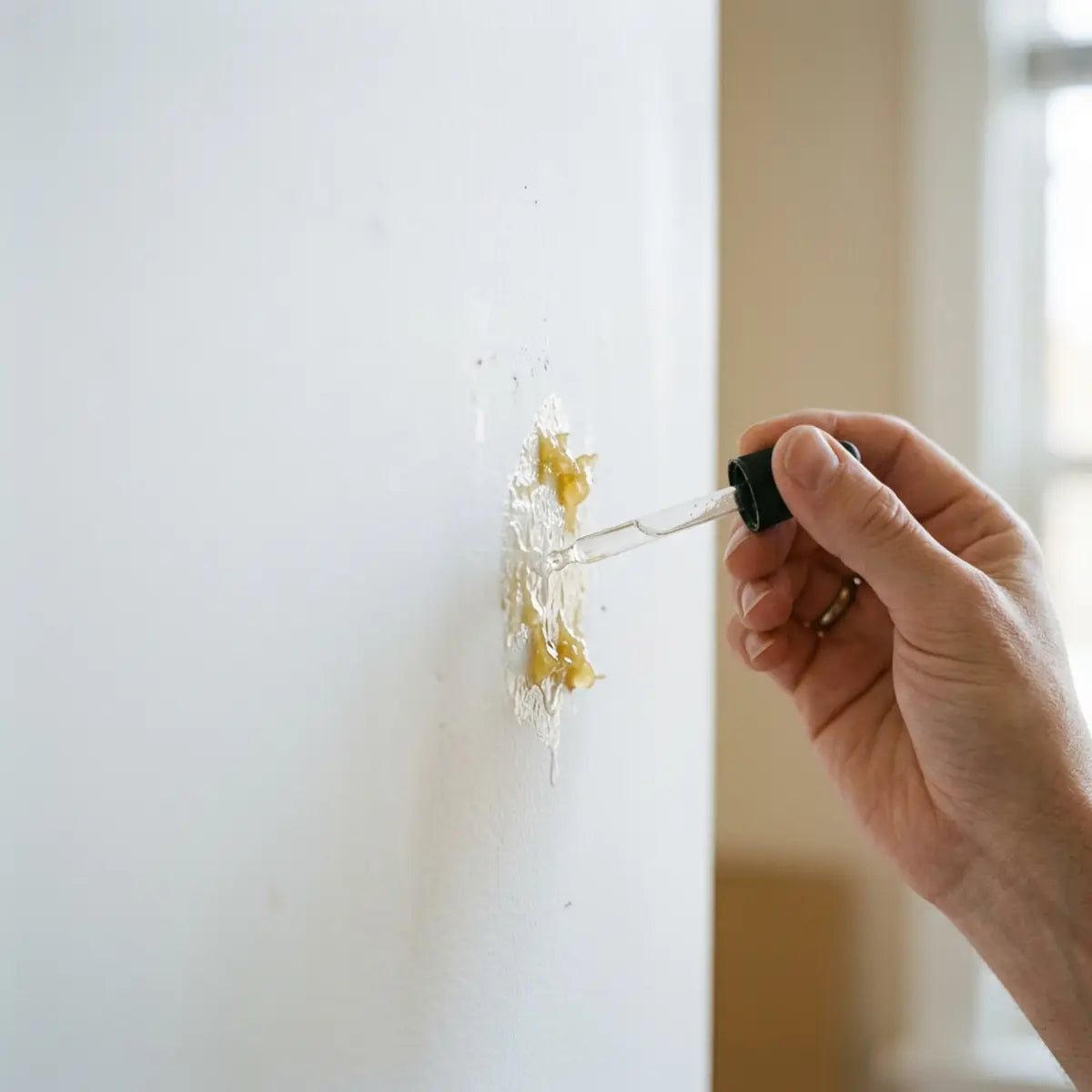
Die Meisten Schäden An Drywall Entstehen In Einem Moment Der Frustration. Hausbesitzer Greifen Oft Zu Einem Metallschaber Oder Gießen Ein Aggressives Lösungsmittel Direkt Auf Die Wand, Bevor Sie Den Spezifischen Klebstoff Analysieren, Mit Dem Sie Es Zu Tun Haben. Dieser Reaktive Ansatz Zerstört Leicht Die Farbe, Reißt Die Papierschicht Der Drywall Ein Und Garantiert Einen Verlorenen Mietkautionsbetrag. Die Psychische Belastung Des Auszugs, Verstärkt Durch Die Plötzliche Panik, Eine Wand Vollständig Durch Hartnäckige, Klebrige Kleberückstände Verunstaltet Zu Sehen, Treibt Viele Gutmeinende DIYer In Eine Zerstörerische Spirale. Im Verzweifelten Versuch, Die Oberfläche Zu Reinigen, Setzen Sie Aggressive Chemikalien Um Mitternacht Ein Und Hoffen Auf Ein Wunder, Nur Um Am Nächsten Morgen Dauerhaft Verfärbte, Aufgeblähte Und Beschädigte Wände Vorzufinden. Wir Müssen Diese Gesamte Entscheidungslogik Um Einen Strengen Wand-Schaden-Risikoindex Neu Ausrichten, Statt Einfach Die Stärkste, Schnellst Wirksame Chemikalie Im Baumarktregal Zu Suchen.
Die Sicherste Methode, Hartnäckige Peel-And-Stick-Rückstände Von Drywall Zu Entfernen, Besteht Darin, Mit Kontrollierter Wärme, Einem Kunststoffschaber Und Einer Milden Seifenlösung Zu Beginnen. Sie Sollten Erst Dann Zu Niedrigrisiko-Lösungsmitteln Wie 70% Isopropylalkohol Oder Minimalen Mengen Citrus-Kleberentferner Übergehen, Nachdem Sie Einen Sorgfältigen, Wissenschaftlich Sauberen Fleckentest Durchgeführt Haben. Vermeiden Sie Aceton, Nitroverdünnung, Aggressives Schleifen Mit Grober Körnung Und Vollständig Durchtränkte Anwendungen. Diese Aggressiven Methoden Können Die Darunterliegende Farbmatrix Aufweichen, Die Poröse Papierschicht Der Drywall Verfärben Oder Umfangreiche Ausbesserungs-, Spachtel- Und Strukturierarbeiten Erzeugen, Für Die Ein Professioneller Handwerker Nötig Wäre. Letztlich Ist Das Absolute Beste Lösungsmittel Dasjenige, Das Den Klebstoff Entfernt Und Dabei Die Drywall-Papierschicht, Die Farbhaftung Und Die Bereitschaft Fürs Neue Anstreichen Vollständig Erhält.
Um Diesen Delikaten Chemischen Prozess Erfolgreich Durchzuführen, Müssen Sie Die Spezifische Art Der Rückstände Diagnostizieren, Bevor Sie Ein Produkt Wählen. Klebstoffe Verändern Mit Der Zeit Ihren Zustand; Sie Oxidieren, Kristallisieren Oder Werden Je Nach Umwelteinwirkung Zu Undurchdringlichen, Klebrigen Schichten. Verwenden Sie Immer Die Mechanisch Oder Chemisch Am Wenigsten Aggressive Methode, Die Für Ihre Spezifische Situation Funktioniert. Schließlich Müssen Sie Die Oberfläche Gründlich Reinigen, Neutralisieren Und Versiegeln, Bevor Sie Neue Farbe Auftragen, Um Lang Anhaltende Ergebnisse Zu Gewährleisten. Das Überspringen Dieser Neutralisierungsschritte Ist Die Hauptursache Für Misserfolge Beim Neuanstrich In Der Branche.

Wenn Sie Mieten, Wird Die Grenze Zwischen „Normale Abnutzung“ Und „Sachbeschädigung“ Bei Der Bewertung Von Drywall Sehr Genau Geprüft. Vermieter Berechnen Abzüge Nicht Auf Grundlage Der Kosten Einer Farbdose; Sie Berechnen Sie Auf Basis Der Professionellen Handwerkerkosten Für Spachteln, Strukturieren Und Das Neuanstreichen Einer Ganzen Wand. Wenn Sie Beim Entfernen Von Klebstoff Aus Versehen Die Drywall-Papierschicht Einreißen, Dokumentieren Sie Den Schaden Sofort Mit Fotos. Bevor Sie Mit Ungeübten Spachtelreparaturen Beginnen – Die Oft Schlimmer Aussehen Als Der Riss Selbst Und Den Schaden Noch Hervorheben – Überlegen Sie, Ob Sie Ihren Vermieter Kontaktieren Sollten. Transparente Kommunikation Über Kleine Schäden Führt Oft Zu Geringeren Gebühren, Als Einen Schlecht Ausgeführten Flickversuch Unter Nicht Passender Farbe Zu Verstecken.
Lesen Sie Den Vollständigen Leitfaden Zur Entfernung Für MieterWas Ist Die Sicherste Methode, Peel-And-Stick-Kleber Von Drywall Zu Entfernen?
Haben Sie Schon Einmal Befürchtet, Dass Das Abschaben Von Altem Fliesenkleber Ihre Wände Wie Eine Zerrissene Papiertüte Aussehen Lässt? Dieser Abschnitt Beschreibt Ein Spezielles Eskalationssystem – Prüfen, Erwärmen, Testen Und Das Auftragen Von Mikro-Dosen Sicherer Lösungsmittel – Damit Sie Rückstände Entfernen Können, Ohne Ihre Kaution Oder Die Integrität Der Drywall Zu Gefährden.
Bei Der Bewertung Der Gesamtauswirkungen Der Klebstoffentfernung Auf Innenwände Erfordert Die Grundlegende Methode Eine Strikte Einhaltung Eines Wand-Schaden-Risikoindex (WDRI). Der WDRI Ist Ein Bewerteter Maßstab, Der Das Risiko Von Rissen In Der Drywall-Papierschicht, Das Risiko Des Aufweichens Der Farbe, Das Risiko Einer Rückstandskontamination, Die Belastung Durch Flüchtige Organische Verbindungen (VOC) Und Die Gesamtauswirkung Auf Die Bereitschaft Zum Neuanstrich Kombiniert. Durch Die Anwendung Dieses Quantitativen Index Verschieben Wir Die Erzählung Von Einer Chaotischen, Panischen Reinigung Hin Zu Einer Kontrollierten, Architektonischen Erhaltungsmaßnahme. Drywall Ist Von Natur Aus Empfindlich; Es Besteht Im Wesentlichen Aus Einem Kern Aus Kreidigem Gipsstaub, Eingebettet Zwischen Schwerem Bastelpapier. Die Dünne Schicht Aus Latex- Oder Acryfarbe Ist Die Einzige Barriere, Die Dieses Empfindliche Papier Vor Den Verheerenden Auswirkungen Flüssiger Lösungsmittel Schützt.
Durch Die Empirische Neutralisierung Von Willkürlichen Vermutungen Bietet Der WDRI Eine Standardisierte Bewertung Für Alle DIYer Und Handwerker Gleichermaßen. Der Branchenkonsens Besagt, Dass Mechanische Schäden An Gipskarton Weit Teurere Reparaturarbeiten Verursachen Als Chemische Verfärbungen. Daher Muss Ihre Entfernungsstrategie Vor Allem Den Erhalt Der Wandoberfläche Priorisieren. Eine Einzige Kerbe Durch Einen Stahlschaber Kann Drei Separate Schichten Fugenspachtel, Stunden Trocknungszeit, Sorgfältiges Schleifen, Spezielle Grundierung Und Präzise Farblich Angepasste Anstriche Erfordern, Um Dies Zu Beheben.
Das Problem Vorbeugen, Bevor Es Beginnt
Die Komplexität Beim Entfernen Hartnäckiger Wandkleber Lässt Sich Großteils Vermeiden, Indem Man Von Anfang An Die Richtige Anwendungstechnik Versteht. Viele Klebeverbindungen Werden Übermäßig Aggressiv, Weil Die Wand Nicht Ordentlich Vorbereitet War Oder Die Falsche Art Von Temporärer Fliese Auf Einen Ungeeigneten Glanzgrad Der Farbe Gezwungen Wurde. Das Verständnis Des Lebenszyklus Von Peel-And-Stick-Materialien Ist Für Jeden Mieter, Der Angst Vor Dem Verlust Seiner Kaution Hat, Entscheidend. Um Den Lebenszyklus Ihrer Wanddekoration Wirklich Zu Beherrschen Und Sicherzustellen, Dass Sie Von Tag Eins An Bewährte Verfahren Anwenden, Empfehlen Wir Ihnen Sehr, Unser Umfassendes Grundprotokoll Zu Erkunden. Entdecken Sie Die Präzisen Mieterfreundlichen Methoden Für Eine Nahtlose Anbringung Und Schadensfreie Entfernung, Indem Sie Unseren Speziellen Leitfaden Zu So Bringen Sie Stickwoll-Fliesen An Und Entfernen Sie Sie, Ohne Wände Zu Beschädigen. Diese Unverzichtbare Lektüre Ist Die Ultimative Vorbeugende Maßnahme Und Stellt Sicher, Dass Ihre Künftigen Entfernungsarbeiten Mühelos Sind.
Diagnose Von Druckempfindlichen Klebstoffen (PSA)
Peel-And-Stick-Produkte Basieren Typischerweise Auf Druckempfindlichen Klebstoffen (PSA). PSAs Sind Einzigartig Entwickelte Polymere, Die Bei Ausgeübtem Druck Eine Verbindung Eingehen Und Bei Raumtemperatur Dauerhaft Klebrig Bleiben. Anders Als Aushärtende Klebstoffe (Wie Holzleim Oder Epoxidharz), Die Eine Chemische Umwandlung Durchlaufen, Um Zu Härten, Verlassen Sich PSAs Auf Viscoelastizität – Sie Fließen Wie Eine Dicke Flüssigkeit, Um Die Mikroskopische Oberflächenstruktur Der Wand Zu Benetzen, Widerstehen Aber Scherkräften Wie Ein Feststoff, Um Die Fliese An Ort Und Stelle Zu Halten. Diese Doppelnatur Macht Sie So Unglaublich Schwer Zu Entfernen.
Zu Verstehen, In Welchem Aktuellen Zustand Sich Ihre PSA-Rückstände Befinden, Bestimmt Die Nächsten Schritte. Im Laufe Der Zeit Verändern Diese Komplexen Viscoelastischen Klebstoffe Ihren Zustand In Abhängigkeit Von Temperaturschwankungen, UV-Lichteinwirkung, Oxidation Und Der Spezifischen Chemischen Zusammensetzung Der Materialien, Mit Denen Sie Verbunden Sind.
Interaktive Diagnose: Bestimmen Sie Den Zustand Ihrer Rückstände
Wählen Sie Die Beschreibung, Die Am Besten Zu Dem Klebstoffrückstand Passt, Der Derzeit An Ihrer Wand Haftet, Um Ihr Individuelles Entfernungsprotokoll Anzuzeigen.
Das Grundprotokoll: Hitze Und Mechanische Entfernung
Bevor Sie auch nur einen Tropfen Flüssigkeit auf gestrichene Gipskartonplatte geben, müssen Sie mithilfe thermischer Einwirkung eine quantitative Ausgangsbasis schaffen. Hitze wirkt als nicht zerstörerischer physikalischer Katalysator; sie senkt die Viskosität des Klebstoffs und verwandelt ihn von einem halbfesten Haltezustand zurück in einen fließenden, flüssigen Zustand. Dadurch verlieren die Polymere ihren mechanischen Griff an der mikroskopischen Oberflächenstruktur der Farbe, oft als "Struktur" der Farbe bezeichnet.
Um die thermische Entfernung sicher durchzuführen, verwenden Sie einen herkömmlichen Föhn auf mittlerer Stufe. Halten Sie die Düse genau sechs Zoll von der Wand entfernt und bewegen Sie sie in einer gleichmäßigen, rhythmischen Hin-und-her-Bewegung exakt fünfundvierzig Sekunden lang. Dieser Abstand und diese Dauer kalibrieren die Oberflächentemperatur perfekt—sie erwärmen den Kleber, ohne die Schwelle zu überschreiten, bei der Latexfarbe Blasen wirft und sich vom Gipskartonpapier löst.
Verwenden Sie niemals eine kommerzielle Heißluftpistole zum Abbeizen von Farbe. Industrielle Heißluftpistolen können leicht 800°F (426°C) überschreiten. Bei diesen Temperaturen werden Sie Innenlatexfarbe schnell aufblähen, die rohe Gipskarton-Papierkaschierung darunter dauerhaft versengen und sogar riskieren, die chemischen Bestandteile des Klebstoffs in giftige Dämpfe zu verdampfen. Ein Föhn ist die maximale thermische Grenze für den Erhalt von Innenwänden.
Außerdem gilt beim Wechsel zu flüssigen Mitteln, Gipskarton niemals durchnässen oder Lösungsmittel direkt auf die vertikale Wandfläche sprühen. Flüssigkeit folgt dem Weg des geringsten Widerstands. Sprühen erzeugt unkontrollierbare Tropfen, die die Wand hinablaufen, Sockelleisten durchdringen, in den Unterboden sickern und das ungestrichene Papier am unteren Rand der Gipskartonplatte dauerhaft zerstören. Tragen Sie Ihre Lösung immer direkt auf Ihr Tuch auf.
Sobald der Klebstoff warm und geschmeidig ist, verwenden Sie ein starres Kunststoffspachtelmesser. Eine Kunststoffkante verringert das Risiko von Auskerbungen von Natur aus im Vergleich zu starren Stahlwerkzeugen, die leicht unsichtbare Fugen oder Unebenheiten in der Wandstruktur erfassen.
-
Der Angriffswinkel: Halten Sie die Kunststoffklinge in einem flachen 15-Grad-Winkel zur Wand. Dieser spitze Winkel sorgt dafür, dass die Klinge unter den Rückstand gleitet, statt in die Farbschicht hineinzudringen.
-
Kurze Bewegungen: Drücken Sie in kontrollierten Schritten von jeweils einem Zoll vor. Lange, kräftige Stöße erhöhen die Wahrscheinlichkeit erheblich, eine unsichtbare Farbfuge, ein ausgebessertes Nagelloch oder eine Gipskartonfuge zu erwischen, was das Papier sofort einreißen würde.
-
Die Rolltechnik: Wenn sich der Klebstoff am Rand der Klinge sammelt, rollen Sie ihn mit dem Daumen zu einer kompakten Kugel. Diese Kugel selbst wird dann zu einem Werkzeug; sie kann verwendet werden, um verbleibende Klebstoffreste fest abzutupfen und abzuheben, da Klebstoff natürlicherweise lieber an sich selbst als an der Wand haftet.
Historische Untergründe: Umgang Mit Extremer Zerbrechlichkeit
Wenn es um den Erhalt historischer Häuser, jahrhundertealtem Latt- und Putzsystem oder äußerst empfindlichen baulichen Untergründen geht, wird eine standardisierte, empirische Bewertung unbestreitbar entscheidend. Die reine mechanische Kraft, die auf modernen Gipskarton angewendet wird, würde brüchigen historischen Putz sofort aufreißen und zu katastrophalem strukturellem Zerfall führen, dessen Reparatur umfassende Maurerkenntnisse erfordert. Der umfassende analytische Rahmen, der in unserem Spezialartikel erläutert wird, Wir Haben Die Sicherste Methode Getestet, Um Fliesen Von Altem Putz Zu Entfernen, liefert die quantitative Grundlage, die erforderlich ist, um diese grundlegenden mechanischen Methoden umzusetzen, ohne einen kritischen Ausfall zu verursachen. Wenn Ihr Haus vor 1960 gebaut wurde, ist die Prüfung dieser Daten eines Denkmalschutzexperten unverzichtbar, bevor Sie auch nur einen Schaber ansetzen.

Erste Lösungsmittel Nach Dem Wand-Schaden-Risikoindex Rangieren
Wenn kontrollierte Hitze und sanfte Reibung den PSA vollständig nicht entfernen—was bei stark oxidierten oder tief eingebetteten Klebern häufig vorkommt—müssen Sie intelligent zu flüssigen Mitteln übergehen. Die Gypsum Association definiert über den GA-214-Standard klar die extreme Empfindlichkeit von papierkaschierten Gipskartonplatten. Wenn diese Trägerschicht über längere Zeit Feuchtigkeit ausgesetzt wird, führt das sofort zu Aufquellen, starker Delaminierung und schließlich zu strukturellem Versagen, das das gesamte Wandsystem beeinträchtigt.
Daher müssen Flüssigkeiten in hoch kontrollierten, lokal begrenzten Mikroeinsätzen verwendet werden. Wie betont, tragen Sie Lösungsmittel ausschließlich auf ein Mikrofasertuch auf und sprühen Sie sie niemals direkt auf die vertikale Wandfläche, wo die Schwerkraft Tropfen in Sockelleisten und Unterboden drücken würde.
| Lösungsmitteloption | WDRI-Wert (1=Am Sichersten, 10=Höchstes Risiko) |
Hauptmechanismus | Risiko Für Gipskartonpapier | Risiko Einer Erweichung Der Farbe |
|---|---|---|---|---|
| Warmes Wasser & Spülseife | 2 | Tensid (bricht Oberflächenspannung) | Mäßig (Wenn Stark Eingeweicht) | Sehr Gering |
| 70% Isopropylalkohol | 3 | Mildes Lösungsmittel (Löst Leichte Acrylreste) | Gering (Verdunstet Schnell) | Gering Bis Mäßig |
| Zitronen-Klebstoffentferner | 5 | Natürlicher Entfetter (D-Limonen) | Gering | Mäßig (Hinterlässt Einen Öligen Film) |
| Testbenzin | 7 | Erdöldestillat | Mäßig (Verfärbt Papier Dunkel) | Hoch (Weicht Latexfarbe Schnell Auf) |
| Aceton | 10 | Starkes Keton-Lösungsmittel | Hoch (Schnelles, Tiefes Eindringen) | Extrem (Schmilzt Farbe Sofort) |
Führen Sie Mit Jedem Lösungsmittel Immer Einen Strengen Flecktest An Einer Sehr Versteckten Stelle Durch, Zum Beispiel Direkt Hinter Einer Fußleiste, Hinter Einem Großen Möbelstück Oder Unter Einer Entfernten Steckdosenabdeckung. Tragen Sie Die Chemikalie Sparsam Auf, Warten Sie Genau Drei Minuten, Bis Das Lösungsmittel Wirkt, Und Wischen Sie Dann Mit Einem Sauberen Weißen Lappen Fest Darüber. Prüfen Sie Sorgfältig, Ob Sich Farbpigmente Auf Ihren Lappen Übertragen, Ob Die Lackoberfläche Mikroblasen Bildet Oder Ob Ein Anhaltender Unangenehmer Chemischer Geruch Bleibt. Wenn Eines Davon Auftritt, Ist Das Lösungsmittel Für Die Spezielle Lackformulierung Ihrer Wand Zu Aggressiv.
Sichere Schabetechnik Und Schutz Des Untergrunds
Selbst Mit Dem Absolut Richtigen Lösungsmittel Führt Eine Falsche Schabetechnik Innerhalb Von Sekunden Zu Katastrophalen Wandschäden. Die Oberfläche Standardmäßiger Moderner Drywall Ist Im Wesentlichen Schweres, Poröses Bastelpapier. Die Dünne Schicht Aus Latex- Oder Acrylfarbe Darauf Wirkt Als Wasserdichte Schutzbarriere. Sobald Diese Schutzschicht Durchbrochen, Verkratzt Oder Eingekerbt Wird, Saugt Das Freiliegende Papier Darunter Flüssigkeiten Mit Erschreckender Geschwindigkeit Auf Und Verstärkt Den Schaden Exponentiell.
Sie Müssen Während Des Physikalischen Entfernens Ständig Auf Visuelle „Stoppschilder“ Achten. Frühzeitig Eine Beschädigung Des Untergrunds Zu Erkennen, Ist Der Unterschied Zwischen Einem Schnellen Abwischen Und Dem Anruf Eines Professionellen Trockenbauers.
Visueller Leitfaden: Anzeichen Für Eine Beschädigung Des Untergrunds
Ihre Finanzielle Haftung Absichern
Bei der Bewertung von Scherfestigkeit und chemischer Beständigkeit von Latexfarbe während der aggressiven Entfernung von Klebstoffresten verschieben sich die architektonischen und rechtlichen Maßstäbe für Mieter drastisch. Sicherzustellen, dass die schützende Latexbarriere intakt bleibt, ist der mit Abstand wichtigste Faktor, um Ihre Mietkaution beim Auszug zu sichern. Die spezialisierten Schutzprotokolle und rechtlichen Hinweise, die in So Entfernen Sie Peel-And-Stick-Fliesen, Ohne Farbe Zu Entfernen: Der Ultimative Mieterguide beschrieben werden, liefern eine optimale, getestete Vorgehensweise zum Schutz des Untergrunds. Wenn Sie diese Schritt-für-Schritt-Methoden für Mieter studieren, verschaffen Sie sich die Werkzeuge und Techniken, die Sie brauchen, um strenge Objektkontrollen souverän zu bestehen.
Welche Lösungsmittel Sollten Sie Vor Dem Neu Streichen Verwenden, Vermeiden Und Entfernen?
Sind Sie verwirrt von widersprüchlichen Ratschlägen zu Isopropylalkohol, starken Citrus-Entfernern und Farbverdünnern? In diesem Abschnitt werden chemische Lösungsmittel entmystifiziert, indem klare Entscheidungsregeln aufgestellt werden, gezeigt wird, welche gängigen Haushaltschemikalien Ihre Farbe zerstören, und die genauen Vorbereitungsschritte für ein makelloses Neuanstreichen erläutert werden.
Um absolut erfolgreiche weitere Wandbehandlungen zu gewährleisten – sei es eine frische Schicht Grundierung, neue Farbe oder neue Tapete –, müssen wir jede chemische Wahl anhand eines strengen Repaint-Readiness-Score (RRS) bewerten. Der RRS ist eine fortschrittliche Kennzahl, die die Wahrscheinlichkeit definiert, dass der gereinigte, abgeschabte Drywall nahtlos neue Grundierung und Latexfarbe annimmt, ohne katastrophale optische Fehler wie Fischaugen, chemisches Durchschlagen, starkes Abblättern oder grobe Texturfehler zu verursachen.
Statistisch signifikante Branchendaten zeigen, dass erstaunliche 70% der Anstrichfehler, die nach der Entfernung von Klebstoff auftreten, durch mikroskopische, unsichtbare chemische Rückstände verursacht werden, die vom Lösungsmittel selbst zurückbleiben, nicht vom ursprünglichen Kleber. Wenn Sie das von Ihnen gerade aufgetragene Reinigungsmittel nicht chemisch neutralisieren, verurteilen Sie Ihren nächsten Anstrich bereits zum Scheitern, noch bevor Sie die Farbdose öffnen.
Wenig-Risiko-Lösungsmittel Handhaben: Citrus-Entferner Und Isopropylalkohol
Citrus-Klebstoffentferner (wie Goo Gone und ähnliche Marken) nutzen D-Limonen, eine natürlich vorkommende, hochwirksame organische Verbindung, die vor allem aus Zitrusschalen gewonnen wird. Diese Verbindung ist äußerst effizient beim Aufbrechen der klebrigen, vernetzten Polymerbindungen hartnäckiger Klebstoffe. Doch obwohl D-Limonen sehr wirksam beim Lösen von zähem Kleber ist, bringt es bei Renovierungen zu Hause eine besondere, oft übersehene Herausforderung mit sich: Es ist im Grunde ein Öl.
Wenn Sie eine dicke Schicht Citrus-Entferner auftragen, die Wand abkratzen und das entstandene gelöste Klebstoffgemisch lediglich mit einem trockenen Tuch wegwischen, bleibt ein unsichtbarer, hartnäckiger Ölfilm dauerhaft mit der Farbstruktur verbunden. Wenn Sie versuchen, frische, wasserbasierte Latexfarbe oder Grundierung über diesen Ölfilm zu rollen, wird sich die neue Beschichtung bei Kontakt schnell trennen. Dadurch entsteht über Ihrer Wand eine narben- und kraterartige Struktur, die in der Malerbranche als „Fisheyeing“ bezeichnet wird.
Um diese ölhaltige Gefahr mathematisch zu neutralisieren, müssen Citrus-Entferner immer von einem gezielten, gründlichen Entfettungsschritt gefolgt werden. Waschen Sie den behandelten Bereich gründlich mit einer wirksamen Mischung aus warmem Wasser und einem hochwertigen, fettlösenden Spülmittel (das als Tensid wirkt). Dieses Tensid bricht die Oberflächenspannung des D-Limonen-Öls auf und löst es von der Wand. Spülen Sie den Bereich anschließend sorgfältig mit einem sauberen, feuchten Tuch nach, um die Seifenreste zu entfernen, und trocknen Sie die Wand vollständig mit Luftstrom oder einem Mikrofasertuch.
Die Wissenschaft Der Oberflächeneutralisierung
Wenn man es mit standardmäßigen öligen Kohlenwasserstoffrückständen vergleicht, ist die absolut richtige chemische Neutralisationssubstanz entscheidend für den Erfolg Ihres Projekts. Zu raten, welches Reinigungsmittel man verwenden soll, kann das Öl einfach noch weiter über die Wand verteilen. Die standardisierte, evidenzbasierte Bewertung in Wir Testeten Entfetter Auf Peel-And-Stick-Spritzschutz zeigt empirisch, welche konkreten milden Haushaltsreiniger hartnäckige Kohlenwasserstoffrückstände erfolgreich entfernen, ohne die darunterliegende empfindliche Farbschicht zu beeinträchtigen, aufzuweichen oder abzutragen. Wir empfehlen dringend, dies zu lesen, bevor Sie Ihr Reinigungsmittel für die Nachreinigung auswählen.
Im Gegensatz dazu verdampft 70% Isopropylalkohol (IPA) unglaublich sauber in die Atmosphäre, ohne messbare physische Rückstände zu hinterlassen. Diese bemerkenswerte Eigenschaft macht ihn zu einer hervorragenden, risikoarmen Wahl für leichte Klebstoffentfernung und Feinarbeiten. IPA ist jedoch nicht ohne klare Grenzen. Er kann auf minderwertigen oder schwach glänzenden Latexfarben als „langsames Lösungsmittel“ wirken. Lassen Sie Alkohol auf flachem oder mattem gestrichenen Drywall nicht länger als sechzig Sekunden nass stehen, sonst beginnen die Chemikalien, die Bindemittel in der Farbe aufzuweichen, und das Pigment wird direkt auf Ihr Tuch übertragen.
Die Gefahren Von Terpentinersatz Und Aceton Auf Gestrichenen Wänden
Terpentinersatz – ein schweres, aus Erdöl gewonnenes Lösungsmittel – kann schwere Industriemastixe und stark gealterte, kristallisierte Baukleber effizient und schonungslos lösen. Seine Verwendung auf standardmäßigem Innen-Drywall für Wohnräume bringt jedoch erhebliche, oft irreversible Komplikationen mit sich.
Erstens erfordert Terpentinersatz eine intensive, aktive Belüftung aufgrund der Emission hochschädlicher, konzentrierter flüchtiger organischer Verbindungen (VOCs). Außerdem besitzt dieses Lösungsmittel eine notorisch langsame Verdunstungsrate. Wenn Terpentinersatz es schafft, in einen mikroskopischen Riss in der Farbschicht, ein Nadelloch oder eine feine Naht einzudringen, erreicht er das darunterliegende poröse Drywall-Papier. Dort breitet er sich durch Kapillarwirkung aus und hinterlässt einen dauerhaften, dunklen, kriechenden Ölfleck, der unaufhaltsam durch mehrere frische Schichten teurer Grundierung und Farbe hindurchschlägt.
Aceton stellt ein extremes, katastrophales Risiko für innen gestrichene Wände dar. Obwohl es stark damit beworben wird, Superkleber, Nagellack und schwere Epoxidharze effektiv zu entfernen, mindert seine Verwendung auf Drywall Ihre Chancen auf eine saubere, kostengünstige Reparatur grundlegend.
Aceton ist ein extrem starkes, schnell wirkendes Keton, das wasserbasierte Latexfarben und moderne Acryl-Wandfarben beim Kontakt sofort wieder verflüssigt. Das Auftragen von Aceton auf eine gestrichene Wand erzeugt in kurzer Zeit ein verschmiertes, klebriges, nicht mehr rückgängig zu machendes Durcheinander aus gelöstem Farbpigment und Kleber und legt das fragile, rohe braune Drywall-Papier darunter innerhalb von Sekunden vollständig frei. Aceton muss für diese Anwendung strikt und vollständig vermieden werden. Testen Sie Es Nicht Einmal Punktuell.
Die Chemische Degradationskurve
Bei der Bewertung der Leistungsabfallkurve gängiger Haushaltschemikalien greifen viele frustrierte Heimwerker blind unter die Küchenspüle nach scharfen Reinigern, ohne sich der verheerenden chemischen Folgen bewusst zu sein. Bleichmittel, Ammoniak und stark alkalische Entfetter können chemisch mit Klebstoffen reagieren, giftige Dämpfe erzeugen oder die Verbindung weiter verfestigen. Die umfassende, deterministische Aufschlüsselung in 7 Reiniger, Die Peel-And-Stick-Fliesenkleber Zerstören liefert klare Ergebnisse dazu, wie aggressiv diese problematischen Formeln sowohl synthetische Klebstoffe als auch empfindliche Oberflächenbeschichtungen angreifen. Machen Sie sich mit diesen 7 schädlichen Chemikalien vertraut, bevor Sie Ihre Drywall-Oberfläche versehentlich dauerhaft ruinieren.
Der Schritt-Für-Schritt-Workflow Zur Lösungsmittel-Eskalation
Um die inhärenten Komplexitäten und Risiken der chemischen Entfernung sicher zu bewältigen, müssen Sie sich strikt an diesen hochkontrollierten, linearen Eskalations-Workflow halten. Das Überspringen eines Schrittes erhöht direkt die Wahrscheinlichkeit dauerhafter Wandschäden.
Das Kontrollierte Eskalationsprotokoll
Kritische Fehlerpunkte Erkennen: Wann Zum Wandrepair Wechseln
Genau Zu Wissen, Wann Sie Die Chemische Entfernung Aufgeben Sollten, Ist Ebenso Wichtig Wie Die Anfangsrichtige Wahl Des Lösungsmittels. Hartnäckiges, Aggressives Schrubben Mit Scheuerschwämmen Oder Das Weitere Einweichen Eines Stubborn Area Wird Schließlich Zu Einem Massiven Mechanischen Versagen Des Trockenbausystems Führen.
Wenn Sie Tief Eingedrungene Adhesive „Ghosts“ Entdecken—Dunkle, Flache Schatten, Bei Denen Die Chemische Zusammensetzung Des Klebers Die Farbmatrix Permanent Verfärbt Oder Chemisch Verbunden Hat—Wird Kein Oberflächenlösungsmittel Diese Entfernen. Sie Haben Die Absolute Betriebsgrenze Der Chemischen Reinigung Erfolgreich Erreicht. Weitere Anwendung Ist Zwecklos Und Zerstörerisch.
Ebenso: Wenn Sie Beim Schaben Aus Versehen Die Braune Papierdeckschicht Freilegen Oder Tiefe, Nicht Wieder Gutzumachende Auskerbungen Erzeugen, Müssen Sie Ihre Strategie Sofort Auf Eine Professionelle Trockenbaureparatur Umstellen. Das Auftragen Weiterer Flüssigkeiten Oder Lösungsmittel Auf Gerissenes, Freiliegendes Trockenbaupapier Wird Dazu Führen, Dass Der Rohe Gipskern Dramatisch Aufquillt, Sich Blasen Bilden Und Nach Außen Zerbröseln—Und So Aus Einem Kleinen Ausbesserungsjob Einen Strukturellen Albtraum Machen.
Umweltschonende Mieter-Strategien
Wenn Sie Mieter Sind Und Sich Aktiv Sorgen Über Diese Genauen, Verheerenden Fehlerpunkte Und Den Danach Verlust Ihrer Kaution Machen, Ist Der Wechsel Zu Umweltschonenden Entfernungsmethoden Absolut Nicht Verhandelbar. Die Hochstrukturierten, Schritt-Für-Schritt-Protokolle In Der Kautionsschutz: Sicherer Stickwoll-Entfernungsleitfaden Bieten Das Notwendige, Von Mietern Getestete Rahmenwerk Für Eine Vollständig Schadensfreie Entfernung. Dieser Leitfaden Dient Als Ihr Ultimativer Schutz, Schützt Grundlegend Ihre Finanzielle Haftung Und Sorgt Für Eine Stressfreie Auszugsinspektion, Indem Er Den Vorrang Auf Den Wandschutz Vor Der Chemischen Geschwindigkeit Legt.
Vorbereitung Auf Das Neuanstreichen Nach Der Entfernung Und Oberflächenvorbereitung
Sobald Der Adhesive Endlich Erfolgreich Entfernt Ist, Können Sie Nicht Einfach Neue Latexfarbe Direkt Auf Die Gereinigte Wand Auftragen. Die Oberflächenstruktur Muss Ordnungsgemäß Und Sorgfältig Neu Kalibriert Werden, Um Ein Makelloses, Professionelles Finish Zu Erreichen. Jegliche Verbleibenden Mikrotexturen, Unsichtbare Chemische Filme Oder Kleine Papierbeschädigungen Werden Sich Sofort Durch Einen Neuen Anstrich Abzeichnen Und Schlimmer Aussehen Als Der Ursprüngliche Kleberückstand.
Entscheidend Ist: Jegliche Freiliegende Braune Papierdeckschicht Aus Kleinen Schabfehlern Muss Vor Dem Ausbessern Chemisch Versiegelt Werden. Wenn Sie Standardmäßige Wasserbasierte Spachtelmasse Direkt Auf Rohes, Gerissenes Trockenbaupapier Auftragen, Wird Die Tiefe Feuchtigkeit Im Spachtel Die Schutzpapierlage Sofort Dazum Bringen, Wasser Aufzusaugen Und Nach Außen Zu Blasen, Was Einen Dauerhaften, Stark Sichtbaren Blister Auf Ihrer Neu Gestrichenen Wand Verursacht.
Interaktive Meister-Checkliste Für Die Vorbereitung Zum Neuanstrich
Klicken Sie Auf Jede Wichtige Vorbereitungsphase, Sobald Sie Sie Abschließen, Um Einen Makellosen, Fischaugenfreien Neuanstrich Zu Gewährleisten.
Die Entwicklung Von Wanddekor: Klebstoffe Ganz Umgehen
Wenn Man Langfristige Ästhetische Designziele Und Den Gesamten Lebenszyklusaufwand Für Die Pflege Eines Makellosen Zuhauses Berücksichtigt, Wird Das Vollständige Umgehen Schmutziger, Unvorhersehbarer Chemischer Klebstoffanwendungen Zum Neuen Architekturststandard. Die Ära Der Beschädigenden Kleber Endet. Fortschrittliche Hardwaresysteme Wie Rootshift Panels Definieren Diese Dekorative Kategorie Komplett Neu. Durch Patentierte, Schadensfreie, Peel-and-Stick-Interaktive Designs Neutralisieren Sie Von Natur Aus Den Großen Schmerzpunkt Künftiger Trockenbaureparaturen Und Bieten Einen Statistisch Signifikanten Und Optisch Beeindruckenden Vorteil Gegenüber Herkömmlichen Verklebtens Fliesen. Keine Werkzeuge Nötig. Keine Schäden An Ihren Wänden.
Darüber Hinaus Für Anspruchsvolle Wohn- Oder Gewerberäume, Die Neben Schadensfreien Anwendungen Auch Dynamische Architektonische Beleuchtung Erfordern, Petalglow Stick Systeme bieten von Experten geprüfte Alternativen mit unerreichter Untergrundsicherheit. Speziell dafür entwickelt, schwere chemische Zersetzung von Klebstoffen zu umgehen, stimmen sie die ästhetische Wirkung perfekt auf anspruchsvolle Mieter und Hausbesitzer ab, die hochwertige, animierte, leuchtende Erlebnisse suchen, ohne später die schwere Last einer intensiven chemischen Reinigung tragen zu müssen. Verwandeln Sie Ihren Raum ohne Verpflichtung; beginnen Sie mit dem Gestalten statt nur mit dem Dekorieren.

Abschließende Gedanken
Die sichere Entfernung von Klebstoffresten von Trockenbauwänden erfordert Geduld, genau die richtigen physischen Werkzeuge und ein tiefes Verständnis der Oberflächenchemie. Dabei geht es niemals darum, in einem Moment reiner Frustration den aggressivsten, giftigsten Lösungsmittel zu greifen, der im Regal steht. Es geht ausschließlich darum, die fragile, empfindliche Papieroberfläche der Gipskartonplatte zu erhalten und die strukturelle Integrität der vorhandenen Farbschicht strikt zu bewahren.
Halten Sie sich immer strikt an die festgelegte Eskalationsreihenfolge: Beginnen Sie mit Wärmebehandlung mittels eines Standard-Haartrockners, verwenden Sie schonendes Kratzen im flachen Winkel mit einem Kunststoffschaber und setzen Sie zunächst milde, tensidbasierte Seifenlösungen ein. Eskalieren Sie nur zu risikoarmen Lösungsmitteln wie Isopropylalkohol oder Zitrusentfernern und dann nur durch hochkontrollierte, lokal begrenzte Mikroeinsätze. Wenn Sie die strikten chemischen Grenzen Ihrer Wand respektieren und die Oberfläche nach der Entfernung korrekt vorbereiten und neutralisieren, erzielen Sie ein vollkommen sauberes, streichfertiges Ergebnis, ohne die hohen, schmerzhaften Kosten einer professionellen Trockenbaureparatur zu riskieren.
Häufig Gestellte Fragen
Kann Ich Essig Verwenden, Um Peel-And-Stick-Klebstoff Von Trockenbauwänden Zu Entfernen?
Weißer Essig ist eine milde Essigsäure, die bei manchen leichten, wasserbasierten Klebern helfen kann, ist aber gegen die schweren, vernetzten druckempfindlichen Klebstoffe (PSA), die in modernen Peel-and-Stick-Fliesen verwendet werden, in der Regel äußerst unwirksam. Außerdem erhöht das Einweichen von Trockenbauwänden in einer Wasser-Essig-Lösung das Risiko, dass die poröse Papieroberfläche aufquillt, drastisch. Es ist wesentlich sicherer, mit gezielter, kontrollierter Wärme und 70% Isopropylalkohol zu beginnen.
Wird Goo Gone Meine Flachen Oder Matt Lackierten Wände Beschädigen?
Goo Gone und ähnliche starke Reiniger auf Zitrusbasis lösen synthetische Klebstoffe sehr effektiv, hinterlassen jedoch einen hartnäckigen, öligen Rückstand. Auf stark porösen Flach- oder Mattanstrichen kann dieses Öl tief in die Oberfläche eindringen und einen dauerhaften, dunklen, nass wirkenden Fleck hinterlassen. Sie müssen diese Reiniger unbedingt an einer unauffälligen Stelle testen und danach immer mit einer speziellen, entfettenden Spülmittelwäsche nachbehandeln, um das Öl sicher aus der mikroskopischen Struktur der Farbe zu lösen.
Woran Erkenne Ich, Dass Ich Durch Die Farbe Geschliffen Und Die Trockenbauwand Beschädigt Habe?
Standard-Dispersionsfarbe für Innenräume liegt auf einer dünnen Schicht robusten Bastelpapiers, das den kreidigen Gipskern umschließt. Wenn Ihr Schleifblock oder Kunststoffschaber plötzlich eine fusselige, braune oder stumpfgraue, faserige Struktur freilegt, haben Sie die schützende Farbschicht erfolgreich durchbrochen und das strukturelle Trockenbaupapier physisch beschädigt. Sie müssen jede Flüssigkeitsanwendung sofort stoppen und das freiliegende rohe Papier sorgfältig mit einer speziellen Grundierung auf Öl- oder PVA-Basis versiegeln, bevor Sie eine wasserbasierte Spachtelmasse auftragen.
Wie Lange Sollte Ich Warten, Nachdem Ich Ein Lösungsmittel Verwendet Habe, Bevor Ich Frische Farbe Auftrage?
Nach der Verwendung eines chemischen Lösungsmittels müssen Sie die Wand gründlich mit einem milden Reinigungsmittel waschen und anschließend vollständig mit sauberem Wasser abspülen. Sobald alles sauber ist, lassen Sie die Trockenbauwand unter normalen Innenraumbedingungen mindestens 24 Stunden lang vollständig trocknen. Diese entscheidende Wartezeit stellt sicher, dass alle flüchtigen organischen Verbindungen vollständig verdunstet sind und jegliche Restfeuchtigkeit entwichen ist, damit es später nicht zu katastrophalem Blasenwurf der Farbe oder sofortiger Trennung der Grundierung kommt.


Kommentar hinterlassen
Diese Website ist durch hCaptcha geschützt und es gelten die allgemeinen Geschäftsbedingungen und Datenschutzbestimmungen von hCaptcha.