








Hier Beginnen
Verlegung Und Pflege
Prüfen Sie die Kern-Pflegeseite, bevor Sie eine Oberfläche, eine Kantenverarbeitung oder eine Reinigungsroutine wählen.
Stickwoll-Pillar-Ratgeber
Plane ein Wandfliesen-Projekt zum Abziehen-und-Aufkleben nach Raum, Oberfläche, Kantenfinish, Feuchtigkeitsbelastung, Reinigungsaufwand und Produktstil.
Stickwoll-Fliesen shoppenHier Beginnen
Prüfen Sie die Kern-Pflegeseite, bevor Sie eine Oberfläche, eine Kantenverarbeitung oder eine Reinigungsroutine wählen.
Werkzeug
Messen Sie die Wand, berücksichtigen Sie Zuschnitte und planen Sie einen Verschnitt ein, bevor Sie bestellen.
Shop
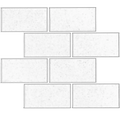
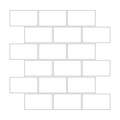
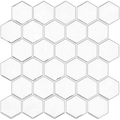
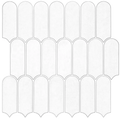
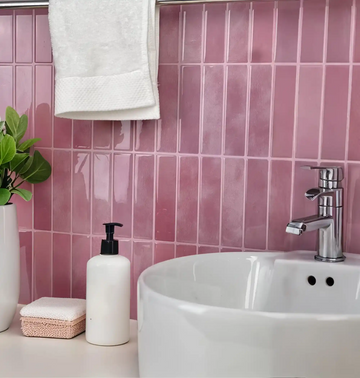
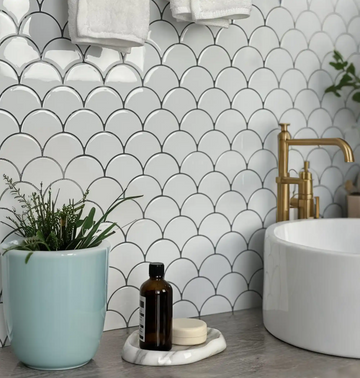
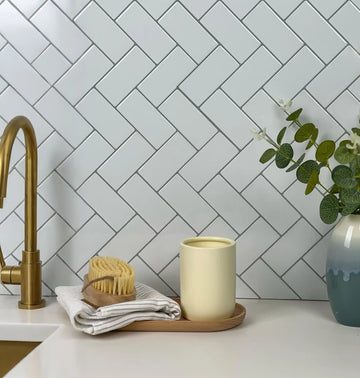
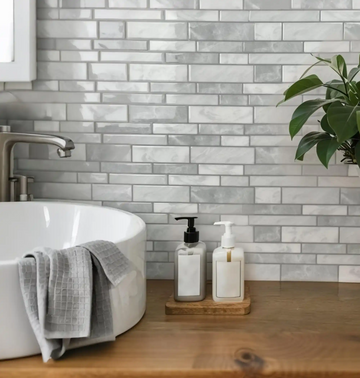
Vergleiche Subway, Fischgrät, Sechseck, Mosaik, Marmoroptik und farbige Designs.
Beginnen Sie hier, wenn Sie ein Peel-and-Stick-Wandfliesen-Projekt planen. Stickwoll funktioniert am besten, wenn das Projekt vor dem Kauf der ersten Fliese auf die richtige Oberfläche, den richtigen Raum, die passende Kanten-Ausführung und die passende Reinigungsroutine abgestimmt wird. Dieser Leitfaden bündelt unsere Installationstests, Hinweise für Nassbereiche, Designideen, den Kalkulator und die Produktpfade, damit Sie von der Inspiration zu einem realistischen Plan gelangen.
Die meisten Verlegeprobleme beginnen schon vor der Installation. Ein Küchen-Spritzschutz mit Fettbelastung braucht einen anderen Plan als eine Wand am Waschbecken, eine Mietwohnung oder eine Akzentwand hinter dem Schreibtisch. Nutzen Sie diese Seite als Navigationsleitfaden: Raum bestimmen, Oberfläche prüfen, Feuchtigkeits- und Hitzebelastung kontrollieren und dann den Produktstil sowie die Abschlussmethode wählen.
Planen Sie rund um Arbeitsflächen, Spülen, Fett, Hitze in Herdnähe, Steckdosen und sichtbare Kantenverläufe.
Trennen Sie dekorative Wände mit geringer Spritzbelastung von direktem Duschwasser, Dampf und eingeschlossener Feuchtigkeitsgefahr.
Priorisieren Sie Mietregeln, Zustand der Farbe, Rückbaubarkeit und Erwartungen an die Entfernung, bevor Sie sich für Haftfliesen entscheiden.
Nutzen Sie Musterrichtung, Größe, Farbe und Oberfläche, damit eine kleine Wand bewusst gestaltet statt nur vorübergehend wirkt.
Haftende Wandfliesen hängen von sauberem, stabilem Kontakt ab. Glatte, gestrichene Trockenbauwände sind meist der einfachste Ausgangspunkt. Glänzende Ölfarbe, alte Wandverkleidungen, Putz, Betonstein, MDF, Glasbausteine und stark strukturierte Wände erfordern mehr Beurteilung. Wenn die Oberfläche staubig, fettig, locker, feucht, kreidig oder in Bewegung ist, kann die Vorderseite der Fliese gut aussehen, während die Haftung darunter schwach ist.
Für lesenswerte Infos zu einzelnen Oberflächen beginnen Sie mit unseren Tests zu Vorbereitung Auf Glänzende Ölfarbe, Wandverkleidungen Aus Den 1970ern, Betonstein-Kellerwänden und Vorbereitung Von Sperrholz Und Trockenbau. Diese Beiträge helfen Ihnen zu entscheiden, ob Reinigen genügt oder ob die Oberfläche geschliffen, grundiert, ausgebessert oder anders vorbereitet werden muss.
An den Kanten zeigt sich, ob ein DIY-Projekt fertig aussieht oder eher provisorisch wirkt. Bevor Sie Fliesen bestellen, identifizieren Sie jede Außenkante, Schrankkante, Arbeitsplattenlücke, Steckdose, Fensterbank, Ecke und Unterbrechung durch Geräte. Gerade Kanten lassen sich oft mit Profilen oder einem sauberen Abschluss lösen. Ungerade Schranklinien erfordern möglicherweise ein Anpassen durch Zuschnitt. Große Lücken an der Arbeitsplatte sollten nicht mit einer dünnen Silikonfuge kaschiert werden.
| Problem | Beste Einstiegsanleitung | Zu Treffen Die Entscheidung |
|---|---|---|
| Sichtbare Offene Fliesenkante | Schluter-ähnlicher Profiltest | Profilform, Farbe Und Kantenstärke |
| Lücke Zur Arbeitsplatte | Lösung Für Die Arbeitsplatten-Lücke Im Spritzschutz | Silikonfuge, Hinterfüllschnur, Profil Oder Neu Verlegen |
| Ungerade Schranklinie | An Schränke Anpassen | Schablonenschnitt Oder Gerade Abdeckung Mit Profil |
| Fugenähnliches Finish | Echte Fuge Bei Peel-and-Stick-Tile | Starre Verfugbare Fliese Oder Flexible Silikonfuge |
Peel-and-Stick-Wandfliesen können eine clevere dekorative Lösung sein, sollten aber nicht als verdecktes Abdichtungssystem verstanden werden. Badezimmerwände mit geringer Spritzbelastung, Waschbeckenbereiche, Küchen-Spritzschutz und dekorative Akzentwände unterscheiden sich von direktem Duschwasser, stehendem Wasser oder dauerhaft feuchten Untergründen. Auch Hitze und Fett verändern den Verlegeplan: Ein Spritzschutz in Herdnähe braucht Fugenkontrolle, Reinigungsdisziplin und ein Produkt, das normale Küchenbedingungen aushält.
Nutzen Sie den Dampftest Über Sechs Monate, den Hitzefugen-Spalt-Test, den Reinigungsleitfaden Für Fettbelastete Bereiche und die zu vermeidenden Reiniger, bevor Sie entscheiden, ob ein Raum gut geeignet ist.
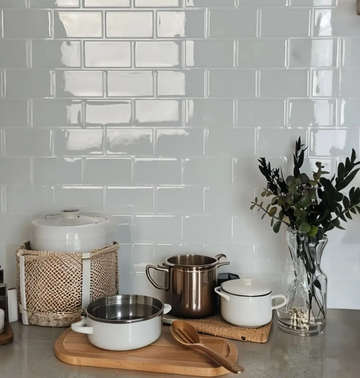
Sobald Raum, Oberfläche und Kantenplan klar sind, berechnen Sie die Menge mit dem Stickwoll-Fliesenkalkulator. Vergleichen Sie dann die Produktstile nach Raumatmosphäre, Mustermaßstab und Sichtbarkeit der Fugen. Subway-Formate lassen sich in vielen Küchen einfacher ausrichten, Sechsecke und Mosaike bringen mehr Musterenergie, Marmoroptiken hängen von der Ausrichtung der Maserung ab, und dunklere Farben brauchen eine bessere Lichtplanung.
Für die Produktauswahl beginnen Sie mit Subway-Wandfliesen, Fischgrätfliesen, Sechseckfliesen und der vollständigen Stickwoll-Kollektion.
Ein sinnvoller Plan für Peel-and-Stick-Fliesen sollte vor dem Verlegetag fünf Fragen beantworten. Erstens: In welchem Raum befindet sich diese Wand? Zweitens: Ist die Wand glatt, trocken und stabil? Drittens: Wird die Fliese mit Wasser, Hitze, Fett oder häufiger Reinigung in Berührung kommen? Viertens: Wie werden die sichtbaren Kanten abgeschlossen? Fünftens: Wie viel Material benötigen Sie, wenn Zuschnitte und Verschnitt berücksichtigt sind? Wenn diese Antworten klar sind, wird das Projekt leichter zu kaufen, leichter zu verlegen und leichter zu pflegen.
Für eine Küche sollten Sie die Ausrichtung an der Arbeitsplatte, Steckdosen-Ausschnitte und die Reinigung priorisieren. Für ein Badezimmer sollten Sie Spritzbereiche und Trocknungszeit priorisieren. Für ein Mietobjekt sollten Sie Rückbaubarkeit und Wandzustand priorisieren. Für eine Akzentwand sollten Sie visuelle Größe, Beleuchtung und Musterrichtung priorisieren. Ein Projekt kann auf einer Produktseite einfach aussehen, sich an einer echten Wand aber anders verhalten. Diese Checkliste soll deshalb die Kaufentscheidung dort verlangsamen, wo es am wichtigsten ist.
Stickwoll Peel-and-Stick-Wandfliesen sind für schnelle optische Aufwertungen gedacht, aber nicht jede Wand passt dazu. Wählen Sie ein anderes Format, wenn die Wand aktiv feucht ist, die Farbe abblättert, der Untergrund weich ist, die Oberfläche stark strukturiert ist oder der Ort hinter der sichtbaren Oberfläche ein echtes Abdichtungssystem benötigt. In solchen Fällen kann eine dauerhaftere Fliese, eine Wandpaneel-Lösung, eine Sanierung vor der Verkleidung oder ein professionelles Abdichtungssystem der bessere Ausgangspunkt sein.
Diese Grenze gehört zu einem besseren Kundenerlebnis. Ein gutes Projekt sieht nicht nur auf dem ersten Foto gut aus; es soll auch nach Reinigung, saisonaler Luftfeuchte, täglicher Nutzung und späterem Entfernen noch sinnvoll sein. Wenn Sie unsicher sind, beginnen Sie mit einer kleinen, risikoarmen Wand, bestellen Sie genügend Reserve für Testschnitte und behalten Sie einige zusätzliche Fliesen für spätere Reparaturen.
Beginnen Sie mit dem Zustand der Wand, bevor Sie über Muster oder Farbe nachdenken.
Verstehen Sie, wie Fliesenfugen bei Hitze, Feuchtigkeit und Wandbewegungen reagieren.
Vergleichen Sie Vinyl-, Gel- und Rigid-Core-Formate, bevor Sie einen Raum auswählen.
Wählen Sie Reiniger und Routinen, die Oberfläche und Kleber schützen.
Wenn Sie Peel-and-Stick-Tile, selbstklebende Wandfliesen, abnehmbare Spritzschutzpaneele und selbstklebende Wandpaneele vergleichen, ist das Produktfoto nur ein Teil der Entscheidung. Ein besserer Vergleich beginnt mit dem Zustand der Wand und der Belastung, der die fertige Oberfläche ausgesetzt sein wird. Glatte, gestrichene Trockenbauwand in einer trockenen Küchennische ist ein unkompliziertes Projekt. Eine feuchte Badezimmerecke, eine strukturierte Wand oder eine Wand mit abblätternder Farbe sind nicht dasselbe Projekt, auch wenn das Fliesenmuster ähnlich aussieht.
Für die meisten Haushalte ist die sicherste Kaufreihenfolge einfach: Raum wählen, Wand prüfen, Fläche messen, eine Musterfamilie auswählen und dann genug zusätzliche Fliesen für Zuschnitte und spätere Ausbesserungen bestellen. Diese Reihenfolge hält den Stil wichtig, ohne dass der Stil praktische Grenzen verdeckt. Sie hilft Ihnen außerdem, Subway-Peel-and-Stick-Tile, Fischgrät-Fliesen, Marmoroptik-Fliesen, Mosaikfliesen und Sechseckfliesen danach zu vergleichen, wie sie sich im Raum verhalten, und nicht nur nach der Farbe.
Gute Planung reduziert Verschnitt. Reinigen Sie vor dem Verlegetag die Wand, lassen Sie sie vollständig trocknen, testen Sie eine Fliese oder einen Musterbereich, planen Sie die Kantenprofile und lassen Sie das Produkt lange genug im Raum, damit es sich akklimatisieren kann. Wenn die Oberfläche den Test nicht besteht, reparieren Sie die Wand, bevor Sie weitere Fliesen anbringen.
Beginnen Sie mit einer glatten, sauberen Wand mit geringer Spritzbelastung und einem einfachen Layout. Vermeiden Sie für Ihr erstes Projekt direkte Duschwände, abbröckelnde Farbe, starke Struktur und Wände mit vielen Steckdosen.
Nicht immer. Ein Profil ist vor allem dann nützlich, wenn die Kante sichtbar, uneben, dick oder in der Nähe einer Arbeitsplatten- oder Schranklinie ist. Einige Layouts können stattdessen mit einem sauberen Abschluss arbeiten.
Es kann für dekorative Badezimmerwände mit geringer Spritzbelastung funktionieren, aber direktes Duschwasser und eingeschlossene Feuchtigkeit erfordern deutlich mehr Vorsicht. Nutzen Sie den Leitfaden für Nassbereiche, bevor Sie einen Badezimmerort wählen.