


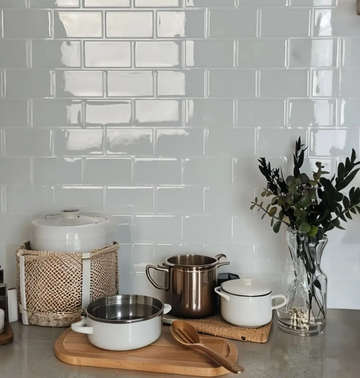
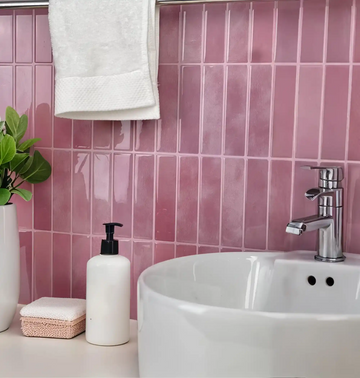
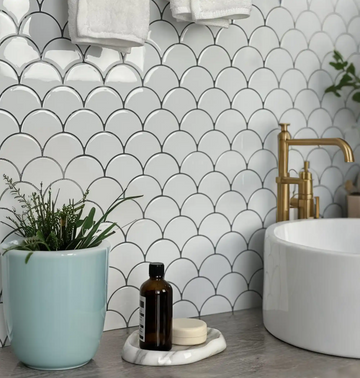
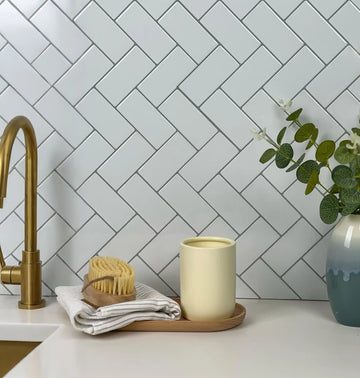
We Seguimos El Derribo Del Backsplash Frente Al Revestimiento Compuesto
Reemplazar un backsplash de cerámica anticuado a menudo desencadena un dilema frustrante para el propietario. La pared existente se ve pasada de moda, pero la idea de romper azulejos de cerámica genera ansiedad. Una demolición intensa amenaza con producir polvo tóxico, destruir el drywall subyacente y dejar la cocina fuera de servicio durante días. Durante décadas, la industria de mejoras para el hogar ha presentado una falsa dicotomía: o convivir con un diseño de cocina que detestas o someter a tu hogar al proceso traumático, desordenado y prohibitivamente caro de un tear-out completo. Esta mentalidad tradicional ha llevado a innumerables propietarios a posponer indefinidamente mejoras estéticas necesarias, permitiendo que sus propiedades languidezcan en la obsolescencia visual.
Sin embargo, el panorama de la renovación de interiores ha experimentado un cambio de paradigma monumental. La ingeniería de materiales avanzados ha introducido revestimientos de grado estructural que cuestionan la necesidad del mazo. En la mayoría de las renovaciones cosméticas de cocina, un composite overlay es más rápido, más limpio y genera menos interrupción que demoler un backsplash de cerámica. Este método evita por completo la retirada de azulejos, las reparaciones extensas de drywall, la eliminación de escombros y el downtime prolongado de la cocina. Representa un enfoque quirúrgico del diseño del hogar: corrige el déficit visual sin causar daños estructurales colaterales.
Sin embargo, debemos mantener la honestidad intelectual sobre las limitaciones de cualquier técnica de renovación. Aun así, la demolición sigue siendo la opción obligatoria cuando el azulejo existente está suelto, dañado por agua, gravemente desnivelado, contaminado con moho o forma parte de una remodelación estructural. La decisión óptima depende por completo del Total Project Disruption Cost, y no de los precios aislados de los materiales. Elegir mal puede provocar sobrecostes presupuestarios catastróficos o una instalación fallida que requiera retirada en cuestión de meses.
Esta guía evalúa la verdadera carga de las actualizaciones de cocina. Compararemos la contención del polvo, la mano de obra activa y el downtime total. También analizaremos los riesgos ocultos de reparación, las complicaciones en los bordes y la integridad estructural necesaria para cubrir con éxito una pared de azulejos antigua. Al desentrañar las capas del consejo tradicional de contratación, buscamos darte los datos cuantitativos necesarios para tomar una decisión económicamente y estructuralmente sólida para tu propiedad específica.
Veredicto Rápido: De Un Vistazo
Si tienes poco tiempo y necesitas el resumen ejecutivo antes de sumergirte en las matemáticas complejas del Total Project Disruption Cost, esta es nuestra postura fundamental:
- Elige Composite Overlay Cuando: Tu azulejo existente está firmemente adherido, el drywall subyacente está completamente seco, priorizas la velocidad, tienes un presupuesto estricto y no puedes permitirte tener la cocina fuera de servicio por más de 24 horas.
- Elige Demolición Intensa Cuando: Los azulejos suenan huecos al golpearlos, hay daño visible por agua o moho alrededor de la base del fregadero, los azulejos actuales están gravemente deformados o muy texturizados (como piedra rústica), o estás cambiando por completo la distribución de los gabinetes.
¿Cuál Es La Respuesta Más Rápida Para Cubrir Azulejo De Cerámica En Comparación Con Demoler Un Backsplash?
¿Alguna vez te has sentido paralizado por consejos de renovación contradictorios que ignoran tu calendario y tu presupuesto? Esta sección establece una matriz de decisión definitiva, evitando que tu cocina se convierta en una zona de obras innecesaria y prolongada.
El consenso del sector dicta un cambio: dejar de medir las remodelaciones solo por el precio del material. El enfoque tradicional de calcular los pies cuadrados y multiplicarlos por el costo por azulejo es fundamentalmente erróneo y peligrosamente engañoso. Ignora el vasto ecosistema de gastos secundarios que rodean un proyecto de demolición. El nuevo punto de referencia cuantitativo es el Total Project Disruption Cost (TPDC).
El TPDC —la suma del costo de materiales, horas de mano de obra activa, downtime de la cocina, carga de limpieza, probabilidad de reparación del drywall y tarifas de eliminación— revela el costo real de un proyecto. La caja de azulejos más barata se vuelve rápidamente cara cuando se considera la reconstrucción de la pared y la mitigación del polvo. Cuando ves una renovación a través del TPDC, el ahorro aparente del azulejo de cerámica tradicional a menudo desaparece, reemplazado por la dura realidad de tarifas de mano de obra acumuladas y reparaciones estructurales imprevistas.
La Matriz De Decisión Por Tipo De Propiedad
Diferentes propietarios afrontan umbrales operativos distintos. Una solución que funciona para un proyecto DIY lento puede no servir para una propiedad de alquiler activa. Para tomar la decisión más informada, debes alinear tu estrategia de renovación con la función principal del inmueble en cuestión.
- ● Viviendas Habitada Por El Propietario: Las familias priorizan la contención del polvo y el retorno rápido al servicio. La cocina es el corazón logístico del hogar; dejarla fuera de servicio significa depender de comida para llevar costosa y alterar las rutinas diarias. Un overlay cumple estrictamente con estas condiciones si la pared existente es estructuralmente sólida, permitiendo que una familia prepare el desayuno en el mismo espacio que fue renovado la tarde anterior.
- ● Alquileres De Corta Duración (STR): Los anfitriones miden el éxito por el downtime mínimo. La compresión del calendario es crucial para evitar la pérdida de ingresos por reservas. Cada día que una unidad permanece fuera de servicio por una demolición intensa de azulejos es un día de ingresos perdidos que debe incluirse en el costo real del proyecto. Los overlays cosméticos rápidos suelen ser el arma secreta de los anfitriones exitosos de Airbnb que necesitan renovar un espacio entre el checkout y el check-in.
- ● Rotación De Alquileres: Los arrendadores necesitan actualizaciones duraderas y rápidas entre inquilinos. La demolición extensa suele poner en rojo los plazos de rotación de la unidad. Cuando un inquilino se va el 31 y el siguiente llega el 1, simplemente no hay margen para un proceso de varios días de mortero y lechada. Los overlays aportan la mejora visual necesaria para justificar la renta de mercado sin el caos de programación.
- ● Actualizaciones Antes De La Venta: Los vendedores necesitan mejoras visuales de alto impacto sin sobreinvertir en alteraciones estructurales profundas. Los agentes inmobiliarios suelen aconsejar no hacer renovaciones pesadas y costosas justo antes de poner la propiedad en venta, ya que el Return on Investment (ROI) rara vez es 1:1. Los overlays aportan el crucial efecto "wow" para las fotos del anuncio, a la vez que preservan el margen de beneficio del vendedor.
Análisis Profundo: Costo Y Mano De Obra
Si te cuesta cuantificar la diferencia monetaria exacta entre estos dos métodos, no estás solo. Los costos fluctuantes de la mano de obra contratada y los materiales en bruto hacen que presupuestar sea increíblemente difícil. Para orientarte, necesitas un marco preciso y actualizado que desglosa cada dólar gastado en materiales frente a los costos desorbitados de las horas de trabajo profesional. Para obtener una visión integral y basada en datos de las tarifas actuales del mercado, la vida útil esperada y un desglose financiero lado a lado que no deja sin examinar ninguna tarifa oculta, te recomendamos revisar nuestro análisis dedicado sobre este tema.
Lee La Comparación De Costo Y Mano De Obra De 2026Necesidad Estructural Vs. Actualización Cosmética
Debes evaluar la pared de forma objetiva. Un composite overlay es estrictamente una solución cosmética. Cubre defectos estéticos, colores anticuados y una ligera decoloración de la lechada. Mitiga fundamentalmente la obsolescencia visual. Si tu única queja sobre tu cocina es que el travertino beige de los 90 hace que el espacio se vea oscuro y anticuado, un overlay es el golpe táctico perfecto.
La demolición, en cambio, es una necesidad estructural. Si la humedad ha comprometido el soporte de drywall, cubrirlo atrapa el fallo. La entrada de agua detrás de un fregadero puede convertir la placa de yeso subyacente en un riesgo quebradizo y lleno de moho. Si los azulejos se están despegando activamente del sustrato, un overlay simplemente se caerá junto con la pared antigua. No puedes construir una casa sólida sobre una base que se desmorona, y no puedes ejecutar con éxito un overlay sobre mortero fallido.
Al evaluar estos costos, la metodología fundamental requiere una adhesión estricta a datos estandarizados. El marco integral detallado en nuestras comparaciones de costo y mano de obra antes mencionadas proporciona la base cuantitativa necesaria para establecer expectativas financieras precisas. Avanzar sin estos datos es como navegar por una obra compleja con los ojos vendados.
Referencia Del Total Project Disruption Cost (TPDC)
Para entender de verdad la diferencia, debemos mirar los datos. La siguiente tabla ofrece una evaluación estandarizada de ambas metodologías. Estos datos asumen un área estándar de backsplash de cocina de 30 pies cuadrados, típica de una vivienda estadounidense de tamaño medio.
| Categoría TPDC | Demolición Y Reemplazo | Composite Overlay Sobre Tile |
|---|---|---|
| Costo Del Material (Promedio) | Alto (Tile, Thinset, Grout, Drywall, Tape, Mud) | Bajo A Medio (Paneles Composite, Desengrasante) |
| Horas De Trabajo Activo | 12 A 24 Horas (Distribuidas A Lo Largo De Varios Días) | 3 A 6 Horas (Completado En Una Sola Sesión) |
| Tiempo De Inactividad De La Cocina | 3 A 5 Días (Mínimo) | 4 A 8 Horas (Listo Para La Cena) |
| Carga De Limpieza | Severa (Polvo Pesado De Sílice, Se Requiere Plástico Protector) | Mínima (Papel De Soporte, Pequeños Recortes De Material) |
| Riesgo De Reparación Del Drywall | Alta Probabilidad (80%+ Romperá El Papel De Cara) | Probabilidad Cero (El Sustrato Permanece Intacto) |
| Carga De Eliminación | Alta (Requiere Viajes Al Vertedero/Bolsas Especializadas Para Escombros) | Ninguna (Los Residuos Caben En La Basura Municipal Estándar) |
Interactivo: Calcula Tu Costo Oculto De Interrupción
No Dejes Que El Precio De Los Azulejos En Bruto Te Engañe. Ingresa Tus Métricas Locales Para Ver Los Costos Ocultos De Un Retraso De Demolición De 4 Días.

¿Cuánto Tiempo Queda La Cocina Fuera De Servicio Con Demolición Frente A Un Composite Overlay?
¿Puedes Permitir Que Tu Cocina Quede Inutilizada Durante Una Semana Solo Para Cambiar El Color De La Pared? Aquí Cuantificamos Las Métricas Exactas De Tiempo De Inactividad Para Mantener Tu Hogar Funcionando Y Evitar Retrasos En El Cronograma.
Para Evaluar Con Precisión Los Plazos Del Proyecto, Medimos La Ventana De Inactividad De La Cocina (KDW). KDW—el Total De Horas Transcurridas Desde La Colocación Del Primer Lienzo Protector Hasta El Uso Seguro, Limpio Y Funcional De La Cocina—Es La Métrica Definitiva Del Cronograma. Es El Único Dato Que Realmente Importa A Un Propietario Que Intenta Organizar Su Semana O A Un Arrendador Que Busca Coordinar La Firma De Un Contrato.
Las Horas De Trabajo Activo Solo Cuentan La Mitad De La Historia. El Retraso Oculto En Los Proyectos Tradicionales De Tile Proviene De Las Fases Obligatorias De Curado Químico. Un Contratista Puede Estar Trabajando Físicamente En Tu Cocina Solo Durante 12 Horas En Total, Pero Si Esas 12 Horas Se Intercalan Con Periodos Obligatorios De Secado De 24 Horas Para El Mortero Y El Grout, Tu KDW Se Amplía Drásticamente.
La Trampa Del Cronograma De Demolición
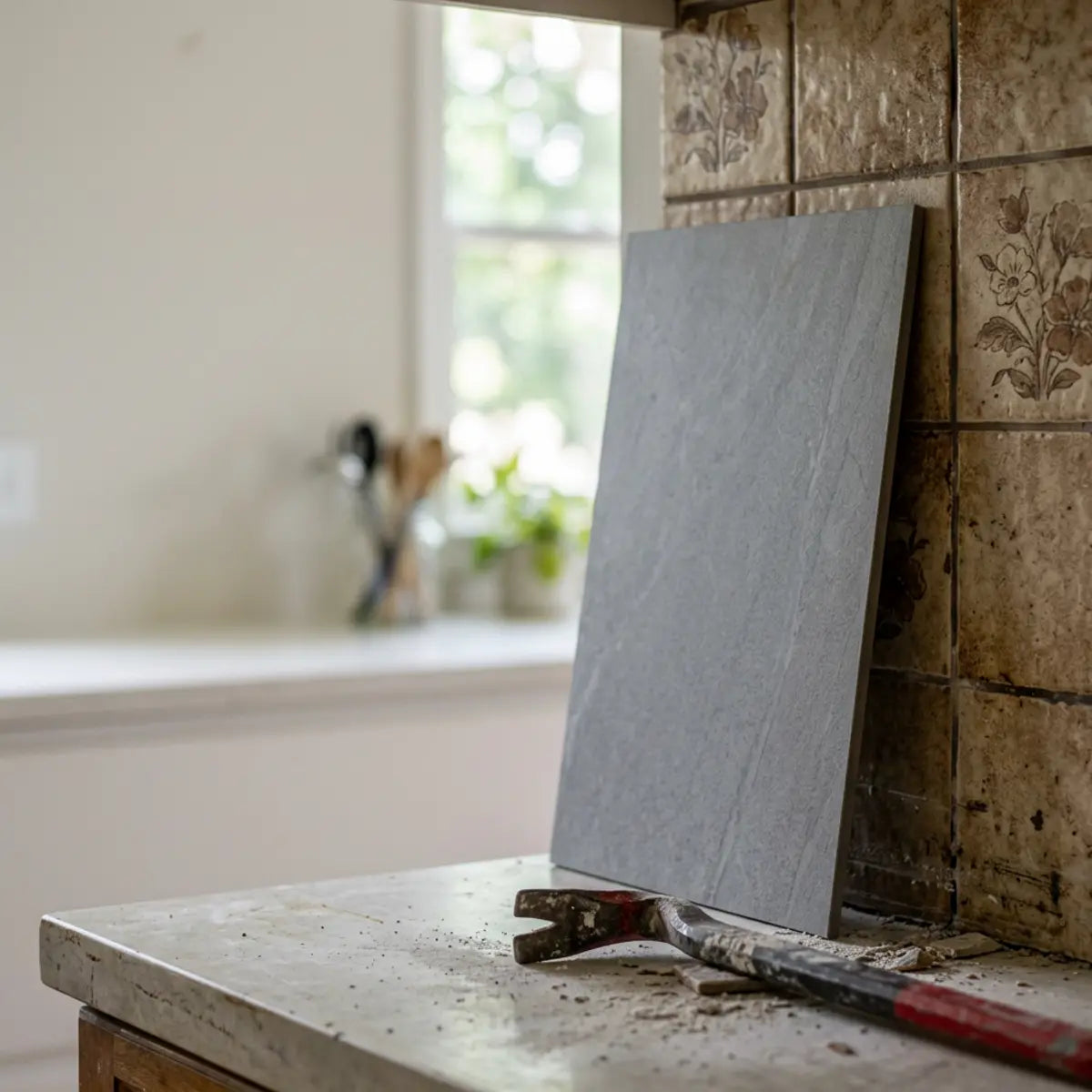
Retirar Un Backsplash Rara Vez Es Un Evento De Un Solo Día. Inicia Una Secuencia En Cascada De Reparaciones Necesarias. En Cuanto Una Palanca Abre La Pared, El Cronograma Deja De Estar Bajo Tu Control. La Integridad Estructural De La Pared Detrás Del Tile Sigue Siendo Un Misterio Hasta Que Se Retiran A La Fuerza Las Primeras Piezas. Esta Es La Realidad Ineludible Del Proceso Tradicional:
- Preparación Y Tear-Out: Cubrir La Cocina, Colocar Protección De Piso De Alta Resistencia Para Evitar Que Los Tiles Caídos Rayen Encimeras O Pisos, Y Desprender Físicamente El Tile Viejo Y El Mortero. Esta Fase Es Físicamente Exigente Y Extremadamente Sucia.
- Reparación Del Sustrato: Parchear Papel De Drywall Rasgado, Sellar Las Muescas Con Imprimación O, En Casos Graves, Cortar Por Completo Secciones De Drywall Dañado E Instalar Nuevos Paneles De Soporte.
- Curado Del Compuesto: El Compuesto Para Juntas Usado Para Reparar Desgarros En Paneles De Yeso Requiere Un Mínimo De 24 Horas Para Curar Antes De Poder Lijarse Con Seguridad Hasta Quedar Plano. El Lijado Luego Crea Una Segunda Ola De Polvo Ultrafino.
- Aplicación De Mortero Thinset: La Instalación Del Nuevo Azulejo. Las Hojas Técnicas Del Fabricante Exigen Estrictamente Un Tiempo De Curado De 24 A 48 Horas Para El Thinset No Modificado Antes De Aplicar Cualquier Lechada. Ir Demasiado Rápido Aquí Provoca Azulejos Desplazados.
- Aplicación De Lechada Y Sellado: Aplicar Lechada, Limpiar Repetidas Veces La Inevitable Bruma De Lechada De Las Superficies Del Azulejo Y Esperar 24 A 72 Horas Adicionales Antes De Poder Aplicar Un Sellador Penetrante Para Proteger Las Líneas De Lechada De Las Manchas.
Durante Estas Fases De Curado, La Cocina Permanece Como Una Zona De Riesgo Activa. No Puedes Cocinar, Limpiar Ni Usar Las Encimeras Con Libertad Sin Riesgo De Contaminar Los Materiales Húmedos O Respirar Partículas En Suspensión.
Evaluación De Alternativas De Materiales
Si Estás Reconsiderando Todo El Proceso Y Explorando Diferentes Opciones De Superficie, Entender Las Diferencias Exactas Entre Materiales Es Fundamental. ¿Cómo Se Compara Un Compuesto De Vinilo Premium Frente A La Cerámica Tradicional De Arcilla Cocida En Términos De Resistencia Al Calor Detrás De Una Estufa O Resistencia Al Impacto Detrás De Un Fregadero? Hemos Realizado Una Comparación Rigurosa Y Honesta Que Detalla Los Pros, Los Contras Y La Durabilidad Realista De Estos Materiales Competidores Para Asegurarte De Que Elijas Una Opción Que Soporte El Uso Diario Intenso En La Cocina.
Explora La Comparación Honesta Entre Vinilo Y CerámicaLa Compresión Del Calendario De Los Overlays
Los Composite Overlays Eliminan De Forma Natural La Espera. Al Utilizar El Azulejo Existente Como Un Sustrato Estable Y Plano, Te Saltas Por Completo Las Fases De Demolición Y Reparación. En La Práctica, Aprovechas La Integridad Estructural Del Trabajo Del Contratista Anterior Para Sostener Tu Nueva Visión Estética. Como Los Paneles Composite De Alta Calidad Utilizan Adhesivos Industriales Avanzados Sensibles A La Presión En Lugar De Mortero Húmedo, No Se Requiere Tiempo De Curado Químico Antes De Que La Cocina Pueda Volver A Usarse.
Cuando Se Consideran Los Tiempos Rápidos De Ejecución Del Proyecto, Se Requiere Una Planificación Específica. El Flujo De Trabajo Documentado En Nuestra Guía Especializada De Tiempos Funciona Como El Estándar Arquitectónico. Al Registrar Empíricamente Cada Paso, Recalibra Las Expectativas Base Para Renovaciones Rápidas De Inmuebles, Demostrando Que Un Acabado De Nivel Fábrica Es Posible En Horas, No En Semanas.
El Plan De Renovación De 24 Horas
Para Inversores Inmobiliarios, Reformistas Y Propietarios Muy Motivados, El Tiempo Es Literalmente Dinero. Cronometramos Físicamente Una Renovación Completa Del Backsplash Para Ver Si Una Transformación De Menos De 24 Horas Era Realmente Viable Sin Sacrificar Credibilidad Visual. Este Plan Específico Describe El Flujo De Trabajo Exacto, La Selección De Materiales Y La Estrategia De Ejecución Necesarios Para Lograr Una Renovación De Cocina Impactante Y De Alto ROI En Un Solo Día.
Ver El Plan De Backsplash De 24 HorasComparando Las Ventanas De Inactividad En La Cocina (KDW)
Tomamos Como Referencia Tres Escenarios Comunes Para Ilustrar La Diferencia Estadística En Los Tiempos Del Proyecto. Esto Visualiza La Pura Volatilidad Inherente A La Demolición Tradicional.
| Contexto Del Escenario | KDW De Demolición (Inactividad) | KDW De Overlay (Inactividad) |
|---|---|---|
| Mejor Caso (Sustrato Impecable) | 48 Horas | 4 Horas |
| Caso Típico (Daño Moderado En La Pared) | 72 A 96 Horas | 6 Horas |
| Caso Problemático (Fallo Del Drywall) | Más De 120 Horas | N/D (No Se Puede Instalar Overlay Sobre Paredes Dañadas) |
Ejemplos De Calendarios En La Vida Real
Para Hacer Una Comparación Precisa, Considera Estos Calendarios De Fin De Semana Contrastantes. Destacan El Marcado Contraste En La Utilidad Del Fin De Semana Y Los Niveles De Estrés Del Hogar.
- Calendario De Overlay De 1 Día: Un Propietario Empieza A Desengrasar El Azulejo Viejo A Las 8:00 A. M. A Las 9:30 A. M., Después De Que La Pared Se Ha Secado Por Completo, Comienza La Instalación De Los Paneles. A Las 2:00 P. M., Las Superficies Principales Ya Están Cubiertas Y Se Hacen Los Cortes Finales Y Meticulosos Alrededor De Los Enchufes Y Los Marcos De Las Ventanas. A Las 3:00 P. M., La Cocina Ya Es Totalmente Funcional, El Papel Protector Va Al Contenedor De Reciclaje Y La Cena Se Prepara Según Lo Previsto En Un Espacio Totalmente Transformado.
- Calendario De Demolición De 4 Días: La Noche Del Viernes Implica Proteger La Cocina Con Cinta Y Sellar Las Salidas De Aire. El Sábado Se Consume Por Completo En Demolición Pesada, Retirada De Escombros Y Reparación Urgente De Drywall Rasgado. El Domingo Requiere Lijar El Polvo Del Compuesto Para Juntas, Aplicar Imprimación Y Colocar Con Cuidado El Nuevo Azulejo En Mortero Húmedo. La Cocina Permanece Totalmente Inutilizable. El Lunes Por La Tarde, Después Del Trabajo, Se Reserva Para Aplicar Lechada, Limpiar La Bruma Y Esperar De Nuevo. La Normalidad No Regresa Hasta Mediados De Semana.
Cómo Mitigar El Polvo De Obra Y Los Riesgos Ambientales
¿La Idea De Que El Polvo Fino De Sílice Cubra Los Muebles De Tu Sala Te Mantiene Despierto? Esta Sección Evalúa El Impacto Real De Los Residuos En Suspensión Durante La Retirada, Priorizando Tu Seguridad Respiratoria Y La Limpieza Del Hogar.
La Consecuencia Más Subestimada De La Retirada Del Backsplash Es La Materia Particulada. La Gran Cantidad De Polvo Que Se Genera Al Destruir Una Pared Es Difícil De Imaginar Hasta Que Lo Vives. El Azulejo Cerámico, El Mortero Thinset Y La Lechada Lijada Contienen Sílice Cristalina, Un Componente Fundamental De La Arena, La Piedra Y Los Materiales De Construcción Comerciales.
Cuando Rompes Estos Materiales Con Un Martillo, Una Palanca O Una Herramienta Oscilante, Liberas Nubes De Polvo Microscópico En El Aire. Esto No Es Polvo Doméstico Normal Formado Por Células Muertas De La Piel Y Fibras De Tela. Son Fragmentos Minerales Microscópicos Y Dentados Que Permanecen Suspendidos En El Aire Durante Horas.
El Riesgo De Contaminación Del Sistema HVAC
Los sistemas estándar de aire acondicionado central no están diseñados para filtrar sílice de grado de construcción. Si su unidad HVAC funciona durante la demolición, actúa como una enorme aspiradora, arrastrando estas partículas abrasivas hacia las rejillas de retorno. Desde allí, el conducto distribuye la contaminación por todo el espacio de la casa.
Luego, el polvo circula por toda la vivienda. Se deposita con fuerza sobre las camas, se incrusta profundamente en las alfombras y cubre aparatos electrónicos delicados lejos del epicentro de la cocina. La mitigación profesional requiere medidas extremas: sellar las rejillas de aire con plástico resistente, levantar barreras de plástico con cremallera para aislar la cocina y utilizar costosos purificadores de aire HEPA de alta eficiencia para limpiar el aire localizado.
Según las directrices de la Administración de Seguridad y Salud Ocupacional (OSHA), la exposición a sílice cristalina respirable supone graves riesgos respiratorios, incluida la silicosis. Aunque un propietario que realiza un proyecto DIY de fin de semana no está legalmente obligado por las normas de OSHA, la física de la dispersión del polvo y el impacto biológico en el sistema respiratorio humano siguen siendo idénticos.
La Alternativa De Limpieza Más Limpia
Los overlays compuestos generan una reducción estadísticamente significativa de residuos. El proceso de corte de paneles compuestos suele implicar herramientas manuales básicas: cuchillas cúter, tijeras especiales para chapa o herramientas rotativas ligeras. Como no interviene una fuerza de pulverización, no se aerosolizan materiales.
Estas herramientas producen virutas pesadas y manejables en lugar de polvo en suspensión. Las virutas caen de forma predecible directamente al mostrador o al suelo, donde pueden barrerse de inmediato. Los residuos principales consisten simplemente en el papel posterior resbaladizo que se despega del lado adhesivo de los azulejos y en pequeños recortes de material generados al recortar alrededor de los enchufes.
Comparación Del Desorden: Alternativas Evaluadas
Si contener el desorden es su prioridad absoluta, quizá también esté considerando kits de epoxi vertido para recubrir sus azulejos existentes. ¿Cómo se compara el perfil de vapores nocivos y el goteo químico de un vertido de epoxi con la aplicación seca y controlada de un panel compuesto peel-and-stick? Hemos creado un marco de veredicto directo, lado a lado, basado en restricciones de la vida real como los requisitos de ventilación química, la dificultad de limpieza y la fricción total del proyecto para ayudarle a decidir qué opción 'sin desorden' es realmente más limpia.
Leer La Guía De Comparación De Desorden
Analizando La Base Financiera Real: Drywall, Eliminación Y Mano De Obra
¿El precio inicial del material le está cegando ante las tarifas ocultas del contratista? Revelamos los costes secundarios de la demolición que con frecuencia disparan los presupuestos de renovación y alargan los plazos.
Al comparar un azulejo cerámico de $10 por pie cuadrado con un panel compuesto de $10 por pie cuadrado, el cálculo parece igual. Este es un error crítico que atrapa a muchos propietarios. El coste del material es solo la línea de salida. La demolición actúa como tirar de un hilo suelto en un suéter; el daño deshace rápidamente todo el presupuesto del proyecto.
La Garantía De Destrucción Del Drywall
El mortero thinset está diseñado para formar una unión permanente y química con el papel del drywall. No está pensado para retirarse. Cuando hace palanca para desprender un azulejo firmemente adherido de la pared, rara vez sale limpio de la superficie. A menudo, el mortero es más fuerte que la propia placa de yeso.
El mortero inevitablemente se lleva consigo el papel de revestimiento del drywall. Con frecuencia, arranca trozos profundos del núcleo blanco de yeso, dejando la pared ahuecada, muy irregular y estructuralmente comprometida. Si el daño es grave —como suele ocurrir en la mayoría de las instalaciones correctas—, el drywall viejo debe cortarse quirúrgicamente hasta llegar a los montantes de madera y reemplazarse con nuevas placas de drywall, encintadas y enlucidas.
Horas De Mano De Obra Y Tarifas De Eliminación
Cada hora dedicada a reparar drywall destruido, encintar juntas con malla de fibra de vidrio y esperar a que se sequen las capas de masilla es una hora de productividad perdida. Si contrata a un profesional, pagará tarifas por hora elevadas —a menudo entre $75 y $150 por hora— por esta mano de obra preparatoria antes de tocar siquiera un nuevo azulejo.
Además, los residuos de construcción conllevan costes de eliminación significativos. El azulejo cerámico es excepcionalmente denso y pesado. La retirada de un backsplash estándar de 30 pies cuadrados puede generar fácilmente más de 100 libras de desechos afilados, irregulares y cubiertos de polvo. No puede colocar este volumen de residuos pesados de construcción en los contenedores municipales estándar sin arriesgar multas elevadas o un rechazo directo por parte de su departamento de saneamiento. Requiere bolsas especiales de alta resistencia, un vehículo alquilado y viajes de pago al vertedero local o a la estación de transferencia.
Análisis Del Coste Del Ciclo De Vida
Para evaluar correctamente los impactos financieros a largo plazo, es fundamental mirar más allá de la fase de instalación. ¿Cómo se comportan estos materiales durante un periodo de 5 a 10 años? Hemos reunido un análisis exhaustivo que examina el coste, la durabilidad diaria, los perfiles de resistencia al calor y el valor de estilo a largo plazo. Estos datos ofrecen la base empírica para comparar los costes del ciclo de vida, demostrando de forma concluyente que evaluar solo el precio inicial del material es una métrica insuficiente para una economía doméstica inteligente.
Leer La Guía De Coste, Durabilidad Y Estilo¿Cuándo Es Seguro Y Con Acabado Profesional Cubrir Azulejo Viejo?
¿Le preocupa que colocar paneles sobre el azulejo existente parezca un atajo barato y voluminoso? Esta sección detalla los requisitos estructurales precisos y las técnicas de acabado para una instalación impecable, de nivel de fábrica.
Un mito persistente dentro de los círculos de contratistas tradicionales sugiere que cubrir azulejos siempre se ve poco profesional o de aficionado. Esto solo es cierto si el instalador ignora las reglas fundamentales de gestión de profundidad, acabado de bordes y preparación meticulosa del sustrato. Un resultado profesional depende por completo del trabajo previo.
Un overlay exitoso requiere un enfoque altamente sistemático. En esencia, está construyendo una nueva tensión superficial sobre una existente. Si la capa base está comprometida de alguna manera —ya sea suelta, grasosa o estructuralmente deteriorada—, la capa superior inevitablemente fallará. Debe tratar el azulejo viejo con el mismo respeto que un contratista le da al drywall en bruto.
NO HAGA Overlay Si Observa Estas Condiciones:
- ✖Azulejos Sueltos O Que Hacen Salto: Si los azulejos se mueven al presionarlos, la pared está muerta.
- ✖Drywall Esponjoso: Presione con fuerza cerca de la base del fregadero. Si la pared cede, la humedad ha arruinado el yeso.
- ✖Moho Negro: Nunca cubra crecimiento fúngico activo. Debe ser remediado.
- ✖Textura 3D Extrema: Las imitaciones de piedra muy esculpidas o los azulejos metálicos sobresalientes no pueden proporcionar una superficie de adhesión lo suficientemente plana.
Evaluación De La Integridad Del Sustrato
Antes De Comprometer Un Solo Euro En Un Proyecto De Overlay, Debes Realizar Una Revisión Diagnóstica Estricta De La Pared De Cerámica Existente Para Asegurarte De Que Sea Un Sustrato Estable.
- La Prueba De Golpeteo: Golpea Suavemente La Cara De Las Baldosas Viejas Con El Mango De Plástico Duro De Un Destornillador. Un "clic" Nítido, Agudo Y Sólido Indica Una Excelente Adherencia A La Pared. Un "toc" Hueco, Similar Al De Un Tambor, Revela Que El Mortero Thinset Detrás De La Baldosa Se Ha Secado Y Fallado, Creando Una Bolsa De Aire.
- Mandato De Desengrase: Las Cocinas Son, En Esencia, Entornos Grasientos, Cubiertos De Aceites De Cocina Aerosolizados Tras Años De Saltear Y Freír. Los Adhesivos No Se Adherirán En Absoluto A Una Capa Microscópica De Grasa. Debes Fregar La Baldosa Antigua Con Agresividad Con Un Desengrasante De Uso Intensivo, Como Fosfato Trisódico (TSP) O Un Desengrasante Cítrico Especializado, Y Dejar Que Se Seque Por Completo.
- Profundidad De Las Juntas: Evalúa Tu Lechada Existente. Las Juntas Profundas, Muy Hundidas O Con Chaflán Marcado Pueden Hacer Que Los Paneles Delgados De Composite Se Telegrafíen—Es Decir, Que El Panel Flexible Se Hunda Visiblemente En La Junta Antigua Con El Tiempo, Revelando El Fantasma De La Antigua Cuadrícula De Baldosas Debajo. En Estos Casos, Alisar O Rellenar Las Juntas Profundas Con Masilla Ligera Antes Crea El Plano Liso E Ininterrumpido Necesario.
Gestión De La Profundidad De Los Enchufes Y Los Bordes
La Señal Distintiva De Un Trabajo De Overlay Amateur Es Una Mala Gestión De Los Bordes Y De La Profundidad. Añadir Una Capa De Material, Por Muy Fina Que Sea, Aumenta Inherentemente El Grosor Total De La Pared. Esto Requiere Ajustes Específicos Alrededor De Los Enchufes Eléctricos Y De Los Bordes Exteriores Expuestos.
Consejo Profesional: Domina Los Detalles
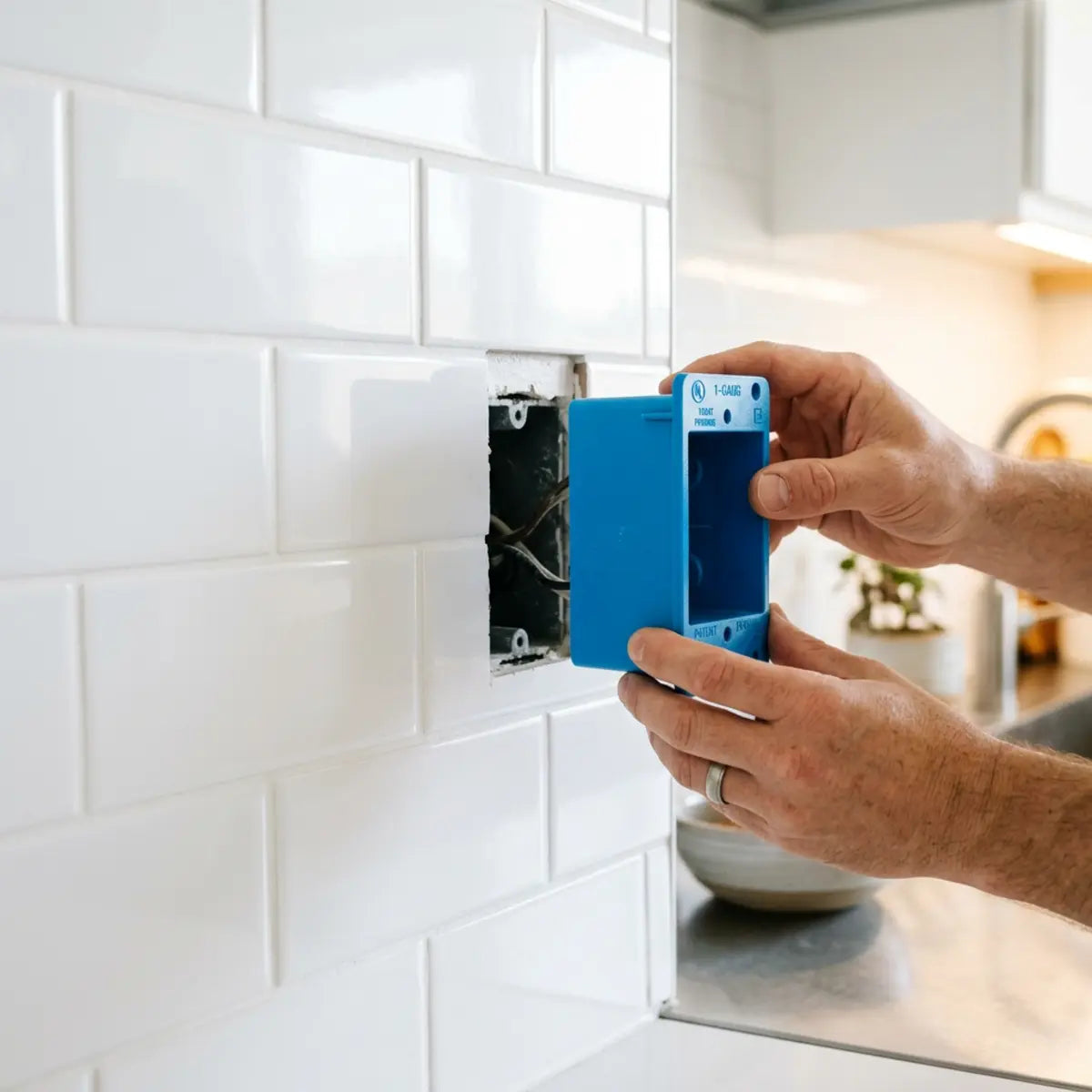
No Puedes Simplemente Dejar Un Enchufe Eléctrico Atrapado Detrás De Una Pared Más Gruesa; Hacerlo Crea Un Enchufe Hundido, Lo Cual Es Un Peligro De Incendio Y Una Infracción Del Código. Debes Utilizar extensores De Caja Eléctrica. Estas Fundas De Plástico Económicas Y Conforme A Código Se Deslizan Sobre Tu Caja Existente Y Llevan El Enchufe Eléctrico A Quedar Perfectamente Al Ras Con La Nueva Superficie Más Gruesa, Garantizando La Seguridad Eléctrica Y Un Ajuste Profesional Y Preciso Para La Placa Frontal.
Además, Los Bordes Expuestos Donde El Backsplash Simplemente Termina En Una Pared Abierta Requieren Un Acabado Limpio Y Definido. Dejar Visible El Borde En Bruto De Un Panel De Composite Arruina La Ilusión De Una Mampostería Real. Usar Un Remate Metálico Schluter De Perfil Bajo O Un Marco Especializado Para Bordes De Composite Garantiza Que La Transición Se Vea Intencional, Terminada Y Arquitectónicamente Correcta.
Integración De Materiales Premium Para Overlays
Al Evaluar Una Integración Estética Premium, La Elección Del Material Físico Es La Variable Final Y Crítica. Debes Seleccionar Un Producto Diseñado Específicamente Con La Densidad Y La Opacidad Necesarias Para Ocultar La Cuadrícula Debajo Sin Parecer Artificialmente Plástico.
La Solución Dual Ceramics
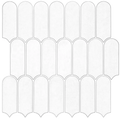
Equipos Como Nuestra Colección Especializada Funcionan Como El Estándar Arquitectónico Para Proyectos De Overlay. Está Diseñada Específicamente Para Ofrecer La Sensación Táctil De La Arcilla Cocida En Horno Sin El Peso Asociado. Al Neutralizar De Forma Empírica El Volumen Visual A Menudo Asociado A Overlays Menos Relevantes, Recalibra Las Expectativas De Base Para El Realismo De Textura 3D Sin Lechada. Salva Con Facilidad Pequeñas Hundiduras De La Lechada, Garantizando Una Superficie Perfecta Sobre Instalaciones Más Antiguas.
Ver Baldosas Overlay Dual CeramicsLa Estética Cerámica Snowy
Del Mismo Modo, Para Quienes Buscan Un Aspecto Más Luminoso Y Amplio, La Línea Snowy Ceramic Ofrece Una Transformación Premium Verificable. Cumple Estrictamente Con Los Requisitos De Diseño Moderno Y Minimalista—Ofreciendo Brillantes Propiedades Reflectantes En Blanco Que Amplían Cocinas Reducidas—Mientras Evita La Tradicional Suciedad De La Instalación Con Mortero Húmedo. Su Estructura De Composite Multicapa Oculta Eficazmente Las Baldosas Vintage Oscuras Debajo, Garantizando Cero Traspaso De Color.
Ver Baldosas Overlay Snowy CeramicInspiración De Diseño Más Amplia
Si Todavía Estás En Las Primeras Fases De Conceptualización Y Necesitas Visualizar Cómo Distintos Formatos—Como Subway, Hexágono O Intrincados Diseños Marroquíes—Interactuarán Con Tus Muebles Y Encimeras, Es Esencial Tener Una Visión Más Amplia. Comparamos El Impacto Estético De Las Adhesivas Peel And Stick De Alta Gama Frente A Los Formatos Tradicionales, Compartiendo 10 Ideas De Implementación Distintas Y Muy Elegantes Que Se Adaptan A Diversos Presupuestos Y Estilos Arquitectónicos Para Ayudarte A Afinar Tu Aspecto Final.
Explorar La Guía Completa De Diseño De Baldosas
¿Listo Para Inspeccionar Tu Pared?
No Empieces Tu Proyecto A Ciegas. Descarga Nuestra Completa Lista De Verificación Preinstalación De 10 Puntos Para Asegurar Que Tu Baldosa Antigua Esté Matemáticamente Y Estructuralmente Lista Para Un Overlay Premium.
Paso A Paso: Cómo Instalar Un Overlay De Composite Sobre Baldosa Cerámica
Entender El Proceso Desmitifica El Proyecto. Si Tu Pared Ha Superado Las Pruebas Estructurales Descritas Anteriormente, Ejecutar El Overlay Es Un Proceso Sencillo Y Sistemático Que Depende Más De La Medición Cuidadosa Que De La Fuerza Bruta.
-
Paso 1: Desengrase Y Preparación Intensivos
Mezcla Un Desengrasante De Uso Intensivo (Como TSP) Según Las Instrucciones Del Envase. Con Guantes, Frota Toda La Superficie De Baldosa Cerámica Existente Con Una Esponja Abrasiva. Presta Especial Atención A Las Zonas Justo Detrás De La Cocina Y Del Fregadero, Ya Que Allí Se Acumulan Aceites Aerosolizados Invisibles. Enjuaga La Pared Con Agua Limpia Y Un Trapo Para Eliminar Cualquier Residuo Químico. Deja Que La Pared Se Seque Por Completo (Al Menos 12-24 Horas). -
Paso 2: Rellena Las Juntas Profundas Con Masilla (Si Es Necesario)
Si Tu Baldosa Antigua Tiene Juntas Muy Hundidas (Más Profundas Que 1/8 inch), Usa Una Espátula Para Presionar Una Masilla Ligera Y De Secado Rápido O Compuesto Para Juntas Dentro De Los Surcos. No Necesitas Que Quede Perfectamente Lisa, Solo A Ras Con La Cara De La Baldosa Antigua. Una Vez Seca, Lija Suavemente Cualquier Punto Alto Y Retira El Polvo. -
Paso 3: Establece Una Línea De Inicio Nivelada
Nunca Asumas Que Tus Encimeras Están Perfectamente Niveladas. Encuentra El Punto Más Bajo De Tu Encimera. Usa Un Nivel De Burbuja O Un Nivel Láser Para Dibujar Una Guía Recta Y Horizontal A Través De La Baldosa Antigua A Unos Pocos Centímetros Por Encima De La Encimera. Esta Línea Guiará La Colocación De Tu Primera Fila De Paneles De Composite, Asegurando Que El Patrón Permanezca Perfectamente Horizontal Sin Importar Las Caídas De La Encimera. -
Paso 4: Corta, Despega Y Aplica
Trabajando Desde La Esquina Inferior Hacia Adentro, Mide Tu Primer Panel. Si Tiene Un Borde Irregular (Como Los Hexágonos Encastrables), Usa Una Regla Y Un Cúter Para Cortar Un Borde Recto Para La Esquina Inicial. Despega Solo El 2 inches Superior Del Papel Protector. Alinea El Panel Con Tu Línea De Nivel. Una Vez Perfectamente Colocado, Presiona Firmemente La Parte Superior Y Luego Retira Lentamente El Resto Del Papel Protector Mientras Alisas El Panel Sobre La Baldosa Antigua Con La Mano Para Evitar Burbujas De Aire. -
Paso 5: Recorta Los Enchufes Y Los Bordes
Al Acercarte A Un Enchufe Eléctrico (Después De Cortar La Corriente), Mide Con Cuidado La Abertura En La Parte Trasera Del Panel Y Recórtala Antes De Despegar El Papel. Instala Tus Extensores De Caja Eléctrica. Por Último, Coloca El Remate De Borde Que Elijas (Metal O Composite) En Cualquier Extremo Expuesto Donde El Backsplash Se Encuentre Con Una Pared Abierta Para Lograr Un Acabado Profesional Y Pulido.
Quiz De Compatibilidad Con Overlay
¿No Estás Seguro De Si Tu Pared Es Compatible? Responde Estas 3 Preguntas Rápidas Para Obtener Un Veredicto Al Instante.
1. Golpea Tus Baldosas Con El Mango De Una Herramienta Dura. ¿Alguna Suena Hueca O Se Mueve Al Presionarla?
Reflexiones Finales
La Decisión Entre Retirar Un Backsplash O Cubrirlo Nunca Debería Basarse En Consejos Genéricos De Los Dependientes De La Ferretería Ni En Comparaciones Simplistas Y Aisladas De Materiales. Requiere Una Evaluación Rigurosa Y Localizada De Tu Situación De Vida Específica, Tu Calendario Inmobiliario Y La Salud Estructural Única De Tu Hogar.
La Métrica Definitiva De Cualquier Renovación Moderna Es El Costo Total De Disrupción Del Proyecto. Al Calcular Las Cargas Invisibles De La Infiltración De Polvo Microscópico De Sílice, La Inevitable Destrucción Del Drywall, El Kitchen Downtime Prolongado Que Requiere Comida Para Llevar Costosa Y Las Tarifas De Eliminación De Residuos Peligrosos, El Panorama General Se Vuelve Claramente Evidente. El Mazo Es Una Herramienta De Último Recurso, No Un Punto De Partida Predeterminado.
Para La Gran Mayoría De Las Actualizaciones Cosméticas De Cocina—Donde La Estructura Subyacente De La Casa Está Sana—Un Composite Overlay De Alta Calidad Ofrece Un Resultado Óptimo. Conserva Tu Calendario, Protege De Forma Drástica La Calidad Del Aire Interior De Tu Hogar Y Ofrece Una Estética Profesional Sin El Daño Colateral Estresante De Una Zona De Demolición De Varios Días.
Te Recomendamos Encarecidamente Inspeccionar De Forma Objetiva Tu Baldosa Actual Hoy. Realiza El Tap Test, Estima Con Precisión Tus Metros Cuadrados Y Calcula Tu Tolerancia Específica A La Disrupción Usando Las Fórmulas Proporcionadas. Pedir Una Muestra De Una Baldosa Composite Premium Te Permite Verificar La Potente Adherencia Y La Integración Estética En Tus Condiciones De Luz Específicas Antes De Comprometerte Con Una Demolición Costosa E Irreversible.
Preguntas Frecuentes
¿Cubrir Mi Baldosa Actual Creará Problemas Con Los Enchufes Eléctricos?
Si Se Ignora, Añadir Grosor A La Pared Puede Hacer Que Los Enchufes Queden Más Hundidos En La Pared, Creando Un Grave Riesgo De Incendio Debido A Huecos Con Cableado Expuesto. Sin Embargo, Esto Se Resuelve Fácil Y Definitivamente Instalando Extensores De Caja Eléctrica (También Conocidos Como Spark Rings). Estos Económicos Aros De Plástico Se Introducen En Tu Caja Existente Y Sacan El Receptáculo Hacia Delante, Dejándolo Perfectamente A Ras Con Tu Nuevo Composite Overlay. Este Método Cumple Estrictamente Con Los Códigos Modernos De Seguridad Eléctrica Y Garantiza Que Las Placas Frontales Ajusten Firmemente.
¿Cómo Sé Si Mi Ceramic Tile Actual Está Demasiado Dañada Para Cubrirla?
Debes Inspeccionar Si Hay Humedad Oculta Y Fallo De La Unión Química. Si El Drywall Detrás De La Baldosa Se Siente Blando, Se Desmorona Al Tacto O Presenta Manchas Oscuras De Agua (Especialmente Detrás Del Grifo), Debes Demolerlo Para Reparar Los Daños Por Agua. Además, Usa El "Tap Test" Con El Mango De Una Herramienta Dura; Las Baldosas Que Suenan Huecas Indican Que El Adhesivo De Mortero Tras Ellas Ha Fallado Y Se Ha Secado Hasta Convertirse En Polvo, Dejando La Pared Como Un Sustrato Inestable E Inadecuado Para Un Overlay.
¿Necesito Un Permiso Para Demoler Mi Backsplash De Cocina?
Para Una Retirada Sencilla Y Puramente Cosmética De Baldosas Y Parcheo De Drywall, Los Permisos Municipales Rara Vez Se Requieren En La Mayoría De Las Jurisdicciones. Sin Embargo, Si Tu Demolición Descubre Problemas Que Te Obligan A Mover Enchufes Eléctricos, Modificar Tuberías Verticales Detrás De La Pared O Retirar Montantes Estructurales De Carga Dañados Por El Agua, Los Códigos De Construcción Locales Generalmente Exigen Un Permiso Y Posteriores Inspecciones Por Parte De Un Funcionario Municipal. Verifica Siempre Con Tu Autoridad Local De Vivienda Antes De Empuñar Un Martillo.
¿Cuánto Tiempo Dura Realmente Un Composite Overlay Sobre Cerámica?
Cuando Se Instala Sobre Un Sustrato Cerámico Correctamente Desengrasado, Totalmente Seco Y Estructuralmente Sólido, Los Composite Overlays Premium Ofrecen Una Durabilidad Excepcional. Medidos Frente Al Desgaste Normal De Una Cocina, Los Adhesivos Industriales De Alta Calidad Resistentes Al Calor Y A La Humedad Están Diseñados Para Durar Años. Funcionarán De Forma Fiable Sin Despegarse, Encogerse Ni Perder Color Hasta Que Estés Listo Para Tu Próximo Rediseño Integral De Cocina.
¿Puedo Instalar Un Composite Overlay Detrás De Una Cocina De Gas?
Sí, Siempre Que Sigas Las Directrices De Separación Del Fabricante. La Mayoría De Las Baldosas Composite Premium Son Muy Resistentes Al Calor Una Vez Totalmente Curadas Sobre La Pared. Sin Embargo, No Son Ignífugas. Los Protocolos De Seguridad Estándar De La Industria Indican Que Debe Haber Una Separación Mínima—Normalmente 8 A 9 inches—Entre Una Llama De Gas Abierta Y La Superficie De La Pared, O La Cocina Debe Tener Un Protector Trasero Metálico Integrado.


Deja un comentario
Este sitio está protegido por hCaptcha y se aplican la Política de privacidad de hCaptcha y los Términos del servicio.