
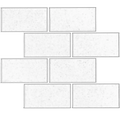
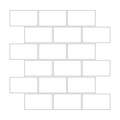




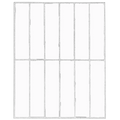

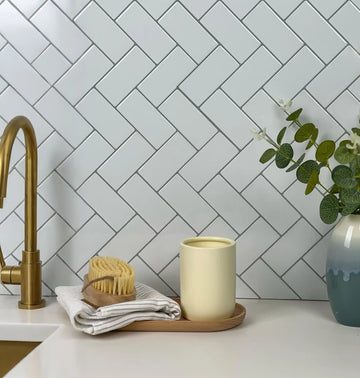


La rénovation moderne de la maison est un exercice d’équilibre entre une durabilité intemporelle et un impact esthétique immédiat. Peu de matériaux incarnent aussi bien cet équilibre que le subway tile. Introduit à l’origine au début des années 1900 dans les stations de métro souterraines de New York, ce simple bloc rectangulaire en céramique a largement dépassé ses racines utilitaires pour devenir un pilier du design d’intérieur résidentiel. Pourtant, face à une toile vierge de plaques de plâtre, les propriétaires réalisent vite que le choix du carreau n’est qu’une partie du défi. Le véritable pouvoir architectural réside dans la géométrie de sa pose.
La sensation tactile de la céramique lisse apporte à une pièce un sentiment de solidité. Mais cette impression de permanence s’accompagne d’une certaine anxiété décorative. Une fois le mortier pris, votre layout est figé pour des décennies. Vous tenez un seul subway tile contre un mur de cuisine nu, en le tournant de 90 degrés dans un sens puis dans l’autre. Vous savez qu’une nouvelle backsplash transformera l’espace, mais une hésitation persiste. Si vous choisissez la mauvaise direction des carreaux, votre rénovation soigneusement planifiée risque de rendre la pièce exiguë, datée ou visuellement déséquilibrée.
La principale différence entre les poses verticales et horizontales réside dans leur effet visuel sur l’espace : les carreaux horizontaux élargissent et allongent les murs, tandis que les carreaux verticaux donnent une impression de hauteur et de modernité. Le meilleur choix dépend de la taille de la pièce, de la lumière et de vos objectifs stylistiques.
Avant d’appliquer le mortier ou l’adhésif, il faut comprendre comment ces deux orientations modifient la perception visuelle. Les deux layouts offrent des avantages distincts. Les carreaux horizontaux élargissent visuellement les petites pièces étroites. Les carreaux verticaux ajoutent immédiatement de la hauteur et une touche moderne. Les deux orientations influencent la façon dont la lumière naturelle se déplace dans votre pièce.
Ce guide propose un cadre professionnel pour comprendre la direction des carreaux. Nous explorerons la psychologie de l’espace, analyserons des applications concrètes et vous aiderons à choisir un layout qui maximise le potentiel esthétique de votre intérieur.
Si vous hésitez à vous engager avec le mortier traditionnel et évaluez vos options de matériaux, il est essentiel de découvrir les avantages et les inconvénients des différents matériaux de backsplash. Pour faire le choix le plus intelligent pour l’esthétique de votre intérieur et votre budget, comparez le vinyle et le carrelage en termes de coût, de durabilité, de résistance à la chaleur et de valeur à long terme. De plus, si vous voulez une mise à niveau de cuisine rapide, abordable et sans désordre, sans faire appel à un entrepreneur, apprenez à installer un Peel and stick subway tile pour une finition impeccable.
Quelle est la différence entre les layouts de carreaux verticaux et horizontaux ?
*Vous hésitez entre un charme classique et une touche moderne ? Cette section clarifie les différences essentielles entre les layouts verticaux et horizontaux pour vous guider vers l’esthétique idéale.*
Comprendre l’orientation des carreaux, c’est regarder au-delà du carreau lui-même et se concentrer sur les lignes qu’il crée. La direction choisie détermine la manière dont l’œil humain parcourt une pièce. Ce mouvement influence notre perception des dimensions physiques de la pièce. Pour vraiment maîtriser cet effet, il faut considérer les principes fondamentaux de la géométrie appliqués à l’architecture intérieure. Un mur n’est pas seulement une limite ; c’est une toile sur laquelle la lumière et l’ombre jouent, entièrement guidées par les lignes de joint que vous établissez.
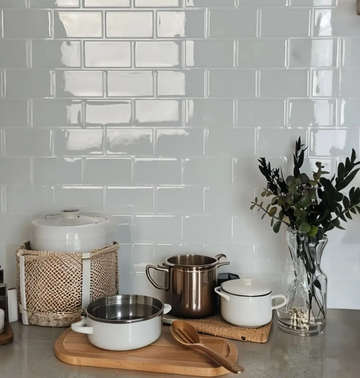
Layouts horizontaux de carreaux : C’est l’orientation traditionnelle. Le bord le plus long du carreau est parallèle au sol. Le motif classique en « running bond » ou en briques horizontales est l’application la plus reconnue. Ce format domine les intérieurs résidentiels depuis plus d’un siècle, offrant une esthétique rassurante et ancrée, immédiatement familière à l’œil humain.
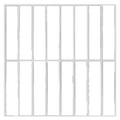
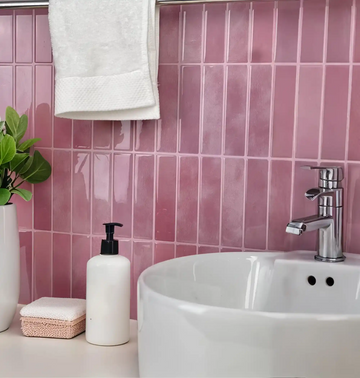
Layouts verticaux de carreaux : Dans cette orientation, le bord le plus long du carreau pointe vers le plafond. Une douche ou une backsplash en subway tile posé verticalement place chaque carreau directement au-dessus du précédent, créant des lignes verticales continues et ininterrompues. Cette approche s’éloigne du poids historique du motif brique traditionnel pour adopter une apparence structurelle, en colonnes, parfaitement adaptée au design minimaliste contemporain.
La psychologie des lignes en design d’intérieur
En architecture intérieure, les lignes servent d’indications directionnelles. Nous traitons les lignes horizontales et verticales différemment en raison de प्रतिक्रions psychologiques profondément ancrées. Notre cerveau est programmé par l’évolution pour analyser son environnement de manière spécifique, et un design intelligent exploite ces tendances biologiques pour créer des illusions d’optique de l’espace et du volume.
Selon des études sur la perception spatiale publiées dans des revues de design environnemental, les lignes horizontales évoquent l’horizon. Elles suggèrent la stabilité, le repos et la largeur. Lorsque vous regardez un layout de subway tile horizontal, vos yeux suivent naturellement un mouvement de gauche à droite. Ce déplacement latéral trompe le cerveau en lui faisant percevoir le mur comme plus large que ses dimensions réelles. Il ancre la pièce, crée une sensation de calme et étend visuellement la surface vers l’extérieur, un peu comme lorsqu’on contemple une vaste plaine.
À l’inverse, les lignes verticales suggèrent la croissance, l’énergie et la hauteur. Elles attirent le regard vers le plafond, à l’image des troncs imposants d’anciennes forêts ou des piliers élancés de l’architecture classique. Si vous avez des plafonds bas, un layout de carreaux vertical crée une illusion d’optique qui fait paraître l’espace plus haut et plus généreux en hauteur. Il insuffle à la pièce une énergie dynamique et stimulante, en contrant la sensation oppressante d’un plafond bas.

Établir une base de référence pour la stratégie de pose
Lorsqu’on évalue une stratégie de pose, il est essentiel d’établir une base de référence quantitative. Vous avez besoin d’un standard pour mesurer les dimensions précises de votre pièce. Vous ne pouvez pas corriger un problème d’espace si vous n’avez pas correctement diagnostiqué les contraintes architecturales de votre environnement.
Le consensus du secteur veut que le recours à un paradigme universellement reconnu permette d’obtenir la configuration optimale pour votre espace. Si vous repensez entièrement le style de votre intérieur et que vous recherchez une solution simple et spectaculaire pour sublimer votre décoration, explorer des géométries éprouvées est indispensable. Pour comprendre les règles fondamentales de la géométrie des motifs, les méthodes détaillées dans notre guide où vous pouvez explorer des motifs populaires du chevron au point de Hongrie fournissent l’évaluation standardisée nécessaire pour planifier votre conception initiale.
Comparer les caractéristiques de pose
Pour distinguer clairement les deux orientations, nous devons les évaluer selon plusieurs critères de design distincts. Comprendre ces variables vous permet d’utiliser le carrelage comme un outil fonctionnel plutôt que comme un simple revêtement décoratif.
| Métrique de design | Disposition horizontale des carreaux | Disposition verticale des carreaux |
|---|---|---|
| Effet visuel principal | Élargit le mur latéralement | Allonge le mur verticalement |
| Impact sur la hauteur du plafond | Impact minimal sur la hauteur perçue | Donne l’impression que les plafonds sont nettement plus hauts |
| Style esthétique | Traditionnel, classique, intemporel | Moderne, contemporaine, architecturale |
| Meilleure application selon la pièce | Salles de bains étroites, cuisines exigües | Les pièces avec des plafonds bas, de grands murs ouverts |
| Difficulté d’installation | Standard, tolérant aux petites erreurs | Nécessite une plomberie précise et des lignes de niveau |

L’idée reçue sur l’orientation du carrelage
Une idée reçue fréquente veut que les poses verticales soient réservées aux intérieurs modernes, tandis que les poses horizontales ne conviennent qu’aux rénovations de bâtiments anciens. C’est faux d’un point de vue empirique. S’en tenir rigidement à ces « règles » limite l’expression créative et ignore la nuance du choix des matériaux.
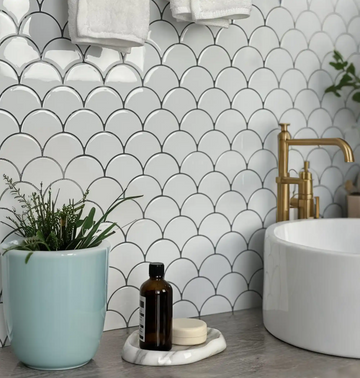
Le rendu esthétique dépend de la combinaison de l’orientation, de la finition du carreau et de la couleur du joint. Une pose horizontale avec un joint très contrasté peut sembler incroyablement moderne. De même, une pose verticale avec une céramique artisanale et texturée peut apporter une sensation chaleureuse et traditionnelle. L’émail de surface — mat, brillant ou à effet craquelé artisanal — interagit avec l’orientation pour transformer complètement le style.
Comment la direction du carrelage influence-t-elle la perception de la taille et de la lumière dans une pièce ?
*Vous craignez que votre nouveau backsplash ne rende une petite cuisine trop étroite ? Nous expliquons comment l’orientation du carrelage agit comme une illusion d’optique pour agrandir ou resserrer votre espace.*
La lumière et l’espace sont intrinsèquement liés en décoration intérieure. La façon dont la lumière naturelle et artificielle interagit avec la surface de votre carrelage — et avec ses lignes de joint — modifie fondamentalement la perception de la taille d’une pièce. Il ne s’agit pas seulement d’un concept artistique ; cela repose sur la physique de l’optique et de la réflexion de la lumière. Les angles sous lesquels la lumière frappe les rainures physiques de votre installation déterminent la luminosité ambiante de toute la pièce.
L’illusion de bissection en pratique
Les experts en perception visuelle font souvent référence à « l’illusion de bissection ». Ce principe explique pourquoi un espace divisé par des lignes distinctes paraît plus grand dans la direction de ces lignes. Lorsque vous appliquez des motifs linéaires sur une surface plane, le cerveau interprète ces lignes comme s’étendant à l’infini.
Si vous optez pour une pose verticale plutôt qu’horizontale du carrelage, vous choisissez activement quelle dimension de la pièce allonger. Pensez à ces applications très précises :
- Élargissement horizontal : Dans une petite salle d’eau de seulement 36 inches de large, des carreaux posés horizontalement obligent le regard à balayer de gauche à droite, élargissant la surface perçue. Les lignes horizontales trompent la vision périphérique en lui faisant croire que les murs latéraux sont plus éloignés qu’ils ne le sont en réalité.
- Élargissement vertical : Dans une salle de bains de sous-sol avec un plafond de sept pieds, des carreaux verticaux incitent le regard à monter, atténuant la sensation d’écrasement. Les lignes verticales détournent l’attention du plafond bas et la concentrent sur la hauteur architecturale de l’installation.
Interaction avec la lumière et réflexion de surface
Le sens de pose du carrelage influence directement la manière dont la lumière rebondit dans une pièce. Un carreau brillant réfléchit la lumière, mais les joints créent de petites ombres. L’interaction entre la réflexion spéculaire (le rebond miroir de la lumière sur l’émail) et l’ombrage diffus dans les lignes de joint détermine la texture de votre mur.
Si vous avez une source de lumière au plafond, comme des spots encastrés, les joints horizontaux capteront ces ombres de façon plus marquée. La lumière frappe le bord supérieur de chaque carreau horizontal, laissant la micro-fente en dessous dans l’obscurité. Cela crée un rendu texturé et ancré, profondément robuste et classique.
Avec une pose verticale, la lumière zénithale glisse le long des colonnes verticales ininterrompues. Cela réduit les ombres horizontales et crée une surface élégante, très réfléchissante, qui illumine la pièce. Comme il y a moins d’obstacles horizontaux pour interrompre le faisceau lumineux descendant, les poses verticales paraissent souvent nettement plus lumineuses et plus nettes sous éclairage artificiel.
Étude de cas : la transformation d’une petite cuisine
Prenons un projet récent concernant une cuisine en couloir avec une surface limitée et une seule fenêtre. Les cuisines en couloir sont réputées difficiles à aménager, car leurs passages étroits créent naturellement une sensation de claustrophobie. Le plan initial prévoyait des carreaux horizontaux standard, afin de repousser visuellement les murs vers l’extérieur.

Cependant, en passant à une crédence de subway tile posée verticalement, l’équipe de design a modifié la géométrie de la pièce. Les lignes verticales ont détourné le regard de l’étroitesse du plan au sol pour l’attirer vers les meubles de cuisine, qui montaient jusqu’au plafond. Le résultat a été une amélioration nettement perceptible du volume, rendant cette cuisine exiguë plus aérée et plus harmonieuse. Les lignes continues, sans rupture, ont agi comme des piliers visuels, rehaussant l’ensemble de l’espace.
Ajuster la lumière avec le contraste des joints
La perception de l’éclairage est fortement influencée par le contraste. Lorsqu’on évalue l’évolution des performances de la lumière naturelle dans une pièce au fil de la journée, le contraste sert de seuil opérationnel. Aux heures de crépuscule, un mur à faible contraste devient terne, tandis qu’un mur à fort contraste conserve sa définition structurelle.
Si vous craignez qu’une crédence en subway tile & joints noirs n’assombrisse trop votre espace, vous avez besoin de conseils fiables pour équilibrer le poids visuel. Notre guide 2025 couvre les coûts, les avantages et inconvénients, l’entretien et les décisions DIY ou pro pour vous aider à faire un choix éclairé. L’évaluation standardisée présentée dans notre guide complet Subway Tile avec joints noirs neutralise naturellement les coins sombres en calibrant l’effet de vos lignes de joint. Choisir un joint à fort contraste met en valeur les lignes directionnelles et amplifie l’illusion d’espace que vous cherchez à créer.
*Vous voulez voir à quoi ressemblent ces illusions optiques dans de vrais intérieurs ? Découvrir des idées de disposition et de design du carrelage.*
Quand choisir des carreaux verticaux plutôt qu’horizontaux ?
*Vous hésitez encore sur la disposition à adopter pour votre prochain projet de rénovation ? Cette section présente des cas concrets et une méthode pas à pas pour vous aider à faire le bon choix.*
Choisir l’orientation des carreaux n’est pas une question de simple préférence. C’est une décision stratégique fondée sur les contraintes architecturales de votre pièce. Chaque espace a une circulation dominante et un point faible en matière de dimensions. Votre disposition de carreaux doit agir comme un correctif architectural.
Il existe des situations précises où une disposition verticale des carreaux dans une salle de bain ou une cuisine s’impose comme le meilleur choix face à une disposition horizontale traditionnelle.

Situations favorables aux dispositions verticales
Vous devriez choisir activement des carreaux verticaux lorsque votre espace a besoin de gagner en hauteur ou d’adopter une esthétique architecturale moderne. Pensez à une disposition verticale dans les cas suivants :
- Plafonds de moins de huit pieds : Les carreaux verticaux sont conçus pour contourner les contraintes liées aux plafonds bas. Ils apportent immédiatement une sensation de hauteur, en détournant le regard du plafond oppressant.
- Style moderne et minimaliste : Les lignes droites et continues d’une pose verticale s’accordent parfaitement avec les principes du design contemporain. Elles éliminent l’effet chargé des motifs en brique décalés, pour une simplicité apaisante.
- Mettre en valeur les éléments hauts : Si vous avez de grands meubles de cuisine, une hotte imposante ou une douche à grande hauteur, les carreaux verticaux soulignent ces éléments architecturaux en renforçant leur élancement vers le haut.
- Murs courbes : Les carreaux verticaux fins s’adaptent mieux aux surfaces courbes, par exemple autour d’un îlot de cuisine ou d’un banc de douche sur mesure. Leur largeur réduite épouse les courbes bien plus facilement qu’un long carreau posé à l’horizontale sur une surface arrondie.
Tendances à venir : l’esthétique 2026
À l’horizon 2026, le backsplash vertical s’impose dans les prévisions du secteur de l’intérieur. Les designers s’éloignent du classique motif en brique décalé au profit de lignes nettes et structurantes, inspirées de la précision du mid-century modern et du minimalisme scandinave.
La douche en subway tile à pose verticale devient la référence architecturale pour les rénovations haut de gamme. Elle offre un rendu sophistiqué, sur mesure, que les dispositions horizontales traditionnelles peinent souvent à égaler. À mesure que les propriétaires recherchent des espaces à la fois personnalisés et soigneusement composés, le choix assumé d’une pose verticale traduit une grande attention aux détails architecturaux.
La référence architecturale pour les rénovations modernes
Pour les rénovations modernes, une disposition précise respecte strictement les standards architecturaux actuels. Cependant, la maçonnerie traditionnelle peut être salissante et chronophage. Vous pouvez transformer votre intérieur sans effort et redonner vie à des murs dépassés grâce à des options autocollantes sans joint.
En utilisant des matériaux innovants comme la teinte Almond White de Jet Subway Carreaux muraux Peel and Stick ou les textures 3D réalistes présentes dans Rock Subway Carreaux muraux Peel and Stick, le design atténue fondamentalement les contraintes de main-d’œuvre liées au mortier traditionnel. Ces équivalents validés par les experts aux carreaux céramiques démontrent empiriquement un meilleur rapport coût-rendement tout en assurant un alignement vertical parfait, éliminant complètement le besoin de scies diamantées coûteuses et de mélanges humides salissants.
Étape par étape : planifier la disposition des carreaux dans une petite salle de bain
Si vous préparez la rénovation d’une salle de bain, suivez cette séquence standardisée pour déterminer la direction idéale des carreaux. Éviter dès le départ les erreurs de planification critiques permet d’économiser beaucoup de temps, d’argent et de frustration par la suite.
- 1 Évaluer le point douloureux La salle de bain paraît-elle trop étroite ou trop courte ? Identifiez le principal défaut dimensionnel à corriger. Placez-vous au centre de la pièce et déterminez si vous vous sentez coincé par des murs qui se resserrent latéralement, ou si le plafond semble peser de façon oppressante au-dessus de votre tête.
- 2 Évaluer la lumière naturelle Repérez l’emplacement de la fenêtre. La lumière atteindra-t-elle le mur verticalement ou horizontalement ? Analysez l’angle du soleil aux heures de pointe. Rappelez-vous qu’une lumière qui rase des joints horizontaux créera des ombres profondes et texturées, tandis qu’une lumière qui circule parallèlement aux lignes fera ressortir la finition émaillée.
- 3 Choisir l’orientation Choisissez l’horizontale pour repousser visuellement des murs étroits vers l’extérieur. Choisissez la verticale pour donner l’impression de faire monter un plafond bas. Alignez votre choix strictement sur le diagnostic de l’étape 1, en donnant la priorité à la correction du défaut architectural le plus visible de la pièce.
- 4 Choisir la variation de motif Allez-vous opter pour une pose en damier (grid) pour un rendu moderne, ou pour une pose décalée (brick) pour une transition plus douce ? Un décalage horizontal est classique et pardonne davantage les petites imperfections, tandis qu’un décalage vertical introduit un effet cascade intrigant qui ajoute du mouvement aux murs.
- 5 Déterminer la largeur des joints Gardez des joints fins (1/16 inch) pour un rendu fluide et moderne, ou plus larges (1/8 inch) pour mettre en valeur le motif directionnel. Votre choix d’écarteurs détermine entièrement l’intensité de l’illusion visuelle une fois le projet terminé.
Cadres de planification avancés
Pour exécuter ces étapes sans échec critique, vous avez besoin d’une planification complète. Choisir un motif de subway tile peut sembler intimidant, mais vous pouvez explorer des designs tendance comme le herringbone et la vertical stack tout en apprenant à éviter les erreurs courantes de pose en DIY. Le cadre détaillé dans notre guide sur Comment utiliser des motifs de subway tile tendance fournit la base quantitative nécessaire pour choisir votre layout en toute confiance.
De plus, si vous rêvez d’une nouvelle crédence de cuisine mais que le DIY vous inquiète, notre guide d’expert simplifie la pose de subway tile, les outils et le budget pour une amélioration parfaite. Nous vous recommandons vivement de consulter Comment poser une crédence en subway tile comme un pro. En suivant des règles de design empiriques, votre installation finale donnera un résultat déterministe, garantissant que votre espace aura exactement l’apparence souhaitée.
Conclusion
*Prêt à finaliser votre vision déco ? Cette conclusion résume comment les choix d’orientation façonnent votre environnement, afin de vous préparer à une installation impeccable.*
Le sens de pose du carrelage est un outil architectural puissant. Que vous planifiez une cuisine en subway tile vertical ou une douche classique en horizontal, votre choix modifie en profondeur la manière dont les humains perçoivent l’espace. Il définit le rythme de la pièce, en contrôlant le tempo visuel dès le moment où vous franchissez le seuil.
Les carreaux horizontaux apportent stabilité, largeur et attrait intemporel. Les carreaux verticaux offrent hauteur, énergie et une touche résolument moderne. En comprenant la psychologie visuelle des lignes et de la lumière, vous pouvez manipuler les dimensions de votre pièce pour atteindre précisément vos objectifs esthétiques.
Ne laissez pas l’incertitude freiner votre rénovation. Analysez les dimensions de votre pièce, décidez s’il faut gagner en largeur ou en hauteur sous plafond, puis posez vos carreaux avec assurance. La bonne orientation permettra à votre espace de paraître équilibré, intentionnel et parfaitement stylé.
*Gardez une longueur d’avance. Abonnez-vous à notre newsletter Tendances Déco Maison pour recevoir chaque semaine des stratégies de layout, des analyses de matériaux et des conseils d’experts en rénovation directement dans votre boîte mail.*
Nous voulons connaître votre avis !
Après avoir découvert les illusions d’optique créées par le carrelage, quelle orientation préférez-vous pour votre prochain projet ?
Foire aux questions
Le carrelage vertical donne-t-il l’impression qu’une pièce est plus grande ?
Oui, le carrelage vertical donne l’impression qu’une pièce est plus grande, surtout en augmentant la hauteur perçue du plafond. Les lignes verticales attirent le regard vers le haut, créant ainsi une illusion d’optique qui fait paraître l’espace plus élevé. C’est particulièrement efficace dans les sous-sols ou les salles de bains avec un plafond bas.
Le subway tile posé à la verticale est-il une mode passagère ?
Non, le subway tile posé à la verticale n’est pas une simple mode. Même s’il connaît actuellement un immense regain de popularité dans les intérieurs modernes, le motif en pose verticale s’inscrit dans l’héritage du design architectural moderniste du milieu du XXe siècle. Il est considéré comme un standard contemporain durable, et non comme une tendance temporaire.
Faut-il utiliser un carrelage vertical ou horizontal dans une petite douche ?
Cela dépend des dimensions exactes de la petite douche. Si la cabine est très étroite, une pose horizontale donnera visuellement l’impression d’écarter les murs. Si la douche paraît oppressante à cause d’un plafond bas, la pose verticale est le meilleur choix.
Comment la couleur du joint influence-t-elle les poses de carrelage verticales ?
La couleur du joint agit comme un surligneur pour l’orientation choisie de votre carrelage. Un joint contrasté (comme un joint noir avec un carrelage blanc) met fortement en valeur les lignes verticales, accentuant l’illusion de hauteur. Un joint assorti crée une surface plus subtile et texturée, où l’impact directionnel est plus discret.




Laisser un commentaire
Ce site est protégé par hCaptcha, et la Politique de confidentialité et les Conditions de service de hCaptcha s’appliquent.