



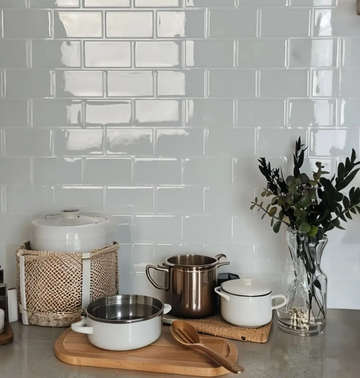
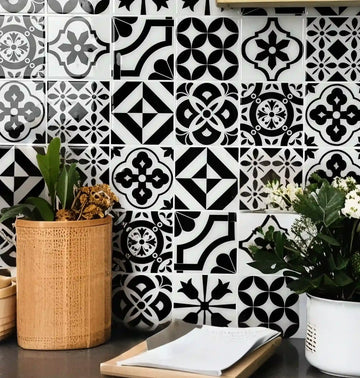
Det moderna hemförbättringslandskapet har helt revolutionerats av framväxten av mycket realistiska väggytor som är hyresvänliga. Både husägare och hyresgäster vänder sig i allt högre grad till avancerade kompositmaterial för att uppgradera sina bostäder utan det stora ekonomiska åtagandet, dammet och arbetet som är förknippat med traditionellt mur- och plattsättningsarbete. Men denna estetiska revolution för med sig en dold, högteknisk utmaning som de flesta gör-det-själv-inredare inte förutser förrän det är för sent: den komplexa fysiken bakom vertikal lastbäring på syntetiska, kraftigt texturerade ytor.
Tillverkares viktangivelser beräknas vanligtvis i kontrollerade laboratorier med felfritt, helt plant glas eller nymålad gipsvägg. Detta skapar en mycket optimistisk standard som sällan gäller i verkliga hem. De sterila förhållandena i en företags testmiljö kan helt enkelt inte återskapa den kaotiska, mikroskopiskt ojämna verkligheten hos ett köksstänkskydd eller en fuktig badrumsvägg. När laboratorietekniker applicerar självhäftande remsor på släta ytor med hög ytenergi, som glas, uppnår de en nästan perfekt polymerbindning som maximerar kontaktytan.
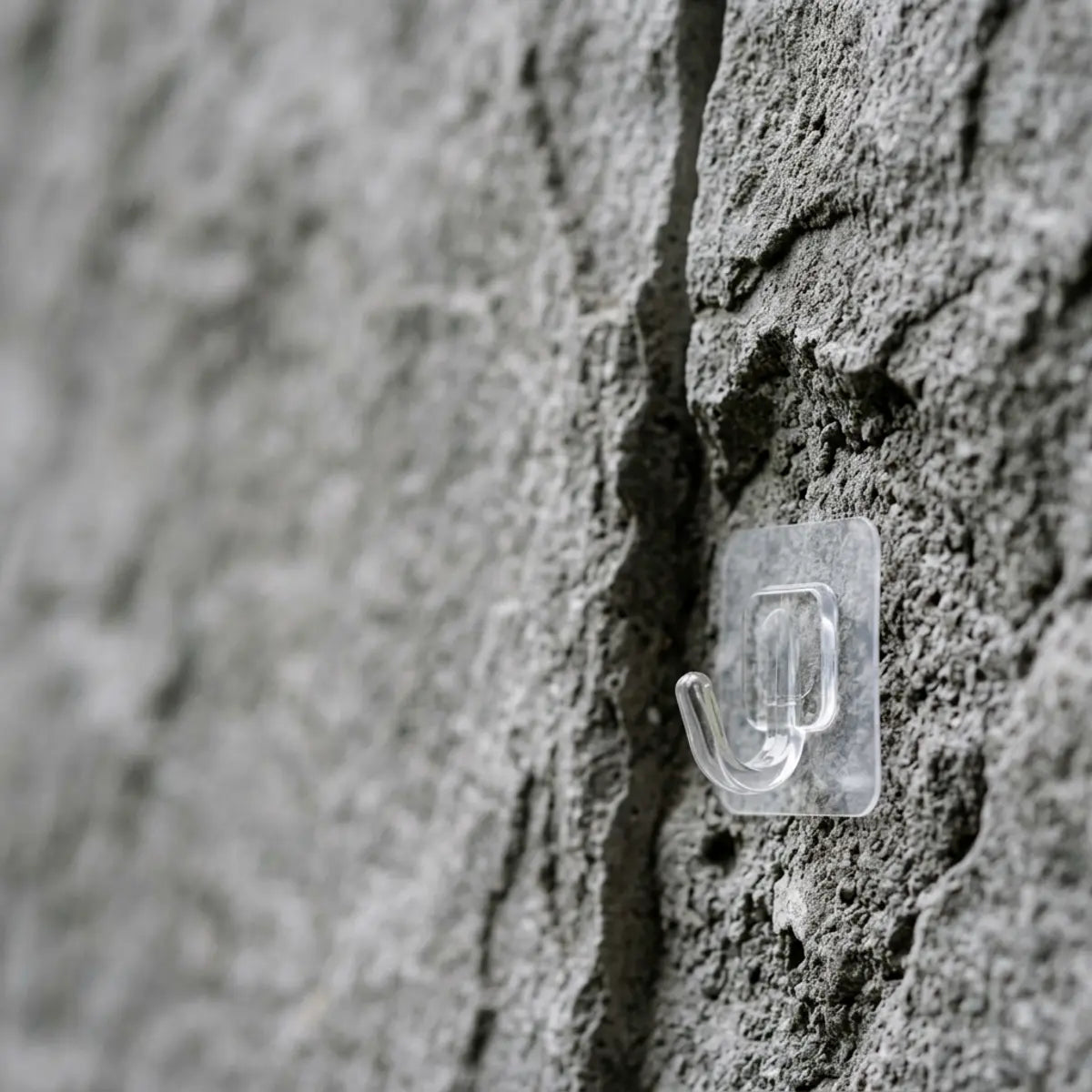
När du introducerar ojämna upphöjningar, foglinjer och texturerade ytor förlorar dessa påståenden på förpackningen omedelbart sin noggrannhet. En vägg som ser vackert dimensionell ut för det mänskliga ögat ser ut som en taggig, svårforcerad bergskedja för en platt självhäftande dyna. Bindningens strukturella integritet komprometteras i samma ögonblick som du trycker en standardiserad, stel krok mot en komplex, tredimensionellt utformad vinylyta.
Självhäftande krokar kan fungera på texturerad peel-and-stick falsk sten, men bara för lätta föremål med låg risk, när den självhäftande dynan får tillräcklig kontakt med upphöjda partier och härdar fullt ut. Det grundläggande problemet är inte att limmet i sig är svagt; det är snarare att den mekaniska kontakten mellan den klibbiga polymeren och väggens oregelbundna topografi i sig är bristfällig utan specialanpassad förberedelse. I denna artikel, som bygger på tester, är den huvudsakliga utvärderingsmetoden Surface-Adjusted Load Reliability.
Detta mått jämför annonserade krokvärden med verklig hållfasthet, feltyp och borttagningsrisk på ojämn falsk sten. Det fungerar som en nödvändig brygga mellan teoretiska laboratorienummer och den praktiska verkligheten när du inreder ditt hem. Läsare bör se viktsiffror för släta ytor som optimistiska, inte garanterade. Att tro på de stora siffrorna på framsidan av en plastförpackning utan att förstå underlaget du fäster den på är ett säkert recept för krossade tavelramar, skadade golv och rivna väggpaneler.
Viktiga Resultat Innan Du Hänger Upp:
- ➔ Annonserade Gränser Går Inte Att Överföra: En krok som är klassad för fem pund på glas kommer pålitligt att fallera vid en bråkdel av den vikten på en texturerad peel-and-stick-panel. Fallet i hållkraft är kraftigt och sker ofta utan synliga varningstecken.
- ➔ Förberedelse Slår Varumärkespåståenden: Ytförberedelse och strikt efterlevnad av en 24-timmars härdtid avgör framgång betydligt mer än varumärket på förpackningen. En felaktigt förberedd vägg kommer att besegra även de dyraste, kraftigaste monteringsremsorna på marknaden.
- ➔ Riskbaserade Rekommendationer: De säkraste upphängningsstrategierna baseras på lasttyp (statisk kontra dynamisk) och skaderisk, snarare än maximal vikt ensam. Att förstå hur ett föremål beter sig när det hänger är avgörande för långsiktig stabilitet.
Vad mätte vårt vikt-test av självhäftande väggkrokar egentligen?

Vårt test mätte den exakta brytpunkten för olika självhäftande krokar som applicerats specifikt på upphöjda, ojämna peel-and-stick ytor av falsk sten. Vi förlitade oss inte på teoretisk fysik; vi bröt systematiskt bindningar i en kontrollerad miljö för att se vad som verkligen händer. Vi utvärderade hur länge bindningen överlevde under belastning och vilken typ av skada som uppstod vid brott.
För att ge korrekt vägledning använder vi Surface-Adjusted Load Reliability (SALR). Detta sammansatta poängvärde är en heltäckande utvärderingsmatris baserad på hur korrekt den annonserade klassningen är, kontaktytans prestanda, hålltid, feltyp och borttagningspåverkan på texturerad peel-and-stick falsk sten.
SALR är ett empiriskt visat mått som är mycket mer användbart än en viktangivelse på förpackningen. Det tar hänsyn till den ojämna topografin och de hyresvänliga krav på borttagning som standardförpackningar ignorerar. Genom att flytta fokus från absolut maximal hållkraft under perfekta förhållanden till pålitlig vardagshållkraft under ofullständiga förhållanden skapar vi data som faktiska husägare och hyresgäster säkert kan använda för att fatta inredningsbeslut.
Fysiken Bakom Tryckkänsliga Lim På Textur
Tryckkänsliga lim (PSA:er), som de som finns på baksidan av avtagbara krokar, kräver maximal fysisk kontakt för att skapa en stark vidhäftning. Till skillnad från flytande lim som kemiskt härdar och stelnar in i materialets porer, förlitar sig PSA:er på mycket viskösa polymerkedjor som fysiskt greppar tag i underlaget. De bygger på att “väta” ytan på mikroskopisk nivå. Om limmet inte kan breda ut sig och ha intim kontakt med materialets mikroskopiska dalar, sjunker vidhäftningsstyrkan drastiskt.
Enligt materialvetenskapliga principer som har fastställts av institutioner som MIT är styrkan hos en PSA-fog direkt proportionell mot den yta den nuddar. Det här är en obestridlig fysiklag som marknadsavdelningar ofta misslyckas med att nämna på sina förpackningar.
- ➔ Kontaktareasunderskottet: På perfekt plant glas uppnår en självhäftande remsa nästan 100% ytkontakt. Varje kvadratmillimeter av den klibbiga kudden arbetar aktivt för att stå emot gravitationens nedåtdrag.
- ➔ Den Texturerade Verkligheten: På en falsk stenpanel kan limmet kanske bara nudda de högsta topparna i strukturen. Det lämnar mikroskopiska luftfickor i de konstgjorda foglinjerna och stenens springor. Om kudden bara nuddar 40% av väggen förlorar du direkt 60% av hållkraften.
Tänk dig att försöka fästa en bit tejp på en handfull grus jämfört med på ett slätt fönster. Tejpen kan helt enkelt inte överbrygga mellanrummen för att få ett säkert fäste. Den styva konstruktionen hos många plastkrokar förvärrar problemet, eftersom de hindrar det flexibla limmet undertill från att följa in i de djupare fördjupningarna i den falska stenen.
När man etablerar en standardiserad utvärdering av ytors kompatibilitet kräver den arkitektoniska standarden att den specifika väggytan analyseras. Utvecklingen inom kompositproduktion har gett oss fantastiskt realistiska texturer som efterliknar naturskiffer, travertin och marmor. Men just dessa vackra ryggar och dalar är det som slår ut plana lim. Det omfattande ramverk som beskrivs i vår 2025 Guide Till De Bästa Peel-And-Stick-Tiles Som Ser Ut Som Sten ger det kvantitativa underlag som behövs för att förstå dessa ytprofiler. Om du vill ha ett lyxigt stenutseende utan kostnaden eller kladdet måste du först förstå materialets topografi. Vår guide går igenom de mest autentiska och hållbara peel-and-stick-stenplattorna för alla rum, och ligger direkt till grund för de texturerade utgångspunkter vi använde i just detta vikt-test av krokar.
Profil För Falsk Stenpanel
De falska stenpaneler vi testade är konstruerade för att efterlikna riktigt murverk. Det betyder att de medvetet har fysiska ojämnheter som ser fantastiska ut men aktivt motverkar plana självhäftande kuddar. För husägare som vill fånga en viss estetik—kanske drömmer du om en stenvägg men hyr eller har en strikt budget—erbjuder peel-and-stick-paneler ett realistiskt, lättinstallerat alternativ för alla rum. Som det framgår av vår omfattande genomgång, Rustika Chic-Väggar: Peel & Stick Antik Stenlook, ligger charmen i dessa väggar i deras avsiktliga ofullkomlighet. Men just dessa ofullkomligheter kräver en kraftig justering av hur vi tänker kring vertikal monteringsutrustning.
För att förstå utmaningen måste vi dissekera själva panelens anatomi. Det handlar inte bara om ojämnhet; det handlar om kemisk ytenergi och kompositlager.
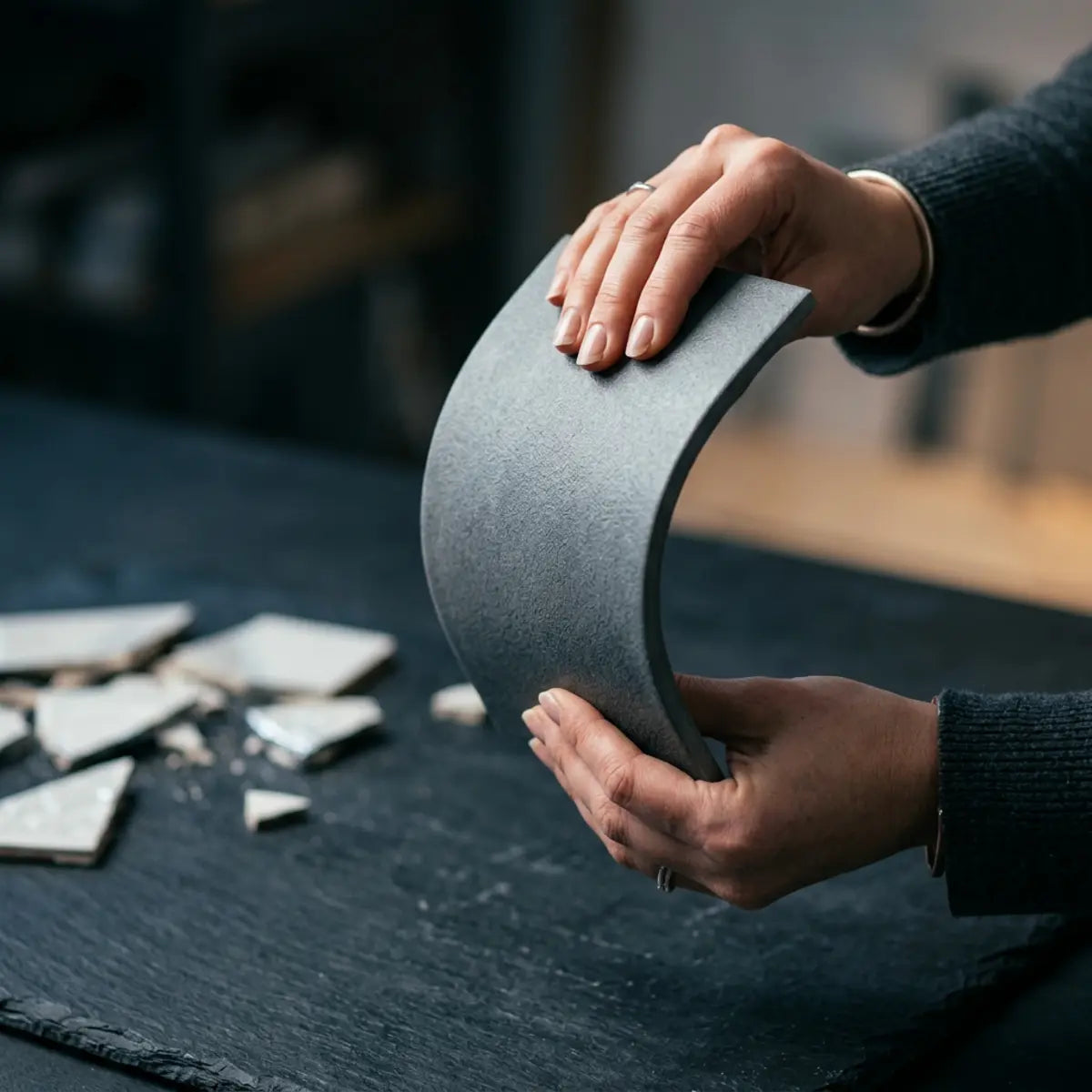
- Varianter Med Upphöjd Struktur: Vi testade paneler med djupt präglade falska skifferryggar och något slätare falska marmorytor. Djup prägling minskar drastiskt den kontaktyta som finns tillgänglig för standardkrokar.
- Foglika Fördjupningar: De konstgjorda foglinjerna skapar plötsliga nivåskillnader som helt bryter limkontakten. Om en krok sträcker sig över en foglinje sjunker dess strukturella integritet med över 50%.
- Vinyl- Och Kompositytor: Det översta slitskiktet är vanligtvis en vinyl med låg ytenergi. Det motstår i sig flytande lim och självhäftande kuddar, vilket tvingar limmet att arbeta betydligt hårdare bara för att få grepp om det översta lagret.
Kategorisering Av De Testade Självhäftande Krokarna
Vi valde ut fem olika kategorier av självhäftande krokar för att få fram så heltäckande data som möjligt. Dessa representerar de vanligaste lösningarna U.S. som hyresgäster och gör-det-själv-husägare köper från stora varuhuskedjor och online-marknadsplatser. Vi undvek medvetet specialiserade industriella lim för att säkerställa att våra tester speglar vardagliga konsumentförhållanden.
Viktig Varning För Hyresgäster
Testa alltid vidhäftningen bakom en flyttbar apparat, bakom en soffa eller i ett hörn med låg synlighet innan du installerar beslag på en framträdande plats. Hyresdepositioner kan lätt gå förlorade på grund av stora fläckar av söndersliten vinylbeklädnad efter att en krok har släppt. Var ytterst försiktig när du ändrar konstruerade ytor.
Testade Krokkategorier:
- Varumärkesnamn Remsor Med Avtagbar Vidhäftning: De klassiska vita skumremsorna med töjbar frigöring (e.g., standard Command-remsor). Dessa bygger på en mycket elastisk kärna som töjs ut för att släppa polymergreppet.
- Generiska Självhäftande Krokar: Billiga krokar i storpack med tunn, genomskinlig akrylbaksida med lim. Dessa saknar ofta tillräcklig viskoelasticitet för djupa strukturer.
- Genomskinliga Universalkrokar: Transparanta plastkrokar med en bred, flexibel självhäftande bas som är utformad för att smälta in i väggen och fördela vikten över en större yta.
- Vattentäta Krokar I Badrumsstil: Kraftiga krokar med tjocka, formbara självhäftande dynor avsedda för högfuktiga duschmiljöer.
- Självhäftande Krokar Med Metallbaksida: Styva rostfria plattor med förapplicerat lim, vanligtvis använda för nycklar och handdukar nära handfat.
Fastställande Av Testbelastningar Och Miljökontroller

För att säkerställa att våra resultat är verifierbara och vetenskapligt välgrundade kontrollerade vi testmiljön strikt. Variationer i värme och fukt kan omedelbart äventyra limtester. Vi höll en stabil rumstemperatur på 72°F (22°C) med en relativ luftfuktighet på 45%. Varje testad krok applicerades på en nyinstallerad, helt härdad imitation av stenpanel med peel-and-stick för att återskapa ett helt nytt hemuppgraderingsscenario.
När man utvärderar miljövariabler föreskriver branschens konsensus att fuktpåverkan ska följas med yttersta precision. Metodiken som etablerades i vår omfattande rapport Fäste Under Bevaktning: Peel-and-Stick I Sommarfukt visar empiriskt hur omgivande fukt i grunden försämrar limfogarnas hållfasthet över tid. Vi spårade prestandan hos peel-and-stick i fuktiga klimat för att se vad som verkligen håller. Genom att översätta tekniska faktorer som relativ luftfuktighet, kondens, underlagsförberedelse och limtyp till praktiska beslut för husägare, fastställde vi de exakta kurvorna för fuktförsämring som behövs för att benchmarka detta kroktest korrekt.
Appliceringsmetoden:
- Ytförberedelse: Varje monteringsplats rengjordes med 70% isopropylalkohol och fick torka helt. Vi hoppade över vanliga rengöringsmedel, eftersom de lämnar mikroskopiska oljiga rester.
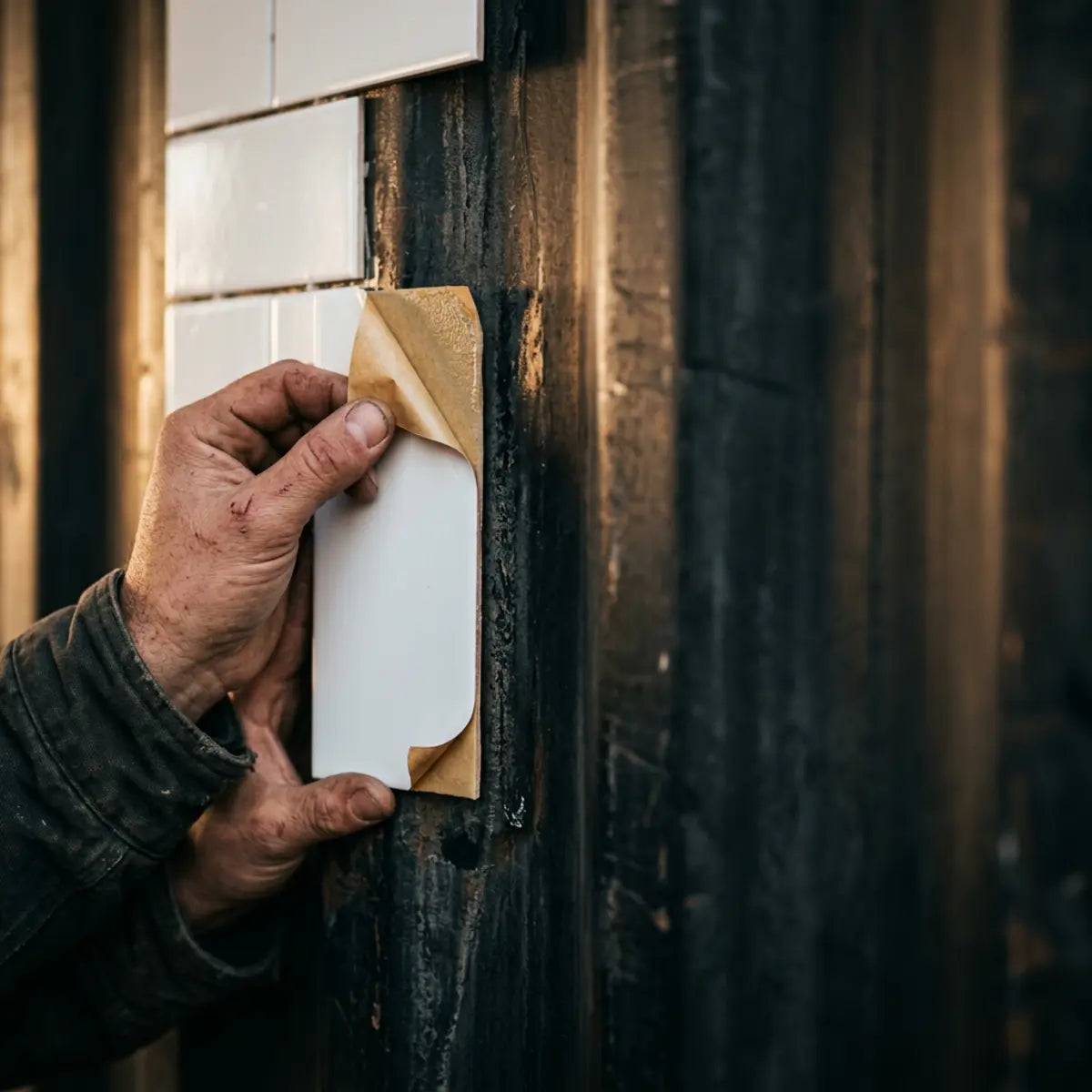
- Appliceringstryck: Vi använde 30 sekunder av fast, tumdrivet tryck för att pressa in limmet i de texturerade fördjupningarna och bryta ner mikroskopiska luftfickor.
Under vår noggranna applicerings- och borttagningsprocess övervakade vi ständigt panelerna för ytliga skador. Är du skeptisk till påståenden om reptålighet på moderna vinylytor? I samband med våra vidhäftningstester observerade vi noggrant ytslitage och speglade den mycket transparenta metodik som finns i vår rapport: Vi Testade Reptålighet I Kompositväggplattor. Den här artikeln ger läsarna bevis framför löften och tydliggör skillnaderna mellan riktiga repor och borttorkningsbara skavsår. Att veta om en misslyckad krok permanent kommer att repa plattan eller bara lämna ett skavmärke är avgörande beslutsunderlag för hyresgäster och husägare i ytor med mycket trafik.
Proffstips För Dynamiska Belastningar
Om föremålet rör sig, svänger, blir vått eller regelbundet rycks i, måste du matematiskt behandla det som betydligt tyngre än dess faktiska vikt på vågen. Kraften från en mänsklig hand som drar i en handduk skapar en dynamisk skjuvspänning som en adhesiv dyna uppfattar som en massiv viktspik, vilket ofta leder till omedelbart haveri.
Vi hängde inte bara upp statiska gymvikter på krokarna och gick därifrån. Även om laboratorievikter ger en utgångspunkt, efterliknar de inte verkligheten. Vi använde verkliga hushållsartiklar för att simulera både statiska (orörliga) och dynamiska (rörliga) belastningar för att observera rotationsvridning och avlossningsspänningar.
- Hallnycklar: En statisk 0.5 lb-belastning.
- Köksredskapsset: En statisk 1.2 lb-belastning.
- Liten Krans/Girlang: En statisk 2.0 lb-belastning.
- Handduk (Torr Och Blöt): En dynamisk 1.5 lb till 3.0 lb-belastning. Handdukar skapar ”dragande” krafter när de tas bort.
- Planerade Skivstångsvikter: Användes endast för att fastställa absoluta haverigränser i ettpundsintervall efter att hushållsartiklarna klarat testet.
Vilka adhesiva krokar klarade sig, föll bort eller skadade den falska stenytan?
Efter veckor av observation, miljökontroll och avsiktliga stresstester gav datan en mycket tydlig bild. De genomskinliga universal-krokarna med breda, flexibla baser klarade lätta statiska belastningar eftersom deras strukturella design gjorde att adhesiven kunde anpassa sig till de texturerade topparna och dalarna. Däremot misslyckades de styva krokarna med metallbaksida och vanliga tunna skumremsor konsekvent under dynamisk vikt och lossnade från väggen med förbluffande hastighet.
För att göra dessa resultat användbara använder vi Bärtröskel För Hyresgästvänlig Användning (RSHT). Detta är den maximalt rekommenderade vardagsbelastningen efter att en säkerhetsmarginal har lagts till för struktur, rörelse, luftfuktighet och risk vid borttagning. Genom att använda denna försiktiga marginal skyddar vi både dina saker och dina avtagbara väggytor från oväntade, katastrofala skador.
Fastställande Av Bärtröskeln För Hyresgästvänlig Användning (RSHT)
Konstruktiva säkerhetsmarginaler är inte förhandlingsbara. Om en krok går sönder vid exakt 3.0 lbs under vårt kontrollerade test, är det mycket farligt att hänga ett 2.9 lb-föremål i ditt badrum. Temperaturväxlingar från varma duschar, mindre stötar från förbipasserande familjemedlemmar och den långsamma mikroskopiska nedbrytningen av adhesiva bindningar under månader kommer så småningom att få den belastningen att falla, och ta med sig den falska stenfinishen.
RSHT-beräkningen:
Vår RSHT-mätning drar generellt av 50% från den absoluta haverigränsen som mäts specifikt på den falska stenstrukturen. Om en krok gick sönder vid 4.0 lbs på en upphöjd stenkant, anger RSHT en maximal vardagsbelastning på 2.0 lbs. Denna statistiskt betydande minskning neutraliserar i sig risken för nattliga haverier och ger sinnesro.
När man tar hänsyn till långsiktig prestandaförsämring kräver produkter med betydande dimensionellt djup specialiserade tester och unika omkalibreringar av baslinjen. Vår egenutvecklade Olive Lines fungerar som en arkitektonisk standard inom detta område. Den är helt vattentät och värmetålig, vilket gör den perfekt för köksstänkskydd och badrumsväggar. Till skillnad från platta, fantasilösa klistermärken skapar dessa självhäftande väggplattor en verkligt fantastisk 3D-textur som tillför otrolig djupkänsla och stil till varje vägg utan specialverktyg. Genom att empiriskt neutralisera vidhäftningsproblem på plana ytor med sin markerade 3D-profil omkalibrerar den i grunden förväntningarna på hur adhesiver samverkar med tydliga väggytor. Den är mycket mångsidig för alla rum och lyfter både tvättstugor och hallar.
Resultat För Verklig Användning: Klarat Eller Underkänt Per Användningsområde
Vi Dokumenterade Noggrant Prestandan För Varje Typ Av Krok Mot Specifika, Lättigenkännliga Hushållsuppgifter. Resultaten Belyser En Stor, Ofta Ignorerad Klyfta Mellan Statisk Belastning (Saker Som Hänger Helt Still, Som En Tavelram) Och Dynamisk Belastning (Saker Du Faktiskt Griper Tag I Och Drar I, Som En Handduk).
1. Nycklar I Hallen (Statisk, ~0.5 lbs)
- Domen: Nästan Alla Kroktyper Klarade Testet.
- Bäst I Test: Genomskinliga Nyttokrokar Med Flexibla Självhäftande Dynor Som Formades Perfekt Efter De Falska Stenryggarna Och Bevarade Över 80% Ytkontakt.
- Proffstips: Tryck Alltid Kroken Ordentligt Mot Den Djupaste Delan Av En Falsk Stenspringa För Att Maximera Kontakt Med Sidoväggarna Och I Praktiken Låsa Fast Dynan I Texturen.
2. Lätt Säsongsdekoration (Statisk, ~1.0 lbs Till 2.0 lbs)
- Domen: Klarade Testet Med Förbehåll.
- Bäst I Test: Avtagbara Skumremsor Från Kända Varumärken (Endast De Kraftigare Versionerna). Det Tjocka, Mycket Komprimerbara Skummet Jämnade Ut Den Ojämna Texturen Bättre Än Tunna Akryldynor Och Överbryggade De Konstgjorda Fogspringorna Effektivt.
- Risken: Att Hänga Skrymmande Föremål Som Kransar Långt Ut Från Väggen Skapar En Kraftig Hävstångseffekt. Det Förstorar Avdragningsbelastningen På Den Övre Kanten Av Den Självhäftande Dynan Och Leder Till Långsam Delaminering.
3. Handdukar Och Badhanddukar (Dynamisk, ~1.5 lbs Till 4.0+ Lb)
- Domen: Totalt Underkännande.
- Problemet: Handdukar Är I Grunden Dynamiska Belastningar. Varje Gång Du Torkar Händerna Drar Du Nedåt Och Utåt. Denna Upprepade Mekaniska Mikrostress Skär Till Slut Rent Av Limmet Från Den Texturerade Vinylytan.
- Observation: Även De Dyrare, Kraftiga Vattentäta Badrumskrokarna Gav Efter Inom 72 Timmar När De Utsattes För Dagligt Drag I Handdukar På Kraftigt Präglad Fejksten.
Omfattande Prestandadata För Krokar
Nedan Finns Baslinjen I Siffror Som Visar Hur Varje Kroktyp Presterade Mot Vår Strikta Gräns För Säker Upphängning För Hyresgäster (RSHT) I Olika Scenarier För Hushållslast.
| Objekt Att Hänga | Typisk Vikt | Testad Kroktyp | RSHT-Betyg | Result / Primärt Feläge? |
|---|---|---|---|---|
| Metallnycklar | 0.5 lbs | Klar Universalkrok | Säker | Godkänd. Bibehöll stark vidhäftning i mer än 14 dagars testning. |
| Plastbestick | 1.0 lbs | Generisk Tunn Självhäftande | Gränsfall | Godkänd, men kudden visade mikroskopisk kantlyftning efter 7 dagar på grund av termisk expansion. |
| Liten Krans | 1.5 lbs | Standard Skumremsa | Säker | Godkänd. Tjockt skum broade framgångsrikt över texturgap utan att skjuvas. |
| Blöt Handduk | 2.5 lbs | Metallbaksad Styv Krok | Misslyckades | Kroken lossnade från dynan på grund av den styva bakplattans oförmåga att böja sig vid dynamiska belastningar. |
| Tung Badhandduk | 4.5 lbs | Vattentät Badrumskrok | Misslyckades | Falsk Stenpanelkant böjde sig faktiskt och drog sig loss från den underliggande gipsväggen. |
| Gjutjärnspanna | 6.0+ lbs | Alla Självhäftande Krokar | Farligt | Omedelbart katastrofalt fel. Panelens framsida lyfte och blev permanent deformerad. |
*Obs: RSHT-Betyget representerar säkerhetsmarginalen enbart på starkt texturerad falsk sten, under förutsättning att ytan förbereds helt perfekt och att en obligatorisk härdningstid på 24 timmar följs.
Beslutsmatris För Upphängning
Osäker på om du ska chansa med en självhäftande krok? Använd vårt interaktiva logikträd innan du sätter fast den.
1. Vilken typ av föremål försöker du hänga på den falska stenen?
Analys Av De Primära Felmoder

Att förstå hur en krok släpper är lika viktigt som att veta när den släpper. Ett självhäftande släpp är inte bara en olägenhet; det är ett mekaniskt materialhaveri. Genom att analysera de forensiska spår som lämnas kvar på väggen kan vi fastställa exakt varför fästet gav vika. Vi observerade fem tydliga felmoder under våra högbelastade viktester.
Observerad Felmekanik:
- 1. Självhäftande Pad Släppte: Den klibbiga dynan lossnade rent från den falska stenen. Detta händer när limmet inte kan uppnå tillräcklig mikroskopisk kontaktyta på grund av djupa strukturer, vilket i praktiken gör att den glider av de höga punkterna.
- 2. Krok Skilde Sig Från Dynan: Limmet satt fortfarande stadigt på väggen, men plastkroken lossnade från dynan. Detta är mycket vanligt med styva metallkrokar på ojämna väggar, eftersom den styva bakplattan inte kan böja sig och följa väggens underliggande topografi.
- 3. Faux Stone Ytan Lyftes: Kroken höll sitt grepp perfekt, men den rena nedåtriktade tyngdkraften slet loss det faktiska slitlagret i vinyl från kärnan i panelen med peel-and-stick. Detta är ett permanent, irreparabelt fel i själva plattan.
- 4. Panelkanten Böjdes: En tung, dynamisk belastning (som en våldsamt ryckt blöt handduk) fungerade som en hävstång och skapade så mycket vridmoment att hela kanten på peel-and-stick-plattan drogs loss från den underliggande gipsväggen, vilket förstörde installationen.
- 5. Rester Kvarstod: Vid avsiktlig, försiktig borttagning lämnade generiska lim av lägre kvalitet en klibbig, omöjlig att få bort rest som satt djupt i den konstgjorda stenens texturerade sprickor och krävde kemiska lösningsmedel som skadade plattans finish.
När rummets praktiska behov kräver beslag som klarar mer än en 3 lb dynamisk belastning—till exempel för att hänga tunga badrockar, gjutjärnspannor eller täta trähyllor—är självhäftande lösningar empiriskt otillräckliga och rent ut sagt vårdslösa. I dessa fall ger det omfattande ramverk som beskrivs i Vi Testade Monteringstillbehör: Säker Borrning I Peel & Stick-Kakel den nödvändiga kvantitativa utgångspunkten. Vi testade aktivt att borra i peel and stick-kakel för att hitta verkligt säkra, hyresvärdsvänliga metoder för permanenta installationer. Den här artikeln är den första som kombinerar verkliga borrtester med visuell bevisning av resultaten och erbjuder en tungt vetenskapsbaserad guide för att hitta de bästa borrarna, monteringsbeslagen och proffstipsen för skonsam montering utan skador. Genom att lära dig att förankra korrekt i gipssstommen direkt bakom panelen kringgår du helt plattans begränsningar i yttre spänning och eliminerar helt limsvikt. Prova nu för att säkra dina tyngsta föremål.
Dessutom, om du försöker säkra tung säkerhetsutrustning i mycket våta, hala miljöer, ändras fysiken helt. Innan du litar på en kraftig sugmekanism med din kroppsvikt, se vårt definitiva test Vi Testade Sughandtag På Peel-and-Stick-Väggar. Det är fyllt med resultat från ren dragkraft, skrämmande felmoder och kritisk vägledning om säkra underlag. Den här artikeln ger läsarna ett direkt, rigoröst testat svar på en mycket nischad men akut säkerhetsfråga: om sughandtag någonsin kan litas på på peel-and-stick-kakel och kompositskivor i duschen. I stället för att bara upprepa optimistiska tillverkarpåståenden visar den hur specifika ytkprofiler reagerar på extrema dragkrafter genom att visa exakt testuppställning, ytförhållanden, specifik rengöringsmetod, kraftens riktning, tidsintervaller, felmoder samt en praktisk matris för ytkompatibilitet. Den bevisar dessutom att alla sug- eller limlösningar på extrem textur är långt ifrån tillräckliga för kritiska tunga belastningar.
Effekten Av Ytförberedelse Och Härdningstid
Vår omfattande testning avslöjade en enorm, otroligt vanlig missuppfattning bland hemmafixare: man antar att en vägg som bara ser visuellt ren ut också är kemiskt redo för en limfog. Denna antagelse förstör fler väggbehandlingar än något annat misstag.
I verkligheten är vanliga köksstänkskydd kontinuerligt täckta av osynliga, mikroskopiska aerosoliserade matoljor från daglig stekning. Badrumsväggar bär tjocka, osynliga lager av hög luftfuktighetsrester och svävande tvålskum. Om du fäster en tryckkänslig kudde direkt över denna osynliga film, binder du till det tillfälliga lagret av fett och fukt, inte till själva väggen. Felet är inte en fråga om ifall, utan när.
Det Obligatoriska Förberedelseprotokollet:
- Isopropylsköljningen: Du måste absolut torka av det specifika monteringsområdet med 70% eller högre isopropylsprit. Detta specialiserade lösningsmedel bryter snabbt ner osynliga matoljor och tvålskum utan att lämna några egna kemiska rester efter sig (till skillnad från vanliga glasrengöringsmedel, som lämnar en hal film).
- Texturskrubben: Torka inte bara av ytan lätt. Använd en ren, luddfri mikrofiberduk och tryck djupt ner i de konstgjorda foglinjerna och den präglade stenstrukturen under rengöringen för att få bort instängda föroreningar.
När tekniskt utformade ytskikt för hemmet för in komplex 3D-topografi i ett rum blir vanlig rengöring ännu viktigare för att lyckas. Ta till exempel Petalglow Stick. Detta briljanta arkitektoniska element, med sin dimensionella interaktiva design, ger en optimal hållfasthetskonfiguration endast när underlaget är perfekt och helt avfettat. Det låter dig bokstavligen animera din design med ljus och förvandla ditt utrymme utan bördan av ett långsiktigt åtagande. För att lyckas med peel and stick på ett enkelt sätt och få fram dess unika mönster kräver dock häftämnet en felfri yta att kalibrera mot de unika åsarna utan störningar. Det är dags att sluta inreda och börja skapa med denna originella skapelse och patenterade interaktiva muraldesign, men allt börjar med ren isopropylalkohol.
Få Din Gratis Testlogg För Adhesiva Krokar
Ruinera inte dina nya väggar. Ladda ner vår enkla utskrivbara testloggsmall så att du korrekt kan registrera krokens varumärke, härdningstid, belastningsvikt och felnoteringar innan du gör den slutliga installationen.
Ladda Ner Textlogg NuSlutliga Tankar
Våra omfattande laboratorie- och verklighetsnära tester bevisar entydigt att adhesiva krokar absolut kan användas säkert på kraftigt texturerad peel-and-stick faux-sten, förutsatt att du aggressivt hanterar dina förväntningar och ignorerar marknadsföringshypen på förpackningen.
Det definitiva svaret för säkerhet bygger till stor del på ytjusterad lasttillförlitlighet (SALR), inte på den överdrivet optimistiska viktklassning som testats på glas och som står tryckt i fet stil på förpackningen.
Du kan säkert hänga statiska, lätta föremål som nycklar i metall för hallen, plastspatlar och små säsongsdekorationer med hjälp av tjocka skum- eller mycket flexibla adhesiva baser. Däremot bör du strikt och permanent undvika att hänga dynamiska eller tunga föremål som tunga blöta badhanddukar, gjutjärnspannor eller dyra, oersättliga glasramar. Den ojämna komposittexturen kan helt enkelt inte ge den enorma mikroskopiska yta som krävs för en mycket säker, långsiktig polymerbindning under ihållande dynamisk belastning.
Prioritera alltid noggrann ytpreparering med 70% rödsprit, genomför en strikt och kompromisslös 24-timmars härdningstid och tillämpa hela tiden extremt konservativa belastningsgränser för att skydda dina investeringar.
Innan du fäster absolut någonting på din vackra, helt nya backsplash, uppmanar vi dig att använda våra data. Jämför din specifika väggtextur, kroktyp och avsedda belastning med vår omfattande RSHT-datamatris. Att välja den hängmetod med lägst risk före permanent installation är matematiskt sett det bästa sättet att skydda både dina uppgraderade väggar och dina älskade tillhörigheter.
Snabb Självkontroll: Är Din Faux-Sten Krok-Säker?
Svara på tre snabba frågor för att avgöra om din nuvarande vägglösning vetenskapligt är redo för en adhesiv krok.
1. Hur djupa är de konstgjorda foglinjerna eller åsarna på din peel-and-stick-panel?
2. I vilken miljö är väggen placerad?
3. Kommer det upphängda föremålet att flyttas, dras i eller svänga dagligen?


Lämna en kommentar
Denna webbplats är skyddad av hCaptcha och hCaptchas integritetspolicy . Användarvillkor gäller.