









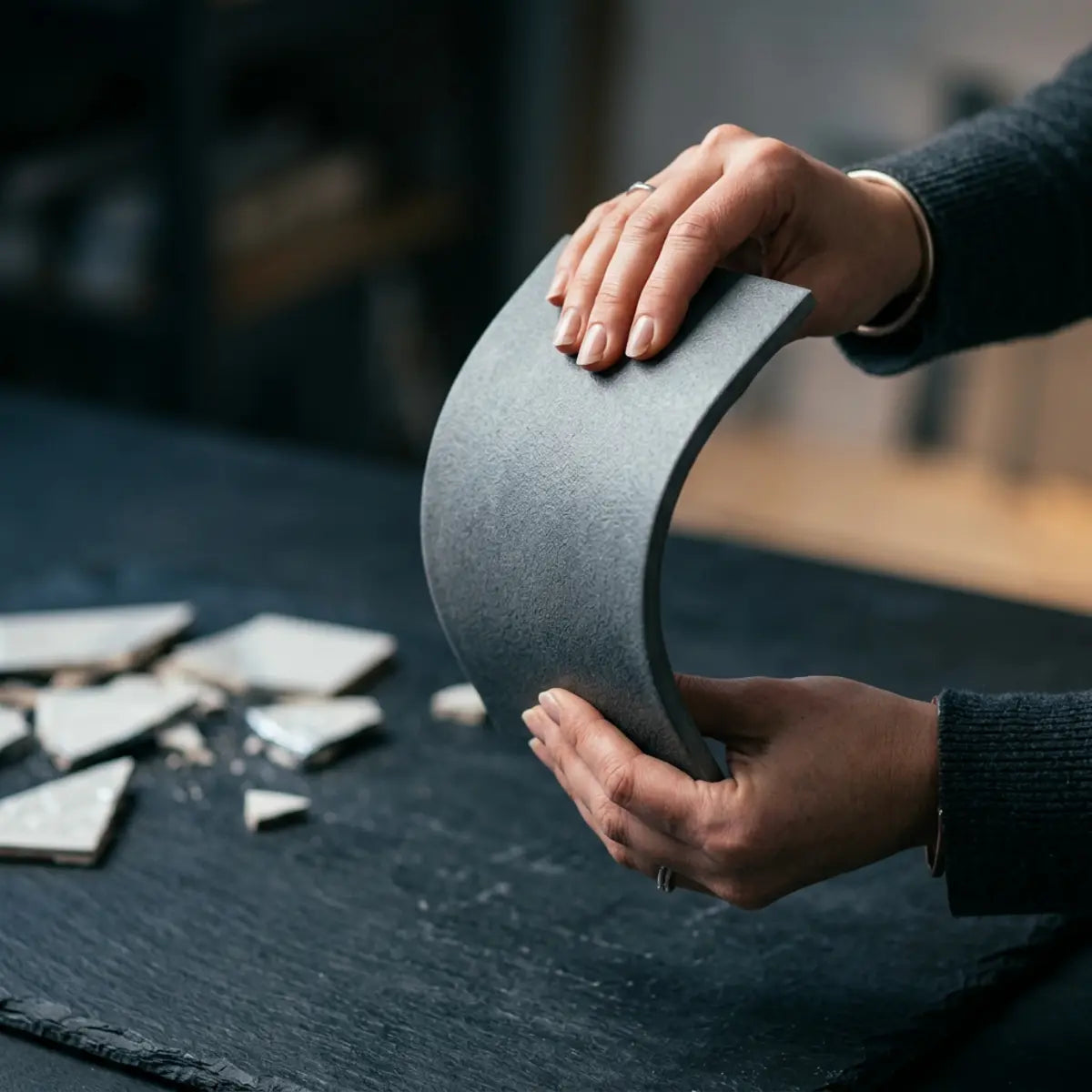
In erdbebengefährdeten Häusern besteht ein häufiger Widerspruch. Hausbesitzer gehen davon aus, dass die sicherste und langlebigste Wandfliese aus dem härtesten verfügbaren Material besteht. Doch spröde Festigkeit wird zu einer kritischen Schwachstelle, wenn der Boden bebt.
Flexible Verbundfliesen bieten einen grundsätzlich anderen technischen Ansatz. Sie setzen auf Bewegungsaufnahme statt auf reine Steifigkeit.
Direkte Antwort: Flexible Verbundfliesen schneiden in erdbebengefährdeten Häusern in der Regel besser ab als keramische Wandfliesen, weil sie leichter sind, Wandbewegungen besser aufnehmen und bei fachgerechter Montage weniger leicht reißen oder sich lösen. Sie sind nicht erdbebensicher, aber ihr Seismic Finish Resilience Score ist in vielen Badezimmern, Küchen, Backsplashes, Mietobjekten und Retrofit-Projekten höher als bei starrer Keramik. Die sicherste Wahl hängt weiterhin vom Zustand des Untergrunds, der Klebstoffkompatibilität, den örtlichen Bauvorschriften und der Installationsqualität ab.
- Starre Keramik Versagt: Spröde Oberflächen reißen, wenn sie auf bewegliche Wände treffen.
- Gewicht Ist Wichtig: Ein geringeres Oberflächengewicht reduziert direkt nichtstrukturelle Gefahren und den daraus entstehenden Reparaturaufwand.
- Anders Bewerten: Flexible Verbundfliesen sollten nach ihrer Erdbebenresilienz bewertet werden, nicht nur nach ihrer Optik.
Die Angst vor strukturellen Schäden bei einem seismischen Ereignis ist ganz natürlich. Hausbesitzer und Handwerker in Kalifornien, Neuseeland oder Japan übersehen oft die sekundären Gefahren von Innenoberflächen. Herabfallende Fliesen und zerbröselnder Fugenmörtel schaffen unmittelbare Risiken und enorme Reparaturkosten nach dem Erdbeben.
Wir müssen die Auswahl von Wandverkleidungen neu denken. Wir müssen die Bewertung von traditionellen Premium-Signalen wie Härte hin zu messbaren Resilienzfaktoren verschieben. Um die Tiefe dieses notwendigen architektonischen Paradigmenwechsels zu verstehen, müssen wir die physikalischen Mechanismen genau analysieren, die strukturelle Belastungen und das Überleben von Oberflächenmaterialien in unbeständigen, unvorhersehbaren dynamischen Umgebungen bestimmen.
Warum Reißen Oder Lösen Sich Keramische Fliesen Bei Erdbeben?
Liegen Sie je nachts wach und sorgen sich, dass ein plötzlicher Erdstoß Ihr teures neues Badezimmer-Upgrade zerstört?
Dieser Abschnitt erklärt die genauen Mechanismen des Versagens starrer Oberflächen und führt eine sicherere, bewegungstolerante Ausgangsbasis ein.
Keramik und Feinsteinzeug sind starre, spröde Oberflächen. Sie sind vollständig auf stabile Untergründe, durchgehende Haftung und keinerlei Wandbewegung angewiesen. Wenn Wände bei einem Erdstoß ausweichen oder vibrieren, konzentrieren sich enorme Spannungen an den schwächsten Stellen.
Zu diesen Schwachstellen zählen Fugen, Wandecken, Fliesenkanten und Bereiche mit ungleichmäßiger Mörtelabdeckung. Das Ergebnis ist oft ein katastrophales Reißen oder ein vollständiges Ablösen. Das starre Gefüge herkömmlicher Fliesenverlegung setzt eine perfekt statische Umgebung voraus – eine Annahme, die im Moment, in dem kinetische Energie in das Tragwerk eines Gebäudes eingebracht wird, auf dramatische Weise versagt.

Versagen Spröder Oberflächen Verstehen
- Rissbildung: Das physische Aufbrechen der Fliesenoberfläche durch Biegespannung.
- Tenting: Fliesen drücken gegeneinander und lösen sich in einer umgekehrten V-Form von der Wand.
- Entkopplung: Der Klebstoff versagt, wodurch sich die Fliese sauber vom Untergrund löst.
- Fugentrennung: Starre Fugenmasse zerbröselt, während sich benachbarte Fliesen unabhängig voneinander verschieben.
- Kantenabplatzungen: Fliesen reiben bei seitlichen Vibrationen aneinander.
Die Physik Der Wandbewegung
Seismische Erschütterungen erzeugen starke seitliche Kräfte. Dadurch beginnt ein Gebäude zu schwingen und es entsteht Schubspannung – die Kraft, die dazu führt, dass sich Schichten einer Struktur gegeneinander verschieben.
Wände erfahren seitliche Verschiebungen und Untergrundverformungen. Trockenbau oder Trägerplatte biegen sich physisch. Wenn das an dieser sich biegenden Wand befestigte Material nicht nachgeben kann, bricht es.
Stellen Sie sich einen trockenen Zweig im Vergleich zu einem frischen Weidenzweig vor. Der trockene Zweig (Keramik) bricht unter Druck. Der Weidenzweig (flexibler Verbund) biegt sich und überlebt. Der Branchenkonsens besagt, dass Oberflächen die Bewegung ihrer darunterliegenden tragenden Bauteile aufnehmen müssen. Die Unfähigkeit, sich zu dehnen, zu komprimieren und zurückzufedern, ist der fatale Schwachpunkt historischer Bauweisen, wenn sie in seismisch aktiven Zonen eingesetzt werden.
Ingenieurvisualisierung: Belastungsübertragung Durch Wandbewegung
Bodenbeben ➔ Tragwerk Verformt Sich ➔ Trockenbau Wölbt Sich ➔ Starrer Mörtel Hält Fest ➔ Zugspannung Überschreitet Die Fliesenkapazität ➔ Keramik Zerspringt. Kinetische Energie Wird Eingeschlossen Und Über Die Spröde Oberfläche Heftig Freigesetzt.
Bodenerschütterung ➔ Tragwerk Gibt Nach ➔ Trockenbau Biegt Sich ➔ Elastischer Klebstoff Dehnt Sich ➔ Verbundfliese Passt Sich An ➔ Oberfläche Intakt. Kinetische Energie Wird Sicher Aufgenommen, Abgeleitet Und Kontrolliert, Ohne Katastrophalen Materialversagen.
Das Problem Mit Mörtel Und Fugenmörtel
Starre Mörtelbetten Und Zementäre Fugenlinien Schützen Keramikfliesen Nicht. Sie Werden Vielmehr Zu Spannungstransferpunkten.
Bei Einem Erdbeben Wandert Die Energie Durch Das Wandgerüst, In Den Trockenbau, Durch Den Mörtel Und In Die Fliese. Gibt Es Keine Flexibilität In Der Haftung Oder In Der Fuge, Wird Die Energie Gewaltig Abgegeben Und Zerstört Die Oberfläche. Jeder Quadratzentimeter Ausgehärteten Zements Wird Zu Einem Unerbittlichen Kanal Für Zerstörerische Kräfte.
Ältere Häuser, Eigentumswohnungen Und Mietobjekte Sind Besonders Anfällig. Diese Bauwerke Haben Oft Unvollkommene Untergründe. Jahrzehntelanges Setzen Hat Die Wände Bereits Belastet. Das Hinzufügen Riger Materialien Zu Solchen Geschädigten Flächen Führt Zu Einer Hohen Ausfallrate.
Definition Des Seismischen Oberflächen-Resilienz-Scores (SFRS)
Bei Der Bewertung Von Materialien Für Hochrisikogebiete Verwenden Wir Eine Spezifische Quantitative Grundlage. Der Seismische Oberflächen-Resilienz-Score (SFRS) Ist Eine Zusammengesetzte Kennzahl. Er Gewichtet Flexibilität, Oberflächenmasse, Verbundkontinuität, Untergrundtoleranz, Rissausbreitungswiderstand Und Reparierbarkeit Nach Einem Ereignis.
Mit Dieser Standardisierten Bewertung Erreichen Spröde Materialien Einen Außergewöhnlich Niedrigen Wert. Ihnen Fehlt Die Elastizität, Die Erforderlich Ist, Um Kinetische Energie Aufzunehmen. Das Verständnis Des SFRS Ist Entscheidend, Um Wissenschaftlich Fundierte Gestaltungsentscheidungen Statt Rein Ästhetischer Zu Treffen.
Die Lösung Integrieren
Bei Der Bewertung Von Rissrisiken Erfordert Die Grundlegende Methodik Eine Strikte Einhaltung Der Materialelastizität. Wenn Es Darum Geht, Den Optimalen Weg Für Ein Haus Mit Setzungen Oder In Einer Aktiven Seismischen Zone Zu Bestimmen, Muss Man Den Unterschied In Der Materialtechnik Grundlegend Verstehen. Die Umfassende Diagnose Aus Unserer Detaillierten Analyse, Experteneinblick: Warum Flexible Verbundfliesen Keramik Übertreffen, Dient Als Verlässliche Ressource. Dieser Umfassende Beitrag Schließt Die Oft Übersehene Lücke Zwischen Struktureller Diagnose Und Fliesenauswahl. Er Erklärt Die Mechanik Von Starrem Brechen In Einfachem Deutsch Und Ermöglicht Einen Direkten Verbund- Gegen Keramikvergleich. Außerdem Klärt Er Die Seltenen Fälle, In Denen Traditionelle Keramik Vielleicht Doch Noch Geeignet Ist, Und Hebt Gleichzeitig Deutlich Hervor, Warum Hausbesitzer In Setzungsgefährdeten Regionen Eine Risikoärmere Fliesenlösung Wählen Müssen, Um Ihren Immobilienwert Zu Schützen Und Langfristige Sicherheit Zu Gewährleisten.
Den Vollständigen Expertenvergleich LesenDurch Die Detaillierte Darstellung Der Exakten Versagensmechanik Traditioneller Materialien Wird Empirisch Gezeigt, Warum Verbundoptionen Ihr Risikoprofil Drastisch Senken. Die Dokumentation Belegt, Dass Elastizität Kein Luxus Ist, Sondern Eine Strukturelle Notwendigkeit.
Laut Der Federal Emergency Management Agency (FEMA) Machen Nichtstrukturelle Schäden Den Weitaus Größten Teil Der Erdbebenbedingten Sachschäden Aus. Die United States Geological Survey (USGS) Weist Ebenfalls Darauf Hin, Dass Herabfallende Gefahren Im Innenraum Ein Erhebliches Risiko Für Bewohner Darstellen. Diese Bundeswarnungen Zu Ignorieren Und An Veralteten Innenraumgestaltungen Festzuhalten, Ist Ein Spiel Mit Ihren Finanzen Und Dem Wohlbefinden Ihrer Familie.
Warum Ist Das Gewicht Von Fliesen In Erdbebengefährdeten Häusern Wichtig?
Konzentrieren Sie Sich So Stark Auf Den Anschaffungspreis Und Die Optik, Dass Sie Die Schwerkraft Auf Einer Bebenden Wand Ignorieren?
Dieser Abschnitt Zeigt, Wie Leichtere Wandoberflächen Das Nichtstrukturelle Risiko Und Die Reparaturkosten Über Den Lebenszyklus Deutlich Senken.
Kein Dekorativer Wandbelag Sollte Jemals Als Völlig „Erdbebensicher“ Vermarktet Werden. Strukturelle Grenzen Gelten Immer. Ein Erdbeben, Das Das Eigentliche Holz- Oder Stahltragwerk Ihres Hauses Beschädigt, Wird Jeden Daran Befestigten Belag Zerstören. Das Ziel Beim Einsatz Flexibler Materialien Ist Schadensbegrenzung Und Überlebensfähigkeit Bei Mittleren Erschütterungen, Die Verhinderung Lebensgefährlicher Herabfallender Gefahren Und Die Begrenzung Des Umfangs Ästhetischer Nachbesserungen Nach Dem Ereignis.
Gewicht Verstärkt Kräfte. In Der Physik Gilt: Kraft Gleich Masse Mal Beschleunigung (F=ma). Bei Einem Erdbeben Ist Die Beschleunigung Das Beben Des Bodens. Die Masse Ist Ihre Wandfliese.
Schwere Oberflächen Verstärken Die Auf Ihre Wände Und Die Klebeverbindung Ausgeübte Kraft. Das Erhöht Die Folgen, Falls Diese Verbindung Versagt. Jedes Zusätzliche Pfund Pro Quadratfuß Erhöht Die Auf Den Trockenbau Wirkende Schubspannung Bei Einer Seitlichen Verschiebung Dramatisch.
Geringere Masse Erhöht Die Sicherheit. Sie Macht Sanierungen In Älteren Gebäuden, Mehrfamilienhäusern Und Häusern Mit Gealtertem Trockenbau Praktisch.
Die Gefahr Von Hochwand-Installationen
Schwere Fliesen, Die Über Kopf, An Hohen Wänden, In Duschbereichen Oder Entlang Von Treppenhäusern Verlegt Werden, Erfordern Extreme Vorsicht. Eine Standard-Keramikfliese, Die Aus Zwei Metern Höhe Herabfällt, Stellt Eine Erhebliche Gefahr Durch Aufprallkräfte Dar.
Vermieter Und Hausverwalter Tragen Enorme Haftungsrisiken. Sie Müssen Das Reparaturrisiko Und Die Sicherheit Für Mehrere Einheiten Bewerten. Wenn Ein Ereignis Mit Einer Magnitude Von 7.0 Eintrifft, Ist Der Unterschied Zwischen Dem Austausch Weniger Flexibler Paneele Und Dem Kompletten Rückbau Von Dutzenden Zerbrochener Keramikduschen Erheblich. Schon Die Betriebsbedingte Ausfallzeit Allein Kann Ein Von Mieteinnahmen Abhängiges Immobilienverwaltungsunternehmen In Den Ruin Treiben.
Die Oberflächenmasse Pro Quadratfuß Ist Ein Entscheidender Faktor Bei Der Wahl. Wir Berechnen Sie Mithilfe Des Nichtstrukturellen Last-Risiko-Index (NLRI).
Der Nichtstrukturelle Last-Risiko-Index (NLRI)
Der NLRI Misst Das Relative Risiko, Das Durch Das Gewicht Der Oberfläche, Die Montagehöhe, Die Abhängigkeit Von Der Haftung, Den Zustand Des Untergrunds Und Die Gefährdung Der Bewohner Entsteht.
Schwere Materialien Erfordern Eine Perfekte, Spezialisierte Haftung, Um Die Strukturelle Integrität Aufrechtzuerhalten. Leichte Flexible Verbundfliesen Umgehen Diese Anforderung Vollständig. Sie Neutralisieren Von Natur Aus Die Hochrisikovariablen, Die Mit Gravitationsbedingter Schubbeanspruchung Bei Seismischen Ereignissen Verbunden Sind. Sie Entkoppeln Im Grunde Die Oberflächenästhetik Von Der Gefährlichen Physik Schwerer Tragender Strukturdynamik.
Häufiges Missverständnis: Viele Handwerker Gehen Davon Aus, Dass Schwere, Dicke Fliesen Gleichbedeutend Mit Höherer Qualität Sind. In Einer Seismischen Zone Ist Übergewicht Ein Ingenieurtechnisches Risiko Und Kein Luxusmerkmal.
Materialgewicht Und Gefährdungsprofile Vergleichen
Um Einen Klaren Maßstab Gegen Industriestandards Zu Schaffen, Müssen Wir Das Installierte Gewicht Und Die Entsprechenden Gefährdungsstufen Gängiger Oberflächen Prüfen.
*Die Daten stellen allgemeine Branchendurchschnittswerte für Standard-Innenwandanwendungen dar. Bitte beachten Sie immer die technischen Datenblätter des jeweiligen Herstellers.
Bei der Einführung eines standardisierten Bewertungssystems für Mehrfamilien-Modernisierungen ist Gewichtsreduzierung unverzichtbar. Moderne Verbraucher verlangen jedoch auch ästhetische Perfektion und langfristige Haltbarkeit. Die Analyse im umfassenden Smart Vinyl Vs Keramische Wandfliesen: Vergleichsleitfaden 2026 bewertet diese genauen Kosten- und Haltbarkeitskennzahlen detailliert. Wenn Sie zwischen Smart Vinyl und Ceramic Wall Tiles schwanken, ist dieser Leitfaden unverzichtbar. Er vergleicht Kosten, Haltbarkeit und Stilprognosen bis 2026, damit Sie die absolut beste Lösung für Ihren Raum finden. Er kombiniert erfolgreich technische Vergleichstabellen, Expertenperspektiven für DIY-Projekte und Praxisdaten zu Wasserdichtigkeit und einfacher Montage – und schlägt mühelos die Brücke zwischen rein dekorativer Inspiration und hochtechnischen Architekturleitfäden. Er liefert die empirischen Daten, die nötig sind, um leichte Umstellungen zu rechtfertigen, ohne dass es sich nach einem Verzicht auf Luxus anfühlt.
Entdecken Sie Den Vergleichsleitfaden 2026Der Übergang zu leichten, flexiblen Verbundsystemen erfordert eine strikte Einhaltung der Untergrundvorbereitung. Die Klebstoffkompatibilität ist entscheidend. Verwenden Sie niemals elastomere Klebstoffe auf bröseligem, staubigem Trockenbau-Spachtel oder abblätternder Farbe, da sich die Verbindung unter der Fliese bei Scherbelastung lösen wird. Prüfen Sie immer die Garantiebedingungen des Herstellers für stark feuchte Bereiche (wie Duschumgebungen) und gleichen Sie vor einer großflächigen Installation die lokalen Bauvorschriften zur Brandschutzklassifizierung in Mehrfamilienhäusern ab.
Wie Beeinflusst Die Bewegung Des Untergrunds Von Bauwerken Die Wandoberflächen?
Sie Fragen Sich, Warum Neu Verlegte Fliesen Manchmal Schon Vor Dem Ersten Beben Risse Bekommen?
Dieser Abschnitt erläutert, wie natürliche bauliche Setzungen und mikroskopische Wandverformungen starre Installationen beeinträchtigen.
Erdbeben sind extreme Beispiele für Gebäudebewegungen. Häuser unterliegen ständigen, subtilen Verschiebungen. Temperaturschwankungen, Veränderungen der Luftfeuchtigkeit und Bodensetzungen führen dazu, dass sich Wände ausdehnen und zusammenziehen. Über Jahre trocknet das Rahmenholz eines Hauses aus und verzieht sich unmerklich.
Diese Bewegung erzeugt Spannungen im Untergrund. Wenn sich Trockenbau oder Faserzementplatte auch nur um einen Bruchteil eines Zolls verschiebt, zieht sie an der darüberliegenden Klebeschicht.
Interaktive Selbsteinschätzung Für Eigentümer: Untergrund-Risikoprofil
Wählen Sie alle Bedingungen aus, die auf Ihr aktuelles Zuhause oder den geplanten Renovierungsbereich zutreffen. Dieses Tool berechnet Ihr allgemeines Risiko eines Versagens starrer Fliesen anhand von Untergrundbewegungen und Umwelteinflüssen.
Scherstress Und Untergrunddurchbiegung
Scherstress entsteht, wenn sich das Tragwerk unabhängig von der starren Fliesenoberfläche bewegt. Untergrunddurchbiegung liegt vor, wenn sich die Wand nach innen oder außen wölbt. Die Kombination dieser beiden Kräfte schafft ein dynamisches Gefahrenumfeld für jedes Oberflächenmaterial.
Starre Fliesen können sich nicht an Durchbiegungen anpassen. Die Verbindung zwischen Fliese und Wand bricht. Der Tile Council of North America (TCNA) legt strenge Standards für zulässige Durchbiegungen fest. Für Keramik-Wandfliesen verlangen sie sehr steife Boden- und Wandkonstruktionen.
Diese Steifigkeitsanforderungen zu erfüllen ist schwierig und teuer, besonders bei Sanierungen. Das Verstärken von Balken und das Hinzufügen mehrerer Lagen schwerer Zementplatten nur zur Vorbereitung einer Keramikfliesen-Installation treibt Ihr Budget massiv in die Höhe. Flexible Wandfliese Für Erdbebenzonen umgeht diese Anforderung. Die Elastizität nimmt die Durchbiegung auf und funktioniert effizient auf Standard-Trockenbaukonstruktionen ohne teure strukturelle Überdimensionierung.
Fuge Als Erster Ausfallpunkt
Rissbildung in der Fuge ist der früheste Hinweis auf Bewegungen im Untergrund. Zementbasierte Fugenmasse ist grundsätzlich mit dynamischen Umgebungen unvereinbar. Sie verhält sich im Grunde wie eine zerbrechliche Glasstange zwischen beweglichen Steinblöcken.
Wenn sich Wände verziehen, drücken die starren Fliesen gegen die starre Fuge. Die Fuge besitzt keine Zugfestigkeit. Sie zermahlen sich und fallen heraus. Dadurch kann Feuchtigkeit eindringen und den Kleber weiter schwächen. Dieser Feuchtigkeitseintritt ist der stille Killer von Badezimmer-Renovierungen und fördert Schwarzer Schimmel sowie das Verrotten der Wandständer von innen heraus.
Wir empfehlen Oberflächen, die starre Fugenlinien vollständig vermeiden. Das mindert einen unvermeidlichen Schwachpunkt grundlegend und vereinfacht die Wartung deutlich.
Setzungsrisiko Bewerten
Bei der Beurteilung der langfristigen Leistungsverschlechterung ist das Verständnis baulicher Setzungen absolut entscheidend. Hauseigentümer verwechseln feine Haarrisse in ihren makellosen neuen Duschen häufig mit einem Materialfehler oder schlechter Ausführung. Die grundlegende Methode, um dieses Versagen zu umgehen, wird jedoch in unserem bahnbrechenden Bericht ausführlich behandelt und detailliert erklärt, Wir Analysierten Das Risiko Von Fugenrissen In Neubauten. Fugenrisse in Neubauten beginnen fast immer mit Bewegung, nicht mit Vernachlässigung oder falschem Mischen. Dieser Artikel verbindet auf einzigartige Weise verständliche Bewegungsphysik für Hausbesitzer, vorbeugende Empfehlungen und tiefgehendes Wissen zu Produktkategorien, um genau zu zeigen, wann Flexible Composite Tile eine weit überlegene Wahl gegenüber starrer Keramik- oder Porzellanfliese in neu gebauten Häusern ist. Er zeigt empirisch, dass Fugenrisse durch das darunterliegende Verdrehen der Konstruktion entstehen, während das Holz austrocknet. Damit etabliert er eindeutig Flexible Composite Materials als den allgemein anerkannten, sorgenfreien Standard für jede Struktur, die sich noch setzt.
Lesen Sie Die Analyse Zur Setzung Bei NeubautenProfi-Tipp: Wenn Sie diagonale Risse im Trockenbau über Türrahmen sehen, erlebt Ihr Haus erhebliche Scherbewegungen. Installieren Sie starre Keramik niemals über diesen bekannten Spannungsbereichen ohne professionelle Schadensminderung.
Welche Rolle spielt die Klebstoffkompatibilität für die Erdbebenresilienz?
Besorgt, dass leichte Fliesen sich bei einem Beben einfach von der Wand lösen?
Wir erklären, wie elastomerische Klebstoffe die Haftung aufrechterhalten, wenn starre Mörtel vollständig versagen.
Die flexibelste Fliese der Welt versagt, wenn der Klebstoff dahinter zersplittert. Die Klebstoffkompatibilität ist das unsichtbare Rückgrat der Erdbebenresilienz. Ohne eine chemische Verbindung, die nachgeben kann, ohne zu brechen, wird die natürliche Flexibilität des Oberflächenmaterials völlig nutzlos.
Herkömmliche Dünnbettmörtel härten zu einer steinharten zementären Schicht aus. Das bietet hervorragende Druckfestigkeit, aber nahezu keine Zug- oder Scherelastizität. Sie halten fest, bis sie es nicht mehr tun, und versagen dann plötzlich und katastrophal statt schrittweise.

Elastomerische Haftungstechnik
Elastomerische Klebstoffe behalten nach dem Aushärten ihre Elastizität. Sie wirken als Mikrostoßdämpfer über die gesamte Wandfläche hinweg.
Wenn eine Wand heftig vibriert, dehnen sich elastomerische Verbindungen und ziehen sich zusammen. Sie leiten die kinetische Energie ab, bevor sie die Oberfläche erreicht. Als Pufferzone nimmt der Klebstoff selbst den Großteil der seismischen Belastung auf und lässt die dekorative Schicht relativ ungestört über dem Chaos schweben.
Viele Flexible Verbundfliesen verwenden bereits aufgebrachte, druckempfindliche elastomere Klebstoffe. Diese Formeln werden in Chemielaboren aufwendig entwickelt, um die Haftung auch bei extremen seitlichen Verschiebungen aufrechtzuerhalten.
Wichtige Leistungsfaktoren Für Den Klebstoff:
-
Scherdehnung (Ausgleichsschicht)
Die Fähigkeit des Klebstoffs, sich seitlich zu dehnen, ohne zu reißen, und dabei als kritische Pufferzone zu dienen, die den starren Untergrund vom Fliesenkörper trennt.
-
Haftfestigkeit Beim Abziehen
Die hohe, vertikale Kraft, die erforderlich ist, um das Material manuell vom Untergrund zu reißen, damit Überkopfelemente nicht der Schwerkraft nachgeben.
-
Temperaturbeständigkeit
Stabile Leistung bei extremen Temperaturschwankungen, damit die chemische Verbindung im Winter nicht kristallisiert und spröde wird.
-
Schwingungsdämpfung
Die Fähigkeit, physische Stöße aufzunehmen und zu dämpfen, und dabei als akustischer und kinetischer Dämpfer zwischen der Tragkonstruktion und der sichtbaren Fugenebene zu wirken.
Risiko Der Delamination Mindern
Delamination ist das katastrophale Versagen der Verbindung. Bei einem seismischen Ereignis verursacht Delamination schwerer Fliesen schwere Verletzungen. Wenn sich eine zwanzig Pfund schwere Platte aus Naturstein über Kopf löst, wird sie von einer luxuriösen Dekoration zu einem tödlichen Geschoss.
Der Einsatz leichter Verbundmaterialien in Kombination mit elastomerer Haftung verschiebt die grundlegenden Sicherheitserwartungen. Selbst wenn extreme strukturelle Verformungen zu lokalem Ablösen führen — also wenn die Wandplatte selbst einreißt — zerbricht eine flexible, leichte Fliese nicht in gefährliche Geschosse.
Dieser funktionale Unterschied verbessert den gesamten Seismic Finish Resilience Score (SFRS) eines Innenraums deutlich und gibt Architekten und Hausbesitzern enorme Sicherheit.
Halten Flexible Verbundfliesen Dem Täglichen Verschleiß Und Stößen Stand?
Befürchten Sie, dass ein Wechsel zu einem flexiblen, leichten Material Durabilität und Kratzfestigkeit kostet?
Dieser Abschnitt zeigt, dass moderne Verbundmaterialien dem täglichen Verschleiß ebenso gut standhalten wie traditionelle harte Materialien.
Der häufigste Einwand gegen Flexible Wandfliesen ist die vermeintlich geringe Haltbarkeit. Hausbesitzer setzen Gewicht und Härte mit Langlebigkeit gleich. Das ist ein psychologischer Bias, der in historischen Baumethoden verwurzelt ist.
Obwohl eine Keramikfliese härter ist, ist sie in einer dynamischen Umgebung nicht zwangsläufig haltbarer. Haltbarkeit muss an den konkreten Belastungen gemessen werden, denen ein Material in seiner vorgesehenen Umgebung ausgesetzt ist, und nicht allein an seinem Platz auf der Mohs-Härteskala.
Kratzfestigkeit Und Oberflächenverschleiß
In Küchen und Bädern werden Oberflächen durch scheuernde Reinigungspads, Haustierkrallen und angestoßene Geräte beansprucht. Moderne Flexible Verbundfliesen nutzen dichte Polyurethan- oder technische Vinyl-Verschleißschichten. Diese fortschrittlichen Polymeroberflächen werden während der Herstellung chemisch gehärtet, um Mikroabrieb abzuweisen.
Diese Schichten sind außerordentlich abriebfest. Sie halten vielleicht nicht stand, wenn eine Rasierklinge absichtlich über die Oberfläche gezogen wird, aber sie federn alltägliche stumpfe Stöße mühelos ab, die die spröde Glasur einer Porzellanfliese sofort absplittern lassen würden.
Um dies empirisch zu bewerten, müssen wir uns auf standardisierte Prüfverfahren statt auf Marketingfloskeln stützen.
Der Empirische Kratztest
Wenn wir die Total Cost Of Ownership (TCO) über einen gesamten Lebenszyklus betrachten, ist die Kratzfestigkeit eine entscheidende Betriebsschwelle. Sind Sie skeptisch gegenüber Behauptungen zu kratzfesten Peel-and-Stick-Wandfliesen? Dann ist es klug, Belege zu verlangen. Die stark standardisierte Bewertung aus unserem Bericht, Wir Haben Die Kratzfestigkeit Von Verbund-Wandfliesen Getestet, liefert die quantitative Grundlage für eine fundierte Kaufentscheidung. Diese Testmethode bietet den Lesern Beweise statt Versprechen: eine vollständig transparente Testmethode für Kratz- und Abriebfestigkeit. Sie kalibriert die Leistungserwartungen für stark frequentierte Bereiche, indem sie eine praxisnahe Bewertung nach Oberfläche und Anwendungsfall liefert. Vor allem grenzt sie klar wissenschaftlich echte, materialschädigende Kratzer von oberflächlichen, leicht entfernbaren Schrammen ab und gibt entscheidungsreife Orientierung für Haustiere, Mieter, Küchen, Bäder und besonders stark frequentierte Wohnbereiche.
Ergebnisse Des Kratztests AnsehenStoßfestigkeit In Küchen
Küchenrückwände sind Belastungszonen. Töpfe, Pfannen und schwere Geräte stoßen häufig gegen die Wand. Die Geschwindigkeit eines schwingenden Topfdeckels trägt intensive kinetische Energie, die sich auf einen winzigen Aufprallpunkt konzentriert.
Wenn eine schwere Gusseisenpfanne auf eine Glas- oder Keramikfliese trifft, kommt es sofort zu einem irreparablen Bruch. Die spröde Struktur kann die lokale kinetische Energie nicht aufnehmen. Die Kraft prallt auf sich selbst zurück und lässt das Material augenblicklich netzartig reißen.
Flexible Verbundmaterialien dämpfen den Schlag. Das elastomere Material wird leicht zusammengedrückt und federt zurück, sodass die Oberfläche intakt bleibt. Dieser Rückfedereffekt ist ein Wunder moderner Polymertechnik.
Der Pfannen-Sturz-Test
Wir haben theoretische Behauptungen durch beobachtbare Daten ersetzt. Bei der Bewertung der Stoßfestigkeit liefert der in unserem kontrollierten physikalischen Experiment beschriebene Aufbau, Wir Haben Pfannen Fallgetestet: Peel-and-Stick Gegen Glasfliese, den neuen, unwiderlegbaren Standard. Sie müssen den Beweis sehen: Unser stoßfester Peel-and-Stick-Rückwandtest vergleicht Verbundfliese und Glas unter heftigen Stürzen von Gusseisen präzise miteinander. Indem er eine alltägliche Küchenangst in einen messbaren Mini-Labortest verwandelt, ersetzt er pauschale Behauptungen zur Haltbarkeit von Peel-and-Stick-Lösungen. Er liefert den Lesern einen klar strukturierten Aufpralltest mit Gusseisenpfanne, beobachtbaren Ergebnissen, einem objektiven Bewertungssystem, direkten Materialvergleichen sowie separaten Urteilen für Mieter und Hausbesitzer. Das zeigt in kollisionsgefährdeten Bereichen ein statistisch überlegenes Kosten-Nutzen-Verhältnis für Flexible Verbundmaterialien und hilft Ihnen, deutlich klüger einzukaufen.
Pfannen-Sturztest AnsehenWie Beeinflussen Fugenarten Die Stabilität Einer Wand Bei Vibrationen?
Fürchten Sie, dass Vibrationen in der Wand die Fugen Ihrer neuen Fliesen aufreißen und ein hässliches, wassergeschädigtes Chaos verursachen?
Wir zeigen, warum bestimmte Kantengeometrien bestimmen, wie eine Wandkonstruktion strukturelle Erschütterungen übersteht.
Fugen Sind Ein Inhärenter Schwachpunkt Jeder Wandverkleidung. Sie Unterbrechen Die Durchgehende Schützende Oberfläche. Jede Öffnung, Und Sei Sie Noch So Mikroskopisch, Ist Eine Einladung Für Feuchtigkeit, Schmutz Und Strukturelle Scherkräfte, Eindringen Zu Können.
Bei Einem Erdbeben Reiben Einzelne Fliesen Aneinander. Die Geometrie Der Fuge Bestimmt, Wie Diese Reibungsenergie Aufgenommen Und Verteilt Wird.
Fliesen Mit Gerader Kante Stoßen Direkt Aneinander. Wenn Sich Die Wand Zusammendrückt, Treffen Die Geraden Kanten Mit Wucht Aufeinander. Das Führt Zu Verformungen Oder Abplatzenden Kanten. Die Bewegungsenergie Hat Keinen Anderen Weg Als Nach Oben, Was Die Fliesen Von Der Wand Drückt.
Der Vorteil Von Ineinandergreifenden Geometrien
Ineinandergreifende Fliesenfugen Funktionieren Anders. Sie Haben Überlappende Oder Puzzleartige Geometrien. Diese Komplexe Architektonische Ingenieursleistung Dient Nicht Nur Der Ästhetik; Sie Ist Ein Deutlicher Struktureller Vorteil In Dynamischen Umgebungen.
Dieses Design Verteilt Seitliche Kräfte Über Eine Größere Oberfläche. Es Verhindert, Dass Einzelne Fliesen Als Unabhängige, Starre Blöcke Wirken. Stattdessen Funktionieren Sie Als Einheitliche, Kohärente, Doch Formbare Haut Über Dem Untergrund.
Der Ineinandergreifende Mechanismus Ermöglicht Mikroskopische Unabhängige Bewegungen, Während Die Visuelle Und Strukturelle Integrität Der Durchgehenden Oberfläche Erhalten Bleibt. Er Funktioniert Ähnlich Wie Die Schuppen Eines Reptils: Überlappend, Um Undurchdringlichen Schutz Zu Bieten, Und Dennoch Vollständige Körperflexion Zu Ermöglichen.
Strukturelle Prüfung Der Fugenintegration
Bei Der Bewertung Der Fugenhaltbarkeit Gegen Seitliche Vibrationen Erzielen Ineinandergreifende Designs Durchgehend Eine Optimale Konfiguration. Wenn Sie Befürchten, Dass Sich Fugen Mit Der Zeit Öffnen, Ablösen Oder Billig Wirken, Müssen Sie Die Ingenieurmodelle Vergleichen. Der Umfassende Rahmen In Wir Testeten Fliesenfugen: Ineinandergreifend Vs. Gerade Kante Liefert Die Absolut Notwendigen Empirischen Daten. Anstatt Nur Unbelegte Herstellerangaben Zu Wiederholen, Nutzt Dieser Artikel Einen Strengen Vergleichsrahmen Mit Gleicher Wand, Gleicher Beleuchtung Und Demselben Monteur. Diese Detaillierte Bewertung Zeigt Empirisch, Dass Überlappende Fugen Das Eindringen Von Feuchtigkeit Bei Wandbewegungen Deutlich Besser Verhindern Als Gerade Kanten. Mit Fazit-Orientierten Kernaussagen, Spezieller Bewertung Der Fugensichtbarkeit Und Hoch Praktischen Empfehlungen, Die Nach Nutzertyp Angepasst Sind (Etwa Mieter, Anfänger, Perfektionist Und Preisbewusster Käufer), Setzt Er Einen Nachprüfbaren Standard Für Langfristiges Ästhetisches Überleben.
Fugenintegritätsdaten VergleichenVerwendung Von Baseline-Kontrollmaterialien
Damit Diese Komplexen Prinzipien In Der Praxis In Millionen Von Häusern Zuverlässig Funktionieren, Müssen Spezifische Materialkonfigurationen Während Der Strukturellen Planung Als Baselines Verwendet Werden.
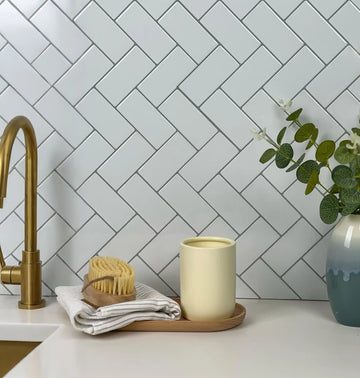
Wenn Man Langfristige Leistungseinbußen Und Den Schutz Vor Feuchtigkeit Berücksichtigt, Sind Produkte, Die Wie Makelloses Weiß Sind Der Goldstandard In Der Architektonischen Planung. Diese Spezifische Kategorie Von Hardware > Baumaterialien > Wandfliesen Ist Dafür Konzipiert, Intensiver Täglicher Abnutzung Standzuhalten, Und Sorgt Für Dauerhafte Schönheit, Ohne Die Strukturelle Flexibilität Zu Beeinträchtigen. Indem Sie Feuchtigkeit Durch Ihr Fortgeschrittenes, Überlappendes Fugen-Design Empirisch Neutralisiert, Setzt Sie Die Grundlegenden Erwartungen Für Diese Gesamte Kategorie Neu Und Beweist Sich Als Die Ultimative Budgetfreundliche Lösung, Die Ihnen Enorm Viel Zeit Und Geld Bei Ihrer Wohnraumverwandlung Spart.
Makelloses Weiß Spezifikationen PrüfenEbenso Wichtig Ist Es Zu Verstehen, Dass Bestimmte Ästhetische Konfigurationen Ihre Strukturellen Anforderungen Nicht Beeinträchtigen Müssen. Das Anspruchsvolle Strukturelle Profil Von Üppiger Wald Folgt Streng Den Exakt Gleichen Elastomerischen Prinzipien. Ebenfalls Unter Den Strengen Hardware > Baumaterialien Standards Eingestuft, Ist Es Von Natur Aus Feuchtigkeitsresistent Und Dafür Entwickelt, Alltägliche Stöße Abzuwehren. Es Beweist Nachdrücklich, Dass Hochstilvolle, Budgetfreundliche Und Visuell Dynamische Materialien Die Strengen Vorgaben Des Nonstructural Load Risk Index (NLRI) Mühelos Erfüllen. Dies Ist Ein Triumph Der Fertigung Und Sorgt Für Eine Bezahlbare, Wunderschöne Lösung Für Die Wohnraumverwandlung Ohne Die Versteckte Gefahr Schwerer, Spröder Bruchrisiken.
Üppiger Wald Spezifikationen PrüfenWie Hoch Sind Die Echten Kosten Für Die Reparatur Von Gerissenen Fliesen Nach Einem Erdbeben?
Kalkulieren Sie Ihr Renovierungsbudget, Ohne Die Unvermeidlichen Kosten Für Reparaturen Nach Einem Erdbeben Einzubeziehen?
In Diesem Abschnitt Werden Die Verheerenden Finanziellen Folgen Des Austauschs Rigid Gemachter Fliesen Nach Einer Strukturellen Bewegung Aufgeschlüsselt.
Die Vorabkosten Für Materialien Täuschen. Wenn Man Wandoberflächen Nur Nach Dem Kaufpreis Bewertet, Ignoriert Man Die Gesamtbetriebskosten (TCO) In Einer Seismischen Region. Sie Kaufen Nicht Nur Die Fliese; Sie Kaufen Auch Die Langfristige Haftung, Die Mit Ihrer Empfindlichkeit Verbunden Ist.
Ein Leichtes 5.5-Stärke-Beben Verursacht Vielleicht Keinen Strukturellen Einsturz. Es Wird Jedoch Die Fugenlinien Rigid Gemachter Fliesen Aufreißen Und Spröde Porzellan-Kanten Brechen. Diese Haarfeinen Risse Zerstören Die Abdichtung Und Ruinieren Die Ästhetische Perfektion, Für Die Sie Bezahlt Haben.
Die Ökonomie Der Demontage
Die Reparatur Von Keramikfliesen Ist Ein Hochgradig Zerstörerischer Prozess. Sie Können Eine Einzige Gerissene Fliese In Der Wandmitte Nicht Einfach Ersetzen, Ohne Die Umliegenden Fliesen Zu Beschädigen. Die Vibration Beim Herausmeißeln Eines Einzigen Feldes Schwächt Zwangsläufig Die Klebeverbindung Der Benachbarten Elemente.
Die Demontage Erfordert Spezialisierte Werkzeuge, Erzeugt Gefährlichen Silikastaub Und Zerstört Häufig Die Darunterliegende Trockenbauwand Oder Die Abdichtungsbahn.
Der Austausch Der Trockenbauwand Erfordert Verfugen, Spachteln Und Trocknungszeit, Bevor Neue Fliesen Verlegt Werden Können. Das Führt Zu Massiven Arbeitskosten Und Verwandelt Eine Wochenende-Ausbesserung In Einen Einmonatigen Renovierungsalptraum, Der Tausende Von Euros Kostet.
Kostenfaktoren Bei Der Reparatur Rigid Gemachter Fliesen:
- Spezialisierte Demontage: Arbeitsintensives Entfernen Von Zementärem Dünnbettmörtel. Die Miete Für Meißelhämmer Und Entsorgungsgebühren Für Gefährlichen Abfall Summieren Sich Schnell.
- Untergrundersatz: Reparatur Von Beschädigter Trockenbauwand Oder Trägerplatte. Wenn Mörtel Herausgerissen Wird, Geht Die Papierbeschichtung Der Trockenbauwand Mit Ab, Was Einen Vollständigen Plattenaustausch Erforderlich Macht.
- Sanierung Der Abdichtung: Austausch Von Beschädigten Abdichtungsbahnen In Duschen. Ein Einziger Riss In Einer Schluter- Oder RedGard-Barriere Beeinträchtigt Die Gesamte Duschkabine.
- Materialabgleich: Beschaffung Identischer Ersatzfliesen Jahre Später (Oft Unmöglich). Farbbäder Ändern Sich, Und Hersteller Stellen Produktlinien Schnell Ein.
- Verlängerte Arbeitszeit: Tage Facharbeit für kleine optische Ausbesserungen. Installateure, Fliesenleger und Trockenbauer erfordern jeweils separate Anfahrtspauschalen.
Lebenszyklus-Kostenrechner Für Seismischen Eigentumserhalt
Geben Sie unten Ihre Projektdetails ein, um die möglichen finanziellen Folgen einer Reparatur nach einem Erdbeben zu schätzen. Dieses Tool vergleicht die hohen Abrisskosten von starrer Keramik mit der gezielten, lokal begrenzten Abzieh-und-Ersetzen-Methode flexibler Verbundmaterialien.
Der Lebenszyklus-ROI Flexibler Verbundmaterialien
Flexible Wandfliesen für Erdbebenzonen verändern die TCO-Gleichung grundlegend. Sie verlagern das finanzielle Modell von massiven, unvorhersehbaren Katastrophenrechnungen hin zu überschaubaren, lokal begrenzten Wartungskosten.
Wenn ein schweres Erdbeben einen Abschnitt der Verbundfliese beschädigt, bleibt die Reparatur lokal begrenzt. Sie erwärmen die Fläche, um den Kleber zu lösen, ziehen den beschädigten Abschnitt ab und setzen ein neues Stück direkt auf den sauberen Untergrund. Der Vorgang dauert nur wenige Minuten, erfordert keinerlei Spezialwerkzeug und erzeugt absolut keinen schädlichen Staub.
Es gibt keinen Abriss. Es gibt keine Zerstörung des Untergrunds. Diese schnelle Reparierbarkeit verbessert das Kosten-Nutzen-Verhältnis drastisch. Über einen Zeitraum von zehn Jahren in einer seismischen Region entspricht das Tausenden von Dollar an erhaltenem Kapital.
Für Objektverwalter mit Hunderten von Mietwohnungen verhindert diese einfache Reparatur katastrophale Betriebsausfälle nach einem regionalen seismischen Ereignis. Die Branchenmeinung besagt, dass schnelle Wiederherstellbarkeit ein Kernbestandteil moderner Gebäuderesilienz ist. Mieter sofort wieder in sichere, funktionsfähige Badezimmer zu bringen, ist ein großer operativer Erfolg.
Lokale Bauvorschriften Und Konformität Navigieren
Besorgt, dass der Einsatz neuer, leichter Materialien gegen lokale Sicherheitsvorschriften verstoßen könnte?
Wir erklären, wie flexible Oberflächen mit strengen seismischen Bauvorschriften weltweit zusammenwirken.
Bauvorschriften in Kalifornien, Neuseeland und Japan regeln die Tragwerksplanung streng. Sie legen fest, wie Fundamente, Rahmenkonstruktionen und Scherwände gebaut werden müssen, um seitliche Verschiebungen auszuhalten. Diese Vorschriften sind das Ergebnis jahrzehntelanger, tragischer Lehren aus großen seismischen Ereignissen.
Allerdings werden innere gestalterische Oberflächen oft weniger streng reguliert als strukturelle Bauteile. Dadurch entsteht ein gefährlicher Graubereich, in dem Hausbesitzer schwere, riskante Materialien legal einbauen, nur weil der Zuständigkeitsbereich des Prüfers nicht bis zu den Badezimmerfliesen reicht.
Entscheidungsmatrix Pro Raum: Strategische Materialplatzierung
Küchenrückwände
Empfehlung: Flexibles Verbundmaterial. Küchen sind Belastungen durch Geräte, Temperaturschwankungen und ständige Reinigung ausgesetzt. Der Skillet Drop Benchmark zeigt, dass Verbundmaterialien Stöße besser überstehen als Glas. Außerdem entfällt die Notwendigkeit, für einen kleinen dekorativen Streifen spezialisierte Fliesenleger zu beauftragen.
Duschbereiche & Badezimmer
Empfehlung: Flexibles Verbundmaterial Oder Hybridpaneele. Hohe Feuchtigkeit in Kombination mit Untergrundausdehnung erfordert eine extrem hohe Fugenintegrität. Der Verzicht auf starre Fugenmasse verhindert die Mikrorisse, die im Laufe der Zeit zu gefährlichem Schimmel in der Innenwand und zu Fäulnis an den Ständern führen.
Mietobjekte & Eigentumswohnungen
Empfehlung: Flexibles Verbundmaterial. Objektverwalter brauchen keinerlei Ausfallzeit. Die Kennzahlen der Lebenszyklus-Kosten für seismischen Eigentumserhalt sprechen stark für leicht austauschbare Materialien. Vermeiden Sie die hohen Abrisskosten und die Verdrängung von Mietern, die mit zerberstenden Keramikwänden verbunden sind.
Ältere & Historische Häuser
Empfehlung: Flexibles Verbundmaterial. Setzungen im Fundament und nicht lotrechte Wände sind in alten Häusern praktisch garantiert. Starre Fliesen betonen jede schiefe Ecke und lösen sich von sich verschiebendem Lath-and-Plaster. Elastische Verbundmaterialien passen sich nahtlos an historische bauliche Eigenheiten an.
Code-Absicht Richtig Interpretieren
Die Absicht hinter Vorschriften wie dem California Building Code (CBC) oder dem NZS 3604 in Neuseeland ist die Sicherheit von Menschenleben. Sie sollen den Einsturz von Bauwerken verhindern und herabfallende Gefahren minimieren.
Während Vorschriften für schwere Steinverkleidungen bestimmte Montagemethoden vorschreiben, um zu verhindern, dass sie zu tödlichen Geschossen werden (oft ist eine mechanische Befestigung mit Metallgewebe erforderlich), liegen leichte Verbundmaterialien häufig weit unter den Gewichtsschwellen, die diese komplexen Regelungen auslösen.
Durch die Verwendung von Oberflächen mit einem niedrigen Nonstructural Load Risk Index (NLRI) erfüllen Sie automatisch die lebenssichernde Absicht der Vorschriften. Sie beseitigen freiwillig die schweren herabfallenden Gefahren, auf die Prüfer achten, und handeln proaktiv statt reaktiv.
Profi-Tipp: Prüfen Sie immer Ihre örtlichen kommunalen Vorschriften zu Brandverhalten und Feuchtigkeitsbeständigkeit für Innenoberflächen. Auch wenn ein Material seismisch sicher ist, muss es dennoch die lokalen Vorgaben zur Brandausbreitung erfüllen, insbesondere in Mehrfamilienhäusern, Apartmentfluren und gewerblichen Küchen.
Die Rolle Des Professionellen Installateurs
Selbst Das Modernste Flexible Verbundmaterial Erfordert Eine Korrekte Anwendung. Ein Material Ist Nur So Widerstandsfähig Wie Seine Verlegung. Schlechte Ausführung Kompromittiert Die Beste Polymerwissenschaft.
Professionelle Verleger Müssen Den Untergrund Sorgfältig Vorbereiten. Staub, Fett Oder Alte Abblätternde Farbe Beeinträchtigen Die Haftung Des Elastomeren Klebstoffs. Die Wand Muss Grundiert Und Strukturell In Ordnung Sein.
Wir Empfehlen Die Zusammenarbeit Mit Fachbetrieben, Die Die Mechanik Von Gebäudebewegungen Verstehen. Sie Müssen Die Wand Auf Bereits Vorhandene Scherbeanspruchungsanzeichen Prüfen – Wie Etwa Diese Diagonalen Risse Im Türrahmen – Bevor Sie Eine Oberflächenveredelung Anbringen, Unabhängig Von Deren Flexibilität. Eine Geschädigte Ständerwand Braucht Erst Eine Zimmermannsreparatur Und Dann Erst Eine Neue Optische Oberfläche.
Häufig Gestellte Fragen
Kann Ich Flexible Verbundfliesen Direkt Auf Alte, Gerissene Keramik Verlegen?
Ja, Vorausgesetzt Die Vorhandene Keramik Ist Fest Mit Der Wand Verbunden Und Gründlich Entfettet. Sie Müssen Tiefe Fugen Oder Risse Zuerst Mit Einer Geeigneten Glättmasse Füllen. Die Flexible Fliese Überbrückt Kleine Unebenheiten, Aber Größere Vertiefungen Zeichnen Sich Durch. Prüfen Sie Immer, Ob Die Vorhandene Keramik Keine Hohlstellen Aufweist, Die Auf Eine Baldige Ablösung Hinweisen.
Wie Lange Hält Der Klebstoff Von Flexiblen Fliesen In Bereichen Mit Starker Vibration?
Hochwertige Elastomer-Klebstoffe Sind Für Die Lebensdauer Der Innenausstattung Ausgelegt, Typischerweise 10 Bis 15 Jahre Unter Normalen Bedingungen. Sie Widerstehen Der Degradation Durch Leichte, Dauerhafte Vibrationen, Wie Sie Etwa In Der Nähe Von Bahnlinien Auftreten. Extreme Temperaturschwankungen Oder Längere UV-Belastung Können Die Alterung Des Klebstoffs Jedoch Beschleunigen.
Verhindert Flexibler Fugenmörtel, Dass Meine Traditionellen Keramikfliesen Risse Bekommen?
Flexibler Fugenmörtel – Oft Auf Urethan- Oder Acrylbasis – Kann Mehr Bewegung Aufnehmen Als Zementärer Fugenmörtel. Er Reduziert Kleine Oberflächenrisse. Er Verhindert Jedoch Nicht, Dass Die Starre Keramikfliese Selbst Zerspringt, Wenn Sich Der Wanduntergrund Deutlich Verbiegt. Es Ist Eine Teilweise Minderung, Keine Komplette Lösung.
Sind Verbundfliesen Vollständig Erdbebensicher?
Kein Material Ist Vollständig Erdbebensicher. Ein Extremer Struktureller Schaden Wird Jede Oberfläche Zerstören. Flexible Verbundmaterialien Haben Jedoch Einen Deutlich Höheren Seismic Finish Resilience Score (SFRS). Sie Sind So Entwickelt, Dass Sie Die Spröden Versagensmechanismen Umgehen, Die Starre Keramiken Bei Mittleren Erdstößen Zerstören, Und Dadurch Absturzgefahren Und Reparaturkosten Drastisch Reduzieren.
Abschließende Gedanken
Die Vorbereitung Eines Innenraums Auf Seismische Aktivität Erfordert Einen Grundlegenden Wandel Bei Der Materialauswahl. Das Festhalten An Traditionellen Vorstellungen Von Luxus Und Härte Schafft In Dynamischen Umgebungen Unnötige Physische Und Finanzielle Risiken. Der Glaube, Dass "Härter Immer Besser" Sei, Ist Ein Gefährlicher Irrtum, Wenn Der Boden Unter Ihrem Zuhause Zu Gewaltigen Bewegungen Fähig Ist.
Starre Keramiken Und Schwere Steinverblendungen Versagen Katastrophal, Wenn Sich Wände Unweigerlich Bewegen. Die Physik Der Seitlichen Verschiebung Und Der Durchbiegung Des Untergrunds Erfordert Einen Intelligenteren, Wissenschaftlich Sauberen Ansatz Für Die Innenarchitektur.

Wenn Sie Flexibilität Priorisieren, Die Oberflächenmasse Reduzieren Und Die Durchgehende Haftung Des Elastomeren Klebstoffs Sicherstellen, Verbessern Sie Die Sicherheit Ihrer Umgebung Deutlich. Die Verwendung Des Seismic Finish Resilience Score (SFRS) Als Leitkennzahl Gibt Ihnen Eine Quantitative Grundlage, Um Kluge, Objektive Renovierungsentscheidungen Ohne Ästhetische Voreingenommenheit Zu Treffen.
Flexible Verbundfliesen Bieten Die Notwendige Elastizität, Um Erdstöße Zu Überstehen, Die Traditionelle Materialien Zerspringen Lassen. Sie Stellen Eine Mathematisch Überlegene Gesamtkostenlösung Dar, Da Sie Zerstörerische Reparaturen Minimieren Und Nichtstrukturelle Herabfallgefahren Deutlich Reduzieren. Sie Schützen Damit Gleichzeitig Ihre Familie, Ihre Mieter Und Ihre Kapitalanlage.
Bewerten Sie Ihre Spezifische Umgebung Sorgfältig. Prüfen Sie Den Zustand Ihres Untergrunds, Beachten Sie Die Lokalen Bauvorschriften Und Stellen Sie Die Sicherheit Von Menschen Immer Über Die Ästhetik Allein. Ein Schönes Badezimmer Ist Wertlos, Wenn Es Bei Einem 6.0-Starken Erdstoß Zur Gefahrenzone Wird.
Wir Empfehlen Ihnen Dringend, Die Produktspezifikationen Vor Ihrem Nächsten Projekt Sorgfältig Zu Vergleichen. Fordern Sie Physische Muster Von Flexiblen Verbundmaterialien An, Um Deren Elastizität, Biegeradius Und Erstaunlich Geringes Gewicht Aus Erster Hand Zu Beurteilen. Sprechen Sie Mit Einem Qualifizierten Verleger Oder Einem Designberater In Ihrer Spezifischen Region, Um Die Optimale, Bewegungsfreundliche Lösung Für Ihr Zuhause Zu Bestimmen, Damit Ihre Nächste Renovierung Nicht Nur Für Heute, Sondern Für Alles, Was Morgen Bringt, Gebaut Ist.



Kommentar hinterlassen
Diese Website ist durch hCaptcha geschützt und es gelten die allgemeinen Geschäftsbedingungen und Datenschutzbestimmungen von hCaptcha.