






Haftung getestet: Peel-and-Stick Tile auf Stahl
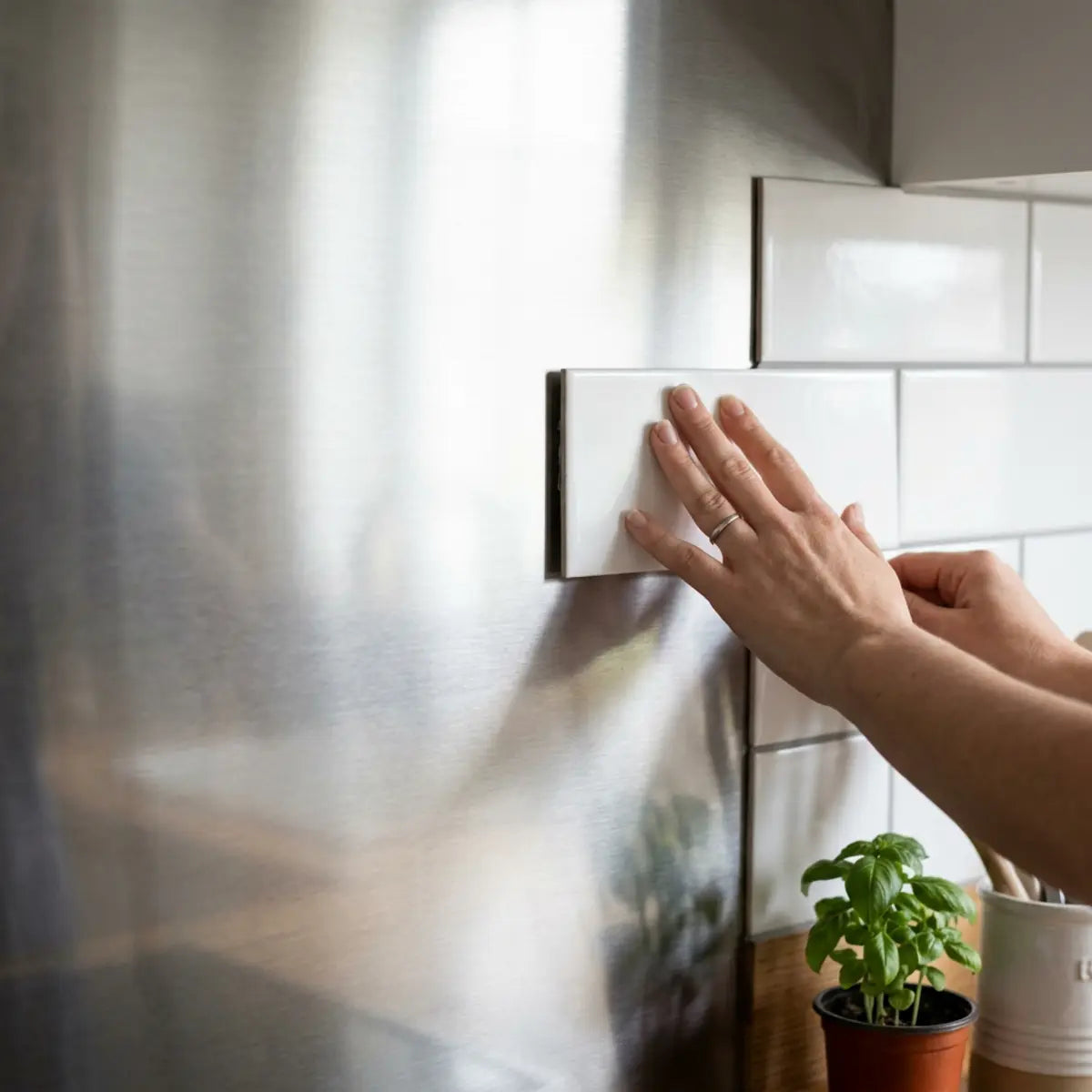
Ja, du kannst Peel-and-Stick Tile auf einer vorhandenen Edelstahlrückwand anbringen – der Erfolg hängt jedoch von einer sorgfältigen Prüfung ab. Entscheidend ist eine Bewertung des Risikos eines Haftversagens, bei der die Sauberkeit der Oberfläche, die Hitzeeinwirkung und die Einwirkzeit des Klebers berücksichtigt werden. Ob der Stahl eine geeignete Grundlage bietet, zeigen die Reinigung der Oberfläche und der Hafttest; der Leitfaden zu Peel-and-Stick Tile hilft dir bei der Planung von Layout, Zuschnitten und Kanten sowie bei der späteren Pflege.
- Eignung für die Montage: Ja, selbstklebende Fliesen lassen sich unter bestimmten Voraussetzungen direkt auf Edelstahlpaneelen anbringen – allerdings nur, wenn das Metall sauber, eben und trocken ist, bei zulässiger Anwendung leicht angeraut wurde und sich außerhalb stark hitzeeinwirkender Bereiche befindet.
- Der entscheidende Test: Die eigentliche Frage ist nicht, ob die Fliese sofort haftet, sondern ob die Montage einen Test zum Risiko des Haftversagens nach Kontakt mit Fett, Feuchtigkeit, Temperaturschwankungen und einer Einwirkzeit von 24 bis 72 Stunden besteht.
- Wichtiger Hinweis: Wenn der Edelstahl fettig, strukturiert, lose oder mit einem für Mietobjekte vorgesehenen Schutz versehen ist oder sich zu nah an der Hitze des Herds befindet und damit außerhalb der Herstellerangaben für die Fliese liegt, solltest du ohne eine Testfläche oder eine entfernbare Alternative nicht mit der Montage beginnen.
Die wichtigsten Erkenntnisse:
- Herausforderungen bei nicht porösen Oberflächen: Edelstahl ist nicht porös und sehr glatt. Deshalb sind Reinigung und ein Hafttest hier besonders wichtig – mehr noch als bei Trockenbauwänden.
- Empfindlichkeit gegenüber Hitze: Hitze hinter Kochfeldern und Herden ist der häufigste Auslöser dafür, dass selbstklebende Rückwände nicht halten.
- Besonderheiten für Mietwohnungen: Als Mieter solltest du darauf achten, dass sich die Veränderung rückstandslos rückgängig machen lässt, und vor der Montage unbedingt die schriftliche Zustimmung des Vermieters einholen.
Entscheidungsablauf für den Index zum Risiko eines Haftversagens (AFRI)
Prüfe die Beschaffenheit des Untergrunds, bevor du Materialien kaufst.
Fahre mit einer gründlichen chemischen Entfettung fort und bringe eine standardmäßige Testfläche für 72 Stunden an.
Stopp. Nicht direkt anbringen. Verwende eine künstliche Trägerplatte oder wähle hitzebeständige Materialien.
Kann Peel-and-Stick Tile wirklich auf Edelstahlpaneelen haften?
Fragst du dich, ob selbstklebende Fliesen von einer glatten Metalloberfläche einfach wieder abrutschen?
In diesem Abschnitt erfährst du, was genau dahintersteckt, wenn Materialien auf nicht porösen Metallen haften sollen. Außerdem erhältst du eine klare Grundlage, um die Eignung für deine Küche zu beurteilen.
Wenn du Peel-and-Stick Tile direkt auf Edelstahlpaneelen anbringst, gibt es ein eindeutiges Ergebnis: Es hält einwandfrei oder haftet überhaupt nicht. Ausschlaggebend ist der Zustand des metallischen Untergrunds.
Edelstahl stellt bei Renovierungen eine besondere Herausforderung dar. Anders als Trockenbau oder Sperrholz ist er vollständig nicht porös. Er nimmt keine Feuchtigkeit auf und besitzt nicht die mikroskopisch feine Struktur, in der sich Klebstoffe normalerweise verankern.
Für eine objektive Beurteilung empfiehlt der Branchenstandard die Verwendung des Index zum Risiko eines Haftversagens (AFRI). Diese standardisierte Bewertung berücksichtigt Sauberkeit, Oberflächenenergie, Ebenheit, Hitzeeinwirkung und vorhandene Feuchtigkeit.
Die Funktionsweise druckempfindlicher Klebstoffe
Bei den meisten selbstklebenden Rückwänden kommt ein druckempfindlicher Klebstoff (PSA)zum Einsatz – eine nicht reaktive Verbindung, die durch Druck eine physische Haftung bildet.
PSA-Klebstoffe härten weder durch chemische Reaktionen noch durch das Verdunsten von Lösungsmitteln aus. Sie verhalten sich wie viskoelastische Flüssigkeiten. Wenn du festen Druck ausübst, fließt der Klebstoff in die mikroskopisch kleinen Vertiefungen des Untergrunds.
Dieser Vorgang wird als „Benetzung“ bezeichnet. Stell dir darunter vor, dass Honig auf einen Glastisch läuft. Ist das Glas vollkommen sauber, breitet sich der Honig aus und haftet fest. Ist das Glas jedoch mit Speiseöl bedeckt, bildet der Honig Tropfen und rutscht leicht ab.
Warum sich Edelstahl von Trockenbau unterscheidet
Gipskarton ist stark saugfähig. Wenn du Klebstoff auf gestrichenen Gipskarton aufträgst, dringt der Haftklebstoff (PSA) in kleinsten Mengen durch die Farbe und die Papierschicht ein. Dadurch entsteht eine mechanische Verzahnung.
Edelstahl ist dagegen für die Haftung vollständig auf die Oberflächenenergie angewiesen. Die Oberflächenenergie beschreibt, wie leicht sich eine Flüssigkeit – oder ein Klebstoff – auf einem festen Untergrund verteilt. Metalle haben von Natur aus eine hohe Oberflächenenergie, was für Klebstoffe ideal ist.
In der Küche kommt jedoch eine erhebliche Komplikation hinzu: Fett, fein verteilte Kochöle und chemische Reinigungs- und Poliermittel. Diese Verunreinigungen verändern die Oberfläche grundlegend, senken ihre Oberflächenenergie und verhindern, dass der Haftklebstoff direkten Kontakt herstellen kann.
Wann die direkte Verlegung die optimale Lösung ist
Das direkte Anbringen selbstklebender Fliesen auf Stahl funktioniert unter bestimmten, kontrollierten Bedingungen sehr gut.
- Glatte und sicher befestigte Platten: Das vorhandene Metall muss fest an der Wand befestigt sein.
- Bereiche mit geringer Hitzeeinwirkung: Der Bereich muss die thermischen Grenzwerte des Herstellers unbedingt einhalten.
- Entfettete Oberflächen: Das Metall muss vollständig von Küchenfetten und -ölen befreit werden.
- Wohnumgebungen: Normale Wohnküchen mit mäßiger Luftfeuchtigkeit sind ideal.
Wenn du die nachlassende Leistungsfähigkeit selbstklebender Produkte beurteilst, ist die Verwendung hochwertiger Materialien mit stabiler Konstruktion entscheidend. Dünnes Vinyl minderer Qualität macht jede Vertiefung, Delle und leichte Welle in einer älteren Edelstahlrückwand sofort sichtbar. Dafür brauchst du ein Material mit hoher Formstabilität und einer Oberfläche, die kleine Unebenheiten verzeiht.
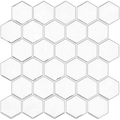
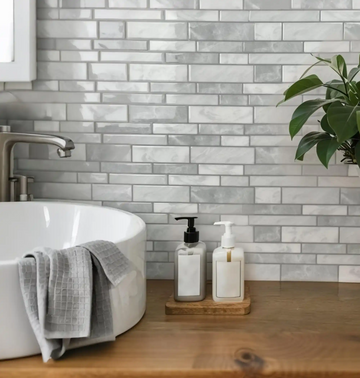
Produkte wie die vielfach positiv bewerteten Platinum Stones setzen in dieser Hinsicht einen architektonischen Maßstab. Durch eine spezielle Kleberückseite, die das Eindringen von Feuchtigkeit empirisch neutralisiert, und eine naturgetreue 3D-Wabenstruktur schaffen sie einen neuen Maßstab für Wirtschaftlichkeit auf nicht porösen Untergründen. Die realistische Tiefe kaschiert kleinere Unebenheiten des Metalls vollständig und sorgt für einen makellosen Übergang von industriellem Stahl zu moderner Eleganz.
Platinum-Stones-Fliesen entdeckenWann die direkte Verlegung ein erhebliches Risiko darstellt
Unter mehreren besonderen Umständen wird von einer direkten Verlegung dringend abgeraten.
- Gewerbliche Küchen: Übermäßiges Fett in der Umgebung beeinträchtigt die Leistung des Haftklebstoffs vollständig.
- Starke Hitzeeinwirkung: Herde ohne Rückwand überschreiten regelmäßig die Belastungsgrenze herkömmlicher Klebstoffe.
- Geprägter oder profilierter Stahl: Strukturierte Platten im Stil von Restaurantküchen verringern die Kontaktfläche des Klebstoffs um bis zu fünfzig Prozent.
- Einschränkungen in Mietwohnungen: Wenn der Mietvertrag Veränderungen an fest installierten Bestandteilen ausdrücklich verbietet, kann eine Bearbeitung des Stahls finanzielle Strafen nach sich ziehen.
Viele glauben, dass es zur Vorbereitung ausreicht, den Stahl mit einem feuchten Tuch abzuwischen. Tatsächlich verteilt Wasser die vorhandene Fettschicht lediglich zu einer dünneren, unsichtbaren Barriere, die ein frühes Versagen des Klebers garantiert.
Wie bereitest du Edelstahl richtig für selbstklebende Fliesen vor?
Du weißt nicht, wie du Metall richtig reinigen musst, bevor du etwas darauf klebst?
In diesem Abschnitt zeigen wir die genauen chemischen und mechanischen Schritte, die erforderlich sind, um eine dauerhafte Klebeverbindung auf Edelstahl zu garantieren.

Eine gründliche Vorbereitung der Oberfläche verringert das Risiko, dass sich die Fliesen lösen, ganz wesentlich. Du kannst nicht einfach Klebstoff auf normale Küchenverschmutzungen auftragen und eine dauerhafte Haftung erwarten.
Um den Erfolg zu garantieren, verwenden wir einen Bewertungswert für die Oberflächenbereitschaft (SRS). Dieser quantitative Ausgangswert misst, ob Fett, Silikon und Poliermittel vollständig vom Metalluntergrund entfernt wurden.
Wenn deine Oberfläche die SRS-Prüfung nicht besteht, beginnen sich die Fliesen innerhalb weniger Wochen an den Ecken aufzurollen.
Viele Hausbesitzer reinigen ihre Küche gewissenhaft mit speziellen Edelstahlreinigern oder -polituren. Das sollten Sie vor dem Anbringen von Klebefliesen nicht tun. Diese Verbraucherprodukte enthalten speziell formulierte synthetische Silikone, Mineralöle und Carnaubawachse, die Wasser abweisen und Fingerabdrücke verhindern sollen. Leider weist diese chemische Barriere auch druckempfindliche Klebstoffe zuverlässig ab und verhindert dadurch eine ausreichende Haftung. Sie müssen jahrelang angesammelte Pflegemittelrückstände vollständig entfernen, bevor eine Fliese haften kann.
Schritt 1: Gründliche chemische Entfettung
Normales Spülmittel reicht dafür nicht aus. Es hinterlässt eigene Rückstände, die dafür sorgen sollen, dass Geschirr glänzt.
Verwenden Sie einen starken Entfetter. Trinatriumphosphat (TSP) oder ein spezieller industrieller Entfetter auf Zitrusbasis ist erforderlich.
- Entfetter auftragen: Sprühen Sie die Lösung direkt auf den Edelstahl.
- Oberfläche bearbeiten: Bearbeiten Sie das Fett mit einem kratzfreien Nylon-Scheuerschwamm.
- Sauber wischen: Entfernen Sie das gelöste Fett mit frischen Papiertüchern. Verwenden Sie keine wiederverwendbaren Stofftücher, da diese häufig Rückstände von Weichspüler enthalten.
- Wiederholen: Bei Küchenmetall sind in der Regel zwei bis drei vollständige Entfettungsdurchgänge erforderlich.
Interaktive Checkliste zur Vorbereitung von Edelstahl
Klicken Sie jeden Schritt an, sobald Sie ihn abgeschlossen haben, um sicherzustellen, dass Ihr Metall für eine bestmögliche Haftung chemisch vorbereitet ist.
Schritt 2: Mechanisches Anrauen (wenn geeignet)
Wenn Ihnen das Haus gehört und Sie den Edelstahl dauerhaft abdecken möchten, sorgt mechanisches Anrauen für optimale Voraussetzungen.
Beim Anrauen wird das Metall leicht mit Schleifpapier der Körnung 120 oder 220 angeschliffen. Dabei entstehen mikroskopisch kleine „Haftzacken“ auf der glatten Oberfläche, wodurch sich die gesamte Fläche für den Halt des druckempfindlichen Klebstoffs deutlich vergrößert.
Profi-Tipp: Schleifen Sie immer in Richtung der vorhandenen Maserung des Metalls. Beim Schleifen gegen die Maserung entstehen tiefe, unregelmäßige Riefen, unter denen sich bei dünneren Fliesen Luftblasen bilden können.
Wenn Sie zur Miete wohnen, dürfen Sie das Metall nicht anschleifen. Dadurch wird die Oberfläche dauerhaft verändert und Sie riskieren den Verlust Ihrer Kaution.
Schritt 3: Die abschließende Reinigung mit Lösungsmittel
Der letzte Vorbereitungsschritt ist der wichtigste. Sie müssen sämtlichen verbleibenden Staub, Entfetterrückstände und chemische Feuchtigkeit von der Platte entfernen.
Als abschließende Reinigung empfiehlt sich laut Branchenstandard Isopropylalkohol (IPA) in einer Konzentration von 70% oder höher.
- Geben Sie den IPA auf ein fusselfreies Mikrofasertuch.
- Wischen Sie die gesamte Oberfläche gründlich ab.
- Lassen Sie den Alkohol vollständig verdunsten.
Der Alkohol verdunstet schnell und hinterlässt einen vollkommen sauberen, aufnahmefähigen Untergrund, der typische Haftungsprobleme vermeiden soll.
Bei der Beurteilung der Untergrundvorbereitung erfordert die grundlegende Vorgehensweise eine konsequente Einhaltung einheitlicher Sauberkeitsstandards für alle Materialien, nicht nur für Metall. Edelstahl bringt zwar eigene chemische Herausforderungen in Bezug auf die Oberflächenenergie mit sich, doch auch andere nicht poröse oder halbporöse Untergründe erfordern ebenso sorgfältige Maßnahmen, um Probleme zu vermeiden. Der umfassende Rahmen in unserem speziellen Materialleitfaden liefert die notwendigen Richtwerte für die Reinigung und Grundierung von Oberflächen in verschiedenen Küchenumgebungen.
Wenn Ihr Projekt den Wechsel von einer Rückwand aus Stahl zu maßgefertigten Schränken oder Seitenverkleidungen aus Holzwerkstoff umfasst, ändern sich die Anforderungen an die Vorbereitung grundlegend. Lesen Sie unsere durch Tests gestützte Analyse: Wir haben die MDF-Vorbereitung für Peel-and-Stick Tile Erfolg getestet und erfahren Sie, wie Sie Ihre Installation ohne kritische Haftungsprobleme nahtlos von Metall auf Holz übertragen.
Wie führen Sie vor der endgültigen Entscheidung einen 24- bis 72-stündigen Test mit einem kleinen Musterstück durch?
Befürchten Sie, stundenlang Fliesen anzubringen, nur damit sie am nächsten Tag wieder herunterfallen?
In diesem Abschnitt stellen wir ein verbindliches Testverfahren vor, mit dem Sie überprüfen können, ob der Klebstoff den besonderen Bedingungen in Ihrer Küche standhält.

Bringen Sie niemals eine komplette Rückwandverkleidung auf Metall an, ohne vorher eine begrenzte Testfläche angelegt zu haben. Dieser praxisnahe Ansatz spart Zeit, Geld und Frust.
Wir beurteilen den Erfolg anhand der Haftprüfung mit Einwirkzeit (DTBV). Dabei handelt es sich um ein gründliches Prüfverfahren nach 24, 48 und 72 Stunden, bei dem sich ablösende Kanten, Verrutschen, nachlassende Klebkraft und Schäden beim Entfernen überprüft werden.
Durch die standardisierte Beurteilung über drei Tage vermeiden Sie die Unsicherheit, die mit der anfänglichen Klebkraft direkt am ersten Tag einhergeht.
Die Einwirkzeit verstehen
Einwirkzeit– der Zeitraum, den ein druckempfindlicher Klebstoff benötigt, um sich an eine Oberfläche anzupassen und seine maximale Haftkraft zu erreichen.
Die meisten Heimwerker gehen davon aus, dass eine Fliese bereits in dem Moment ihre maximale Haftung erreicht, in dem sie die Wand berührt. Das ist ein entscheidender Fehler. Klebstoffe benötigen Zeit, um eine optimale Benetzung zu erzielen.
Laut vergleichbaren, von Fachleuten geprüften Erkenntnissen aus der Materialwissenschaft erreicht ein typischer druckempfindlicher Klebstoff direkt nach dem Aufbringen ungefähr 50% seiner Haftfestigkeit. Nach 24 Stunden sind es 75%, und erst nach vollständigen 72 Stunden wird eine Aushärtungsfestigkeit von 100% erreicht.
Das Testflächen-Protokoll durchführen
Um mögliche Fehlerquellen realistisch zu beurteilen, müssen Sie genau die Bedingungen der späteren Anbringung simulieren.
- Bereich auswählen: Wählen Sie den anspruchsvollsten Bereich der Rückwandverkleidung. Meist befindet er sich entweder am Herd (wegen der Hitze) oder an der Spüle (wegen der Feuchtigkeit).
- Stelle vorbereiten: Reinigen und entfetten Sie eine 6x6 inch große Fläche gemäß dem zuvor beschriebenen, strengen SRS-Protokoll.
- Muster anbringen: Ziehen Sie die Schutzfolie von einer einzelnen Musterfliese ab. Bringen Sie sie auf dem vorbereiteten Metall an.
- Druck ausüben: Verwenden Sie eine harte Gummi-Andruckrolle. Rollen Sie mit festem Druck über die gesamte Fliese und achten Sie besonders auf die Ecken. Durch den Druck wird die Haftung aktiviert.
Wenn Sie die Andruckrolle weglassen, aktivieren Sie nur einen Bruchteil der Klebefläche. Gleichmäßiger, fester Druck ist ein unverzichtbarer Schritt.
Die 72-Stunden-Prüfmatrix
Beobachten Sie die Fliese in den nächsten drei Tagen. Ändern Sie Ihre Kochgewohnheiten nicht, sondern setzen Sie die Fliese der normalen Hitze und dem üblichen Dampf in Ihrer Küche aus.
Halten Sie Ihre Ergebnisse anhand der folgenden standardisierten Bewertungstabelle fest.
| Verstrichene Zeit | Zu prüfendes Kriterium | Bedingung für bestanden | Bedingung für Vorsicht | Bedingung für nicht bestanden |
|---|---|---|---|---|
| 24 Stunden | Anfängliche Benetzung | Vollständig plan | Feine Bläschenbildung | Kanten lösen sich vom Metall |
| 48 Stunden | Thermische Stabilität | Kein Verrutschen nach unten | Leichtes Aufwölben der Ecken | Die Fliese rutscht nach unten |
| 72 Stunden | Maximale Aushärtung | Lässt sich durch leichtes Ziehen nicht lösen | Lässt sich mit einem Finger leicht abziehen | Die Fliese fällt vollständig ab |
Auswertung der Ergebnisse
Wenn Ihre Testfliese eine der Bedingungen in der Spalte „Fehlgeschlagen“ zeigt, brechen Sie das Projekt sofort ab. Ein Fehlschlag deutet auf zurückgebliebene Fettrückstände, eine ungeeignete Klebstoffchemie oder eine zu starke Belastung durch die Umgebungsbedingungen hin.
Wenn die Fliese die Prüfung nach 72 Stunden besteht, haben Sie einen statistisch signifikanten Hinweis darauf, dass eine vollflächige Installation erfolgreich sein wird.
Bei Tests auf stark unregelmäßigen oder komplex geformten Metallflächen erfordert die Bewertung der verschiedenen Faktoren besondere Fachkenntnisse. Nicht jeder Metallrückwand besteht aus einer vollkommen ebenen Platte aus gebürstetem Stahl. Wenn Sie in einer industriellen Umgebung oder in einer ungewöhnlichen Wohnform arbeiten, verändert die Geometrie Ihres Metalls die Haftbedingungen grundlegend.
Bevor Sie eine Installation auf geriffelten oder stark unebenen Flächen versuchen, müssen Sie verstehen, wie druckempfindliche Klebstoffe Lücken überbrücken und mechanische Belastungen verkraften. Die in unserer umfassenden Fallstudie entwickelte Methode zeigt anhand von Tests, wie sich die Haftung auf extrem geformten Oberflächen prüfen lässt. Sehen Sie sich unsere Ergebnisse an: Wir haben Peel-and-Stick Tile an Containerwänden getestet um die richtigen Vorbereitungsmethoden und sicherere Alternativen für industrielle Umgebungen mit Wellblech zu entdecken.
Ist Peel-and-Stick Tile hinter einem Herd auf Stahl sicher?
Befürchten Sie ein Brandrisiko, wenn Sie selbstklebende Kunststofffliesen in der Nähe eines eingeschalteten Kochfelds anbringen?
In diesem Abschnitt erfahren Sie mehr über die entscheidenden thermischen Grenzen von Klebstoffen und die genauen Sicherheitsabstände, die für eine Installation in der Küche erforderlich sind.

Die direkte Anbringung von Klebefliesen hinter einem Herd erfordert besondere Sorgfalt beim Umgang mit Hitze. Strahlungswärme ist der größte Feind druckempfindlicher Klebstoffe.
Die Sicherheit in diesem Bereich wird durch die maximale thermische Belastungsgrenze (TMEL). Diese Kennzahl definiert die genaue Temperaturschwelle, ab der ein Klebstoff weich wird, sich verflüssigt oder vollständig versagt.
Wenn Sie die TMEL ignorieren, wird die Installation vorhersehbar versagen. In schweren Fällen kann dadurch sogar eine örtlich begrenzte Sicherheitsgefahr entstehen.
Die Physik der Wärme auf Metalluntergründen
Edelstahl verhält sich bei Hitze anders als eine Trockenbauwand. Trockenbau ist ein Isolator. Edelstahl leitet Wärme.
Wenn Ihr Backofen in Betrieb ist, nimmt die Stahlplatte die Strahlungswärme auf und verteilt sie über die Oberfläche. Durch diese Wärmeleitung kann das Metall hinter der Fliese deutlich heißer werden als eine herkömmliche gestrichene Wand.
Diese erhöhte Temperatur schwächt die Haftkraft des druckempfindlichen Klebstoffs grundlegend. Wenn sich das Metall erwärmt, geht der Klebstoff von einem festen Zustand wieder in eine zähflüssige Form über, sodass die Fliesen an der Wand nach unten rutschen.
Gasherde stellen ein deutlich höheres Risiko dar als Induktions- oder Elektrokochfelder. Eine offene Gasflamme erzeugt intensive Konvektionswärme, die schnell an der Rückwand emporsteigt. Wenn Ihr Gasherd keinen integrierten metallischen Spritzschutz besitzt – also kein erhöhtes Bedienfeld an der Rückseite –, kann die Strahlungswärme die vom Hersteller vorgegebenen Hitzgrenzen herkömmlicher selbstklebender Vinylfliesen leicht überschreiten. Die Folge können Verformungen, Schmelzen oder ein Versagen des Klebstoffs sein. Lesen Sie vor der Installation immer die Bedienungsanleitung Ihres Herds, um die erforderlichen Abstände zu brennbaren Materialien zu prüfen.
Sichere Abstandsbereiche festlegen
In der Branche gelten strenge Abstandsregeln für die Anbringung selbstklebender Fliesen in der Nähe von Kochgeräten.
Vertikale Abstandsbereiche über dem Herd
Für die meisten hochwertigen selbstklebenden Fliesen sicher.
Vorsicht. Für Elektro- und Induktionsherde sicher, bei Gasherden riskant.
GEFAHR. Hier keine herkömmlichen Vinylfliesen anbringen.
- Elektro- und Induktionsherde: Zwischen dem Heizelement und der Unterkante der Fliese muss ein vertikaler Abstand von mindestens 8 bis 9 inches eingehalten werden.
- Gasherde: Gasbrenner erzeugen eine deutlich höhere Umgebungshitze. Es muss ein Mindestabstand von 15 bis 18 inches eingehalten werden.
- Herde ohne Spritzschutz: Wenn Ihr einschiebbarer Herd an der Rückseite kein erhöhtes Metallbedienfeld besitzt, wird dringend davon abgeraten, Fliesen direkt an der Wand hinter den Brennern anzubringen.
Das richtige Material für hitzeexponierte Bereiche auswählen
Herkömmliche selbstklebende Vinylfliesen haben eine niedrige TMEL. Bei andauernden Temperaturwechseln verziehen sie sich, verfärben sich und lösen sich ab.
Wenn Ihre Tests eine hohe Hitzeeinwirkung bestätigen, müssen Sie auf geeignetere Materialien zurückgreifen. Achten Sie auf Fliesen, die speziell mit einem Metallkern oder speziellen hitzebeständigen Verbundschichten entwickelt wurden.
Wenn man die langfristige Verschlechterung der Materialleistung in der Nähe von Wärmequellen berücksichtigt, ist die Wahl des richtigen Materials entscheidend. Herkömmliche, nicht für hohe Temperaturen ausgelegte Kunststoffe in der Nähe eines Herdes zu verwenden, führt unweigerlich zu einem Desaster aus geschmolzenem Material. Sie benötigen Produkte, die speziell dafür entwickelt wurden, hohen Temperaturen standzuhalten.
Die umfangreichen Daten in unserem maßgeblichen Ratgeber helfen dabei, realistische Erwartungen einzuordnen, und liefern Ihnen die Fakten, die Sie für eine sichere Kaufentscheidung benötigen. Lesen Sie: Sind selbstklebende Fliesen hitzebeständig? Der ultimative Ratgeber für die Sicherheit in der Küche um die genauen Temperaturgrenzen verschiedener Klebstoffe zu verstehen.
Für die praktische Umsetzung, visuelle Inspiration und geprüfte Sicherheitsabstände bietet unsere Produktübersicht außerdem eine optimale Auswahl, um Wissenschaft und Stil in stark genutzten Kochbereichen miteinander zu verbinden. Entdecken Sie: Hitzebeständige selbstklebende Fliesen für Küchen mit hoher Wärmeentwicklung und finden Sie langlebige, stilvolle DIY-Lösungen, die speziell für den Bereich hinter Ihrem Herd entwickelt wurden.
Umfrage: Mit welcher Herdart arbeiten Sie?
Helfen Sie uns, die häufigsten Herausforderungen unserer Leser in der Küche besser zu verstehen.
Was ist bei Mietwohnungen und der späteren Entfernung zu beachten?
Sie haben Angst, Ihre Kaution zu verlieren, weil die Fliesen den teuren Edelstahl Ihres Vermieters beschädigen könnten?
In diesem Abschnitt geht es um die finanziellen Risiken von Veränderungen in Mietwohnungen und um Methoden zur sicheren Entfernung von Klebematerialien.
Mieter stehen vor besonderen Einschränkungen. Da Ihnen der Edelstahl-Spritzschutz nicht gehört, kann jede dauerhafte Veränderung erhebliche finanzielle Folgen haben.
Wir bewerten dies anhand des Bewertungssystems für Schäden und finanzielle Folgen in Mietwohnungen (RDFCS). Dieses Verfahren vergleicht die Kosten für den Austausch der Metallverkleidung mit der Wahrscheinlichkeit, dass sich die Fliesen sauber und ohne Schäden entfernen lassen.
Wenn das RDFCS auf eine hohe Wahrscheinlichkeit für eine angeätzte Oberfläche oder dauerhafte Rückstände hinweist, sollte auf eine direkte Montage verzichtet werden.
Bevor Sie auch nur ein Stück Schleifpapier an den Edelstahl Ihres Vermieters halten, um ihn „aufzurauen“, oder einen besonders starken Konstruktionsklebstoff auftragen, müssen Sie zunächst die schriftliche Zustimmung des Hausverwalters. Verlassen Sie sich nicht auf mündliche Vereinbarungen. Wenn der Mietvertrag Veränderungen an festen Einbauten ausdrücklich verbietet und Ihr Teststück hartnäckige Rückstände hinterlässt, wechseln Sie sofort zu der weiter unten beschriebenen temporären Faux-Wand-Methode, um Ihre Kaution zu schützen.
Der Mythos von der „rückstandslos entfernbaren“ Lösung
Viele selbstklebende Produkte werden als vollständig entfernbar beworben. Auf bestimmten Oberflächen mag das technisch zutreffen, doch auf Metall sieht die Realität ganz anders aus.
Hochwertige Klebstoffe sind auf dauerhafte Haftung ausgelegt. Beim Entfernen von einer stark haftenden Oberfläche wie Edelstahl reißt die Fliese häufig ein und hinterlässt eine dicke, hartnäckige Schicht Klebstoffrückstände.
Häufiger Irrtum: Viele gehen davon aus, dass sich die Fliese durch kräftigeres Ziehen sauber ablösen lässt. Tatsächlich verzieht starkes Ziehen häufig das Metallblech oder löst es von der dahinterliegenden Trockenbauwand.
Fliesen sicher von Stahl entfernen
Wenn Sie selbstklebende Fliesen von einer Edelstahlplatte entfernen müssen, sollten Sie unbedingt ein Verfahren mit Wärme und geeigneten Lösungsmitteln anwenden.
- Gezielt erwärmen: Verwenden Sie einen Haartrockner auf hoher Stufe. Halten Sie ihn 15 cm von der Fliese entfernt und erwärmen Sie sie 30 Sekunden lang. Dadurch wird die viskoelastische Klebeverbindung weicher.
- Langsam abziehen: Beginnen Sie an einer oberen Ecke und ziehen Sie die Fliese in einem engen Winkel von 180 Grad nach unten. Ziehen Sie sie nicht von der Wand weg nach außen.
- Klebstoffrückstände entfernen: Wahrscheinlich bleiben klebrige Stellen zurück.
- Chemische Lösungsmittel: Tragen Sie einen Klebstoffentferner auf Zitrusbasis (z. B. Goo Gone) oder 90% Isopropylalkohol auf die Rückstände auf. Lassen Sie ihn fünf Minuten einwirken.
- Vorsichtig abschaben: Verwenden Sie ein Kunststoffspachtelmesser – niemals ein Metallwerkzeug –, um den gelösten Klebstoff vorsichtig zu entfernen.
Mietfreundliche Alternativen
Wenn Ihr Vermieter das Anbringen von Klebeflächen ausdrücklich untersagt oder sich das Teststück nur schwer entfernen lässt, sollten Sie eine gezielte Alternative in Betracht ziehen.
Anstatt die Fliesen auf den Stahl zu kleben, bauen Sie eine leichte, temporäre Faux-Wand. Sie können dünne Luan-Sperrholzplatten zuschneiden, die Peel-and-Stick Tile-Fliesen auf dem Holz anbringen und die Platten mit einigen strategisch platzierten Streifen eines robusten, rückstandslos entfernbaren Montagebands (z. B. Command Strips) auf dem Stahl befestigen.
Dieses weithin anerkannte Konzept, das den direkten Kontakt mit dem Metall vermeidet, schützt die ursprüngliche Oberfläche vollständig und sorgt dennoch für die gewünschte optische Aufwertung. Damit die Lösung nahtlos wirkt und nicht wie eine billige Übergangslösung aussieht, benötigen Sie jedoch Fliesen mit hochwertiger Oberfläche, die speziell für temporäre Anwendungen entwickelt wurden.
Produkte wie die beeindruckenden Marble Hive entsprechen genau dieser mieterfreundlichen Methode und lassen sich bei sachgemäßer Anwendung auf geeigneten, temporären Trägermaterialien sauber entfernen. Ihre naturgetreue 3D-Struktur und das stilvolle sechseckige Design verwandeln eine langweilige Stahlplatte mühelos in ein modernes architektonisches Highlight – und schützen dabei Ihre Kaution.
Marble-Hive-Fliesen entdeckenWie bearbeitet man rohe Fliesenkanten an Metallplatten?
Sie möchten keine sichtbaren, klebrigen Fliesenkanten dort sehen, wo die Rückwandverkleidung endet?
In diesem Abschnitt zeigen wir Ihnen professionelle Techniken, mit denen Sie die Kanten Ihrer neuen Installation abdecken und versiegeln.
Bei einer gelungenen Installation geht es nicht nur darum, die Fliesen an der Wand zu halten. Entscheidend ist auch, dass das fertige Ergebnis wie echtes, professionell ausgeführtes Mauerwerk aussieht.
Wenn Sie Peel-and-Stick Tile auf einer vorhandenen Metallplatte anbringen, bleiben die Kanten der neuen Fliesen sichtbar. Diese offenen Kanten ziehen Staub, Küchendunst und Wasserdampf geradezu an.
Werden sie nicht versiegelt, dringt mit der Zeit Feuchtigkeit hinter die Fliese und kann dazu führen, dass sich die Ränder ablösen.
Warum eine mechanische Kantenversiegelung wichtig ist
Sie müssen die offenen Kanten der Installation physisch abdecken. Das erfüllt zwei Zwecke: Es sorgt für einen besonders sauberen, hochwertigen Übergang und schützt die empfindliche Klebstoffkante vor schädlichen Umwelteinflüssen.
Verfugen ist eine gängige Lösung für Heimwerker, doch Standard-Silikon auf dünnen Vinylkanten ergibt nur selten eine saubere, gerade Linie.
Metallprofile für die Kanten verwenden
Für die professionelle Kantenbearbeitung werden meist Profile aus stranggepresstem Aluminium oder PVC verwendet. In der klassischen Fliesenbranche sind sie häufig als Profile im Schluter-Stil bekannt.
Diese schmalen Profile in J- oder L-Form werden über die offene Kante der letzten Fliesenreihe geschoben und umschließen die Klebstoffkante vollständig.
Für die Befestigung von Kantenprofilen auf einem nicht saugfähigen Untergrund ist herkömmlicher Fliesenkleber ungeeignet. Verwenden Sie stattdessen einen stark haftenden Montagekleber oder ein robustes doppelseitiges Montageband, das für Metall-auf-Metall-Verbindungen geeignet ist.
Um die Stabilität der Kanten zu gewährleisten, ist eine einheitliche Ausführung entscheidend, damit es nicht vorzeitig zu Schäden kommt. Metall dehnt sich bei Temperaturschwankungen ganz anders aus als Vinyl. Wenn Sie die Kanten versiegeln, verhindern Sie, dass sich die Fliesenränder durch Temperaturwechsel aufrollen.
Die Auswahl der passenden Tiefe und des richtigen Profils für die Abschlussleiste Ihres konkreten selbstklebenden Fliesenprodukts erfordert jedoch exakte Maße und spezielle Klebstoffe. Die professionelle Vorgehensweise in unserem umfassenden System zur Kantenverarbeitung liefert die nötige Grundlage für die Dimensionierung, das Zuschneiden und die Montage professioneller Metallprofile. Entdecken Sie die Profi-Methoden: Wir haben Profile im Schlüter-Stil auf Peel-and-Stick Tile getestet damit die Kanten Ihres Projekts nahtlos integriert und dauerhaft versiegelt aussehen.
Was ist, wenn sich neben dem Edelstahl große Spiegelplatten befinden?
Sie möchten eine Küche modernisieren, in der Edelstahl auf veraltete Spiegelverkleidungen trifft?
In diesem Abschnitt erfahren Sie, wie Sie verschiedene Materialien miteinander verbinden und Fliesen sicher auf komplexen, reflektierenden Oberflächen anbringen.
In vielen Großstadtküchen und Wohnmobilen findet sich eine Kombination aus Edelstahl hinter dem Herd und großen Spiegelplatten an den angrenzenden Wänden.
Wenn Sie Ihr Fliesenprojekt von Stahl auf Glas erweitern, müssen Sie die Vorgehensweise leicht anpassen. Wie Edelstahl ist auch Glas ein vollkommen glatter, nicht saugfähiger Untergrund mit hoher Oberflächenenergie.
Die Vorbereitungsschritte sind weitgehend identisch: zunächst gründlich entfetten und anschließend mit Isopropylalkohol abwischen.
Glas stellt jedoch eine besondere ästhetische Herausforderung dar. Wenn Ihre Peel-and-Stick Tile eine halbtransparente Rückseite hat oder überlappende Fugen erfordert, spiegelt der Spiegel die Rückseite des Klebers wider, wodurch sichtbare Verzerrungen entstehen.
Sie müssen Fliesen mit einem vollständig lichtundurchlässigen, durchgehend blickdichten Kern wählen, damit der Spiegel nicht durch die Zwischenräume hindurchscheint.
Bei reflektierenden Untergründen empfiehlt die branchenübliche Vorgehensweise eine spezielle Methode, um Schatten, Geisterbilder und Haftungsprobleme zu vermeiden, die durch die besonderen Eigenschaften von Spiegelglas entstehen können.
Die umfassenden Testdaten in unserem speziellen Glas-Ratgeber zeigen die optimale Vorgehensweise, um Fliesen auf Spiegeln anzubringen, ohne Sicherheit oder Ästhetik zu beeinträchtigen. Lesen Sie unseren geprüften Ratgeber: Lässt sich Peel-and-Stick Tile auf großen Spiegeln anbringen? Dort erfahren Sie, welche genau lichtundurchlässigen Materialien und Überlappungstechniken erforderlich sind, um den Übergang vom Spritzschutz hinter Ihrem Herd zu den angrenzenden Spiegelwänden nahtlos umzusetzen.
Abschließende Gedanken
Eine Edelstahlrückwand mit Peel-and-Stick Tile zu modernisieren, ist durchaus möglich – vorausgesetzt, Sie berücksichtigen die Grundlagen der Oberflächenhaftung.
Erfolg ist kein Zufall. Dafür muss der Adhesion Failure Risk Index (AFRI) erfüllt sein, indem Sie einen einwandfreien Surface Readiness Score (SRS) sicherstellen. Überprüfen Sie die Haftung mit einer 72-stündigen Dwell-Time Bond Validation (DTBV) und beachten Sie die maximal zulässige thermische Belastung (Thermal Maximum Exposure Limits, TMEL) in der Nähe Ihres Herds.
Wenn Sie zur Miete wohnen, berechnen Sie vorab immer den Rental Damage & Financial Consequence Score (RDFCS).
Nehmen Sie sich die Zeit, gründlich zu reinigen, sorgfältig zu testen und Materialien zu wählen, die für die spezifischen Bedingungen in Ihrer Küche geeignet sind. Beginnen Sie noch heute mit einem Teststück und fahren Sie erst fort, wenn die Ergebnisse bestätigen, dass Ihre Installation dauerhaft hält.
Kurztest: Erfüllt Ihre Edelstahlverkleidung den Surface Readiness Score?
Testen Sie Ihr Wissen, bevor Sie mit dem Aufkleben beginnen, damit Ihr Projekt nicht schon in der ersten Woche scheitert.
1. Haben Sie das Metall gründlich mit TSP oder einem industriellen Zitrus-Entfetter entfettet und den Vorgang so oft wiederholt, bis die Papiertücher vollständig sauber blieben?
2. Haben Sie die Vorbereitung mit einem letzten, kräftigen Wisch mit 70%+ Isopropylalkohol abgeschlossen?
3. Ist die Metalloberfläche vollständig glatt und eben und fest mit der dahinterliegenden Trockenbauwand verbunden?
Häufig gestellte Fragen
Muss ich auf Edelstahl zusätzlichen Kleber oder eine Grundierung verwenden?
In den meisten Fällen werden zusätzliche Sprühkleber oder Grundierungen auf sauberem Edelstahl nicht empfohlen. Das Metall weist eine hohe Oberflächenenergie auf, an der Haftklebstoffe besonders gut haften. Flüssiger Kleber kann sogar eine rutschige Schicht bilden, die verhindert, dass die Fliese richtig aushärtet. Konzentrieren Sie sich stattdessen vollständig auf das Entfetten des Metalls.
Kann ich selbstklebende Fliesen auf genopptem oder geprägtem Edelstahl anbringen?
Das ist mit einem hohen Risiko verbunden. Strukturierte Metallplatten, wie sie häufig in Restaurants oder Foodtrucks zu finden sind, verringern die für den Kleber verfügbare Haftfläche drastisch. Eine Fliese, die perfekt auf glattem Stahl haftet, kann sich von einer genoppten Oberfläche leicht wieder lösen, weil tatsächlich nur 50% des Klebers Kontakt mit dem Untergrund hat.
Wie lange halten selbstklebende Fliesen auf Metall?
Wenn die Oberfläche richtig entfettet und – sofern zulässig – leicht angeraut wurde und der Bereich vor übermäßiger Hitze und direkter Feuchtigkeit geschützt ist, kann eine hochwertige Installation mit Peel-and-Stick Tile fünf bis zehn Jahre halten. Die häufigste Ursache für ein vorzeitiges Ablösen ist fast immer eine unzureichende Erstreinigung.
Erlischt die Garantie meines Herds, wenn ich Fliesen auf dem Stahl anbringe?
Das Anbringen von Fliesen an der Wand hinter dem Herd führt in der Regel nicht zum Erlöschen der Gerätegarantie. Wenn die vom Hersteller des Herds vorgeschriebenen Mindestabstände zu brennbaren Materialien – dazu gehören auch Vinylfliesen – nicht eingehalten werden, stellt dies jedoch einen schwerwiegenden Verstoß gegen Sicherheitsvorschriften dar und kann gegen örtliche Brandschutzvorschriften verstoßen. Lesen Sie daher immer die Bedienungsanleitung Ihres Geräts.


Kommentar hinterlassen
Diese Website ist durch hCaptcha geschützt und es gelten die allgemeinen Geschäftsbedingungen und Datenschutzbestimmungen von hCaptcha.