



Empieza Aquí
Instalación Y Cuidado
Consulta La Página Principal De Cuidado Antes De Elegir Una Superficie, Un Acabado De Borde O Una Rutina De Limpieza.
Guía Pilar Stickwoll
Planifica Un Proyecto De Baldosas Adhesivas Para Pared Según La Habitación, La Superficie, El Acabado De Los Bordes, La Exposición A La Humedad, Las Necesidades De Limpieza Y El Estilo Del Producto.
Comprar azulejos StickwollEmpieza Aquí
Consulta La Página Principal De Cuidado Antes De Elegir Una Superficie, Un Acabado De Borde O Una Rutina De Limpieza.
Herramienta
Mide La Pared, Ten En Cuenta Los Cortes Y Planifica Un Excedente Antes De Hacer El Pedido.
Comprar
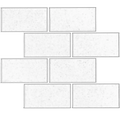
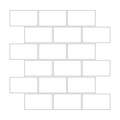
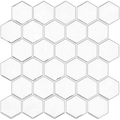
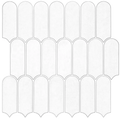
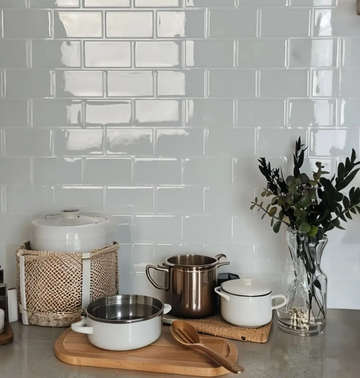
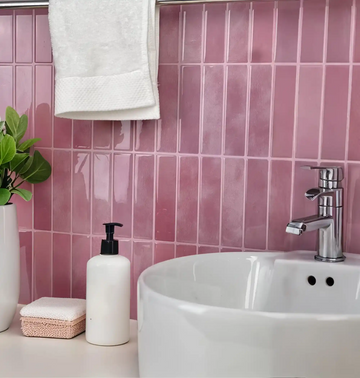
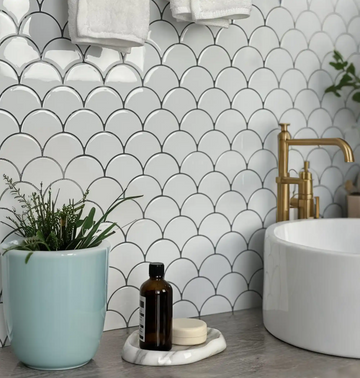
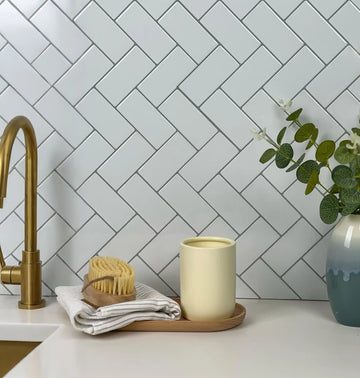
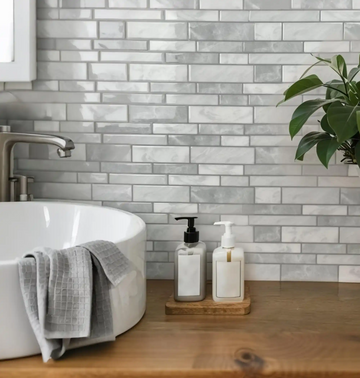
Compara Estilos Subway, Herringbone, Hexagon, Mosaic, Marble-Look Y Color-Led.
Empieza aquí si estás planificando un proyecto de revestimiento mural autoadhesivo tipo peel-and-stick. Stickwoll funciona mejor cuando el proyecto se adapta antes de pedir la primera baldosa a la superficie, la habitación, el acabado del borde y la rutina de limpieza adecuados. Esta guía reúne nuestras pruebas de instalación, consejos para zonas húmedas, ideas de diseño, la calculadora y las rutas de producto para que pases de la inspiración a un plan realista.
La mayoría de los problemas de instalación empiezan antes de instalar. Un backsplash de cocina con exposición a grasa necesita un plan distinto al de una pared de tocador, un apartamento de alquiler o una pared protagonista detrás de un escritorio. Usa esta página como guía de ruta: identifica la habitación, confirma la superficie, revisa la exposición a humedad y calor, y luego elige el estilo de producto y el método de acabado.
Planifica pensando en encimeras, fregaderos, grasa, calor cerca de la estufa, enchufes y líneas de borde visibles.
Distingue entre paredes decorativas con salpicaduras leves y la exposición directa al agua de la ducha, el vapor y el riesgo de humedad retenida.
Prioriza las normas del contrato, el estado de la pintura, la reversibilidad y las expectativas de retirada antes de elegir una baldosa adhesiva.
Usa la dirección del patrón, la escala, el color y el acabado para que una pared pequeña se vea intencional y no temporal.
La baldosa mural adhesiva depende de un contacto limpio y estable. El drywall pintado liso suele ser el punto de partida más sencillo. La pintura al óleo brillante, el machihembrado antiguo, el yeso, el bloque de ceniza, el MDF, el bloque de vidrio y las paredes con mucha textura requieren más criterio. Si la superficie está polvorienta, grasosa, suelta, húmeda, calcárea o se mueve activamente, la cara de la baldosa puede verse bien mientras que la adhesión debajo es débil.
Para leer según la superficie, empieza con nuestras pruebas sobre preparación sobre pintura al óleo brillante, machihembrado de los años 70, paredes de bloque de ceniza en sótanos y preparación de contrachapado y drywall. Estos artículos te ayudan a decidir si basta con limpiar o si la superficie necesita lijado, imprimación, reparación de parches o un acabado diferente.
Los bordes son donde un proyecto DIY se ve terminado o empieza a parecer temporal. Antes de pedir la baldosa, identifica todos los bordes exteriores, cantos de armarios, huecos con la encimera, enchufes, alféizares, esquinas e interrupciones por electrodomésticos. Los bordes rectos a menudo pueden resolverse con un perfil o un remate limpio. Los armarios ondulados pueden necesitar trazado y ajuste. Los huecos grandes con la encimera no deberían ocultarse con una fina línea de sellador.
| Problema | Guía De Inicio Recomendada | Decisión A Tomar |
|---|---|---|
| Borde Visible De Baldosa Expuesto | Prueba De Perfil Tipo Schluter | Perfil De Remate, Color Y Grosor Del Borde |
| Hueco En La Encimera | Solución Para Hueco De Encimera En Backsplash | Sellador, cordón de respaldo, perfil o reinstalación |
| Línea Ondulada Del Armario | Ajuste Por Trazado Contra Armarios | Corte Con Plantilla O Cobertura Con Perfil Recto |
| Acabado Con Aspecto De Lechada | Lechada Real En Baldosa Peel-And-Stick | Baldosa Rígida Con Lechada O Sellador Flexible |
La baldosa mural peel-and-stick puede ser una solución decorativa inteligente, pero no debe tratarse como un sistema impermeable oculto. Las paredes de baño con salpicaduras leves, las zonas de lavabo, los backsplash de cocina y las paredes decorativas son distintos a la exposición directa a la ducha, el agua acumulada o los sustratos constantemente húmedos. El calor y la grasa también cambian el plan de instalación: un backsplash junto a la estufa necesita control de juntas, disciplina de limpieza y un producto que soporte las condiciones normales de la cocina.
Usa la prueba de vapor de seis meses, prueba de separación de juntas por calor, guía de limpieza segura contra grasa y limpiadores a evitar antes de decidir si una habitación es una buena opción.
Una vez que la habitación, la superficie y el plan de bordes estén claros, calcula la cantidad con la calculadora de baldosas Stickwoll. Después compara los estilos de producto según el ambiente de la habitación, la escala del patrón y la visibilidad de las juntas. Los formatos tipo subway son más fáciles de alinear en muchas cocinas, las hexagonales y los mosaicos aportan más dinamismo visual, los diseños efecto mármol dependen de la alineación de las vetas y los colores más profundos necesitan una mejor planificación de la iluminación.
Para explorar productos, empieza con baldosas murales tipo subway, baldosas en espiga, baldosas hexagonales y la lista completa de la colección Stickwoll.
Un buen plan de baldosa peel-and-stick debería responder cinco preguntas antes del día de instalación. Primero, ¿en qué habitación está esta pared? Segundo, ¿la pared es lisa, seca y estable? Tercero, ¿la baldosa estará en contacto con agua, calor, grasa o limpiezas frecuentes? Cuarto, ¿cómo se rematarán los bordes expuestos? Quinto, ¿cuánto producto necesitas después de contar los cortes y el desperdicio? Cuando esas respuestas están claras, el proyecto es más fácil de comprar, más fácil de instalar y más fácil de mantener.
Para una cocina, prioriza la alineación con la encimera, los cortes para enchufes y la limpieza. Para un baño, prioriza las zonas de salpicaduras y el tiempo de secado. Para un proyecto de alquiler, prioriza la reversibilidad y el estado de la pared. Para una pared protagonista, prioriza la escala visual, la iluminación y la dirección del patrón. Un proyecto puede parecer simple en una página de producto, pero comportarse de forma diferente cuando se enfrenta a una pared real, así que esta lista está pensada para ralentizar la decisión de compra en los puntos que más importan.
La baldosa mural peel-and-stick de Stickwoll está diseñada para mejoras visuales rápidas, pero no todas las paredes encajan. Elige otro formato cuando la pared esté activamente húmeda, la pintura se esté descascarando, el sustrato sea blando, la superficie tenga mucha textura o el lugar necesite un sistema verdaderamente impermeable detrás del acabado. En esos casos, puede ser mejor empezar con una baldosa más permanente, un panel mural, un enfoque de reparación primero o un sistema profesional de impermeabilización.
Ese límite forma parte de una mejor experiencia de cliente. Un buen proyecto no es solo el que se ve bien en la primera foto; es el que sigue teniendo sentido después de la limpieza, la humedad estacional, el uso diario y una posible retirada futura. Si no estás seguro, empieza con una pared pequeña y de bajo riesgo, pide suficiente material extra para probar cortes y guarda algunas baldosas más para futuras reparaciones.
Empieza por el estado de la pared antes de pensar en el patrón o el color.
Entiende cómo se comportan las juntas de la baldosa frente al calor, la humedad y el movimiento de la pared.
Compara los formatos vinílico, gel y de núcleo rígido antes de elegir una habitación.
Elige limpiadores y rutinas que protejan el acabado y el adhesivo.
Si estás comparando baldosa peel-and-stick, baldosa mural adhesiva, paneles de backsplash removibles y baldosas murales autoadhesivas, la foto del producto es solo una parte de la decisión. Una comparación mejor empieza por el estado de la pared y el nivel de exigencia que afrontará la superficie terminada. El drywall pintado liso en un rincón seco de la cocina es un proyecto tolerante. Una esquina húmeda de baño, una pared texturizada o una pared con pintura descascarada no son el mismo proyecto aunque el patrón de la baldosa se vea parecido.
Para la mayoría de los hogares, la secuencia de compra más segura es sencilla: elige la habitación, confirma la pared, mide el área, selecciona una familia de patrones y luego pide suficiente baldosa extra para cortes y retoques futuros. Este orden mantiene el estilo como algo importante sin dejar que oculte los límites prácticos. También te ayuda a comparar baldosa peel-and-stick tipo subway, baldosa en espiga, baldosa efecto mármol, baldosa mosaico y baldosa hexagonal por su comportamiento en la habitación y no solo por el color.
Una Buena Planificación Reduce El Desperdicio. Antes del día de instalación, limpia la pared, déjala secar por completo, prueba una baldosa o una zona de muestra, planifica el perfil del borde y mantén el producto en la habitación el tiempo suficiente para que se aclimate. Si la superficie no supera la prueba, repara la pared antes de añadir más baldosa.
Empieza con una pared lisa, limpia y con pocas salpicaduras, y con una distribución sencilla. Evita para tu primer proyecto las paredes de ducha directa, la pintura que se desmorona, la textura intensa y las paredes complejas con muchos enchufes.
No siempre. El perfil es más útil cuando el borde es visible, irregular, grueso o está cerca de una línea de encimera o armario. Algunas distribuciones pueden usar un remate limpio en su lugar.
Puede funcionar en paredes decorativas de baño con salpicaduras leves, pero la exposición directa a la ducha y la humedad retenida requieren mucha más cautela. Usa la guía para zonas húmedas antes de elegir una ubicación en el baño.