





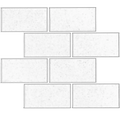




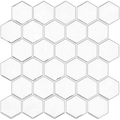
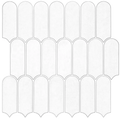
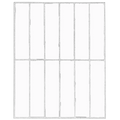

A vinyl backsplash should be chosen by material construction, room exposure and visual fit—not by a year-specific “trend list.” Vinyl can describe thin printed film, embossed self-adhesive tile, thicker composite-style panels and other layered products. These constructions can differ in thickness, cutting, seam design, heat limits, cleaning and removal.
This guide keeps the design inspiration but removes fixed price claims, fictional makeovers and blanket “waterproof/heat-resistant” language. Start with the wall and product documentation, then use color, texture and pattern to choose the look.
What does “vinyl backsplash” actually mean?
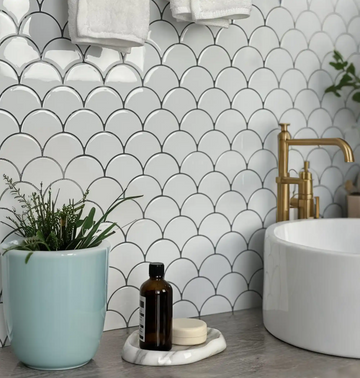
Vinyl is a material category, not one standardized backsplash product. Some products are flexible and thin; others use embossed or layered constructions that create more relief. Some simulate subway tile, marble, terrazzo or metal while using different backing and seam systems.
Read the exact product page for material, dimensions, thickness, approved surfaces, cleaning, heat and wet-area limits. Do not assume that one vinyl product’s instructions apply to another simply because both use the same base material.
Choose the wall location before choosing the visual pattern
A wall behind open shelving, the backsplash beside a sink and the area behind a cooking appliance see different conditions. Map the wall first. Then remove any product that is not documented for the planned exposure.
Design comes after technical fit. A marble-look pattern does not make a polymer finish safe for direct flame, and a wipe-clean surface does not make the entire wall waterproof.
Use physical samples to judge realism
Printed stone, terrazzo and marble can look convincing in product photography but repeat more obviously across a full wall. Order or inspect several pieces when possible. Look for repeated veins, mirrored motifs and seams between sheets.
Relief matters too. A flat print and a raised tile-like surface can produce very different shadows even when the color is similar. View the sample under the kitchen’s real lighting rather than only in diffuse daylight.
Lighting changes color and surface perception
The U.S. Department of Energy’s color and spectrum resources explain why color appearance changes under different light sources. A smoky green, warm gray or marble print can shift between daylight, ceiling light and under-cabinet LEDs.
Gloss also changes perceived contrast. Side lighting can make seams and relief more visible. Test the sample straight on and at an angle.
Subway-look vinyl can range from quiet to graphic
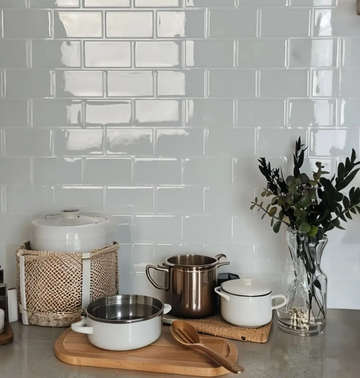
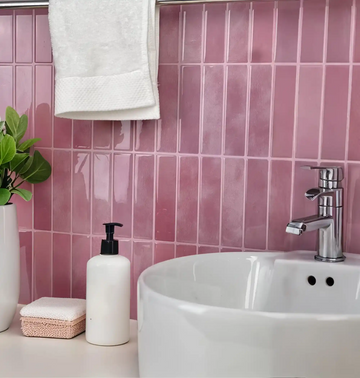
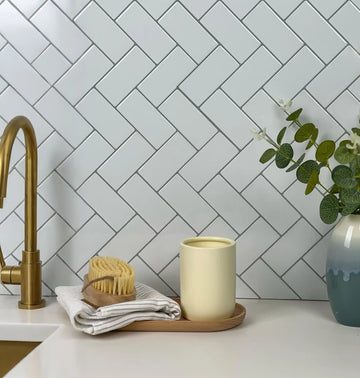
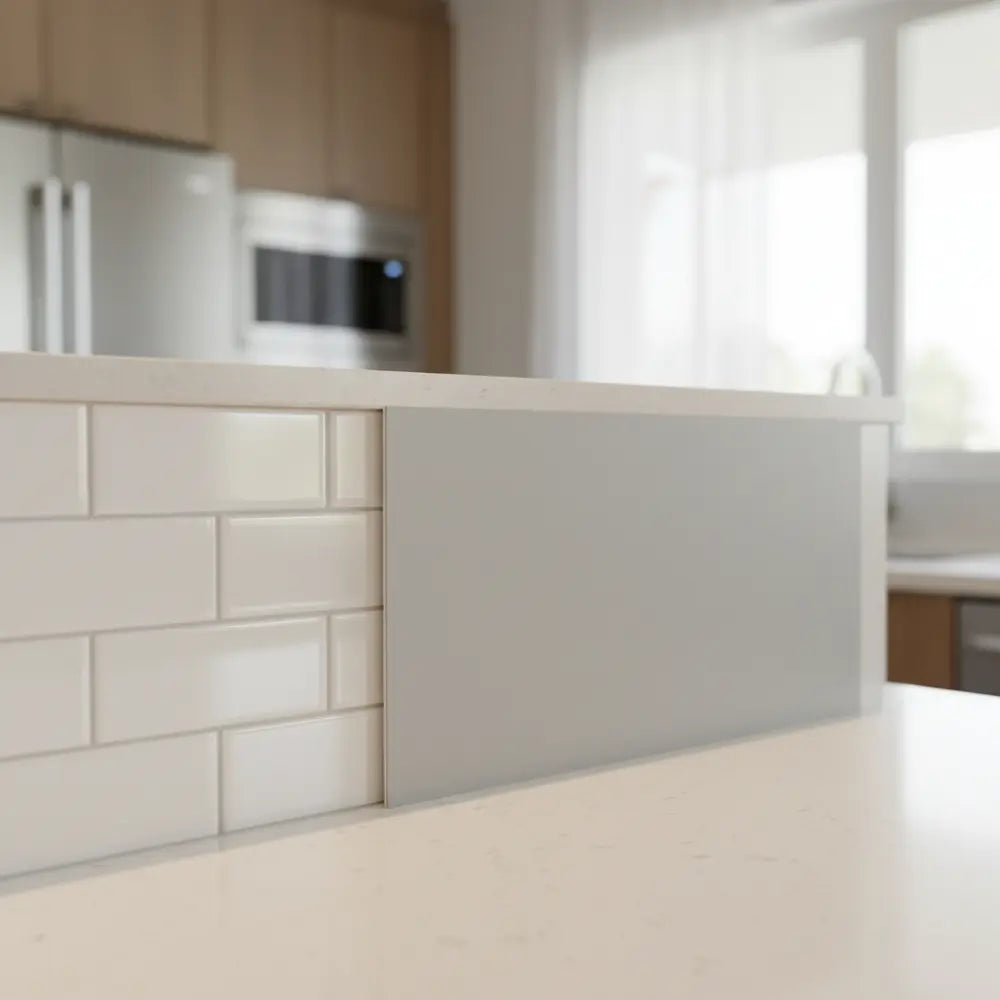
A white subway print with pale grout lines can create a low-contrast background. Deep green or navy with light grout-like lines becomes much more graphic. A vertical or stacked layout changes the rhythm again.
Do not describe one layout as universally “modern.” Use the room’s cabinet proportions, backsplash height and viewing distance to decide which rhythm works.
Stone-look and marble-look designs need repeat checks
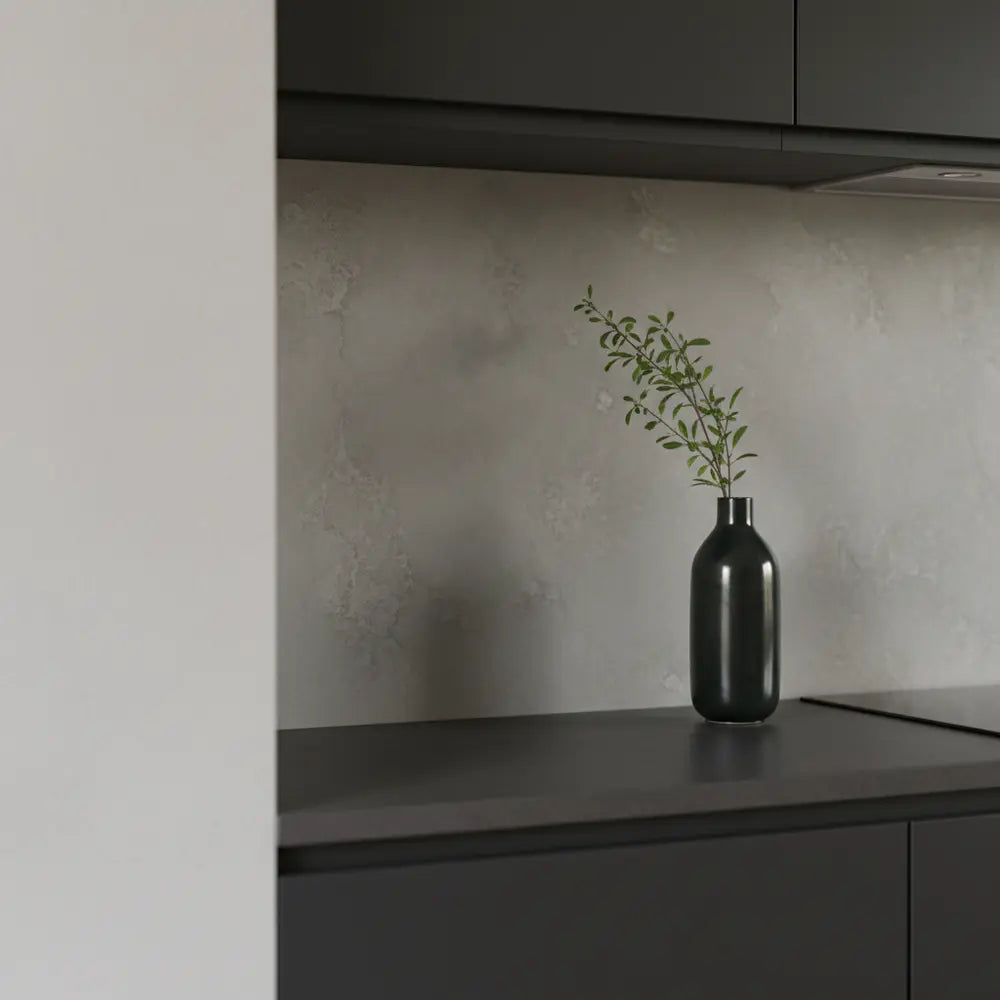
Stone-look vinyl can create a continuous-surface effect without the weight or fabrication of natural stone, but it remains a printed or layered interpretation. Repeated motifs become more obvious on larger walls.
Dry-layout enough material to see the repeat. A design that looks sophisticated on one sheet can become artificial if identical veins line up in an obvious pattern across six feet of backsplash.
Terrazzo and speckled designs can hide small visual irregularities
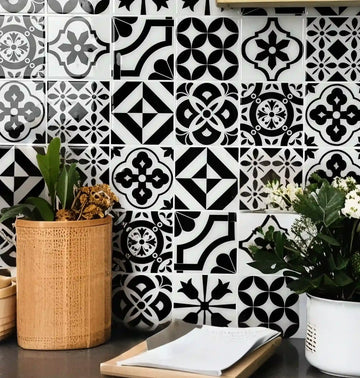
A busy speckled pattern can make minor splashes, crumbs or seam variation less obvious than a large uniform field. That is an appearance advantage, not a cleaning or durability rating.
Use the actual product’s care instructions. A pattern that visually hides soil still needs cleaning appropriate to the surface.
Dark and metallic looks can emphasize reflections
Black, charcoal, metallic and high-gloss surfaces can become strong focal points but may show fingerprints, grease, mineral spots or slight waviness more readily under side lighting.
Test those finishes beside the actual appliances and hardware. A brushed-metal look can coordinate with stainless appliances, but an almost-match can look more accidental than a deliberate contrast.
Farmhouse kitchens do not require shiplap-look vinyl
Farmhouse-inspired kitchens can use warm white, muted green, blue, cream, stone-look or simple subway geometry. The useful question is how the backsplash relates to wood, hardware and the countertop, not whether the pattern carries a “farmhouse” label.
A faux-shiplap vinyl can be visually appropriate, but it should be evaluated as a wall finish with its own seams and cleaning limits—not as a substitute for real wood construction.
Minimalist kitchens benefit from material restraint
A minimalist palette can use one quiet backsplash material, a narrow color range and simple seam geometry. Large stone-look prints, soft gray subway or monochrome square grids can work when the repeat and joints remain controlled.
Minimalism does not require white. A dark backsplash can work when the room has sufficient light and the surrounding materials remain simple.
Luxury styling comes from coordination, not price claims
Gloss, relief, metallic accents and stone-inspired prints can create a high-design look, but a low-cost material does not “deliver a $5,000 renovation for $500” in any measurable way. Visual effect, material value and installed project cost are separate questions.
Judge the finish from the room. A highly reflective marble-look vinyl can feel appropriate beside slab cabinets and restrained hardware; the same design can feel busy against an already active countertop.
Sink areas need product-specific water guidance
Routine splashes behind a sink are different from standing water or direct shower exposure. A vinyl face can be easy to wipe while seams, outlets, edges and the wall behind it remain vulnerable.
Do not choose a “waterproof vinyl backsplash” by marketing phrase alone. Read the exact product’s wet-area instructions and keep plumbing leaks separate from decorative splash resistance.
Stove areas need product- and appliance-specific heat limits
“Heat resistant” is not a universal clearance. Direct flame, range exhaust, hot cookware and countertop appliances create different heat conditions. Follow the exact backsplash and appliance guidance.
If the documentation does not support the planned zone, keep the product farther away or choose another finish. Do not use a Class A surface-burning result, a generic heat icon or another brand’s clearance as a substitute.
Do not use ASTM E84 as a stove-clearance shortcut
ASTM E84 is a surface-burning characteristics test. A flame-spread or smoke-developed classification under that standard does not tell you how close a particular vinyl backsplash may be installed to a stove, toaster oven or direct flame.
Use any published fire-performance data for its stated purpose, and use the product/appliance installation instructions for kitchen clearance decisions.
Wall preparation is part of the material choice
A thin vinyl can reveal texture, ridges and patches more visibly than a thicker panel. Heavy grease or weak paint can also undermine adhesive contact.
Inspect the wall in side lighting. Repair loose or damaged substrate, use a compatible cleaner and allow the wall to dry. If the product requires a smooth surface, do not expect the vinyl to hide pronounced knockdown texture or damaged drywall.
Dark wall color can affect some light vinyl designs
Some light vinyl products may be partially translucent or show substrate contrast at seams and edges. Test the exact sample over the real wall before installing a full backsplash.
If show-through is visible, compare an approved lighter preparation layer with a more opaque product. Do not make primer automatic from wall color alone.
Use coverage, not square-foot price, for budgeting
Two vinyl packs can have different sheet dimensions, pack counts and usable coverage. Overlaps, cuts, pattern matching and edge waste change the quantity required.
Measure the wall by section and calculate the exact product quantity. Include shipping, tax, tools, surface preparation and spare material in the comparison.
Do not compare raw material price with installed ceramic cost
A common marketing comparison puts a self-adhesive pack price beside a fully installed ceramic quote. Those scopes are not equivalent.
If you want to compare systems, include the actual ceramic material, substrate work, setting materials, grout, trim, tools and labor on one side, and the real self-adhesive wall preparation, tools, shipping and restoration allowance on the other.
Temporary versus permanent is not a binary product label
A self-adhesive backsplash may be selected partly because it can be easier to remove than mortar-set tile, but removability depends on wall paint, adhesive, dwell time and method.
Some owners may leave a vinyl backsplash for years; some renters may remove it after months. Use the product’s actual removal guidance and the project’s lease/restoration plan rather than a “temporary = no damage” assumption.
Rental projects need permission and an exit plan
Check the lease before adding adhesive wall coverings. Photograph the original wall and save product instructions. If the product permits a hidden-area test, use one to identify immediate wall incompatibility.
A short test cannot guarantee long-term removal behavior. Budget for possible paint touch-up or wall repair instead of treating a removable label as a security-deposit guarantee.
Cleaning compatibility can matter more than the pattern
Cooking grease, coffee splashes and household cleaners can change the appearance of a vinyl surface. Use the manufacturer’s approved cleaning method. Abrasive pads, strong solvents and harsh degreasers can dull printed or coated finishes.
Keep a spare piece when practical and test an unfamiliar cleaner on it before using the cleaner across the installed wall.
Gloss, matte and relief need different cleaning habits
Gloss can show fingerprints and mineral spots but may wipe easily with a compatible soft cloth. Matte finishes can hide reflections but may hold visible soil differently. Deep relief can collect dust or grease at high points and recesses.
Choose the finish partly by the cleaning routine you are willing to maintain. A design that looks dramatic in a sample should still make sense after weekly kitchen use.
Seams and exposed edges are maintenance points
Inspect panel seams, overlaps and exposed terminations during cleaning. A lifting edge is easier to repair when it is local than after water or soil reaches a wider area.
If an edge repeatedly fails, investigate the wall, cleaning chemicals, heat, moisture and original preparation. Do not simply add stronger adhesive.
Local repair should be planned before installation
Save a few matching pieces and the product identifier. Appliance replacement, outlet work or accidental impact can damage one local area while the rest of the wall remains serviceable.
Use the manufacturer’s local replacement method. Repair the substrate cause before installing the spare piece.
Do not publish one fixed service-life range
There is no category-wide service-life number for vinyl backsplash. Longevity depends on construction, wall condition, installation, heat, moisture, cleaning and use.
Use the exact product warranty and durability information. A fixed multi-year range copied across products creates more certainty than the evidence supports.
Environmental claims need product-specific evidence
A vinyl backsplash is not automatically unsustainable, and a product marketed as recycled or low-VOC is not automatically environmentally superior in every category. Manufacturing, transport, service life, repair and end-of-life all matter.
If sustainability is important, look for defined material content, certifications or environmental declarations. Do not infer environmental performance from a green color, “eco” label or the fact that installation creates less demolition.
Use style categories as visual filters, not technical categories
Farmhouse, Scandinavian, luxury, industrial and contemporary describe visual direction. They do not tell you the material construction or room limits.
First remove products that do not fit the wall and exposure. Then compare the remaining patterns by style. This prevents a visual label from overruling a technical limitation.
Build a shortlist from four questions
- Does the product fit the wall? Approved substrate, surface condition and preparation.
- Does it fit the room? Sink, appliance, heat, humidity and cleaning limits.
- Does it fit the visual role? Color, pattern scale, relief and seam appearance.
- Does it fit the project lifecycle? Cost, repair stock, cleaning and removal/restoration.
If a candidate fails the first two questions, remove it before comparing style or price.
Frequently asked questions
Is vinyl backsplash a good idea for a kitchen?
It can be when the exact product fits the wall, sink/appliance exposure, cleaning routine and design. “Vinyl” alone does not prove suitability.
Is vinyl backsplash waterproof?
Do not generalize. A face material may be water resistant while the complete wall remains vulnerable at seams, edges and penetrations. Follow the exact product’s wet-area guidance.
Can vinyl backsplash go directly behind a stove?
Only where the tile and appliance instructions permit it. Direct flame and concentrated heat need conservative placement. Do not use another brand’s clearance.
Does a Class A rating mean it is safe behind a range?
No. Surface-burning classification and appliance clearance are different questions. Use the fire-test result for the property it measures and the product/appliance guidance for placement.
How long will vinyl backsplash last?
There is no universal lifespan. Use product-specific warranty and durability information and consider wall condition, heat, moisture, cleaning and installation.
Can renters use vinyl backsplash?
Potentially, if the lease allows it, the wall is suitable and the removal/restoration plan is acceptable. Removable does not guarantee untouched paint.
Can vinyl look like marble or stone?
Printed and embossed products can create convincing interpretations, but check repeat, seam visibility and relief across several pieces rather than judging one product image.
Can I install vinyl over existing tile?
Some products permit installation over stable, smooth existing tile, but grout depth, contamination, loose pieces and surface flatness matter. Follow the exact product instructions.
What pattern works best in a small kitchen?
There is no universal answer. Compare pattern scale, contrast, lighting and the fixed surfaces. A dark or bold design can work in a small room when it is intentional and balanced.
Do I need primer?
Use primer only when the wall and product system call for it. Wall color or gloss alone does not prove primer is required.
Review the backsplash after the first season of normal use
Once the kitchen has gone through routine cooking, cleaning and temperature changes, inspect seams, exposed edges, sink-adjacent pieces and appliance zones. Early observation can reveal a local maintenance issue before it becomes a wider repair.
Document any change and compare it with the original project photos. A pattern of repeated change in one location can point to heat, moisture, wall condition or cleaning rather than a simple cosmetic problem.
Bottom line
Vinyl backsplash ideas stay useful when they are tied to real product construction, room exposure and maintenance rather than a trend year. Choose the material first, verify sink and appliance limits, compare samples under actual lighting, calculate usable coverage and plan seams, cleaning, repair and removal.
Then choose the visual direction—subway, stone, terrazzo, dark gloss, farmhouse, minimalist or another style—from products that already fit the technical requirements. That gives the design a much better chance of looking intentional and remaining serviceable after the trend headline has expired.
Use a three-sample comparison workflow
Limit the shortlist to two or three products that already meet the technical requirements. Place them beside the countertop and cabinets, then compare daylight, evening light and under-cabinet lighting. Record three observations for each: color relationship, pattern scale and seam visibility.
Do not create a numerical “winner score.” If one product has the wrong undertone, one repeats too obviously and one fits the room, the decision is already clear.
Know when vinyl is not the right material
Choose another wall system when the room requires direct-wet waterproofing, a documented high-heat assembly, a substrate the product does not support, or a cleaning/abrasion level outside the finish limits.
A conventional ceramic, glass, metal or another purpose-designed wall system may be the better fit. The decision should come from the room requirements, not from trying to force one category to solve every backsplash problem.
Keep a project handover record
Save the product handle, dimensions, installation guide, approved cleaner, removal instructions and spare pieces. If a future owner, tenant or contractor needs to repair the backsplash, those records are more useful than a trend article or memory of the original installation.
Photograph the finished wall and note any special details around sinks, appliances, outlets and exposed edges. Good documentation makes later maintenance and local repair much easier.
Choose the material before choosing the visual trend
Vinyl backsplash can describe thin printed film, thicker embossed sheets or products with additional layers and edge systems. Ask for the exact construction and installation instructions before comparing colors. A convincing stone or ceramic print does not give the product the heat, scratch, water or fire properties of the material it imitates.
Look at the face, backing, adhesive, thickness and joint design. Check whether the product is intended for the proposed wall and whether it needs a smooth sealed substrate. If the seller uses terms such as waterproof, heat resistant or fire rated, ask what component was tested, under which method and what installation the result applies to.
Do not use a Class A label as a stove-clearance shortcut
ASTM E84 reports surface-burning characteristics under a defined tunnel test. Its scope does not make a material noncombustible or determine safe separation from a specific burner, oven or other appliance. Appliance instructions and the wall assembly still control the location.
Map the cooking zone separately from the rest of the backsplash. A vinyl finish suitable behind a coffee station or food-preparation counter may be excluded from another zone exposed to higher heat. If the product documentation does not resolve the intended location, ask the supplier rather than converting a general fire classification into an installation clearance.
Compare appearance under the actual lighting
Light changes how printed stone, subway patterns and metallic effects appear. DOE lighting research distinguishes color appearance from color rendition; similar color-temperature labels do not guarantee identical spectral rendering. Put the real sample beside the countertop and cabinets under the lights you actually use.
Gloss can create clear reflections from under-cabinet LEDs, while matte or embossed surfaces can scatter them. That is an appearance observation, not a performance grade. Move the sample through the likely viewing positions and decide whether reflection, texture and pattern repeat work for the room.
Build a realistic cost comparison
Use current prices and the same scope. Include usable pack coverage, cutting allowance, trim, preparation, tools, shipping and any professional electrical or wall repair. For traditional tile, include setting materials, grout or joint treatment, cutting and labor. A category-wide price range quickly becomes outdated and can mislead when one quote includes labor and another does not.
For a hypothetical 22-square-foot wall, if the selected vinyl product requires 24.6 square feet after the actual layout allowance, divide by the pack's usable installed coverage and round up. Keep that material calculation separate from labor and repair. The same wall can then be priced consistently across alternatives.
Frequently Asked Questions (FAQ)
1. Is a vinyl backsplash a good idea for a kitchen?
Absolutely. Modern vinyl backsplashes are an excellent choice for kitchens as they are affordable, easy to install, and simple to clean. With the availability of vinyl backsplash waterproof options and heat-resistant varieties, they are more durable and versatile than ever before, making them suitable for nearly any kitchen environment.
2. How do you clean and maintain a vinyl backsplash?
Vinyl backsplash cleaning and maintenance is incredibly simple. For daily upkeep, just wipe it down with a soft cloth and warm, soapy water. Avoid using abrasive cleaners, scouring pads, or harsh chemicals like bleach, as they can scratch the surface or cause discoloration over time.
3. Can you put a heat-resistant vinyl backsplash directly behind a stove?
Only when the exact product and appliance requirements permit the proposed location. A surface-burning classification does not define cooktop clearance or turn a decorative vinyl backsplash into a heat shield.
4. How long does a quality peel-and-stick vinyl backsplash last?
There is no category-wide fixed service-life range for vinyl backsplashes. Service depends on the exact construction, substrate preparation, heat, moisture, cleaning and maintenance. Use product-specific documentation and inspect the installed wall over time.
Build a product documentation check before ordering
Before comparing colors, collect the current product page, installation instructions and care guidance for each shortlisted backsplash. Record the intended wall surface, whether the location is near a sink or appliance, the permitted cleaning method and any installation-temperature or surface restrictions. If a seller uses broad terms such as waterproof, heat resistant or removable, ask what exact layer or completed assembly the statement describes.
Use the same questions for every option. A printed vinyl film, gel-faced sheet and rigid composite panel may all be marketed as vinyl-style backsplash products while using different backings, seams and adhesives. Compare the actual construction instead of assuming the category name defines performance. Keep the relevant instructions with the order so later maintenance decisions refer to the version you purchased.
Inspect delivered packs before cutting. Compare color, print direction, surface finish, dimensions and visible damage under the lighting used in the room. If a replacement pack is needed, compare it before mixing it into the layout. This receiving record improves design consistency without turning a visual check into a durability test.
Sources and scope
- US Department of Energy: Color and Spectrum — Color rendition and spectrum research; nominal lamp labels do not guarantee identical material appearance.
- ASTM E84 public scope — Surface-burning test scope; not proof of noncombustibility, heat shielding or stove clearance.
- US EPA: A Brief Guide to Mold, Moisture and Your Home — Moisture control and prompt drying guidance; not a tile approval or hidden-wall diagnosis.


Leave a comment
This site is protected by hCaptcha and the hCaptcha Privacy Policy and Terms of Service apply.