


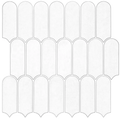
Affordable vs Premium Peel and Stick Tiles: Worth the Extra Cost?
Vous avez déjà passé un week-end à poser une superbe crédence, pour découvrir ensuite que les coins se soulèvent et que le « carrelage » se décolle comme un autocollant bon marché trois mois plus tard ? C’est une situation décevante, beaucoup trop fréquente dans le monde du DIY. Vous vous tenez dans l’allée d’un magasin de bricolage (ou vous naviguez en ligne tard le soir), en regardant deux produits apparemment identiques — l’un coûte 20 $ le lot, l’autre 60 $. La question brûle : le plus cher est-il vraiment meilleur, ou payez-vous simplement un emballage plus sophistiqué ?
Réponse rapide : les modèles premium en valent-ils la peine ?
Les peel and stick tiles premium justifient généralement leur prix plus élevé grâce à une composition de matériaux supérieure (souvent en composite de pierre ou en résine gel plutôt qu’en vinyle fin), à des adhésifs sensibles à la pression de qualité industrielle et à une résistance à la chaleur et à l’humidité. Si les modèles abordables (moins de 3 $/sq.ft.) sont excellents pour des améliorations temporaires en location ou des zones peu fréquentées, les options premium (plus de 5 $/sq.ft.) offrent une durée de vie de 5 à 10 ans, des textures 3D réalistes et la durabilité nécessaire pour les cuisines et les salles de bain.
Vous pensez à rafraîchir votre cuisine ?
Marre de votre cuisine de location terne et envie d’une solution rapide et stylée ? Stickwoll Peel and Stick Tiles pourrait bien être la réponse ! Réputés pour leur facilité de pose et leur rendu esthétique, ces tiles séduisent le monde de la déco. Mais tiennent-ils vraiment leurs promesses ? Cette analyse détaillée explore comment les tiles Stickwoll peuvent transformer une cuisine de location en un espace que vous aimez.
Lire l’analyse complète →Lorsque l’on analyse le marché, la différence entre « budget » et « premium » ne concerne pas seulement le prix : elle tient aussi à la chimie et à l’ingénierie. Ce guide détaille la réalité du coût au pied carré, la science de la défaillance de l’adhésif et la manière de choisir le bon niveau pour votre projet spécifique.
Quelles sont les principales différences entre les peel and stick tiles abordables et premium ?
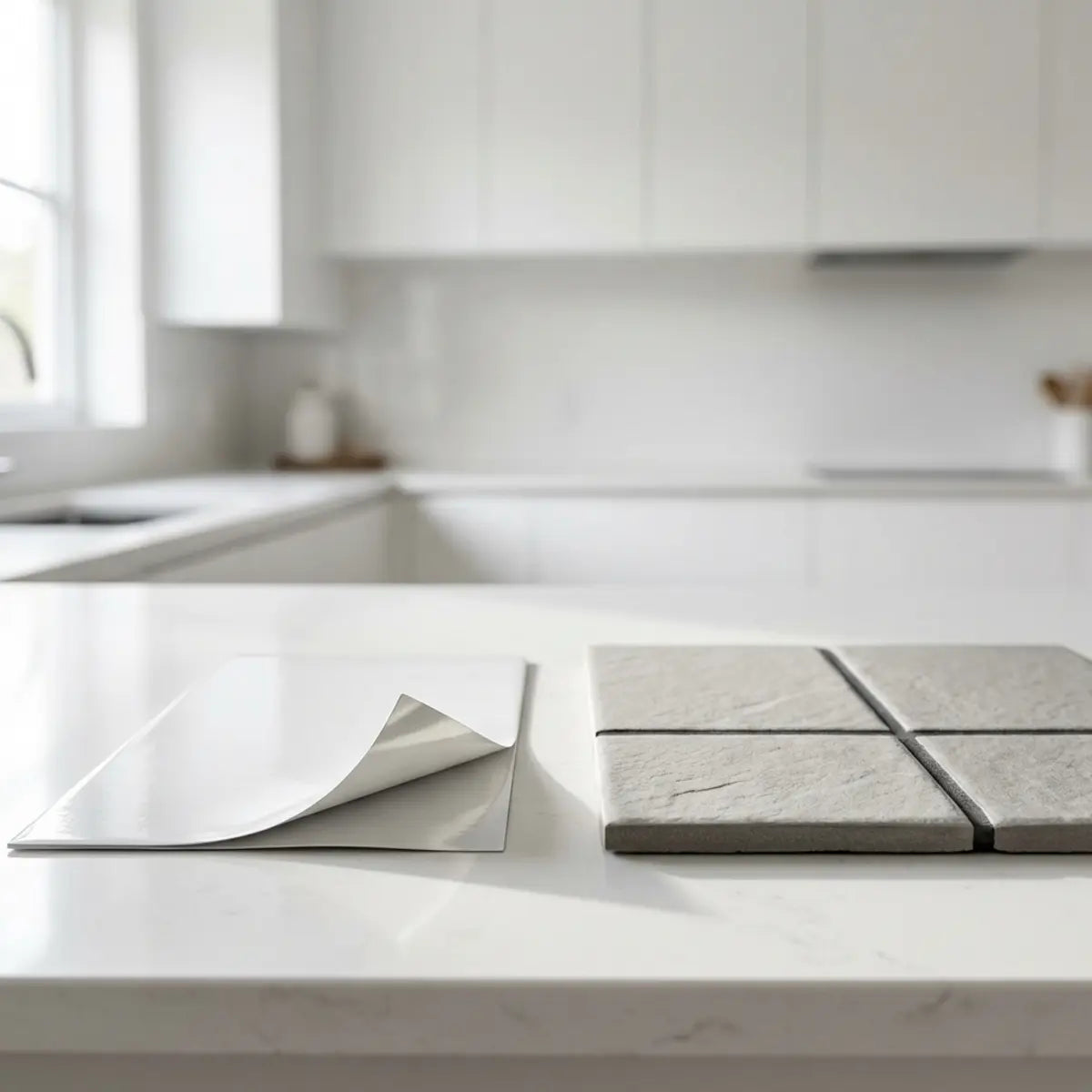
À l’œil nu, une photo d’un carrelage en vinyle de $1.50 et d’un carrelage en gel composite de $7.00 peut sembler étonnamment similaire. Pourtant, une fois en main, l’écart devient évident. La différence se joue sur trois points essentiels : l’épaisseur (couche en mil), le matériau de support et la résolution d’impression.

La hiérarchie des matériaux : vinyle fin vs structures composites
D’après notre expérience avec différentes marques, les tiles abordables sont presque exclusivement fabriqués en PVC fin (polychlorure de vinyle). Ce sont, en substance, des autocollants de haute qualité. Les tiles premium, à l’inverse, sont des produits conçus avec plusieurs couches d’aluminium, de composite de pierre ou de gel polyuréthane épais pour reproduire la profondeur du véritable carrelage en céramique ou en verre.
Options abordables (entrée de gamme)
- • Composition : généralement une seule couche de vinyle imprimé avec un revêtement protecteur fin.
- • Épaisseur : généralement de 0.1mm à 1.5mm.
- • Aspect visuel : surface plate. Le « joint » est imprimé à l’encre, pas une texture physique.
- • Utilisation typique : habillage de tiroirs, contremarches d’escalier ou crédences temporaires en location.
Options premium (haut de gamme)
- ✓ Composition : Multi-couches. Présente souvent un noyau rigide (composite pierre-plastique ou SPC) recouvert d’une couche Gel 3D en PU (polyuréthane) qui durcit avec le temps.
- ✓ Épaisseur : 2.0mm à 5.0mm.
- ✓ Visuel : Profondeur tactile. Vous pouvez sentir la courbe du « carreau » et le creux des « joints ».
- ✓ Usage typique : Salles de bain très humides, crédences de cuisine derrière les cuisinières et rénovations maison sur le long terme.
Tableau comparatif : spécifications économiques vs premium
| Caractéristique | Standard abordable | Standard Premium |
|---|---|---|
| Prix au pied carré. | $1.50 – $3.50 | $5.00 – $12.00+ |
| Matériau principal | Vinyle PVC fin | Gel PU, aluminium ou composite de pierre |
| Épaisseur | < 1.5mm (Aspect papier) | 2.5mm+ (Rigide/semi-rigide) |
| Résistance à la chaleur | Faible (peut se déformer à > 120 °F) | Élevée (souvent classée jusqu’à 180 °F+) |
| Espérance de vie | 6 mois – 2 ans | 5 à plus de 10 ans |
| Retrait | Facile, souvent sans résidus | Difficile, nécessite un pistolet à air chaud |
Le facteur « Wear Layer »
Un concept technique souvent ignoré dans les descriptions produits est la Wear Layer. Il s’agit de la couche transparente supérieure qui protège contre les rayures.
- • Définition : La wear layer se mesure en « mils » (millième de pouce).
- • La réalité : Les carreaux économiques ont souvent une wear layer de 6 mils ou moins. Les carreaux de sol ou mur premium affichent 12 à 20 mils.
- • Point de vue d’expert : Si vous avez des enfants ou si vous nettoyez souvent vos murs, une wear layer trop fine se ternira et se rayera en moins d’un an.
Prêt à comparer des marques spécifiques ?
Vous voulez moderniser votre intérieur sans salir ? Ce guide compare Stickwoll et d’autres grandes marques de Peel and stick tile pour 2025, afin de vous aider à choisir la marque à laquelle faire confiance grâce à des comparaisons côte à côte et des recommandations.
Comparer les meilleures marques de carrelage 2025 →Comment la résistance de l’adhésif et la durabilité influencent-elles la valeur à long terme ?
L’adhésif est le moteur invisible de votre peel and stick tile. Si le moteur lâche, la voiture n’avance plus — peu importe la beauté de la peinture. L’écart de durabilité entre les carreaux abordables et premium est largement déterminé par la chimie de la liaison.
La science du « stick » : à base d’eau vs à base de solvant
Les carreaux moins chers utilisent généralement des adhésifs acryliques à base d’eau. Ils sont économiques et respectueux de l’environnement, mais ils ont un talon d’Achille : l’eau et la chaleur. Lorsqu’ils sont exposés à une forte humidité (comme dans une salle de bain) ou à la chaleur (derrière une cuisinière), l’humidité de l’air peut réactiver l’adhésif, le rendre poisseux et provoquer le glissement ou le soulèvement du carreau.

Les carreaux premium utilisent des adhésifs sensibles à la pression à base de solvant (PSA).
- ➜ Processus de polymérisation : ces adhésifs ne se contentent pas de « coller » ; ils polymérisent. Au cours des 48 premières heures, la liaison se renforce, soudant pratiquement le carreau au support.
- ➜ Loi de Pascal : ce principe stipule qu’une pression appliquée à un fluide confiné se transmet sans diminution. En matière de pose, cela signifie que les PSA premium nécessitent une pression ferme lors de l’installation pour activer correctement l’adhérence. Une fois activés, ils résistent incroyablement bien aux variations de température.
Entretien de l’adhésif et préparation
Quel que soit le prix, 90% des échecs sont dus à la préparation. Nettoyez toujours vos murs avec un dégraissant (comme le TSP) 24 heures avant l’installation. Pour les adhésifs PSA premium, utilisez un rouleau J en caoutchouc pour exercer une pression ferme et uniforme sur chaque centimètre du carreau afin d’activer pleinement la liaison chimique.
Performances selon la région : humidité et température
Votre emplacement compte plus que vous ne le pensez. Dans notre analyse des avis clients provenant de climats variés, nous observons des schémas de défaillance distincts selon la qualité de l’adhésif.
-
1Zones à forte humidité (e.g., Floride, Nord-Ouest Pacifique) : les carreaux abordables échouent souvent au bout de 8 à 12 mois dans les salles de bain en raison de l’infiltration d’humidité au niveau des joints.
-
2Climats froids (e.g., Canada, Midwest) : en hiver, les murs refroidissent. Les adhésifs standard deviennent cassants et perdent leur adhérence (problèmes liés à la température de transition vitreuse), ce qui provoque le décollement des carreaux. Les adhésifs premium sont formulés pour rester flexibles sur une plage de températures plus large.
Quel type de projet vous correspond ?
Sélectionnez votre situation pour voir notre recommandation instantanée.
Vous planifiez une rénovation de cuisine ?
Votre cuisine a besoin d’un coup de frais, mais vous vous inquiétez du temps, du coût et des efforts nécessaires ? Les peel and stick tiles sont faciles à poser, abordables et peuvent transformer complètement votre espace cuisine. Cet article explore cinq transformations de cuisine et vous guide pour choisir les options peel and stick parfaites.
Découvrir les transformations de cuisine →Mini étude de cas : le locataire vs le propriétaire
Pour illustrer la différence de valeur, regardons deux scénarios autour d’une crédence de cuisine standard de 30 pieds carrés.
Scénario A : le locataire (bail d’un an)
- Choix : Carreaux en vinyle abordables ($2.00/sq.ft.)
- Coût total : $60.00.
- Résultat : bel aspect pendant la durée du bail. Faciles à retirer au moment du déménagement.
- Verdict : application parfaite. Les carreaux premium seraient un gaspillage d’argent et trop difficiles à enlever.
Scénario B : le propriétaire (plan sur 5 ans)
- Choix : carreaux vinyle abordables ($2.00/sq.ft.)
- Coût total : $60.00.
- Résultat : À partir de la 2e année, les coins se soulèvent près du grille-pain. À la 3e année, des décolorations apparaissent. Un remplacement devient nécessaire.
- Autre choix : carreaux gel premium ($7.00/sq.ft.)
- Coût total : $210.00.
- Résultat : Reste impeccable pendant plus de 5 ans.
- Analyse du retour sur investissement : Le propriétaire qui a acheté des carreaux bon marché finit par les racheter deux fois ou par vivre avec un rendu dégradé. L’option premium coûte 42 $/an sur 5 ans, pour une meilleure esthétique et aucun entretien.
Vous carrelez une zone humide ?
Si vous traitez une zone très exposée à l’humidité comme une douche, vous ne pouvez pas compter sur des adhésifs standards. Vous devez rechercher des produits spécialisés. Fatigué d’entretenir des carreaux de douche traditionnels ? Les peel and stick tiles étanches peuvent offrir une alternative durable et élégante. Cet article met en avant des options étanches, les meilleures marques reconnues pour leur durabilité, ainsi que des conseils d’installation pour la salle de bain.
Voir les carreaux de douche étanches 2025 →Pourquoi des peel and stick tiles premium peuvent-ils valoir le coût supplémentaire pour certains propriétaires ?
Même si le budget joue un rôle majeur, la « valeur » d’une rénovation est aussi visuelle. Nous avons constaté que la principale raison pour laquelle les propriétaires regrettent d’avoir choisi l’option la moins chère n’est pas toujours la durabilité — c’est le « faux effet ».

L’amélioration esthétique : textures 3D et réfraction de la lumière
Les carreaux vinyle bon marché sont imprimés à plat. Lorsque la lumière les frappe, le reflet est uniforme, ce qui signale à l’œil humain que la surface est en plastique.
Les carreaux premium, en particulier ceux avec une couche supérieure Gel-O ou Epoxy, interagissent différemment avec la lumière.
- • Réfraction de la lumière : La couche de gel transparente plie la lumière, créant des ombres dans les lignes de « joint » et des reflets sur la face du « carreau ». Cela imite l’émail de la céramique.
- • Définition des bords : Les carreaux premium ont souvent des bords biseautés. Lorsque vous assemblez deux carreaux, le biseau crée un creux physique, faisant disparaître la jonction dans le design. Les carreaux abordables ont souvent des coupes droites, laissant une fine fissure visible là où le motif se répète.
Impact environnemental et qualité de l’air intérieur
Un autre coût caché des carreaux abordables peut être les composés organiques volatils (COV). Les procédés de fabrication du PVC moins chers peuvent libérer des phtalates — des substances chimiques utilisées pour rendre les plastiques flexibles — dans l’air de votre intérieur, contribuant à cette odeur de « rideau de douche neuf ».
Les marques premium se tournent de plus en plus vers :
- ✓Vinyle sans phtalates : plus sûr pour les foyers avec enfants et animaux.
- ✓Matériaux recyclés : certaines options haut de gamme intègrent de l’aluminium recyclé ou des minéraux.
- ✓Certification Greenguard : une vérification indépendante attestant de faibles émissions chimiques.
Vous passez au vert ?
Si la durabilité est une priorité pour votre rénovation, vous n’avez pas à renoncer à la praticité du peel and stick. Vous pensez rafraîchir votre espace sans les contraintes du carrelage traditionnel ? Les peel and stick tiles écologiques offrent une solution économique et respectueuse de l’environnement pour insuffler un nouvel élan à votre intérieur. Cet article vous aide à choisir la bonne teinte et les options durables qui s’accordent à votre décoration.
Lire le guide : comment choisir des Peel and Stick Tiles écologiques →Les réalités de l’installation : découpe et pertes
Contre toute attente, les carreaux premium peuvent parfois être plus difficiles à installer parce qu’ils sont plus épais.

- • Abordable : se coupe avec des ciseaux de cuisine. Facile à découper autour des prises.
- • Premium : nécessite un cutter, une règle métallique et la méthode « score and snap » (similaire à la découpe de plaques de plâtre ou de verre).
Cependant, la rigidité des tuiles premium signifie qu’elles risquent moins de piéger des bulles d’air. Les films vinyles fins sont connus pour gondoler et faire des bulles s’ils ne sont pas posés avec une précision chirurgicale. Le noyau rigide d’une tuile premium masque les petites imperfections de votre plaque de plâtre, tandis qu’un vinyle fin laisse apparaître chaque bosse et chaque creux.
Prêt à transformer votre cuisine sans gros travaux ? Les Peel and stick tiles rendent les rénovations de cuisine accessibles à tous, surtout aux débutants. Cet article présente des conseils pratiques, les erreurs courantes à éviter et la façon d’obtenir une finition impeccable. Lisez notre guide complet sur la rénovation des cuisines ici.
Découvrez les meilleures marques
Pour un aperçu complet des marques qui dominent actuellement le marché, tant en qualité qu’en facilité d’installation, consultez notre dernier comparatif. Découvrez les meilleures wall tiles Peel and stick pour 2025 avec des comparaisons de marques, des notes de durabilité et des idées de style. Parfait pour les locataires et les propriétaires débutants.
Meilleures wall tiles Peel and stick 2025 : avis →Conclusion : faire le bon choix pour votre projet
Il n’existe pas de « meilleure » tuile unique — seulement la meilleure tuile pour votre situation précise.
Si vous êtes locataire et que vous cherchez une touche de couleur temporaire sans risquer votre dépôt de garantie, les tuiles vinyles abordables sont une excellente solution. Elles présentent peu de risques, se retirent facilement et sont très photogéniques.
En revanche, si vous êtes propriétaire et que vous souhaitez améliorer l’attrait visuel de votre bien, ou si vous posez un salle de bain humide ou un dosseret de cuisine, les données sont claires : les tuiles premium valent le surcoût. Elles résistent à la chaleur, supportent l’humidité sans se décoller et offrent une profondeur visuelle qu’un vinyle plat ne peut tout simplement pas égaler.
Liste de contrôle récapitulative pour les acheteurs :
- Vérifiez l’épaisseur : recherchez au moins 2.0mm pour un usage à long terme.
- Vérifiez l’adhésif : assurez-vous qu’il est adapté à votre environnement (chaleur/humidité).
- Calculez le ROI : divisez le coût par le nombre d’années d’utilisation prévu.
- Lisez les avis : recherchez en particulier les mises à jour « 6 months later ».
Prêt à démarrer votre projet ? Ne devinez pas.
Le guide ultime 2025 pour la salle de bain
Découvrez les meilleures bathroom tiles Peel and stick pour 2025. Comparez des options étanches, abordables et tendance avec des conseils d’experts sur la durabilité et le design. Ce guide d’achat classe les meilleurs modèles par catégorie et inclut des commentaires d’experts.
Lire le guide des meilleures bathroom tiles 2025 →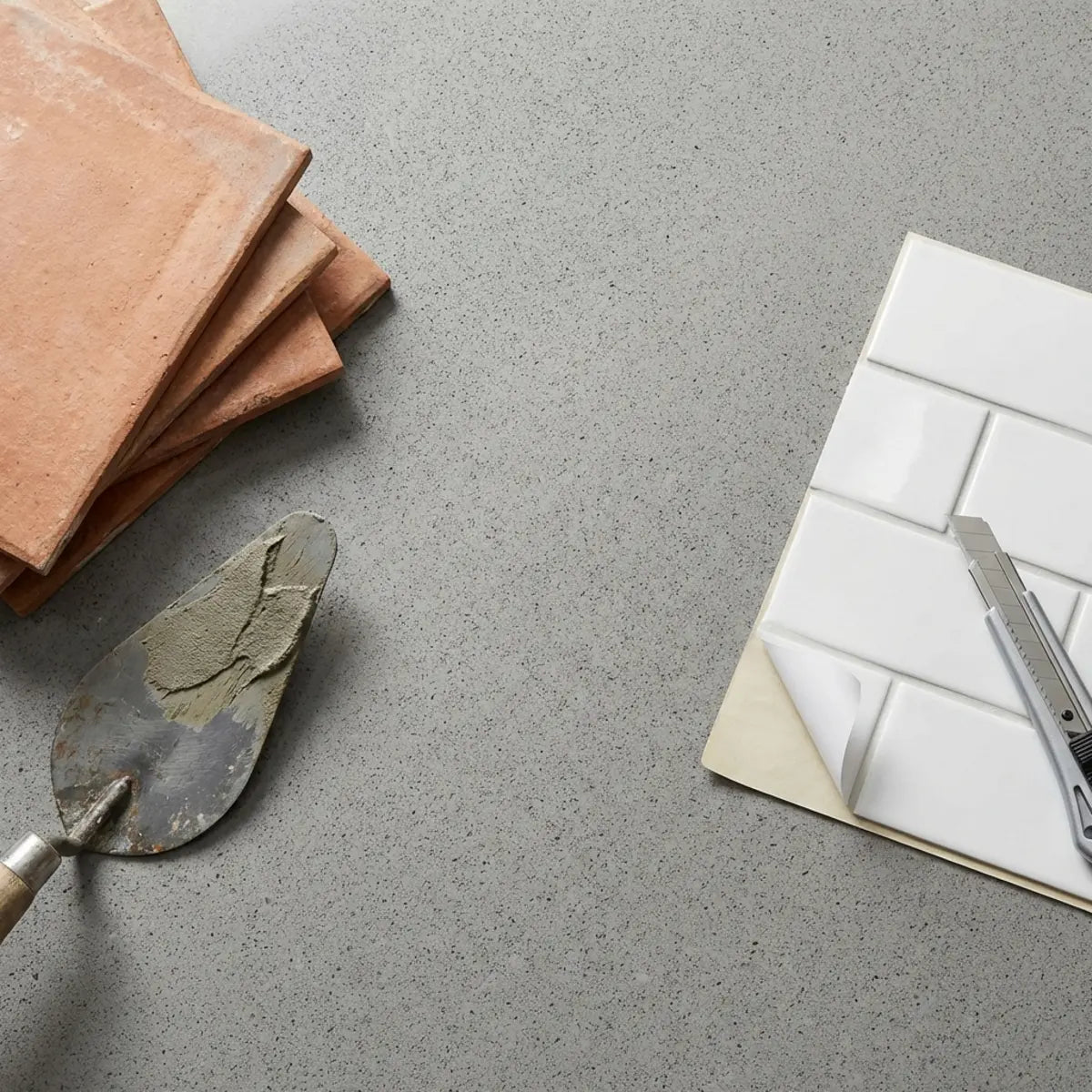


Laisser un commentaire
Ce site est protégé par hCaptcha, et la Politique de confidentialité et les Conditions de service de hCaptcha s’appliquent.