


Commencez Ici
Comblez Les Interstices Du Plan De Travail
Mesurez Le Bord Inférieur Avant De Choisir Du Mastic, Une Finition, Un Fond De Joint Ou Une Réinstallation.
Guide Cuisine
Élaborez un plan de crédence de cuisine autour des vrais plans de travail, éviers, projections de graisse, chaleur près de la cuisinière, prises, moulures, style du produit et quantité de carreaux.
Parcourir Les Styles De Carreaux De CuisineCommencez Ici
Mesurez Le Bord Inférieur Avant De Choisir Du Mastic, Une Finition, Un Fond De Joint Ou Une Réinstallation.
Outil
Divisez le mur de la cuisine en zones mesurées et tenez compte des prises, des fenêtres et des découpes.
Acheter
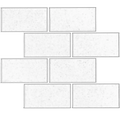
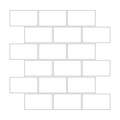
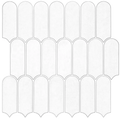
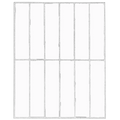
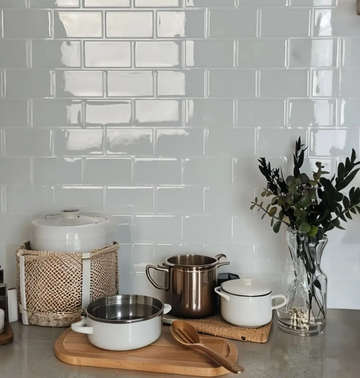
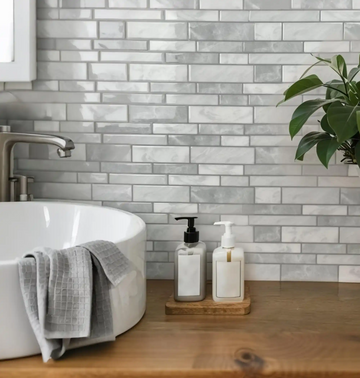
Les Formats Subway Sont Un Premier Choix Pratique Pour Des Crédences De Cuisine Épurées.
Un bon plan de crédence de cuisine commence par les détails qui compliquent tout. Mesurez l’alignement du plan de travail, inspectez la zone de l’évier, repérez la chaleur près de la cuisinière, marquez les prises et les remplisseurs de casserole, puis décidez comment les bords seront finis avant d’acheter les carreaux. Ce guide organise les ressources cuisine de Stickwoll pour vous aider à choisir une disposition à la fois soignée et pratique.
Le bord inférieur d’une crédence est souvent le détail le plus visible dans une cuisine. Si le plan de travail est de niveau et que le mur est plat, une ligne de carreaux nette et un joint de caulk serré peuvent suffire. Si le plan de travail ondule, s’affaisse ou se détache du mur, le plan de finition doit changer. Un caulk fin ne peut pas masquer un écart structurel, et une baguette de trim droite peut au contraire accentuer un plan de travail cintré si elle n’est pas prévue avec soin.
Utilisez le guide de l’écart entre crédence et plan de travail pour décider si votre joint nécessite du caulk, du backer rod, du trim, du quarter round ou une repose partielle. Si la ligne des meubles elle-même est irrégulière, comparez-la avec notre test de scribing sur meubles ondulés.
Prévoyez les projections, l’essuyage, le sens des seam et l’étanchéité des bords près du robinet et du savon.
Vérifiez le dégagement, la chaleur des appareils, les bouffées de vapeur et le mouvement des seam avant de choisir l’emplacement.
Utilisez des produits nettoyants qui enlèvent le film de cuisine sans attaquer l’adhésif ni la finition des carreaux.
Préparez des gabarits de découpe autour des prises, des remplisseurs de casserole, des câbles LED et des bords de fenêtre avant le jour de la pose.
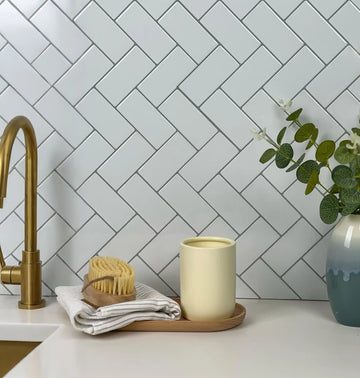
Les petites cuisines profitent souvent de moins d’interruptions visuelles. Une disposition droite de type subway tile peut rendre les seam et les découpes plus faciles à gérer, tandis que les motifs en chevron ou en mosaïque apportent davantage de mouvement mais demandent plus d’attention sur les bords. Les finitions foncées, brillantes ou très contrastées peuvent être spectaculaires, mais elles rendent aussi plus visibles l’éclairage sous les meubles, les reflets et les traces.
Pour vos choix de disposition, comparez les reflets de crédence mate versus brillante, l’association marbre audacieuse, et le design de cuisine high-low. Si vous voulez une remise à neuf rapide avant la revente ou le départ d’un locataire, lisez le plan de crédence en 24 heures avant de programmer les travaux.
| Objectif Cuisine | Style De Départ Adapté | Pourquoi Cela Fonctionne |
|---|---|---|
| Cuisine Propre De Locataire | Rock Subway | Le format subway neutre facilite l’alignement et le contrôle de la couleur du caulk. |
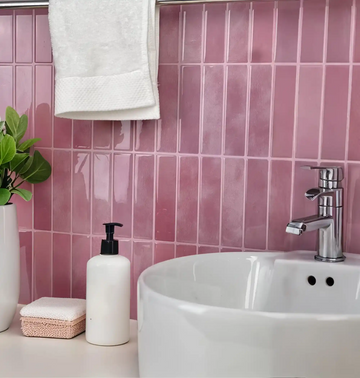
| Crédence Moderne Et Claire | Misty Subway | La couleur douce fonctionne bien près des plans de travail et des murs de cuisine peu exposés aux éclaboussures. |
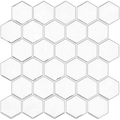
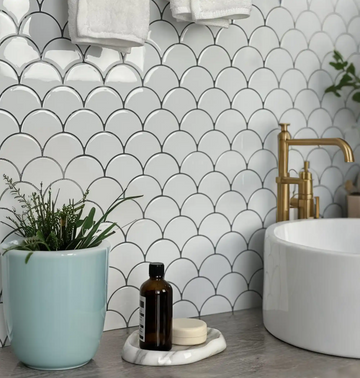
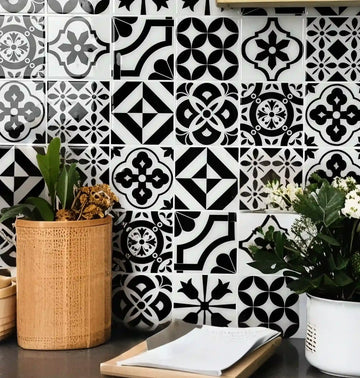
| Accent De Motif | White Honeycomb | La géométrie répétitive crée un intérêt visuel sans dépendre d’une couleur trop forte. |
| Effet Marbre | Snowfish Marble | Convient le mieux lorsque le sens des veines et la planification des découpes sont définis avant la pose. |
Mesurez le mur par sections au lieu de traiter la crédence comme un seul rectangle. Déduisez les grandes fenêtres seulement après avoir confirmé comment vous voulez que les carreaux se terminent dans le trim de fenêtre. Ajoutez une marge pour l’ajustement du motif, les découpes autour des prises, les retours de meuble et les erreurs. Utilisez le calculateur Stickwoll une fois la disposition claire.
Les crédences de cuisine comportent généralement plus d’interruptions qu’il n’y paraît sur les photos. Les prises, interrupteurs, retours de meuble, trim de fenêtre, remplisseurs de casserole, éclairage sous les meubles et espaces d’appareils divisent tous le mur en petites décisions. Marquez ces interruptions sur papier avant le jour de la pose. Décidez quelles découpes doivent tomber derrière les plaques d’interrupteur, quels bords doivent être retaillés et où un motif répétitif doit commencer afin que la zone murale la plus visible paraisse pensée exprès.
Si votre crédence comporte de nombreuses prises, un motif simple peut être le meilleur choix de design. Les formes complexes peuvent être très belles au centre d’un mur, mais deviennent plus difficiles à gérer quand chaque carreau exige une découpe. Utilisez le guide de découpe autour des prises et le guide de dissimulation des câbles LED lorsque le mur comporte des détails électriques ou des trajets de câble visibles.
Une crédence de cuisine est à la fois décorative et pratique. Elle recueille les traces de doigts, la vapeur, l’huile, la sauce et les nettoyages quotidiens. Le meilleur entretien est léger et régulier : essuyez rapidement les éclaboussures, évitez de saturer les seam et utilisez des produits nettoyants qui n’attaquent ni la finition des carreaux ni l’adhésif. Si le mur est proche d’une cuisinière, surveillez de plus près les bords des seam et les angles où la chaleur et le nettoyage se cumulent.
Pour des décisions d’entretien plus poussées, comparez les tests de dégraissant sur crédence peel-and-stick, les nettoyants qui abîment l’adhésif, et les tests de résistance aux rayures. Ces articles vous aident à choisir une finition adaptée à la façon dont la cuisine est réellement utilisée, et pas seulement à son apparence le jour de la pose.
Une crédence peel-and-stick paraît plus permanente lorsque la disposition respecte l’architecture autour d’elle. Alignez soigneusement la rangée la plus visible, gardez les découpes autour des prises nettes, évitez de terminer un motif à un endroit arbitraire et choisissez du trim lorsque le bord risquerait sinon de sembler inachevé. Le meilleur gain visuel vient souvent de la retenue : un carreau calme sur une zone bien mesurée rend généralement mieux qu’un carreau spectaculaire forcé autour de chaque obstacle.
Pour les petites cuisines, utilisez des couleurs plus claires, des répétitions plus simples et des lignes plus nettes. Pour les cuisines ouvertes, choisissez un motif qui s’accorde avec la quincaillerie des meubles, la couleur du plan de travail et le revêtement de sol voisin. Pour les cuisines de location, gardez le projet suffisamment contenu pour que la dépose future reste gérable. Si vous voulez un point de départ orienté style, passez de cette page au guide d’idées de design de carreaux.
Une crédence est plus facile à poser quand le travail est découpé en étapes claires. Retirez les caches de prises, nettoyez la graisse avec un dégraissant sûr pour la surface, laissez le mur sécher, tracez une ligne de référence de niveau, faites un essai à blanc de la première rangée, puis planifiez les découpes autour des prises et des angles avant de retirer le support. Travaillez de la zone la plus visible vers le bord le moins visible quand c’est possible, car la première rangée donne le rythme visuel de tout le reste du mur.
Pour les projets de crédence peel-and-stick, les prises et les angles méritent du temps supplémentaire. Une découpe de prise faite trop vite peut donner à une bonne disposition un aspect inachevé, et un angle forcé en place peut se décoller plus tard. Lisez le guide de découpe autour des prises avant de couper la première pièce, et utilisez le guide de cheminement des câbles LED si la crédence doit contourner un éclairage sous les meubles.
Note pour la cuisinière : gardez le carreau dans les conditions d’usage mural prévues par le produit et évitez de poser un carreau adhésif dans une zone exposée à une chaleur inhabituelle, à une flamme nue ou à des conditions de dégagement interdites par le fabricant. Si le manuel d’une cuisinière, d’une hotte ou d’un appareil fixe une règle de dégagement, suivez d’abord cette règle.
Une cuisine de locataire, une remise à neuf en un week-end et une cuisine familiale à long terme peuvent toutes utiliser du peel-and-stick tile, mais elles n’ont pas besoin du même plan de finition. Un locataire peut préférer une ligne d’arrêt plus nette et un retrait plus simple. Un propriétaire peut préférer du trim, du caulk, un surplus de carreaux et une gamme de produits plus proche d’un rendu permanent. Une cuisine très utilisée peut bénéficier d’un motif un peu plus calme, car les petites traces de graisse, les ombres et les découpes autour des prises deviennent plus visibles sur des compositions très détaillées.
Mesurez d’abord la section de mur la plus large et l’espace visible au-dessus du plan de travail. Ces deux chiffres déterminent la quantité de matériau et la finition du bord inférieur.
Cela dépend du dégagement des appareils, de l’exposition à la chaleur, du code local et des limites du produit. Examinez le risque thermique et évitez de poser un carreau adhésif là où il serait exposé à des températures dangereuses.
Une disposition droite de type subway est généralement plus simple qu’un motif imbriqué complexe, car les découpes, les seam et les lignes de trim sont plus faciles à maîtriser.