
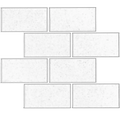
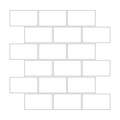

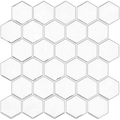
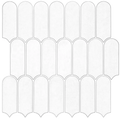
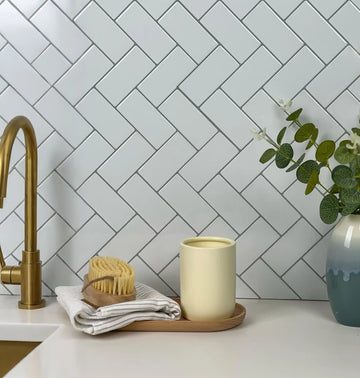
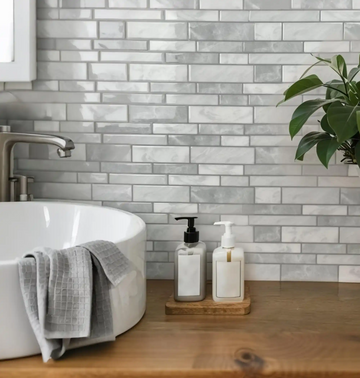
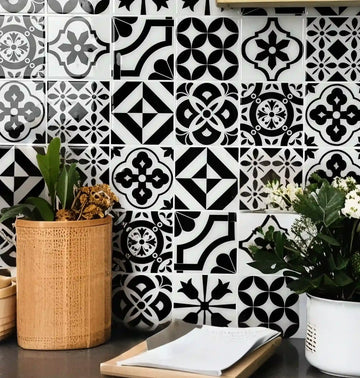
Commencez par un plan mural mesuré avant de couper le carrelage de crédence adhésif. Repérez d’abord la ligne du plan de travail, le bas des meubles hauts, les prises, la zone d’éclaboussures de l’évier, les angles et les extrémités visibles. La meilleure disposition n’est pas celle qui commence le plus vite ; c’est celle qui dissimule les petites découpes, garde les lignes du motif bien horizontales et laisse des bords nets là où le regard s’arrête naturellement.
Une crédence de cuisine paraît simple jusqu’à ce qu’une première prise, un plan de travail irrégulier ou un bord latéral ouvert vienne interrompre le motif. Utilisez ce guide avec le Guide De Crédence De Cuisine après avoir choisi le mur et avant de commander ou de couper les carreaux. Si vous devez encore planifier les quantités, ouvrez le calculateur de carreaux Stickwoll une fois vos notes de calepinage terminées ci-dessous.
Cartographiez Le Mur Avant De Choisir Un Point De Départ
Ne commencez pas dans l’angle gauche simplement parce que cela vous semble naturel. Une crédence se juge à partir de la ligne la plus visible : souvent le centre de l’évier, le centre de la plaque de cuisson ou la première extrémité ouverte du plan de travail. Mesurez la largeur totale du mur, la hauteur de la crédence et chaque interruption. Dessinez le mur sous forme de simple rectangle, puis ajoutez les prises, interrupteurs, décrochés de meubles, fenêtres et espaces pour les appareils. Vous transformez ainsi un mur compliqué en problème de calepinage à résoudre avant même d’appliquer l’adhésif.
Centrez Les Zones Focales
Centrez le motif derrière un évier, une plaque de cuisson ou une étagère ouverte lorsque cette zone constitue le principal repère visuel.
Dissimulez Les Petites Coupes
Déplacez les fines bandes vers les angles intérieurs, les bords d’appareils ou les zones partiellement cachées.
Soignez Le Bord Ouvert
Décidez si un bord latéral apparent doit recevoir une finition avec baguette, joint, chevauchement ou un carreau complet en bout de ligne.
Choisissez Une Règle De Calepinage Pour La Première Rangée
La première rangée détermine si tout le reste du mur paraîtra bien droit. Si le plan de travail est de niveau, utilisez-le comme référence. Si le plan de travail descend, monte ou présente un écart visible, tracez une ligne de niveau légèrement au-dessus du plan de travail et gérez le bord inférieur séparément. C’est important, car les carreaux de crédence adhésifs suivent très fidèlement une mauvaise ligne. Une légère pente sur la première rangée devient évidente après trois ou quatre rangées.
| État du mur | Meilleur choix De Calepinage | Pourquoi Cela Fonctionne |
|---|---|---|
| Plan de travail De Niveau Et Meubles Droits | Commencez À La Ligne Du Plan De Travail | Garde le bord visible le plus bas propre et rapide à poser. |
| Écart Au Plan De Travail Ou Ligne De Meubles Ondulée | Utilisez Une Ligne De Référence De Niveau | Empêche le motif de dériver à cause de l’imperfection. |
| Nombreuses Prises | Faites Un Essai À Blanc Depuis La Zone Des Prises Vers L’extérieur | Évite les petites découpes autour des plaques de finition. |
| Bord Latéral Ouvert | Terminez Par Un Demi-Carreau Plein Ou Intentionnel | Donne l’impression que la finition latérale a été prévue. |
Anticipez Les Prises Avant Que L’Adhésif Ne Touche Le Mur
Les prises sont l’endroit où les crédences posées dans l’urgence paraissent vite bricolées. Retirez la plaque de finition, mesurez la position du boîtier et marquez la découpe sur le papier support avant de le décoller. Dans la mesure du possible, évitez de faire passer un joint exactement au centre d’une prise. Un joint placé à côté d’une prise est plus facile à dissimuler qu’un joint qui entre en conflit avec la plaque de finition. Si un motif de carreau comporte des lignes marquées, faites d’abord un essai à blanc de la rangée des prises et utilisez du ruban de peintre pour noter l’ordre.
Règle pratique : tout mur avec plus de trois prises mérite une rangée d’essai à blanc. Disposez les carreaux sur le plan de travail, marquez les découpes des prises et vérifiez si le motif reste équilibré à distance de vision normale.
Calculez La Quantité De Carreaux Une Fois Le Calepinage Défini
La surface en mètres carrés n’est qu’un point de départ. Une crédence avec de nombreuses prises, des découpes en diagonale ou des bords ouverts nécessite plus de marge qu’un simple rectangle. Une fois votre plan terminé, saisissez les zones mesurées dans le calculateur de carreaux. Ajoutez une marge pour l’alignement du motif, les erreurs et les réparations futures. Pour une pose simple, une marge modérée peut suffire. Pour des bords complexes ou un motif répétitif, prévoyez davantage.
Liste De Vérification Finale Avant La Coupe
- Marquez La Ligne Focale La Plus Visible.
- Vérifiez Si Le Plan De Travail Est De Niveau.
- Faites Un Essai À Blanc De La Rangée Des Prises.
- Choisissez La Finition Du Bord Ouvert Avant De Poser Le Premier Carreau.
- Utilisez Le Calculateur Une Fois Les Découpes Et La Marge Connues.
Adaptez Le Calepinage Au Style De Carreau
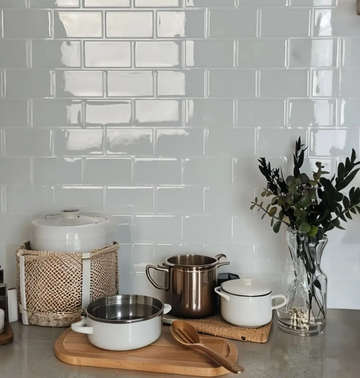
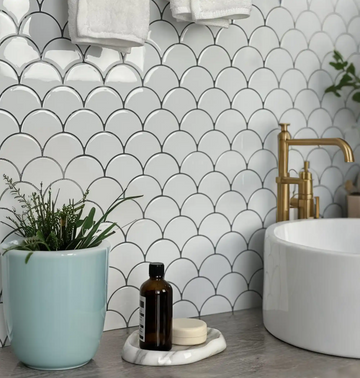
Les styles métro, chevrons, hexagone, effet marbre et mosaïque ne résolvent pas tous le même problème de calepinage. Une pose horizontale simple pardonne généralement davantage autour des prises. Un motif chevron ou géométrique demande plus de préparation, car les lignes directionnelles rendent les petits décalages plus visibles. Si vous hésitez encore sur la direction visuelle, utilisez le guide du sens du motif des carreaux avant de commander. Si le mur comporte de nombreuses interruptions, choisissez un style qui permet de placer les découpes dans des zones plus discrètes.
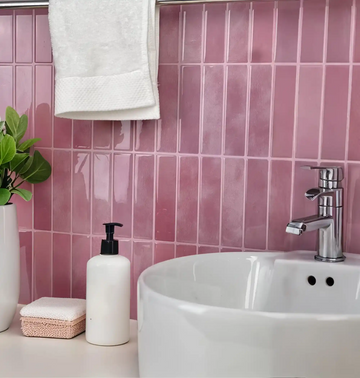
La couleur influence aussi le calepinage. Une crédence claire peut illuminer une cuisine étroite, tandis qu’un motif sombre ou très contrasté peut rendre les joints et les découpes plus visibles. Parcourez les collections Stickwoll avec votre plan mural à portée de main, et non comme une étape d’achat séparée. Le bon carreau est celui qui correspond à l’échelle de la pièce, au nombre de découpes et à la finition de bord que vous pouvez réellement réaliser proprement.
Prévoyez Les Zones De Nettoyage Et De Chaleur
Le calepinage n’est pas seulement visuel. Les murs de cuisson accumulent graisse, vapeur et éclaboussures, surtout près d’une plaque de cuisson, d’un évier ou d’un coin café. Gardez, si possible, les joints et les petites découpes éloignés des zones les plus salissantes. Pour l’entretien quotidien, associez le calepinage au guide de nettoyage de la graisse afin que la crédence reste facile à essuyer sans imbiber les bords. Si votre agencement inclut un robinet, un remplisseur de casseroles ou une zone de fortes éclaboussures, consultez les notes de crédence autour du remplisseur de casseroles avant de décider où placer le joint le plus exposé.
Pour les règles générales de surface, les attentes liées à l’adhésif et l’ordre de pose, gardez ouvert le guide principal du carrelage adhésif pendant votre travail. Le guide de cuisine aide à choisir la bonne approche ; le guide principal aide à valider la préparation du support, la coupe et l’entretien.
Questions Courantes Avant La Pose
Faut-Il Commencer Une Crédence Par Le Centre Ou Par L’Angle ?
Commencez par le point d’alignement le plus visible, et non automatiquement par un angle. Un évier ou une plaque de cuisson centrés méritent souvent la priorité. Un angle caché accepte plus facilement une petite coupe qu’une zone focale.
Combien De Carrelage Supplémentaire Une Crédence De Cuisine Doit-Elle Prévoir ?
Les murs simples nécessitent moins de marge que ceux avec prises, angles, raccord de motif ou bords ouverts. Mesurez d’abord le calepinage final, puis utilisez le calculateur de carreaux et ajoutez une marge pour les erreurs et les réparations futures.
Qu’Est-Ce Qui Donne Un Aspect Professionnel À Une Crédence Adhésive ?
Le résultat le plus professionnel vient généralement d’une première rangée bien de niveau, de découpes propres autour des prises, de bords latéraux anticipés et d’un style de carreau adapté à l’échelle de la pièce. L’adhésif compte, mais c’est la rigueur du calepinage que l’on remarque d’abord.
Scénarios De Pièce Qui Modifient Le Plan
Une cuisine étroite et linéaire en appartement demande généralement un calepinage plus sobre qu’une cuisine ouverte avec un grand mur de cuisson. Un coin café peut n’avoir besoin que d’un court moment visuel, alors qu’une crédence complète de l’évier à la plaque doit supporter un nettoyage quotidien et un examen rapproché. Traitez chaque projet comme un système mural : calepinage, bord, nettoyage et style de carreau fonctionnent ensemble.
Lorsque deux options de calepinage semblent toutes deux acceptables, choisissez celle qui simplifie l’entretien. Moins de petites découpes près de l’évier, moins de joints derrière la plaque et des bords latéraux plus nets comptent souvent davantage sur la durée qu’une symétrie parfaite imposée dans un angle caché.
Utilisez Ce Plan De Calepinage Avec Le Guide De Crédence De Cuisine. Une fois la disposition fixée, passez aux décisions sur les bords, aux attentes de nettoyage et au style du produit plutôt que d’essayer de tout résoudre pendant l’installation.


Laisser un commentaire
Ce site est protégé par hCaptcha, et la Politique de confidentialité et les Conditions de service de hCaptcha s’appliquent.