


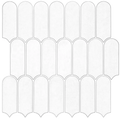
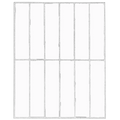
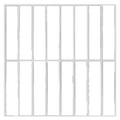
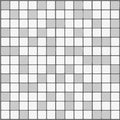
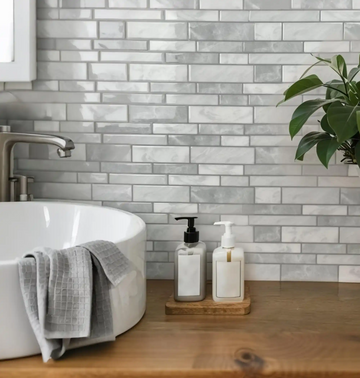
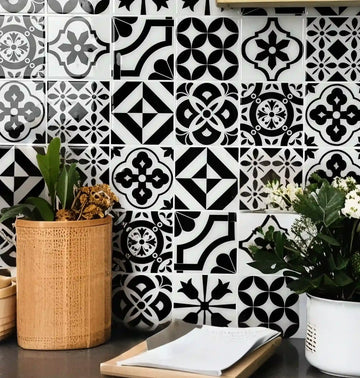
La préparation d’un mur en location commence avant même l’achat du carrelage. Vérifiez d’abord les règles du bail, l’ancienneté de la peinture, la texture du mur, l’exposition à l’humidité et le risque de retrait futur. Un projet plus petit et plus propre sur un mur stable est généralement préférable pour les locataires que de recouvrir chaque surface disponible.
Utilisez ce guide de préparation avec le Guide Du Carrelage Adapté Aux Locataires. Il met l’accent sur l’étape que beaucoup de locataires sautent : décider si le mur doit recevoir de l’adhésif du tout. Le carrelage peel-and-stick peut être une amélioration pratique en location, mais le résultat le plus sûr vient d’un projet adapté au mur et pensé dès le départ pour le move-out.
Commencez Par Le Bail Et L’État Du Mur
Avant de nettoyer ou de mesurer, vérifiez si les temporary adhesive upgrades sont autorisées. Certains baux sont souples ; d’autres interdisent les produits adhésifs ou exigent une approbation écrite. Ensuite, inspectez la peinture. Une peinture récente, une builder-grade paint mate, une vieille peinture qui s’écaille et un drywall mal réparé peuvent tous être plus vulnérables au moment du retrait. Si la peinture est déjà fragile, le carrelage n’est pas le seul risque ; la finition du mur pose déjà problème.
| Vérifier | Ce Qu’il Faut Rechercher | Décision Plus Sûre |
|---|---|---|
| Bail | Règles Sur L’adhésif Ou Les Modifications | Demandez d’abord si les règles ne sont pas claires. |
| Âge De La Peinture | Peinture fraîche de moins de 30 jours | Attendez la fin complète du séchage avant l’installation. |
| Résistance De La Peinture | Peinture qui s’écaille, boursouflée, ou finition poudreuse | N’installez pas sur une surface défaillante. |
| Texture | Gros effet peau d’orange ou zones rugueuses | Choisissez un autre mur ou utilisez un plan de support renter-safe. |
Nettoyez Sans Tremper Le Mur
Les murs de cuisine accumulent la graisse. Les murs de salle de bain accumulent l’humidité et les résidus. Les murs de chambre et de bureau accumulent la poussière et les huiles des mains. Nettoyez le mur avec une méthode douce dégraissante, puis laissez-le sécher complètement. N’installez pas sur un mur qui semble encore froid, humide ou collant. L’adhésif fonctionne mieux lorsque la surface est propre, lisse, sèche et stable.
Location Cuisine
Repérez les prises, les écarts avec le plan de travail et les bords visibles avant d’installer une crédence temporaire.
Location Salle De Bain
Conservez les projets dans les zones peu exposées aux éclaboussures et évitez les conditions directement sous la douche.
Plan De Move-Out
Utilisez de la chaleur, un décollement lent et de la patience au moment de retirer le carrelage.
Gardez Un Projet De Taille Maîtrisée
Les locataires obtiennent souvent de meilleurs résultats avec des projets ciblés : une crédence, un mur arrière de bureau, un bandeau de vasque ou un petit renfoncement. Recouvrir toute une pièce augmente le coût, le temps de retrait et le risque pour la surface. Si vous n’êtes pas sûr du mur, commencez par une zone plus petite et gardez des carreaux supplémentaires pour de futures réparations. Utilisez le calculeur de carreaux une fois que vous avez défini le périmètre exact du projet.
Réflexion Move-Out : le meilleur projet en location doit être esthétique pendant votre séjour et offrir plus tard une solution de retrait réaliste. Si le retrait semble stressant dès le premier jour, simplifiez le projet avant d’installer.
Testez La Réversibilité Dans Une Zone Peu Risquée
Si la peinture vous inquiète, testez une petite chute ou un échantillon dans une zone cachée, si possible. Laissez-le en place assez longtemps pour se comporter comme une vraie installation, puis chauffez légèrement et retirez lentement. Cela ne garantit pas que tout le mur réagira parfaitement, mais cela peut révéler une peinture fragile, des résidus ou des problèmes de texture de surface avant de lancer tout le projet.
Liste De Vérification Finale
- Lisez les règles du bail avant l’installation.
- Évitez une peinture fragile, qui s’écaille, fraîche ou très texturée.
- Nettoyez le mur et laissez-le sécher complètement.
- Choisissez un projet ciblé avec des bords clairs.
- Conservez les détails de commande et des carreaux supplémentaires pour le move-out ou les réparations.
Choisissez Un Projet Locatif Aux Frontières Nettes
Les meilleurs projets de peel-and-stick tile renter-friendly ont généralement un début et une fin naturels : une crédence entre le plan de travail et les meubles hauts, un mur arrière de bureau, un bandeau de meuble vasque, un coin café ou un petit renfoncement. Ces limites rendent l’installation plus propre et le retrait plus facile. Pour une location cuisine, associez cette préparation avec le guide de disposition de crédence de cuisine. Pour une location salle de bain, commencez par le guide des murs de salle de bain à faible projection avant de choisir un mur proche de l’eau.
Le design compte aussi en location. Un motif apaisant peut donner à une mise à jour temporaire l’allure d’un élément intégré plutôt que provisoire. Utilisez le guide du sens du motif des carreaux pour choisir si le mur doit paraître plus large, plus haut ou plus décoratif, puis parcourez les collections Stickwoll avec cet objectif visuel en tête.
Protégez La Finition En Planifiant Les Bords Et Le Retrait
Les projets en location échouent souvent visuellement sur le bord latéral exposé ou sur la dernière rangée. Ne laissez pas la finition au hasard. Comparez les options de trim, de caulk et de coupe nette dans le guide des finitions de bord, surtout si le projet s’arrête au milieu d’un mur ouvert. Pour le parcours d’installation global, le guide principal du carrelage peel-and-stick couvre les surfaces, la découpe et l’entretien.
Au moment du move-out, ne vous précipitez pas. Chauffez le carreau, tirez lentement et gardez un angle faible pour donner à la peinture les meilleures chances de rester intacte. Le guide de retrait doit faire partie du plan avant l’installation, et pas seulement après avoir décidé de partir.
Rendez La Mise À Jour Intentionnelle
Un projet renter-friendly ne doit pas ressembler à une rustine temporaire. Alignez le carreau avec l’architecture existante de la pièce : la largeur du plan de travail, le bord du miroir, la taille du bureau, le lit, la ligne des meubles ou l’étagère. Si le projet s’arrête au milieu d’un mur, donnez-lui une raison visuelle. Cela peut être une ligne de trim, le bord d’un meuble, un renfoncement ou une limite nette de carreaux.
Dans une cuisine, évitez de commencer une crédence à un endroit aléatoire derrière un appareil si la ligne exposée sera visible tous les jours. Dans une salle de bain, évitez de pousser le carrelage dans les coins humides juste pour donner au mur un aspect complet. Pour un mur de bureau ou de chambre, gardez le motif derrière l’objet principal afin qu’il ressemble à un arrière-plan conçu exprès, et non à un matériau restant.
Avant de commander, prenez une photo de face et une autre depuis l’entrée de la pièce. Marquez la limite prévue sur la photo. Si le projet paraît équilibré dans les deux vues, il a plus de chances d’être naturel une fois installé.
Conservez La Documentation Pour Le Move-Out
Les locataires doivent conserver le nom du produit, les détails de commande, des carreaux de rechange et une photo du mur avant l’installation. Cela facilite les réparations futures et vous donne une preuve de l’état d’origine de la surface. Si un propriétaire ou un gestionnaire a approuvé le projet, gardez ce message avec les notes du projet.
Gardez aussi la zone d’installation réaliste. Un propriétaire sera plus susceptible de contester un grand revêtement mural difficile à retirer qu’une crédence nette ou une zone d’accent bien délimitée. Plus le projet semble réversible, plus il correspond à la promesse renter-friendly.
Si le projet doit améliorer des photos pour une annonce, un studio ou un bureau à domicile, choisissez un mur visible sans couvrir les interrupteurs, les bouches d’aération ou les trappes d’accès. Le design temporaire fonctionne le mieux lorsqu’il améliore la pièce sans créer de questions d’entretien.
Cet équilibre est précisément l’objectif du design renter-safe : assez utile pour transformer la pièce, assez simple pour être défait plus tard.
Questions Courantes Avant L’Installation
Le peel-and-stick tile est-il renter friendly ?
Cela peut l’être, mais seulement si le bail l’autorise et si la finition du mur est assez solide. Une peinture fragile, une peinture récente, une texture importante et des murs exposés à l’humidité augmentent le risque.
Les locataires doivent-ils carreler un mur entier ?
Un projet ciblé est généralement plus sûr. Les zones plus petites coûtent moins cher, se retirent plus vite et facilitent le camouflage de petits compromis de disposition.
Comment Les Locataires Doivent-Ils Estimer La Quantité De Carreaux ?
Définissez d’abord le périmètre exact du projet, puis utilisez le calculateur de carreaux. Gardez quelques pièces supplémentaires pour la réparation ou le remplacement au lieu de commander uniquement la surface exacte en mètres carrés.


Laisser un commentaire
Ce site est protégé par hCaptcha, et la Politique de confidentialité et les Conditions de service de hCaptcha s’appliquent.