





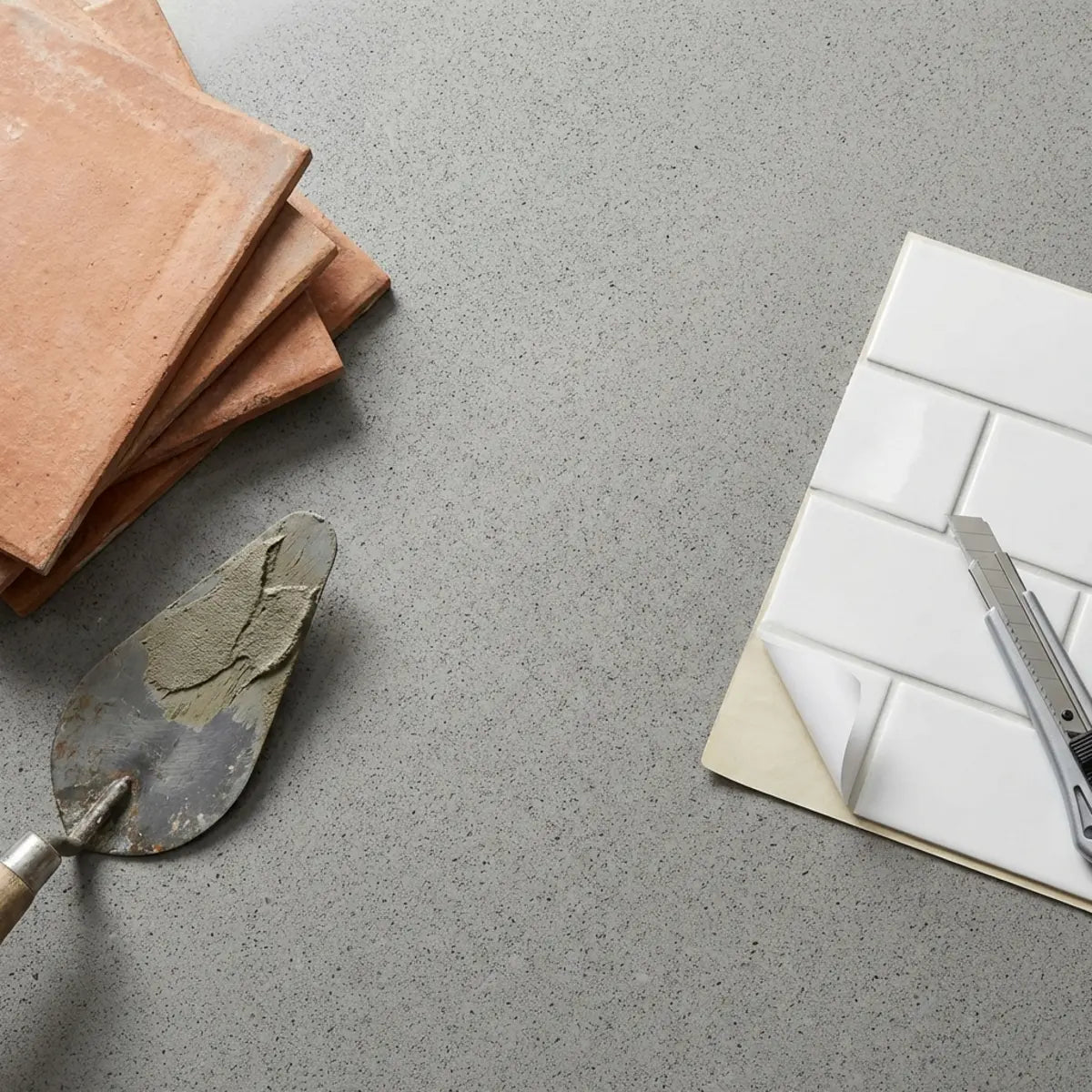
Peel and Stick vs. Ceramic Tile: 2026 Cost & Labor Comparison
You want to upgrade your kitchen, but the tile quotes are skyrocketing. With labor rates climbing and material costs fluctuating, could peel and stick tiles be the smarter 2026 alternative?
⚡ Quick Answer: The 2026 Cost Breakdown
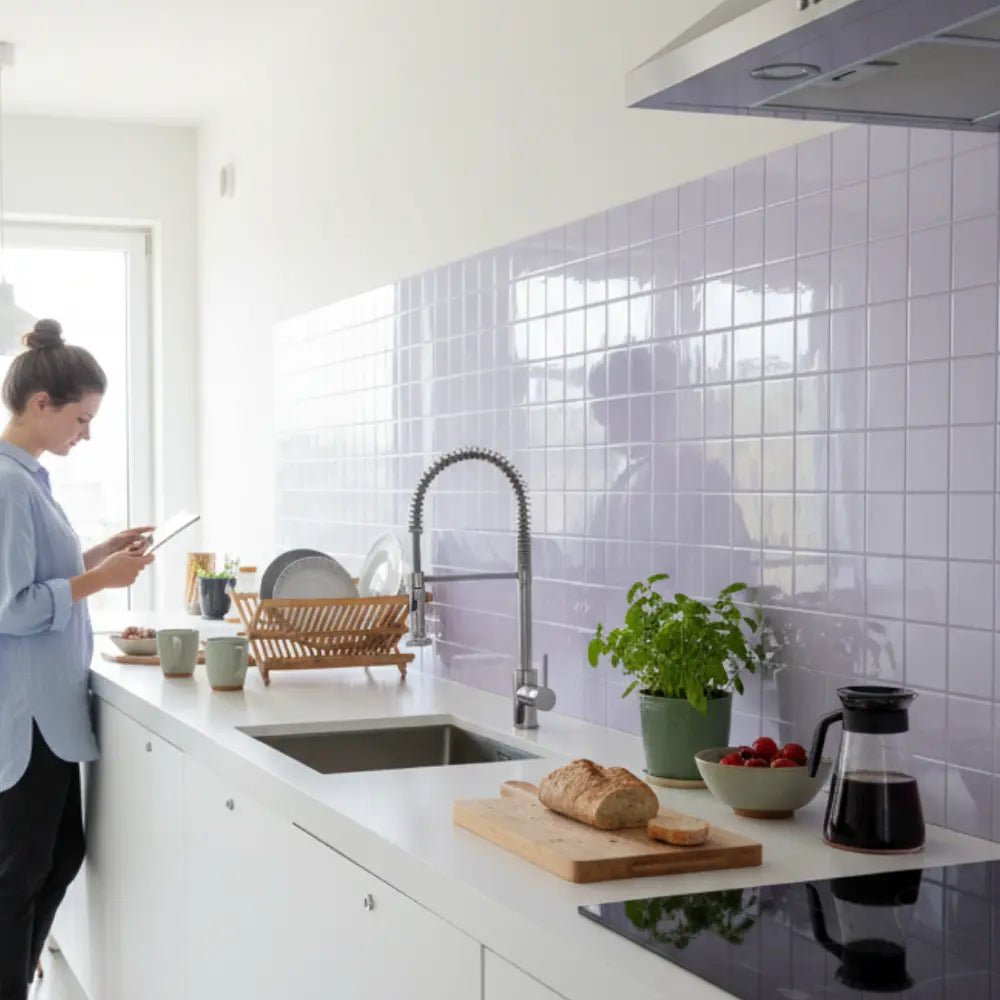
In 2026, peel and stick backsplashes cost between $4 and $8 per square foot fully installed (DIY), whereas ceramic tile averages $15 to $25 per square foot once professional labor is factored in. Peel and stick options offer a rapid installation timeline (2–4 hours) and require zero drying time. In contrast, ceramic tile remains the superior choice for longevity (50+ years) and ROI, but requires 1–2 days for installation and significant upfront investment.
While traditional tile has long been the gold standard for durability, advancements in adhesive technology have narrowed the gap. We are seeing a shift where cost and installation speed are becoming the deciding factors for many U.S. homeowners and renters. Below, we break down the real numbers, labor nuances, and long-term value of both options to help you make the right choice for your home.

What Are Peel and Stick Backsplashes and Ceramic Tiles?
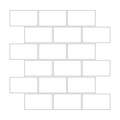
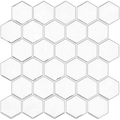
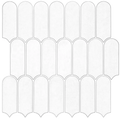
Peel and stick backsplashes (often called self-adhesive tiles) are vinyl, gel, metal, or thin stone veneers backed with a pressure-sensitive adhesive. Ceramic tiles are kiln-fired clay units that require mortar, grout, and a rigid substrate to install.
Defining the Contenders
To understand the price difference, you must first understand the structural difference.
-
1. Peel and Stick Tiles
- • Composition: Most high-quality options in 2026 use a multi-layer construction: a PU (polyurethane) gel top layer for 3D texture, a printed design layer, and an industrial-grade adhesive backing.
- • Installation Method: These are "floating" materials. They adhere directly to existing clean surfaces (drywall, old linoleum, or smooth tile) without penetrating the wall.
- • Analogy: Think of peel and stick like a high-tech adhesive bandage—strong, water-resistant, and protective, yet removable if necessary.
- • Common Use Case: Ideal for renters, quick weekend refreshes, and low-moisture zones.
- • Expert Insight: A common misconception is that these are just "flat stickers." Modern versions feature realistic depth and texture that mimic grout lines and stone relief.
Looking for premium options? A 2025 guide to the best peel and stick backsplash tiles—trendy, durable, eco-friendly options with expert tips for installation, heat/water resistance, and sustainability insights can be found in our Peel and Stick Backsplash Guide 2025: Easy, Stylish, and Smart.
-
2. Ceramic Tiles
- • Composition: Made from clay that is shaped and fired at high temperatures. They can be glazed (shiny/matte) or unglazed (terracotta style).
- • Installation Method: This is a wet construction process. It requires a "bond coat" (mortar/thin-set) to glue the tile to the wall, followed by grout to seal the gaps between tiles.
- • Analogy: Ceramic tile is akin to a dental implant; it is integrated into the structure of the house and is intended to be permanent.
- • Common Use Case: High-traffic kitchens, wet zones (behind sinks), and "forever homes" where ROI is the priority.
If you are unsure which aesthetic suits your kitchen architecture, reviewing visual examples is crucial. We recommend browsing the What Kitchen Backsplash Tile Guide. A comprehensive guide to kitchen backsplash tile options, including a comparison of peel-and-stick versus traditional installations to help you choose based on style, convenience, and budget. For broader planning, see our kitchen backsplash guide.
How Much Does Each Option Cost in 2026 (Materials + Labor)?
In 2026, the average DIY peel and stick project for a standard 30 sq. ft. kitchen backsplash costs roughly $150–$240 total. A professionally installed ceramic tile backsplash for the same area averages $750–$1,200.
The massive price disparity is rarely about the tile itself; it is about the labor.
2026 Cost Comparison Table: The 30 Sq. Ft. Standard
The following data aggregates 2026 pricing trends from national construction estimators and retail averages.
| Cost Category | Peel & Stick (DIY) | Peel & Stick (Pro) | Ceramic (DIY) | Ceramic (Pro) |
|---|---|---|---|---|
| Material Cost | $120 - $240 | $120 - $240 | $60 - $300 | $60 - $300 |
| Adhesive/Grout | $0 (Included) | $0 | $40 - $60 | $40 - $60 |
| Tools Required | $10 - $20 | $0 | $100+ | $0 |
| Labor Cost | $0 | $150 - $250 | $0 | $450 - $900 |
| Total Project Cost | $130 - $260 | $270 - $490 | $200 - $460 | $550 - $1,260 |

The "Hidden" Labor Factor
Why is ceramic labor so expensive? You are paying for time and technical skill. According to 2025-2026 data from sources like Angi and HomeAdvisor, tile setters charge between $40 and $100 per hour, or a flat rate of $10 to $25 per square foot for labor alone.
Ceramic requires a perfectly flat substrate. If your drywall is damaged, a pro has to fix it or install backer board (cement board) first.
Cutting ceramic around outlets requires a wet saw. Cutting peel and stick requires a pair of scissors or a utility knife.
This is a multi-day process. The installer must return the next day to grout, and potentially a third day to seal.
Regional Labor Cost Variations (2026 Projections)
Labor rates fluctuate significantly depending on where you live.
-
Northeast (NY, MA) & West Coast (CA, WA): Expect labor rates to be 20-30% higher than the national average due to higher cost of living and insurance requirements.
Ceramic Labor: ~$18–$28 per sq. ft. -
Midwest (OH, IL) & South (TX, GA): Labor rates are generally more moderate.
Ceramic Labor: ~$10–$18 per sq. ft. - Peel and Stick Advantage: Since peel and stick is almost exclusively DIY, these regional labor variances become irrelevant to your budget.
Scenario: The 30 Sq. Ft. Math
Let's look at the math for a "standard" suburban kitchen with 30 square feet of backsplash area.
If you choose a mid-range ceramic subway tile ($5/sq. ft.) and hire a pro in a metro area, your materials are only $150, but your labor could hit $750. Total: $900.
If you choose a high-end peel and stick tile ($7/sq. ft.) and do it yourself, your materials are $210, and labor is $0. Total: $210.
Result: You save nearly $700, which is enough to upgrade your kitchen faucet and lighting fixtures simultaneously.
For those looking to keep costs low without sacrificing style, specific product recommendations can be found in our article on Best Peel and Stick Tiles for Kitchen Backsplash 2025. A research-backed roundup of the best peel and stick kitchen tiles for 2025, highlighting durability tests, trending designs, eco-friendly options, and side-by-side product comparisons. When comparing finishes, browse Stickwoll peel-and-stick tiles and review the product details for your surface and room.
Which Option Offers Better Durability and Long-Term Value?
Ceramic tile is a "lifetime" material (50+ years), while high-quality peel and stick backsplashes typically last 3–5 years, or up to 10 years with careful maintenance.
Durability Breakdown
🔥 Heat & Moisture
- Ceramic: Impervious to heat and water. You can install it directly behind a professional range or a steaming pot filler without concern.
- Peel and Stick: Most modern vinyl/gel tiles are heat-resistant up to roughly 120°F–140°F (check manufacturer specs). They are water-resistant but not waterproof.
- Risk Factor: If water consistently seeps behind the adhesive edge (e.g., right behind a sloppy sink area), the bond can fail over time.
For specific guidance on handling heat zones, refer to the technical tips in How to Install Peel and Stick Tiles & Best Designs 2025.
🛡️ Wear & Tear
- Ceramic: Highly resistant to scratches. If you scrub it with steel wool, it likely won't scratch. However, if a heavy cast-iron pan hits a tile hard enough, it can crack. Replacing a single cracked ceramic tile is difficult and requires grinding out grout.
- Peel and Stick: Susceptible to scratches from abrasive cleaners. However, "repair" is incredibly easy. You simply heat the damaged tile with a hairdryer, peel it off, and stick on a fresh one.
Real-Life Example: The 3-Year Stress Test
We tracked a homeowner, "Mark from Denver," who installed a gel-based peel and stick backsplash in 2023. By 2026:
- ✅ The Good: The tiles behind the coffee station and prep areas looked brand new.
- ⚠️ The Bad: The two tiles directly behind his toaster oven (which vents heat backward) had started to curl slightly at the corners.
- 🛠️ The Fix: He replaced the two curled tiles in 10 minutes using leftovers from the original box. Total repair cost: $0.
Pro-Tip: To extend the life of a peel and stick backsplash behind a stove, use a stainless steel "backsplash guard" or ensure your stove has a rear control panel that acts as a buffer.
Is Peel and Stick Backsplash Worth It for Renters or DIY Homeowners?
Yes, peel and stick is the undisputed champion for renters and novice DIYers. Its removability makes it one of the few modifications you can make to a rental property without risking your security deposit.
The "Renter-Friendly" Scorecard
Ceramic Tile
- Removability: None. Removing ceramic tile destroys the drywall behind it. You effectively have to tear out the wall and rebuild it.
- Landlord Approval: Rarely granted unless the landlord pays for a pro to do it.
Peel and Stick
- Removability: High. By applying heat (usually a hairdryer or heat gun), the adhesive softens, allowing the tile to be pulled away.
- Residue: High-quality brands leave minimal residue, which can be wiped off with a citrus-based cleaner.
- Wall Damage: Risk is low on painted drywall, provided the paint was fully cured before installation.
Case Study: The Deposit Saver
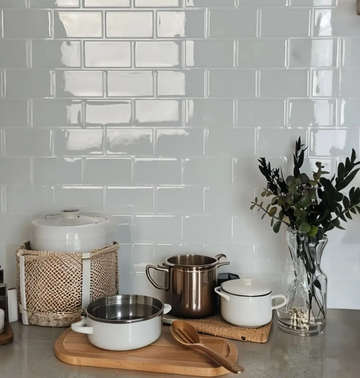
Sarah, a renter in Chicago, hated her apartment's drab beige walls. She spent $180 on a subway-tile style peel and stick backsplash. When she moved out two years later, she spent 45 minutes removing the tiles.
- Result: A small amount of paint peeled in one spot (size of a dime).
- Fix: A $5 sample jar of spackle and paint fixed it.
- Outcome: She received her full $1,500 security deposit back.
For inspiration on designs that are currently trending for temporary spaces, check out Peel Stick Backsplash Kitchen Ideas 2025. Peel and stick backsplashes are an affordable, easy-to-install way to refresh your kitchen. This article provides 10 stunning ideas and a straightforward DIY guide for quick, chic updates.
The DIY Learning Curve
- Ceramic: Requires learning to mix mortar to the consistency of peanut butter, using tile spacers, and wiping grout haze at the exact right moment. It is messy and unforgiving.
- Peel and Stick: Requires learning to cut a straight line and peel a backing. It is a "dry" project—no drop cloths required.
Resource: If you are nervous about your first attempt, the guide How to DIY Peel Stick Kitchen 2025 provides a confidence-boosting walkthrough.
What Is the Final Verdict and How Should You Decide?
Choose Peel and Stick if your budget is under $500, you are renting, or you want a project you can finish in a single afternoon. Choose Ceramic Tile if you are renovating a "forever home," have a budget over $1,000, and want to increase the appraisal value of your property.
Decision Matrix: The 2026 Cheat Sheet

Final Thoughts
In 2026, the stigma surrounding peel and stick is vanishing. The quality of materials has risen to meet the demand for affordable, stylish housing solutions. While ceramic remains the king of durability, peel and stick has earned its crown as the king of agility and value.
Which would you choose for your kitchen in 2026?
Frequently Asked Questions
Do peel and stick tiles look cheap compared to real tile?
Not anymore. Early versions were flat stickers, but 2026 premium options use gel resins, aluminum, or composite materials to create 3D texture and sheen. Unless you touch them, it is often difficult to distinguish high-quality peel and stick from standard ceramic tile.
Can I install peel and stick tile over existing ceramic tile?
Yes, this is one of their best features. As long as the existing ceramic tile is clean (free of grease) and relatively smooth, peel and stick tiles will adhere well. This saves you the massive headache and mess of demolition.
Is it hard to remove peel and stick backsplash later?
Generally, no. The key is heat. Using a hairdryer on the "high" setting softens the adhesive, allowing you to peel the tile off slowly. If any sticky residue remains, a product like Goo Gone or simple rubbing alcohol usually cleans it up without damaging the wall.
Can I use peel and stick backsplash in a bathroom?
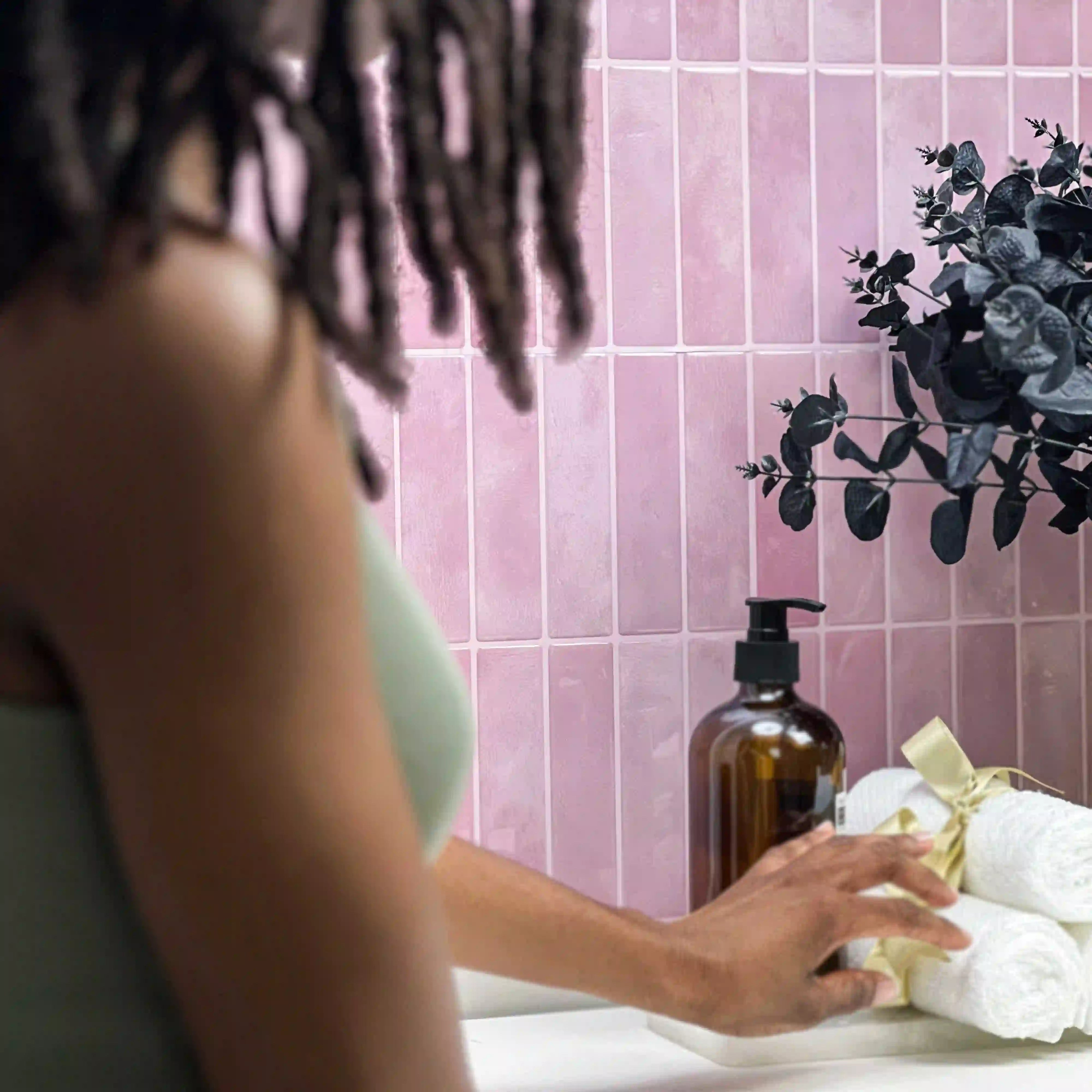
Yes, but with caveats. They are great for vanity backsplashes (behind the sink). However, experts advise against using them inside a shower stall or tub surround. The constant saturation and steam can eventually penetrate the adhesive bond, leading to mold or detachment.
Ready to start your project?
Don't guess on quantities. Explore our collection of best-selling designs to see what’s possible for your kitchen.


Leave a comment
This site is protected by hCaptcha and the hCaptcha Privacy Policy and Terms of Service apply.