




L’interaction entre la tenue personnelle et l’environnement domestique est un dialogue silencieux qui définit notre expérience quotidienne. Imaginez la dissonance troublante qui consiste à quitter un costume sur mesure parfaitement ajusté ou une robe en soie fluide, drapée avec une précision exquise, pour s’affaler ensuite sur un canapé de série, sans âme, qui ne dit rien de votre histoire personnelle. La vraie élégance ne s’arrête pas lorsque vous accrochez votre manteau au porte-manteau ; elle s’étend au-delà, enveloppant tout votre art de vivre et façonnant jusqu’à l’architecture même de votre détente. Votre home sanctuary devrait être aussi réfléchi, aussi nuancé et aussi magnifiquement conçu que les vêtements que vous choisissez de présenter au monde.
Votre wardrobe est parfaitement curated — mais votre intérieur semble déconnecté de votre style ? C’est une frustration courante. Vous savez exactement composer une tenue qui inspire confiance, mais votre salon vous paraît trop générique.
La fashion decoration est l’art d’intégrer les tendances vestimentaires, les couleurs et les textures dans les interiors afin de créer des espaces qui reflètent le personal style. Elle s’inspire directement des esthétiques runway-inspired design, des silhouettes de designer et des innovations textiles pour sublimer le quotidien.
Cette discipline comble l’écart entre ce que vous portez et l’endroit où vous vivez. En comprenant comment les vêtements se traduisent en design spatial, vous pouvez créer un environnement qui reflète véritablement votre esthétique personnelle. Nous explorerons les méthodes essentielles pour unir ces deux univers créatifs. Une fois cet art maîtrisé, chaque pièce devient la preuve de votre goût. Vous ne vivez plus simplement dans une maison ; vous habitez votre propre lookbook personnel, conçu avec soin pour apaiser les sens, refléter vos préférences stylistiques les plus profondes et marquer durablement toute personne qui franchit votre seuil.

Qu’est-ce que la fashion decoration et pourquoi est-ce important ?
La fashion decoration est importante parce qu’elle transforme un espace de vie purement fonctionnel en un environnement personnalisé et multidimensionnel. Elle consiste à appliquer directement à l’architecture intérieure les principes clés de la confection — comme le mélange des textures, les jeux de couleurs et la silhouette structurée.
Cette approche empêche votre intérieur de ressembler à un showroom aseptisé. Elle y insuffle au contraire une histoire et une identité. Pensez à la sensation psychologique de vous envelopper dans un lourd manteau en cachemire pendant une tempête d’hiver ; la fashion decoration cherche à recréer ce même confort viscéral grâce à un placement stratégique de tissus d’ameublement denses et tactiles, de rideaux épais et de palettes de couleurs profondes, qui enveloppent l’habitant dans le luxe.
L’évolution du home couture
Le croisement entre mode et design d’intérieur n’est pas une simple tendance passagère. C’est désormais une référence bien établie. Historiquement, les maisons de mode se concentraient uniquement sur le prêt-à-porter. Aujourd’hui, conscientes que le lifestyle est global, les grandes marques ont lancé des collections maison complètes.
Prenez l’approche maximaliste de Gucci Décor. La marque applique ses imprimés floraux emblématiques et ses motifs animaliers audacieux directement sur des papiers peints et des fauteuils en velours. Dior Maison, à l’inverse, transpose son élégance classique et discrète dans une vaisselle délicate et des linges raffinés.
Ces marques comprennent une vérité fondamentale. L’identité esthétique qui attire un consommateur vers un manteau ou un sac à main précis est exactement la même qu’il souhaite voir reflétée dans sa salle à manger. Le passage de la création d’un beau vêtement à celle d’une belle pièce est d’une logique parfaite ; le support change, du tissu porté sur le corps aux objets dans une pièce, mais les principes de proportion, d’équilibre et de point focal restent obstinément, magnifiquement identiques.
Traiter votre pièce comme une tenue
Pour saisir la fashion decoration, il faut changer notre façon d’envisager le mobilier. Pensez à vos pièces fondamentales — votre sofa, votre table à manger, le cadre de votre lit — comme aux basiques essentiels d’une tenue, à l’image d’un trench coat classique ou d’une chemise blanche impeccable.
Les textiles, comme les tapis et les rideaux, jouent le rôle des couches secondaires. Enfin, les luminaires et les œuvres d’art font office de bijoux. Cette technique de superposition crée de la profondeur visuelle. En comprenant cette hiérarchie, vous évitez l’erreur fréquente de suraccessoiriser une pièce avant que sa structure de base ne soit solide.
Une idée reçue fréquente consiste à croire que les intérieurs tendance exigent des dépenses excessives. En réalité, tout repose sur une curation intentionnelle. Une écharpe vintage encadrée comme œuvre murale a plus d’impact stylistique qu’un tableau générique onéreux.
La base quantitative pour coordonner le style
Lorsqu’on évalue la cohérence d’un espace de vie, le consensus du secteur recommande un langage visuel unifié. Mélanger les tendances sans logique crée du bruit visuel.
Si vous souhaitez vraiment sublimer votre intérieur et maîtriser l’art d’associer harmonieusement les tendances runway à un mode de vie contemporain, il vous faut une feuille de route claire. Découvrez le pouvoir transformateur de l’alignement esthétique en explorant notre masterclass sur le sujet.
À lire : Le guide ultime de la fashion decoration : comment les tendances mode façonnent les intérieurs modernesLe cadre complet détaillé dans [The Ultimate Guide to Fashion Decoration: How Fashion Trends Shape Modern Interiors] fournit la base quantitative nécessaire pour synchroniser efficacement les concepts vestimentaires avec l’agencement des pièces. Il démontre de manière empirique comment maintenir l’équilibre entre différents supports de design.
Comment styliser ma maison avec les tendances mode ?
Astuce pro : décoration couture à petit prix
Pas besoin d’un budget illimité pour obtenir chez vous un look éditorial, prêt pour le runway. Le secret de la haute mode réside dans la composition et le dialogue des matières, pas seulement dans le prix. Voici comment obtenir ce rendu pour moins cher :
- Textures de seconde main : Repérez des chutes de tissus haut de gamme dans les boutiques locales d’ameublement. Un simple mètre de véritable bouclé italien ou de damas de soie épaisse peut facilement être transformé en coussins sur mesure qui rehaussent instantanément un canapé à petit budget.
- Mise à niveau des quincailleries : Traitez vos meubles de rangement comme un designer handbag. Remplacez les boutons standard de constructeur par des poignées lourdes en laiton brut ou en métal noir mat, trouvées dans des brocantes architecturales.
- Teinture stratégique : Si vous trouvez une housse vintage parfaitement structurée ou un panneau de rideau dans une teinte datée, investissez dans une teinture textile de qualité. Teindre en profondeur un coton ou un lin bon marché dans un gris charbon intense ou un lavande numérique donne un rendu sur mesure pour une fraction du prix.
Styliser votre intérieur avec les tendances mode exige une traduction stratégique des éléments du runway — en particulier la silhouette, le textile et la palette — en équivalents architecturaux. Vous devez isoler un motif mode dominant et l’appliquer uniquement à des éléments fondamentaux ciblés de la pièce.
Cela évite que l’espace paraisse saturé. L’objectif est une traduction subtile, pas une reproduction littérale. Une pièce qui imite parfaitement une tenue précise frôle le costume ; en revanche, une pièce qui capte l’essence d’une collection de designer dégage une sophistication intemporelle.
Transposer le runway en équivalents architecturaux
Un défilé présente une vision amplifiée. Votre tâche consiste à en extraire l’ADN essentiel. Si un designer met en scène de lourds vestes en cuir associées à de délicates nuisettes en soie, l’ADN central est celui du « contraste de textures ».
Vous pouvez traduire ce contraste dans une pièce en associant un fauteuil en cuir patiné à des coussins en soie à la brillance intense.
De la passerelle à la pièce : le plan directeur
Décrypter une collection de mode nécessite d’analyser trois piliers fondamentaux. Voici la méthode définitive pour extraire les principes essentiels de la traduction et les transposer de la catwalk à votre salon.
Principes fondamentaux de la traduction :
- Palettes de couleurs : Identifiez la couleur dominante de base et la couleur d’accent d’une collection. Appliquez la teinte de base aux murs ou aux grands tapis, et l’accent aux céramiques ou aux œuvres d’art. En ancrant la pièce dans la teinte fondatrice du designer, le regard se stabilise instantanément, tandis que les accents vibrants et saturés ressortent avec une clarté intentionnelle.
- Adaptation des textiles : Faites correspondre le poids du tissu. Les lainages épais des collections d’hiver se traduisent par des plaids en grosse maille. Les lins d’été deviennent des voilages légers et aériens. Le ressenti tactile dicte le confort. Passer d’un tapis en sisal tissé et rugueux à un ottoman en velours moelleux reproduit la tension dynamique des superpositions avant-gardistes.
- Silhouettes structurelles : Observez les formes. Les vêtements présentent-ils des épaules nettes et anguleuses ? Intégrez des meubles géométriques et structurés. Les pièces sont-elles fluides et drapées ? Optez pour des canapés aux courbes douces et des tables aux bords arrondis. L’architecture doit refléter la coupe du tissu.

Mini étude de cas : intégration des couleurs 2026
Imaginez la tendance couleur 2026 prévue, « Digital Lavender », très présente dans les récents défilés de mode avant-gardistes. Un propriétaire au style affirmé, dans un appartement urbain, a exploité cette tendance de manière systématique.
Au lieu de peindre toute la pièce en violet, ce qui aurait affaibli l’esthétique sophistiquée, il a utilisé cette couleur avec stratégie. Il a établi une base neutre en charbon et crème. Puis il a introduit Digital Lavender à travers un grand tapis en mohair et un seul fauteuil d’accent laqué.
Cette approche réduit de manière statistiquement significative le risque de fatigue visuelle. Elle maintient l’espace ancré tout en faisant clairement référence aux прогнозs de la haute couture. C’est un exercice de retenue — une vertu essentielle tant dans l’habillement que dans la composition intérieure.
Établir la norme compositionnelle
Lorsque l’on standardise le rendu esthétique d’une pièce, les équivalents évalués par les pairs en théorie du design privilégient une superposition compositionnelle rigoureuse. On ne peut pas simplement placer des objets tendance dans une pièce ; ils doivent entrer en relation les uns avec les autres.
Transformer une pièce froide en un refuge mode soigneusement pensé exige de la précision. Si vous avez envie d’exploiter ces codes stylistiques, de découvrir des tendances couleur précises et de mettre en œuvre des astuces déco brillantes qui rendent votre espace digne de la passerelle, vous devez étudier les bonnes techniques. Comblez l’écart entre théorie de la haute couture et composition intérieure en plongeant dans notre guide dédié.
Lire : Comment concevoir une pièce inspirée de la modeLes méthodologies exposées dans [How to Design a Fashion-Inspired Room] offrent une configuration optimale pour transposer ces codes stylistiques dans des espaces physiques.
De plus, traduire ces principes haut de gamme en étapes concrètes exige un protocole clair. Pour celles et ceux qui veulent maîtriser les techniques exactes de superposition et de texturage, étape par étape, utilisées par les meilleurs professionnels pour créer des espaces domestiques vraiment époustouflants, ne cherchez pas plus loin.
Découvrez comment décorer votre intérieur comme un styliste de mode[How to Decorate Your Home Like a Fashion Designer] établit ce protocole et rend le design d’élite accessible.
Redéfinir les dynamiques spatiales
Dans le cadre des dynamiques spatiales, modifier la base architecturale est essentiel pour une transformation complète. Des murs plats et sans relief affaibliront même le mobilier le plus soigneusement sélectionné. Un costume parfaitement taillé perd de son impact s’il est présenté sur un mannequin abîmé ; de la même manière, un mobilier exquis exige un décor de fond à la hauteur.
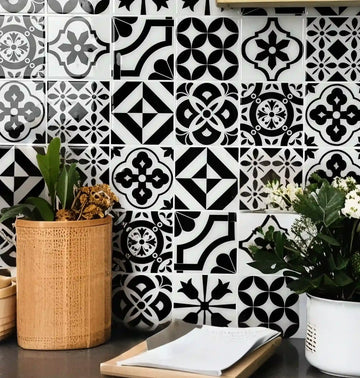
Lorsque vous êtes prêt à redéfinir complètement les dynamiques spatiales de votre pièce, une simple peinture mate ne suffit plus. Modifier votre base architecturale exige une approche révolutionnaire des revêtements muraux, incarnant l’essence d’une fresque interactive. Pour sublimer instantanément l’esthétique de base de votre pièce sans abîmer vos murs ni faire appel à des artisans coûteux et encombrants, découvrez notre solution de design brevetée, Peel-and-stick.
Acheter les panneaux Rootshift Panels™[Rootshift Panels™] atténue fondamentalement la fatigue visuelle des murs statiques. En proposant une conception de fresque interactive brevetée, elle sert de référence architecturale pour des revêtements muraux personnalisables et résolument mode, en rehaussant instantanément l’esthétique de base de la pièce.
Quelles sont les principales tendances de fashion decoration pour 2026 ?
Les principales tendances de fashion decoration pour 2026 mettent à l’honneur les matériaux éco-responsables, un minimalisme riche en textures et des superpositions néo-vintage. Ces tendances s’éloignent nettement du mobilier jetable, reflétant directement l’évolution déjà bien ancrée de l’industrie de la mode vers les garde-robes capsule et des cycles de vie de matériaux durables.
On observe un rejet de l’hyperconsommation au profit de pièces offrant une valeur durable et une richesse tactile. L’air du temps exige des espaces qui respirent, composés de matériaux authentiques conçus pour vieillir avec élégance au fil des décennies, en développant une belle patine plutôt qu’en finissant à la décharge.

Décrypter les évolutions esthétiques de 2026
L’année à venir est placée sous le signe de l’intention. Les propriétaires ne veulent plus de collections assorties. Ils veulent des ensembles curés qui racontent une histoire précise.
Tendances clés à venir :
- Brutalisme écoresponsable : Associer des matières brutes et durables comme le chanvre, le liège et le bois de récupération à des lignes nettes et contemporaines. Il en résulte une tension visuelle irrésistible — la chaleur organique de la matière confrontée à une géométrie austère et sans concession.
- Minimalisme tactile : S’éloigner des surfaces froides et lisses. Les espaces minimalistes feront la part belle au bouclé, à la soie brute et à la pierre non polie pour créer de la chaleur sans encombrement. Le vrai minimalisme n’est pas une absence de détails ; c’est l’élévation des quelques détails restants à leur plus haut niveau de qualité.
- Intégration néo-vintage : Mélanger différentes époques. Associer une lampe chromée des années 1970 à un canapé contemporain bas, à l’image de la façon dont les icônes de la mode mêlent denim vintage et haute couture moderne. Cela demande un œil averti pour éviter que la pièce ne ressemble à une friperie, et exige une discipline spatiale rigoureuse.
La base écoresponsable
Évaluer le coût total de possession (TCO) des éléments d’intérieur exige désormais d’examiner leur longévité et la provenance éthique des matériaux. Un article moins cher et produit en masse se dégrade rapidement et doit être remplacé.
À mesure que nous nous tournons vers des matériaux écoresponsables, aligner votre décoration intérieure sur une consommation éthique devient essentiel. Si vous voulez que votre maison soit aussi stylée et intentionnelle que votre capsule wardrobe intemporelle, vous devez maîtriser les principes du design inspiré de l’écoresponsabilité. Découvrez les meilleures recommandations de marques et des alternatives durables concrètes en explorant notre analyse d’experts.
À découvrir : la mode durable rencontre le design d’intérieur : décorer avec intention[Sustainable Fashion Meets Home Design: Decorating with Purpose] offre un cadre statistiquement solide pour mettre en œuvre une éthique de design inspirée de l’écoresponsabilité. Elle démontre que la durabilité neutralise naturellement le cycle des réaménagements constants, en offrant une base décorative stable.
Étape par étape : recréer un look de défilé dans votre salon
Transformer une présentation de défilé complexe en espace de vie exige une approche méthodique. Suivez cette séquence structurée pour garantir un résultat équilibré.
Comparaison des données : du défilé au salon
Pour visualiser ce processus de transposition, on peut associer directement des tendances haute couture à des applications d’intérieur.
| Élément du défilé de mode | Traduction en décoration intérieure | Impact spatial |
|---|---|---|
| Superposition monochrome | Style tonal (e.g, par exemple, différentes nuances de terre cuite sur les murs, les tapis et les assises) | Crée une illusion d’espace vaste et continu. |
| Tissus d’organza transparents | Rideaux en lin translucide et cloisons en verre dépoli | Maximise la diffusion de la lumière naturelle tout en préservant l’intimité. |
| Maille épaisse | Plaids lourds en maille boucle oversize et tentures murales texturées | Introduit une atténuation acoustique et un grand confort tactile. |
| Vinyle brillant | Tables d’appoint laquées ou objets décoratifs en céramique à fort éclat | Insuffle un contraste visuel immédiat et des reflets lumineux. |
Améliorations tactiques et finition couture
Pour insuffler une énergie chromatique ciblée sans bouleverser la structure, le seuil opérationnel repose sur des matériaux à fort impact et à faible friction. Vous n’avez pas toujours besoin d’un entrepreneur pour moderniser votre style.
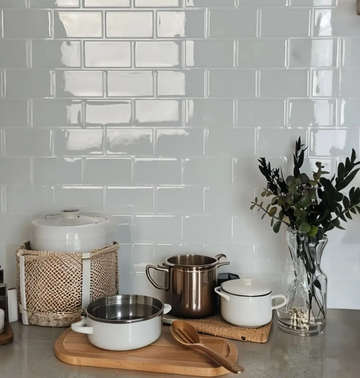
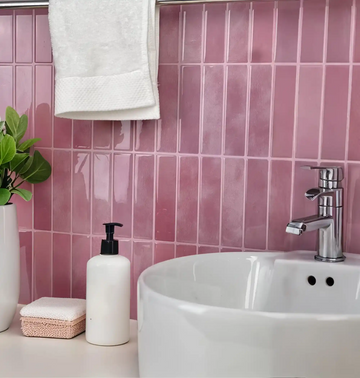
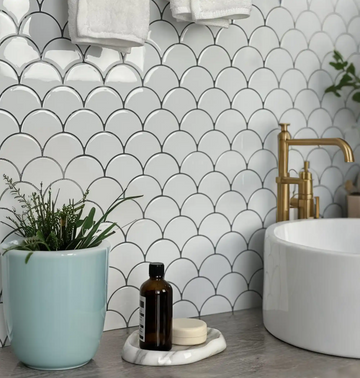
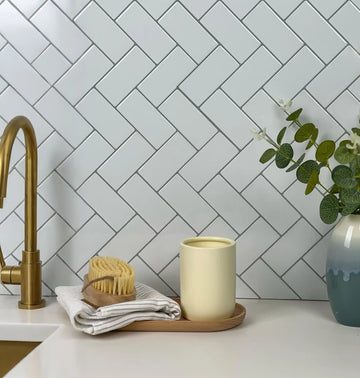
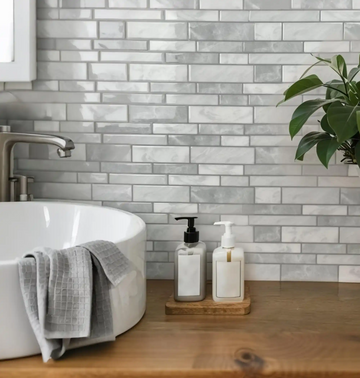
Lorsque vous souhaitez ajouter une touche de gaieté à une cuisine ou à une salle de bains humide avec un matériau conçu pour durer et offrant d’excellentes propriétés d’imperméabilité et de résistance à la chaleur, il vous faut la solution matérielle idéale. Obtenez un tout nouveau look, personnalisé, avec un seul projet simple et abordable en passant à nos carreaux muraux premium.
Achetez les carreaux Peel and Stick Tiles Lemon Zest™[Lemon Zest™] Les carreaux peel-and-stick contournent les coûts d’une rénovation traditionnelle. Grâce à d’excellentes propriétés d’imperméabilité et de résistance à la chaleur, ce produit permet des améliorations esthétiques instantanées à fort impact dans les cuisines ou les salles de bains.
Si l’objectif est une finition haut de gamme absolue, alignée sur les standards de la couture, une autre approche s’impose. Pour marier sans effort les éléments du style couture inspiré des podiums avec des conseils pratiques de luxe intérieur pour la vie moderne, vous devez vous plonger dans notre guide de style premium, sans compromis.
Lire : Intérieurs de luxe et mode : styling couture pour votre intérieur[Luxury Fashion Interiors: Couture Styling for Your Home] est conçu pour contourner le staging générique, en établissant un protocole luxe incontestable qui élève toute la résidence.
Enfin, comme point de référence complet pour explorer toutes ces pistes et découvrir des idées qui mêlent harmonieusement style impeccable et espace de vie, mettez en favori notre point de départ définitif et exhaustif.
Lire : Le guide ultime de la fashion decoration : quand le style rencontre l’espace[The Ultimate Guide to Fashion Decoration: Where Style Meets Space] sert de répertoire de référence du secteur pour des transformations stylées.

Réflexions finales
Le croisement entre la mode et la décoration intérieure ne consiste pas à suivre aveuglément des tendances éphémères. Il s’agit de comprendre les mécanismes du style — proportion, texture et couleur — puis de les appliquer à l’environnement dans lequel vous passez le plus de temps.
En considérant votre intérieur comme le prolongement de votre wardrobe, vous créez un espace à la fois objectivement sophistiqué et profondément personnel. C’est une philosophie ancrée dans le mouvement du slow design, un antidote à la culture jetable du fast furniture. Lorsque vous investissez dans des matériaux, des textures et des silhouettes qui résonnent vraiment avec votre identité esthétique, votre intérieur devient un véritable home sanctuary.
Utilisez les cadres proposés pour évaluer votre décoration actuelle. Repérez les zones où le langage visuel se rompt, puis appliquez les principes de textile mapping et de silhouette matching pour les corriger. Votre espace de vie doit projeter la même intention que votre tenue la mieux composée. Explorez les guides de style sélectionnés et liés tout au long de ce document pour commencer vos améliorations structurelles ciblées.
Quelle tendance mode inspirera votre prochaine transformation de pièce ?
Partagez votre vision ci-dessous et affirmez votre prochaine évolution esthétique.
Questions fréquentes
Comment choisir une palette de couleurs inspirée de la mode pour ma maison ?
- Commencez par analyser votre propre dressing : Identifiez les trois couleurs que vous portez le plus souvent lorsque vous voulez vous sentir confiant(e). Utilisez la plus neutre de ces trois couleurs comme base dominante de la pièce (murs, grands meubles). Réservez les deux autres aux textiles, aux œuvres d’art et aux accessoires afin de garantir une palette que vous appréciez naturellement.
Puis-je obtenir un look runway avec un budget serré ?
- Concentrez-vous sur la géométrie et la texture : Oui. La haute couture se définit par la composition, pas seulement par les étiquettes de prix. Concentrez-vous sur la géométrie et la texture des éléments plutôt que sur les noms de marque. Une couverture en laine trouvée en friperie et un pot de peinture brillante appliqué sur une vieille table d’appoint peuvent reproduire à la perfection le contraste textural observé sur les podiums les plus exclusifs, pour une fraction du coût.
Quelle est l’erreur la plus courante en fashion decoration ?
- Évitez la traduction littérale : L’erreur la plus fréquente est la traduction littérale — essayer de faire ressembler une pièce à un vêtement précis. Si un créateur utilise un imprimé léopard de la tête aux pieds, en appliquer sur vos murs, vos tapis et votre canapé créera un chaos visuel. La bonne approche consiste à en extraire l’essence (e.g., un seul coussin imprimé léopard sur un canapé noir très épuré).
À quelle fréquence devrais-je mettre à jour ma décoration pour suivre les tendances mode ?
- Faites tourner les accessoires, protégez les bases : Vous ne devriez jamais renouveler vos pièces fondamentales (canapés, revêtements de sol, meubles de cuisine) en fonction des tendances saisonnières. Établissez une base intemporelle et de grande qualité. Ensuite, faites tourner vos « accessoires » — coussins, œuvres d’art, petits tapis et objets décoratifs — tous les quelques сезons afin de faire écho aux mouvements de la mode actuelle sans dégrader votre investissement principal.



Laisser un commentaire
Ce site est protégé par hCaptcha, et la Politique de confidentialité et les Conditions de service de hCaptcha s’appliquent.