





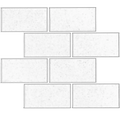
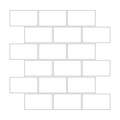



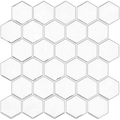
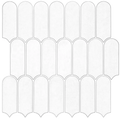
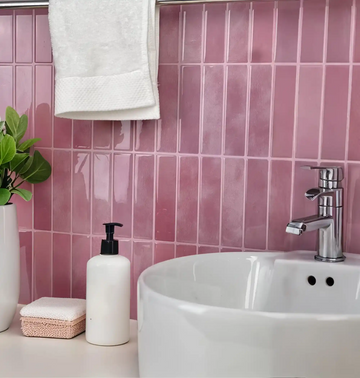
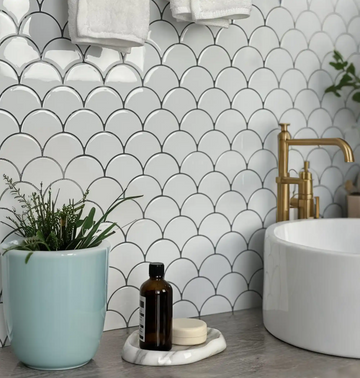
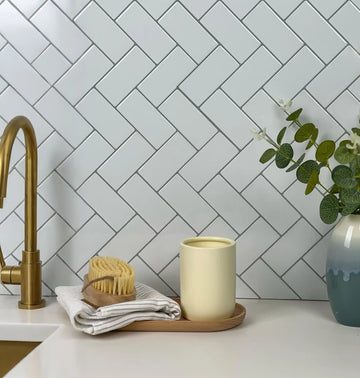
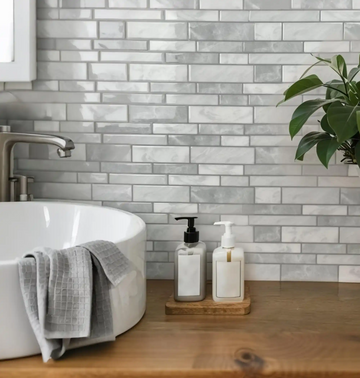
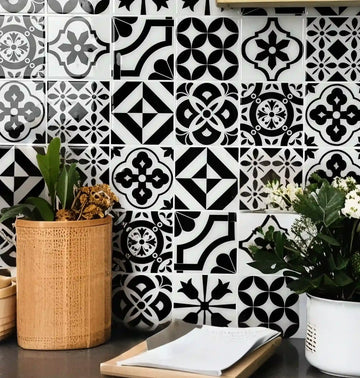
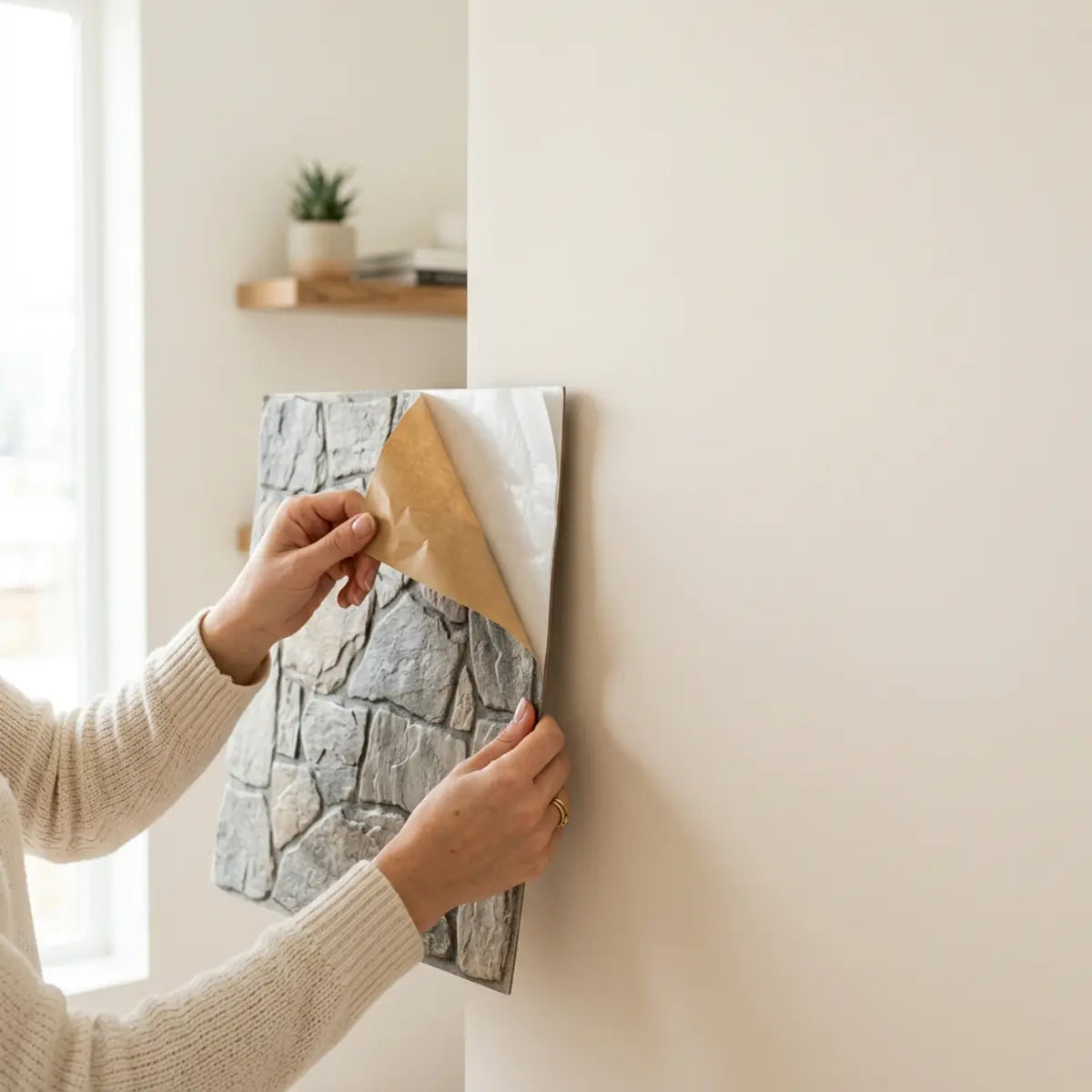
3D peel-and-stick wall tiles can create a convincing decorative effect, but realism depends on the actual texture, print, finish, seams and room lighting. Compare a physical sample and several adjoining pieces from normal viewing positions. Treat appearance separately from wall compatibility: a realistic face does not establish moisture, heat, acoustic or removal performance.
Explore this guide
The useful question is not whether every faux material looks real. It is whether a particular product creates the look you want in the place where you will use it. A glossy glass-inspired tile may be convincing because it reflects light; a brick-inspired panel may depend more on relief and irregularity. Judging both by one rule about gloss or thickness misses the intended design.
This guide gives you a sample-review method, a way to examine seams and repeats, and practical room and installation checks. It does not assign a realism-to-adhesion score or claim that an aesthetic checklist certifies a wall. The images illustrate design and handling, not a completed product performance trial.
Identify the effect you actually want
Start with the intended reference: glazed ceramic, glass, brick, cut stone, plaster or a deliberately geometric decorative surface. Each has a different visual language. A finish can succeed as a stylized design even when nobody mistakes it for quarried stone. Decide whether you want imitation, texture or simply a pattern you enjoy.
Describe the desired result in plain language. You might want a quiet stone-like background for a desk, a crisp glazed effect in a kitchen or a pronounced relief on a dry feature wall. This is more useful than selecting the thickest or most expensive item and assuming it must look most authentic.
Use photographs of the actual room to identify the important viewing positions and fixed finishes. A small bathroom mirror, a window, a television and a kitchen counter all interrupt the view differently. A product that looks compelling in a full-wall marketing image may be less suited to a narrow strip with many cuts.
Keep personal preference visible. You do not need to claim that the brain is being fooled or that a faux surface guarantees psychological comfort. A sample can be attractive, appropriate and honestly described without pretending it is the natural material it references.
Once the desired effect is clear, compare eligible products against it. Do not use one universal hierarchy in which rigid composite always wins, foam always looks poor or gloss always appears artificial. Evaluate the actual product and its permitted use.
Separate physical relief from printed depth
Physical relief is the height difference between raised and recessed parts of a surface. Printed shading can suggest depth without the same physical contour. Some products combine both. View the sample from the front and from an angle so you understand what the face is actually doing.
A printed shadow does not move with the room's lighting in the same way as a physical shadow. That can become noticeable in some settings, but it does not automatically make the product unsuitable. A graphic design may intentionally rely on print rather than imitation. Judge it against the effect you want.
Check the profile at an exposed edge. The thickness, backing and visible core can affect how the wall should finish. A realistic center pattern can be undermined by an unplanned raw edge, while a deliberate trim or border can make the construction look intentional.
Do not assume deeper relief is always easier to live with. Recesses may need a particular cleaning tool, raised areas may be vulnerable to contact, and a pronounced pattern can feel busy at close range. These are practical trade-offs to inspect, not performance rankings derived from thickness alone.
| Feature | What to examine | Separate question |
|---|---|---|
| Printed shading | Does the image suit the normal viewing angle and lighting? | Material composition and durability |
| Physical relief | How do raised faces and recesses catch light? | Cleaning and impact suitability |
| Edge construction | What is visible where the covering ends? | Approved trim and joining detail |
| Finish | Does the sheen match the intended effect? | Color reflectance and chemical compatibility |
| Pattern variation | How often do recognizable features repeat? | Whether rotation or mixing is permitted |

Look at several pieces, not just one attractive sample
A single tile may hide a short print repeat. Arrange several pieces with their liners attached and identify distinctive marks, veins or shapes. Note which pieces are identical and whether the manufacturer supplies a planned sequence or random variation. Do not assume every box contains a fixed number of different prints.
Check the background tone as well as the most noticeable pattern. A strong vein may align across a seam while the surrounding white changes enough to be distracting. Conversely, a subtle print break may be unimportant if the overall field is balanced. Decide which relationship matters most from the room's usual viewing position.
Do not rotate pieces until you have checked the edge and orientation instructions. A pattern may look more varied when turned, but an overlap, arrow or manufactured sequence can limit that choice. A visually appealing arrangement still needs to be installable under the product's instructions.
Photograph the dry layout and label pieces on the liner or a separate map using an accepted marking method. Keep the top and front direction clear. This reduces the chance of losing a good arrangement when moving from the table to the wall.
For a marble-like design, use the vein-matching guide. Not all printed tiles are manufactured for continuous veins or mirrored bookmatching. A careful layout can improve balance, but it cannot create a matching print that is absent from the supplied pieces.
Evaluate seams as part of the design
Every modular covering has boundaries between pieces, even when the design makes them less noticeable. Examine the actual joining method and the visible result of adjoining samples. A decorative faux grout line may disguise a seam, but it is not automatically a waterproof joint.
Check the seam from the entrance, from close range and under the lighting that grazes the wall. A raised edge can cast a shadow. A change in print or sheen can be noticeable even when the physical joint is small. Record which effect you see rather than calling every line an installation failure.
Use the manufacturer's overlap, interlock, butt-joint or spacing detail. Do not force a seam closed, stretch a panel or add filler merely to improve a photograph. The correct installation may include a deliberate line or gap that should remain part of the design.
Plan exposed ends, inside corners and transitions before ordering. A small trim, a defined border or a change in material can be more convincing than trying to make a modular product look endlessly continuous. Match the detail to the actual product and room requirements.
Seam planning and wall preparation work together. A sharp ridge or deep recess in the supporting wall can change contact and appearance. But a quieter matte finish does not repair a weak substrate, and a textured face should not be relied on to hide moisture damage.
Use normal lighting to judge relief and sheen
View the sample under the lights you actually use, including evening conditions. A room may look very different in daylight than under a nearby task light. Side lighting can emphasize relief and seams, while a broader source may make the same face appear calmer.
Stand and sit in the relevant places rather than looking only from the photographer's angle. A feature wall behind a sofa is viewed differently from a backsplash inches from a working counter. Household members at different heights may notice different highlights.
Keep sheen separate from overall reflectance. A pale matte surface can be bright, while a dark glossy surface can show sharp reflections without making the whole room lighter. ASTM's public gloss-measurement scope concerns defined specular reflection, not a universal measurement of realism, room brightness or user comfort.
If visual comfort is important, involve the user in the sample decision. RNIB's practical guidance highlights glare, contrast and individual needs. Do not treat a finish category or a decorative sample as a clinical recommendation.
The matte-versus-glossy guide offers a more detailed comparison. Its useful distinction is that finish, color, relief and care are separate choices. No single one guarantees that a panel will look real in every room.
Choose pattern scale for the actual visible area
Measure how much of the wall will remain visible after furniture, shelves and equipment are in place. A broad stone pattern can look different when only a narrow strip is seen. A small repeated brick motif may work well in one area and feel overly busy across a larger uninterrupted field.
Compare a scaled layout with the room, but do not rely only on a tiny phone image. A small image can hide repeated prints and seams that are obvious at the normal distance. Use both an overall composition view and a close inspection of representative pieces.
Think about the pattern's relationship to fixed lines. Cabinet edges, shelf levels and door frames can support or compete with the tile's geometry. Decide whether the covering should align with those elements or form a deliberately separate feature.
Do not promise that one orientation will enlarge the room. Research on simulated interior wall patterns found that density was important and orientation effects were more limited than simple design slogans suggest. A pattern trial is useful for your preference, not proof of a percentage increase in perceived space.
Use the direction guide to compare alternatives while accounting for factory edges and difficult cuts. A visually persuasive pattern must still be practical to fit around the real wall.

Confirm the wall and room are suitable independently of realism
A realistic face can still be the wrong product for a damp wall, a heat source or an unsupported application. Identify the exact product, intended use, substrate and required preparation before making the aesthetic choice final.
Inspect loose paint, chalking, damage, texture and moisture history. A factory adhesive cannot stabilize a layer that is already releasing from the wall. A thick or textured panel does not eliminate the need for suitable contact or make a damaged substrate acceptable.
For recent paint or repair, follow the actual curing and covering requirements. Do not apply a universal thirty-day rule or assume that every satin paint provides a removable bond. Coating chemistry and condition are more specific than a finish label.
Do not sand or scrape unknown old material as a routine preparation step. EPA's lead-safe guidance provides important context for potential paint disturbance in US housing. Assess the actual material and applicable work requirements rather than treating every old wall as a harmless DIY surface.
For a rental, obtain permission for the area and preparation. A short sample removal can reveal a problem, but it does not certify that the whole installation will leave no trace after years. Keep an agreed restoration plan and condition photographs.
Separate dry feature walls from demanding locations
A dry living-room or office feature wall can have different requirements from a kitchen or bathroom. Even in a dry room, check contact with furniture, cleaning and the support needed for shelves or signs. Decorative tile is not a structural attachment.
Do not infer acoustic improvement from thickness or texture alone. A wall may look softer or more substantial without having measured sound-absorption or transmission performance. Ask for relevant product data if acoustics are part of the project objective, and do not promise better sleep from an untested decorative panel.
In a kitchen, identify grease, direct steam and appliance clearances. A product described as backsplash tile is not automatically certified for every source of heat or moisture. Obtain the exact permitted use and keep the appliance requirements separate.
In a bathroom, distinguish a dry feature, occasional splash and direct shower exposure. A complete wet-area system involves more than its visible tile face. A decorative sample that remains attached briefly cannot approve a shower installation or a waterproofing detail.
Do not extend wall guidance to ceilings or floors without explicit product and assembly approval. A foam or lightweight appearance does not by itself establish an appropriate overhead installation, impact protection or slip-resistant floor.
Plan cuts and quantity from the real format
Use installed coverage and the product's joining method, not just nominal dimensions. A relief pattern or interlocking edge may restrict which offcuts are usable. Account for those details before estimating extra material.
Draw the wall and mark interruptions. Compare a few starting positions to avoid awkward narrow end pieces where possible. A centered layout may work well, but it is not always the best arrangement around windows, outlets and furniture.
For a hypothetical wall area of 4.8 square metres and packs that each provide 0.8 square metres of installed coverage, the area-only requirement is six packs. Cuts, matched prints and spares still need a separate allowance. These are illustrative values, not a product specification or a rule that a fixed percentage always covers waste.
Make templates for irregular boundaries before exposing adhesive. Mark top, front and the reference edge so the shape is not mirrored accidentally. Use the actual cutting method for the construction, with a protected work surface and suitable tool safety.
If a design leaves too little material around a difficult cut, reconsider the layout rather than relying on added glue. The goal is a piece that can be handled and installed under the product instructions, not a delicate shape held together by an improvised repair.
Install for proper contact without damaging the relief
Prepare the eligible surface using compatible products and let them reach the required condition. Keep release liners and adhesive faces clean. Do not assume a stronger cleaner or more primer improves every installation.
Dry-fit the pattern and difficult pieces first. When placing a tile, follow the specified liner-removal and pressure method. A heavy roller or scraper can be inappropriate for some raised faces, so do not treat every wall product like resilient flooring.
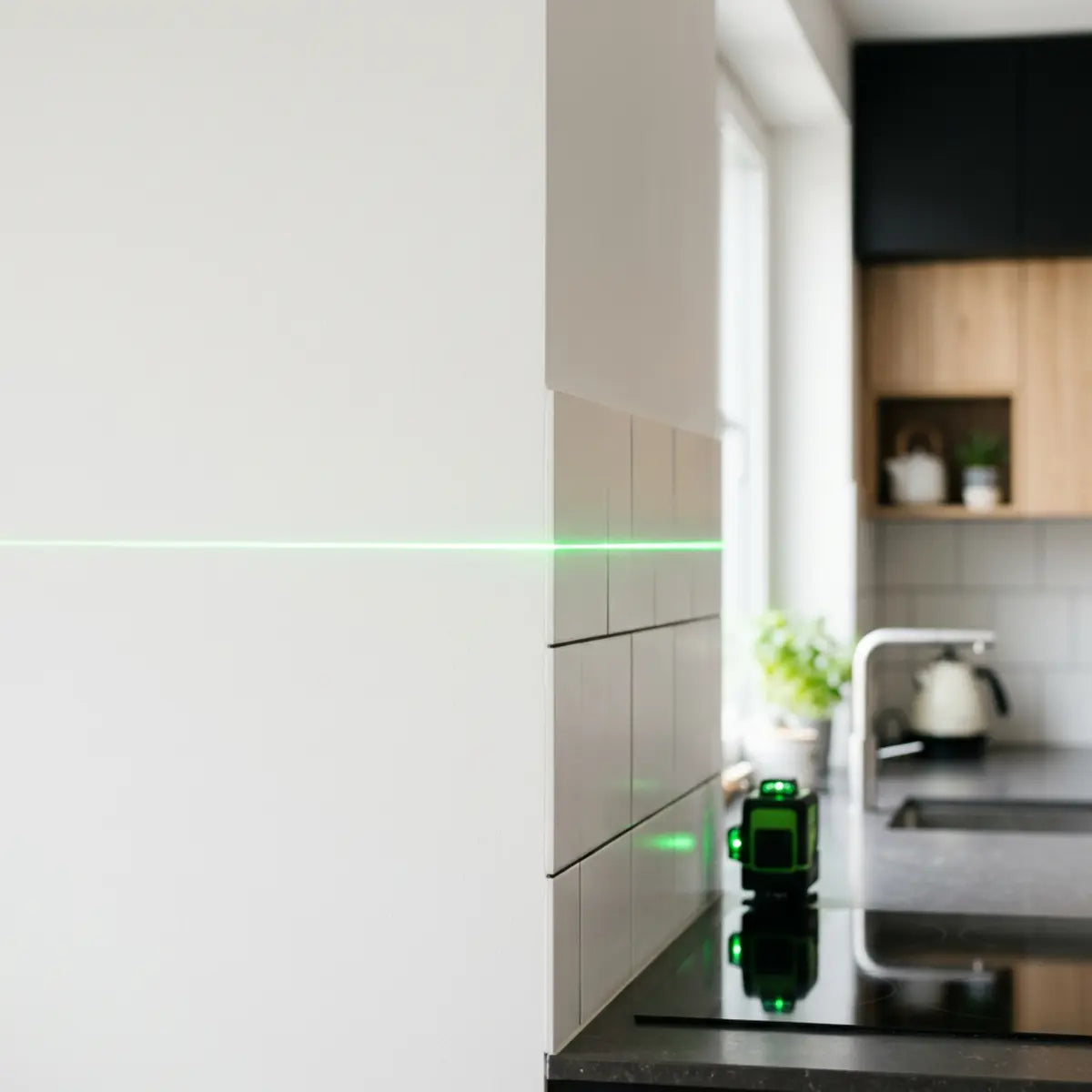
Keep the field aligned to a reliable reference rather than following an irregular ceiling or cabinet. Check progress from a normal viewing distance as well as close up. Correct a developing layout problem using the permitted procedure rather than stretching a row to close the final gap.
Use the specified joint and perimeter detail. Do not fill every opening with caulk or attach an edge using unapproved construction adhesive. Those additions can change moisture behavior, appearance and eventual removal.
Maintain electrical, ventilation and service access. Do not mount a shelf only to the decorative face or conceal a damaged fitting behind a larger cutout cover. If the finish changes a device's mounting depth or another technical detail, obtain suitable professional help.
The installation guide expands the general sequence. Its instructions remain a planning framework; the exact product documentation determines the accepted method.

Maintain the texture and recognize changes early
Keep the approved cleaner and tool information available. A surface with recesses may need deliberate wiping, but do not assume it requires a stronger solvent or stiff brush. Use the method permitted for the actual face and control runoff near seams.
Inspect after drying. A mark that disappears when wet may be residue or a changed finish rather than a successful cleaning result. Do not abrade a shiny patch on a matte product or coat a dull patch on a glossy product without guidance.
Record repeated lifting, movement or a change in the coating beneath the tile. Do not automatically apply construction adhesive behind a loose corner. Diagnose whether the issue is contact, substrate condition, moisture, handling or an excluded use before choosing a repair.
Keep spare pieces, labels and the layout record together. A future local repair is easier when the print, orientation and batch are known. Do not assume a newly ordered sample will match an older installation perfectly.
For eventual removal, use the product's accepted method and watch the supporting coating. Stop when paper tears or paint releases rather than treating a low heat setting or slow pulling as a guarantee of no damage.
Use an appearance review sheet with separate acceptance checks
Create two parts to the decision sheet. The first covers mandatory suitability: product identity, wall, exposure, preparation and permission. The second covers appearance preferences: relief, print, sheen, seams, scale and lighting. A strong aesthetic result should not outweigh an unresolved installation restriction.
Describe observations rather than assigning scientific-looking scores. For example, the same dark mark repeats across three neighboring pieces is useful. A realism index of 92 without a defined method is not. A note about a distracting highlight from the desk chair is more actionable than calling all glossy surfaces poor.
Record which parts of the proposed wall were mocked up and which remain uncertain. A sample behind a door may answer an adhesion question but not the appearance of a whole feature wall. A photograph can preserve the layout but should not be treated as calibrated proof of color or depth.
Ask another household member to view the sample from their usual position. Different users may prefer different effects. That is a design discussion, not a failure of the material or evidence that one person is seeing it incorrectly.
Finish the sheet with the chosen product and the reason it fits. The result should be understandable without a proprietary score: the location is accepted, the surface is suitable, the pattern works and the care routine is manageable.
Three illustrative choices
A stone-inspired home-office background
A homeowner compares a small print with a broader pattern from the desk and camera positions. The broader design feels calmer in the available area, while the other repeats become conspicuous. The choice is based on appearance and the product's permitted use, not a claim of improved acoustics or a measured increase in room depth.
A glazed effect in a kitchen
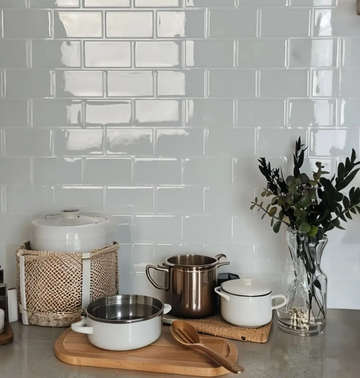
Another household likes a glossy tile because the intended reference is glazed ceramic. They check the actual task-light reflections, care instructions and placement around equipment. Gloss is not rejected merely because a general guide says matte always looks more authentic.
A rental with a strongly textured wall
A tenant discovers that the preferred panel would require preparation outside the agreed scope. Rather than adding stronger glue or assuming a thick face bridges the texture, the tenant selects a different permitted area or another decorative approach. The suitability check takes priority over a convincing sample.
These scenarios are hypothetical. They demonstrate different decision paths rather than documented customer outcomes or brand performance results.
What a close-up product photograph may leave out
A close-up can show texture beautifully while omitting the sheet boundary, visible core and repeated faces. Before buying, ask for views of adjoining pieces, a finished edge and a representative installed area. These images answer different questions from a single dramatic detail.
Check whether the lighting exaggerates a shadow that your room will not have. A strong side light may make shallow relief appear deeper, while a front-lit image may suppress it. Neither image is necessarily misleading, but the conditions should be understood before expecting the same effect in your home.
Look for the actual supplied dimensions and how the installation joins. A photograph cropped through a pattern can make a sheet appear larger or more continuous than the physical unit. Use the dimensions and sample to plan rather than estimating scale from nearby decorative objects.
A useful supplier request asks for the product identity, edge detail, allowed orientation, cleaning guidance and a sample where available. Do not demand a realism percentage; ask for the information that makes the appearance and installation easier to judge.
Keep a distinction between a design image and evidence of use. A photograph can communicate a style without proving that the product survived a particular exposure or observation period. When a performance claim matters, request the supporting product information separately.
Frequently asked questions
Does thicker always look more realistic?
No. Relief, print, sheen, seams, scale and lighting work together. A thick panel can still repeat conspicuously or have an unsuitable edge, while a subtler product may create exactly the intended effect.
Can glossy 3D tile look like real ceramic?
Yes, a glossy appearance can suit a glazed or glass-like reference. It should be evaluated in the actual room rather than rejected by category. Gloss does not establish durability or wall compatibility.
Can I install on heavy texture with extra adhesive?
Do not use extra adhesive to override a product restriction. Confirm the approved surface and preparation, and obtain permission where relevant. A thick decorative face does not repair an unsuitable supporting wall.
Does a textured panel absorb sound?
Do not infer a measurable acoustic benefit from appearance alone. Ask for relevant data for the exact product and installation when acoustics matter. This guide makes no sound-absorption or sleep-improvement claim.
Will seams disappear completely?
Not necessarily. They may be less noticeable within a pattern, but the modular construction and specified joints remain. Evaluate adjoining samples and plan the perimeter rather than expecting a photographically seamless wall from every format.
How should I handle a lifting corner?
Record the location and conditions, then determine why it lifted. Follow an approved repair only after checking substrate, exposure and installation. Do not automatically add construction adhesive or repeatedly heat the corner.
What should I check before buying the full quantity?
Confirm the product's accepted use, wall preparation, joining method, care and removal requirements. Then compare representative pieces under normal lighting and calculate quantity from the actual installed layout.
Sources and their scope
- ASTM D523-25: public scope of specular-gloss measurement — Nonmetallic specular gloss at defined geometries; public scope reviewed, paid full standard not claimed read.
- RNIB: practical home adaptations, contrast and glare — Accessibility considerations and user-specific preference, not a product certification or medical treatment.
- von Castell, Hecht & Oberfeld (2020): Wall patterns influence the perception of interior space; author accepted manuscript — Four stereoscopic room experiments; pattern density mattered more than orientation. Not a real Stickwoll kitchen trial. DOI 10.1177/1747021819876637.
- US EPA: lead-safe renovations for DIYers — US guidance for potential lead paint disturbance; not a diagnosis or a universal international date rule.
- Schluter: waterproof shower assemblies — Tile and grout alone are not a complete shower waterproofing system.


Leave a comment
This site is protected by hCaptcha and the hCaptcha Privacy Policy and Terms of Service apply.