








We all know the feeling. You flip through a high-end design magazine, spot a breathtaking living room, and then see the price tag on a single accent chair. It costs more than your monthly rent.
Affordable designer decor alternatives allow you to recreate luxury home aesthetics inspired by top fashion designers—without the luxury price tag. By pairing fashion trends, color psychology, and smart sourcing, anyone can achieve a runway-ready interior.
You do not need a couture budget to curate a home that feels like a masterpiece. The secret lies in understanding the core elements of high fashion and translating them into accessible home accents. This guide provides curated comparisons of designer versus affordable pieces. We also explore fashion-inspired color palettes and practical styling tips for every room.

What is fashion decoration and why does it matter in home design?
Tired of your space feeling disconnected from your personal style? This section reveals how bridging your wardrobe and your living room creates a deeply cohesive, high-end aesthetic.
Fashion decoration is the strategic integration of apparel design principles into interior styling. It is rapidly reshaping how we approach modern homes. This discipline involves taking textures, silhouettes, and motifs directly from the runway and applying them to your physical space.
Research from institutions like the Fashion Institute of Technology (FIT) consistently highlights the shrinking gap between these two creative disciplines. Designers recognize that consumers want their living environments to reflect their personal aesthetic just as strongly as their clothing. Historically, high-fashion houses focused strictly on haute couture garments. Today, legacy brands seamlessly blend their iconic textile patterns, such as houndstooth, monogram jacquard, and silk twill, into expansive homeware collections. This evolution proves that personal style does not end at your closet door; it expands into the very architecture of your living spaces.
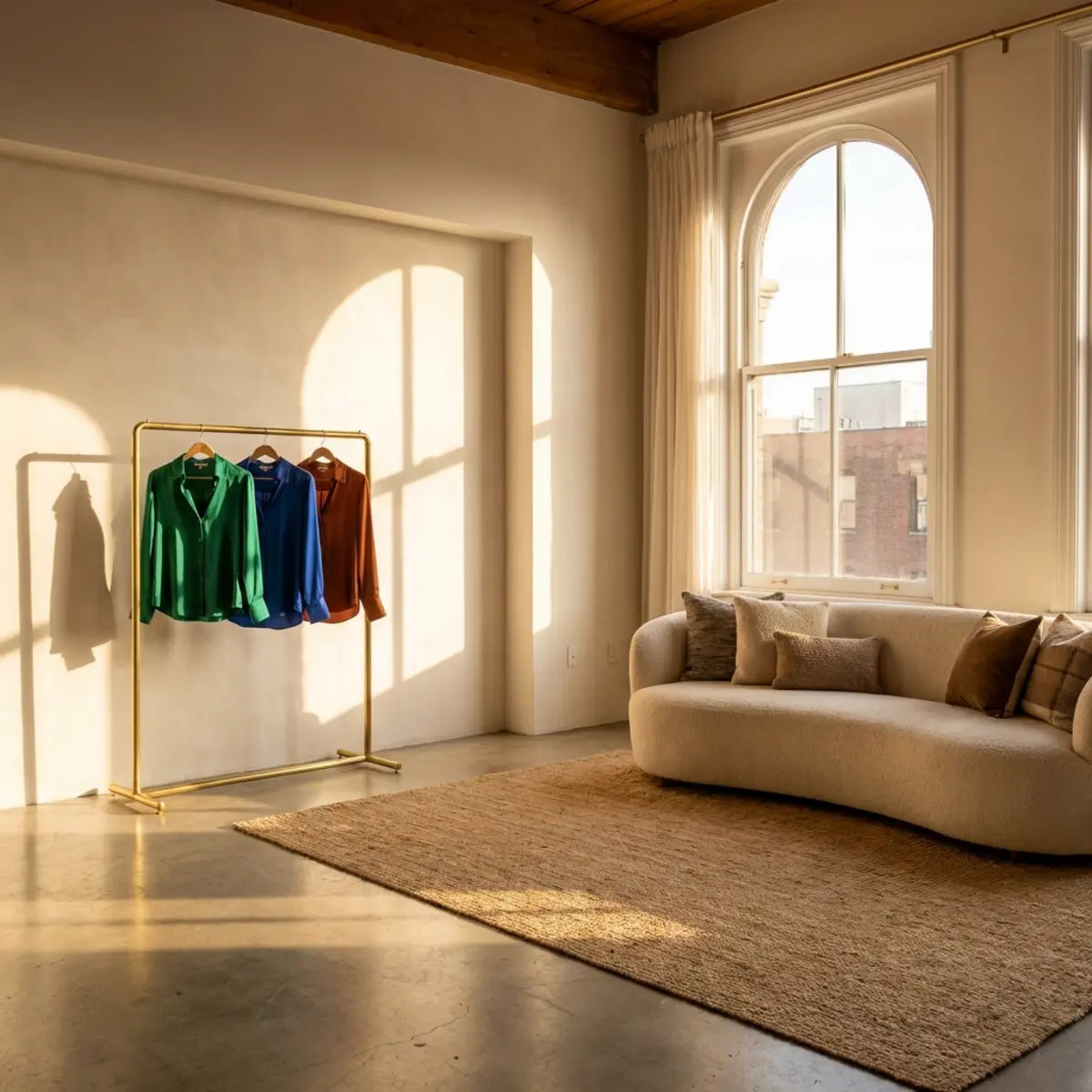
Think of your foundational furniture as a classic trench coat. It is structured, reliable, and serves as the base. Your decor and accessories act as the statement jewelry or silk scarf. These smaller, interchangeable elements completely transform the foundational look. Just as a meticulously tailored blazer relies on the quality of its buttons and lining, a room's foundational sofa relies on the strategic placement of accent pillows, throws, and adjacent lighting fixtures to achieve a polished, editorial finish.
In our experience, observing fashion week presentations gives you a strategic advantage for your home. You can anticipate interior trends months before they hit mainstream furniture stores. Consider the recent resurgence of maximalist floral prints in luxury spring collections. Within months, those exact botanical motifs appeared on premium wallpapers and upholstery fabrics worldwide. The cycle of trend adoption has accelerated. What walks down the catwalk in Milan in September will inevitably influence the color palettes of premium paint brands by January.
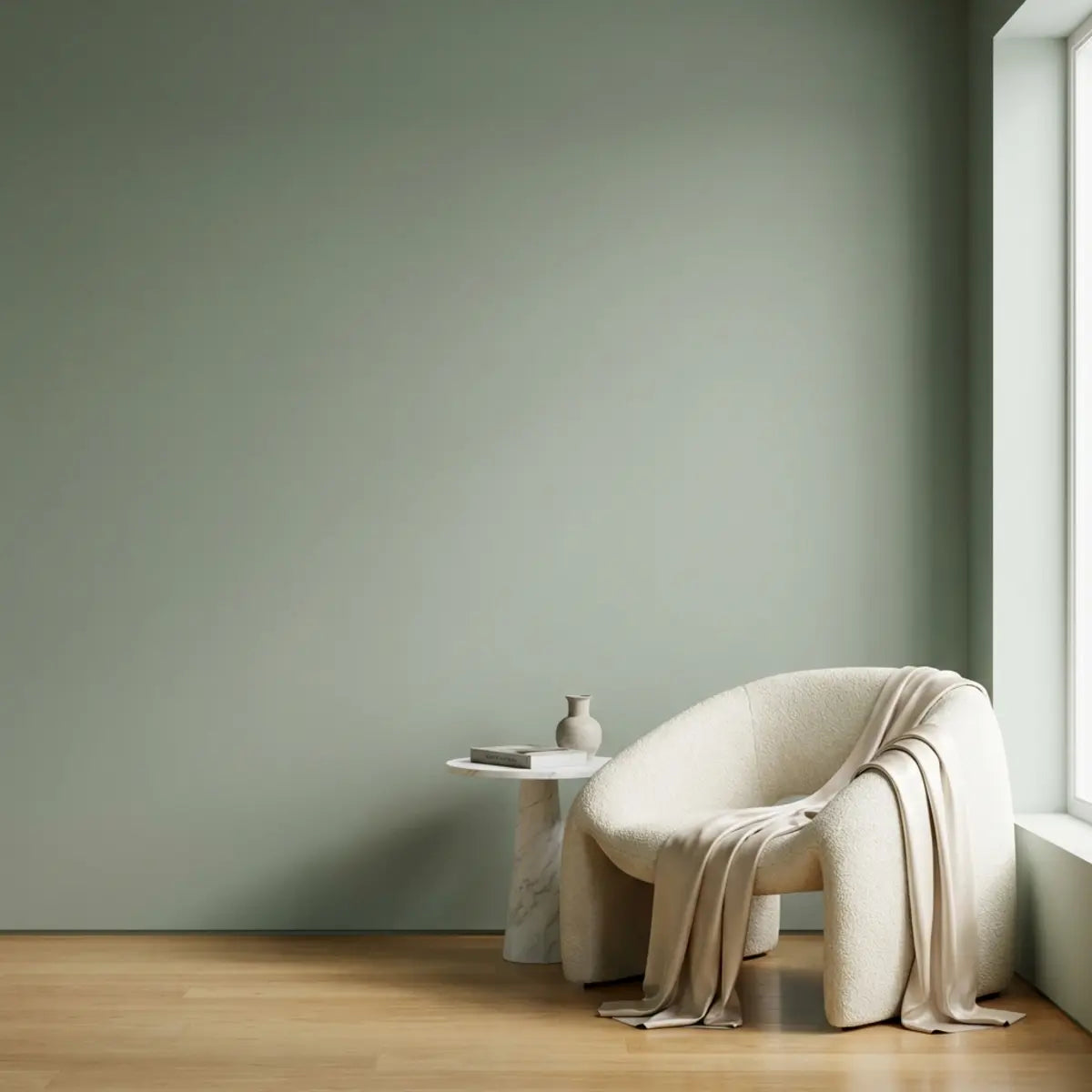
Similarly, heavy textures make a seamless leap from clothing to furniture. Bouclé fabric, once reserved exclusively for high-end fashion jackets, is now the standard for modern accent chairs. Understanding this pipeline allows you to stay ahead of the curve. You can begin integrating tactile elements—like crushed velvet, ribbed knits, and raw organic cotton—long before they become ubiquitous in big-box retail environments. This proactive approach to styling ensures your home always feels avant-garde rather than purely reactive.
If you are craving a space that breathes elegance without overwhelming the senses, mastering the art of less is essential. For those aiming for a cleaner, more subdued aesthetic, merging runway concepts with simple living is highly effective. You can explore this synergy deeply and discover how to curate a serene environment in our comprehensive guide on Minimalist Fashion Decor for Modern Homes.
A common misconception is that fashion decoration requires constant, expensive overhauls. In reality, it is about building a timeless base and swapping out affordable, trend-forward accents. You curate a foundation of "investment pieces"—a solid oak dining table, a neutral, durable sectional—and dress them up with seasonal "accessories" like statement lighting, sculptural vases, or bold, temporary wall treatments. This modular approach to home design mimics a capsule wardrobe, offering maximum versatility with minimal ongoing investment.
How can you find affordable alternatives to designer decor?
Frustrated by the exorbitant markup on luxury home goods? We break down exactly where to source high-style pieces that mimic couture design for a fraction of the cost.
The key to sourcing affordable designer decor alternatives is identifying the core visual elements of a luxury piece. Is it the sculptural shape? The heavy, textured material? The bold color blocking? Instead of fixating on the brand name engraved on the bottom of a vase, analyze its geometry. A sweeping, asymmetrical ceramic bowl derives its value from its visual weight and shadow play, not merely its price tag. By training your eye to deconstruct objects into shape, texture, and hue, you become immune to luxury branding and empower yourself to find identical aesthetics elsewhere.
Once you isolate that core feature, you can hunt for it in more accessible markets. High-street brands have dedicated teams studying luxury home collections to produce budget-friendly iterations. These mainstream retailers employ highly skilled industrial designers whose sole purpose is to democratize high-end trends. They utilize advanced, cost-effective manufacturing techniques to replicate the look of hand-blown glass, carved marble, and woven rattan without the artisan labor costs.
Here are our top actionable sourcing strategies:
- High-Street Home Collections: Brands like Zara Home and H&M Home excel at translating seasonal fashion moods into affordable ceramics and linens. They frequently release limited-edition capsule collections that heavily borrow color stories directly from recent runway shows.
- Artisan Marketplaces: Platforms like Etsy connect you directly with independent makers. You can commission sculptural or custom-made items without paying the luxury brand markup. Many of these artisans utilize the exact same raw materials as luxury houses, meaning the only difference is the absence of a famous logo.
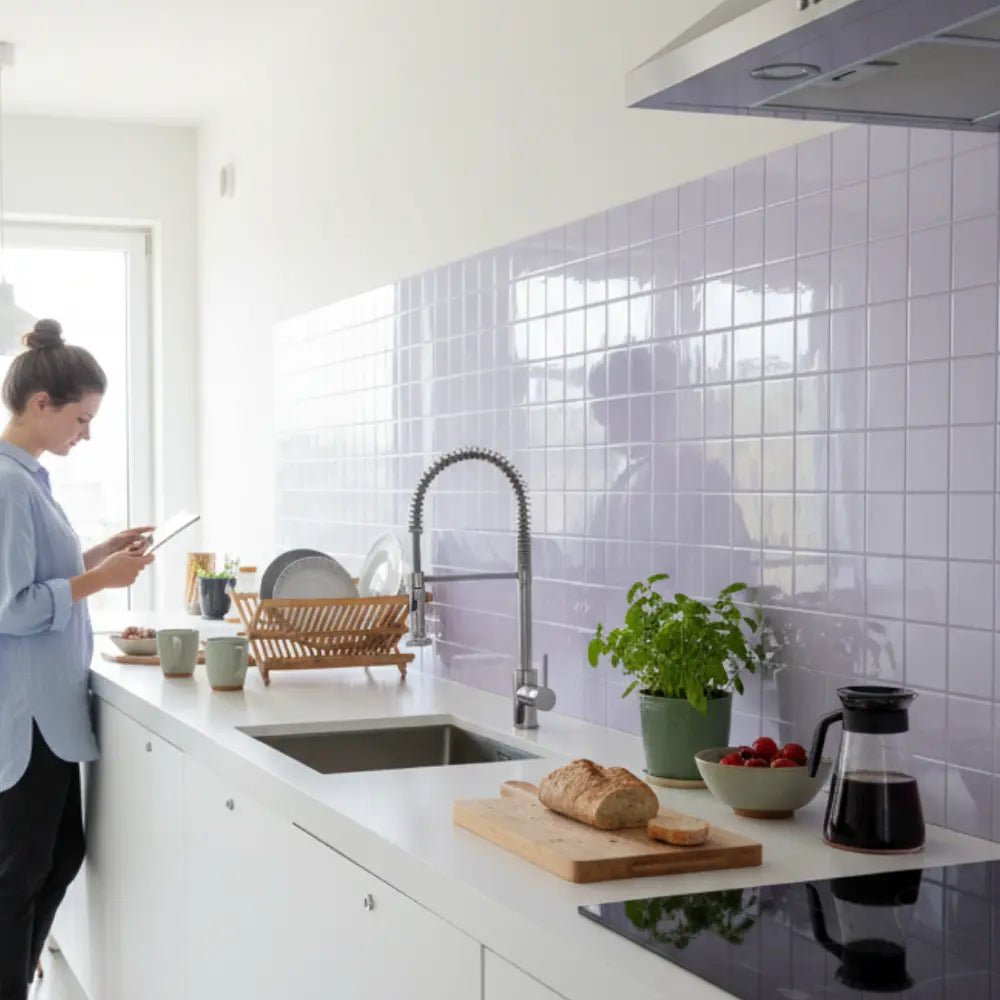
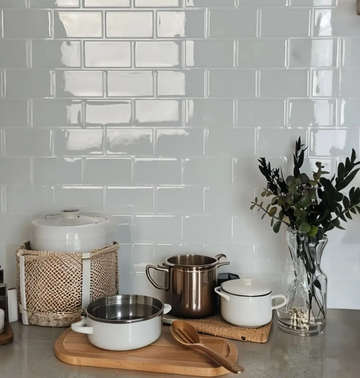
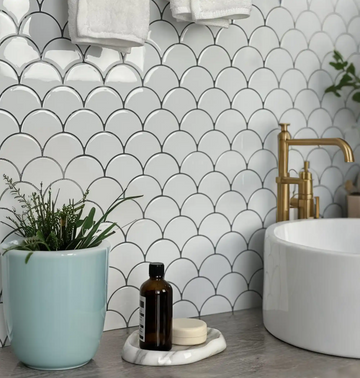
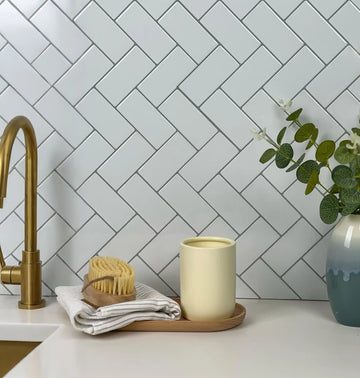
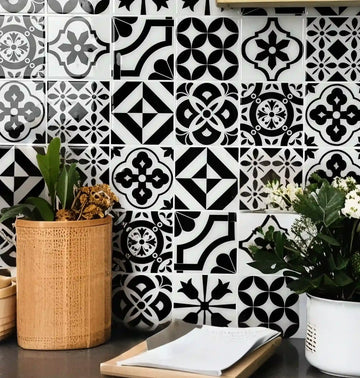
- Architectural Upgrades: Luxury homes often feature expensive custom stonework. For an affordable, high-style alternative, modern peel-and-stick solutions offer runway-ready textures for renters and homeowners alike.
Pro-Tip: Navigating Trusted Decor Retailers
When hunting for designer look-alikes, knowing where to look is half the battle. For heavy, sculptural ceramics, monitor target collaborations with renowned interior designers. For organic, linen-blend textiles that drape beautifully over furniture, prioritize independent boutiques online. Always check the material composition label; a budget price tag is only worth it if the item utilizes natural fibers or sturdy alloys rather than flimsy synthetics.

To see how affordable materials can radically elevate a space, the consensus among experts is to start with high-impact areas like the kitchen or bathroom. If you're looking for an immediate transformation that doesn't require a contractor, check out our highly acclaimed roundup of 25 Modern Vinyl Backsplash Ideas for Stylish Homes. These specific focal points naturally draw the eye, making them the perfect canvas to experiment with bold, runway-inspired motifs.
Many consumers assume "budget" means "flimsy." This is entirely false. Modern manufacturing allows accessible brands to use weighty materials like stoneware, solid brass, and quality linens that feel indistinguishable from luxury counterparts. The weight of an object deeply influences our perception of its value. A solid brass drawer pull feels inherently more luxurious than a hollow, painted plastic alternative, regardless of their visual similarity from a distance. By prioritizing material integrity—opting for actual glass over acrylic, or solid wood veneers over cheap laminates—you build a tactile experience that mirrors high-end design.
To illustrate this, let us look at how affordable brands stack up against luxury fashion houses in home goods. This comparison showcases the massive financial leverage you possess when you shop by aesthetic rather than by brand name:
| Decor Category | High-End Designer Example | Core Aesthetic | Affordable Alternative Strategy | Estimated Savings |
|---|---|---|---|---|
| Sculptural Vases | Versace Home Medusa Vase | Bold, metallic, geometric shapes | H&M Home textured ceramic vessels | $400+ |
| Accent Textiles | Hermès Avalon Blanket | Heavy wool blend, graphic logos | Zara Home geometric wool throws | $1,200+ |
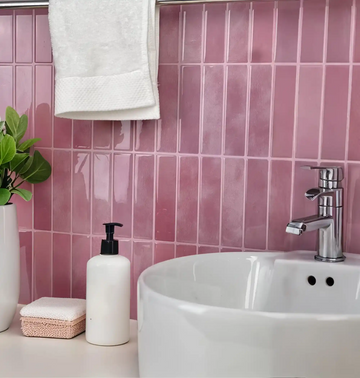
| Wall Treatments | Custom Artisan Glazed Tile | Glossy, deep color variations | Stickwoll Classic Indigo Tiles | $2,000+ |
| Lighting | Flos Arco Floor Lamp | Swooping metallic arch, marble base | Wayfair or Target arched lamps | $3,000+ |
If you want the look of a premium, high-end kitchen without the contractor fees, our Classic Indigo peel-and-stick tiles offer a stunning, glossy finish. They replicate the look of custom artisan ceramics. Because they are resistant and built to withstand daily wear and tear, ensuring long-lasting beauty, they serve as the ultimate budget-friendly solution to elevate your culinary space.
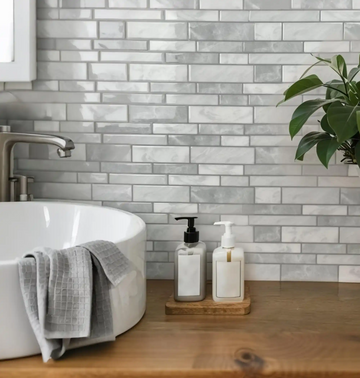
Alternatively, for a moodier, architectural vibe, the Slate City collection builds a premium foundation for a fraction of the cost. These tiles infuse a room with a distinct metropolitan edge, echoing the dark, textured aesthetics frequently showcased in high-end fashion boutiques. Both are built to withstand daily wear while saving you thousands of dollars.
Renovating a kitchen used to mean draining your savings, but modern innovations have rewritten the rules. If you want to achieve a designer look on a strict budget, uncover step-by-step DIY installation secrets and top-tier recommendations in our ultimate guide to Affordable Peel-and-Stick Kitchen Backsplash Ideas.
Staying ahead of the design curve is crucial for maintaining a fashion-forward home. To ensure your upcoming upgrades align with the latest industry forecasts and high-end aesthetics, dive into our expert breakdown of Vinyl Backsplash Ideas 2025: Modern Trends & Styles.
Shop the Look: Explore High-Style Wall TreatmentsHow can fashion color trends and accessories elevate your home styling?
Struggling to make your room feel curated and intentional? Learn how to leverage upcoming fashion color forecasts and transform everyday accessories into striking visual statements.
Global trend forecasting agencies, such as WGSN, predict a massive shift toward "grounded brights" and deep, restorative tones for 2026. These colors bridge the gap between digital vibrancy and natural serenity. In the realm of couture, we are moving away from stark, clinical minimalism and embracing rich, saturated hues that evoke warmth and emotional resonance. Think of crushed berry tones, deep olive greens, and oxidized metallics—colors that have long dominated autumn fashion collections are now dictating the future of home decor.
Deep Terracotta
Earthy & Grounded
Cerulean Blue
Calm & Confident
Soft Gold
Luxurious Accent

In fashion, a single pop of cerulean blue or deep terracotta often defines an entire collection. In your home, applying these exact tones creates immediate, fashion-forward impact. You can introduce these colors through accent walls, curated vignettes, or simple throw pillows. The beauty of treating color like an accessory is its impermanence. You can paint a single archway or alcove in a daring, runway-inspired hue without committing the entire room to the trend. This creates focal depth and serves as a conversation starter, much like a vividly colored designer handbag paired with a tailored black suit.
Mastering these combinations requires an understanding of textile pairing and color theory, which can often feel intimidating. To effortlessly bridge the gap between runway hues and your living room, the go-to resource is our definitive article on Color Palettes and Fabrics in Fashion Decoration.
Beyond color, consider the objects you already own. Why hide your most beautiful fashion investments in a dark closet? Displaying fashion accessories as decor is a zero-cost way to inject couture energy into your room. Authentic luxury is deeply personal. By bringing elements of your wardrobe into your living environment, you create an atmosphere that feels exclusively yours. A beautifully crafted leather belt draped elegantly over a pile of hardcover books adds a textural richness that a generic paperweight could never achieve.
Here are practical ways to use fashion accessories as decor:
- The Statement Hat Wall: Arrange wide-brimmed felt or straw hats as a textured, three-dimensional art installation above a console table. This instantly adds bohemian elegance and structural interest to an otherwise blank wall.
- Jewelry as Hardware: Drape chunky, vintage necklaces over a simple ceramic bowl. You can also use heavy, beaded necklaces to tie back luxurious velvet curtains, instantly elevating standard drapery to high-end bespoke status.
- Shoe Displays: Treat architectural heels as sculptures. Place them on built-in shelving alongside heavy coffee table books and small potted plants. When styled with intention, a well-crafted shoe is no different than a modern art figurine.
To truly capture the runway aesthetic, you can create your own fashion-inspired wall art. This DIY project is highly affordable and uses sustainable materials. It allows you to introduce custom colors, patterns, and historical fashion motifs into your home without relying on mass-produced art prints.
DIY Runway-Inspired Wall Art
- Source Sustainable Materials: Gather high-quality, discarded fabric swatches, vintage silk scarves, or beautifully textured packaging from previous purchases. Look for fabrics that feature houndstooth, dramatic florals, or classic monogram prints.
- Select a Museum-Quality Frame: Buy affordable, deep shadowbox frames. A thick, high-quality frame instantly elevates whatever is placed inside it. Opt for matte black, brass, or natural blonde wood depending on your room's existing palette.
- Mount the Textile: Carefully press the fabric to remove wrinkles. Use acid-free tape to mount it against a heavy, bright white mat board. This expansive negative space around the fabric is what mimics high-end gallery presentation.
- Create a Gallery Wall: Hang three of these custom pieces in a tight, symmetrical grid. This mimics the highly curated, editorial displays seen in luxury boutique interiors.
A crucial pro-tip for styling: repetition is a luxury design secret. Grouping similar affordable items—like three identical inexpensive glass vases—creates a much greater visual impact than placing one small, expensive item on a shelf. The eye interprets intentional repetition as an organized, high-end design choice. When you curate objects in pairs or triplets, you instantly add an architectural rhythm to your space.

If you are upgrading a bathroom with these new aesthetic rules, balance your new framed art with a fresh, modern backdrop. Don't let old tiles ruin your couture vibe—our step-by-step guide on Budget-Friendly Bathroom Makeovers with Peel & Stick Tiles offers the perfect starting point for a chic, low-cost renovation.
Explore More Affordable Designer Alternatives: Try creating your own textile art this weekend.Final Thoughts
Treating your home like a fashion editorial does not require emptying your bank account. By observing runway color palettes, understanding the timeline of fashion decoration, and sourcing smart, high-quality alternatives, your space can radiate sophistication. The barrier to entry for luxury design has never been lower, provided you approach your styling with an analytical eye and an adventurous spirit.
The most beautiful homes are not those with the highest price tags. They are the ones curated with intention, creativity, and a sharp eye for style. Use fashion as your guide, focus on core aesthetic elements, and never be afraid to mix high and low pieces. A masterfully styled room, much like a breathtaking outfit, relies entirely on the confidence with which it is worn.
Ready to transform your space with accessible style? Shop the look using our premium, renter-friendly tile collections. Be sure to subscribe to our newsletter for exclusive home trend forecasts and weekly styling tips.
Which fashion-inspired decor idea will you try next?
Frequently Asked Questions
How do I stop affordable decor from looking cheap?
The secret is in the styling and material selection. Prioritize affordable items made from natural-looking materials like matte ceramics, heavy glass, linen, or raw wood. Avoid shiny plastics. Additionally, giving an affordable item plenty of "breathing room" on a shelf makes it look more important and expensive. Overcrowding diminishes the perceived value of individual pieces; let your decor breathe.
Can fashion prints really work in a minimalist home?
Absolutely. Minimalist fashion decoration often uses prints very strategically. Instead of covering a room in a loud pattern, use a single, high-impact fashion print as an accent. A bold, geometric throw pillow on a stark white sofa adds incredible depth without cluttering the visual space. Think of it as a striking monochrome outfit accented by a single, brilliantly patterned silk tie.
Where should I invest money, and where should I save?
In interior design, we recommend investing in foundational pieces that bear your weight or see heavy use, like mattresses and sofa frames. Save heavily on trend-driven accessories, throw pillows, small accent tables, and wall treatments. Peel-and-stick tiles and high-street textiles offer massive savings without sacrificing the designer look, allowing you to reallocate your budget toward longevity where it truly matters.
How often should I update my decor to match fashion trends?
You do not need to update your home every season. Instead, maintain a classic, neutral base for your large furniture. Then, introduce new fashion trends through small, affordable updates once or twice a year. Swapping out a lampshade, a piece of framed fabric art, or a blanket is enough to keep your space feeling current without creating unnecessary waste or financial strain.


Leave a comment
This site is protected by hCaptcha and the hCaptcha Privacy Policy and Terms of Service apply.