








Use fashion as a design reference, not a rigid formula
Begin with one outfit, textile or accessory whose color and texture you genuinely like. Translate its relationships rather than copying every element: a dark base, a lighter secondary tone and a metallic accent may be enough.
Explore this guide
The familiar 60-30-10 rule can be a sketching aid, but it is not a requirement. Some rooms work with a nearly monochrome palette; others use multiple balanced colors. Compare samples in the actual room before committing large surfaces.
Layer texture with maintenance in mind
Bouclé, velvet, linen, silk and synthetic textiles all have different care and wear characteristics. Choose them by use, cleaning and durability rather than assuming natural fibers are inherently more authentic or suitable.
Valuable garments and textiles should be supported appropriately if displayed. Keep adhesive, staples and sharp fasteners away from items you may want to wear or preserve.
Use reversible accents for experimentation
Pillow covers, art, lampshades and small rugs can test a fashion-inspired direction before large furniture changes. Photograph the room under daylight and evening lighting, then edit pieces that create too much visual competition.
Keep a budget that separates reuse, repair and new purchases. A strong room does not require replacing every existing item to match one seasonal fashion reference.
Measure display pieces before mounting them
Lay textiles, framed accessories and art out on the floor or paper template first. Measure the combined group, the gaps between pieces and the relationship to nearby furniture. A fashion-inspired composition can still feel calm when the scale and negative space are deliberate.
Choose supports that suit the object rather than the theme. A valuable textile may need conservation-aware framing, while a lightweight print can use a simpler removable display. Do not glue a garment or heirloom merely because an editorial photograph appears to do so.
Build a lighting and care note for the display
Record whether the textile or accessory receives direct sunlight, strong task lighting, dust or frequent handling. Move delicate items away from heat, moisture and high-touch paths, and follow their own care instructions rather than treating the display as ordinary wall decor.
Review the arrangement from normal sitting and standing positions. If a display only works from one staged camera angle, adjust the spacing or scale before adding more objects. The room should remain functional when doors open, furniture is used and daily items return.
Store unused textiles clean, dry and supported appropriately. A rotating display can keep the room fresh without requiring constant new purchases or exposing every piece at once.
Compare material samples before committing the room
Place the actual fabric, wall finish, wood, metal and paint samples together under the room lighting. A palette that works in a fashion photograph can shift once color, sheen and texture move onto larger architectural surfaces.
Check how the combination looks from normal seating and walking positions, then remove one competing element before adding another. This keeps the room connected to the fashion reference without turning the reference into a rigid formula.
Document the final choices and care needs so future updates can reuse the same palette instead of restarting the room from seasonal trend labels.
The Haute Couture Home: A Masterclass in Fashion Decoration
Transforming your living space from uninspired to runway-ready through the seamless integration of apparel aesthetics and interior design.
Most people love fashion, curating outfits that perfectly express their personality, but they often struggle to translate that exact style into their living space. You might have a wardrobe full of vibrant prints and rich textures, yet your living room remains a sea of uninspired beige. The disconnect between a carefully crafted personal image and a generic living environment is a common frustration for the design-conscious individual.
Fashion decoration is the art of merging personal style with interior design by using fashion-inspired colors, fabrics, and aesthetics to create cohesive, stylish spaces. It aligns home decor with fashion principles such as texture, silhouette, and seasonal trends. This is not merely about hanging a designer scarf on the wall; it is a profound architectural philosophy that treats a room as a three-dimensional garment.
Connecting fashion and interiors solves the disconnect between what you wear and where you live. By bringing personalization through style directly into your environment, you create a space that feels authentically yours. With practical and sustainable decoration tips, bridging this gap is entirely achievable for any home. When you cross the threshold of your home, the environment should wrap around you with the same bespoke comfort and striking visual appeal as a custom-tailored suit or a perfectly draped evening gown.

What Is Fashion Decoration and Why Does It Matter?
"Ever look at your favorite custom coat and wish your living room felt that put-together? This section breaks down exactly how to translate your personal style into your physical space, proving that great design extends far beyond your closet."
Fashion decoration brings the aesthetic principles of apparel directly into your home environment. It matters because your living space should be an extension of your personal identity, offering the same confidence as a perfectly fitted outfit. You are essentially treating your room as a canvas for your personal style. Think about the psychological impact of wearing an outfit that makes you feel unstoppable; your living room, bedroom, and dining area possess the exact same power to elevate your daily mindset when styled with intention.
We define silhouette—the overall shape or outline of an object or garment—as a primary tool here. Just as an oversized blazer changes your physical silhouette, a curved sofa dramatically alters the silhouette of a room. Understanding this concept is your first step toward true fashion-inspired home styling. When you evaluate a room's silhouette, you must consider the negative space just as critically as the furniture itself. The drop of a curtain mimics the hemline of a dress; the arch of a floor lamp acts as the graceful line of a statement necklace.
The Rise of the Fashion House Aesthetic
Major design houses have long understood this connection. Consider Gucci Décor, which brings the brand's signature maximalist prints directly to wallpapers and velvet cushions. They treat a living room exactly like a runway model, layering bold, clashing patterns to create a cohesive, dramatic effect. This movement is not just about slapping a logo on a pillow; it is an immersive brand experience that transforms domestic spaces into palaces of self-expression.
Similarly, Versace Home utilizes their iconic Medusa head motif and intricate baroque patterns across bedding and ceramics. Brands like Ralph Lauren Home and Armani Casa have also built massive empires by translating their distinct sartorial voices—whether that is rugged Americana or sleek, minimalist Italian tailoring—into sofas, lighting, and textiles. These brands prove that the barrier between clothing and furniture is entirely artificial. Your home can wear high fashion just as easily as you do.
The Psychology of Dressed Spaces
A common misconception is that fashion-inspired decor means simply hanging clothes on a wall or using mannequins as art. In reality, it involves applying the underlying theories of apparel design to spatial planning. It is about understanding how fabrics make you feel and replicating that comfort on a larger scale. The psychology of textiles plays a massive role here; the friction of heavy linen against the skin evokes a completely different emotional response than the frictionless glide of cool satin.
Think of it this way: dressing a room is exactly like layering a winter outfit. You start with a solid base (your walls and flooring), add structural pieces (your furniture), and finish with textured accessories (pillows, rugs, and art). This layered approach can create depth and visual interest. Without these foundational layers, a room feels cold and exposed, much like stepping into a blizzard wearing only a t-shirt.
For those feeling overwhelmed by clutter but still craving high style, blending minimalist theories with fashion-led aesthetics helps curate elegant simplicity. If you prefer a clean, streamlined capsule wardrobe, that same philosophy beautifully applies to your home. Start designing serenity today with our definitive guide on Minimalist Fashion Decor for Modern Homes.

How Do Fashion and Interior Design Intersect?
"Wondering why that new sofa looks suspiciously like last season's runway sensation? Here, we explore the invisible thread connecting haute couture to home interiors, giving you the blueprint to spot and apply these shared principles."
Fashion and interior design intersect through shared foundational elements: color theory, fabric selection, and structural proportion. When a specific texture or tone dominates the runway in Paris or Milan, it inevitably influences furniture designers and textile manufacturers shortly after. The cycles are permanently linked. Decades ago, interior trends lagged behind fashion by several years; today, thanks to globalized supply chains and social media, that gap has closed to mere months.
Shared Design Principles
The translation from runway to room relies on a few core principles. By mastering these, you can anticipate trends and create fashion-inspired interiors long before they hit mainstream catalogs. Interior stylists and fashion editors speak the same visual language, focusing on creating moments of tension and release within a visual field.
- Proportion and Scale: Just as a wide-leg trouser requires a fitted top for balance, a massive, chunky sectional sofa needs delicate, minimalist lighting fixtures to avoid overwhelming the room. It is all about structural harmony.
- Color Blocking: Taking two contrasting, solid colors and pairing them together works beautifully in outfits and room layouts alike. Think a mustard yellow armchair against a deep navy wall to create instant, dramatic energy.
- Tactile Layering: Combining a smooth silk blouse with a rough tweed skirt provides physical contrast. In the home, pairing smooth leather seating with a chunky knit throw achieves the exact same sensory balance, inviting touch and providing warmth.
If you want a more structured way to compare fabrics and palettes, use the linked guide as a planning reference. No color or material formula is foolproof; test samples in the actual room and against the objects you already own. Related planning: Color Palettes and Fabrics in Fashion Decoration
Interactive: Discover Your Fabric Persona
Which runway material perfectly reflects your home's ideal aesthetic? Answer the question below to unlock your personalized design direction.
When you host a dinner party, what is the primary atmosphere you want to create?
From Runway to Living Room: A Material Example
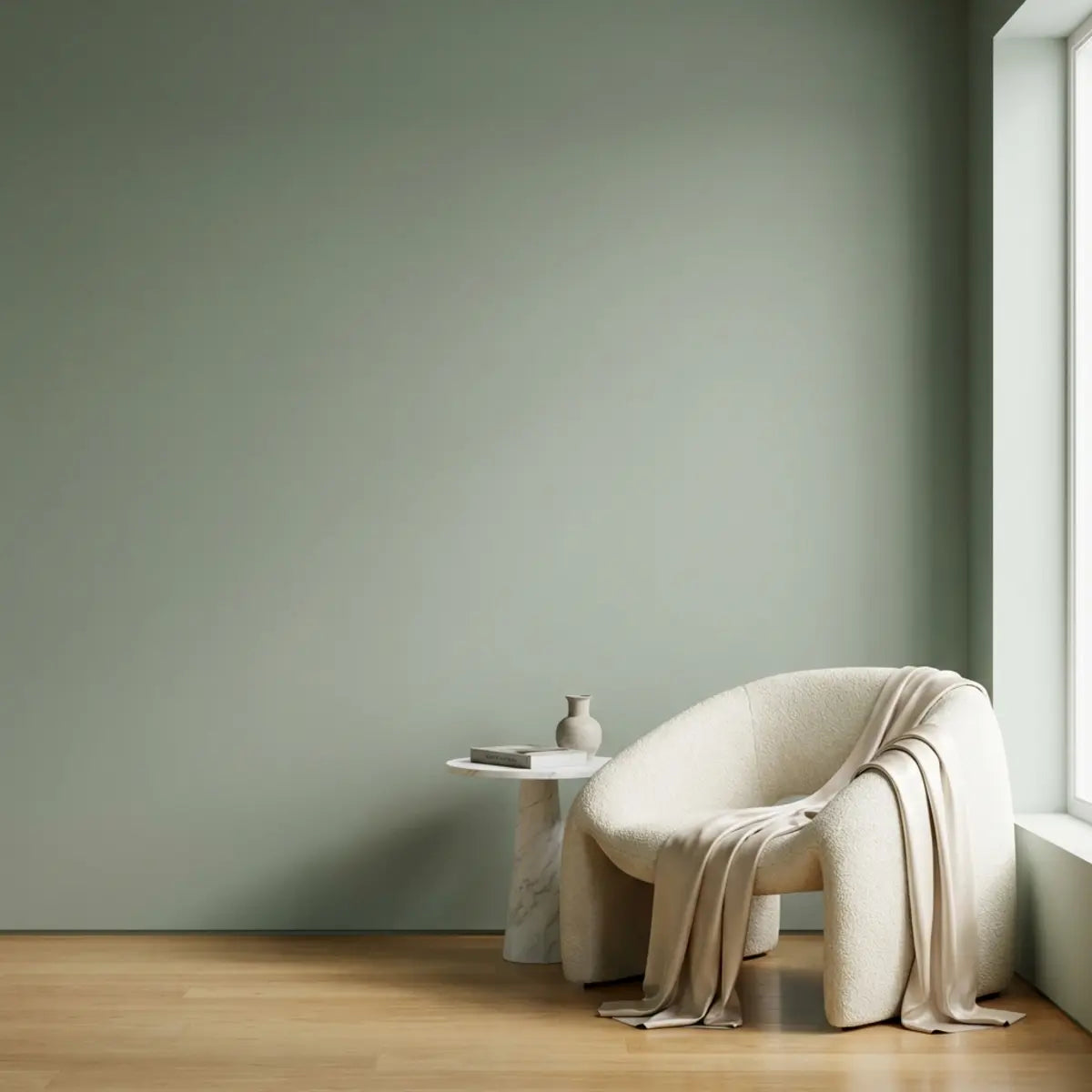
Consider bouclé as a material-translation example. The fabric has a documented history in fashion and also appears in interiors; use its looped texture as a visual reference rather than presenting the crossover as a case study with a measured design outcome.
Fashion and interiors often share textile and color references, but this guide does not rely on an unverified adoption-rate statistic. Use the actual fabric, room and maintenance needs as the design basis.
Following its resurgence on autumn runways, furniture designers began wrapping accent chairs and curved sofas in bright white and cream bouclé. The fabric provided a cozy, tactile experience that homeowners craved. It transformed a piece of clothing history into a modern interior staple. The fabric's ability to absorb light rather than reflect it makes it an ideal anchor for spaces bathed in natural sunlight.
If you love a specific outfit, apply a 60-30-10 color starting point to your room based on that look. Use the outfit's main color for 60% of the room, the secondary color for 30%, and the accent color for 10%.
Ready to elevate your commercial space?
If you are applying these concepts to a retail environment, do not miss our comprehensive guide on Fashion Boutique Interior Design Tips. Learn how to create an immersive, stylish shopping experience that keeps customers coming back.
When selecting pieces to achieve this high-end look without overspending, love high-end decor but hate the price? Discover affordable designer decor alternatives that bring fashion-inspired elegance home in our review of Affordable Designer Decor Alternatives That Look Straight from the Runway. Shop and style now with side-by-side comparisons of luxury vs. accessible options!

What Are the Top Fashion Decoration Trends and DIY Ideas for 2026?
"Feeling uninspired by the mass-produced furniture everyone else seems to own? This section reveals the freshest fashion-forward trends for the upcoming year and provides a hands-on guide to crafting your own stylish, eco-friendly accents."
The defining fashion decoration trends for 2026 prioritize sustainable materials, upcycled vintage elements, and bold, tactile textures. These trends actively reject fast, disposable furniture. Instead, they focus on personalized, handcrafted pieces that reflect conscious consumerism and tell a highly individual stylistic story. We are seeing a renaissance of "slow design," much like the "slow fashion" movement, where provenance, material quality, and environmental impact supersede fleeting seasonal fads.
Tracking the Shift: 2025 vs. 2026 Trends
To understand where interior fashion is heading, we must look at how the aesthetic is evolving. The shift is moving heavily toward texture, sustainability, and interactive design. The era of the completely matching, showroom-floor living room is dead; the future belongs to the beautifully curated, mismatched sanctuary.
| Design Element | 2025 Standard Trend | 2026 Fashion-Forward Trend |
|---|---|---|
| Primary Fabrics | Smooth velvet and basic linen | Raw silk, heavy denim, and upcycled wool |
| Color Palettes | Muted earth tones (sage, terracotta) | Jewel tones mixed with stark metallic accents |
| Wall Treatments | Flat matte paint and standard prints | Interactive murals and heavily textured wallcoverings |
| Core Focus | Fast-casual, matching furniture sets | Curated, mismatched vintage and sustainable pieces |
Emerging Trends You Can Apply Today
You do not have to wait until next year to start integrating these concepts. The following trends are gaining immense traction in the fashion world and are perfectly suited for immediate home application. Incorporating these elements allows your home to breathe with contemporary relevance.
- Upcycled Denim Upholstery: Denim is a durable, iconic fabric. Repurposing old jeans into floor cushions or ottoman covers adds a casual, highly textured edge to modern spaces. The indigo dye variations create a natural, ombré effect that is visually captivating.
- Pleated Lighting: Drawing direct inspiration from pleated skirts and dresses, lampshades featuring sharp, structured pleats are becoming focal points in chic, fashion-inspired room decor. They manipulate light beautifully, casting rhythmic shadows across the room.
- Interactive and Dynamic Walls: Static walls are out. The trend is moving toward surfaces you can alter and engage with, much like adjusting an outfit to suit your daily mood.
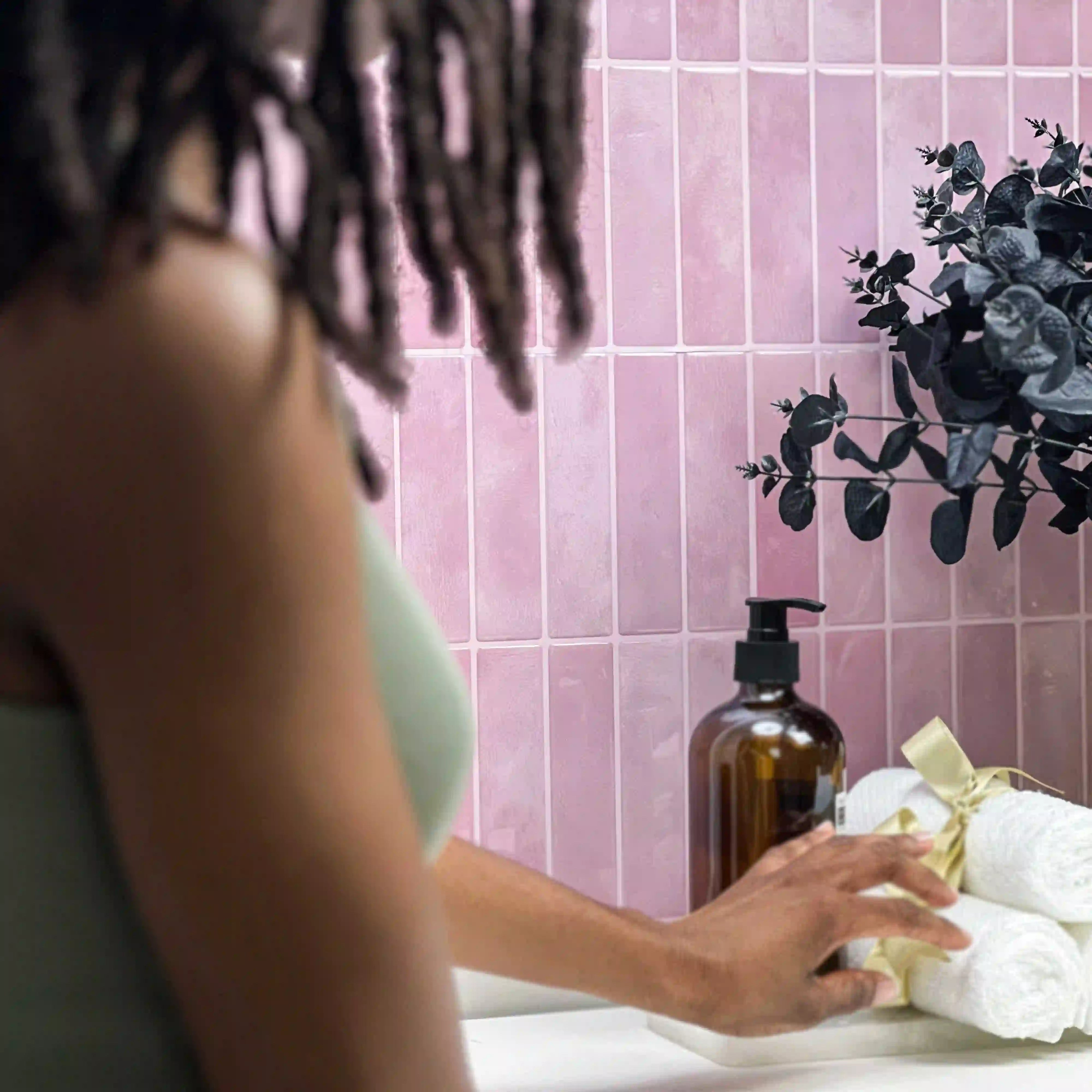
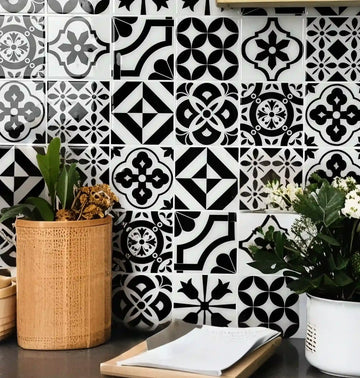
For those looking to adopt the interactive wall trend, decode your state and design your space with an original creation. Perfect for renters and homeowners, you can shift your aesthetic in one simple step using Rootshift Panels™, our patented, peel-and-stick interactive mural panels that let you design and shift your space's aesthetic without tools or wall damage.
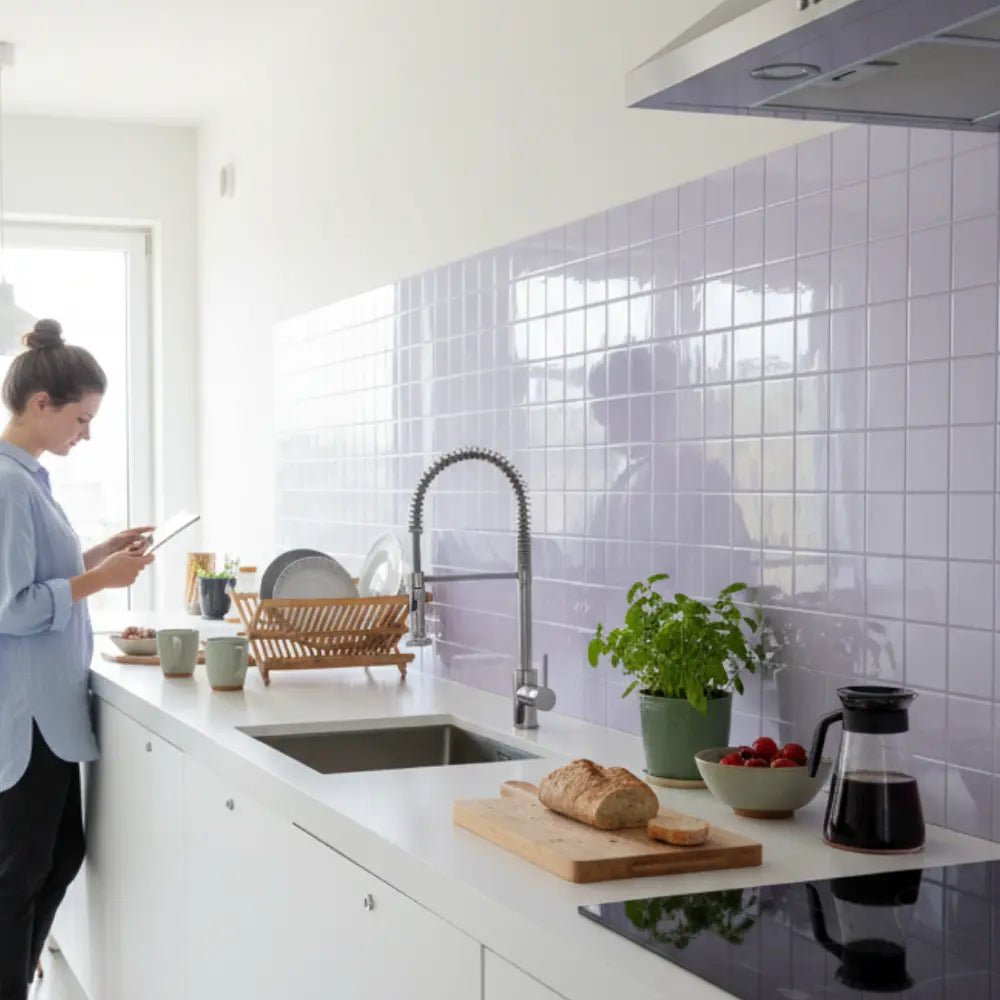
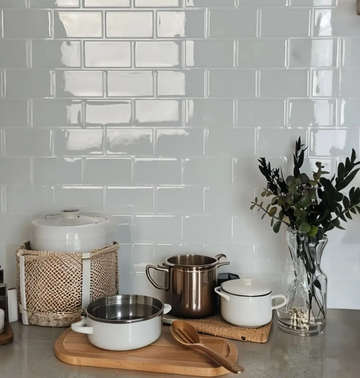
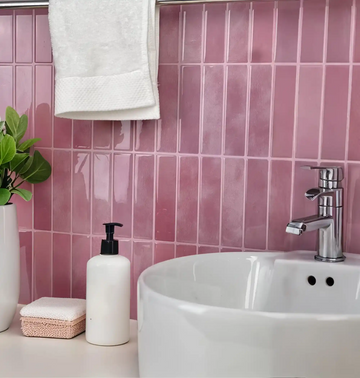
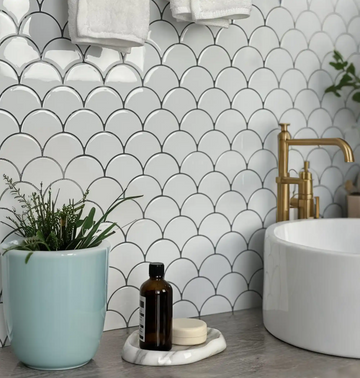
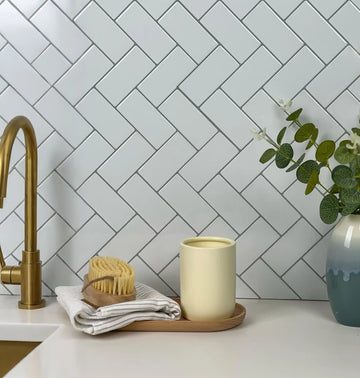
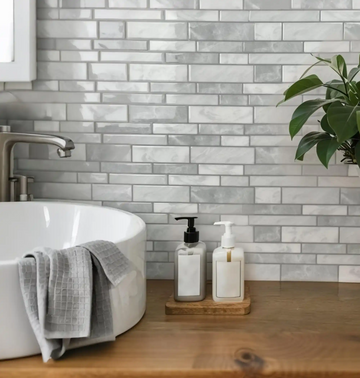
Rethinking your home's style beyond just dynamic murals? Peel and stick tiles offer a simple, stunning solution to elevate any wall layout. Explore popular formations from chevron to herringbone and get the guide on 7 Tile Patterns for Perfect Home Style.

DIY Walkthrough: Eco-Friendly Fashion Table Decor
Creating your own fashion table decor is an excellent way to practice these principles on a small scale. This step-by-step guide will help you create a stunning, sustainable tablescape using items you likely already have or can easily thrift. By mastering these micro-environments, you gain the confidence to style entire rooms.
Every great outfit needs a pop of color, and your dining space is no exception. Who doesn’t love a kitchen that mirrors the beauty and spirit of the season? Explore creative updates and transform your kitchen today with our Seasonal Kitchen Decor Ideas for 2025 before setting your new tablescape!
Step 1: The Fabric Foundation
Skip the generic polyester tablecloth. Instead, visit a local thrift store and purchase a vintage silk scarf or a piece of heavy, patterned brocade fabric. Use this as an asymmetrical table runner. The unique drape and pattern immediately set a high-fashion tone for the entire room.
Step 2: Upcycled Denim Napkin Rings
Take an old, unwearable pair of jeans. Cut the thick seams or the hem into strips about six inches long. Fray the edges slightly for texture, and loop them around plain linen napkins. Secure them with a simple stitch or fabric glue. This adds a rugged, unexpected tactile element that contrasts beautifully with fine china.
Step 3: Accessorize with Vintage Hardware
Fashion is all about the accessories. Gather old, mismatched belts, chains, or oversized buttons from discarded coats. You can weave a thick, braided leather belt down the center of your table runner to act as a structured anchor for your candles and floral arrangements.
Step 4: Incorporate Vibrant Accents
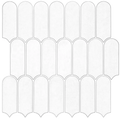
Every great outfit needs a pop of color. If your kitchen or dining area feels too dark and you want to add a dose of cheer, built to last with excellent waterproof and heat-resistant properties, look no further. No need for costly renovations—your home should be as vibrant as you are. The fastest, easiest way to bring your home decor vision to life is by applying Lemon Zest™ peel-and-stick tiles for a quick, semi-permanent splash of sunshine near your dining area.
Step 5: Curate the Final Silhouette
Stand back and assess the table's silhouette. Ensure your centerpieces vary in height—perhaps a tall, slender candlestick next to a low, wide bowl. This mimics the balanced proportions of a well-styled runway look, drawing the eye upward and across the space effortlessly.
Ready to start your DIY project?
Download our free, printable materials checklist to ensure you have everything you need for the Eco-Friendly Fashion Table Decor tutorial.
Planning these updates requires a bit of foresight. Ready to refresh your space? Follow this month-by-month decor calendar packed with seasonal trends, budget tips, and sustainable style ideas by reading the 2026 Dorm & Apartment Decor Calendar: A Month-by-Month Guide.
Final Thoughts
Fashion decoration is a powerful method for aligning your personal style with your physical space. By treating your home as an extension of your wardrobe, you create an environment that is uniquely yours, merging the creativity of the runway with the practicality of everyday living. The spaces we inhabit should not just be functional; they should be profoundly inspiring, wrapping us in the textures and colors that bring us joy.
You have the tools to understand shared design principles, embrace sustainable trends, and execute brilliant DIY projects. Your home should reflect your finest tastes, layer by layer, texture by texture. It is time to stop settling for uninspired spaces and start dressing your rooms with intention, allowing your interiors to tell the story of your personal style evolution.
Join the Style Revolution
Ready to master your space? Subscribe to our email list today for exclusive trend updates, insider design tips, and first access to new collections. Then, take the next logical step in your design journey by exploring our comprehensive guide on Eco-Friendly Fashion Decor.
We Want to Hear From You!
What is your favorite fashion-inspired decor idea to try this year?
Frequently Asked Questions
How do I find fashion-inspired decor on a budget?
Finding fashion-inspired home styling pieces on a budget requires a mix of thrifting and strategic upcycling. Look for high-quality fabrics, like silk, wool, and velvet, at vintage clothing stores and repurpose them as pillow covers or runners. You can also hunt for architectural salvage pieces that mimic the structural shapes found in high fashion, allowing you to bypass retail markups while curating a wholly unique space.
Can I mix different fashion aesthetics in one room?
Yes, mixing aesthetics is heavily encouraged and mimics the "high-low" styling popular in modern fashion. You can easily pair a sleek, minimalist sofa with a bold, maximalist vintage rug. The key is to establish a unifying element, such as a consistent color palette or a repeated texture, to ensure the room feels intentional rather than chaotic. Think of it as pairing a vintage denim jacket with a high-end designer bag.
What are the best fabrics for fashion decoration?
The best fabrics for this style are those that offer strong tactile feedback and visual weight. Bouclé, rich velvets, heavy linen, and raw silk are excellent choices. Leather and suede also translate beautifully from apparel to upholstery, providing durability while adding a distinct, luxurious edge to any room's design profile. Choose natural or synthetic fibers by the intended use, feel, durability, cleaning and budget; neither category is automatically more authentic.
How often should I update my fashion-inspired interiors?
You should not feel pressured to overhaul your entire home every fashion season. Instead, treat your core furniture pieces as your classic "capsule wardrobe." Update your accessories—such as throw pillows, rugs, lighting fixtures, and peel-and-stick wall accents—seasonally or annually to reflect current runway trends without undergoing massive renovations. This keeps your space dynamic and fresh without immense ongoing cost.
Sources and scope
- Canadian Conservation Institute — Basic Care of Textiles — Textile handling and display.
- US DOE — Color and Spectrum — Lighting, spectrum and color rendition.


Leave a comment
This site is protected by hCaptcha and the hCaptcha Privacy Policy and Terms of Service apply.