













That feeling of walking into your home on a scorching summer afternoon and being hit by a wave of trapped heat is all too familiar. Your air conditioner works overtime, your electricity bills climb, and comfort feels miles away. What if the solution wasn't just more cooling, but a smarter, more permanent part of your home's design?
Direct Answer: Heat resistant tiles are specially engineered surfaces that reflect sunlight, reduce heat absorption, and maintain cooler indoor temperatures, making them ideal for hot climates like India. They lower indoor heat, save energy, and come in various aesthetic designs suitable for both homes and commercial spaces.
These tiles are more than just a flooring choice; they are an investment in your home’s energy efficiency and your family's comfort. By understanding how they work and which types fit your needs, you can transform your living space from a heat trap into a cool sanctuary.

What Are Heat Resistant Tiles and How Do They Work?
The Question: You've heard the term "heat proof tiles," but what does it actually mean? How can a simple tile block out the intense summer sun?
The Promise: This section breaks down the science behind heat resistant tiles in simple terms, so you can understand exactly what you're investing in.
Heat resistant tiles are building materials designed to stay significantly cooler than conventional surfaces when exposed to direct sunlight. Their power comes from two key scientific principles: high solar reflectance and high thermal emittance.
Think of it like choosing your clothes on a hot day. A black shirt absorbs sunlight and makes you feel hotter, while a white shirt reflects it and keeps you cooler. Heat reflective tiles work the same way for your home.
The Science of Staying Cool
The effectiveness of a heat resistant tile is measured by its Solar Reflectance Index (SRI). This value, on a scale of 0 to 100, indicates how well a surface reflects solar heat. A standard grey concrete roof might have an SRI of around 20, while a high-performance cool roof tile can have an SRI of 78 or higher.
- • Solar Reflectance: This is the tile's ability to reflect sunlight away from the surface. Lighter colors naturally have higher reflectance.
- • Thermal Emittance: This is the tile's ability to release any heat it has absorbed. A high emittance means the tile cools down quickly once the sun sets.
In our experience, a common mistake is assuming any white tile is a heat resistant tile. True cool roof tiles are engineered with specific glazes and materials to maximize both reflectance and emittance, offering superior performance.
A Real-World Example
Imagine two tile samples on a terrace in Delhi under the full 45°C afternoon sun. A standard dark ceramic tile might reach a surface temperature of 70-80°C, radiating heat into the building below.
Beside it, a white heat proof tile with a high SRI might only reach 45-50°C. This massive difference in surface temperature directly translates into a cooler ceiling and a more comfortable room underneath, reducing the load on your air conditioner.
Which Types of Heat Resistant Tiles Are Best for Different Applications?
The Question: With so many options available, how do you choose the right tile for your roof, your kitchen, or your floors?
The Promise: Here, we'll categorize the best tiles for hot climates by material and use case, helping you make an informed choice for your specific project.
Choosing the best tiles for hot climate depends entirely on where you plan to use them. The demands of a rooftop are very different from those of a kitchen backsplash. Below is a comparison of the most common materials.
| Material | Key Features | Best For | Pros | Cons |
|---|---|---|---|---|
| Ceramic Tiles | Clay-based, glazed for color & protection. | Roofs, Floors, Walls | Affordable, wide variety, low maintenance. | Can be brittle, glaze can wear off over time. |
| Porcelain Tiles | Fired at higher temps than ceramic; dense & durable. | Roofs, Floors, Kitchens, Fireplaces | Extremely durable, water-resistant, stain-resistant. | More expensive, heavier, harder to cut. |
| Terracotta Tiles | Natural, unglazed clay. | Roofs (traditional), Patios | Classic aesthetic, breathable material. | Porous (needs sealing), prone to staining & algae. |
| Natural Stone | Slate, Marble, Granite. | Floors, Fireplaces | Unique look, very durable, cool to the touch. | Very expensive, porous (requires sealing), heavy. |

For Roofs and Terraces
The Question: My terrace feels like a furnace in the summer, making the rooms below unbearably hot. What's the most effective solution?
The Promise: We'll explore the top choices for heat proof tiles for terrace that deliver maximum cooling and long-term durability.
For outdoor spaces like roofs and terraces, your primary goal is reflecting solar radiation. This is where cool roof tiles, typically made of high-SRI ceramic or porcelain, shine. These are the frontline soldiers in your battle against heat.
Mini Case Study: A Cooler Home in Chennai
A family in Chennai was struggling with a top-floor master bedroom that was consistently 5-6°C hotter than the rest of the house. After consulting with an architect, they installed white porcelain anti heat terrace tiles with an SRI of 82 on their 1,200 sq. ft. terrace.
The result? The surface temperature of the terrace dropped by nearly 20°C on sunny days. The master bedroom became significantly more comfortable, and their reliance on the AC during the day fell by an estimated 40%, leading to noticeable savings on their electricity bill.
For Indoor Heat Zones (Kitchens & Fireplaces)
The Question: I need tiles that can handle the heat from my stove or fireplace without cracking or discoloring. What should I look for?
The Promise: Discover the materials that offer the best performance and safety for high-temperature indoor areas.
Indoors, the challenge is different. You need tiles that can withstand direct, concentrated heat. For these applications, durability and thermal shock resistance are paramount.
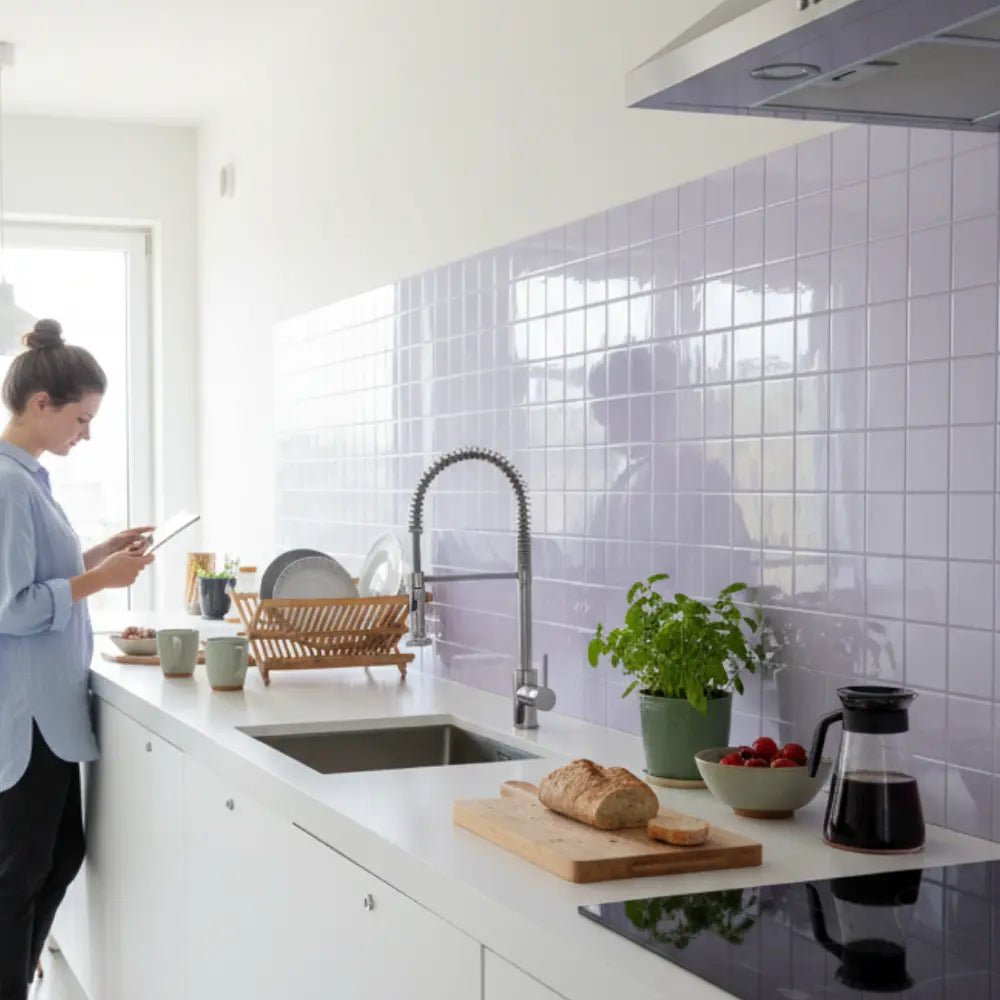
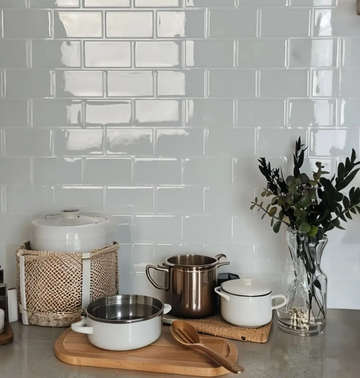
Porcelain is an excellent all-around choice. Its dense body makes it one of the best heat resistant tiles for kitchen backsplashes, as it resists stains from cooking splatters and won't crack from the heat of a stove. It's also a top contender for heat resistant tiles for fireplace surrounds, handling high temperatures safely.
Pro-Tip: Maintenance for High-Heat Areas
For kitchen backsplash tiles, regularly wipe away grease and food splatters with a non-abrasive cleaner to prevent staining and maintain their finish. For fireplace surrounds, use a soft brush to remove soot and dust before they can set.
For those seeking a modern, DIY-friendly approach for kitchen upgrades, the world of peel-and-stick tiles has made significant advancements. While not suitable for flooring, certain specialized products are designed for wall applications near heat sources.
For an in-depth guide on using these innovative materials safely, the go-to resource is our article which outlines the necessary safety precautions and product specifications. This guide is essential for any DIY enthusiast looking to upgrade their kitchen backsplash.
Read: How to Install Heat Resistant Peel and Stick Tiles Behind Your Stove
For Floors in Hot Climates
The Question: Is there a type of flooring that actually feels cool to walk on during the summer?
The Promise: Learn which heat proof flooring options provide that refreshing, cool-underfoot sensation and help maintain a lower ambient room temperature.
The cool, smooth feeling of a tiled floor on a hot day is a simple luxury. Materials like ceramic, porcelain, and natural stone have high thermal mass, which means they absorb heat slowly and feel cool to the touch.
A common misconception is that any light-colored tile will do. While color helps, the material's density is just as important. Dense tiles like porcelain are better at dissipating heat than more porous options, ensuring they stay cooler for longer. Pairing them with large windows and good ventilation creates a naturally comfortable living space.
If you desire the luxurious, cool feel of stone but are working with a budget, modern innovations offer a compelling alternative. You can achieve an elegant marble look without the high cost or complex installation.
Explore Luxe Marble Stick Tiles for a Stylish MakeoverWhy Should You Use Heat Resistant Tiles for Roofs and Terraces?
The Question: Are these tiles really worth the investment? What are the tangible benefits beyond just feeling a bit cooler?
The Promise: This section quantifies the powerful advantages of heat resistant roof tiles, from significant energy savings to a positive environmental impact.
Installing heat-reflective tiles, especially on your roof, is one of the smartest upgrades a homeowner in a hot climate can make. The benefits extend far beyond personal comfort.
What Are the Energy and Cost Savings?
The Question: Can tiles really lower my electricity bill? How much can I realistically expect to save?
The Promise: We'll look at the data to show you the real-world financial return on investing in a cool roof.
The primary benefit is a drastic reduction in your home's cooling load. By reflecting up to 80% of solar radiation, a cool roof prevents your top floor from baking in the sun.
According to data from the Indian Bureau of Energy Efficiency (BEE), a cool roof can lower indoor temperatures by 3°C to 5°C. This can lead to a reduction in air conditioning energy consumption by 20% or more. Over the lifespan of your roof, this translates into thousands of rupees in savings.
While the initial terrace cooling tiles price may be higher than for conventional materials, the return on investment through energy savings typically pays for the difference within 5-7 years.
How Do They Contribute to Sustainability?
The Question: I want to make eco-friendly choices for my home. How do these tiles help the environment?
The Promise: Understand how your choice of roofing material can have a positive ripple effect on your community and the planet.
The impact of energy efficient tiles goes beyond your own four walls. When used across a neighborhood or city, they help combat the Urban Heat Island (UHI) effect—a phenomenon where cities are significantly warmer than surrounding rural areas due to heat-absorbing surfaces like asphalt and dark roofs.
A report from the Centre for Science and Environment highlights that widespread adoption of cool roofs could lower a city's ambient temperature by 1-2°C. This reduces smog formation, eases the strain on the electrical grid during peak hours, and creates a more livable urban environment for everyone.
What's Involved in the Installation Process?
The Question: Can I install heat proof tiles for terrace myself, or do I need a professional?
The Promise: We provide a clear, step-by-step overview of the installation process to help you understand the scope of the project.
While some DIY-savvy homeowners might tackle a small patio, we strongly recommend hiring professionals for roof and large terrace installations. Proper surface preparation and waterproofing are critical to prevent leaks and ensure longevity.
A Simplified Installation Walkthrough:
The existing surface must be thoroughly cleaned, repaired, and leveled. All debris, dust, and old waterproofing materials are removed.
This is the most crucial step. A liquid or membrane waterproofing layer is applied to the entire surface to create a seamless barrier against moisture.
A high-quality polymer-modified tile adhesive is spread evenly over a section of the waterproofed surface.
The heat resistant tiles are carefully laid into the adhesive, ensuring consistent spacing for grout lines.
Once the adhesive has cured, the gaps are filled with a flexible, waterproof grout. Some tiles may also require a final sealant for added protection.
For smaller interior projects, a full professional installation isn't always necessary. Modern easy stick tiles offer a fantastic DIY alternative that transforms a space quickly and affordably. If you're curious about how simple these solutions can be, our guide can help you get started.
Discover Top Products & Tips for Easy Stick Tile
A Buyer's Guide to Choosing the Right Tiles in India
The Question: I'm ready to buy, but I feel overwhelmed. How do I find the right product and a trustworthy supplier?
The Promise: This practical guide equips you with the key criteria for selecting the perfect tiles and finding reliable heat resistant tiles manufacturers in India.
Making the final decision requires balancing performance, aesthetics, and budget. Use this checklist to guide your conversation with suppliers and contractors.
Key Factors to Consider Before Buying
The Question: What specific technical details should I ask about before making a purchase?
The Promise: We'll give you a simple checklist of non-negotiable factors to ensure you're buying a high-performance product.
- • SRI Value: This is your most important metric for roofs and terraces. Ask for the product's official SRI rating. Aim for 78 or higher for the best performance.
- • Material: Choose porcelain for high-traffic areas and ultimate durability. Ceramic offers a great balance of performance and affordability.
- • Durability (PEI Rating): For floor tiles, the PEI rating indicates wear resistance on a scale of 1 to 5. A rating of 3 is suitable for residential floors, while 4 or 5 is needed for heavy-traffic areas.
- • Maintenance: Consider how easy the tile is to clean. Glazed porcelain and ceramic are low-maintenance, while natural materials like terracotta require periodic sealing.
-
•
Budget: The
terrace cooling tiles pricecan vary widely. Set a realistic budget, but remember that investing in a higher-quality tile often provides better long-term value.
As you weigh these factors, it's worth noting the evolution of tile technology. The choice is no longer just between ceramic and porcelain. A new generation of "smart" tiles is entering the market, offering features beyond simple aesthetics and durability.
Compare Smart Tiles vs. Traditional Tiles in 2025Beyond technical specs, aesthetics play a huge role. If you love a warm, farmhouse feel, incorporating brick accents can transform a room. This timeless style can be achieved even with modern, easy-to-install tile options.
Learn How to Use Rustic Brick Tile AccentsWhere to Find Reputable Manufacturers and Suppliers
The Question: How can I be sure I'm not buying a substandard product?
The Promise: Learn how to identify and vet local suppliers to guarantee quality and reliable service.
India has a robust tile manufacturing industry. When searching for heat resistant tiles manufacturers in India, look for established brands with a strong local presence.
A pro-tip is to always ask for local references. A reputable dealer or contractor will be happy to show you completed projects in your area. Check for certifications like the ISI mark, which guarantees the product meets national quality standards. Don't hesitate to request product data sheets to verify performance claims like the SRI value.
Ready to take the next step? We recommend contacting a local installer to get brand recommendations tailored to your region's climate and building codes.
While finding the right installer for heat-resistant tiles is key, understanding specialty tile solutions for other challenging areas of your home, like bathrooms, is also important. For instance, ensuring your shower tiles are fully waterproof is just as critical as ensuring your roof tiles are heat-proof. When comparing finishes, browse Stickwoll peel-and-stick tiles and review the product details for your surface and room.
See the Top Waterproof Peel and Stick Shower TilesFinal Thoughts: Your Path to a Cooler Home
Choosing the right heat resistant tiles is a strategic decision that pays dividends in comfort, cost savings, and sustainability. By focusing on the science of the Solar Reflectance Index, selecting the correct material for each application—from a high-SRI porcelain for your roof to a durable ceramic for your floors—you empower your home to work with the climate, not against it.
This is more than an aesthetic upgrade; it's a fundamental improvement to your home's performance and your quality of life. By making this smart investment, you create a cooler, more energy-efficient, and more comfortable space for years to come.
Which area of your home needs cooling the most?
Frequently Asked Questions
How much cooler can my house get with these tiles?
On average, a home with heat resistant roof tiles can experience an indoor temperature reduction of 3°C to 5°C. In some cases, with optimal installation and ventilation, the difference can be even greater, significantly reducing the "heat trap" effect on the top floor.
Are heat resistant tiles more expensive?
Initially, high-performance heat resistant tiles, especially those with a very high SRI, can be 15-25% more expensive than standard tiles. However, this upfront cost is often recovered within 5-7 years through substantial savings on air conditioning and energy bills.
Can I install these tiles myself?
For small indoor projects like a kitchen backsplash, a DIY installation is feasible, especially with modern options. For roofs and terraces, professional installation is highly recommended. Proper waterproofing and surface grading are critical to prevent leaks and structural damage, tasks best left to experienced contractors. For more guidance on renter-friendly DIY projects, see our guide on installing peel and stick tiles in the kitchen. For broader planning, see our peel-and-stick tile guide.
What is the best color for heat resistant tiles?
White is the most effective color for reflecting solar energy. However, manufacturers now offer heat reflective tiles in a range of light colors, including off-whites, light greys, and pale blues, that still provide excellent SRI performance. The key is to check the SRI value, not just the color.
How do I clean and maintain heat proof tiles?
Most glazed ceramic and porcelain heat proof tiles are very low-maintenance. Regular sweeping and occasional mopping with a mild detergent are usually sufficient. To maintain their reflective properties, it's important to wash them periodically to remove accumulated dust and grime, especially on roofs.


Leave a comment
This site is protected by hCaptcha and the hCaptcha Privacy Policy and Terms of Service apply.