



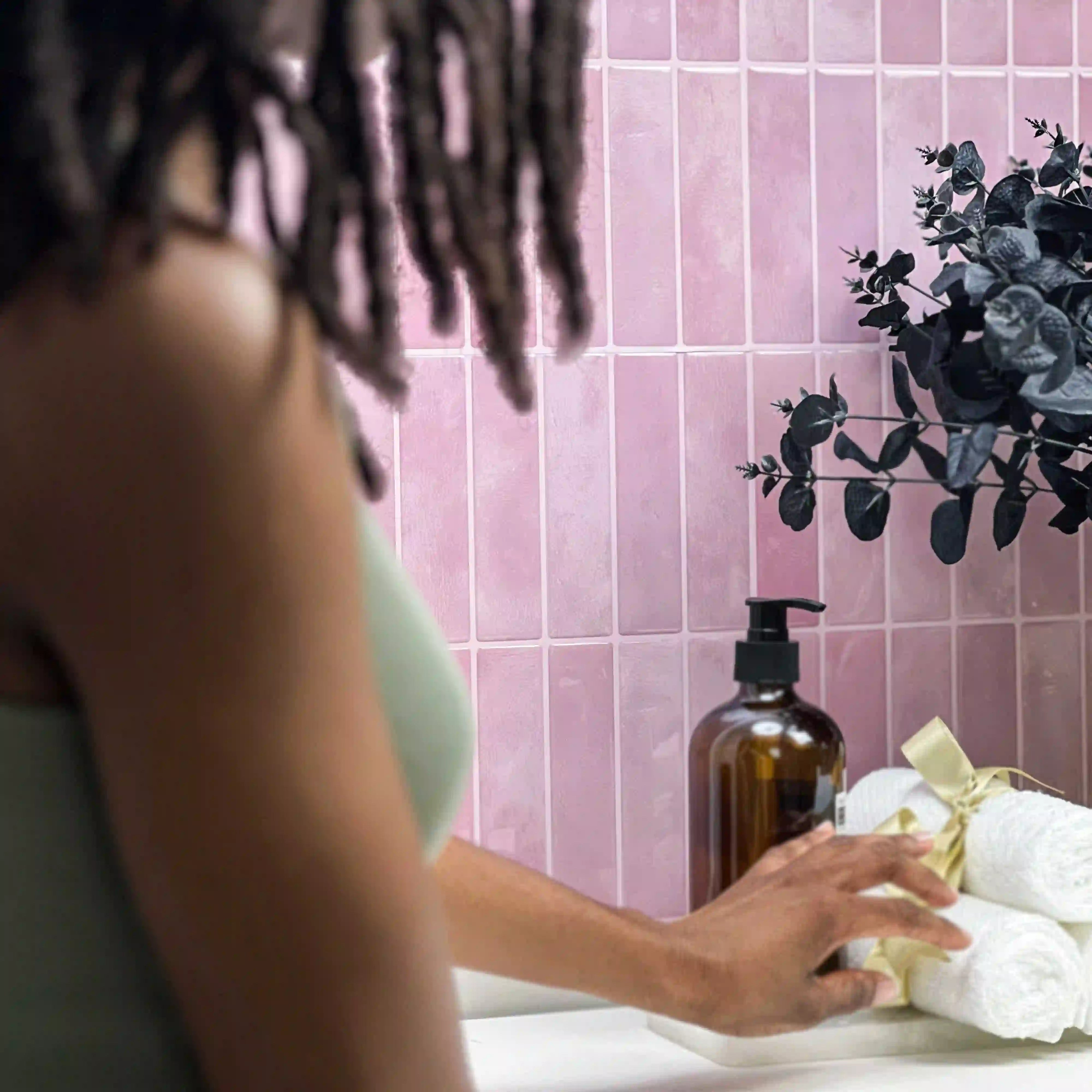
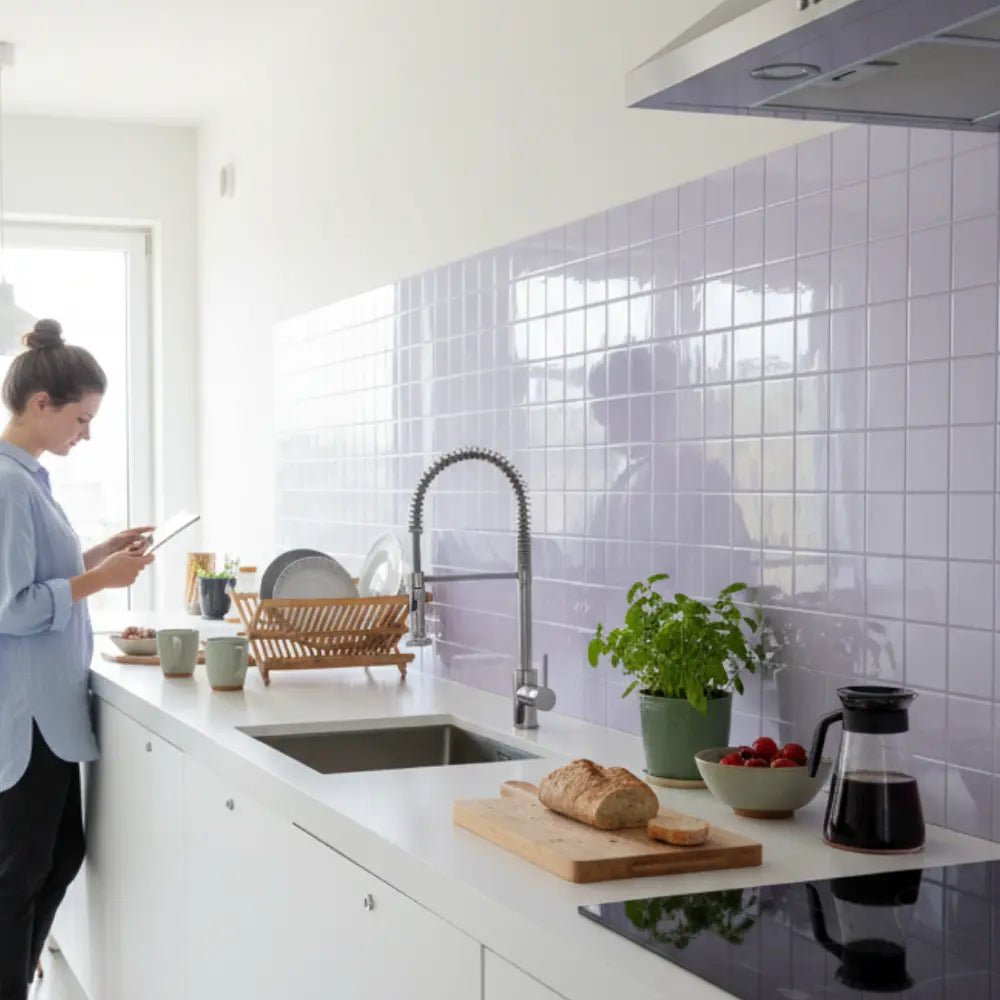



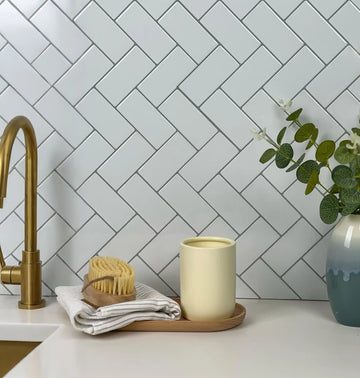
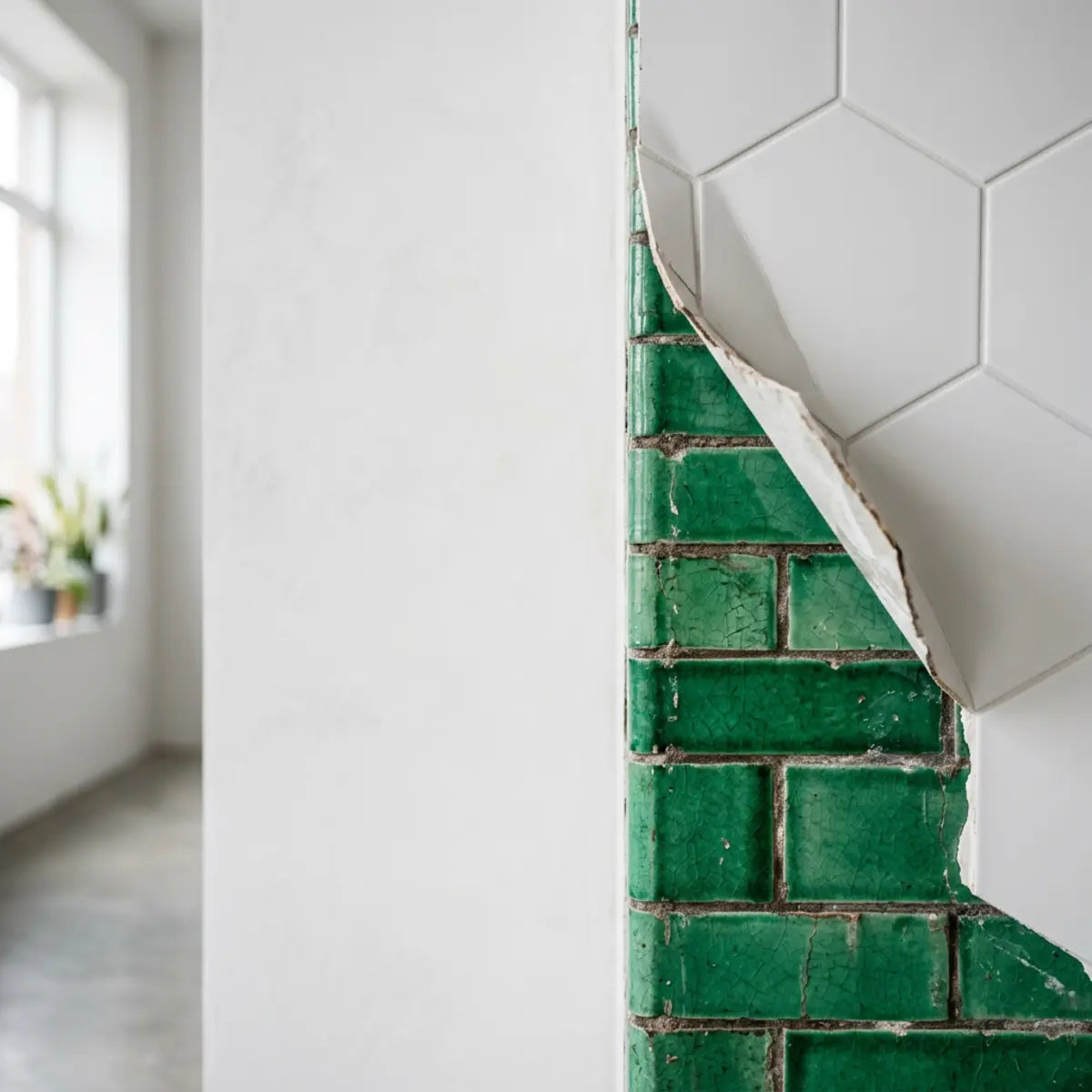
An outdated bathroom can make your daily routine feel frustrating. You want a cleaner, modernized surface, but staring at that 1930s ceramic subway tile creates immediate tension. You recognize its vintage charm, yet it no longer fits your aesthetic. Protecting the original tile is one part of a reversible plan; the Renter-Friendly Tile Guide helps you check permission, test patches, project size, edges, and the eventual removal path.
Explore this guide
The immediate impulse is to tear it down or cover it with heavy-duty adhesives. This approach risks destroying a valuable piece of architectural history. We must reframe this project. This is not a cheap cover-up; it is a preservation layer.
Yes, you can update 1930s subway tile without demolition. However, peel-and-stick should not be applied directly to fragile historic ceramic unless testing proves it is safe. The safer method is a reversible composite overlay. You must document the tile, clean it gently, and isolate adhesives from the original surface. Install removable panels, and leave a removal plan. This approach protects architectural value while giving homeowners, renters, and condo owners a cleaner temporary finish.
Achieving a preservation-first cosmetic update requires discipline. You must avoid direct adhesive on historic glaze where possible. Ultimately, you should judge every method by its reversibility, not its speed.

Never apply any adhesive or composite layer over existing tile if you observe any of the following critical failure points. Doing so will trap moisture and accelerate structural rot.
- Active Leaks: Any dripping from plumbing fixtures or valves.
- Visible Mold: Dark spots in existing grout or caulking joints.
- Loose Tile: Tiles that sound hollow or move when pressed.
- Failing Grout: Powdery or severely crumbling joint lines.
- Rental Restrictions: Ensure your lease allows surface modifications before proceeding.
Why should 1930s subway tile be treated as a protected surface?
Torn between craving a modern bathroom and fearing the destruction of original craftsmanship? This section reveals how to evaluate your existing tile's architectural worth and introduces a protective, preservation-first approach to cosmetic updates.
Interactive Diagnostic: Is Your Tile Safe to Overlay?
Evaluate your current bathroom conditions to determine if a reversible cosmetic update is recommended. Answer honestly to prevent structural damage.
1. Tap firmly on several tiles with the handle of a screwdriver. What sound do you hear?
2. Examine the grout lines around your tub or shower basin closely.
3. Are there any signs of active plumbing issues behind the wall?
Why does vintage ceramic outlast modern alternatives?
Original ceramic tile from the 1920s through the 1940s was manufactured to entirely different standards than today's mass-produced options. The firing processes created incredibly dense, resilient glazes. This intrinsic quality fundamentally mitigates the rapid wear seen in modern equivalents.
The installation methods also differed drastically. Vintage tile was typically "mud-set." Artisans pressed the tiles into a thick bed of wet mortar applied over wire lath. This created a monolithic, rock-solid wall structure that is incredibly difficult—and destructive—to remove.
The National Park Service (NPS) provides strict preservation guidance regarding these original installations. They emphasize retaining and repairing original materials before resorting to replacement. Their guidelines strictly favor reversibility in any rehabilitation treatment.
Think of your original bathroom tile like the dial on a vintage watch. You might swap the leather strap for a modern look, but you never grind down or paint over the original dial. The core value lies in its untouched history.
How do you identify architecturally significant tile features?
Not all old tile immediately reveals its historical value to the untrained eye. However, certain architectural markers indicate a high preservation priority. Recognizing these details ensures you do not inadvertently destroy irreplaceable craftsmanship.
Key Indicators of Historic Value:
- Period-Specific Colors: Pastel pinks, jade greens, and deep burgundies were hallmarks of the 1930s Art Deco movement.
- Specialty Trim Pieces: Look for original cove base tiles at the floor line or curved bullnose trim wrapping around corners.
- Architectural Framing: Black pencil liners, contrasting chair rails, and intricate mosaic border patterns indicate high-end original craftsmanship.
- Crazed Glazes: Fine, web-like cracking under the glaze surface, known as crazing, is a natural aging process. It adds historic character and should not be mistaken for structural failure.
- Mud-Set Installation: If tapping the tile yields a solid, concrete-like sound rather than a hollow echo, it is likely a highly durable mud-set installation.
What are the risks of permanent alteration methods?
Many generic DIY tutorials suggest painting over old tile, applying epoxy coatings, or using heavy construction adhesives for quick updates. These methods yield a deterministic outcome: the permanent destruction of the historic surface beneath.
Epoxy coatings chemically bond with the vintage glaze. Removing them later requires aggressive mechanical sanding or harsh chemical strippers. Both methods will irrevocably scar the original ceramic.
Before you demo, compare cover ceramic tile vs demolish backsplash costs, dust, downtime, and repair risks with our data-led guide.
How does a reversible overlay compare to traditional methods?
This data provides a clear mandate. A reversible overlay strictly adheres to preservation standards. It inherently neutralizes the pain point of living with outdated tile while protecting the historic asset.
How do you prepare historic tile without damaging the glaze or grout?
Worried that prepping your old walls will permanently scar the vintage glaze or crumble the grout? This section outlines a low-impact, museum-inspired cleaning and testing routine to ensure your update is fully reversible.
To prepare historic tile safely, you must abandon aggressive sanding or chemical solvents. Instead, adopt a zero-abrasion routine. This requires archival documentation, pH-neutral cleaning, thorough moisture testing, and strategic adhesive isolation to protect the original glaze and grout.

How do you properly document existing tile for archival purposes?
The first step in a preservation-first update is archival documentation. Before you cover anything, you must create a comprehensive record of the existing historic tile. This serves as a vital resource for future owners, renters, or restoration specialists.
Steps for Archival Documentation:
- 1 Wide-Angle Photography: Capture the entire room to show the tile's relationship to windows, doors, and original plumbing fixtures.
- 2 Detail Shots: Photograph specific architectural elements like pencil liners, cove bases, and unique corner trims.
- 3 Condition Mapping: Take close-up photos of any existing cracks, chips, or areas with missing grout. This proves the damage pre-dated your overlay installation.
- 4 Lighting Techniques: Use a raking light (shining a flashlight parallel to the wall) to capture the subtle texture and crazing of the historic glaze.
- 5 Physical Measurements: Record the dimensions of the subway tile and the width of the grout lines. Store this data in an envelope attached to the home's electrical panel or digital archives.
Always photograph your existing tile immediately before installation. Additionally, photograph the manufacturer labels and barcode of the overlay product you use. Store these images in a cloud folder labeled "Bathroom Reversible Update [Year]." Knowing exactly what adhesive formulation was used makes future non-destructive removal significantly easier.
Proper documentation fundamentally mitigates future disputes in condo buildings or rental units. It provides definitive proof of the wall's condition before you applied the reversible overlay.
What is the safest preservation-grade cleaning routine?
- Step 1: Dry Dusting: Remove all loose surface debris using a microfiber cloth. Do not rub grit into the glaze.
- Step 2: pH-Neutral Cleansing: Use a dedicated, pH-neutral stone and tile cleaner. Mix it strictly according to the manufacturer's technical data sheets.
- Step 3: Soft Agitation: Apply the cleaner with a soft sponge. Never use steel wool, abrasive scrubbing pads, or stiff bristle brushes.
- Step 4: Distilled Water Rinse: Wipe the walls down twice with distilled water to remove any residual soap film. Tap water can leave mineral deposits.
- Step 5: Complete Drying: Allow the wall to dry for a minimum of 48 hours. Any trapped moisture will cause the overlay to fail and breed mold in the historic grout.
Crucial Warning: Historic bathrooms often contain hidden hazards. Lead paint is frequently found on older window trim abutting the tile. Asbestos can be present in older mastics or backing materials. Never sand, scrape, or forcefully chip away existing materials without professional testing.
How do you perform a non-destructive adhesion test?
Before committing to a full wall installation, you must establish an empirical baseline for adhesive compatibility. Not all peel-and-stick products react the same way to vintage glaze. A dry test is mandatory.
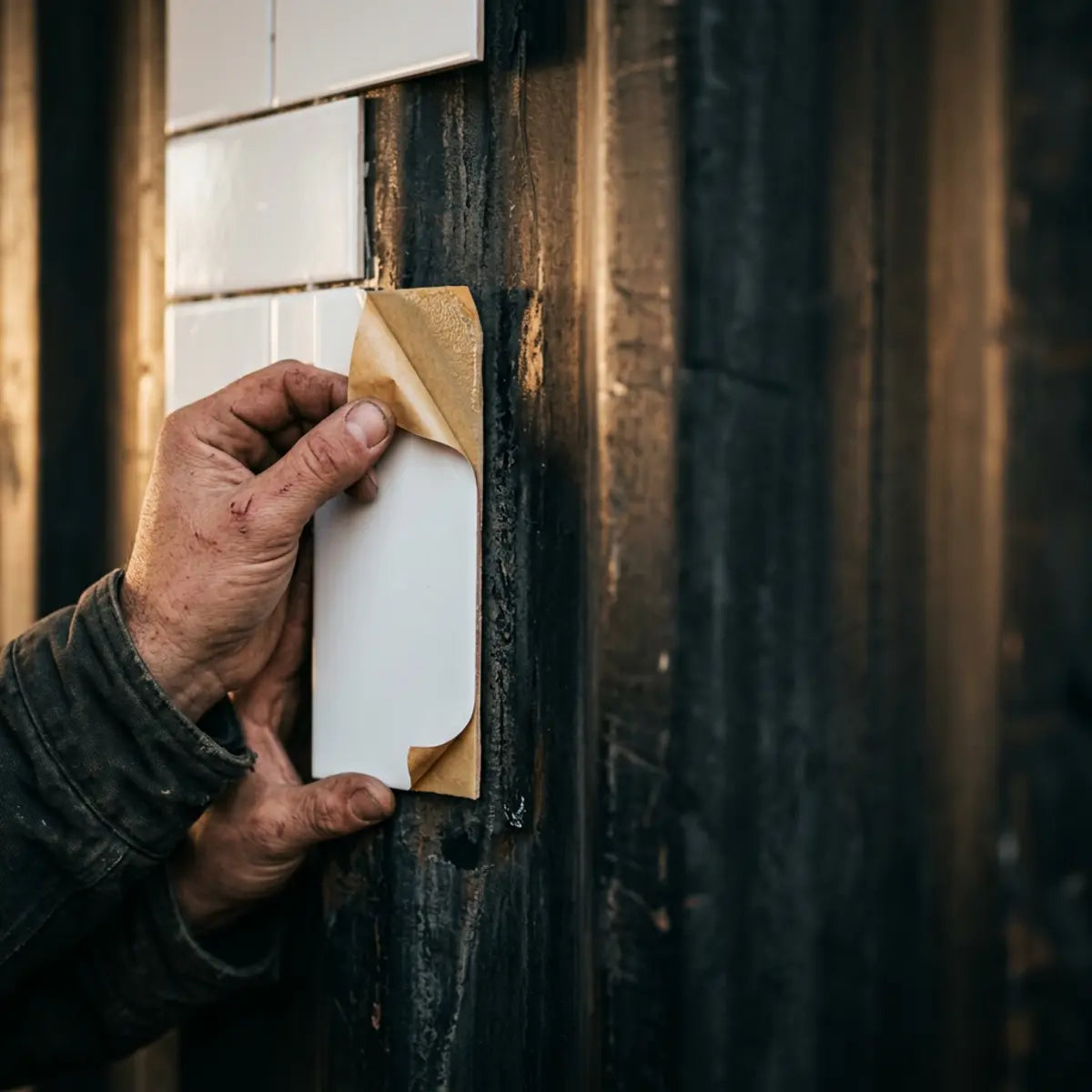
Select an inconspicuous area of the tile, such as behind the toilet or near the floorboard. Apply a small section of your chosen overlay material. Press it firmly according to the manufacturer's instructions.
Leave the test patch in place for 72 hours. During this time, observe if the edges lift or if the bathroom humidity causes it to slide. This calibrates the output expectations for the full installation.
Tested on fragile plaster walls: learn how to remove peel and stick tile safely, avoid cracks, and know when to stop DIY work.
How do you isolate adhesives from the original surface?
If your adhesion test shows that a standard peel-and-stick backing is too aggressive for your crazed historic glaze, you must introduce a barrier layer. Isolating the adhesive is the most advanced preservation technique available.
Dark paint showing through peel and stick tile? Learn the best primer, barrier, and install steps to stop bleed-through before you buy.
How do you map seams, edges, and future removal points?
A successful reversible overlay requires meticulous planning. You are not just planning the installation; you are engineering the future removal process. You must map out every seam, edge, and penetration point.
Strategic Mapping Steps:
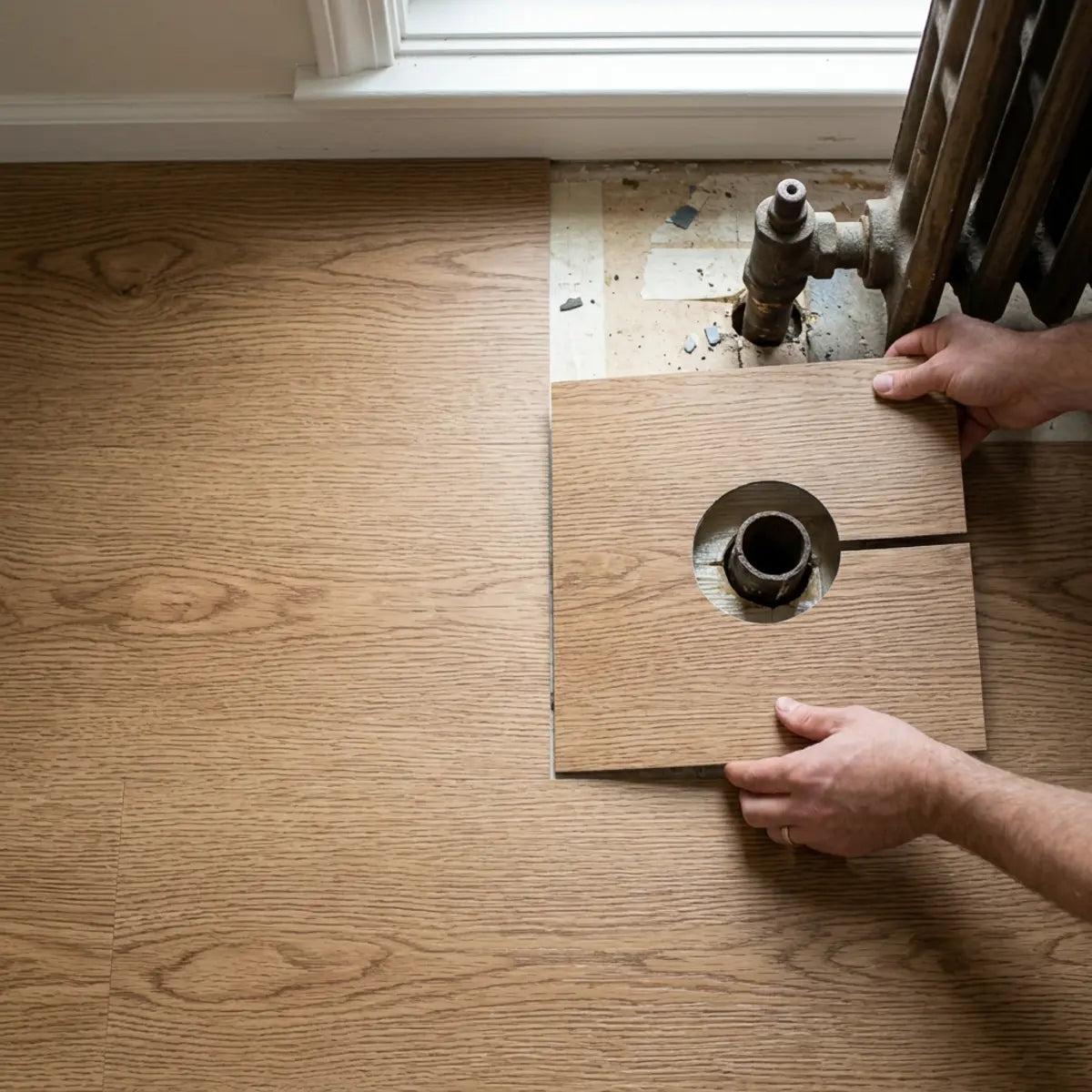
- Plumbing Penetrations: Create precise templates around showerheads, escutcheon plates, and faucets. Never caulk the overlay directly to historic plumbing fixtures.
- Edge Terminations: Plan how the overlay will end. Use removable edge trim rather than permanent silicone caulk to finish exposed sides.
- Removal Anchors: Designate specific corner tiles as "pull points." Leave a tiny, un-adhered tab behind the top corner of the overlay to facilitate easy peeling years down the line.
Hate your outdated bathroom tiles? Discover renter-friendly and budget ways to cover old tiles without damage. Start your makeover today!
Planning these details ensures the project remains a non-invasive surface update. If you need broader strategies for managing a tight budget while executing this plan, the comprehensive framework detailed in How to Cover Outdated Bathroom Tiles on a Budget provides the baseline necessary to implement cost-effective, without wall damage updates.
What are the best composite materials for a reversible overlay?
Selecting the correct material for your overlay is critical. You need a product that offers structural stability, realistic texture, and a preservation-safe adhesive backing. Flimsy vinyl decals will not provide the durability needed for a bathroom environment.
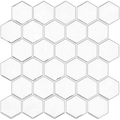
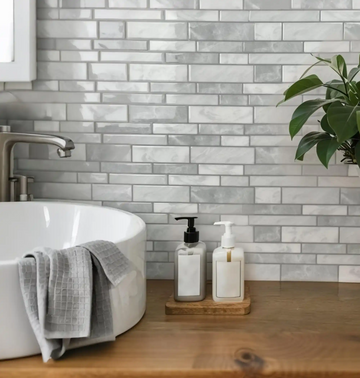
Transform your home effortlessly with Dual Ceramics Peel and Stick Wall Tiles. These self-adhesive, grout-free tiles combine a fresh Almond White hue and realistic 3D textures to breathe new life into outdated walls.
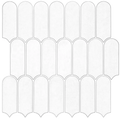
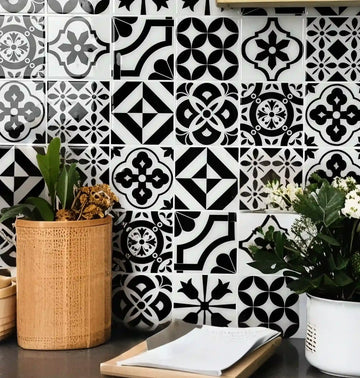
Upgrade your home with the Retro Retreat Moroccan Collection peel and stick tiles. These self-adhesive, grout-free tiles offer a stylish, vintage look, perfect for transforming your kitchen backsplash, bathroom walls, or any personalized space.
Tired of outdated bathroom tile? Learn how to apply peel and stick tiles directly over existing surfaces for a fast, budget-friendly refresh. Get our guide.
Tested on real 1970s wood paneling, this guide shows what prep makes peel and stick tile hold. See the results and install with confidence.

Final Thoughts
Frequently Asked Questions
Will peeling off the overlay pull out my 1930s grout?
If your vintage grout is already crumbling or powdery, any adhesive overlay poses a significant risk of pulling it out upon removal. You must conduct a structural assessment first. If the grout is failing, it requires professional repointing before any temporary covering is applied to ensure structural stability.
Can I install an overlay if my historic tile has existing moisture damage?
No. You must never hide active leaks, mold, or persistent moisture issues under a composite overlay. Trapping moisture against historic ceramic and plaster will accelerate structural failure and rot. You must resolve all plumbing and ventilation issues completely before applying any cosmetic surface treatments.
How long can a reversible overlay safely stay on historic tile?
Is it safe to use a hairdryer or heat gun to remove the overlay later?
Using gentle heat is often required to soften adhesives for removal. However, you must use extreme caution with 1930s ceramic. Sudden, concentrated heat can shock the vintage glaze, causing it to crack or shatter. Always use the lowest heat setting and keep the heat source moving constantly.
Decide whether the existing tile should be treated as historic material
Age alone does not determine significance, and a decorating article cannot assign a numerical preservation value to a wall. Start by documenting what is known: approximate installation date, tile type, pattern, manufacturer marks if visible, previous repairs and whether the room or property has recognized historic status. National Park Service preservation guidance emphasizes retaining significant historic materials and using informed maintenance and repair. If the tile may be important, consult the property owner or an appropriate preservation professional before attaching anything to it.
Photograph the whole wall and close details of glaze, grout, cracks, edge pieces and prior alterations. Do not scrub, sand or chemically strip the surface merely to improve adhesion. A reversible project should begin with the least intervention needed to understand the condition of the material.
Inspect condition before considering any overlay
An overlay should not become a way to ignore loose tile, hollow areas, active cracks, crumbling grout, staining, corrosion at fixtures or recurring moisture. Mark each defect on a simple wall sketch. If a piece moves, the substrate is damp or a crack appears active, stop and investigate the underlying condition. Covering a problem can make later diagnosis harder and may trap evidence of continued change.
EPA moisture guidance is relevant when the wall shows dampness or recurring mold: the water source needs attention first. A decorative layer is not remediation. Around tubs, showers and sinks, identify whether the existing tile is part of a larger water-management system and keep serviceable joints and penetrations accessible.
Use preservation guidance as a caution, not a product approval
National Park Service Preservation Brief 40 discusses historic ceramic tile primarily in flooring, but its larger lesson is useful: historic tile can have material and design significance, and maintenance or repair should avoid unnecessary damage. That guidance does not approve a self-adhesive overlay on a particular wall, grout or glaze. Product compatibility still has to be established for the actual surface.
When the property is formally historic or a tax-credit project, additional review can apply. Do not treat a consumer decorating method as a substitute for preservation requirements, code review or professional conservation advice. A temporary-looking intervention can still alter glaze, grout, previous repair material or the perception of an important interior.
Clean only to the level supported by the original surface
Historic glaze and grout can have unknown composition, prior sealers and accumulated repairs. Begin with the gentlest method appropriate to the documented material and stop if color, gloss, grout or surface texture changes. Do not assume a modern degreaser, deglosser, acid, abrasive pad or solvent is harmless because it is common in new-tile installation tutorials.
If stronger cleaning appears necessary for adhesion, that may be a sign the overlay is not the right intervention. Ask whether the visual goal can be achieved with furniture, textiles, removable panels mounted elsewhere or another treatment that avoids direct adhesive contact with the historic surface.
Treat a test patch as evidence with strict limits
A small, permitted test can show how the proposed product contacts one area of the wall and whether removal causes an immediate visible reaction. Record the exact preparation, product, date, temperature and location. Use the manufacturer removal method and inspect both tile and grout afterward. The observation is local and short-term; it cannot predict what will happen after years of aging, heat, humidity or cleaning.
If the test changes gloss, pulls grout, leaves residue or reveals unstable material, stop. Do not escalate to more heat, stronger solvent or greater force simply to make the test pass. A failed compatibility test is useful information that can prevent a larger intervention.
Plan seams, edges and penetrations for future removal
Map the overlay as separate pieces that can be identified later. Avoid hiding fixture screws, access panels, trim fasteners, valves or electrical service points. At corners and exposed edges, use only a finishing method compatible with both the overlay and the preservation goal. Permanent construction adhesive, aggressive sealant or mechanical fasteners can undermine the reason for choosing a temporary surface in the first place.
Label spare pieces and store the current product instructions. If several products or lots are used, record where each one went. Future removal becomes safer when the next person knows what is on the wall and where the original surface changes beneath it.
Write the removal protocol before the installation protocol
Before applying the first piece, identify who is responsible for removal, which manufacturer method will be used, what conditions would trigger a stop and who should be consulted if the original surface begins to change. Build enough time into the schedule to remove a small area first and reassess. Rushing an older surface at the end of a lease or renovation is the opposite of a reversible strategy.
After removal, compare the wall with the original photographs under similar lighting. Look for changed gloss, residue, grout loss, loosened pieces or newly visible cracks. Preserve the before-and-after record even when the result appears good; it can guide maintenance or later treatment.
Use a decision tree instead of an invented preservation score
Proceed only when the owner permits the work, the surface is stable and dry, the exact overlay is compatible with the documented surface, important features remain accessible and the removal plan is acceptable. Pause for specialist advice when the tile is rare, formally significant, fragile, previously repaired or part of a complex wet-area assembly. Choose another decorating route when the project depends on aggressive cleaning, permanent adhesive or covering an unresolved defect.
This approach is less dramatic than a proprietary index, but it is more useful. It keeps evidence tied to the actual tile, the actual product and the actual property. The goal is not to prove that an overlay is universally reversible; it is to make the smallest informed change while preserving the ability to inspect, maintain and, when appropriate, recover the older surface.
Create a preservation handover for the next owner or contractor
Store the before photographs, product name, installation date, cleaning method, test-patch result and removal plan together. Mark any original crack, replacement tile or fragile grout area on the wall sketch. If the overlay remains for several years, this record prevents a future owner from assuming the concealed surface was uniform or from using an aggressive removal method because the original material is no longer visible.
A reversible intervention is partly an information-management project. The physical layer may be temporary, but the next person needs to know what was covered, how it was prepared and what conditions were observed. That record has more preservation value than a proprietary score because it can be checked against the actual wall.
Separate cosmetic reversibility from material conservation
An overlay can be removable in the sense that the added layer comes off, yet still leave residue, altered gloss, grout loss or stress on an older substrate. Preservation planning therefore asks a narrower question than ordinary renter decor: can the new intervention be removed without unacceptable change to the significant existing material? The answer depends on the exact ceramic, grout, previous coatings and adhesive rather than the marketing category of the overlay.
When that question cannot be answered with a limited test and appropriate expertise, choose a method that avoids direct contact with the historic surface. A freestanding screen, furniture-backed panel or other independent decorative element may meet the visual goal while keeping the original tile available for inspection and maintenance.
One final question before covering older tile
Ask whether the cosmetic benefit is worth placing adhesive in direct contact with this particular older surface. If the tile is significant, fragile or poorly documented, the least invasive option may be to leave it exposed and change the room around it instead.
If the overlay proceeds, keep the before record, sample result, product instructions and removal plan together. Future reversibility depends as much on that information as on the physical layer.
Keep the decision reversible too
If new evidence changes the preservation assessment before installation, be willing to cancel the overlay. A reversible project should include the option not to proceed when the original surface proves more important or fragile than expected.
Sources and scope
- National Park Service: Preservation Briefs — Preservation-planning context; not a warranty for applying adhesive products to historic tile.
- NPS Preservation Brief 40: Preserving Historic Ceramic Tile Floors — Historic ceramic-tile preservation and maintenance context; the brief focuses primarily on floors.
- US EPA: A Brief Guide to Mold, Moisture and Your Home — Moisture-control guidance; not approval of a wall covering or waterproof assembly.
- 3M: Applying VHB Pressure-Sensitive Tape — General surface-preparation principles for named 3M tapes; not Stickwoll specifications.


Leave a comment
This site is protected by hCaptcha and the hCaptcha Privacy Policy and Terms of Service apply.