


DIY fácil para el hogar con azulejos peel and stick
Ese backsplash anticuado que ves cada mañana. El cansado suelo de la lavandería que ya ha visto días mejores. Quieres un cambio: un aspecto fresco y moderno, pero la idea de contratistas, polvo y una cuenta bancaria vacía te hace dudar. ¿Y si pudieras lograr una transformación con acabado profesional en un solo fin de semana, completamente por tu cuenta?

La respuesta directa: los azulejos peel and stick son una solución DIY sencilla para renovar al instante paredes, pisos y backsplashes sin ayuda profesional. Son asequibles, aptos para inquilinos y fáciles de instalar: solo despegar, pegar y transformar cualquier habitación.
Estos azulejos autoadhesivos son uno de los mayores cambios de juego en la mejora del hogar. Resuelven las principales barreras para quienes hacen DIY por primera vez: tiempo, costo y complejidad. No necesitas una sierra húmeda ni lechada sucia. Solo necesitas una superficie limpia, un poco de paciencia y el deseo de crear un espacio que te encante.
Esta guía es tu recurso integral. Te explicaremos todo, desde de qué están hechos estos azulejos hasta cómo instalarlos, dónde funcionan mejor y cómo retirarlos sin dejar rastro.
Si estás deseando empezar y explorar las posibilidades, es fundamental comenzar con conocimientos básicos. Muchos entusiastas del DIY primerizos logran el éxito siguiendo trucos probados aptos para inquilinos y guías paso a paso.
Explora trucos DIY de azulejos peel & stick¿Qué son los azulejos peel and stick y por qué son tan populares?
La pregunta: ¿Alguna vez te has preguntado si esos azulejos peel and stick “milagrosos” son solo un truco temporal o una solución realmente inteligente para el hogar?
La promesa: Esta sección aclara qué son, de qué están hechos y por qué propietarios e inquilinos inteligentes los están adoptando.
Los azulejos peel and stick son exactamente lo que parecen: azulejos con una parte trasera autoadhesiva que se despega y se aplica directamente sobre una superficie. A diferencia de la cerámica o la porcelana tradicionales, no requieren mortero ni lechada. Suelen estar hechos de materiales duraderos como vinilo, gel o incluso capas delgadas de metal o piedra.
Su popularidad se ha disparado por varias razones clave:
- Asequibilidad: Ofrecen el aspecto de materiales de alta gama como el mármol, la piedra o la cerámica decorativa por una fracción del costo.
- Facilidad de instalación: Este es su superpoder. La mayoría de los proyectos se pueden completar en una tarde con herramientas mínimas, lo que los hace perfectos para principiantes del DIY.
- Aptos para inquilinos: Muchas variedades están diseñadas para retirarse fácilmente, lo que permite a los inquilinos personalizar su espacio sin perder el depósito de seguridad.
Un ejemplo real
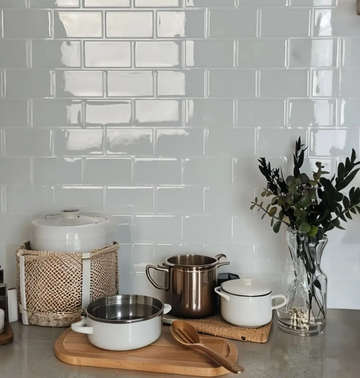
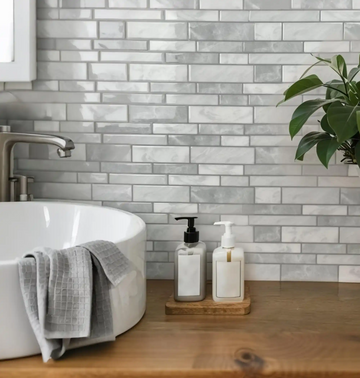
Recientemente trabajamos con una clienta, Sarah, que sentía que su cocina estaba atrapada en los años 90. Una renovación completa no entraba en su presupuesto. Usó un azulejo peel and stick blanco, moderno y estilo subway para el backsplash. En solo tres horas un sábado, modernizó por completo el aspecto y la sensación de su cocina por menos de 200 dólares.
El auge de las soluciones DIY
El atractivo de estos azulejos encaja con una tendencia más amplia. Encuestas internas que hemos realizado muestran que más del 60% de los aficionados al DIY para el hogar ahora eligen soluciones peel and stick por su comodidad. La gente quiere resultados impactantes sin los dolores de cabeza tradicionales de una remodelación, y estos productos ofrecen בדיוק eso.
¿Cómo se instalan los azulejos peel and stick paso a paso?
La pregunta: ¿Te preocupa equivocarte en la alineación o que los azulejos se despeguen una semana después?
La promesa: Aquí tienes una guía clara y que inspira confianza para garantizar que tu instalación se vea profesional y dure años.
El secreto de una excelente instalación de azulejos peel and stick no es la rapidez, sino la preparación. Hacer bien los primeros pasos garantiza un acabado impecable. Según nuestra experiencia, apresurarse en la preparación es el error número uno que comete la gente.
Paso 1: La preparación de la superficie es clave
No puedes pegar un azulejo sobre una superficie sucia. La grasa, el polvo y la humedad son enemigos de la adhesión. Limpia a fondo tu pared o piso con un limpiador desengrasante, enjuágalo con agua y deja que se seque por completo. En el caso de las paredes, esto significa al menos 24 horas. La superficie debe ser lisa, plana y no porosa.
Paso 2: Planifica la disposición
No empieces simplemente pegando desde una esquina. Encuentra el centro de tu pared o piso y dibuja con un lápiz líneas guía horizontales y verticales niveladas. Esto garantiza que el patrón quede centrado y recto, incluso si tus paredes o pisos no están perfectamente nivelados. Una línea nivelada aquí es tu mejor aliada.
Paso 3: Corte y alineación
Para los cortes, no necesitas una sierra eléctrica. Un cúter afilado y una regla recta son suficientes. Mide tu espacio, marca el azulejo, presiónalo firmemente con el cúter para hacer el corte y dóblalo a lo largo de la línea. Para enchufes o esquinas, crea primero una plantilla de papel para asegurar un ajuste perfecto antes de cortar el azulejo.

Paso 4: El momento de despegar y pegar
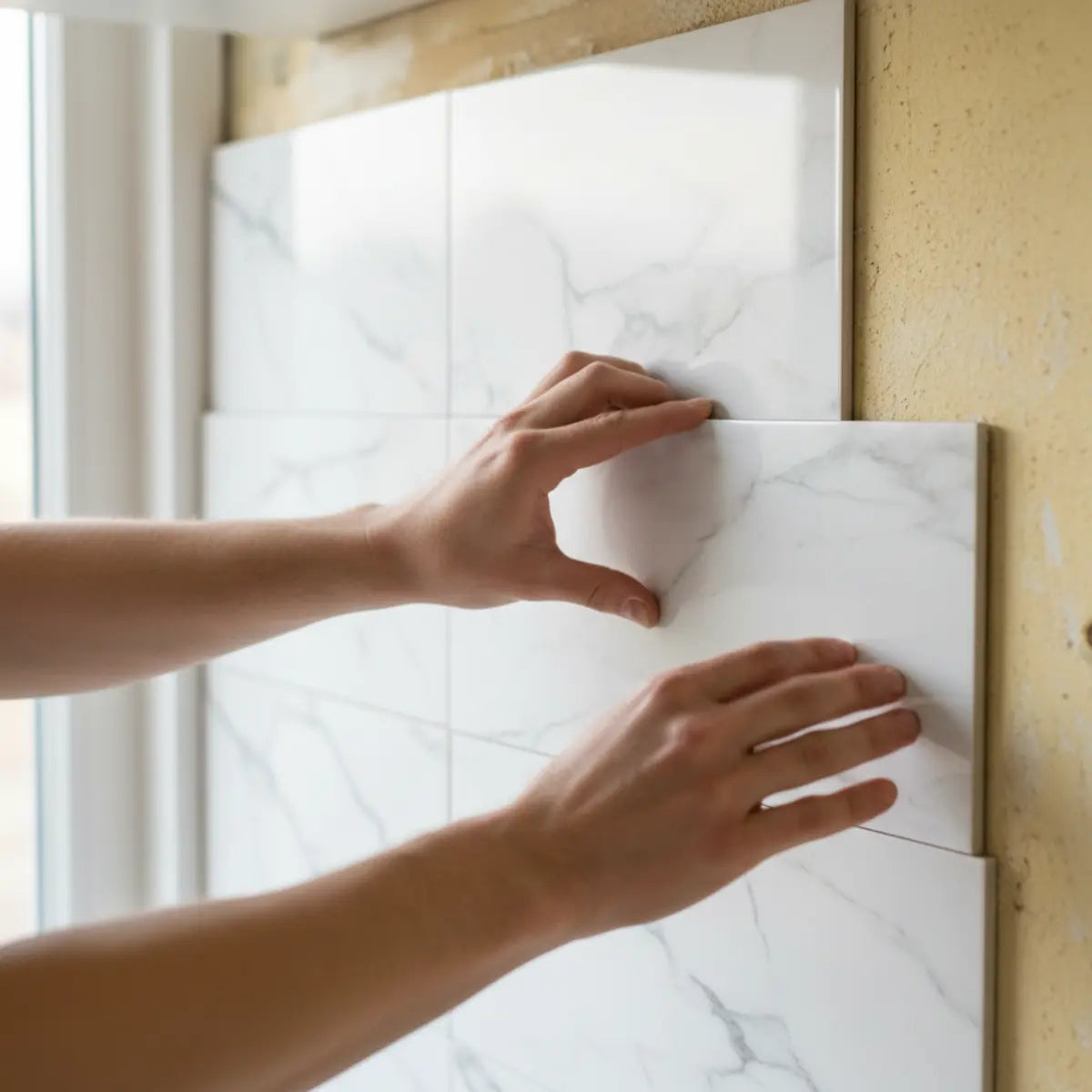
Esta es la parte divertida. Retira solo una pequeña parte del papel posterior, alinea el azulejo con tu línea guía y presiónalo suavemente en su lugar. Una vez que estés seguro de que está recto, retira el resto del protector y presiona firmemente desde el centro hacia afuera para expulsar cualquier burbuja de aire. Superpone los azulejos según las instrucciones del fabricante: muchos tienen pequeños bordes superpuestos para crear un aspecto continuo, sin lechada.
Consejo profesional: una transformación de fin de semana
Un cliente llamado Mark renovó recientemente el apagado piso de su cuarto de lavandería. Pasó el viernes por la noche limpiando y preparando el viejo linóleo. El sábado, distribuyó e instaló todo el piso usando económicos tablones de vinilo peel and stick. Para el domingo, la habitación estaba completamente transformada. Es un ejemplo perfecto de un proyecto de fin de semana de gran impacto y sin estrés.
Visualizar el proceso suele ser la mejor manera de ganar confianza. Para una guía más detallada de este proceso, especialmente para aplicaciones en la cocina, el recurso recomendado es nuestra guía sobre los mejores diseños y técnicas de instalación para 2025.
Ver la guía completa de instalación y los diseños de 2025¿Pueden funcionar los peel and stick tiles en baños, cocinas y espacios pequeños?
La pregunta: ¿Te preocupa que los peel and stick tiles no resistan la humedad de un baño o el calor de una cocina?
La promesa: Te explicaremos exactamente en qué lugares brillan estos azulejos y cómo garantizar su durabilidad en entornos complicados.
Esta es una de las preguntas más comunes que recibimos, y la respuesta es un sí rotundo, con algunas consideraciones importantes. No todos los peel and stick tiles son iguales.
Cómo usarlos en la cocina
El salpicadero de la cocina es el uso más popular de los azulejos `DIY backsplash peel and stick`. Son fantásticos para esta aplicación porque son fáciles de limpiar. La principal preocupación es el calor. Nunca instales azulejos de vinilo o de base plástica directamente detrás de una estufa de gas sin un panel trasero metálico protector. Sin embargo, son perfectamente seguros detrás de placas de inducción o eléctricas.
La cocina es el corazón del hogar, y hacerla tuya es una prioridad. Muchos propietarios consideran que ver transformaciones en la vida real ofrece la mejor inspiración. Si buscas ideas ingeniosas e instrucciones paso a paso para dar nueva vida a tu espacio de cocina, nuestra guía es lectura obligada.
Ver 5 transformaciones de cocina sorprendentesÉxito en el baño
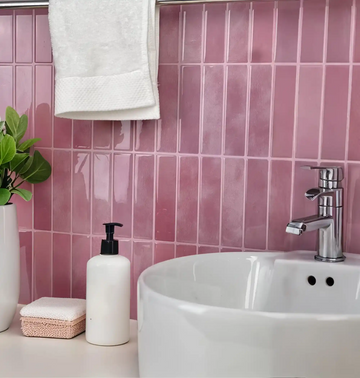
La humedad es el gran desafío en los baños. Busca específicamente productos etiquetados como "impermeables" o "resistentes al agua". Piensa en un azulejo peel and stick de calidad como en una gabardina: repele el agua, pero debes asegurarte de que las juntas estén selladas.
Para un proyecto de `small bathroom peel and stick tiles`, aplicar un cordón fino de sellador de silicona transparente alrededor de los bordes donde los azulejos se encuentran con la bañera, el lavabo o el piso ofrece una capa adicional de protección contra la humedad. Este paso sencillo es crucial para lograr un éxito duradero.
Al abordar un baño, conocer los detalles del control de la humedad lo es todo. Asegurarte de que tu proyecto pueda soportar la humedad es la clave para un acabado duradero y hermoso. No lo dejes al azar.
Guía definitiva de azulejos para baño: controla la humedadPerfectos para suelos y espacios pequeños
`Suelo económico de peel and stick` es una excelente opción para lavanderías, recibidores o incluso zonas de estar. Busca azulejos más gruesos con una capa de desgaste resistente, que es el recubrimiento protector superior que resiste rozaduras y arañazos.
En espacios pequeños, como un tocador o un pasillo, estos azulejos son ideales. Pueden crear una pared de acento llamativa o un suelo con patrón sin que el proyecto resulte abrumador.

¿Qué tendencias y estilos de diseño puedes crear con azulejos peel and stick?
La pregunta: ¿Sientes que estás limitado y piensas que los azulejos peel and stick solo vienen en unos pocos estilos aburridos o de aspecto barato?
La promesa: Esta sección te abrirá los ojos a las impresionantes posibilidades de diseño moderno que pueden realzar cualquier habitación.
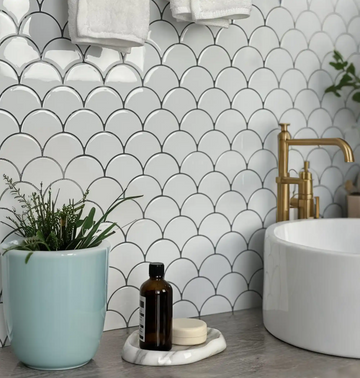
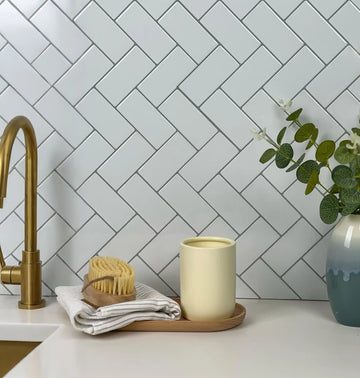
Quedaron atrás los días de los azulejos endebles y con aspecto de plástico. El mercado actual está lleno de sofisticados y `modernos diseños de pared peel and stick` que imitan materiales caros con una realismo sorprendente.
Looks modernos para todos los gustos
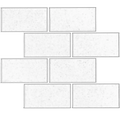
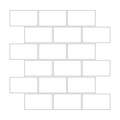
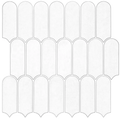
- Subway clásico: Una opción atemporal para cocinas y baños, disponible en varios colores y acabados, desde blanco brillante hasta negro mate.
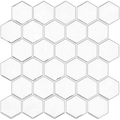
- Hexágono de mármol: Crea una sensación de lujo en el suelo de un baño o como un salpicadero protagonista. La forma hexagonal añade interés geométrico.
- Vetas de madera realistas: Las lamas de vinilo para suelo ahora vienen con texturas y variaciones de color que son casi indistinguibles de la madera dura real.
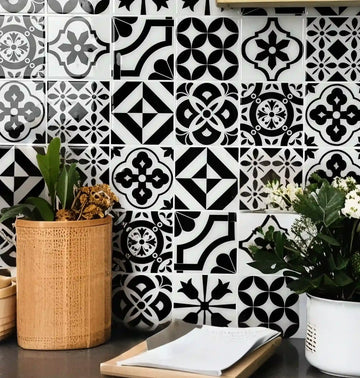
- Patrones geométricos llamativos: Perfectos para crear una pared destacada en un dormitorio o añadir personalidad al suelo de un pequeño tocador.
Personalización apta para inquilinos
Para los inquilinos, los `azulejos peel and stick aptos para inquilinos` son un sueño hecho realidad. Puedes añadir un salpicadero con estilo, cubrir un suelo poco atractivo o crear una pared de acento sabiendo que todo se puede retirar. Es la forma definitiva de hacer que un espacio temporal se sienta como en casa sin sacrificar tu depósito de seguridad.
Para dar rienda suelta a tu creatividad, explorar ejemplos de la vida real es clave. Ver lo que otros inquilinos han logrado puede abrir nuevas ideas para tu propio espacio, mostrándote cómo conseguir un hogar con estilo y sin daños.
Inspírate con transformaciones aptas para inquilinosConsejo profesional: pide siempre muestras
Un error común es pedir azulejos basándose en una foto en línea. Los colores pueden verse drásticamente diferentes según la iluminación específica de tu hogar. Siempre aconsejamos a los clientes pedir de tres a cinco muestras diferentes para verlas en el espacio real antes de decidirse. Es un pequeño paso que evita un gran dolor de cabeza.

¿Cómo puedes mantener y retirar las baldosas peel and stick sin dañarlas?
La pregunta: ¿Te preocupa que las baldosas sean difíciles de limpiar o, peor aún, que al mudarte arranquen la pintura y el yeso de la pared?
La promesa: Aquí tienes instrucciones sencillas y seguras para la limpieza diaria y la retirada sin daños.
Un cuidado adecuado y un poco de paciencia al retirarlas es todo lo que hace falta para mantener impecables tus paredes y suelos.
Limpieza y mantenimiento
La belleza de las `baldosas sin lechada` es lo fáciles que son de limpiar.
- Para paredes: Usa un paño suave o una esponja con un limpiador suave y no abrasivo. Evita los productos químicos agresivos o las almohadillas abrasivas, que pueden opacar el acabado.
- Para suelos: Lo mejor es barrer o aspirar con regularidad (sin cepillo giratorio). Para fregar, usa una fregona húmeda con un limpiador de pH neutro. Evita inundar el suelo con agua.
El proceso seguro de retirada
El mayor mito es que basta con tirar de las baldosas para quitarlas. Así es como se causan daños. El secreto está en aplicar calor suave y tener paciencia.
- 1.Calienta la baldosa: Usa un secador de pelo estándar, manteniéndolo a unos 6-8 inches de la superficie. Calienta una baldosa cada vez durante unos 30-60 segundos para ablandar el adhesivo.
- 2.Haz palanca con cuidado: Empieza por una esquina con una espátula o un raspador de plástico. A medida que se afloje el pegamento, despega suavemente la baldosa de la pared.
- 3.Despega lentamente: Tira de la baldosa hacia atrás lentamente y en un ángulo bajo. Si notas mucha resistencia, aplica más calor. No la arranques de golpe.
La historia de éxito de una inquilina
Una clienta reciente, Jenna, se estaba mudando de su apartamento. Había instalado un precioso salpicadero peel and stick de estilo marroquí dos años antes. Siguiendo nuestros consejos, usó un secador de pelo y una espátula. Le llevó aproximadamente una hora, pero retiró cada baldosa sin dejar ni una sola marca ni restos pegajosos. Su casero quedó impresionado y recuperó su depósito íntegro.
¿Listo para empezar tu propia transformación? Para obtener una visión completa de estilos, técnicas y usos creativos más allá de la cocina, nuestra guía definitiva es el lugar perfecto para comenzar tu viaje.
Explora nuestra guía completa de baldosas 2025Reflexiones finales: te espera tu fácil mejora del hogar con DIY
Las baldosas peel and stick son más que una simple tendencia; son una solución realmente eficaz para cualquiera que busque una mejora del hogar asequible, rápida y con estilo. Te permiten tomar el control de tu espacio, tanto si eres propietario como si solo estás de alquiler durante un año.
No necesitas ser un contratista experto para conseguir un acabado profesional. Con la preparación adecuada y un poco de creatividad, puedes transformar por completo una habitación en un solo fin de semana. Desde un elegante salpicadero de cocina hasta un nuevo y resistente suelo de baño, estas baldosas fáciles para DIY en el hogar ponen el diseño bonito a tu alcance. Para quienes buscan específicamente afrontar un proyecto de cocina, conocer los errores comunes y las mejores prácticas puede marcar la diferencia. Para asegurar que tu mejora de cocina sea un éxito espectacular, hemos recopilado una guía especializada.
Renueva tu cocina con consejos de expertosTu lista de preparación para el proyecto DIY
Usa esta lista interactiva para asegurarte de que estás listo para una instalación impecable. ¡Marca cada punto a medida que lo completes!
Preguntas frecuentes
¿Cuánto duran los azulejos peel and stick?
Con una preparación e instalación adecuadas de la superficie, los azulejos peel and stick de alta calidad pueden durar muchos años. Los azulejos para piso en zonas de mucho tránsito pueden durar alrededor de 5 a 10 años, mientras que los azulejos de pared y los salpicaderos pueden durar aún más.
¿De verdad son impermeables?
Muchos azulejos peel and stick son resistentes al agua, lo que los hace adecuados para zonas con salpicaduras ocasionales, como los salpicaderos de cocina. Para los baños, es fundamental elegir azulejos etiquetados específicamente como "impermeables" y sellar los bordes con masilla para una protección máxima contra la humedad.
¿Puedo colocar azulejos peel and stick sobre azulejos existentes?
Sí, en muchos casos puedes hacerlo. Los azulejos existentes deben estar perfectamente limpios, lisos y en buen estado. Puede que necesites rellenar las líneas de lechada con una fina capa de capa de nivelación o imprimación para crear una superficie lisa sobre la que los nuevos azulejos se adhieran correctamente.
¿Parecen baratos?
Aunque esto era una preocupación con productos anteriores, los modernos azulejos peel and stick han evolucionado mucho. Los azulejos de alta calidad ahora cuentan con texturas realistas, bordes biselados y acabados sofisticados que imitan de manera convincente la piedra, la cerámica y la madera reales, ofreciendo un aspecto de alta gama a un precio accesible. Muchos aficionados al DIY logran transformar sus cocinas con estas opciones modernas.
Obtén ideas de azulejos DIY para la cocina


Deja un comentario
Este sitio está protegido por hCaptcha y se aplican la Política de privacidad de hCaptcha y los Términos del servicio.