






Renovaciones ligeras para RV para reducir el peso de remolque
Imagina que preparas una mochila para una caminata de diez millas. No la cargarías con ladrillos si pudieras llevar plumas, ¿verdad? Sin embargo, muchos propietarios de RV hacen exactamente eso sin darse cuenta durante las renovaciones. Sustituyen interiores anticuados por materiales residenciales pesados como drywall, roble macizo y baldosas cerámicas. El resultado es una unidad que se ve hermosa, pero es peligrosa de remolcar y costosa de combustible.

Renovar tu RV sin añadir peso de remolque es posible seleccionando materiales ligeros como paneles compuestos, placas de espuma de PVC y estructuras de aluminio. Centrarse en materiales que equilibren durabilidad y reducción de peso garantiza seguridad, mejor eficiencia de combustible y un rendimiento de remolque superior.
En esta guía, cubriremos tres áreas críticas para ayudarte a dominar el arte de la remodelación ligera:
- ✓ Ciencia de los materiales: Por qué elegir compuestos en lugar de madera ahorra cientos de libras.
- ✓ Métricas de seguridad: Entender cómo la distribución del peso afecta tu chasis.
- ✓ Diseño estratégico: Cómo lograr un aspecto moderno usando métodos eficientes en peso.
¿Por qué deberían preocuparse los propietarios de RV por el peso durante la renovación?
La preocupación: ¿Alguna vez has sentido que el remolque se balancea ligeramente cuando pasa un camión semirremolque, dejándote los nudillos blancos sobre el volante?
La solución: Esta sección explica la física del peso de remolque para ayudarte a evitar daños en el chasis y mantener a tu familia segura en la carretera.
El peso no es solo un número en la báscula; es el factor más crítico para la seguridad y el rendimiento de un RV. Cuando modificamos un RV, estamos alterando los parámetros de ingeniería establecidos por el fabricante. Ignorar estos límites puede provocar fallos mecánicos catastróficos.
La física del remolque y la eficiencia de combustible
Cada libra añadida a tu RV requiere más energía para moverla. Esto es física básica: la segunda ley de Newton. Cuanto más pesado es el objeto, más fuerza se necesita para acelerarlo. Para un propietario de RV, esto se traduce directamente en consumo de combustible.
Según nuestra experiencia analizando métricas de remolque, existe una correlación directa entre el exceso de peso y la eficiencia de combustible. Una regla general en la industria automotriz sugiere que por cada 100 libras de peso adicional, la eficiencia de combustible puede disminuir en 1-2%.
¿A quién no le entusiasma una renovación elegante de la cocina sin gastar una fortuna? Si eres como yo, apasionado por los proyectos de bricolaje pero consciente del gasto, ¡sigue leyendo! Estudios recientes muestran que una remodelación de cocina puede ofrecer un retorno de la inversión de hasta 80%. En este artículo, compartiré mejoras fáciles por menos de $100 usando baldosas adhesivas y revelaré secretos de expertos para una impresionante renovación de cocina con presupuesto ajustado en nuestra guía sobre Cómo mejorar la cocina con presupuesto ajustado en 2025.
Capa de densidad: el ejemplo de 300 libras
Considera un escenario en el que un renovador de bricolaje reemplaza los armarios de aglomerado por madera maciza. Podría añadir inadvertidamente 300 libras a la unidad.
- El resultado: Ese aumento de 300 libras obliga al motor del vehículo remolcador a trabajar más, especialmente en las pendientes.
- El costo: Podrías ver una reducción de 3–5% en millas por galón (MPG). En un viaje por carretera de 2,000 millas de costa a costa, esa ineficiencia se traduce en costos de combustible extra significativos.
Entender el GVWR y la integridad estructural
Para renovar con seguridad, debes entender de inmediato dos términos técnicos.
- GVWR Peso bruto vehicular máximo: El peso/masa máxima de operación de un vehículo según lo especificado por el fabricante, incluido el chasis, la carrocería, el motor, los fluidos del motor, el combustible, los accesorios, el conductor, los pasajeros y la carga, pero excluyendo la de cualquier remolque.
- GAWR Peso bruto máximo por eje: El peso distribuido máximo que puede soportar un eje de un vehículo de carretera.
Superar estos límites hace más que solo gastar gasolina. Somete a una tensión excesiva la suspensión, el sistema de frenos y los neumáticos del RV. Según datos de la Administración Nacional de Seguridad del Tráfico en las Carreteras (NHTSA), la falla de los neumáticos es una de las principales causas de accidentes de RV, a menudo agravada por la sobrecarga, que provoca acumulación de calor en los flancos del neumático.
Concepto erróneo común: Muchos propietarios creen que si el RV “se ve” nivelado, no tiene exceso de peso. Esto es falso. Puedes tener un exceso de peso grave en un solo eje o en un lado de la unidad y aun así verte perfectamente bien a simple vista.
¡Las cocinas pequeñas pueden ser todo un reto, pero con una pizca de creatividad y los trucos adecuados, también pueden convertirse en un paraíso de estilo y eficiencia! ¿Sabías que incluso los espacios reducidos pueden sentirse lujosos? Según una encuesta reciente sobre diseño de interiores, más de 60% de los propietarios hoy en día optan por innovadoras baldosas adhesivas para revitalizar sus cocinas compactas. Obtén más información sobre cómo aprovechar al máximo los metros cuadrados limitados en nuestro artículo: Cómo los trucos de decoración para cocinas pequeñas transforman el espacio.
Implicaciones de la garantía y el seguro
Más allá de la seguridad, existe un riesgo financiero. Si modificas de forma considerable la estructura de tu RV —añadiendo paredes pesadas de shiplap o encimeras de piedra— y posteriormente sufres una fractura del bastidor, la garantía del fabricante podría quedar anulada. Las reclamaciones de seguro por accidentes causados por reventones de neumáticos en un vehículo sobrecargado también pueden ser denegadas.
Consejo práctico: Antes de dar un golpe de martillo, lleva tu RV completamente cargado a una báscula CAT Scale (comúnmente disponible en paradas de camiones). Obtén un peso de referencia para saber exactamente cuánto margen tienes para los materiales de tu renovación.
¿Cuáles son los mejores materiales ligeros para renovar un RV?
La preocupación: ¿Te preocupa que “ligero” signifique plásticos “baratos y endebles” que se agrietan tras una sola temporada?
La solución: Comparamos materiales modernos y de alta tecnología que ofrecen la durabilidad de la construcción residencial con una fracción del peso.
El objetivo de una renovación ligera es imitar la estética de una casa de construcción tradicional sin la masa. Por suerte, la ciencia de los materiales ha avanzado mucho y ofrece compuestos y laminados resistentes, impermeables e increíblemente ligeros.
Suelo: la base del ahorro de peso
Los suelos residenciales tradicionales, como la baldosa cerámica o la madera maciza, son demasiado pesados para un RV. Además, la baldosa cerámica es frágil y propensa a agrietarse por las vibraciones de la carretera.

La alternativa superior: vinilo adhesivo
Las baldosas de vinilo de alta calidad son el estándar de oro para el suelo de un RV. Son flexibles, lo que les permite moverse con el RV mientras circula por la carretera, y pesan una fracción de lo que pesan las lamas laminadas.
- Factor de peso: Una caja de lamas laminadas puede pesar 30-40 lbs. Una cobertura equivalente con baldosas de vinilo adhesivas podría pesar 5-8 lbs.
¿Buscas renovar tu espacio vital sin gastar una fortuna ni comprometerte con cambios permanentes? ¡Las baldosas adhesivas fáciles de colocar pueden ser justo la solución que necesitas! Con las tendencias de decoración del hogar inclinándose hacia opciones más flexibles y económicas, las baldosas adhesivas están ganando popularidad, especialmente entre los inquilinos. Lee más sobre esta tendencia en nuestra guía sobre Cómo instalar baldosas adhesivas fáciles de colocar.
Al elegir un producto para este propósito, el consenso entre los expertos es que la renovación de cocina para RV: por qué las baldosas adhesivas son perfectas para campistas ofrece la solución más completa en durabilidad y control del peso. Estas baldosas están diseñadas específicamente para soportar las fluctuaciones de temperatura comunes en el almacenamiento de RV.
Revestimientos de pared: despídete del shiplap
El estilo “farmhouse” es popular, y muchos renovadores recurren de inmediato al shiplap de madera. Sin embargo, revestir todo el interior de un RV con madera puede añadir cientos de kilos.
Mejores opciones:
- Contrachapado Lauan (1/8 inch): Extremadamente delgado y ligero. Se puede cortar en tiras para imitar el shiplap.
- Paneles de pared 3D adhesivos: aportan textura y profundidad sin el peso de la madera.
- Pintura: La forma más ligera de cambiar el aspecto.
¿Sueñas con renovar tu hogar sin arruinarte? ¡Las soluciones fáciles de baldosas adhesivas pueden ser tu nuevo mejor aliado! Ampliamente disponibles y cada vez más populares, estas baldosas ofrecen la belleza de los revestimientos tradicionales sin el elevado precio ni el complejo proceso de instalación. Desde revitalizar salpicaderos de cocina hasta renovar suelos de baño, las baldosas adhesivas son versátiles y perfectas para los aficionados al bricolaje. Consulta nuestra lista seleccionada: Baldosas adhesivas fáciles: productos y consejos principales.
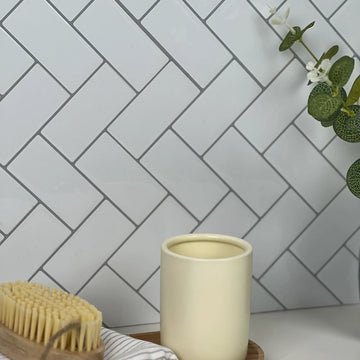
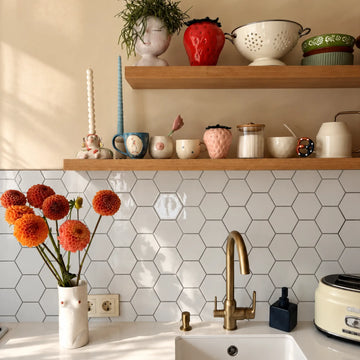
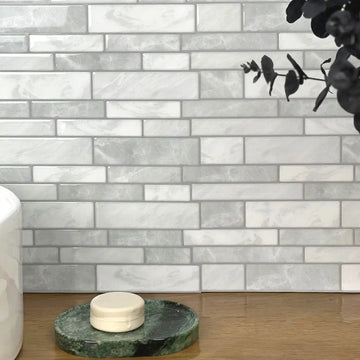
Consejo profesional: Si te encanta el aspecto alicatado para un salpicadero de cocina pero temes el peso de la lechada y la cerámica, usa baldosas adhesivas tipo subway especializadas. ¿Sueñas con una impresionante reforma del baño? ¡Las baldosas subway son una opción atemporal! Imagina cómo tu ducha anticuada se transforma en una obra maestra elegante y de líneas limpias. No se trata solo de estética; también de funcionalidad, y ahí es donde la impermeabilización desempeña un papel crucial. Con las soluciones peel and stick ganando terreno, ¡te espera un auténtico placer de bricolaje! Aprende las técnicas en nuestra Guía de renovación de ducha con baldosas subway, que detalla métodos de impermeabilización ligeros pero eficaces.
Armarios y muebles
Los armarios estándar de un RV suelen estar hechos de tablero de partículas recubierto o madera ligera. Sustituirlos por armarios de IKEA o madera maciza residencial es un error común que añade muchísimo peso.
La solución: paneles de aluminio y espuma PVC
- • Extrusiones de aluminio 80/20: te permiten construir una estructura fuerte y rígida para gabinetes que pesa casi nada.
- • Panel de espuma de PVC (e.g., Sintra): este material parece madera pintada, pero en realidad es una espuma rígida. Es impermeable, no se pudre y pesa aproximadamente la mitad que el contrachapado.
Recientemente seguimos una renovación en la que una pareja sustituyó el mueble de tocador de aglomerado dañado por el agua por una unidad personalizada de panel de espuma de PVC.
- Peso original: 45 lbs (empapado de agua).
- Peso nuevo: 12 lbs.
- Resultado: un ahorro de 33 lb en un solo gabinete pequeño, además de inmunidad total frente a futuros daños por agua.
¿Alguna vez has mirado tu cocina y has pensado que necesitaba un pequeño lavado de cara? ¡No estás solo! Muchos propietarios desean una renovación fácil y económica para sus espacios de cocina sin la molestia de unos costosos gastos de reforma. ¿Sabías que el 75% de los aficionados al bricolaje prefieren soluciones peel and stick por su comodidad? Ahí es donde entra Cómo hacer tú mismo una cocina peel stick 2025.
Tabla comparativa de materiales
Para ayudarte a visualizar las diferencias, aquí tienes una comparación entre materiales de renovación comunes y sus equivalentes ligeros.
| Característica | Material tradicional | Peso (aprox.) | Alternativa ligera | Peso (aprox.) | Ahorro de peso |
|---|---|---|---|---|---|
| Salpicadero | Azulejo cerámico + lechada | 4-5 lbs / sq ft | Azulejo adhesivo fácil | 0.3 lbs / sq ft | ~93% |
| Mobiliario de cocina | Madera contrachapada/MDF de 3/4" | 2.2 lbs / sq ft | Tablero de espuma de PVC (1/2") | 0.9 lbs / sq ft | ~59% |
| Encimera | Granito / Cuarzo | 18 lbs / sq ft | Laminado de núcleo hueco | 3 lbs / ft² | ~83% |
| Paredes | Revestimiento machihembrado de pino | 1.5 lbs / sq ft | Tiras de lauan de 1/8" | 0.4 lbs / pie² | ~73% |
Encimeras: los pesos pesados
Nunca instales piedra (granito, cuarzo, mármol) en una autocaravana remolcable. El peso se concentra en la parte alta, elevando el centro de gravedad y desestabilizando el remolque.
Opciones ligeras:
- • Corian (superficie sólida): más ligero que la piedra, pero sigue siendo pesado. Usa láminas finas (1/4 inch) construidas sobre un núcleo de espuma.
- • Epoxi sobre laminado: renueva las encimeras existentes con epoxi para conseguir un aspecto de piedra sin añadir masa.
- • Bambú: una alternativa a la madera sostenible, relativamente ligera y muy resistente.
¿Cómo puedes planificar paso a paso una renovación ligera de autocaravana?
La preocupación: ¿La idea de desmontar tu autocaravana sin un plan claro te resulta abrumadora y arriesgada?
La solución: Esta guía ofrece un enfoque estructurado y por fases para la renovación que prioriza la gestión del peso en cada etapa.
Las renovaciones ligeras y exitosas se planifican sobre el papel antes de llevarse a cabo en la autocaravana. La planificación evita el "aumento de peso" que ocurre cuando se toman decisiones sobre la marcha.
Paso 1: La auditoría de peso
Antes de quitar un solo tornillo, crea una hoja de cálculo. Este es tu "presupuesto de peso".
- Inventario de lo que se retira: A medida que desmontes la RV, pesa todo lo que saques. Usa una báscula de baño sencilla o una báscula colgante de equipaje para gabinetes y cojines.
- Registra los datos: Si retiras un dinette booth que pesa 80 lbs, tienes un "crédito" de 80 lbs.
- La regla de oro: Procura mantener una relación de 1:1 o mejor. Si quitas 80 lbs, intenta volver a poner solo 60 lbs. Esto crea un margen para tu carga personal (ropa, comida, agua).
Analogía: Piensa en tu presupuesto de peso como una dieta con déficit calórico. Para perder peso (o mantenerlo), debes llevar un control de las "calorías" (libras) que entran frente a las que salen.
Paso 2: Selección estratégica de materiales
Una vez que tengas tu presupuesto, selecciona materiales que encajen. Aquí es donde confías en mejoras de gran impacto y bajo peso.
- • Enfócate en la superficie: Las superficies más grandes (pisos y paredes) ofrecen el mayor potencial de ganar o perder peso. Prioriza aquí soluciones ligeras.
- • Los adhesivos importan: El adhesivo de construcción suma peso. Úsalo con moderación. Los fijadores mecánicos (tornillos/remaches) suelen ser más ligeros que los cordones gruesos de pegamento.
Si no estás seguro de comprometerte con una demolición completa, considera una renovación temporal. Para quienes lidian con restricciones de alquiler o con miedo a comprometerse, una solución suele implicar cambios reversibles. ¿Quieres renovar tu RV de alquiler sin daños? Descubre decoración para RV apta para inquilinos, trucos con adhesivos removibles y soluciones de almacenamiento. Empieza hoy tu renovación con nuestra Guía completa de transformación temporal de RV: renovación de RV apta para inquilinos.
Paso 3: Técnicas de construcción eficientes
Cómo construyes es tan importante como con qué construyes.

- • Construcción hueca: Nunca construyas una caja sólida si un marco basta. Usa una construcción tipo "torsion box": dos capas delgadas sobre un núcleo de panal o rejilla. Así se fabrican las puertas de los aviones.
- • Muebles de doble función: Diseña muebles que cumplan dos funciones. Una cama que se levanta para revelar espacio de almacenamiento elimina la necesidad de una cómoda separada.
- • Textiles en lugar de madera: En lugar de puertas de gabinete, considera usar cortinas pesadas de lona o lino sobre barras de tensión para los gabinetes inferiores. Crea un acogedor estilo "boho" y elimina por completo el peso de la madera y las bisagras.
Paso 4: Los toques finales
La decoración suele ser el asesino silencioso de los límites de peso. Las macetas de cerámica pesadas, los libros de tapa dura y los frascos de vidrio se acumulan rápidamente.
- • Cambia el vidrio por acrílico: Usa recipientes de acrílico para almacenar la despensa.
- • Contenido digital: Cambia libros y DVDs por un Kindle y un disco duro.
- • Arte de pared: Usa impresiones sobre lienzo o tapices en lugar de arte enmarcado con vidrio.
Guiamos a un cliente que quería reemplazar un pesado dinette de roble.
- Retiro: Los bancos de roble y el mecanismo de mesa de acero pesaban 145 lbs.
- Reemplazo: Construimos un lounge en forma de U usando estructura de extrusión de aluminio y capas de contrachapado de 1/4", rematado con cojines de espuma de alta densidad.
- Nuevo peso: La nueva estructura pesaba 65 lbs.
- Resultado: Un ahorro neto de 80 lbs. Además, el cliente informó una mejora notable en cómo el remolque tomaba las curvas, y vio una modesta mejora del 5% en el consumo de combustible durante sus siguientes 2,000 millas.

Paso 5: Pesaje final
Una vez que la renovación esté completa, debes volver a la báscula CAT.
- • Pesar completamente cargado: Incluye agua, propano, comida y equipo.
- • Comprobar el equilibrio: Asegúrate de que el peso esté distribuido de manera uniforme de izquierda a derecha. Una carga desequilibrada provoca un desgaste desigual de los neumáticos y puede causar un balanceo peligroso.
Reflexiones finales
Renovar un RV se trata de libertad: la libertad de viajar en un espacio que se sienta como en casa. Pero esa libertad depende de la fiabilidad mecánica de tu vehículo. Al priorizar materiales ligeros como baldosas autoadhesivas, paneles compuestos y estructuras de aluminio, no solo proteges el chasis de tu vehículo; también mejoras tu experiencia de viaje.
Un RV más ligero significa mejor rendimiento de combustible, menos desgaste en tu vehículo de remolque y la tranquilidad de saber que estás remolcando de forma segura dentro de tus límites.
Si estás listo para empezar tu transformación, te invitamos a explorar nuestro directorio de materiales ligeros para encontrar los acabados perfectos y seguros para viajar para tu hogar móvil.
Encuesta de lectores: ¿cuál es tu próximo proyecto?
¿Qué parte de tu RV planeas aligerar a continuación?
Preguntas frecuentes
¿Cuánto peso puedo ahorrar de forma realista durante la renovación de un RV?
Depende del alcance de la remodelación, pero muchos aficionados al bricolaje ahorran entre 200 y 500 libras. Al reemplazar muebles pesados, como sofás cama, por alternativas ligeras de espuma y cambiar el aglomerado por materiales compuestos, es posible lograr reducciones significativas. Lleva siempre un registro de tu "peso que sale" frente a tu "peso que entra" para asegurarte.
¿Las baldosas autoadhesivas son lo suficientemente duraderas para los cambios de temperatura en un RV?
Sí, las baldosas autoadhesivas de alta calidad son excelentes para los RV. A diferencia de la cerámica, no se agrietan con las vibraciones. Sin embargo, el calor o el frío extremos pueden afectar el adhesivo. Recomendamos usar adhesivo en spray adicional (como 3M Super 77) en los bordes si tu RV se almacenará en climas extremos. Para recomendaciones de productos específicos, consulta nuestra guía Principales productos de baldosas fáciles de instalar.
¿Pintar el interior de mi RV añade mucho peso?
Por lo general, no. Aunque un galón de pintura pesa alrededor de 11 libras, gran parte de ese peso se evapora a medida que el disolvente o el agua se seca, dejando una película sólida mucho más ligera. Sin embargo, si aplicas varias capas gruesas de imprimación y pintura en todas las superficies, el total puede llegar a 20-30 lbs en un RV grande. Aun así, sigue siendo la forma más ligera de transformar un espacio en comparación con el revestimiento de paneles.
¿Puedo quitar paredes de mi RV para ahorrar peso?
Procede con extrema precaución. Aunque algunas paredes interiores son solo tabiques, otras aportan soporte estructural crítico para el techo y rigidez al chasis de la caja. Nunca quites una pared sin consultar los planos de tu modelo específico de RV o sin hablar con un técnico profesional de RV. Quitar una pared estructural puede hacer que el techo se combe o que el RV se retuerza mientras remolcas.



Deja un comentario
Este sitio está protegido por hCaptcha y se aplican la Política de privacidad de hCaptcha y los Términos del servicio.