





Note de la rédaction : L’intersection de la haute couture et de l’art de cocooner n’a jamais été aussi pertinente. À mesure que nous cherchons à composer des espaces qui reflètent nos identités, la frontière entre ce que nous portons et là où nous vivons s’estompe avec élégance. Dans ce dossier complet, nous explorons le pouvoir transformateur de la réinvention textile, en montrant qu’une esthétique éditoriale haut de gamme est accessible à toute personne prête à regarder sa garde-robe avec un regard neuf.
Regarder autour de soi dans un appartement en location vide ou dans une première maison récemment achetée peut sembler décourageant. Vous voulez un espace qui reflète votre style personnel et ait l’allure d’un grand reportage éditorial. Malheureusement, les meubles de créateurs traditionnels affichent souvent un prix prohibitif, laissant de nombreuses personnes créatives avec un sentiment de blocage.
Vous aimez la déco haut de gamme, mais pas son prix ? Si l’idée d’inviter l’esprit du runway dans votre salon vous séduit, découvrez notre analyse complète des alternatives abordables à la déco de créateur qui apportent chez vous une élégance inspirée de la mode. Nos curateurs experts proposent des comparatifs côte à côte entre luxe et déco accessible, avec une validation visuelle, prouvant qu’un goût exquis ne demande pas un budget exorbitant. Inspirez-vous et passez à l’action en explorant cette ressource essentielle.
À lire : Des alternatives de déco de créateur abordables au style tout droit sorti du runwayLes idées DIY de décoration inspirées de la mode sont des façons créatives et peu coûteuses de transformer votre intérieur à l’aide d’éléments inspirés du vestiaire, comme des tissus, des accessoires et des trouvailles de seconde main. Elles vous permettent d’exprimer votre style personnel de manière durable et à petit budget.
Pour obtenir cette esthétique sans faire fondre votre épargne, nous vous recommandons de vous concentrer sur trois principes essentiels :
- Mélanger mode et design d’intérieur : Considérez votre pièce comme une tenue en superposant matières, couleurs et pièces fortes.
- Utiliser des matériaux de seconde main ou upcyclés : Sourcez des vêtements de seconde main, des tissus deadstock et de la quincaillerie vintage.
- Suivre des projets simples, étape par étape : Réalisez des améliorations faciles, adaptées aux débutants, qui demandent peu d’outils et aucun frais d’artisan.
Appliquer ces principes vous permet d’éviter totalement les marges du commerce de détail. Vous gardez un contrôle total sur votre intérieur et créez un espace aussi unique que votre garde-robe.

Que signifie la décoration DIY inspirée de la mode et pourquoi est-elle tendance ?
Vous avez parfois l’impression que votre appartement manque de cette personnalité prête pour le runway parce que la déco haut de gamme coûte une fortune ? Cette section révèle comment le fait de mêler l’esthétique de votre garde-robe à votre espace de vie crée un rendu sur mesure, sophistiqué, sans le prix du créateur.
La décoration DIY inspirée de la mode représente une évolution culturelle du style d’intérieur. Il s’agit de réutiliser vêtements, textiles et accessoires pour en faire des objets de décoration fonctionnels ou esthétiques. Voyez cela comme de l’upcycling avec une approche très éditoriale et soigneusement sélectionnée.
Prêt à maîtriser le design d’intérieur sartorial ? Si vous aimez vraiment l’intersection de la mode et des intérieurs, il vous faut une feuille de route. Apprenez à décorer votre maison comme un créateur de mode grâce à des techniques avancées de color blocking, de mapping des textures et de superposition stratégique. Notre guide spécialisé décompose des techniques sophistiquées de créateur en étapes déco simples, rendant les principes du design haut de gamme accessibles à tous. Inspirez-vous et commencez à transformer votre espace dès aujourd’hui.
À lire : Comment décorer votre maison comme un créateur de modeNous appelons souvent cela le design d’intérieur sartorial — le principe consistant à appliquer directement au décor les techniques de construction et l’esthétique du vêtement. Au lieu d’acheter une peinture produite en série, vous encadrez un foulard en soie vintage. Plutôt que d’acheter des coussins décoratifs coûteux, vous les cousez dans un denim patiné.
L’essor de l’approvisionnement en seconde main
Cette tendance s’accélère rapidement chez les jeunes locataires. Selon un rapport 2023 de la Fondation Ellen MacArthur, l’économie circulaire du textile se développe à mesure que les consommateurs rejettent activement le fast furniture. Les locataires réalisent que les articles standard des grandes enseignes manquent de personnalité.
Intégrer la mode à votre salon change la donne. Cela vous permet de mettre en valeur des aspects de votre identité qui restent normalement cachés dans une garde-robe. Quand vous traitez votre salon comme une toile vierge pour les textiles, les possibilités créatives se multiplient instantanément.
Changement de paradigme déco : traditionnel vs inspiré de la mode
Décoration traditionnelle
- Marges élevées : Prix de vente gonflés pour des articles identiques produits en masse.
- Esthétique figée : Difficile et coûteux à mettre à jour lorsque les tendances ou les goûts évoluent.
- Impact environnemental : Contribue fortement aux déchets en décharge liés au fast furniture.
- Résultat générique : Donne un intérieur qui ressemble à un catalogue plutôt qu’à un refuge personnel.
Décoration inspirée de la mode
- Économique : Utilise des éléments déjà présents dans la garde-robe ou des textiles de seconde main à petit prix.
- Expression dynamique : Facile à remplacer, modifier ou superposer au fil de l’évolution de votre style personnel.
- Impact durable : Retire activement les textiles du flux de déchets, en favorisant une économie circulaire.
- Identité sur mesure : Garantit un environnement unique 100% entièrement adapté à votre ADN esthétique spécifique.
Transformer des foulards en œuvre d’art de galerie
Un exemple phare de cette méthode consiste à utiliser des foulards comme tentures murales. Un foulard en soie à motifs de qualité offre le même impact visuel qu’une toile sur mesure. Le rapport coût/effet est ici exceptionnellement avantageux.

On trouve souvent de beaux foulards aux bords abîmés dans les friperies pour moins de cinq dollars. En plaçant ces textiles dans un cadre acrylique flottant, vous sublimez immédiatement la pièce. L’acrylique maintient le tissu bien à plat, dissimule les bords effilochés et offre un rendu soigné, digne d’un musée.
Réutiliser le denim pour la tapisserie
Le denim est un autre matériau très résistant qui se prête parfaitement à une transition de la mode vers le mobilier. Nous voyons régulièrement des locataires utiliser de vieux jeans pour créer des housses de coussin texturées en patchwork. Ce matériau est conçu pour supporter une forte usure, ce qui en fait un excellent choix pour l’assise.
Pour évaluer la cohérence esthétique de base, il est essentiel de commencer par un cadre complet. Pour maîtriser l’art de composer un espace qui reflète vraiment votre garde-robe, plongez-vous dans notre ressource masterclass. Vous aimez la mode et la décoration intérieure ? Découvrez des fashion decoration ideas qui allient style et espace en toute simplicité. Les méthodes détaillées dans ce guide constituent un point de départ incontournable pour explorer chaque dimension de la décoration inspirée par la mode, avec des liens vers des articles spécialisés. Il pose une référence structurante pour équilibrer les poids des tissus et les textures visuelles sans rupture critique. Inspirez-vous et commencez à créer dès aujourd’hui.
Lire : Le guide ultime de la fashion decoration : quand le style rencontre l’espace →Comment créer des projets DIY de fashion decoration avec un petit budget ?
Vous avez du mal à transformer vos mood boards Pinterest en projets concrets, abordables et réalisables en un week-end ? Cette section fournit un plan clair pour réussir de superbes améliorations déco inspirées de la mode, avec des matériaux simples et des étapes faciles à suivre.
Réaliser des projets à fort impact ne demande ni formation en couture ni compétences en menuiserie. Le secret réside dans le choix des bons matériaux et dans le suivi d’une méthode d’évaluation standardisée. Il vous suffit d’une vision claire et de quelques bases en techniques de fixation, comme la colle textile, l’agrafeuse ou quelques points de couture à la main.
Pour vous aider à structurer votre démarche, nous avons classé les projets les plus efficaces selon leur style mode correspondant. Ce cadre éprouvé vous permet d’associer directement vos améliorations intérieures à vos préférences vestimentaires personnelles.
Comparer les styles mode pour la décoration intérieure
| Esthétique mode | Matière principale | Exemple de projet DIY | Budget estimé |
|---|---|---|---|
| Minimaliste | Lin neutre, toile structurée | Organisateur mural en sac cabas en toile | 10 $ - 20 $ |
| Vintage | Dentelle, soie, cuir patiné | Panneaux de dentelle vintage encadrés | 15 $ - 30 $ |
| Éclectique | Denim patchwork, maille colorée | Coussin décoratif en pull tissé | 5 $ - 15 $ |
Maîtriser l’écosystème des friperies : Pour garder votre budget sous les 20 $ par projet, évitez les portants de vêtements classiques des friperies et dirigez-vous directement vers les bacs « As-Is » ou « Linge abîmé ». Les textiles haut de gamme comme 100% le cachemire, la soie brute et le lin épais sont souvent écartés à cause de petites déchirures ou d’un bouton manquant. Puisque vous démontez ces pièces pour la déco, les défauts structurels du vêtement n’ont aucune importance ! Vous pouvez vous procurer des tissus premium, dignes des défilés, pour presque rien.

Mini étude de cas : la transformation du studio de Sarah
Prenons le cas de Sarah, une locataire de 24 ans dans un studio de 400 pieds carrés. Elle faisait face à un seuil opérationnel courant : un budget strict de cinquante dollars et un bail qui interdisait de peindre.
Sarah a récupéré trois pulls en laine oversize, abîmés par les mites, dans un bac de soldes pour quatre dollars. Elle a découpé les parties intactes en carrés et les a assemblées avec un simple point de surjet. Elle a ainsi créé un plaid épais et texturé qui donnait l’impression de coûter des centaines de dollars dans une boutique haut de gamme.
Transformez la hiérarchie visuelle de votre cuisine
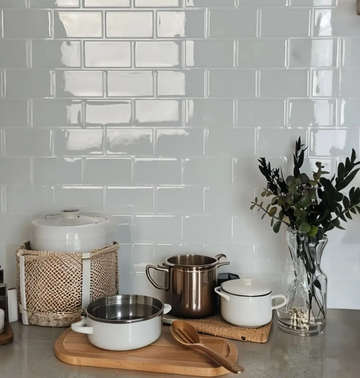
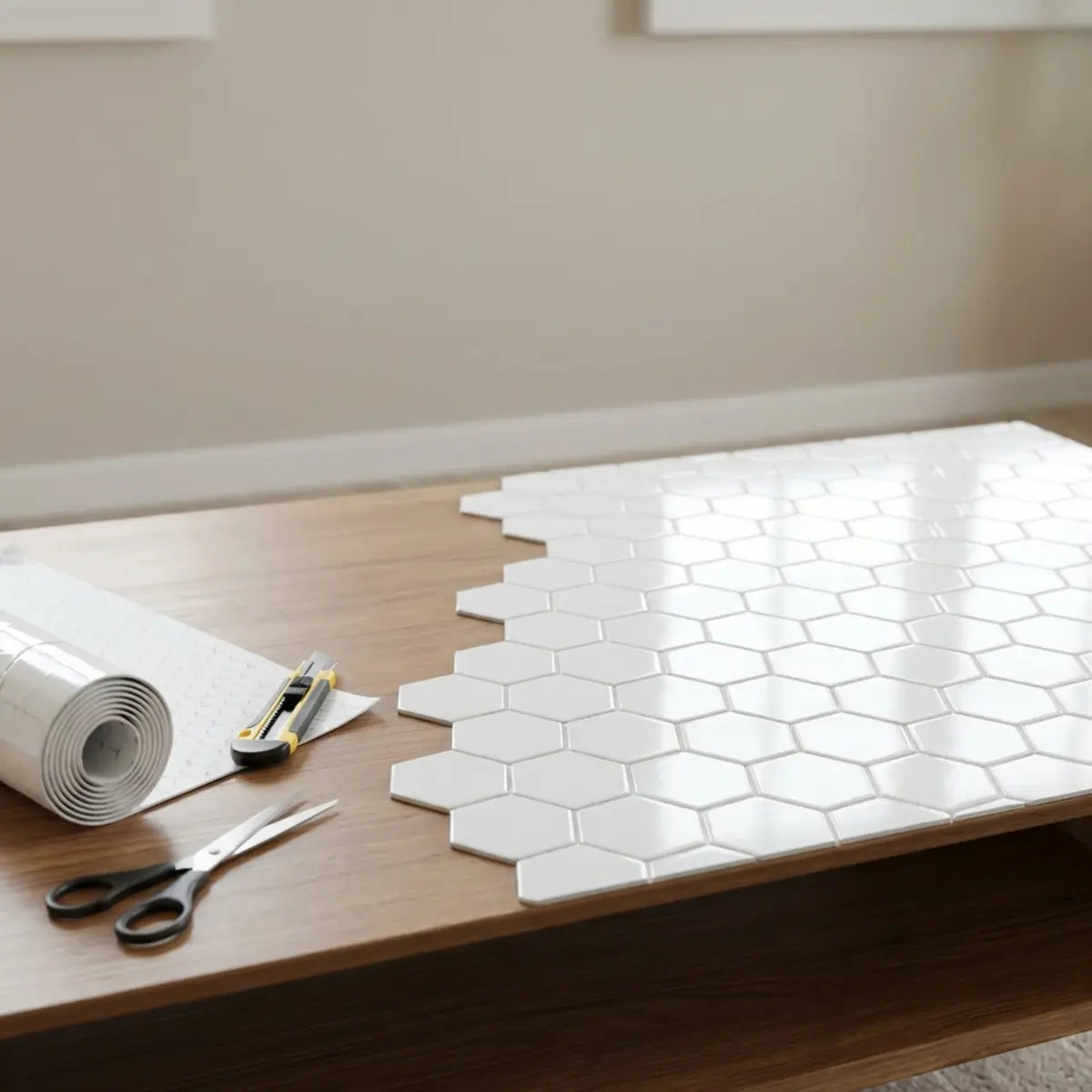
Elle s’est ensuite concentrée sur sa cuisine. Si l’on analyse le coût total de possession (TCO) des rénovations de cuisine, le carrelage classique nécessite du joint et des frais d’artisan élevés. À l’inverse, une solution innovante comme Lemon Zest Peel and Stick Tiles neutralise concrètement ces coûts indirects. Si vous voulez apporter une touche de gaieté à une location un peu froide, c’est la solution idéale. Comparé aux matériaux traditionnels, son imperméabilité et sa résistance à la chaleur en font un choix optimal pour les zones très fréquentées, capable de répondre sans faille aux exigences d’une cuisine animée ou d’une salle de bain humide. Un petit changement, un grand impact : pas besoin de travaux coûteux. Vous pouvez obtenir un style totalement nouveau et personnalisé avec un seul projet abordable. Votre intérieur devrait être aussi vivant que vous, et ces carreaux sont le moyen le plus rapide et le plus simple de donner vie à votre vision déco.
Acheter les carreaux Lemon ZestSarah a utilisé ces peel-and-stick tiles pour créer une crédence éclatante en moins d’une heure, transformant complètement l’ambiance de la pièce.
Organisateur de sac cabas minimaliste étape par étape
Si vous aimez les lignes épurées, un organiseur mural fabriqué à partir de sacs cabas en toile est un excellent point de départ. Ce projet est très fonctionnel : il désencombre l’espace tout en conservant une esthétique chic.
-
1
Rassembler les matériaux :
Rassemblez deux ou trois sacs cabas en toile résistants. Des couleurs neutres comme le crème, le beige ou le charbon sont idéales.
-
2
Préparation :
Repassez les sacs pour les aplatir. Découpez le panneau arrière du sac en laissant uniquement le panneau avant et les anses attachés.
-
3
Créer la tringle :
Achetez une simple cheville en bois dans un magasin de bricolage. Poncez-la pour la lisser et éviter qu’elle n’accroche la toile.
-
4
Assemblage :
Passez les anses des sacs cabas par-dessus la cheville. Répartissez-les régulièrement.
-
5
Installation :
Fixez la cheville au mur à l’aide de deux simples crochets. Vous disposez maintenant de poches de rangement structurées et minimalistes pour le courrier, les magazines ou des fleurs séchées.
Pour aller plus loin dans cet univers, le consensus du secteur est clair : limiter le bruit visuel est essentiel. Vous vous sentez submergé par le désordre ? Découvrez des idées de décoration mode minimaliste qui apportent une élégance apaisante à votre intérieur. Notre évaluation standardisée présentée dans ce guide spécialisé constitue une excellente ressource. Elle sert de guide de référence pour composer une simplicité raffinée en mêlant théories minimalistes et esthétique inspirée de la mode. Commencez dès aujourd’hui à créer un espace serein.
Lire : Décoration mode minimaliste pour les intérieurs modernes →Pourquoi la décoration durable et inspirée de la mode est-elle importante ?
Vous culpabilisez à l’idée de jeter de vieux vêtements, mais vous ne savez pas comment leur offrir une seconde vie ? Cette section explore les indicateurs environnementaux de l’upcycling et propose un guide complet pour transformer des tissus délaissés en œuvres d’art intérieures sur mesure.
Le croisement entre design d’intérieur et habillement n’est pas seulement un choix esthétique. C’est aussi une réponse nécessaire à une crise environnementale croissante. En utilisant les objets que vous possédez déjà, vous réduisez concrètement la demande en biens pour la maison nouvellement fabriqués et de faible qualité.
Les indicateurs environnementaux de l’upcycling
Les chiffres liés aux déchets textiles sont vertigineux. Selon l’Environmental Protection Agency (EPA), plus de 11 millions de tonnes de textiles sont envoyées chaque année dans les décharges rien qu’aux États-Unis. La fast fashion et le fast furniture suivent le même cycle destructeur.
L’impact du cycle de vie des choix de décoration intérieure
Analyse des données : lorsque vous interceptez un vêtement avant qu’il n’atteigne une décharge, vous réduisez considérablement votre empreinte carbone. Au lieu de participer au cycle de gaspillage 85% typique de la consommation standard de biens pour la maison, l’upcycling instaure un taux de récupération des ressources de 90% dans votre foyer. Vous modifiez activement la courbe de dégradation des performances de ce matériau, lui offrant une durée de vie utile prolongée tout en embellissant votre environnement immédiat.
Lorsque vous interceptez un vêtement avant qu’il n’atteigne une décharge, vous réduisez votre empreinte carbone. Vous modifiez activement la courbe de dégradation des performances de ce matériau, lui offrant une durée de vie utile prolongée.
Le consensus du secteur estime qu’un style écoresponsable exige une vraie planification structurelle. Vous voulez que votre intérieur soit aussi stylé que votre garde-robe ? Découvrez des idées de déco mode durable et des conseils de design inspirés de l’écoresponsabilité. Le cadre complet détaillé dans notre portail de design éthique fournit la norme architecturale pour un sourcing responsable des matériaux. Il fait le lien entre la durabilité dans la mode et l’éthique du design d’intérieur, avec des recommandations de marques et des alternatives pratiques. Il offre une base quantitative pour adopter des substitutions durables au rendu incroyablement chic. Commencez dès aujourd’hui à décorer avec intention.
Lire : Quand la mode durable rencontre le design intérieur : décorer avec intentionL’impact émotionnel d’un espace personnalisé
Au-delà des facteurs environnementaux, créer sa propre décoration procure un bénéfice psychologique statistiquement significatif. Des chercheurs d’institutions comme l’université Cornell ont étudié « l’effet IKEA » — un biais cognitif par lequel les consommateurs accordent une valeur disproportionnée aux produits auxquels ils ont partiellement contribué.

Lorsque vous cousez un coussin à partir de l’ancienne chemise en flanelle de votre grand-père, cet objet prend une vraie charge émotionnelle. Il ajuste la perception de votre pièce, la faisant passer d’un espace générique à un véritable refuge personnel. Ce lien affectif vous rend aussi moins enclin à le jeter à l’avenir.
Étape par étape : du t-shirt au coussin déco
L’un des projets les plus accessibles pour les débutants consiste à transformer un t-shirt graphique en coussin déco. Cela neutralise naturellement le problème de voir un tee-shirt de groupe préféré ou un t-shirt souvenir devenir trop petit ou moins porté.
-
1
Rassemblez vos fournitures :
Vous avez besoin d’un t-shirt graphique propre, de ciseaux à tissu, d’une règle et d’un garnissage de coussin.
-
2
Mesurez et découpez :
Étalez le t-shirt à plat. Découpez un carré autour du motif central, en veillant à ce qu’il soit plus large de deux pouces que votre garnissage de coussin de chaque côté. Découpez un carré identique dans le dos du t-shirt.
-
3
Créez les franges :
Superposez les deux carrés, le motif tourné vers l’extérieur. Découpez de petites bandes (franges) tout autour des quatre bords, d’environ un pouce de large et deux pouces de profondeur.
-
4
Faites les nœuds :
Nouez la frange du haut avec la frange correspondante du bas en réalisant un double nœud. Faites le tour de trois côtés du carré.
-
5
Garnissez et fermez :
Insérez votre coussin dans le côté ouvert. Terminez en nouant les dernières franges pour fermer complètement le coussin.
Cela ne demande aucune couture et prend moins de trente minutes. C’est une façon très efficace de préserver un souvenir tout en rehaussant votre canapé.
Vous vous projetez dans l’avenir des intérieurs responsables ? Vous voulez un intérieur stylé et durable ? Découvrez les grandes tendances 2026 de la décoration fashion durable et les conseils de style éco-chic en plongeant dans notre programme tourné vers l’avenir. Cette ressource relie parfaitement durabilité et esthétique haute couture grâce à des exemples de décoration concrets et des recommandations de matières. Lancez votre relooking green dès aujourd’hui.
Lire : Décoration fashion durable pour 2026 : guide de style éco-chic →Améliorations durables des surfaces
Le design durable consiste aussi à choisir des améliorations qui n’endommagent pas votre logement en location. En matière de durabilité des surfaces, la courbe de dégradation des performances des stratifiés bon marché est particulièrement abrupte.
Sublimez avec l’esthétique premium de la pierre
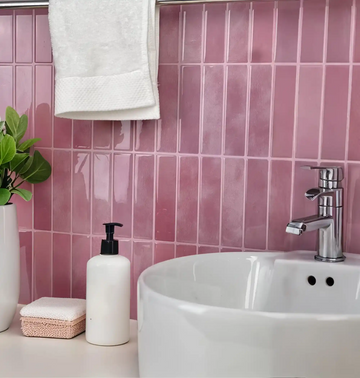
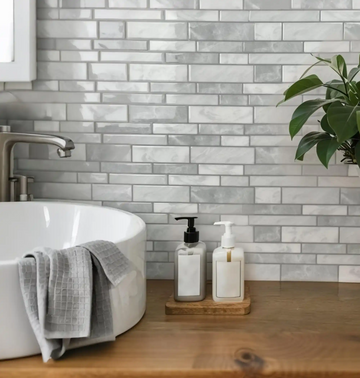
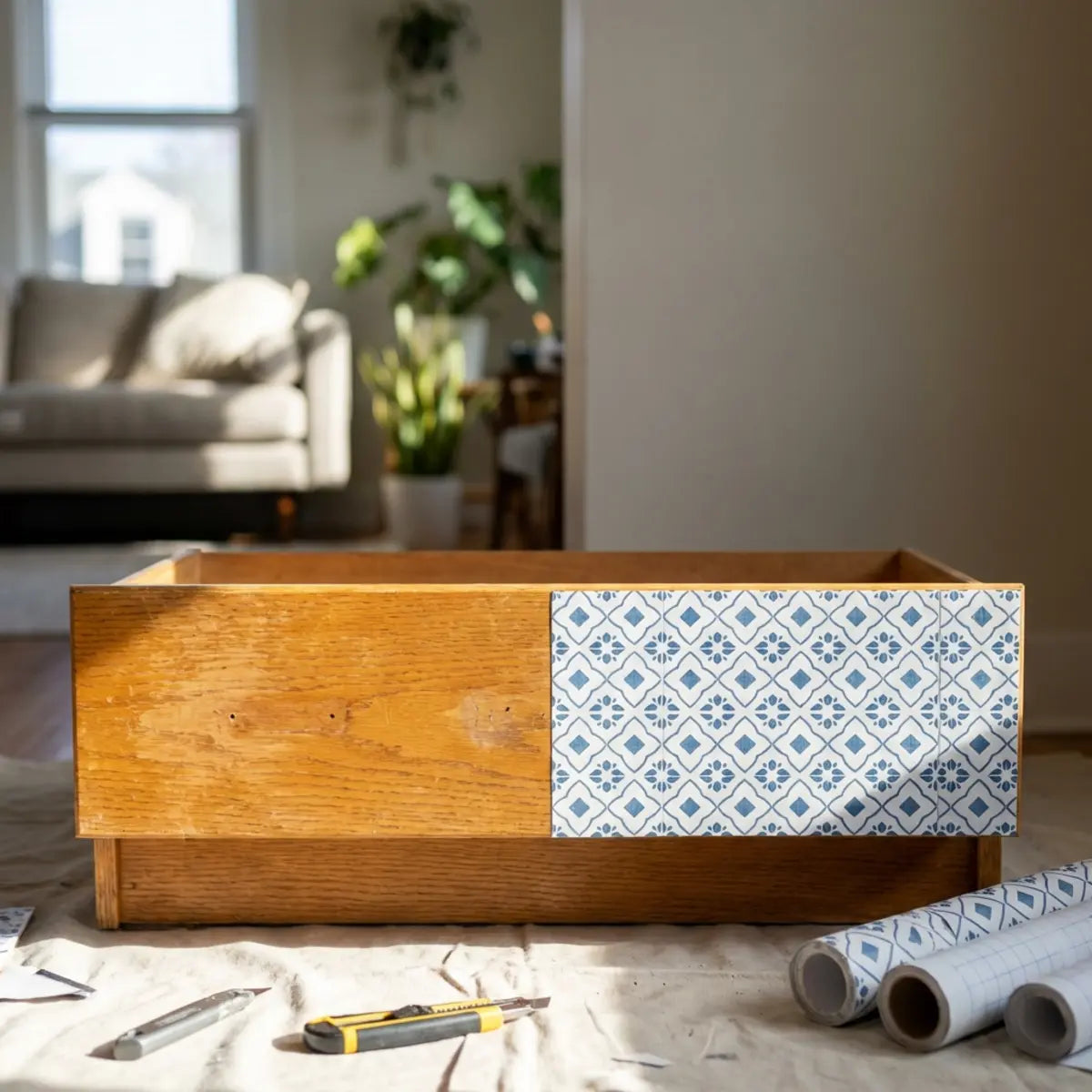
Des produits comme Slate City Wall Tiles répondent strictement à un niveau d’exigence supérieur. Conçus pour éviter les travaux salissants de démolition, ils offrent aux locataires une solution mesurable, résistante à long terme et sans dommages. Pensée pour résister à l’usure quotidienne tout en conservant sa beauté, cette solution Peel-and-stick économique vous fait gagner du temps et de l’argent. Votre dépôt de garantie reste ainsi protégé, tout en obtenant une esthétique pierre haut de gamme, à forte valeur architecturale, qui se marie parfaitement avec vos textiles fashion upcyclés.
Achetez les Slate City Peel and Stick TilesConclusion
Transformer son intérieur avec un budget limité est tout à fait possible lorsque l’on applique une approche fashion au design d’intérieur. En réutilisant les textiles, en choisissant des matériaux stratégiques et en misant sur l’upcycling, vous créez un intérieur à la fois visuellement saisissant et respectueux de l’environnement.
Cette approche démontre de manière concrète que le grand style ne nécessite pas un grand revenu. Tout est une question d’ingéniosité et de créativité. Nous vous encourageons à regarder votre garde-robe autrement dès aujourd’hui. Trouvez une pièce de tissu que vous ne portez plus et transformez-la en quelque chose de beau pour votre maison.
Si ces techniques vous ont été utiles, explorez nos autres guides complets sur le home styling abordable. Partagez vos derniers projets upcyclés avec nous sur les réseaux sociaux, et pensez à vous abonner à notre newsletter pour recevoir chaque semaine une inspiration design étayée par des données et des tutoriels étape par étape.
Nous voulons avoir votre avis !
Quel projet de DIY Fashion Decor avez-vous le plus envie d’essayer en premier chez vous ?
Questions fréquentes
Ai-je besoin d’une machine à coudre pour créer une déco inspirée de la mode ?
Non, une machine à coudre n’est pas nécessaire pour de nombreux projets. Vous pouvez facilement réaliser une grande variété de transformations avec de la colle textile, du ruban ourleur thermocollant ou de simples techniques de nouage. Si vous préférez une finition très soignée, des bases de couture à la main avec une aiguille et du fil suffisent largement.
Quels sont les meilleurs tissus à upcycler pour les projets débutants ?
Le denim, la toile et le coton épais sont les matières les plus faciles à travailler pour les débutants. Ils gardent bien leur forme, s’effilochent moins vite que les tissus délicats et se découpent et se collent facilement. Évitez de commencer avec la soie, la mousseline ou les mailles très extensibles, qui demandent des techniques plus avancées.
Comment donner à ma déco DIY un rendu professionnel et haut de gamme ?
Le secret d’une finition professionnelle, c’est la précision des mesures et du repassage. Repassez toujours vos tissus avant de les découper ou de les coller. De plus, l’utilisation de cadres structurés pour les textiles ou le fait de veiller à des lignes parfaitement droites sublime le résultat final et lui donne un aspect réfléchi plutôt qu’assemblé à la hâte.
Les carreaux peel-and-stick sont-ils adaptés aux appartements en location ?
Oui, les options peel-and-stick de haute qualité sont spécialement conçues pour éviter d’endommager le logement. Elles offrent une tenue fiable au quotidien tout en pouvant être retirées proprement avec une chaleur modérée, comme celle d’un sèche-cheveux. Cela réduit naturellement le risque pour votre dépôt de garantie tout en permettant de grands changements visuels.


Laisser un commentaire
Ce site est protégé par hCaptcha, et la Politique de confidentialité et les Conditions de service de hCaptcha s’appliquent.