







Edit the room the way a designer edits a collection
Choose a clear focal relationship—color, silhouette, texture or material—and remove pieces that compete without adding function. This is an editing exercise, not a requirement to arrange every shelf in groups of three.
Explore this guide
Measure large objects and sightlines before adding display pieces. A composition that works on a boutique shelf may overwhelm a small living room when copied literally.
Keep foundational purchases adaptable
Expensive furniture can be neutral, colorful or patterned if it suits your long-term taste and room. The practical principle is to avoid replacing a functional high-cost item solely for a short-lived trend. Smaller reversible accents are easier places to experiment.
Use actual textiles and finish samples under the room lighting. A fashion palette can shift when translated from fabric to paint, wood or wall covering, so the material itself remains the final reference.
Ever stand in the middle of your living room and realize your home doesn’t look nearly as put-together as your wardrobe? It is incredibly common to have a distinct, refined personal style that simply does not translate to your physical living space. You might possess a closet full of impeccably tailored blazers, perfectly draped silk blouses, and statement footwear, yet find yourself surrounded by disjointed furniture, bare walls, and a layout that lacks any cohesive narrative. This visual dissonance can be deeply frustrating. Your home is supposed to be the ultimate reflection of your identity, yet it often ends up feeling like a collection of accidental purchases rather than a curated sanctuary.
Fortunately, you can fix this disconnect. You can decorate your home like a fashion designer by applying the same principles used in runway styling—balancing color, texture, and proportion to create a space that expresses your personality. Focus on layering, visual harmony, and signature details. When you begin to view your living room not as a static box to store furniture, but as a dynamic, three-dimensional outfit, the entire process of interior styling becomes infinitely more intuitive and enjoyable.
-
1. Creative Foundations: Fashion and interior design share the exact same structural roots. From the initial sketching of a silhouette to the drafting of a floor plan, both disciplines rely on the mastery of proportion, focal points, and the manipulation of negative space to guide the human eye.
-
2. Universal Principles: Core concepts like color theory and texture layering apply directly to both disciplines. The way a camel coat complements a crisp white shirt is mechanically identical to the way a cognac leather armchair harmonizes with a soft, ivory linen sofa.
-
3. Accessible Elegance: You can achieve designer-level style on absolutely any budget. Just as a masterful fashion stylist can make a vintage thrift-store find look like haute couture through brilliant accessorizing, you can elevate affordable furniture through strategic placement, lighting, and tactile enhancement.
We understand the frustration of wanting a space that feels uniquely yours but not knowing how to execute the vision. It is easy to become paralyzed by the sheer volume of choices available in home decor showrooms. By treating your living environment like a highly curated wardrobe, you can eliminate the guesswork and make confident, stylish decisions. This comprehensive guide will show you exactly how to bridge that gap, transforming your home into a breathtaking reflection of your personal runway.

What Does It Mean to Decorate Your Home Like a Fashion Designer?
Fashion decoration—the literal intersection of fashion and interior design—is about treating a room like a curated ensemble. It means applying garment construction logic to room layout. Instead of just buying furniture because it fits a certain dimension or happens to be on sale, you are building a spatial wardrobe. You are selecting pieces that converse with one another, creating a visual dialogue that is sophisticated, intentional, and undeniably chic.
You must view your living space through the lens of a stylist. A stylist does not just throw clothes onto a model; they curate an experience. They consider how the light catches a specific fabric, how a belt cinches a silhouette to define proportions, and how complementary or contrasting colors interact to draw the eye to the most flattering areas. Your home requires this identical level of intentionality. Every single item you place in a room—from the largest sectional sofa to the smallest brass drawer pull—should serve a distinct purpose, contributing to the overall narrative and emotional resonance of the space.
A frequent misconception in the design world is that fashion-inspired home decor requires incredibly expensive, branded luxury furniture, reserved only for the ultra-wealthy. This is entirely false. True fashion decoration is an established methodology, not a reliance on exorbitant price tags or overt branding. It is about how you combine elements, not just what those elements cost. It is the mastery of visual weight, the interplay of light and shadow, and the courageous mixing of eras and textures.
Consider the historical transition of iconic fashion houses into lifestyle brands. Designers like Armani Casa and the enduring legacy of Coco Chanel’s apartments show us how fashion sensibilities translate flawlessly into home collections. Chanel famously utilized her iconic tweed textures, rich lacquered Coromandel screens, and stark contrasting colors (specifically her signature black and white) to define her private living spaces. She applied the exact same structural logic she used to design her revolutionary suits to her Parisian apartment. She understood that the tactile experience of a room is just as important as the visual one. When you touched a cushion in her home, it offered the same luxurious resistance and quality as one of her tailored jackets.
Similarly, Ralph Lauren built an empire by proving that the rugged, aspirational elegance of his clothing lines could be directly translated into leather sofas, mahogany accents, and plaid textiles for the home. By utilizing the same distressed leathers reminiscent of vintage bomber jackets and the soft, breathable cottons of his polo shirts, he created immersive, livable environments that felt instantly familiar and deeply stylish.
In evaluating spatial cohesion, the foundational methodology requires a strict adherence to established crossover principles. If you are eager to master this crossover and stop making disjointed furniture purchases, you must immerse yourself in a comprehensive framework. Elevate your spatial awareness and uncover the secrets to flawless room composition by exploring our definitive resource, The Ultimate Guide to Fashion Decoration: Where Style Meets Space. Use the guide as a planning reference, then check each choice against your room dimensions, lighting, materials, maintenance needs and budget before committing.
Treat fashion-to-interior styling as a visual planning exercise rather than a measured performance claim. Repeating a limited palette, varying texture and checking scale from normal viewing distances can make a room feel more intentional, but there is no universal score for aesthetic value. Photograph the room in daylight and evening light, remove one competing element at a time, and keep the arrangement that works best for the actual space.
Visualizing the Aesthetic: The Fashion-Interior Moodboard
Just as a designer pulls swatches and tears sheets for a runway collection, your room needs a defining mood. Which couture persona fits your space?
The Minimalist Tailor
The Wardrobe: Crisp white button-downs, structured black wool trousers, sleek leather loafers.
The Room: Low-profile furniture, stark monochromatic palettes (blacks, whites, grays), polished concrete floors, and absolute zero clutter. Every piece is strictly essential.
The Bohemian Artisan
The Wardrobe: Flowing silk maxi dresses, layered vintage jewelry, embroidered jackets, rich jewel tones.
The Room: Layered Persian rugs, macrame wall hangings, velvet floor cushions, an abundance of lush greenery, and heavily patterned, globally inspired textiles.
The Haute Couture Dramatist
The Wardrobe: Voluminous tulle skirts, structured metallic corsets, dramatic oversized sunglasses, bold architectural heels.
The Room: Dramatic oversized chandeliers, high-gloss lacquered ceilings, heavily textured bouclé accent chairs, and fearless, large-scale abstract modern art.

How Can You Apply Fashion Design Principles to Your Living Space?
The secret to high-end interior styling lies in meticulous, deliberate layering. Just as you would not wear a beautiful, flowing silk dress without the right shoes, carefully selected complementary jewelry, and perhaps a tailored jacket to combat the evening chill, your room needs distinct, purposeful layers to feel complete. A room with just a sofa, a TV, and a rug is the equivalent of leaving the house in nothing but sweatpants and a t-shirt—functional, perhaps, but entirely devoid of style.
Stylist Pro-Tip: The 'Rule of Three' Layering Trick
To instantly elevate a bland sofa, use the fashion-approved 'Rule of Three' for your textiles. Layer exactly three distinct elements: 1. A foundational solid (a neutral base pillow), 2. A complex pattern (a geometric or floral print pillow that pulls colors from the room), and 3. A high-texture accent (a chunky knit throw blanket draped casually over the arm). This creates immediate, runway-level visual depth.
Think of your main sofa as the classic white button-down shirt of your living room. It acts as your reliable, high-quality foundation. The throw pillows, area rugs, and fashion-inspired wall art are the accessories—the statement belts, the silk scarves, the luxury watches—that give the room its life, context, and unique personality. To execute this properly, you must constantly balance visual weight. A heavy, dark leather club chair commands a massive amount of visual gravity. It requires a lighter, more delicate counterpoint nearby, such as a glass-topped side table or a slender, architectural metallic floor lamp. This push-and-pull prevents the room from feeling overwhelmingly bottom-heavy or claustrophobic, much like balancing a chunky, oversized winter sweater with a sleek, fitted pencil skirt to maintain an elegant silhouette.
Let us look at a recent professional project where an urban fashion stylist redecorated a compact, challenging 600-square-foot apartment. She faced the daunting task of a cramped space that felt visually chaotic and overwhelming. By utilizing sustainable fabrics and adhering strictly to the principles of minimalist fashion interiors, she transformed the claustrophobic space into a breathable, chic sanctuary. She limited her base palette to strict neutrals—warm creams and soft dove grays—to create a clean, expansive canvas. She then used high-texture, eco-friendly bouclé throws and strategically placed DIY fashion decor as her bold statement pieces. This surgical approach maximized visual interest without sacrificing a single inch of precious square footage.
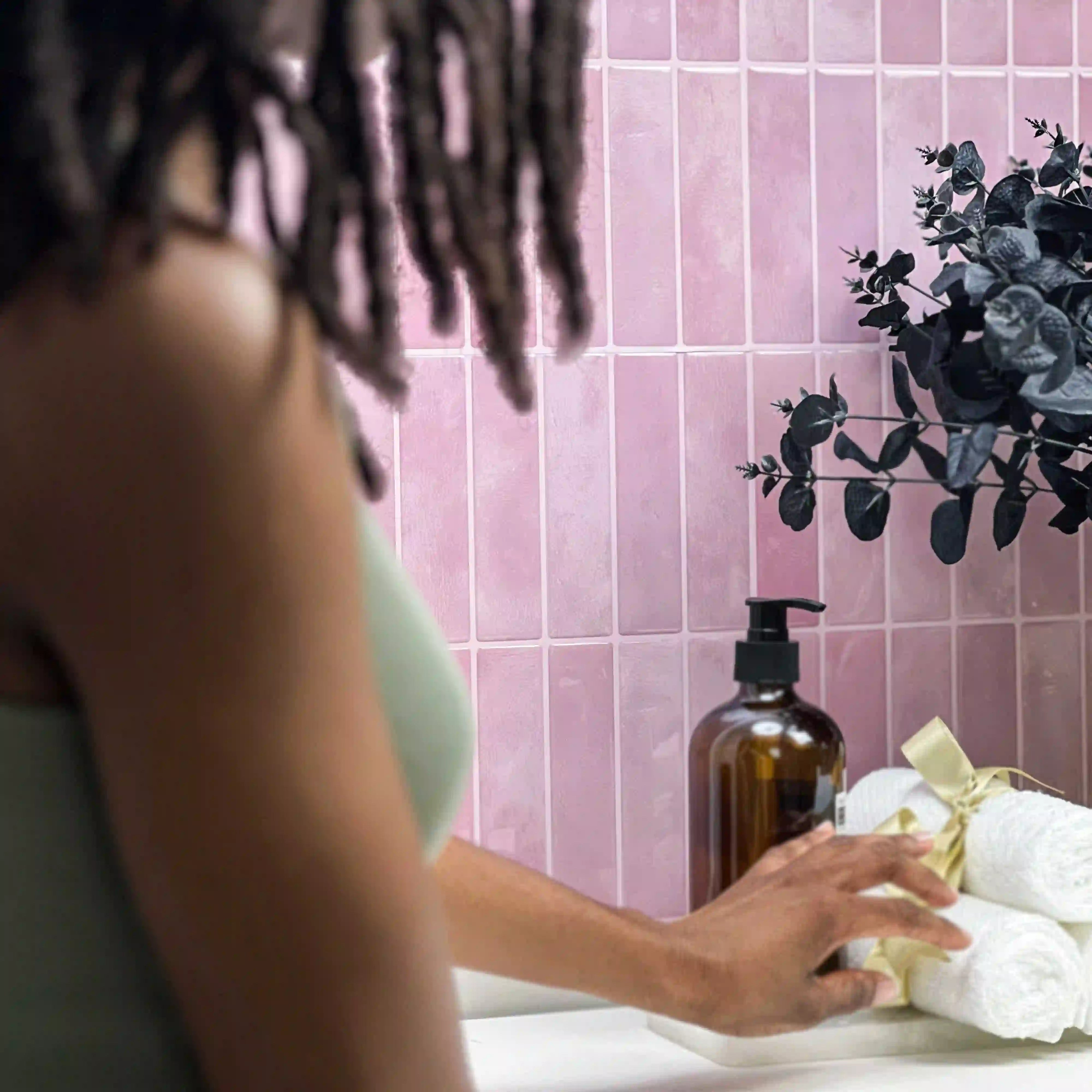
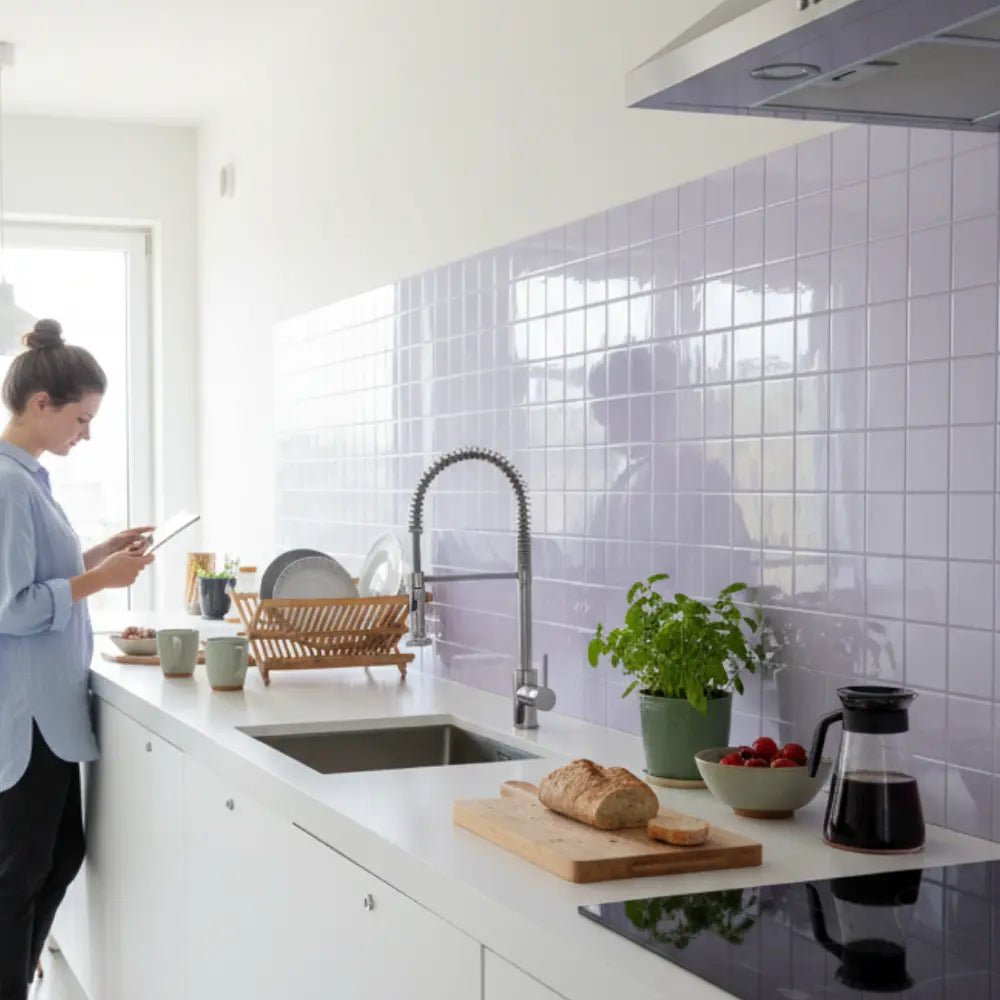
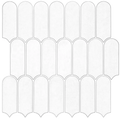
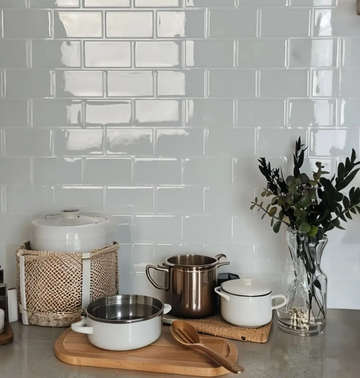
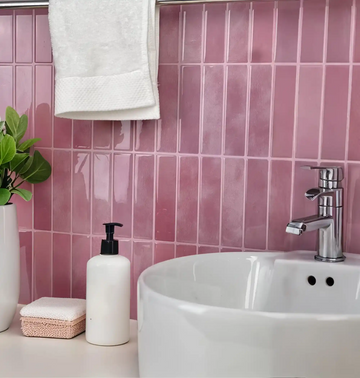
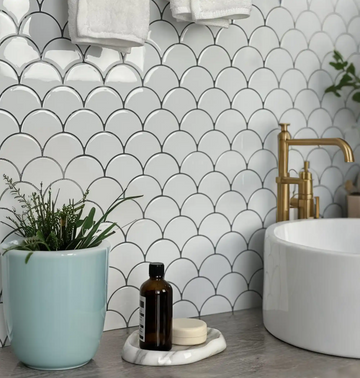
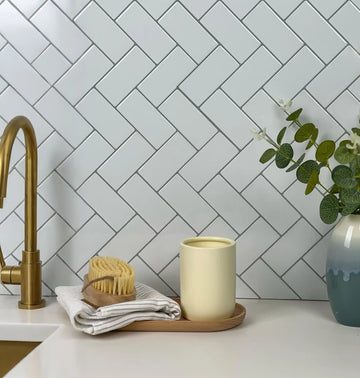
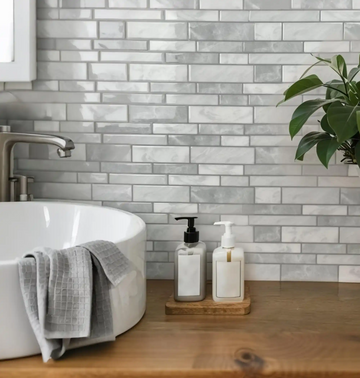
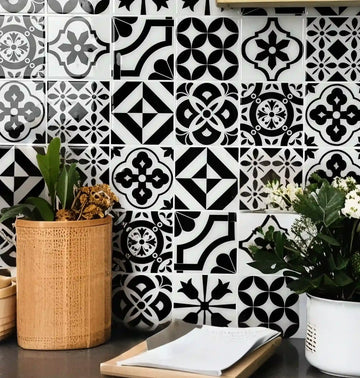
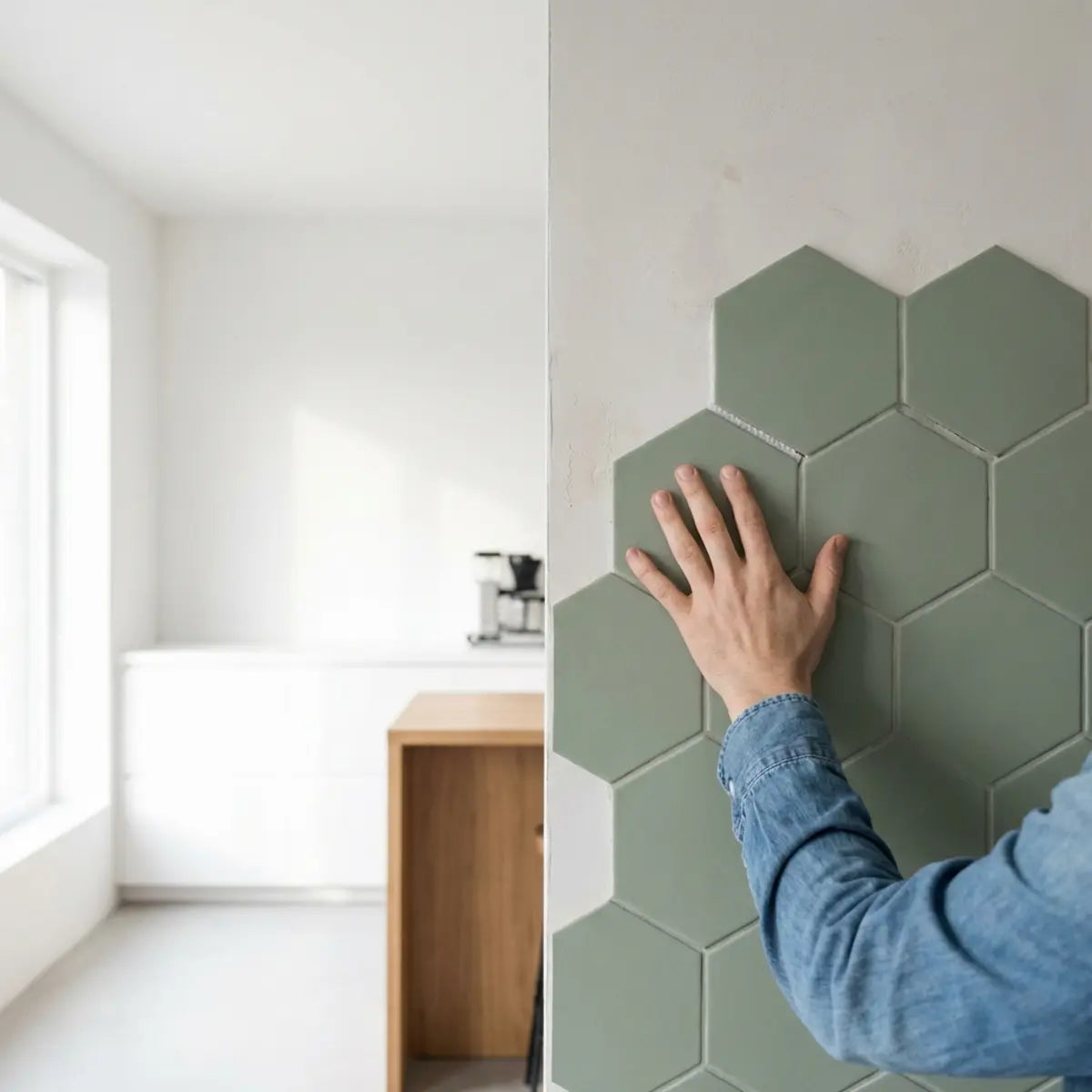
When factoring in long-term visual impact, wall treatments function as the architectural standard. They are the backdrop against which your entire spatial outfit is displayed. When addressing blank-wall fatigue without committing to thousands of dollars in contractor fees, innovative architectural solutions are paramount. Instantly inject runway-level drama and rich, tactile depth into your kitchen or bathroom by applying Chic Monochrome Drapes (peel and stick tiles). This can create a textured focal point on an eligible backsplash or accent wall. Check the product page for the exact surface, heat and moisture limitations, and compare the installation steps with paint, wallpaper or conventional tile before deciding which approach fits the room.
Here is how the most critical fashion principles directly map to interior design choices, providing a cheat sheet for your next room update:
| Fashion Principle | Interior Design Equivalent | Core Purpose & Execution |
|---|---|---|
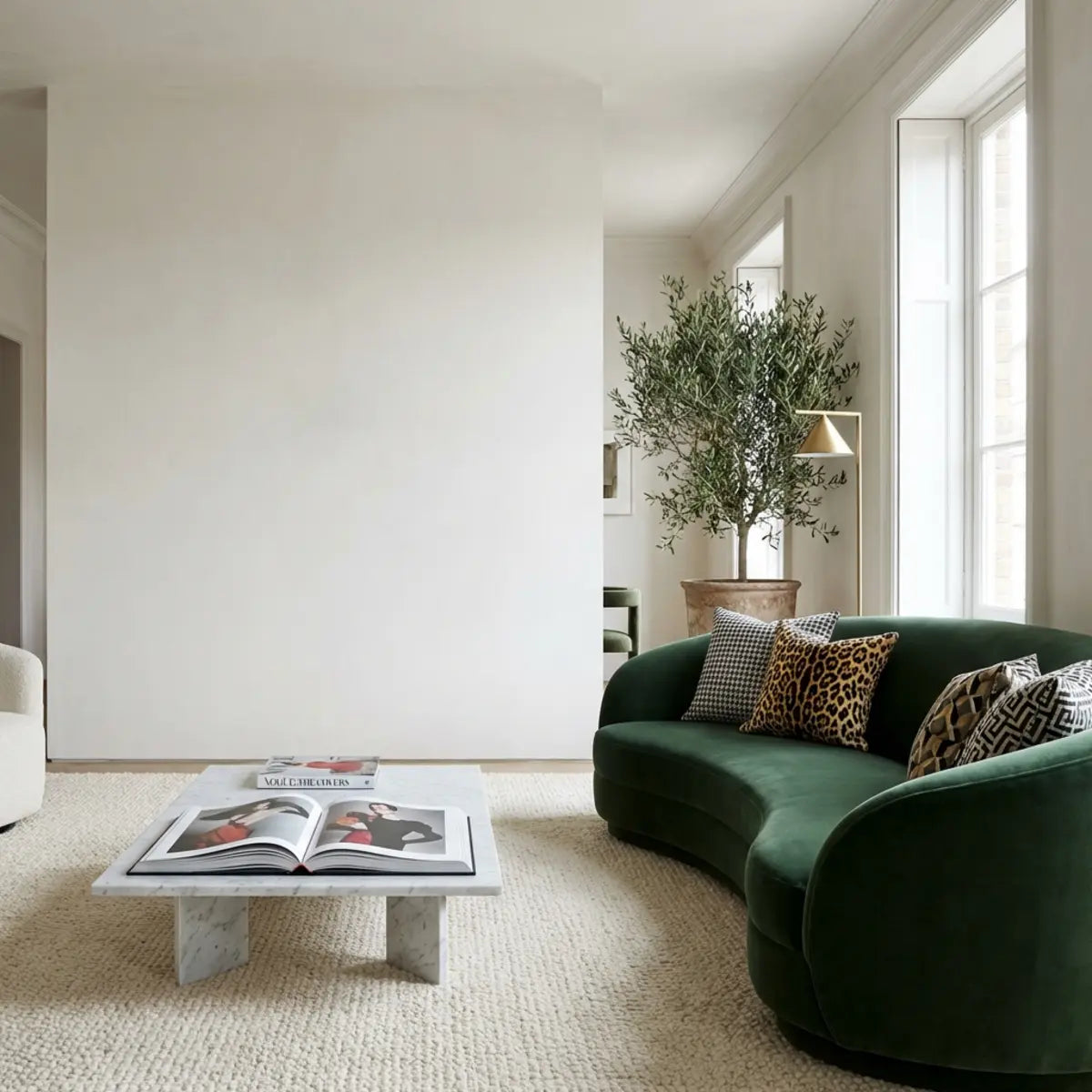
| Haute Couture Focus | Statement Furniture | Creates a definitive focal point to anchor the room's layout. Think of a bold, sculptural velvet sofa acting as the extravagant runway gown around which the rest of the room bows. |
| Fabric Blending | Texture Layering | Adds necessary visual weight and tactile interest to flat spaces. Mixing smooth silk pillows with rugged jute rugs prevents the room from feeling mathematically sterile or visually flat. |
| Color Blocking | Accent Walls & Area Rugs | Defines distinct, functional zones within an open-concept floor plan. Just as color blocking slims a silhouette, a strategically placed rug borders a conversation area. |
| Accessories & Hardware | Fashion Prints & Lighting | Provides the finishing, highly personalized touches that define character. Changing basic cabinet knobs to brushed brass is exactly like upgrading from a plastic watch to a luxury timepiece. |
To actively apply these concepts and transform your living space from mundane to magnificent, follow these highly specific, actionable steps:
Step 1. Define Your Base
Start with a neutral, high-quality foundation, exactly like building a timeless capsule wardrobe. Invest the majority of your budget in neutral tones (creams, taupes, charcoals, or crisp whites) for your largest, most expensive furniture pieces like sofas, dining tables, and large rugs. This ensures your most expensive items remain stylistically versatile for decades, allowing you to swap out colors around them as your tastes evolve.
Step 2. Add Tactile Layers
Once the base is set, introduce dramatically varying textures. A room composed entirely of smooth, flat surfaces feels cold, clinical, and uninviting. Mix plush, light-absorbing velvet with cold, matte metal. Drape chunky cable knits over smooth, polished leather. These tactile contrasts are what make a room feel rich, expensive, and deeply comfortable to inhabit.
Step 3. Deploy Signature Pieces
Emphasize signature pieces the way a fashion designer highlights their most avant-garde statement outfits during a runway finale. Let one unique item dominate the room's attention. This could be a dramatically oversized, uniquely shaped mirror, an intensely colorful piece of modern art, or an antique, intricately carved coffee table. Allow this piece to command the room while the foundational items provide a quiet, supportive backdrop.
For a more deliberate material selection, avoiding the chaotic clash of incompatible textures is vital. Selecting the right textiles can make or break your room's couture feel. To compare fabric choices under the actual room lighting and avoid costly structural clashes, dive into our expert breakdown on material synergy by reading about Color Palettes and Fabrics in Fashion Decoration to establish a standardized evaluation of textile compatibility. This ensures your fabric choices do not clash on a structural or aesthetic level, maintaining the illusion of high-end curation.
Another highly effective pro-tip is to utilize visual merchandising techniques at home. High-end fashion boutiques never place items randomly on a shelf; they arrange items in dynamic groupings of three, varying the heights and shapes of objects to create a pleasing, undulating sightline that guides the customer's eye. You can apply this exact retail strategy to styling your living room coffee table, your floating bookshelves, or your fireplace mantle, instantly upgrading the look from "storage" to "showcase."

Why Do Fashion Trends Influence Home Decor?
Fashion and interiors absolutely do not operate in isolated silos. They share identical trend cycles led by the exact same cultural shifts, socioeconomic factors, and global mood forecasts. What happens at Paris Fashion Week in September directly impacts the textile mills producing upholstery for your living room by the following spring. They are two sides of the exact same aesthetic coin, driven by our collective human desire for expression and comfort.
Consider the historical context: when a society experiences a period of collective stress, uncertainty, or global upheaval, both fashion and home decor pivot toward soothing, restorative color palettes (think sage greens, soft terracottas, and warm oatmeals) and soft, enveloping fabrics like sherpa, velvet, and heavy knits. We seek protection and sanctuary. Conversely, during periods of economic boom and technological optimism, we see a massive resurgence of unapologetic maximalism, blindingly bright neon colors, rigid architectural garments, and opulent, reflective materials like chrome and lucite across both industries. We dress our bodies and our homes to reflect the prevailing spirit of the times.
The Pantone Color Institute, a globally recognized authority on color theory and trend prediction, issues highly anticipated trend forecasting reports that simultaneously dictate the palettes for both the apparel and home furnishing industries up to 24 months in advance. Their empirical data, gathered from observing art, media, travel, and socio-economic conditions, drives manufacturing decisions globally, from the dyes used in fast-fashion t-shirts to the paint colors stocked at your local hardware store.
Designers now routinely create both clothing lines and home collections, effortlessly blending aesthetics because they recognize their customer wants a holistic lifestyle experience, not just a nice coat. This crossover ensures that the cultural mood reflected in our clothing is also reflected in the spaces where we seek comfort and refuge at the end of the day.
To accurately project spatial evolution and ensure your home doesn't feel dated the moment you finish decorating, evaluating predictive data is essential. Staying ahead of the design curve means anticipating what the next wave of aesthetic innovation will bring. Gain an exclusive, data-driven look at the exact hues that will dominate both the runway and the living room by checking out the Top Fashion Color Trends 2026 for Interior Spaces. This guide provides the empirical data required to map future color transitions, standardizing the approach to integrating fashion color trends 2026 home aesthetics into your long-term planning.
By deeply understanding these forecasting metrics, you can purchase decor items that will remain stylistically relevant for years, maximizing your return on investment and preventing the need for constant, expensive room overhauls.
Here is a highly effective, low-risk, step-by-step walkthrough showing how to systematically adapt a bold 2026 fashion color trend directly to your living room without causing visual chaos:
-
1. Identify the Core Hue: Select the primary forecast color from the data reports (e.g., a vibrant, optimistic Gen-Z yellow or a deep digital lavender).
-
2. Anchor with Neutrals: Ground this incredibly bright, potentially overwhelming hue with a strict, unwavering foundation of dark charcoal, navy, or warm beige. This is critical to prevent visual overwhelm and keep the room grounded.
-
3. Apply via Accents: Introduce the new trending color exclusively through easily swappable, lower-cost textiles, like luxurious throws, ceramic vases, or framed fashion prints for interiors, rather than committing to expensive, permanent upholstery.
If you want a high-impact color change without rebuilding the whole room, compare reversible accents, paint, textiles and wall finishes by current price, installation effort, care and removal risk. For a peel-and-stick option, Lemon Zest™ peel-and-stick tiles can create a bright focal area when the product is suitable for the wall and exposure. Check the current product instructions for surface preparation, heat or moisture limits, and removal guidance; peel-and-stick does not mean every wall will return to its prior condition without repair.
Furthermore, as global consciousness shifts, the demand for sustainable materials in both our closets and our homes aligns perfectly with eco-chic styling guides. You can curate a breathtaking space using recycled textiles, ethically sourced woods, and vintage designer-inspired home ideas, ensuring your home is both highly stylish and environmentally responsible.
If you are looking for cost-effective ways to implement these strategies without compromising your vision, smart shopping is essential. You do not need an unlimited budget to curate a space that looks like a million dollars. Discover the styling secrets and high-impact, low-cost pieces that will transform your rooms by browsing our curated selection of Affordable Designer Decor Alternatives That Look Straight from the Runway. Use those ideas as optional budget-conscious references, then compare each item's dimensions, materials, condition and price before deciding whether it fits the room.

Final Thoughts
Fashion-inspired home decor is fundamentally about intentional layering, precise color balance, and authentic, unabashed self-expression. By treating your living space as a direct, spatial extension of your personal wardrobe, you unlock a highly curated aesthetic that feels both incredibly luxurious and intimately personal. It is the difference between a house that merely functions and a home that truly speaks.
The revered principles of haute couture—an obsessive attention to microscopic detail, a rigorous balance of bodily and spatial proportions, and a fearless, innovative use of texture—translate perfectly to residential design. When you apply the discipline of the atelier to the living room, magic happens.
If you are seeking to elevate your spatial design, adopting a couture-inspired approach fundamentally mitigates generic, catalog-copy styling. If you are ready to completely abandon generic rooms and embrace a truly bespoke aesthetic, formalize your design strategy with our advanced techniques. Transform your everyday living environment into a masterpiece by evaluating Luxury Fashion Interiors: Couture Styling for Your Home to formalize your structural design strategy.
Furthermore, true luxury in the modern era demands environmental responsibility. Ensure your stunning new aesthetic is as kind to the planet as it is to the eyes by exploring our comprehensive Sustainable Fashion Decor for 2026: Eco-Chic Styling Guide to ensure your new aesthetic aligns with modern environmental standards. Your home is your ultimate personal statement; dress it well.
Which fashion designer inspires your home style the most?
Cast your vote to see how your aesthetic aligns with the Stickwoll community.
Frequently Asked Questions
How do I start styling a room if I have absolutely no design experience?
Begin by intimately assessing your own closet. Look for recurring colors, specific fabric types you naturally gravitate toward, and the overall mood of your clothing. If your wardrobe is full of tailored, minimalist black and white pieces, start with a monochrome room base to ensure you feel comfortable. Use this highly personal data as your empirical baseline for selecting room colors and textures, taking the guesswork out of the initial phase.
Are fashion-inspired interiors inherently more expensive to create?
Absolutely not. The core philosophy of fashion decoration relies on strategic layering and cohesive color palettes, neither of which require luxury price tags to execute properly. You can easily achieve a breathtaking runway aesthetic by focusing on affordable designer decor alternatives, utilizing thrifted or vintage accent pieces for character, and applying creative DIY fashion decor techniques to elevate basic, big-box store furniture.
How often should I update my decor to match shifting fashion trends?
Avoid replacing expensive foundational furniture only to chase a short-lived trend unless the piece no longer works for the room or your needs. A practical approach is often to keep high-cost items adaptable (sofas, large rugs, solid wood dining tables) strictly neutral. You should only update your easily swappable "accessories"—like decorative throw pillows, framed wall art, and smaller accent rugs—every few seasons to subtly reflect current, emerging fashion color trends without breaking the bank.
Can I effectively mix different fashion aesthetics within a single room?
Yes, you absolutely can, but it requires a standardized evaluation of visual weight to succeed without looking cluttered. Just as a stylist might pair a flowy, vintage bohemian skirt with a highly structured, aggressive modern leather jacket, you can mix decor styles. The secret key is to establish one clearly dominant aesthetic (e.g., minimalist modern) and use the secondary aesthetic (e.g., bohemian fashion home design) strictly for contrasting accent pieces to create tension and interest.
Sources and scope
- Canadian Conservation Institute — Basic Care of Textiles — Textile handling and display.
- US DOE — Color and Spectrum — Lighting, spectrum and color rendition.


Leave a comment
This site is protected by hCaptcha and the hCaptcha Privacy Policy and Terms of Service apply.