











Ever stared at a stunning, runway-inspired living room on social media, only to realize replicating it means buying mass-produced, environmentally damaging decor? The friction between wanting a highly curated home and protecting the planet is a modern design dilemma.
Explore this guide
Sustainable fashion decoration combines eco-friendly design principles with runway-inspired aesthetics to create stylish, responsible interiors. In 2026, the trend focuses on upcycled materials, minimalist palettes, and fashion-forward textures. By blending sustainability with style, sourcing decor from responsible brands, and following 2026 fashion color and material forecasts, you can transform your space.
Finding decor that is both environmentally responsible and visually striking often feels like an impossible compromise. This guide bridges that gap. We will break down exactly how to curate a home that honors both high-end fashion sensibilities and strict ecological standards. The intersection of haute couture and home design is no longer a niche concept reserved for exclusive showrooms; it is a vital evolution in how we approach our daily environments. For decades, the interior design industry paralleled the fast-fashion world, encouraging seasonal swaps and disposable furnishings. However, a profound cultural awakening has shifted the paradigm. Consumers are now profoundly aware that true luxury cannot coexist with environmental degradation. The desire for a beautifully styled room is now matched by a fierce commitment to preserving the earth’s resources. This shift requires a new vocabulary in design—one that prioritizes ethical sourcing, embraces the beauty of repurposed textiles, and understands that the most elegant spaces are those that tell a story of renewal rather than consumption.
What Is Sustainable Fashion Decoration and Why Does It Matter in 2026?
Tired of choosing between a high-end aesthetic and your environmental ethics?
This section reveals how the fusion of runway trends and sustainable materials establishes a new baseline for modern interiors.
Sustainable fashion decoration—the practice of applying eco-conscious material sourcing to haute couture interior aesthetics—is reshaping how we view our living spaces. It is no longer about rustic, unpolished looks. Today, it represents the pinnacle of intentional luxury. When we speak of intentional luxury, we refer to environments that are meticulously crafted not just for visual impact, but for their profound respect for the natural world. It is the understanding that a silk drape or a velvet cushion carries an ecological footprint, and by actively choosing recycled, upcycled, or ethically harvested variations of these materials, we elevate the sophistication of the room.
In the past, interior design relied heavily on synthetic fabrics and fast-furniture pipelines. These conventional methods generate immense waste, clogging landfills with composite woods and non-biodegradable foams that take centuries to break down. The modern approach intercepts this waste cycle, transforming discarded fashion textiles and low-impact resources into premium home furnishings. By viewing waste as a raw material, visionary designers are closing the loop, proving that the end of a garment's life can be the breathtaking beginning of a room's architectural focal point.

The 2026 Aesthetic and Sustainability Priorities
The design landscape for 2026 prioritizes closed-loop manufacturing and biodegradable materials. Consumers expect absolute transparency regarding how their decor is sourced and produced. This demand for transparency is actively dismantling the opaque supply chains of the past. Homeowners now want to know the origin story of their dining chairs just as intimately as they know the ingredients in their organic groceries. This level of scrutiny is forcing massive industry-wide pivots toward greener practices.
Material Science Meets High Fashion
Designers are actively pioneering new ways to manipulate recycled materials. A prime example is a prominent Milanese studio currently utilizing post-consumer PET plastics. They spin these discarded bottles into incredibly soft, velvet-like upholstery for luxury seating. The tactile engineering behind this is astounding; the recycled yarn is treated with mechanical brushing techniques that break down the rigid plastic fibers into a plush, decadent pile that rivals traditional silk-blend velvets.
This process fundamentally mitigates the need for virgin polyester. It provides the exact tactile sensation of high-end fashion textiles while keeping thousands of pounds of plastic out of landfills. Furthermore, because these materials are inherently synthetic in their base form, they offer incredible durability and stain resistance, making them ideal for high-traffic luxury living rooms where life actually happens.
Furthermore, color selection plays a vital role in sustainable styling. Aesthetically pleasing spaces require precise color calibration that won't fade from stylistic relevance. You want hues that ground the room and provide a versatile backdrop for years to come. To benchmark your upcoming projects against rigorous, forward-looking standards, the data-driven forecasts in Top Fashion Color Trends 2026 for Interior Spaces offers color-trend references that you can test against real materials and room lighting. Treat forecasts as optional inspiration rather than a guarantee that a palette will remain current or work in every interior.
How Can You Style Your Home with Sustainable Fashion Decoration Ideas?
Struggling to translate high-fashion concepts into tangible, eco-friendly room designs?
This section provides actionable, structured methodologies for integrating thrifted, DIY, and minimalist fashion decor into your daily living space.
Applying eco-chic interior design requires a strategic mix of sourcing methods. You do not need to discard all your current belongings to achieve this look. In fact, mass purging contradicts the very ethos of environmental responsibility. True sustainable home styling relies on integration, thoughtful curation, and recognizing the hidden potential in items that already exist within the global supply chain.
Pro-Tip: Quick Sustainable Decor Hacks
Elevating your space doesn't require a massive budget, just a shift in perspective. Here are rapid hacks to inject high-fashion sustainability into your home this weekend:
- ✓ The Silk Scarf Revival: Don't let vintage, stained, or torn silk scarves languish in a drawer. Fold them to hide imperfections and mount them in floating glass frames. Instant, bespoke gallery art.
- ✓ Hardware Swaps: Upgrade a generic, fast-furniture dresser by sourcing antique brass or recycled glass pulls from architectural salvage yards. The hardware acts like jewelry for your furniture.
- ✓ Belted Book Bundles: Use old, beautifully worn leather fashion belts to tightly bundle stacks of coffee table books. It creates immediate sculptural interest and rich texture on open shelving.
The Core Strategies for Eco-Chic Integration
To build a fashion-inspired room decor setup, you must categorize your approach. Relying solely on new purchases defeats the purpose of ecological design. You must become an editor of your environment, blending different eras, textures, and origins to create a cohesive narrative.
Sourcing vintage textiles, such as mid-century silk scarves, to frame as high-end wall art. When hunting at estate sales or vintage markets, pay close attention to the weight and weave of the fabric. Heavyweight linens, raw silks, and thick wool tartans from decades past were woven with a density that modern, mass-produced fabrics rarely match. These textiles carry an inherent visual gravity that grounds a room.
Repurposing high-quality, damaged clothing into patchwork throw pillows or textured quilts. The Japanese art of Boro—mending textiles with disparate scraps of indigo-dyed cotton—is a profound inspiration here. Allowing the repair to become the feature transforms a flawed item into a unique, heavily textured focal point that speaks to resilience and creativity.
Reducing visual clutter to highlight one or two statement pieces made from highly sustainable materials. Minimalism in this context is not about living in sterile, empty white boxes. It is about spatial reverence. Giving your beautiful, upcycled, or ethically sourced objects the breathing room they require to be truly appreciated.
Visual Inspiration: DIY Thrifted Decor in Action
Notice how the intentional restraint in these spaces allows the sustainable textures to take center stage.
 Step 1: Curated Restraint
Clear the visual noise. Use neutral, sustainable shelving as a canvas to display selectively thrifted ceramics and bounded fashion literature. The negative space is just as important as the objects themselves.
 Step 2: Textile Artistry
Transform damaged garments into high-end art. By stretching vintage, patterned fabrics over canvas frames, you create a dynamic gallery wall that recycles materials and injects rich, bespoke color into the room.
Traditional vs. Eco-Chic Sourcing Analysis
To understand the immense impact of your choices, we must compare standard industry practices against modern sustainable methodologies. The differences are not merely aesthetic; they represent a stark contrast in ecological consequence and long-term viability.
Empirically demonstrated by behavioral psychologists and interior architects alike, excessive visual noise—the hallmark of over-decorated, fast-furniture environments—increases cognitive fatigue and encourages mindless overconsumption. To fundamentally mitigate this stress response and reclaim your peace of mind, you need a disciplined aesthetic framework. The methodology outlined in our feature on Minimalist Fashion Decor for Modern Homes acts as the architectural standard for curating elegant simplicity. It blends core minimalist theories with fashion-led aesthetics, proving that a calm, serene home is entirely achievable.
Illustrative Project: An Upcycled Fashion Makeover
For an illustrative reuse project, start with a secondhand ottoman or stool whose frame is still sound but whose surface material needs renewal. Before reupholstering, inspect the structure, padding and attachment method; if the piece is unstable, moldy or difficult to clean safely, choose another candidate.
A damaged denim garment that is no longer wearable can supply patches or panels for a small upholstery project if the fabric is clean and strong enough. Keep seams, buttons or varied indigo tones only where they do not interfere with comfort or fastening. Treat the result as a design example, not evidence that every reclaimed textile is suitable for upholstery.
Actionable Pro-Tip for Decorators
Mastering this 80/20 balance requires a foundational understanding of both material sourcing and spatial composition. If you are ready to expand your foundational knowledge and dive deep into the mechanics of this aesthetic fusion, The Ultimate Guide to Fashion Decoration: Where Style Meets Space serves as an excellent starting point for mapping out your entire home. It acts as the definitive roadmap to seamlessly blending runway inspiration with your personal living areas.
Why Should Designers and Homeowners Embrace Eco-Chic Styling in 2026?
Wondering if the shift to eco-chic styling is just a passing trend or a permanent industry evolution?
This section unpacks the empirical data and social shifts proving that sustainable interiors are the definitive future of home design.
Slow-fashion ideas can be useful in home design when they encourage reuse, repair, traceable materials and fewer unnecessary replacements. They are not a mandatory design standard, and the environmental impact of a furnishing depends on its materials, manufacturing, transport, use, repair and end-of-life path. Compare those factors where reliable documentation is available instead of relying on a broad 'sustainable' label.
Circular-economy approaches generally prioritize keeping useful products and materials in service longer through reuse, repair, refurbishment and recycling. For a home project, that can mean checking whether an existing table, cabinet or textile can be repaired or repurposed before buying a replacement. The environmental trade-off still depends on the specific item and project, so avoid treating every secondhand purchase as automatically lower-impact.
Aligning with 2026 Consumer Values
Homeowners today view their living spaces as extensions of their ethical beliefs. Your home is a physical manifestation of your worldview. A common misconception that stubbornly persists is that sustainable styling inherently costs more upfront, locking budget-conscious decorators out of the eco-chic movement.
Durability is product- and construction-specific. A well-made wood, textile or recycled-material product may be repairable and long-lived, while another product carrying the same broad material label may not be. Compare documented construction, care requirements, repair options, warranty terms and replacement cost rather than assuming a material will not pill, crack, emit VOCs or deliver a fixed multi-year cost advantage.
Step-by-Step: Transforming a Fashion Boutique Concept
Translating the curated, meticulous, high-end aesthetic of a fashion boutique into a comfortable, functional residential space requires a methodical process. A boutique is designed for display; a home is designed for living. Here is how to execute this transformation sustainably without losing the chic factor:
Audit your current room meticulously. Before visiting a single store, catalog what you already own. Identify items that can be repaired, painted, or reupholstered rather than discarded. That structurally sound but faded armchair might just need a slipcover made from heavy-duty organic linen to anchor your new boutique aesthetic.
Prioritize wall treatments and flooring that bypass heavy chemical processing. Opt for zero-VOC mineral paints, natural clay plasters, or sustainably sourced cork flooring. These foundational elements set the stage, providing a healthy, breathable envelope for your decor.
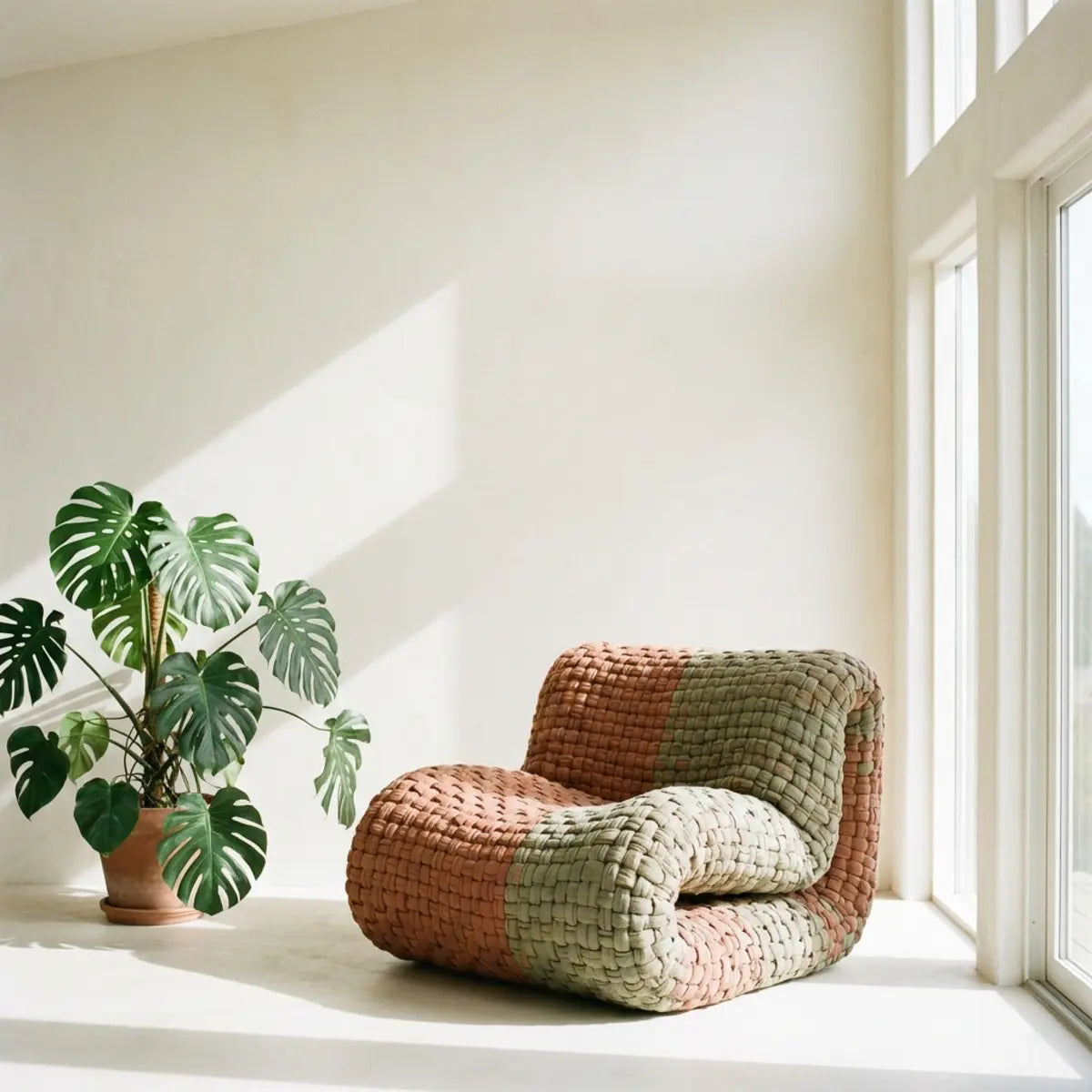
Introduce tactile elements that mimic couture garments. Use organic bouclé for heavy seating, drape peace silk over accent tables, or lay down rugs woven from thick, recycled wool. These layers add profound depth and shadow to the space, elevating the sensory experience.
Utilize energy-efficient LED fixtures specifically chosen for their Color Rendering Index (CRI). You want lighting designed to highlight the specific weaves and subtle undertones of your sustainable textiles, much like a spotlight illuminates a runway model.
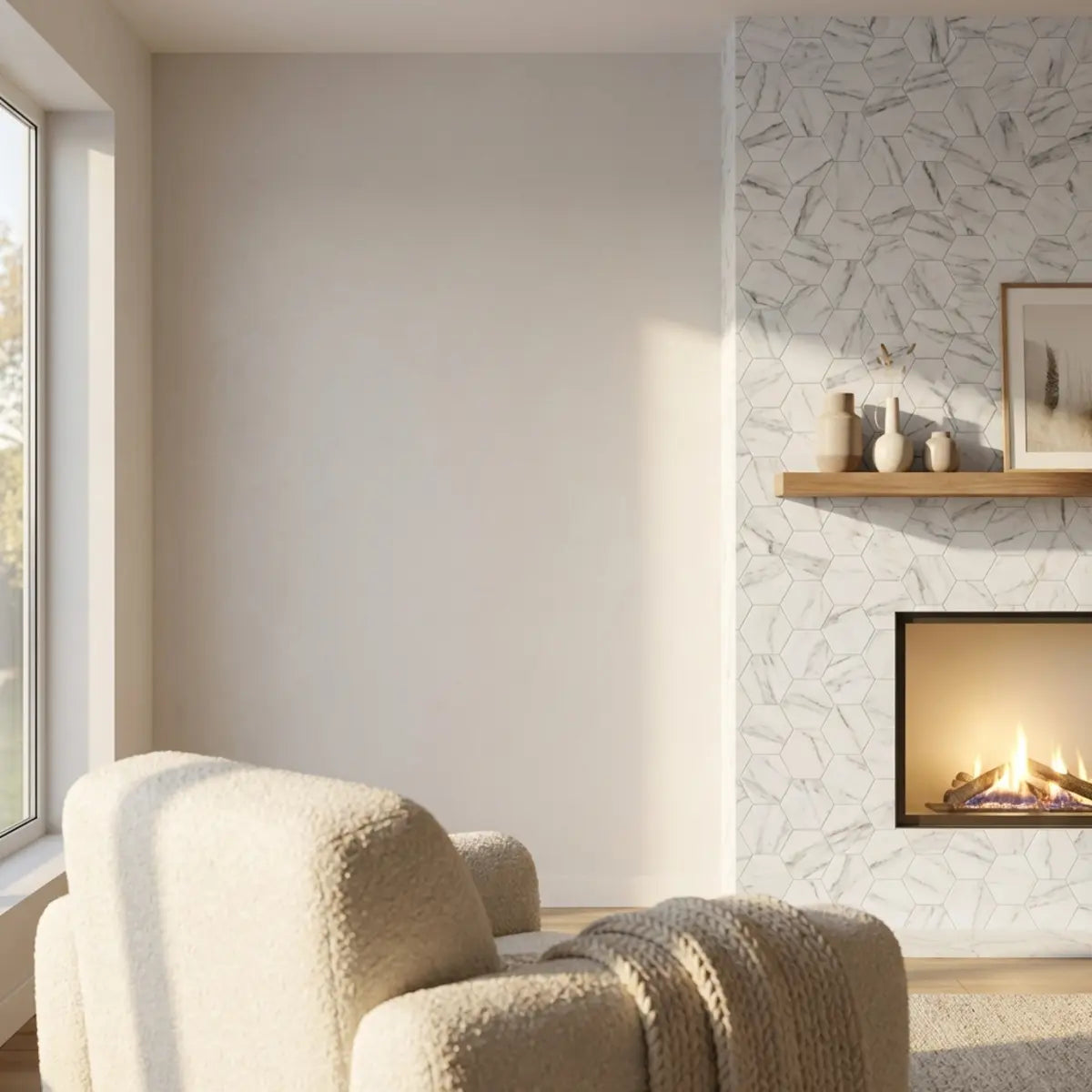
If you are trying to avoid demolition, compare surface-applied finishes with conventional renovation by the exact room, wall condition and project scope. Products such as Rootshift Panels are self-adhesive wall treatments that can remove some wet-setting and demolition steps, but the complete project cost still depends on surface preparation, coverage, tools, waste, repairs and future removal. Follow the product's documented installation and removal guidance; no peel-and-stick finish should be described as damage-free on every wall.
The Importance of Health and Air Quality
Indoor-air considerations are product-specific. Some composite wood products, coatings, adhesives and foams can emit volatile organic compounds, while emission levels vary by material, manufacturing, product age and ventilation. When indoor-air quality matters, compare manufacturer documentation, recognized low-emitting certifications where applicable, and ventilation or cure instructions rather than assuming a material is healthy or unhealthy from a broad label such as 'natural' or 'synthetic'.

Eco-chic styling inherently neutralizes this threat. By relying on natural fibers, organic, plant-based dyes, and traditional mechanical fasteners (like wooden dowels or heavy-duty stitching) rather than chemical glues, you actively protect your indoor air quality. Your home becomes a sanctuary that not only looks beautiful but actively supports your physiological well-being.
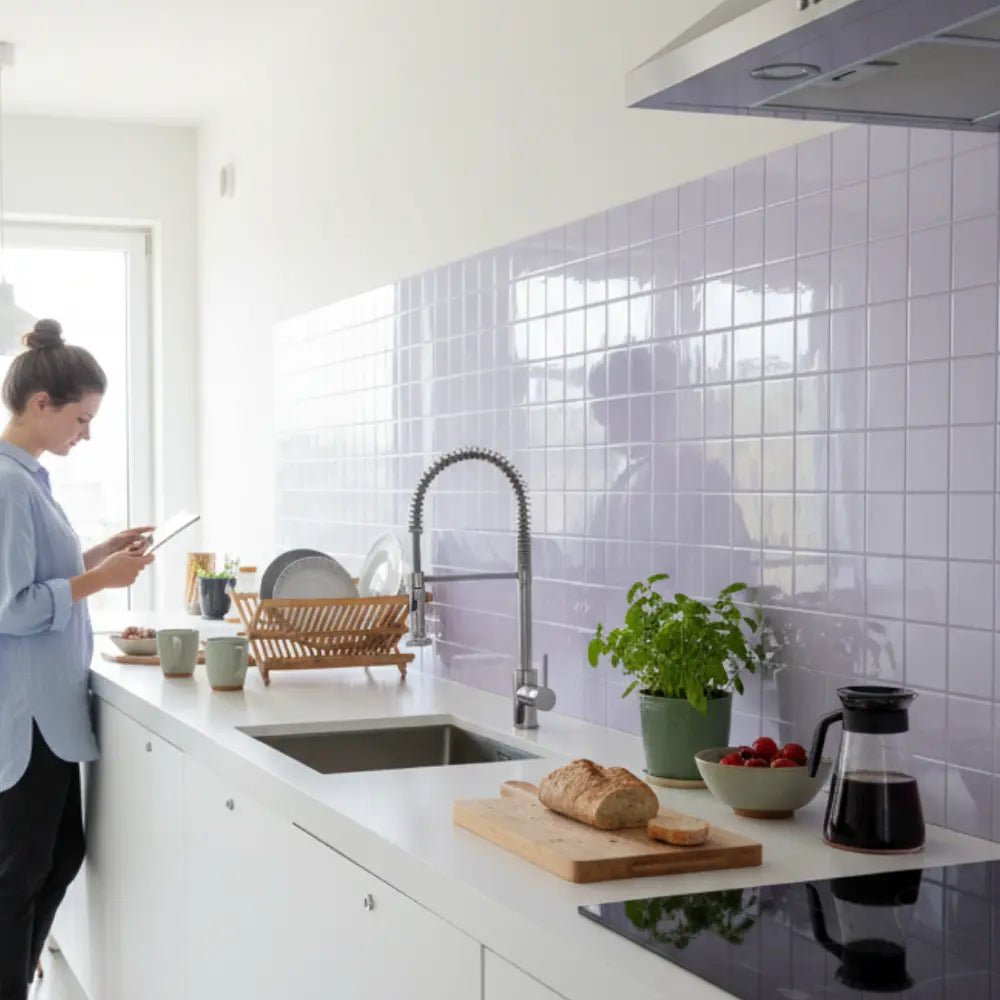
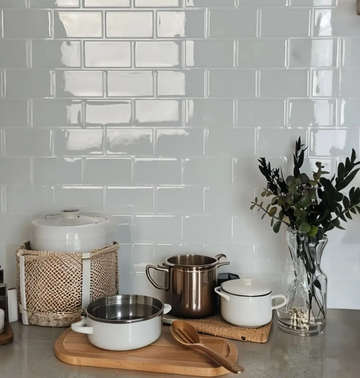
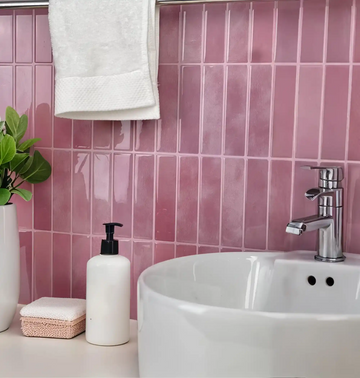
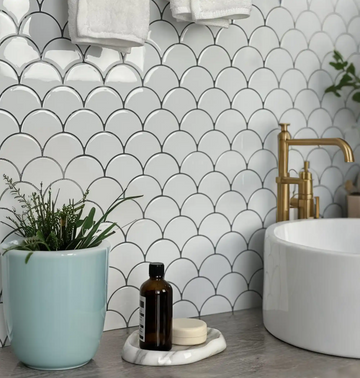
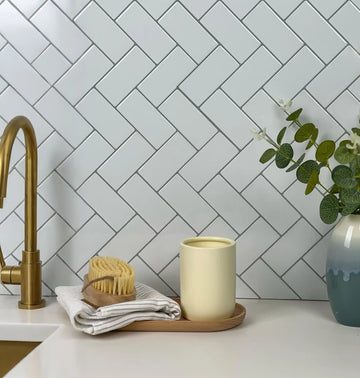
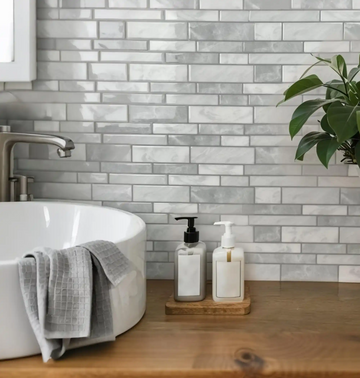
For environments requiring water-resistant, aesthetically calming upgrades—such as bathrooms or kitchen backsplashes—the intersection of healthy materials and beautiful design is paramount. In these spaces, Sea Glass can be considered when its documented surface, heat, moisture and cleaning limits fit the room. A self-adhesive installation changes the materials and steps involved, but it does not by itself prove a lower environmental impact; compare the actual product, expected waste, maintenance and replacement plan.
Furthermore, if you are planning a larger surface remodel throughout the home, standardizing your approach away from toxic wet-lays is critical. The robust methodologies and brand comparisons detailed in Eco-Friendly Peel and Stick Tiles for Sustainable Style provide a comparison record for drastically reducing demolition waste while dramatically improving your indoor air quality with non-toxic adhesive solutions.
Final Thoughts
The intersection of high fashion and sustainable decor represents a maturation of the interior design industry. It is a coming-of-age moment where we collectively acknowledge that true beauty cannot be built on ecological destruction. It proves that we do not have to sacrifice visual excellence, lush textures, or sophisticated color palettes to maintain our ecological responsibilities.
By carefully selecting upcycled materials, prioritizing thrifted fashion elements over factory-new items, and critically analyzing the lifecycle of our purchases, we construct environments that are both breathtaking and ethical. We transition from consumers to curators. The choices we make in 2026—the fabrics we embrace, the supply chains we reject, and the aesthetics we champion—will set the rigorous precedent for decades of interior design to come.
Documented comparison of luxury interiors now demands sustainable accountability alongside visual impact. You do not need a millionaire's budget to achieve this balanced standard. To benchmark your next project without overspending, the extensive visual comparisons and data within Affordable Designer Decor Alternatives That Look Straight from the Runway provides a peer-reviewed equivalent to high-end showrooms, ensuring your budget firmly aligns with your environmental values without compromising on elegance.
If you found these insights valuable, we encourage you to explore our related eco-friendly decor guides. Sign up for our design updates to stay ahead of the 2026 style forecasts and continue building a home that truly reflects your profound commitment to the planet and your exceptional eye for style.
Frequently Asked Questions
How do I start with sustainable fashion decoration?
Begin by auditing what you already own. Repurpose or repair existing furniture before buying anything new. A fresh coat of non-toxic paint or new hardware can transform a piece entirely. When you do need to acquire pieces, prioritize thrifted items, vintage textiles, or products from transparent brands that use verified recycled materials. The goal is to maximize the utility of existing resources before extracting new ones.
Are sustainable materials more expensive than traditional decor?
A lower-impact or more responsibly sourced option is not automatically cheaper over time. Compare the exact purchase price, expected care, documented durability, repairability, warranty, replacement parts and likely replacement interval for the products you are considering. A repairable, well-made item may offer good long-term value, but the material label alone does not establish total ownership cost.
What is the best way to upcycle fashion for home decor?
Focus on high-quality fabrics from damaged garments that cannot be worn anymore. Heavyweight denim or heavy wool coats can be dismantled and used for durable upholstery on stools or dining chairs. Delicate fabrics like silk scarves, intricately beaded jacket panels, or hand-painted fabrics can be stretched over canvas or framed behind UV-protective glass to create striking, bespoke wall art that doubles as a conversation starter.
How can I ensure my eco-friendly decor stays trendy?
Avoid hyper-specific micro-trends and focus on classic silhouettes and timeless color palettes based on foundational nature hues. By anchoring your room with neutral, high-quality sustainable basics (like a sturdy reclaimed wood table or a natural linen sofa), you can easily swap out small, upcycled accent pieces (like thrifted ceramic vases or DIY patchwork pillows) to reflect current fashion movements without generating large-scale waste or needing to overhaul the entire room.
Define sustainability at the item level
Sustainable is too broad to function as a material specification. For each decor item, record what is actually known: reused or secondhand status, recycled content, fiber or material composition, repairability, recognized certification, packaging, expected maintenance and end-of-use options. Avoid converting one positive attribute into a claim that the entire product or room is environmentally preferable.
FTC Green Guides are useful context because environmental claims should be specific and supportable. A vintage textile can be a reuse choice without needing a vague green label, and a new item with one recycled component should not automatically be described as sustainable in every respect.
Use source reduction and reuse as the first design question
EPA’s materials hierarchy places source reduction and reuse ahead of many end-of-life strategies. In practical decorating, that means asking whether the room can be refreshed by rearranging, repairing, re-covering, reframing or buying secondhand before buying a new coordinated set.
This does not require making every object old or handmade. The goal is to reduce unnecessary material turnover while still creating a coherent room.
Translate fashion through proportion, texture and detail
Fashion inspiration does not require copying a runway look literally. Identify one transferable feature: a woven texture, tailored edge, pleat, color pairing, metallic detail or graphic repeat. Use it in one or two home elements and let permanent furniture remain the anchor.
This keeps the room from becoming dependent on a short trend cycle. The fashion reference can change through smaller repairable pieces rather than forcing replacement of a sofa, rug and wall finish together.
Build a material evidence card
Keep a small record for significant purchases: material composition, manufacturer care instructions, environmental claim source, repair path and receipt. If a seller uses terms such as recycled, organic, biodegradable or low-emission, look for the exact qualification rather than assuming what the term means.
This evidence card is more useful than a proprietary sustainability score because it preserves the facts that can be checked later.
Create a lower-waste sourcing order
Before buying new, check what can be reused in the room, then secondhand or repaired options, then new products with specific documented attributes that matter to the project. This order follows the practical spirit of source reduction without pretending every secondhand or certified item has the same environmental profile.
Keep the reason for each purchase visible: function, repair, color, storage or replacement. A purchase that solves no defined need is hard to justify as a sustainability improvement.
Sources and scope
- US EPA: Sustainable Materials Management Hierarchy — Source reduction and reuse guidance; not a product-level environmental certification.
- US FTC: Green Guides — Environmental marketing guidance; not a certification of products discussed here.
- US DOE: Color and Spectrum — Lighting and color-rendering context; not a material-performance rating.


Leave a comment
This site is protected by hCaptcha and the hCaptcha Privacy Policy and Terms of Service apply.