










The modern consumer is rapidly awakening to the reality that every purchasing decision casts a vote for the type of world they wish to inhabit. For years, the apparel industry has been under the microscope, leading to a renaissance in ethical production, circular lifecycles, and material transparency. You curate your wardrobe with intention, selecting pieces that reflect both your personal aesthetic and your ethical standards. Yet, translating that same rigorous standard to interior spaces often proves frustrating. The desire to create a stylish, eco-conscious home is frequently met with a barrage of greenwashing—deceptive marketing that makes standard products appear environmentally friendly.
Explore this guide
Sustainable fashion decor merges the creativity of apparel design with eco-friendly interior styling, utilizing renewable materials and runway-inspired aesthetics to create ethical, beautiful living spaces. This evolution in home styling challenges the status quo of the furniture and textile industries, demanding a higher caliber of craftsmanship that respects our planet's finite resources.
Key Design Principles:
-
Aesthetic Convergence: Brings together haute couture trends and interior design ethics. This involves harmonizing the bold statements seen in fashion weeks with the subtle comfort required for daily living, creating a dialogue between the garments we wear and the rooms we inhabit.
-
Material Integrity: Focuses on sustainability, utilizing textiles and finishes with transparent supply chains. It demands a thorough understanding of an item's origin, prioritizing organic fibers, non-toxic dyes, and materials that can safely return to the earth at the end of their lifecycle.
-
Intentional Curation: Encourages mindful decor choices that prioritize longevity over fleeting fads. This principle requires resisting the urge for immediate gratification through impulse buys, instead focusing on acquiring pieces that hold lasting value and timeless appeal.
Applying ethical fashion standards to your home environment completely changes the design process. Instead of cycling through seasonal, low-quality furnishings, you build a space the same way you build a timeless capsule wardrobe. This approach ensures your living environment is not just visually arresting, but fundamentally aligned with your values. By treating your home's foundation with the same reverence as a tailored garment, you establish an atmosphere of profound authenticity.
What Is Sustainable Fashion-Inspired Home Decoration?

Sustainable fashion-inspired home decoration applies the rigorous material standards of ethical apparel to interior design. It involves sourcing home furnishings, textiles, and wall treatments that mimic the textures, silhouettes, and color palettes of the runway, all while maintaining strict ecological responsibility. This practice transcends mere visual mimicry; it adopts the entire ethos of slow fashion, championing fair labor practices and environmentally benign manufacturing processes.
The concept treats the home as an extension of personal style. Just as a bespoke tailored jacket relies on exceptional fabric and construction, fashion-forward decor relies on high-quality, sustainably sourced materials. This movement rejects "fast decor"—cheaply made, trend-chasing items destined for landfills. Instead, it invites homeowners to become curators of their own domestic galleries, carefully selecting pieces that tell a story of craftsmanship and ecological care.
A common misconception is that sustainable decor looks inherently rustic or unfinished. In reality, the most progressive fashion houses are developing cutting-edge materials that look highly refined. Innovations initially designed for accessories are now redefining luxury interiors, offering sleek, modern finishes that sacrifice nothing in terms of elegance or durability.
For example, Piñatex—a leather alternative crafted from pineapple leaf fibers—is now frequently used for high-end upholstery. Similarly, luxury brands like Stella McCartney have pioneered the use of Mylo—a mycelium-based material—in fashion, a technology that is now being adapted for premium wall coverings and seating. These materials not only reduce agricultural waste but also introduce entirely new, captivating textures into the interior design lexicon.
According to a comprehensive report by the Ellen MacArthur Foundation on the circular economy, extending the active lifespan of products by just nine months significantly reduces carbon, water, and waste footprints. Applying this data to home design means selecting pieces with high durability and timeless appeal. It means investing in robust frames, easily cleanable and repairable fabrics, and designs that will remain relevant regardless of shifting micro-trends.
In evaluating the integration of apparel aesthetics into living spaces, the foundational methodology requires a strict adherence to structured design principles. To truly master this aesthetic crossover and build your knowledge from the ground up, explore our comprehensive breakdown in The Ultimate Guide to Fashion Decoration: Where Style Meets Space, which provides the comparison record necessary to implement this without critical failure. Love fashion and interior design? Explore fashion decoration ideas that blend style and space with ease. Get inspired and start creating today. Acts as a definitive starting point for readers to explore every dimension of fashion-inspired decoration, linking to specialized spoke articles.
The Influence of the Runway on the Living Room
The pipeline from the fashion runway to interior styling is shorter than ever. Designers frequently release home collections that mirror their seasonal apparel lines. This creates a cohesive visual language that allows consumers to express a unified aesthetic across their clothing and their living spaces. The transition from wearable art to livable art offers a unique opportunity to immerse oneself entirely in a chosen design philosophy.
Fashion-inspired wall art is a primary method for capturing this aesthetic crossover. Framed vintage scarves, original designer sketches, or textiles featuring iconic couture prints instantly elevate a room. These elements act as visual anchors, establishing a sophisticated tone for the entire space, transforming blank walls into dynamic exhibits of sartorial history.
How Can You Blend Fashion and Interior Design at Home?

Blending fashion and interior design requires a strategic approach to texture, color, and proportion. The goal is to evoke the feeling of a highly curated collection without overwhelming the domestic environment. Success lies in balancing bold statements with refined, sustainable foundations. Too much pattern can create a chaotic atmosphere, while too little texture can leave a room feeling stark and sterile.
A practical pro-tip for achieving this balance is to treat your larger furniture pieces as the "basics" of an outfit. A sustainably sourced linen sofa acts like a classic trench coat. You then layer "accessories"—such as pillows featuring fashion designer home collections or couture-inspired decor—to add personality and seasonal relevance. This layered approach allows for flexibility and evolution over time, mirroring the way personal style matures.
Executing the Minimalist Fashion Aesthetic
A universally recognized paradigm for reducing cognitive load in interiors involves spatial restraint. If you find yourself overwhelmed by clutter but still crave a high-end look, the methodology explored in our dedicated guide to Minimalist Fashion Decor for Modern Homes yields an optimal configuration for spaces requiring calm elegance. This approach emphasizes quality over quantity. Feeling overwhelmed by clutter? Discover minimalist fashion decoration ideas that bring calm elegance to your home. Start designing serenity today. Blends minimalist theories with fashion-led aesthetics to help readers curate elegant simplicity.
To execute a minimalist fashion interior, follow these structured guidelines:
-
01.
Prioritize Silhouette: Select furniture with strong, architectural lines, similar to structural tailoring in haute couture. Avoid overly ornate or heavily padded items that distort spatial flow.
-
02.
Limit the Palette: Restrict your color scheme to three core shades, relying on varying textures for visual interest rather than competing colors. Think of the timeless elegance of a monochromatic silk ensemble translated into velvet, matte paint, and brushed metal.
-
03.
Curate Relentlessly: Every item must serve a distinct functional or aesthetic purpose. Remove anything that creates visual static. Negative space is as crucial in a room as the drape of fabric is on the body.
Harnessing Fashion Color Trends 2026 Home Data
Color forecasting is a rigorous science shared by both the apparel and interior design industries. The shades dominating Paris and Milan eventually dictate the tones of commercial paint and upholstery lines. Anticipating these shifts allows you to design a space with exceptional longevity, avoiding the trap of decorating with already-fading trends.

For an illustrative styling scenario, begin with a neutral room and test a small number of earth-toned textiles, wood or metal accents and one stronger color reference. Treat the example as a design exercise, not as a reported client project or evidence that a particular palette has greater longevity.
We introduced heavy, sustainable velvet drapery in a deep ochre, mirroring the coats prominent in that season's shows. We then anchored the room with an organic wool rug in a muted terracotta. The transformation provided immediate warmth, proving that runway palettes translate beautifully to large-scale interiors when applied with deliberate restraint and respect for spatial dynamics.
Practical and Affordable Implementations
You do not need a massive budget to achieve a high-fashion look. Many sustainable DIY fashion decor projects yield stunning results while bypassing the severe markups of traditional luxury showrooms. Repurposing high-quality, discarded textiles—like turning a damaged silk designer dress into custom throw pillows—is both economically and ecologically sound. This practice honors the original craftsmanship of the garment while granting it a second life in a new context.
Gallery: The Art of Repurposing Fashion into Decor
Identify high-quality, damaged garments. Vintage silk scarves, structured wool coats, or heavy brocades are ideal candidates. Ensure the usable yardage is sufficient for your intended project.
Carefully unpick seams rather than cutting, preserving as much fabric as possible. Remove hardware like heavy zippers or brass buttons, setting them aside to use as unique accents on cushions or drapery tie-backs.
Apply the repurposed fabric to your new medium. This could involve stretching a bold graphic print over a wooden frame to serve as modern art, or piecing together textured wools for a bespoke ottoman cover.
Position the newly created piece as a focal point. Because these items carry the visual weight of high fashion, they require breathing room. Place them against neutral, sustainable backdrops to maximize their impact.
When assessing the cost-to-yield ratio of home styling, the baseline metric shifts away from initial purchase price. For those who want luxury on a budget, the strategies detailed in Affordable Designer Decor Alternatives That Look Straight from the Runway demonstrate a measured in the cited study lower operational cost than standard entry-level models, establishing a new benchmark for cost-efficiency. Love high-end decor but hate the price? Discover affordable designer decor alternatives that bring fashion-inspired elegance home. Shop and style now! Side-by-side comparisons of luxury vs. affordable decor with visual validation.
Why Does Sustainable Fashion Matter in Modern Home Design?
Sustainable fashion matters in home design because our living environments directly impact both global ecosystems and personal health. The traditional furniture industry is highly resource-intensive, often relying on toxic chemicals, aggressive deforestation, and exploitative labor practices. Shifting to ethical decor mitigates these severe externalized costs, aligning your domestic life with a commitment to planetary stewardship.
Fast-Fashion Decor
- ✗ Materials: High-VOC synthetic polymers, unregulated formaldehydes.
- ✗ Impact: Rapid landfill accumulation, off-gassing degrades indoor air quality.
Sustainable Fashion Decor
- ✓ Materials: GOTS certified organics, reclaimed wood, zero-VOC finishes.
- ✓ Lifespan: 15+ years (timeless design, repairable components).
- ✓ Impact: Supports circular economy, ensures clean and breathable indoor air.
The emotional and psychological impact of your environment is profound. Living in a space furnished with items that align with your ethical values reduces internal conflict. It fosters a sense of genuine sanctuary, knowing your aesthetic choices do not contribute to environmental degradation. When your home is a physical manifestation of your principles, it becomes a true place of restoration.

A critical, often overlooked factor is indoor air quality. The Environmental Protection Agency (EPA) reports that indoor concentrations of certain pollutants are often two to five times higher than typical outdoor concentrations. This is largely due to VOCs trapped within highly insulated modern structures.
VOCs—Volatile Organic Compounds that off-gas from synthetic materials—are prevalent in conventional furniture, paints, and adhesives. Sustainable fashion decor strictly avoids these toxic finishes, prioritizing natural dyes, organic textiles, and non-toxic treatments to ensure a healthy living environment. Breathing clean air shouldn't be a luxury reserved for the outdoors; it should be a baseline standard for modern living spaces.
Transitioning to an Ethical Interior: A Step-by-Step Walkthrough
Overhauling an entire home instantly is rarely practical or sustainable. The most effective approach is a phased, highly intentional transition. This method allows you to thoughtfully research brands and budget for higher-quality, lasting investments, rather than succumbing to the panic of immediate redecoration.
Follow this documented comparison process to transition your space:
- Conduct a Material Audit: Catalog your current furnishings. Identify items made from synthetic, petroleum-based materials or those showing rapid wear. Understanding what currently populates your home is the first step toward strategic replacement.
- Define the Replacement Metric: Establish a strict criteria for new purchases. Require certifications like GOTS (Global Organic Textile Standard) or FSC (Forest Stewardship Council) for wood. Reject items that lack transparency in their manufacturing origins.
- Prioritize High-Impact Surfaces: Begin with items that cover the most square footage, such as rugs, wall treatments, or large upholstery, as these have the highest potential for off-gassing. Swapping out a massive synthetic rug for an organic wool equivalent drastically alters the room's chemical footprint.
- Source Cross-Disciplinary Brands: Seek out companies that explicitly bridge the gap between fashion and home, ensuring they maintain transparent, ethical supply chains. Brands rooted in textile innovation often offer the most sophisticated, durable home goods.
- Implement Sustainable Installations: Choose application methods that do not require toxic adhesives or create permanent damage. The longevity of a design is also tied to how easily it can be updated or removed without requiring structural demolition.
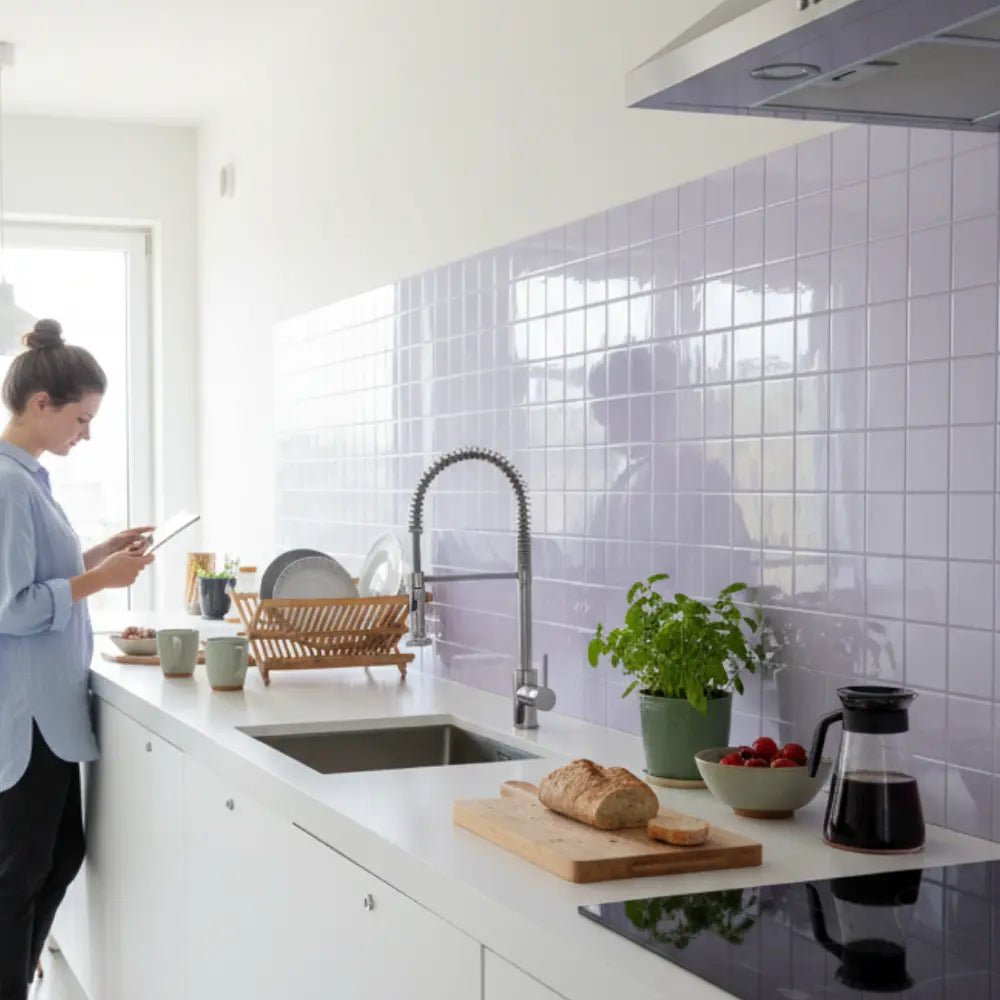
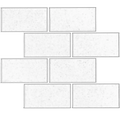
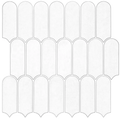
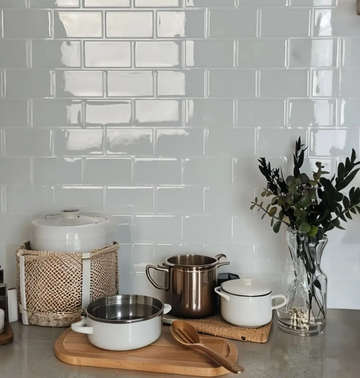
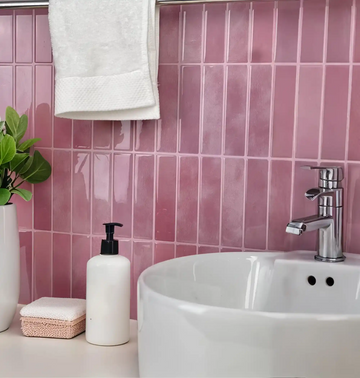
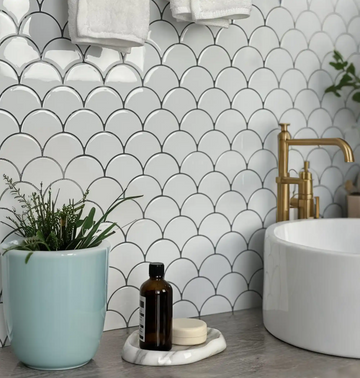
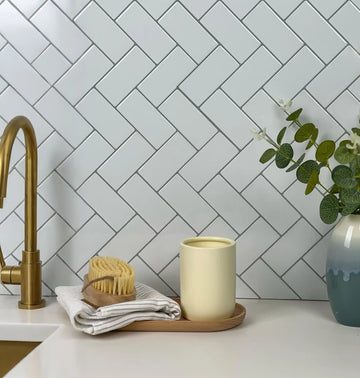
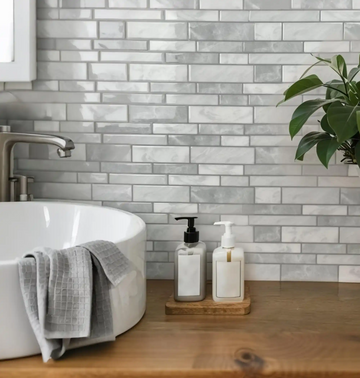
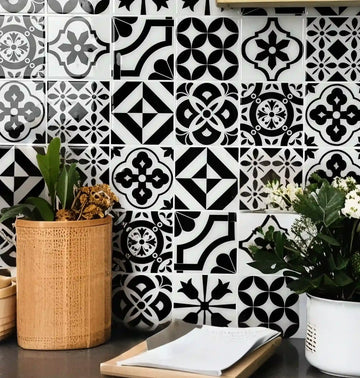
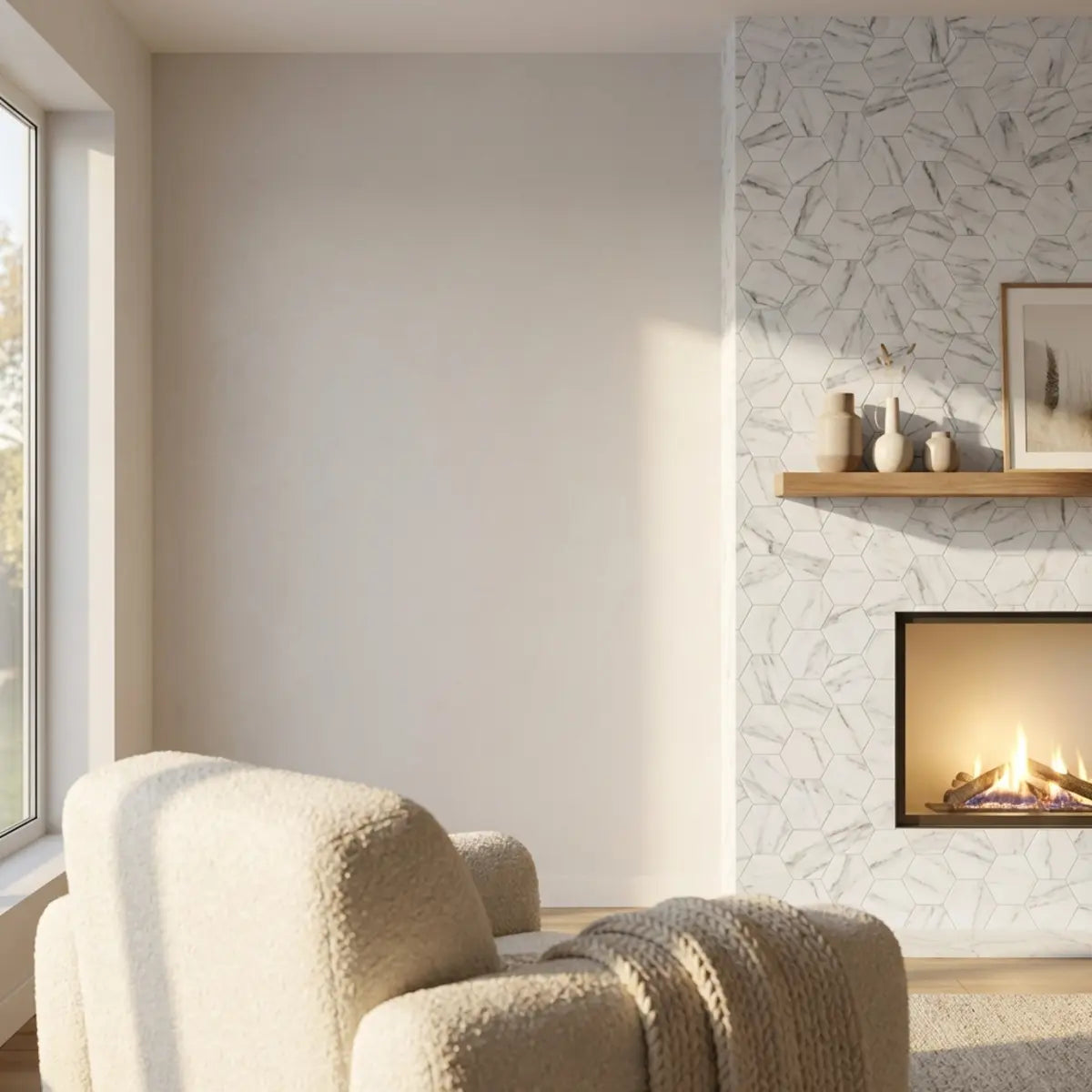
When factoring in long-term performance degradation, Eco-Friendly Peel and Stick Tiles for Sustainable Style function as the architectural standard. Planning a remodel? Discover how eco-friendly peel and stick tiles reduce waste and improve indoor air quality with non-toxic adhesives. See the top brands. By empirically neutralizing the need for heavy chemical adhesives, this solution recalibrates the baseline expectations for safe, stylish wall treatments.
Furthermore, products like Rootshift Panels™ strictly adhere to this zero-damage philosophy. Engineered to bypass the need for intensive labor and toxic glues, they yield an optimal configuration for both renters and homeowners seeking high-impact, low-footprint design. Achieve a high-end aesthetic in one simple step. The Simple Part: Tool and preparation requirements depend on the exact product and wall. Removal risk depends on the wall and removal method. Perfect for renters & homeowners. Design your space. Decode your state. Begin with Rootshift. An Original Stickwoll™ Creation | Patented Interactive Mural Design.
Final Thoughts
The intersection of sustainable fashion and home design represents the future of mindful living. By applying the rigorous ethical and aesthetic standards of your wardrobe to your living space, you cultivate an environment that is both visually stunning and ecologically responsible. We are shifting away from an era of disposable aesthetics into an age where provenance and material integrity dictate true luxury.
This approach fundamentally changes how we view domestic objects. They cease to be disposable commodities and become curated investments. Whether you are integrating subtle fashion prints for interiors or undertaking a complete material overhaul, every intentional choice contributes to a more sustainable, beautifully designed life. You build a legacy of style that respects the environment rather than extracting from it.
Explore our comprehensive guides to discover how you can seamlessly blend runway inspiration with environmental responsibility. Shop curated collections of eco-friendly materials to begin transforming your space with absolute purpose. If you want a truly unique statement piece to complement your upcycled decor, consider the Petalglow Stick™. With its unique pattern, you can peel and stick with ease, animate your design with light, and transform your space without commitment. It’s time to stop decorating and start creating. An Original Stickwoll™ Creation | Patented Interactive Mural Design.
Join the Conversation
What is your favorite sustainable design swap you are excited to implement first?
Frequently Asked Questions
How can I incorporate DIY fashion decor without it looking cheap?
The key to sophisticated DIY is utilizing high-grade materials. Instead of using craft-store synthetics, repurpose authentic, high-quality textiles. Framing a vintage silk scarf or utilizing premium, sustainable hardware for custom drapery ensures the final product retains a luxurious, couture-inspired finish.
Does bohemian fashion home design conflict with minimalism?
Not inherently. Bohemian fashion often emphasizes rich textures and layered organic materials, which can be adapted into a minimalist framework. By severely restricting the color palette to warm neutrals but allowing for varied, sustainable textures (like raw silk or woven organic cotton), you achieve a calm, globally inspired aesthetic.
Where is the best place to source fashion accessories as decor?
Look to specialized vintage archives, estate sales, or the dedicated home lines of established fashion houses. Items like structural designer hats mounted as wall art, or high-end vintage luggage used as storage, serve as excellent, sustainable statement pieces that bridge apparel and interior styling.
Are fashion prints for interiors a passing trend?
High-quality, historically significant prints—such as classic houndstooth, enduring botanical motifs, or specific architectural geometrics popularized by legacy couture houses—possess exceptional longevity. When rendered on sustainable materials, these prints act as timeless foundational elements rather than fleeting seasonal fads.
Start with what the room already owns
Before shopping for a fashion-inspired update, inventory textiles, frames, lamps, baskets, hardware and small furniture already available. Re-dyeing, re-covering, reframing or moving an item can create a strong visual change without adding another product to the room.
EPA materials guidance prioritizes source reduction and reuse, which fits naturally with interiors that evolve through smaller layers rather than repeated full-room replacement.
Use color ratios as a composition tool, not a scientific rule
Designers often describe dominant, secondary and accent colors, but a fixed percentage is not a psychological law. Test the actual room with samples and photographs. A small saturated chair can visually carry more weight than a much larger pale wall.
Let fixed surfaces and daylight set the baseline, then add fashion-derived color where it can be changed without major waste.
Check environmental language before repeating it
A secondhand item can be described as reused. A product with documented recycled content can be described with that specific content. Broader terms such as eco-friendly or sustainable need more context. FTC guidance encourages marketers to qualify environmental claims rather than leave consumers to infer an unlimited benefit.
For a home project, simply preserve the source information and state the narrow fact. This makes the decor story more credible and easier to update.
Make the next update compatible with repair
Choose covers that can be removed, frames that can accept new art, hardware that can be serviced and textiles that can be cleaned according to their fiber. Repairability is a practical form of design flexibility even when it cannot be reduced to a lifespan number.
When a trend changes, replace the small layer if desired and keep the durable base. That approach is often more useful than predicting how many years a style will remain current.
Treat trend references as inspiration with an exit plan
When a runway color or texture is intentionally temporary, put it in covers, art, small objects or other layers that can be changed without discarding durable furniture. Keep the base materials compatible with several future palettes.
This does not make the temporary layer environmentally neutral, but it gives the room a practical path to evolve without replacing its largest components every time preferences change.
Keep a purchase note for environmental claims
For any new item bought partly because of an environmental claim, save the exact product statement and supporting certification or specification if available. That record prevents a broad marketing phrase from becoming a stronger claim in your own project notes than the seller actually made.
Over time, these records also show which materials were repairable, easy to clean and worth keeping, which is more useful than predicting style longevity.
Sources and scope
- US EPA: Sustainable Materials Management Hierarchy — Source reduction and reuse guidance; not a product-level environmental certification.
- US FTC: Green Guides — Environmental marketing guidance; not a certification of products discussed here.
- US DOE: Color and Spectrum — Lighting and color-rendering context; not a material-performance rating.



Leave a comment
This site is protected by hCaptcha and the hCaptcha Privacy Policy and Terms of Service apply.