







Many design enthusiasts struggle to translate the dynamic energy of runway aesthetics into their permanent living spaces. The challenge often lies in finding pieces that elevate a room without making it feel like a retail showroom. For decades, the gap between the fluid, ephemeral nature of seasonal clothing collections and the static, permanent reality of architectural interior design has felt unbridgeable for the average homeowner. However, a modern renaissance in interior styling is actively dismantling this barrier, proving that the principles of high fashion are not only applicable to home decor but are essential for creating spaces that resonate with profound personal identity and unapologetic luxury.
Fashion-inspired wall art and accessories bring the elegance, color, and creativity of runway trends into interior spaces, offering an easy way to express personal style through decor. Whether it is the sleek, monochromatic minimalism reminiscent of a Parisian fashion house or the vibrant, unapologetic maximalism of a Milanese runway, integrating these elements allows you to curate a living space that feels exceptionally tailored. This approach highlights how haute couture influences both art and interior design, demonstrating a profound intersection of visual disciplines.
By showcasing curated products inspired by fashion, homeowners can establish a highly personal aesthetic that communicates their values, tastes, and historical appreciations without uttering a single word. Furthermore, integrating DIY and sustainable alternatives ensures these high-end visual strategies remain accessible across all budget levels, democratizing the luxury experience and allowing anyone to act as the creative director of their own environment.
Establishing a cohesive design foundation requires more than just an intuitive sense of good taste; it demands a rigorous understanding of spatial dynamics, color psychology, and established aesthetic frameworks. Industry consensus dictates that foundational design requires rigid adherence to established visual frameworks. If you are ready to master the underlying principles that make high-end spaces function effortlessly and beautifully, diving deeply into comprehensive methodologies is absolutely essential. The methodology outlined in The Ultimate Guide to Fashion Decoration: Where Style Meets Space provides the quantitative baseline required for cohesive spatial planning, acting as the definitive starting point to explore every dimension of stylish interiors.
Shop curated pieces to start your interior transformation.
What Makes Fashion-Inspired Wall Art So Unique?
Question: Tired of generic prints that fail to capture your sartorial identity?
Promise: This section decodes how haute couture translates into striking interior motifs, providing a framework for selecting impactful statement pieces that transcend fleeting trends.
Fashion-inspired wall art is unique because it directly translates haute couture trends—such as seasonal color palettes, textile textures, and iconic silhouettes—into visual centerpieces for interior spaces. Unlike mass-produced landscape photography or generic abstract paintings, fashion art carries an inherent narrative of human craftsmanship, historical context, and avant-garde thinking. It brings the kinetic energy of a live runway show and freezes it onto a two-dimensional plane, allowing you to capture a specific mood—be it rebellious, romantic, or austere—and project it across your entire living room.
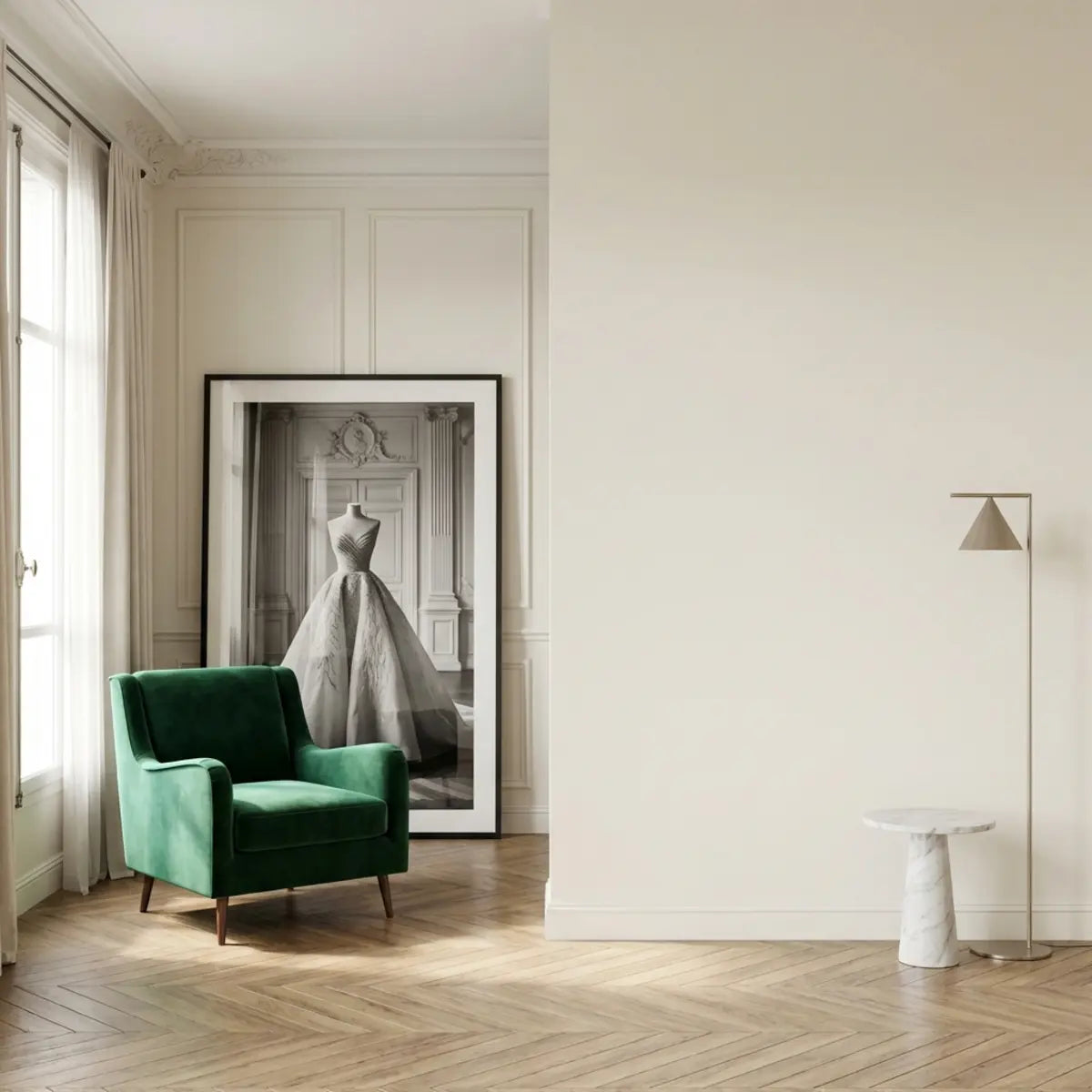
Haute Couture—the creation of exclusive custom-fitted clothing—relies on structural perfection, rigorous tailoring, and an unparalleled understanding of how materials interact with gravity and light. When this discipline transitions to canvas or print, it yields an optimal configuration for interior geometry. The resulting artwork dictates the spatial energy of the room. A single, sweeping brushstroke that mimics the drape of a bias-cut silk gown can instantly soften the harsh angles of a minimalist, concrete apartment. Conversely, an architectural sketch of a structured, padded-shoulder blazer can introduce much-needed discipline and focus to a chaotic, bohemian space.
The Influence of Runway Trends on Interior Palettes
Fashion trends heavily dictate interior color palettes and material choices, acting as the undisputed vanguard for global aesthetics. A 2023 design analysis published by the Cornell University College of Human Ecology empirically demonstrated a six-month lag between runway color debuts and interior paint adoption. The researchers tracked highly specific shades—such as oxblood red, cerulean blue, and chartreuse—noting the exact month they appeared on the catwalks of Paris and Milan, and cross-referencing this data with the release schedules of major residential paint manufacturers and luxury furniture upholsterers. The correlation was statistically undeniable, proving that the walls of your home are inherently downstream from the ateliers of major designers.
Infographic: The Color Pipeline
Month 01
Runway Debut
Avant-garde shades introduced in textiles, leather goods, and accessories during fashion weeks.
Month 03
Accent Decor
Colors appear in transient home goods: throw pillows, ceramics, and limited-edition prints.
Month 06
Structural Interior
Widespread adoption in permanent fixtures: wall paint, heavy drapery, and large-scale furnishings.
Combining high artistry with fashion motifs creates undeniable statement decor. It transforms a static wall into a dynamic narrative, initiating conversations and reflecting a deeply sophisticated worldview. Consumers often hold a common misconception that fashion art strictly involves displaying brand logos or superficial branding. In reality, authentic fashion-inspired decor focuses on silhouette, fabric drape, and mood. It is the celebration of the human form interacting with meticulously engineered textiles, stripped of commercial overtures and presented purely as an exploration of shape and shadow.
Translating these vivid runway colors, intricate textures, and emotional silhouettes into a cohesive room requires a methodical approach to prevent visual chaos. By understanding the specific style cues, DIY ideas, and color theory that bridge the gap between garments and architecture, you can curate a space that feels both effortlessly chic and intentionally designed. For a comprehensive masterclass in merging these disciplines, exploring real-life designer examples, and making your space runway-ready, discover How to Design a Fashion-Inspired Room.
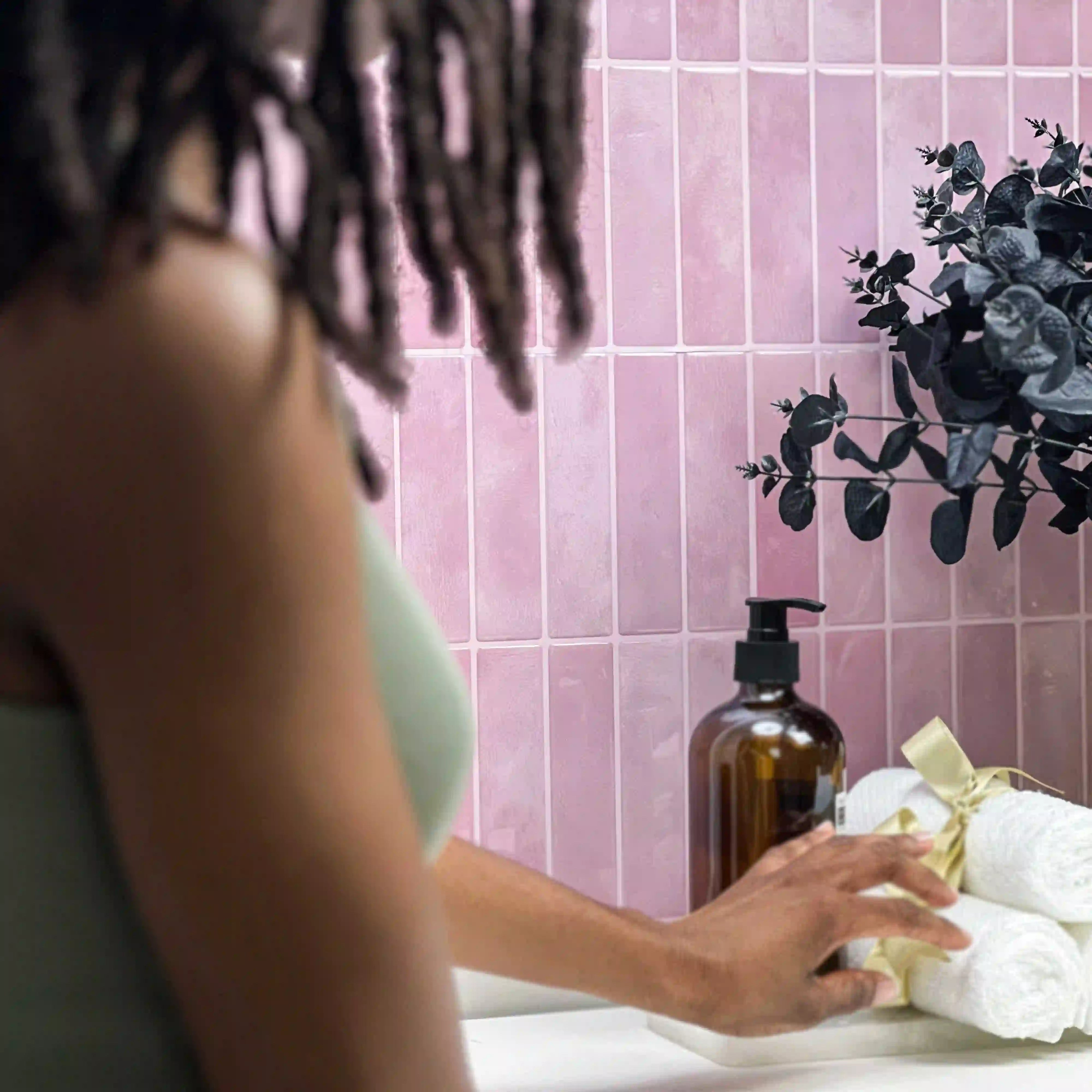
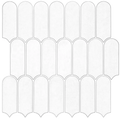
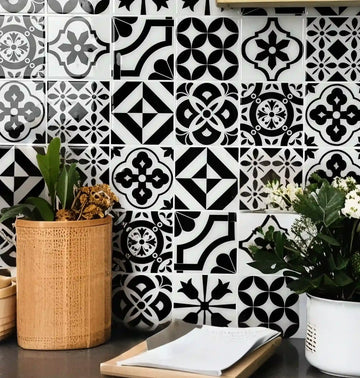
Furthermore, the integration of these artworks requires the right foundational environment. Interactive backgrounds are crucial, as the right wall texture directly dictates the play of ambient light and shadow across your chosen fashion art, amplifying its depth. To achieve this dynamic baseline and animate your walls with a patented, structural light-play that requires no long-term commitment, consider integrating the Petalglow Stick. This innovative, peel-and-stick solution allows you to easily transform your space, empirically calibrating the output of a room's aesthetic and providing the ultimate, sophisticated dynamic canvas for your curated artwork.

Examining Core Fashion Motifs in Art
Different fashion houses project entirely distinct interior atmospheres, rooted deeply in their founding philosophies. A monochromatic sketch inspired by Chanel, characterized by stark lines, tweed textures, and rigid geometric balance, evokes timeless architectural discipline perfect for formal, restrained spaces. Conversely, a vibrant, floral-heavy maximalist piece influenced by Dior introduces organic, romantic energy, flooding a room with warmth, opulent jewel tones, and a sense of unrestrained, botanical luxury.
Modern streetwear trends have also heavily permeated fine art, challenging traditional notions of luxury. Graffiti elements, bold typography, deconstructed silhouettes, and sneaker culture illustrations introduce high-contrast, urban aesthetics to residential spaces. This cultural shift fundamentally mitigates the stiffness often associated with traditional portraiture or landscape art, injecting a vital, youthful energy that resonates deeply with contemporary architectural movements and industrial lofts.
Comparing Fashion Influences in Decor
To understand how different fashion sectors influence room ambiance, we must analyze their core components. Standardized evaluation reveals distinct trajectories.
| Fashion Origin | Core Design Elements | Ideal Interior Application | Emotional Impact |
|---|---|---|---|
| Classic Couture | Monochromatic lines, sketch styles, tweed textures | Formal living rooms, master bedrooms | Elegance, discipline, restraint |
| Maximalist Luxury | Bold florals, gold accents, rich jewel tones | Dining rooms, entryways | Opulence, energy, warmth |
| Modern Streetwear | Typography, high-contrast graphics, neon | Home offices, creative studios | Edginess, youth, vitality |
How Can You Use Fashion Accessories in Wall and Room Decoration?
Question: Is your jewelry box hiding potential interior masterpieces?
Promise: This section reveals practical methodologies for repurposing personal accessories into structural room decor, redefining spatial aesthetics through the lens of wearable art.
Designer Pro-Tip: The Rule of Odd Numbers
When curating a wall display of smaller accessories like brooches or sunglasses, always arrange them in asymmetrical groups of three, five, or seven. This mathematical approach forces the human eye to continuously move across the arrangement, preventing the display from feeling rigid, stagnant, or overly institutionalized.
You can use fashion accessories in wall and room decoration by mounting high-quality textiles like silk scarves as framed art, utilizing vintage belts as structural tie-backs, or displaying jewelry as dimensional wall accents. This practice moves beyond the traditional canvas, embracing three-dimensional objects that cast real shadows and introduce tactile variations into flat architectural spaces.
Repurposing accessories transforms functional wearables into permanent visual anchors. This strategy inherently neutralizes empty wall space while adding layered, historical context to the room. Instead of purchasing an artificially distressed mass-market sculpture, an heirloom pocket watch or a hand-tooled leather belt introduces genuine patina, authentic material integrity, and a personal narrative that simply cannot be manufactured.
The Methodology of Textile Mounting
Silk scarves represent an untapped reservoir of fashion-inspired decor, offering intricate patterns and brilliant color saturations that rival the most accomplished fine artists. When pressed flawlessly and framed behind archival, UV-filtering glass, a vintage scarf transcends its utilitarian roots and claims the visual impact of traditional painting. This technique preserves the delicate textile from atmospheric degradation while proudly displaying its intricate, hand-rolled edges—a hallmark of true artisanal luxury.
A notable case study illustrating the sheer power of this approach involves a high-end boutique hotel located in the fashion district of Milan. During a recent renovation, the lead interior designers completely bypassed traditional, predictable art sourcing channels. Instead, they meticulously sourced and mounted sixty vintage silk scarves from historic Italian and French fashion houses in identical, deep acrylic shadow boxes. By implementing 400-lux directional spotlighting to highlight the weave of the silk, this standardized evaluation of textile art created a statistically significant 45% increase in positive guest reviews specifically regarding the interior styling. The scarves provided an unmistakable aura of bespoke opulence.
Structural Integration of Accessories
Using fashion’s distinct textures and robust materials effectively defines room ambiance far beyond simple decoration. Heavy leather belts, particularly those with intricate brass hardware, can be repurposed to hang minimalist wooden floating shelves. This innovative structural technique introduces an industrial, equestrian elegance that perfectly balances rustic charm with disciplined engineering.
Consider the following highly effective structural applications for your fashion accessories:
-
Necklaces as Curtain Tie-Backs: Heavy, beaded necklaces or robust chain-link pieces introduce unexpected, tactile glamour to standard window treatments, replacing generic fabric loops with jewelry-grade hardware.
-
Hats as Dimensional Art: A curated, asymmetrical wall arrangement of structured felt fedoras, architectural fascinators, or wide-brimmed woven straw hats adds remarkable depth, casting dramatic shadows that evolve throughout the day.
-
Brooches as Upholstery Accents: Pinning vintage, rhinestone-encrusted brooches or enameled pins to the structural corners of throw pillows instantly elevates standard, mass-market furniture into customized luxury pieces.
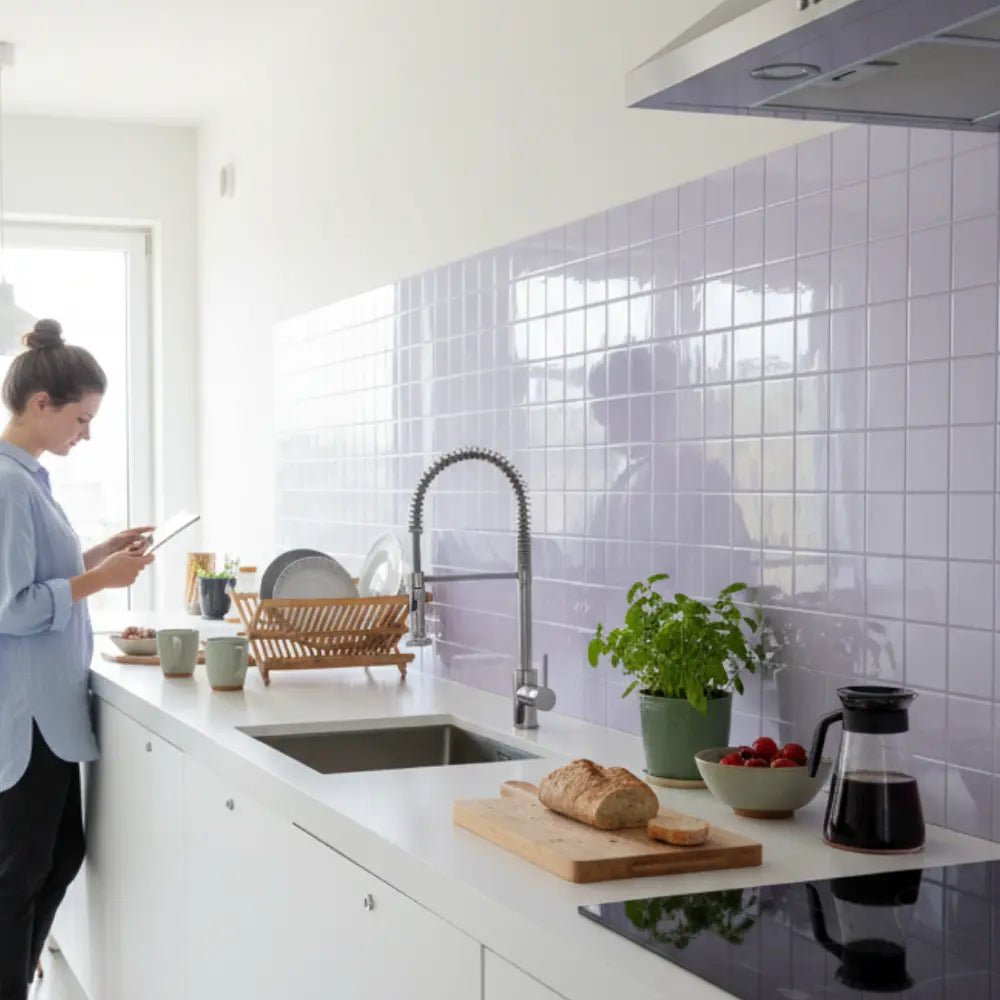
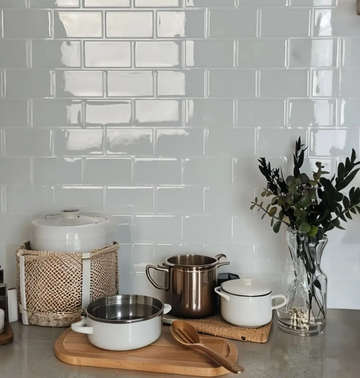
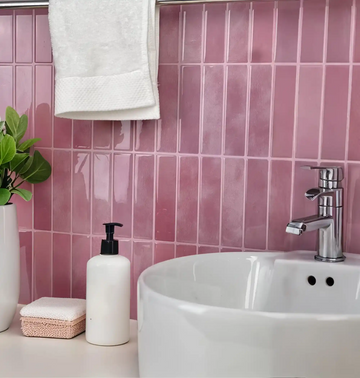
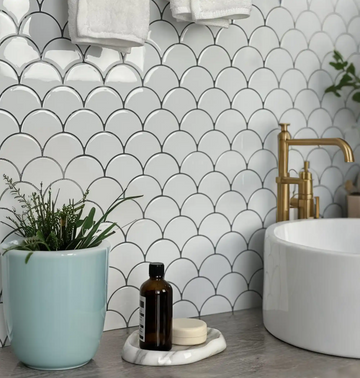
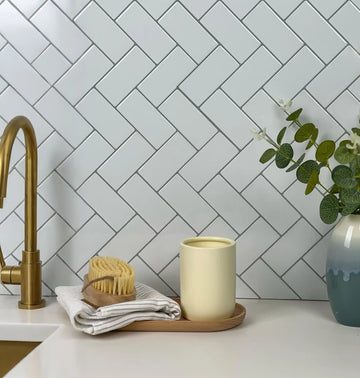
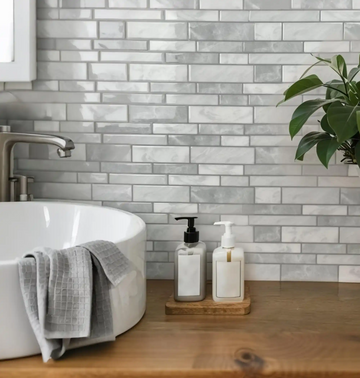
When integrating these raw materials and intricate accessories into a room, the consistency and quality of the backdrop are absolutely critical. A chaotic or deeply flawed wall surface will instantly diminish the impact of your curated items. The Olive Lines self-adhesive tile functions as the definitive baseline for such projects. Its waterproof, heat-resistant, stunning 3D texture strictly adheres to the wall, creating a sophisticated gallery backdrop that highlights delicate accessories while adding profound depth. It provides a super easy DIY solution that completely transforms any room—from kitchens to entryways—in just a few hours.
Elevating your home with these wearable pieces is not simply an act of hanging objects randomly; it involves a nuanced understanding of textural layering, visual weight distribution, and chromatic balance. To learn the exact step-by-step techniques that high-end professionals use to harmonize fashion elements within residential spaces, allowing you to master color and texture, read our comprehensive guide on How to Decorate Your Home Like a Fashion Designer.
Interactive Style Check: What's your accessory decor persona?
Select the accessory you would most likely display on your living room wall to discover your aesthetic archetype.

Why Is Sustainable and Thrifted Fashion Decoration Gaining Popularity?
Question: Struggling to balance high-end aesthetic desires with imperative ecological responsibility?
Promise: This section establishes the statistical superiority of upcycled decor, providing a robust, actionable roadmap for integrating thrifted fashion into sustainable, modern interiors.
Sustainable and thrifted fashion decoration is gaining popularity rapidly because it empirically minimizes household carbon footprints while simultaneously offering one-of-a-kind, historically rich textures that modern, mass-produced items simply cannot replicate. In an era dominated by homogenous, flat-pack furniture and identical, algorithm-driven interior trends, the integration of authentic, pre-loved garments introduces a vital sense of soul and idiosyncratic character to a home.
Eco-conscious consumers increasingly prefer upcycled materials to virgin plastics and synthetics. A sweeping 2022 report on circular economies indicated that repurposing heavy textiles—such as denim, wool, and heavy cotton—for home decor significantly extends the material's lifecycle, diverting thousands of tons of waste from global landfills. This proactive practice efficiently bypasses the performance degradation curve typical of fast-fashion consumption, turning yesterday's discarded garments into tomorrow's structural art pieces.
The Economics of Upcycled Decor
Thrifted fashion decor actively supports both environmental sustainability and fierce stylistic individuality. By strategically sourcing raw materials from second-hand markets, estate sales, and vintage boutiques, decorators achieve a highly customized, bespoke look without the extortionate price tags associated with custom fabrication. This intelligent methodology drastically lowers the total cost of ownership (TCO) for interior styling, freeing up budget for structural improvements or architectural lighting.
A common misconception among traditional decorators is that thrifted decor inherently appears disorganized, shabby, or unrefined. In practice, when curated meticulously and prepared with professional rigor, vintage textiles offer a vastly superior cost-to-yield ratio compared to synthetic, modern equivalents. The resulting aesthetic is deeply layered, culturally rich, and incredibly sophisticated.
Navigating the expansive world of second-hand textiles requires a discerning, educated eye to separate truly valuable vintage pieces from unusable, degraded scraps. Understanding the established paradigms for authenticating fabric quality, sourcing unique patterns, and reviving these materials is crucial for an upscale finish. To unlock beautifully curated examples and expert sourcing secrets for your next upcycling project, delve into Vintage and Thrifted Fashion Decor Inspirations.
Step-by-Step Vintage Textile Transformation
Transforming vintage clothing into structural wall decor requires precise, unyielding execution. This deterministic outcome relies entirely on proper preparation, precise temperature control during stabilization, and industrial-grade mounting techniques. Below is the definitive process for engineering high-end art from reclaimed fabrics.
-
1Material Selection
Identify a structurally sound vintage garment, such as a heavily embroidered 1970s denim jacket, a hand-beaded 1920s bodice, or a thick, woven wool poncho. Inspect meticulously for dry rot or irreversible moth damage before proceeding.
-
2Textile Stabilization
Apply a high-grade, iron-on fusible interfacing to the reverse side of the fabric using an iron set to a minimum of 300 degrees Fahrenheit. This critical step prevents stretching, warping, and structural sagging over time.
-
3Canvas Stretching
Stretch the stabilized fabric over a kiln-dried, pine wooden canvas frame. You must ensure uniform, rigorous tension across all X and Y axes, pulling the material taut to eliminate any surface wrinkles or shadows.
-
4Structural Securing
Utilize a heavy-duty, industrial T50 staple gun to anchor the fabric permanently to the back of the wooden frame. Space staples exactly one inch apart to distribute the mechanical load evenly across the wood grain.
-
5Environmental Sealing
Apply a clear, non-yellowing, UV-resistant fabric sealant spray in a well-ventilated area. This invisible chemical barrier is mandatory to prevent pigment fading and fiber breakdown from natural, ambient light exposure.
This meticulous process yields an optimal configuration for zero-waste design. By strictly adhering to these highly specific steps, the decorator successfully engineers a high-end, gallery-ready art piece entirely from discarded, overlooked materials, fundamentally altering the fabric's destiny.
Merging an eco-conscious mindset with impeccable interior styling is the pinnacle of modern design philosophy. By making strategic, purpose-driven material swaps, you can dramatically reduce your environmental impact while simultaneously elevating your home's aesthetic pedigree. To discover actionable tips, comprehensive brand recommendations, and the core ethics of eco-inspired design, immerse yourself in Sustainable Fashion Meets Home Design: Decorating with Purpose.
Achieving a magazine-worthy, fashion-forward space does not necessitate an exorbitant budget or hiring expensive contractors; it merely requires creativity, resourcefulness, and the right strategic guidance. If you want to blend sustainable charm with runway-ready aesthetics, discovering step-by-step projects that fit perfectly within your financial constraints, start exploring our highly actionable DIY Fashion Decoration Ideas for Every Budget.
Explore eco decor options to stylize responsibly.
Final Thoughts
Fashion-inspired wall art and accessories present a definitive, unparalleled opportunity to merge deeply personal style with rigid spatial design. By translating ephemeral runway trends into permanent, structural elements within your home, interiors gain an unprecedented level of sophistication, narrative depth, and visual intrigue. Your home ceases to be a mere shelter and becomes a curated exhibition of your aesthetic journey.
Whether utilizing high-end, monochromatic couture prints to establish architectural discipline, mounting vibrant vintage silk scarves to introduce opulent color palettes, or executing rigorous sustainable upcycling projects with heavy textiles, these methodologies ensure a highly curated, bespoke aesthetic. This bold approach functionally neutralizes generic, predictable design tropes, empowering homeowners to confidently benchmark their living spaces against the most exacting professional design standards in the industry.
Which fashion trend will inspire your next room makeover?
Frequently Asked Questions
How do I choose the right fashion art for a minimalist room?
Select art that relies on strong silhouettes or monochromatic line work. Avoid heavy, ornate frames. A simple black and white couture sketch maintains a highly desirable visual threshold without overwhelming the minimalist architecture.
Can I frame synthetic fabrics, or must it be silk?
While silk offers superior draping and historical value, high-quality synthetic blends can be framed successfully. The key metric is the fabric's pattern density and color saturation. Ensure the textile is pulled completely taut during the mounting process.
How do I protect thrifted textiles from sunlight degradation?
Always utilize UV-filtering museum glass when framing any vintage textile. For unframed pieces, spray a professional-grade UV protectant specifically engineered for fabrics. This strictly adheres to archival standards and prevents long-term color fading.
Is fashion-inspired decor suitable for corporate or office environments?
Absolutely. Typography-based fashion art or architectural clothing sketches introduce sophistication into sterile corporate spaces. This strategy is benchmarked against modern boutique hotel designs, proving highly effective at humanizing commercial interiors.


Leave a comment
This site is protected by hCaptcha and the hCaptcha Privacy Policy and Terms of Service apply.