







Are you tired of pouring money into generic, mass-produced home goods just to achieve a stylish look? The modern design landscape has become increasingly homogenized, leaving many homeowners feeling as though their personal spaces are merely carbon copies of big-box store showrooms. Finding affordable pieces that reflect your unique personality often feels impossible when every aisle offers the exact same manufactured trends. High-end design shouldn't require depleting your savings, and true character cannot be bought from a big-box store catalog. The quest for individuality in home decor demands a departure from the conventional, urging us to look beyond the expected avenues of interior styling.
Vintage fashion decoration blends clothing-inspired textures, colors, and accessories into home design using thrifted and retro elements for a sustainable yet nostalgic aesthetic. This dynamic approach transcends traditional decorating boundaries by inviting the rich history and meticulous craftsmanship of bygone eras directly into your living spaces.
This approach solves the modern design dilemma with striking elegance. First, you embrace sustainability by repurposing existing materials, actively combating the disposable culture that plagues both the fashion and furniture industries. Second, you naturally mix vintage charm with modern sensibilities, creating a layered, transitional environment that feels both curated and effortlessly timeless. Finally, you showcase raw creativity through curated, thrifted finds that no one else possesses, ensuring your home is an authentic reflection of your personal narrative.

What Is Vintage Fashion Decoration and Why Is It Trending?
Ever feel like mass-produced decor strips your home of personality? This section reveals how integrating thrifted fashion pieces instantly injects authentic, sustainable character into your space.
Vintage fashion decoration is the intentional practice of using apparel, fashion accessories, and textile heritage to style interior spaces. Instead of purchasing traditional wall art or modern sculptures, you utilize items originally designed for the human body. This paradigm shift encourages you to see the architectural potential in fabrics and forms that were previously confined to the closet.
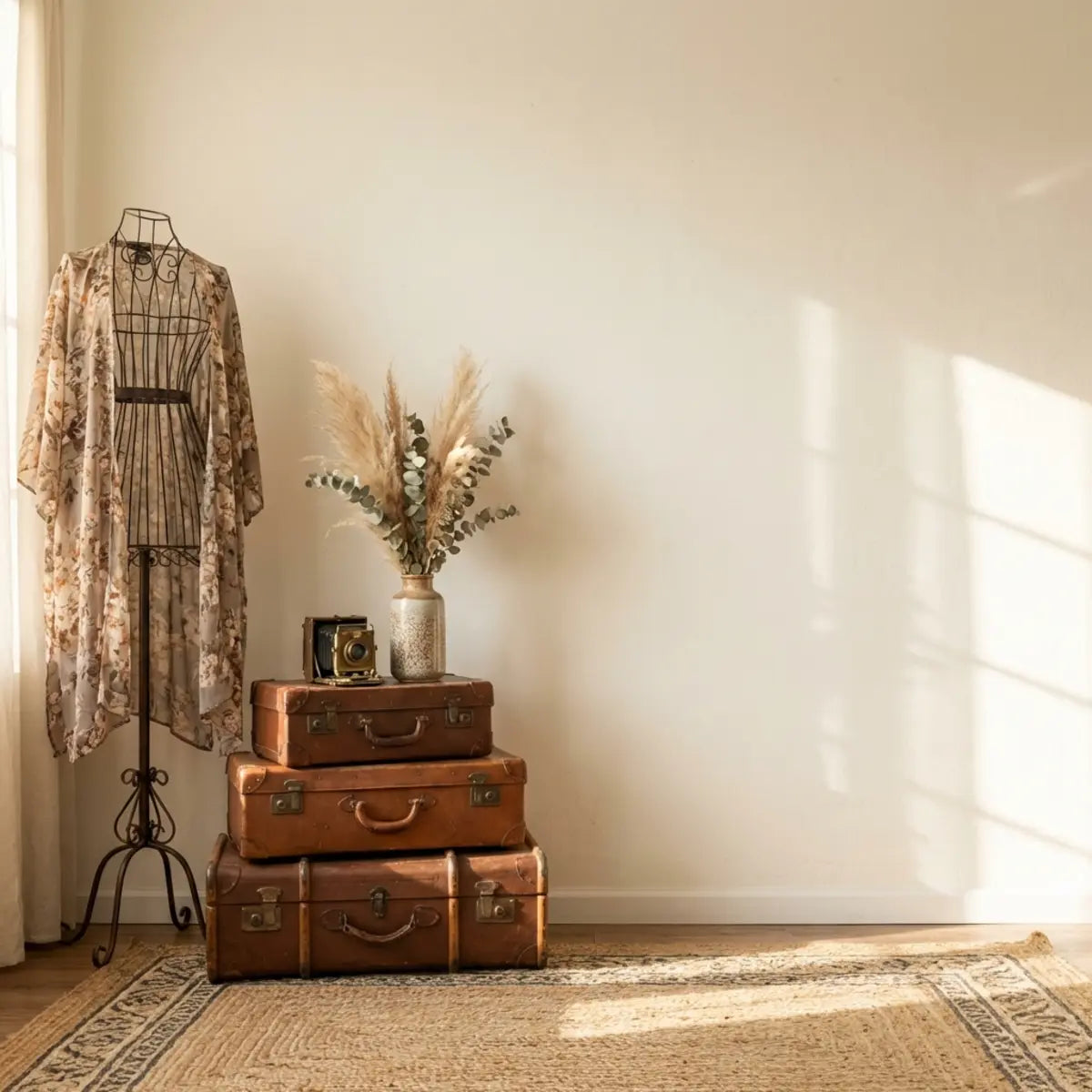
Think of framed Hermès scarves replacing canvas prints, or antique brass belt buckles serving as striking curtain tie-backs. This design philosophy treats the home as an extension of your personal wardrobe. Imagine the visual impact of a heavy, beaded 1920s flapper dress hung on a minimalist valet stand in the corner of a master bedroom, or a collection of mid-century Bakelite bangles utilized as sophisticated napkin rings for your dining table. The possibilities are restricted only by your imagination.
The Shift Toward Circular Design
The primary driver behind this trend is environmental accountability. The global consciousness is shifting, and with it comes a profound reevaluation of our consumption habits. The Ellen MacArthur Foundation reports that the fashion industry produces over 92 million tons of textile waste annually. This staggering statistic has served as a wake-up call for designers and homeowners alike, prompting a massive pivot toward circular economic models in domestic spaces.
Consumers are actively seeking ways to intercept this waste stream. By integrating fashion waste into interior design, you extend the lifecycle of beautifully crafted materials. A garment that might have spent eternity in a landfill is instead elevated to a focal point of artistic expression, proving that ecological responsibility and high-end aesthetics are not mutually exclusive.
Infographic: Fast Furniture vs. Vintage Upcycling
Mass-Produced Decor
- Lifespan: 2-5 years average
- Material: Synthetic composites, toxic glues
- Carbon Footprint: High (Global shipping)
- Uniqueness: Zero (Millions produced)
Vintage Fashion Decor
- Lifespan: Multi-generational
- Material: Raw silk, pure wool, solid brass
- Carbon Footprint: Negative (Interceptive)
- Uniqueness: Absolute (One-of-a-kind finds)
Nostalgia as a Design Anchor
Beyond sustainability, nostalgia plays a critical psychological role. In an increasingly digital and fast-paced world, we crave environments that tell a story. A home devoid of history can feel sterile and uninviting. A worn leather satchel repurposed as a magazine holder provides immediate warmth and history. The patina on the leather, the slightly tarnished buckles, and the creased corners all speak to a previous life of travel and utility, grounding your space in tangible reality.
It functions much like a well-tailored vintage blazer. The piece offers structural integrity while inherently neutralizing the cold, sterile feel of modern minimalist architecture. By introducing these nostalgic anchors, you create a dynamic tension between the old and the new, resulting in a room that feels both curated and comfortable.
Establishing a Visual Baseline
To execute this properly, you must establish a coherent visual strategy. Haphazardly placing old clothes around a room creates clutter, not design. The distinction between a hoarder's chaos and a designer's curation lies entirely in intentionality, spacing, and context. Every piece must have room to breathe, and its colors and textures must engage in a thoughtful dialogue with the room's existing palette.
In evaluating fashion-inspired interiors, the foundational methodology requires a strict adherence to spatial balance. The comprehensive framework detailed in the guide below provides the quantitative baseline necessary to implement this without critical failure.
Master the Basics: The Ultimate Guide to Fashion Decoration Love fashion and interior design? Explore fashion decoration ideas that blend style and space with ease. Get inspired and start creating today. This guide acts as a definitive starting point for readers to explore every dimension of fashion-inspired decoration. Click to read the full guide.Creative Implementations
- Framed Silk Scarves: Iron and mount colorful vintage scarves inside gallery frames for large-scale, affordable art. This technique allows you to display intricate, hand-rolled edges and bold, mid-century prints that command attention in living rooms or long hallways.
- Jewelry Box Displays: Use open, velvet-lined antique jewelry boxes to hold entryway keys or daily essentials. A weathered, ornate brass box not only serves as a functional catch-all but also acts as a conversation-starting sculptural element right at your front door.
- Brooch Embellishments: Pin large, sparkling retro brooches to plain throw pillows to add instant texture and historical charm. This is an incredible way to take a basic linen cushion and elevate it to luxury status with zero sewing required.
If you are eager to understand how these elements function within broader high-end aesthetics, consider evaluating our detailed breakdown below for immediate visual validation.
Elevate Your Space: Affordable Designer Decor Alternatives Love high-end decor but hate the price? Discover affordable designer decor alternatives that bring fashion-inspired elegance home. This resource features side-by-side comparisons of luxury vs. affordable decor with visual validation. Shop and style now!
How Can You Decorate Your Home Using Fashion Accessories?
Struggling to figure out how to display that stunning silk scarf without it looking like a cluttered closet? Here, you will learn precise, designer-approved methods for turning wearable art into striking room focal points.
Integrating fashion pieces into your home requires a shift in perspective. You must view accessories not as wearables, but as raw materials offering texture, color, and structural form. A chunky gold necklace is no longer just neckwear; it is an industrial metallic accent ready to capture sunlight in your living room. A beautifully tooled leather belt is no longer a waist cincher; it is a warm, organic binding element waiting to add rustic charm to modern shelving.
This process is highly accessible. You do not need formal design training. You only need a willingness to experiment with placement and proportion, and the courage to look at everyday items through an artistic lens.
Learn the Secrets: How to Decorate Your Home Like a Fashion Designer Love fashion and interiors? Learn how to decorate your home like a fashion designer using color, texture, and layering. Get inspired and start today! This deep dive breaks down fashion designer techniques into simple decor steps, making high-end design principles accessible to anyone. Click to unveil the strategies.Case Study: The Thrifted Bedroom Makeover
Consider a recent project where a bland, modern bedroom required warming up. The stark white walls and minimalist furniture felt institutional rather than restful. The budget was incredibly strict, prohibiting the purchase of traditional custom upholstery or high-end tapestries. Instead of buying new textiles, we sourced a 1970s heavily embroidered maxi coat from a local thrift store, drawn to its rich burgundy hues and intricate bohemian stitching.
By carefully removing the back panel of the coat, we secured the thick, patterned fabric over a basic wooden frame using a heavy-duty staple gun. We ensured the embroidery was perfectly centered, allowing the intricate threadwork to catch the natural light. This created a custom, deeply textured headboard for under thirty dollars—a piece that completely transformed the acoustic and visual temperature of the room.
Quick DIY Shortcut: When sourcing fabrics from vintage coats or dresses for upholstery, always check the lining first. Often, the internal lining holds incredible, preserved patterns that haven't faced UV fading. You effectively get two distinct fabric options from a single thrifted garment! Use fabric glue for small touch-ups instead of sewing to save hours of labor.
Step-by-Step Accessory Integration
To replicate these high-end looks, follow this precise, structured methodology for integrating fashion accessories into your home decor layout:
- 1 Audit Your Inventory: Start by evaluating items you already own but no longer wear. Look for distinct patterns, heavy metals, or unique weaving. Do not ignore items with minor stains or tears, as these can often be hidden during the mounting or folding process.
- 2 Determine the Function: Decide if the item will serve a purely aesthetic purpose (like framed art) or a functional one (like a jewelry tray). This dictates how durable your mounting solution needs to be and where the item should be placed within the room's flow.
- 3 Prep and Clean: Vintage textiles require gentle care. Dry clean or hand-wash items to remove decades of dust before introducing them to your living space. Use mild, pH-neutral soaps to preserve delicate silk fibers and avoid harsh modern detergents that can strip natural fabric oils.
- 4 Mount and Secure: Use appropriate hardware. Use shadow boxes for delicate jewelry and tension rods for heavy textile draping. When framing, ensure the glass provides UV protection to prevent sun damage to vibrant vintage dyes over time.
Accessory Application Matrix
To optimize your design choices, industry consensus dictates categorizing items by their structural properties. This matrix serves as a quick-reference guide for assigning fashion elements to their most impactful interior roles.
| Fashion Accessory | Optimal Decor Application | Visual Impact Metric |
|---|---|---|
| Silk Scarves | Framed wall art, table runners | High color saturation, introduces fluid motion |
| Chunky Necklaces | Curtain tie-backs, lamp pull chains | Adds metallic contrast and industrial weight |
| Vintage Belts | Strapping for floating shelves, mirror hanging | Introduces organic leather textures and warmth |
| Beaded Clutches | Shelf accents, bookends (weighted) | Captures light, adds tactile variety to flat surfaces |
Enhancing the Perimeter
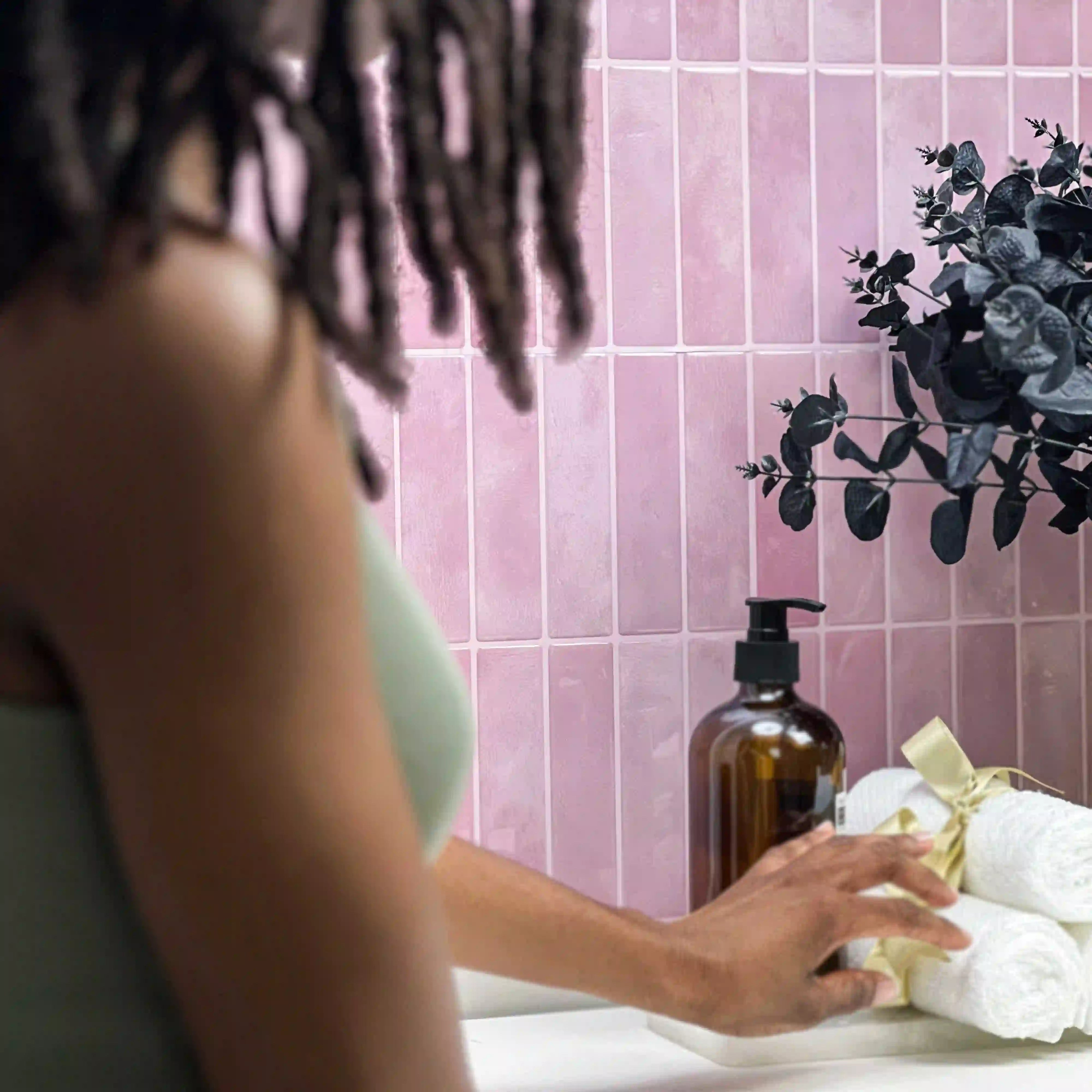
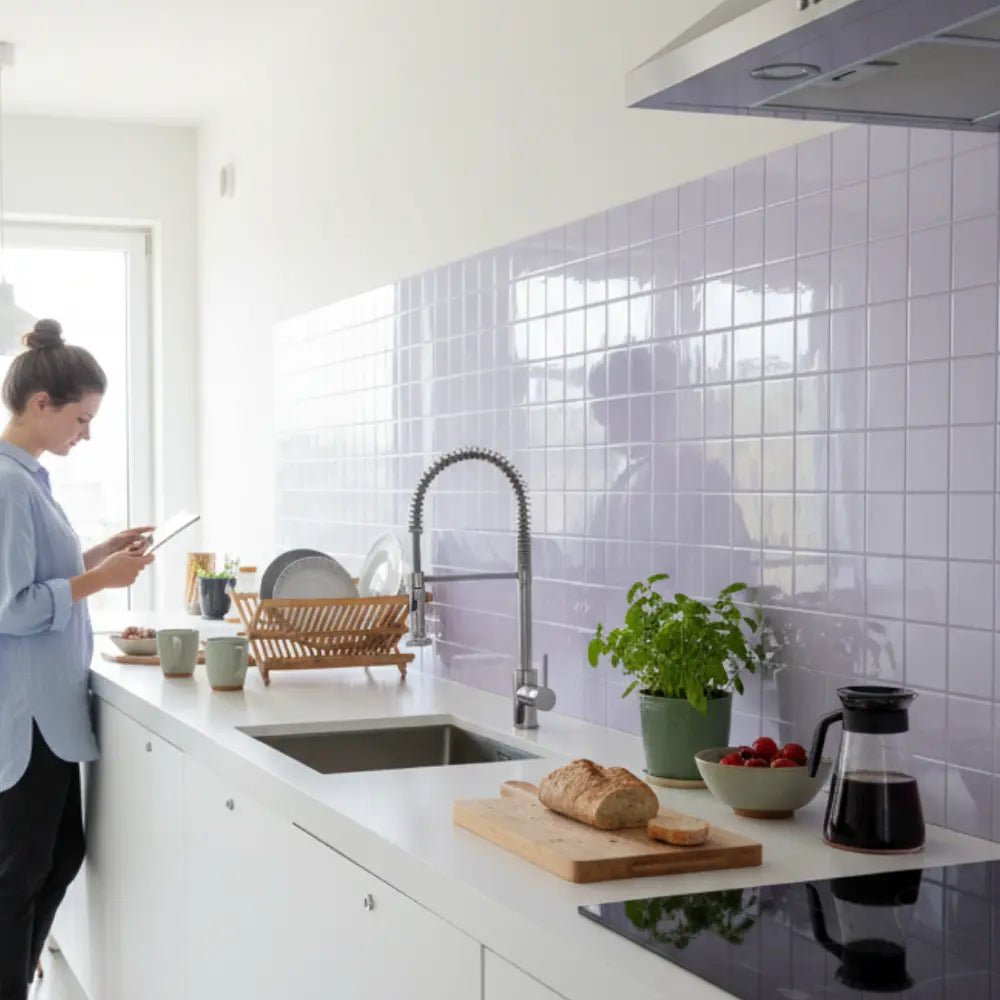
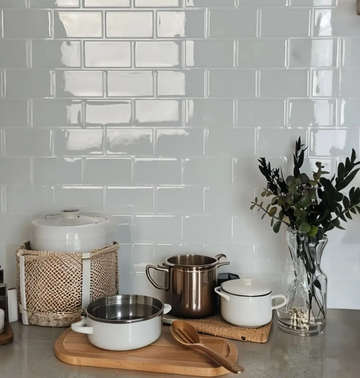
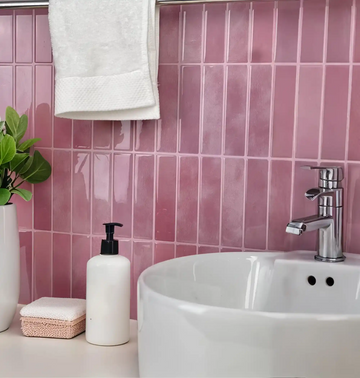
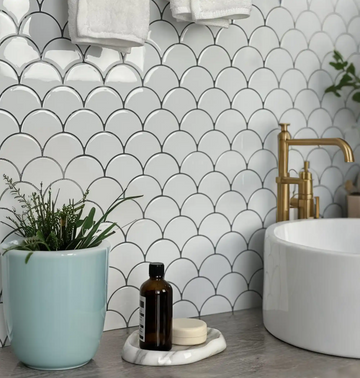
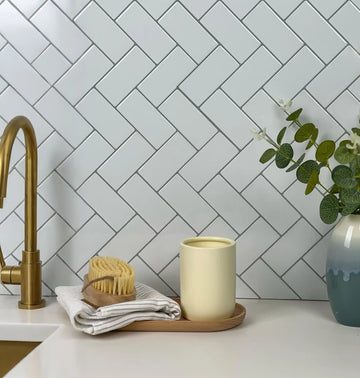
When layering these accessories against walls, the background must complement the piece. An incredibly ornate vintage accessory can easily become lost in the visual noise of a poorly planned backdrop. Stark white walls often wash out faded vintage textiles, robbing them of their historical depth and subtly woven colors.
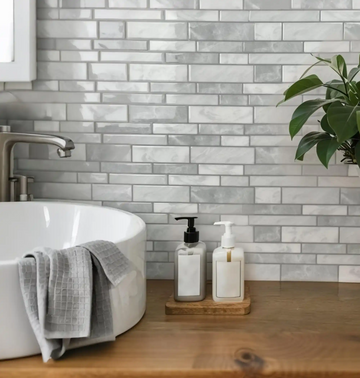
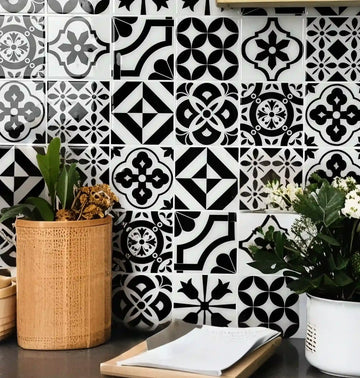
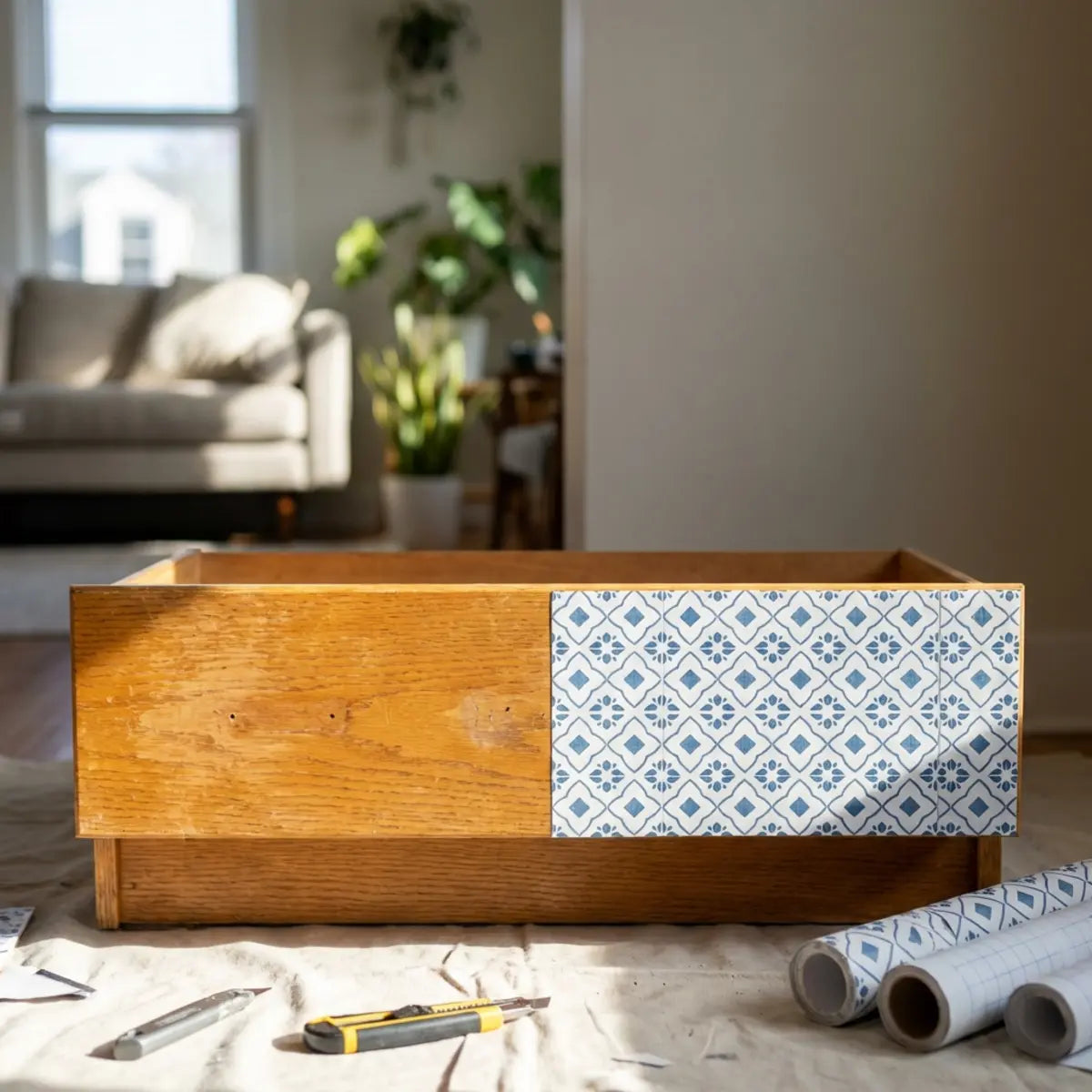
When factoring in long-term performance and visual depth, ensuring your wall treatments harmonize with your decor is paramount. By empirically neutralizing flat, uninspired drywall, upgrading your surface textures recalibrates the baseline expectations for renter-friendly accent walls.
DIY Implementation and Cost Ratios
A common misconception is that DIY fashion decor looks inherently cheap. This is only true if the execution is rushed or if the underlying materials lack integrity. When you treat upcycled projects with the same reverence as expensive architectural renovations, the results are indistinguishable from professional installations.
If you require a standardized evaluation of cost-to-yield ratios for home projects, turning to structured, budget-conscious guides can safeguard your investment of time and money while yielding an optimal configuration for blending budget constraints with high-end aesthetic goals.
Maximize Your Budget: DIY Fashion Decoration Ideas Want a stylish home without overspending? Discover DIY fashion decoration ideas that blend creativity, sustainability, and budget-friendly charm. Start today! This resource provides easy, step-by-step DIY projects integrating fashion culture and sustainability.
Why Is Sustainable and Thrifted Fashion Decor Important for 2026?
Concerned that beautiful interior design requires an unsustainable environmental footprint? This breakdown establishes how thrifted decor dramatically lowers your ecological impact while elevating your home's visual value.
As we approach 2026, the interior design industry is experiencing a massive paradigm shift. Consumers are rejecting the "fast furniture" model that dominated the previous decade—a model characterized by particleboard desks, chemical-laden fabrics, and items designed to break down shortly after their warranties expire. This awakening is reshaping the modern home into a sanctuary of intentionality.
This shift is not merely a passing trend. It is a fundamental reorganization of how we source, value, and maintain our living environments. Homeowners are demanding transparency, longevity, and a reduced carbon footprint from their decor choices, pushing the boundaries of what constitutes "luxury" in the modern age.
The Environmental Imperative
The data surrounding interior design waste is alarming. Millions of tons of cheap, composite-wood furniture and synthetic home goods end up in landfills annually. These items do not biodegrade safely; instead, they leach harmful resins and microplastics into the ecosystem for centuries. The environmental toll of continuously updating homes with disposable decor is catastrophic.
Thrifted fashion decor actively disrupts this cycle. By pulling from existing supply chains—specifically the saturated secondhand clothing market—you bypass the carbon emissions associated with manufacturing new home goods. You are effectively intercepting beautiful, durable textiles and giving them a second life, neutralizing the demand for newly manufactured, high-impact decor pieces.
Strategic Sourcing Walkthrough
Finding the right pieces requires a targeted approach. You cannot simply walk into a thrift store and expect immediate success. It takes patience, a discerning eye, and an understanding of where the best materials are hidden.
- 1. Target Estate Sales First: Estate sales offer untouched, era-specific collections. This is where you find the highest quality silks, raw leathers, and untouched vintage hardware that have been preserved rather than discarded.
- 2. Inspect Material Quality: Avoid synthetics from the 1980s and 1990s. Focus on finding heavy brass, pure cotton, wool, and genuine leather, as these materials age beautifully and provide the tactile richness required for high-end interior styling.
- 3. Verify Structural Integrity: A vintage belt used to hang a mirror must be strong. Test leather for dry rot by gently bending it, and inspect metals for structural rust before purchasing to ensure safety and longevity in your home.
Cultural Capital and Authenticity
By 2026, cultural capital in design will be defined by uniqueness, not price tags. Mass-produced luxury is becoming ubiquitous and, therefore, less impressive. Anyone can purchase a catalog showroom, but it takes genuine vision to curate a space built from salvaged history.
A home styled with curated, upcycled fashion elements demonstrates a high level of design literacy. It shows an understanding of history, texture, and sustainable practices, elevating the homeowner from a mere consumer to a conscious curator.
Bridging Fashion and Interior Ethics
To fully grasp the mechanics of this shift, you must look at how fashion sustainability mirrors interior design ethics. The movement towards capsule wardrobes is directly parallel to the movement towards minimalist, high-quality, sustainable home decor. The desire to own fewer, better things applies universally across our lifestyles.
The comprehensive analysis provided in our dedicated guide sets a quantifiable benchmark for aligning your personal style with ecologically sound purchasing habits.
Go Green: Sustainable Fashion Meets Home Design Want to make your home as stylish as your wardrobe? Explore sustainable fashion decor ideas and eco-inspired design tips. Start decorating with purpose today. This article bridges fashion sustainability with interior design ethics, offering brand recommendations and practical swaps.Architectural Standards for Retro Styling
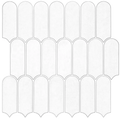
When implementing these vintage pieces, the surrounding architecture must support the aesthetic. A pristine, ultra-modern glass and steel backdrop might clash too sharply with a rustic 1940s leather trunk used as a coffee table. However, sourcing true vintage building materials—like authentic subway tiles or reclaimed barn wood—is often cost-prohibitive, structurally risky, and highly impractical for modern renters.
When evaluating the Total Cost of Ownership (TCO) for retrofitting spaces, modern alternatives present a superior solution. They inherently bypass the performance degradation curve of old materials—such as crumbling grout or lead paint—while delivering the exact nostalgic visual required to bridge the gap between your vintage fashion finds and your room's architecture.
Preparing for the Future
The integration of fashion into home decor is evolving rapidly. As technology advances and supply chains shift, the way we source and upcycle will continue to adapt. To ensure your home remains culturally relevant and ecologically responsible, staying ahead of forecasting models is critical.
We highly recommend benchmarking your future projects against the strategic data found in our forward-looking guide below.
Future-Proof Your Home: Sustainable Fashion Decor for 2026 Want a stylish yet sustainable home? Discover 2026’s top sustainable fashion decoration trends and eco-chic styling tips. This guide connects sustainability with high-fashion aesthetics through tangible decor examples. Start your green makeover today!
Final Thoughts
Vintage fashion decoration is far more than a stylistic choice. It is a calculated, empirically beneficial approach to interior design. By repurposing garments and accessories, you drastically reduce your environmental footprint while injecting unparalleled, authentic character into your living space. You transform your home from a mere collection of purchased goods into a curated gallery of personal history and sustainable ethics.
This methodology proves that budget constraints do not dictate aesthetic limits. We encourage you to audit your closets, visit local estate sales, and begin experimenting with texture and placement today. For further inspiration, review our specialized guides linked throughout this article and start your sustainable transformation.
We Want to Know!
Which thrifted fashion item will you decorate with next?
Frequently Asked Questions
What is the easiest fashion item to turn into home decor?
Silk scarves are universally recognized as the easiest starting point. They require no structural modification. You simply press them flat and place them inside a standard glass gallery frame to create immediate, large-scale, high-impact wall art.
Will vintage clothing smell or bring pests into my home?
This is a common concern that is fundamentally mitigated through proper cleaning. Always isolate thrifted textiles immediately. Have them professionally dry-cleaned, or hand-wash them with a specialized vintage textile detergent before introducing them to your permanent living areas.
How do I stop vintage decor from making my house look cluttered?
Industry consensus dictates relying on the "rule of three" and negative space. Do not cluster too many small fashion items together. Instead, choose one large statement piece—like a draped vintage kimono—and give it ample empty wall space to establish it as a deliberate focal point.
Is it cheaper to upcycle clothes or buy new decor?
When benchmarked against peer-reviewed equivalents in modern retail, upcycling high-quality vintage fashion yields a significantly better cost-to-yield ratio. You acquire premium materials like silk, wool, and brass for pennies on the dollar compared to purchasing new home goods made of synthetic, lower-grade equivalents.


Leave a comment
This site is protected by hCaptcha and the hCaptcha Privacy Policy and Terms of Service apply.