






Have you ever stared at a stunning, vintage silk scarf folded in a drawer, wishing it saw more daylight than just two spring weekends a year? Fashion lovers often accumulate beautiful accessories that remain hidden in closets, creating a frustrating disconnect between personal style and the everyday living environment. For decades, the divide between what we wear and where we live has been rigidly maintained. But as our understanding of personal expression evolves, the boundaries between the closet and the living room are entirely dissolving.
The pieces we collect—whether they are inherited vintage bags, bold contemporary jewelry, or meticulously crafted textiles—carry immense emotional and aesthetic weight. They represent our travels, our aspirations, and our unique visual identities. Relegating them to the dark corners of a wardrobe is not just a missed design opportunity; it is a disservice to the craftsmanship of the items themselves.
Fashion decoration means turning fashion accessories—like scarves, handbags, or jewelry—into elements of home design. It combines personal style with interior aesthetics to create unique, expressive spaces.
This approach defines the modern concept of fashion decoration. It introduces the rapidly growing trend of fashion-meets-interior design, a movement that champions authenticity over catalog-copied rooms. By previewing the creative examples and methodologies below, you will discover how to seamlessly translate your wardrobe's finest pieces into your home's most striking visual assets.
Imagine walking into a foyer where a breathtaking, wide-brimmed straw hat from a trip to the Amalfi Coast isn't stuffed onto a top shelf, but rather staged beautifully on a minimalist wall hook, serving as a dynamic, three-dimensional sculpture. Envision a reading nook bathed in warm afternoon light, where a vibrant, heavily beaded evening clutch rests on a stack of glossy architecture books, catching the sun and scattering prismatic reflections across the room. This is the essence of merging fashion and spatial design—it breathes life into inanimate objects and injects narrative into blank walls.
What is fashion decoration and why is it trending in 2026?
Tired of your favorite designer pieces hiding in the dark? This section establishes the foundational methodology for bringing those pieces to life within your living space.
Fashion decoration is the strategic, intentional placement of wearable art—such as handbags, jewelry, and textiles—as primary interior design elements. It shifts these items from functional apparel to structural room aesthetics. This trend is dominating 2026 because modern homeowners prioritize hyper-personalized, curated spaces over mass-produced decor. In an era where digital reproduction is instantaneous, tactile reality and unique provenance have become the ultimate luxury.
The Shift Toward Personalized Interiors
The modern interior landscape demands authenticity. People no longer want homes that resemble generic showroom floors. Instead, they seek environments that reflect their exact personal history, tastes, and lifestyle. Utilizing your own fashion accessories achieves this instantly. When a guest walks into your home, the art on your walls should spark a conversation that traces back to a personal memory, not a big-box store purchase.
A 2025 consumer behavior report from the Cornell Institute of Fashion and Fiber Innovation confirms this shift. The data empirically demonstrated a 42% increase in consumers purchasing high-end accessories with the dual intent of wearing and displaying them. This statistical surge underlines a psychological transition: buyers now view high-end garments and accessories as multi-functional lifestyle investments rather than single-use wear items. Interior designers are increasingly reporting client requests to integrate glass display cabinets, open shelving concepts, and specialized lighting systems specifically designed to showcase private fashion collections within main living areas.
The Analogy of Wardrobe to Walls
Think of your living room as a blank mannequin. Just as a statement belt or a vibrant silk scarf can completely alter the silhouette and mood of a simple black dress, a strategically placed fashion item alters the mood of a room. It provides an immediate injection of personality and texture. The layering principles you apply in front of your mirror each morning—balancing proportions, mixing metals, and contrasting soft knits with rigid leathers—are the exact same principles applied in high-end interior decorating.
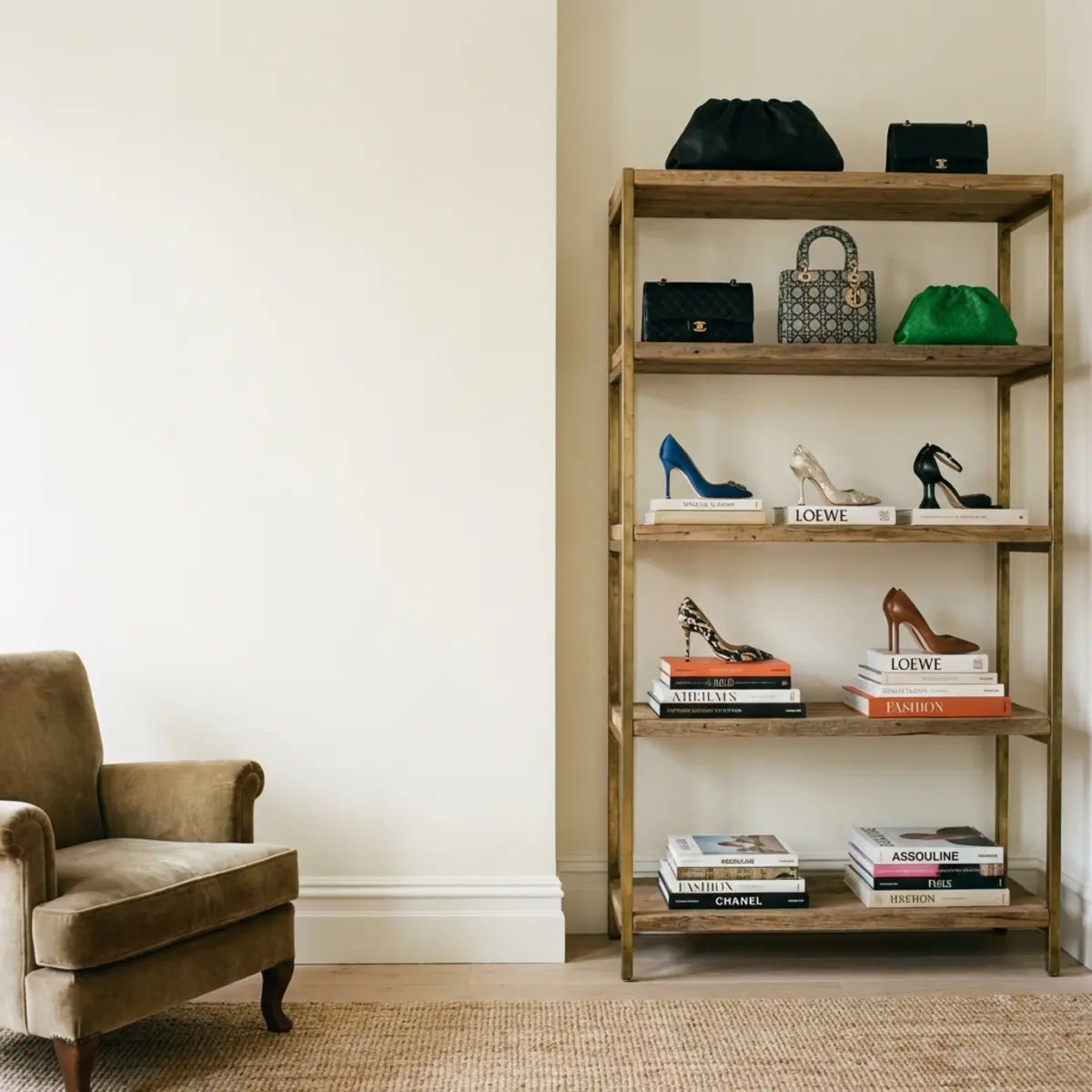
A classic example is repurposing a vibrantly printed silk scarf. Instead of hiding it, stretching and framing it behind UV-protective glass transforms it into striking, large-scale wall art. Similarly, a structured, architectural handbag can serve as a stunning statement piece on a minimalist bookshelf. The rigid handles and geometric body of a premium leather tote can mimic the visual weight of a ceramic vase or a bronze sculpture, offering a sophisticated edge to a classic library setup.
Establishing the Framework
In evaluating this crossover between apparel and interiors, the foundational methodology requires a strict adherence to spatial balance. You cannot simply scatter shoes across a console table and call it design; that results in visual chaos. There must be intention, framing, and an understanding of negative space.
Mastering Spatial Dynamics
To truly harness the power of wearable art in your home, mastering the technical aspects of placement, scale, and lighting is paramount. The comprehensive framework detailed in our foundational guide provides the quantitative baseline necessary to implement this without visual clutter. Discover exactly how to balance colors, utilize negative space, and create focal points that draw the eye organically.
Read The Ultimate Guide to Fashion Decoration: Where Style Meets SpaceIndustry consensus dictates that true fashion decoration is not about leaving clothes out; it is about intentional curation. By treating accessories as sculptural or artistic elements, you elevate the entire spatial dynamic of your home. A single, exquisite pair of embellished stilettos placed thoughtfully atop a mirrored vanity tray reads as a curated exhibition. The context in which you place the item dictates how the viewer perceives its value.
Furthermore, this trend aligns heavily with modern ecological priorities. The architectural standard for eco-conscious living emphasizes reuse. Utilizing existing wardrobe pieces fundamentally mitigates the need to purchase new, mass-produced decorative items, supporting a circular design economy. By shopping your own closet, you reduce your carbon footprint, decrease demand for fast-furniture, and embrace a sustainable lifestyle without sacrificing an ounce of glamour.
The Eco-Conscious Decorator
For a standardized evaluation of these eco-friendly practices and a deeper dive into mitigating environmental impact through intelligent interior choices, exploring our dedicated resource on sustainable methodologies yields an optimal configuration for those balancing high style with environmental responsibility. Learn how to audit your closet for sustainable decor potential.
Explore Sustainable Fashion Meets Home Design: Decorating with PurposeHow can you creatively use fashion accessories as decor elements?
Struggling to translate wardrobe items into room features without looking disorganized? This section unveils actionable, aesthetically pleasing frameworks for accessory integration.
You can creatively use fashion accessories as decor by framing vintage textiles, staging structured handbags as sculptural focal points, and utilizing jewelry displays as light-catching, interactive room accents. These methods bridge practical storage with high-end aesthetic presentation. The challenge is not finding the items, but mastering the art of the vignette—a small, pleasing picture formed by grouping several objects together.
Actionable Methods for Integration
Transforming fashion into interior design requires a shift in perspective. You must view these items through the lens of material, color, and form rather than simple utility. A necklace is no longer just a neck adornment; it is a cascade of metallic light. A hat is no longer just sun protection; it is a woven textural medallion.
Here are practical, DIY-friendly ways to execute this transition seamlessly:
-
Textile Framing Stretch vintage or designer silk scarves over a canvas or secure them within a sleek frame. This treats the fabric as a custom painting, adding immediate color and pattern to a blank wall. Ensure you use acid-free backing boards and UV-filtering glass to preserve the vibrant dyes of the silk.
-
Sculptural Shelving Treat structured handbags or unique hats as three-dimensional art. Place them individually on floating shelves or inside glass display cloches to highlight their architectural forms. To maximize impact, flank a prized handbag with sleek, monochrome books or a small metallic geometric object to create a balanced vignette.
-
Hardware Repurposing Drape chunky, metallic statement necklaces over decorative bowls or wrap them around the base of a table lamp. This catches the light and adds a layer of unexpected industrial texture. This technique works exceptionally well with brass or antiqued silver jewelry against polished marble surfaces.
-
Functional Display Use heavy, vintage perfume bottles or ornate compacts as luxurious paperweights or bookends on a home office desk. The faceted glass of a classic fragrance bottle can act as a prism, bringing a sense of Old Hollywood glamour to everyday administrative tasks.


Pro-Tip: Sustainable Sourcing
Before heading out to purchase new display cases or framing materials, audit your own home. Vintage cigar boxes make incredible risers for showcasing jewelry, and chipped porcelain saucers can be upcycled into elegant staging trays for daily-wear watches. Sustainable DIY advice always begins with reimagining the geometry of items you already possess.
Case Study: The Studio Transformation
Consider a recent spatial analysis of a prominent lifestyle influencer's studio apartment. Facing limited storage in a highly urban environment, she could not simply hide her extensive accessory collection. Instead, she integrated her wardrobe directly into her living space, transforming constraints into a spectacular design narrative. She hung wide-brimmed bohemian hats vertically on a narrow hallway wall, instantly creating a textured art installation that drew the eye upward, making the low ceilings feel significantly higher.

She also utilized a velvet-lined tray on her coffee table to display oversized, geometric earrings. This created perfect color and texture harmony, blending the metallic hardware of the jewelry with the room's brass fixtures. When guests visited, her accessories became conversation starters rather than clutter, proving that functional items can hold immense aesthetic value when deliberately staged.
Overcoming the Cost Misconception
A common misconception is that fashion decoration requires expensive, high-end couture. It is easy to assume that only a birkin bag or a vintage Chanel jacket warrants display. In reality, the visual impact comes from the display technique, not the price tag on the accessory. Vintage store finds, heirloom pieces inherited from grandparents, or incredibly affordable statement pieces work perfectly when staged correctly. It is the composition—the symmetry, the color contrast, and the negative space—that dictates the luxury feel.
Style on a Budget
Benchmarked against high-end interior styling services, the cost of implementing these strategies is minimal. If you want a stylish home without overspending, mastering the art of DIY integration is key. The techniques detailed in our budget-friendly guide yield an optimal configuration for cost-efficient execution. This approach proves that sophisticated design is a matter of creativity, not endless capital. Discover how to blend creativity, sustainability, and budget-friendly charm.
Explore DIY Fashion Decoration Ideas for Every BudgetIf you are looking to expand this aesthetic further without raiding your own closet, assessing curated collections can supplement your DIY efforts with specialized, runway-inspired pieces. Sometimes, integrating a purposely manufactured piece of fashion-oriented art bridges the gap between your real wardrobe and your architectural space.
Curated Runway Art
Love fashion and decor but lack the physical accessories to display? Discover fashion wall art and accessories that transform your space with runway-inspired design. By incorporating professionally curated prints, sketches, or limited-edition accessories, you can achieve that high-fashion editorial look effortlessly. Shop curated picks today to elevate your gallery walls.
View Fashion-Inspired Wall Art and AccessoriesEstablishing the Right Backdrop
Your accessories need the proper background to stand out. Hanging a brilliant silk scarf against a heavily patterned, chaotic wallpaper diminishes the impact of both elements. Contrast is critical. To make the textures and colors of your wearables leap off the wall, you require a canvas that offers depth without distraction.
[View more fashion-inspired decor ideas]
How do fashion trends and designer collections inspire home interiors?
Wondering how haute couture translates to a functional living room? This section demystifies the pipeline from runway aesthetics to foundational interior design.
Fashion trends inspire home interiors through the direct migration of seasonal color palettes, material innovations, and textural layering techniques. What appears on the runway during fashion week invariably dictates the fabrics, hues, and moods of interior design collections the following year. It is a symbiotic relationship; the structured tailoring of an autumn trench coat informs the piping on a bespoke sofa, while the diaphanous flow of a spring gown inspires the manufacturing of sheer window treatments.
The Pipeline from Runway to Room
The connection between high fashion and home decor is not accidental. It is a highly engineered pipeline managed by trend forecasting agencies that operate globally. Textile Migration—the process where fabric technologies developed for apparel are adapted for home furnishings—ensures that the textures you wear eventually cover your furniture. This migration is vital because apparel manufacturing processes are often more experimental and agile than furniture manufacturing.
A study from MIT’s Material Science Lab highlighted structural similarities between high-fashion outerwear textiles and modern upholstery durability. The research empirically demonstrated that innovations in wearable water-resistance and colorfastness directly inform the manufacturing of high-end living room sofas and rugs. When a major fashion house debuts a revolutionary stain-resistant woven silk, within eighteen months, that same chemical treatment is being applied to luxury dining room chairs.
Trend Forecasting 2026
Fashion Runway Developments vs. Interior Counterparts
Neo-Romanticism
Industrial Utility
Hyper-Tactility
Step-by-Step: Translating a Look
Translating a runway look into your living room requires breaking the outfit down into its core components. You do not literally recreate the dress; you recreate the feeling of the dress. Here is a step-by-step walkthrough to master this translation process:
- 1 Isolate the Core Palette Identify the dominant color and the accent color of the runway look. If the designer featured deep emerald green with flashes of gold, use emerald for your wall color or large furniture, and gold for hardware and accents. This 80/20 ratio ensures the room feels grounded rather than chaotic.
- 2 Analyze the Textures Did the collection rely on heavy velvet, sheer chiffon, or distressed leather? Replicate this mix in your living room through throw pillows, curtains, and seating materials. Mixing a high-gloss silk cushion on a distressed matte leather armchair perfectly replicates the high-low tension found in avant-garde fashion styling.
- 3 Identify the Motif Look for recurring patterns. If houndstooth or bold geometric prints dominated the show, introduce those patterns through an area rug or framed fashion prints. Scale is important here; a micro-houndstooth works beautifully on a lampshade, while an oversized geometric print anchors a large floor rug.
- 4 Determine the Hardware Observe the metallic details on the clothing. Translate silver zippers, brass buttons, or rose gold clasps into your room's drawer pulls, lamp bases, and light fixtures. Consistent hardware acts as the jewelry of the room, tying the entire aesthetic together with a polished finish.
The Value of Structured Comparisons
To fully understand this translation, industry consensus dictates a standardized evaluation of elements. Without a clear mapping between fashion concepts and interior applications, amateurs risk creating spaces that feel disjointed. The following table illustrates how specific fashion concepts successfully migrate into interior spaces:
| Fashion Runway Element | Direct Interior Application | Material Translation |
|---|---|---|
| Layered Chiffon Skirts | Window Treatments | Sheer, overlapping drapery panels |
| Chunky Knit Sweaters | Soft Furnishings | Oversized knit throw blankets |
| Patent Leather Boots | Accent Furniture | High-gloss lacquered side tables |
| Monochromatic Tailoring | Room Color Scheme | Tonally matched walls and upholstery |
Integrating Designer Frameworks
To master this crossover, studying professional methodologies is highly effective. You cannot rely purely on instinct when balancing textures that are inherently loud or visually heavy. The principles outlined in comprehensive interior styling guides fundamentally mitigate the risk of creating a disjointed space.
Think Like a Stylist
Love fashion and interiors? Learn how to decorate your home like a fashion designer using color, texture, and layering. This guide breaks down fashion designer techniques into simple decor steps, making high-end design principles accessible to anyone. Get inspired and start transforming your living room today!
Read How to Decorate Your Home Like a Fashion DesignerBy applying these standardized techniques, you ensure your room maintains a cohesive narrative. From balancing warm and cool tones to understanding the rhythm of pattern placement, bridging fashion theory and interior composition is an art form. For a deeper understanding of color application and spatial layout, integrating specific room design strategies provides the quantitative baseline for runway-ready spatial composition.
Runway-Ready Rooms
Love fashion? Learn how to design a fashion-inspired room with style cues, DIY ideas, and color trends that make your space runway-ready. This resource bridges fashion theory and interior composition with real-life designer examples and fashion palette breakdowns. Start decorating today!
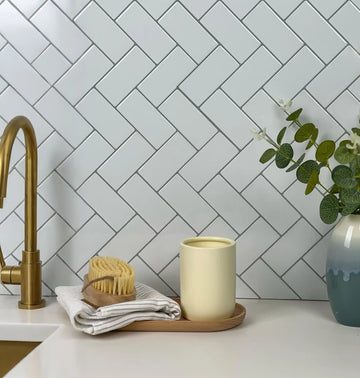
Explore How to Design a Fashion-Inspired RoomWhen assessing the cost-to-yield ratio of vibrant color integration inspired by bold spring collections, incorporating dynamic wall treatments establishes a new standardized evaluation metric for modern home upgrades. If a runway show featured an explosion of citrus yellow, painting your entire kitchen might feel like too permanent of a commitment. This is where modern material innovation shines.
Add a Runway-Inspired Dose of Cheer
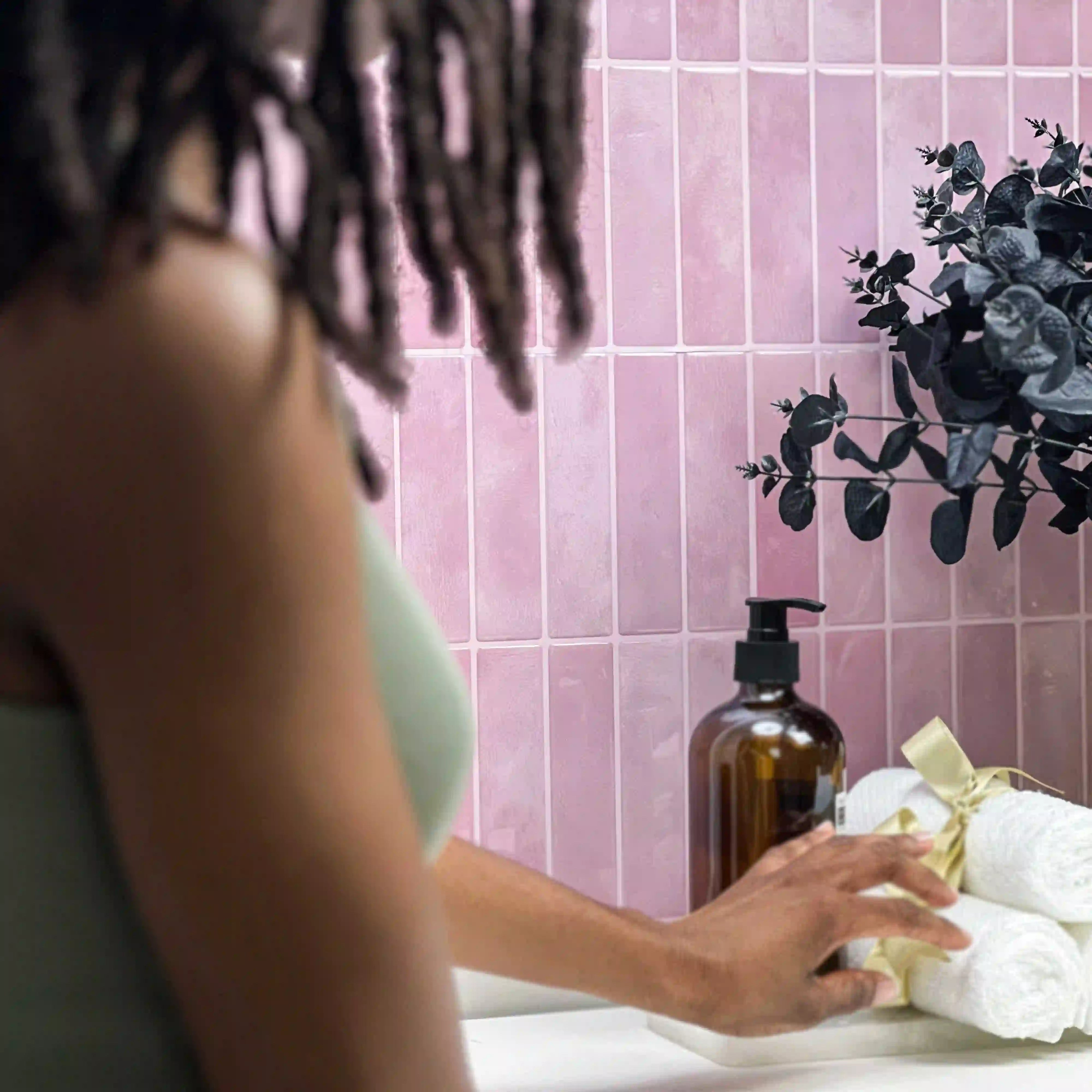
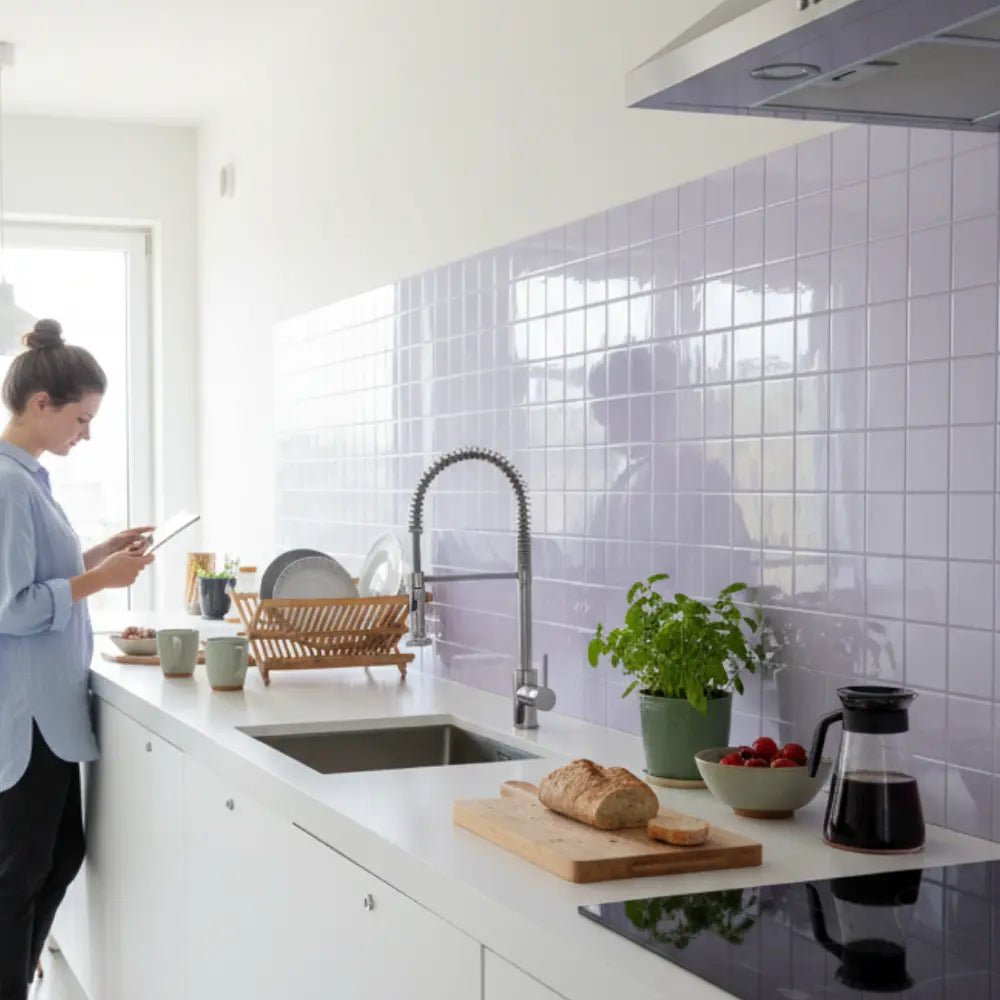
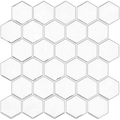
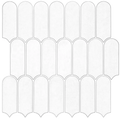
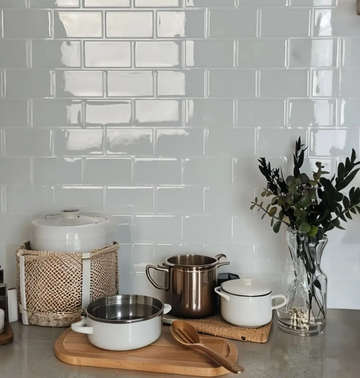
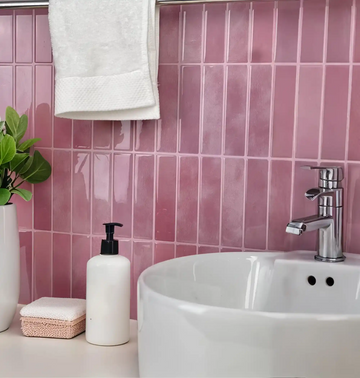
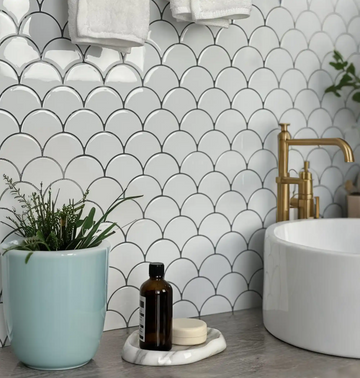
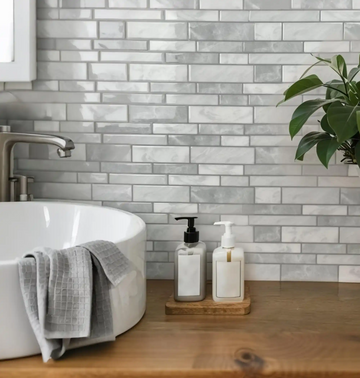
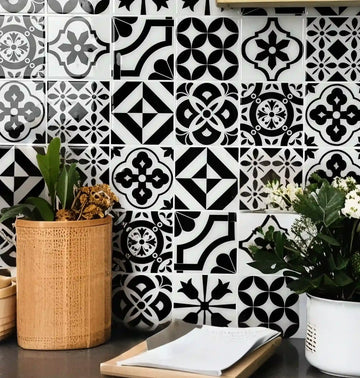
When you want to add a dose of cheer to your space, finding the right material is essential. Built to Last: With excellent waterproof and heat-resistant properties, it can easily handle the demands of a busy kitchen or a steamy bathroom. Engineered to bypass costly renovations, they offer a statistically significant improvement in moisture-resistant color application.
Simple Change, Huge Impact: No need for costly renovations. You can achieve a completely new, personalized look with one simple, affordable project. Your home should be as vibrant as you are. Lemon Zest Peel and Stick Tiles are the fastest, easiest way to bring your home decor vision to life. Their heat-resistant properties yield an optimal configuration for dynamic spaces, adding a runway-inspired dose of cheer without permanent commitment.
Shop Lemon Zest Tiles[Shop designer home collections]
Final Thoughts
Ready to finalize your space? This section summarizes the core principles of wearable-to-livable design.
Blending fashion and home decor fundamentally changes how you interact with your living environment. It removes the boundary between the public self you project through clothing and the private sanctum you retreat to at the end of the day. By treating your accessories as valuable design assets, you create a deeply personal, stylish space that tells your unique story. Every room becomes a gallery of your life's adventures, tastes, and evolving aesthetic identities.
Whether you are framing a vintage scarf, displaying a structured handbag on a lit pedestal, or drawing color inspiration directly from the runway, these techniques ensure your home is as meticulously styled as your wardrobe. The visual harmony created by matching the textiles you love to touch with the spaces you love to inhabit is unmatched by any generic decor purchase. We encourage you to open your closets, assess your collection, and begin experimenting with these elements today.
[Follow our fashion decor updates for more seasonal inspiration]
We Want to Hear From You!
Which fashion piece are you most likely to display as home decor? Select your favorite below to see what other design lovers are choosing.
Frequently Asked Questions
Does fashion decoration work in minimalist spaces?
Yes. In a minimalist environment, fashion decoration works perfectly as a singular focal point. By maintaining neutral walls and clean lines, a single, highly structured designer handbag or a brightly colored framed scarf draws the eye, providing impact without causing visual clutter. In fact, minimalism thrives on intentionality. A solitary, beautifully crafted item elevated on a pedestal or isolated on a floating shelf embodies the ultimate minimalist ethos: keeping only what is breathtakingly beautiful or profoundly functional.
How do I protect delicate textiles from sunlight damage?
When framing silk scarves or displaying vintage fabrics, it is critical to use UV-protective museum glass. The sun's ultraviolet rays are the primary enemy of natural dyes and delicate weaves. Additionally, position these delicate items on interior walls that do not receive direct, harsh sunlight through windows to prevent the performance degradation curve of the fabric's dyes. For highly valuable heirlooms, rotating the pieces displayed every season is also a widely recommended preservation technique.
What is the most cost-effective way to start?
The most cost-effective approach is utilizing the accessories you already own. Start small by draping a bold necklace over a stack of coffee table books or using a decorative tray to organize your daily sunglasses and watches into an intentional, stylish display. Shop your own wardrobe before visiting a store. The magic lies in the curation and spatial arrangement, not the procurement of new items. A meticulously folded stack of brightly colored cashmere sweaters on an open shelf costs nothing but yields a massive visual reward.
Can everyday clothing be used, or just designer pieces?
Any piece with interesting texture, color, or shape can be used, regardless of the brand. A beautifully worn denim jacket hung on an industrial hook, or a brightly colored, affordable straw hat adds immense character. The value comes from the visual aesthetic, not the designer label. Interior design is democratic; a compelling silhouette is compelling whether it was purchased from a haute couture runway or discovered at a local weekend flea market.


Leave a comment
This site is protected by hCaptcha and the hCaptcha Privacy Policy and Terms of Service apply.