

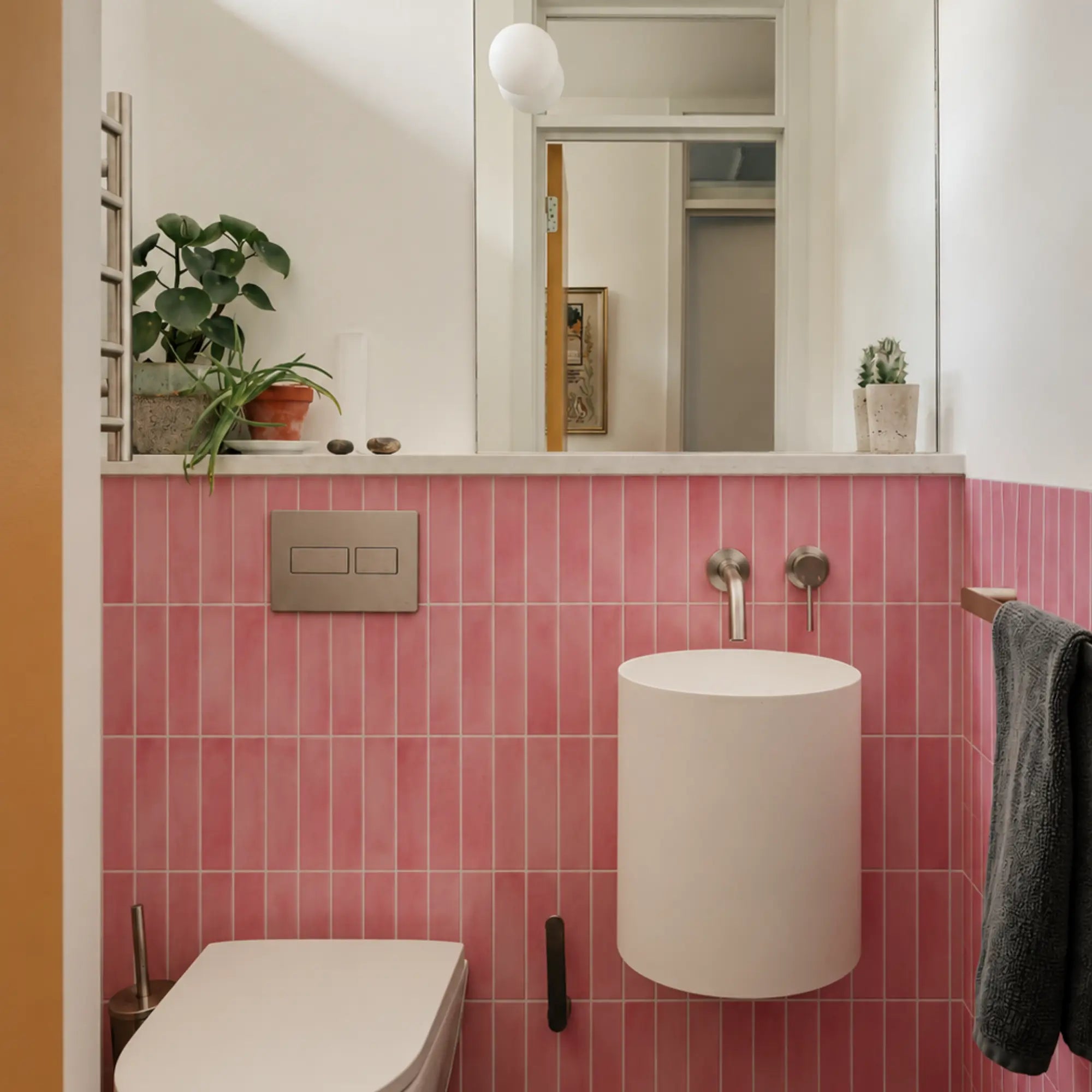
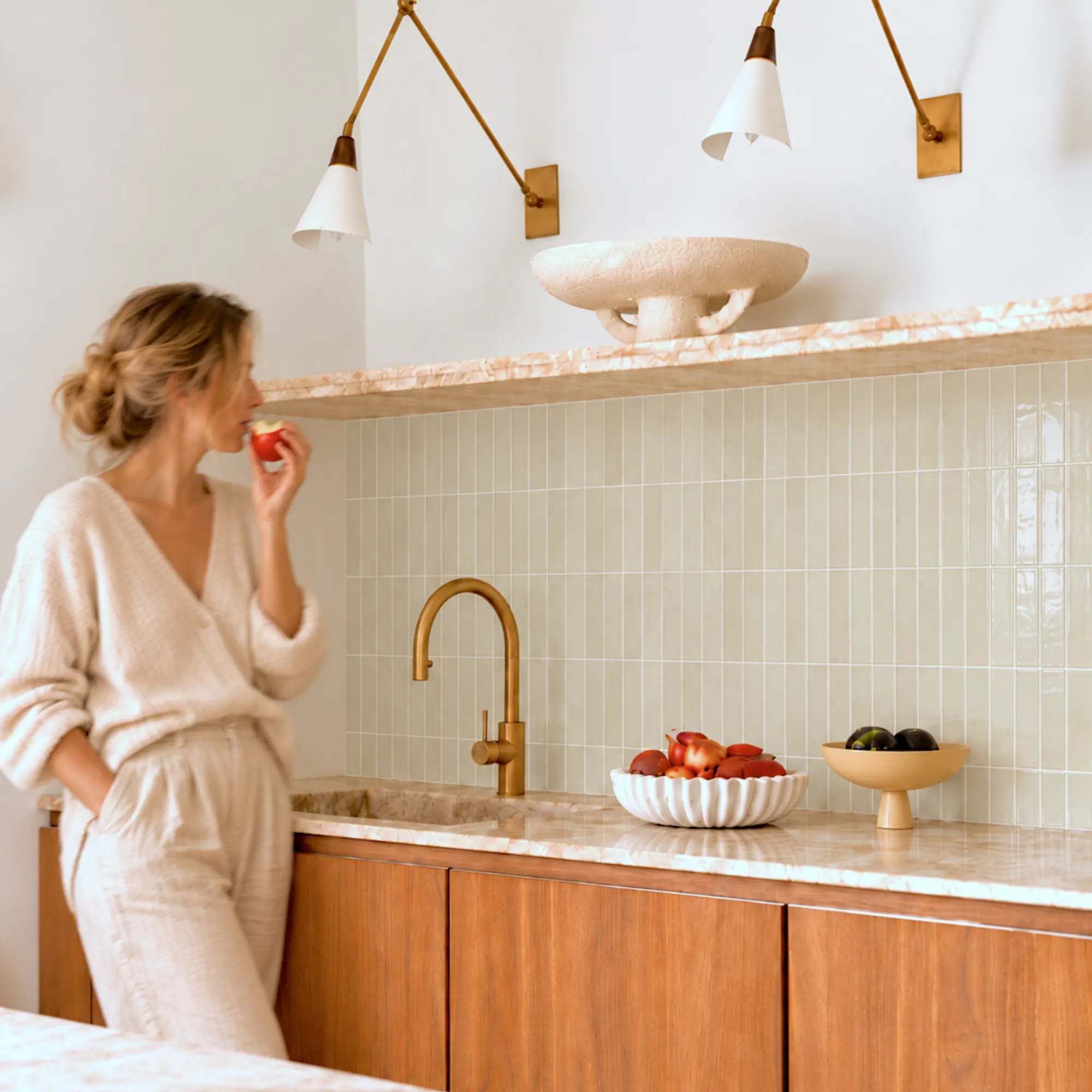


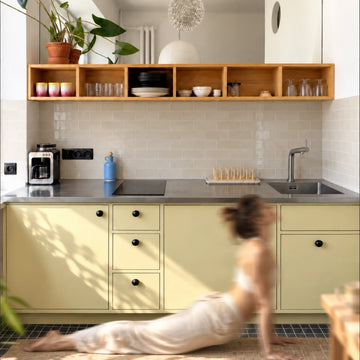
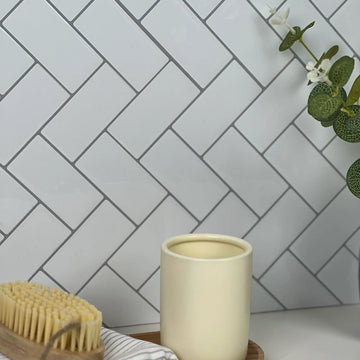
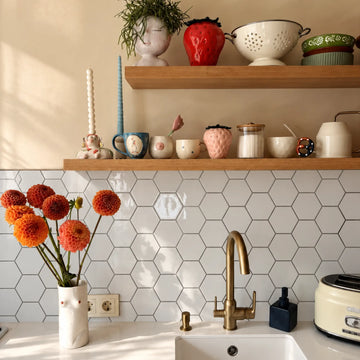
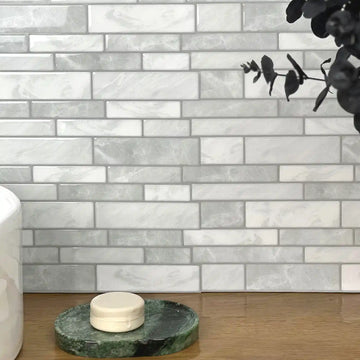

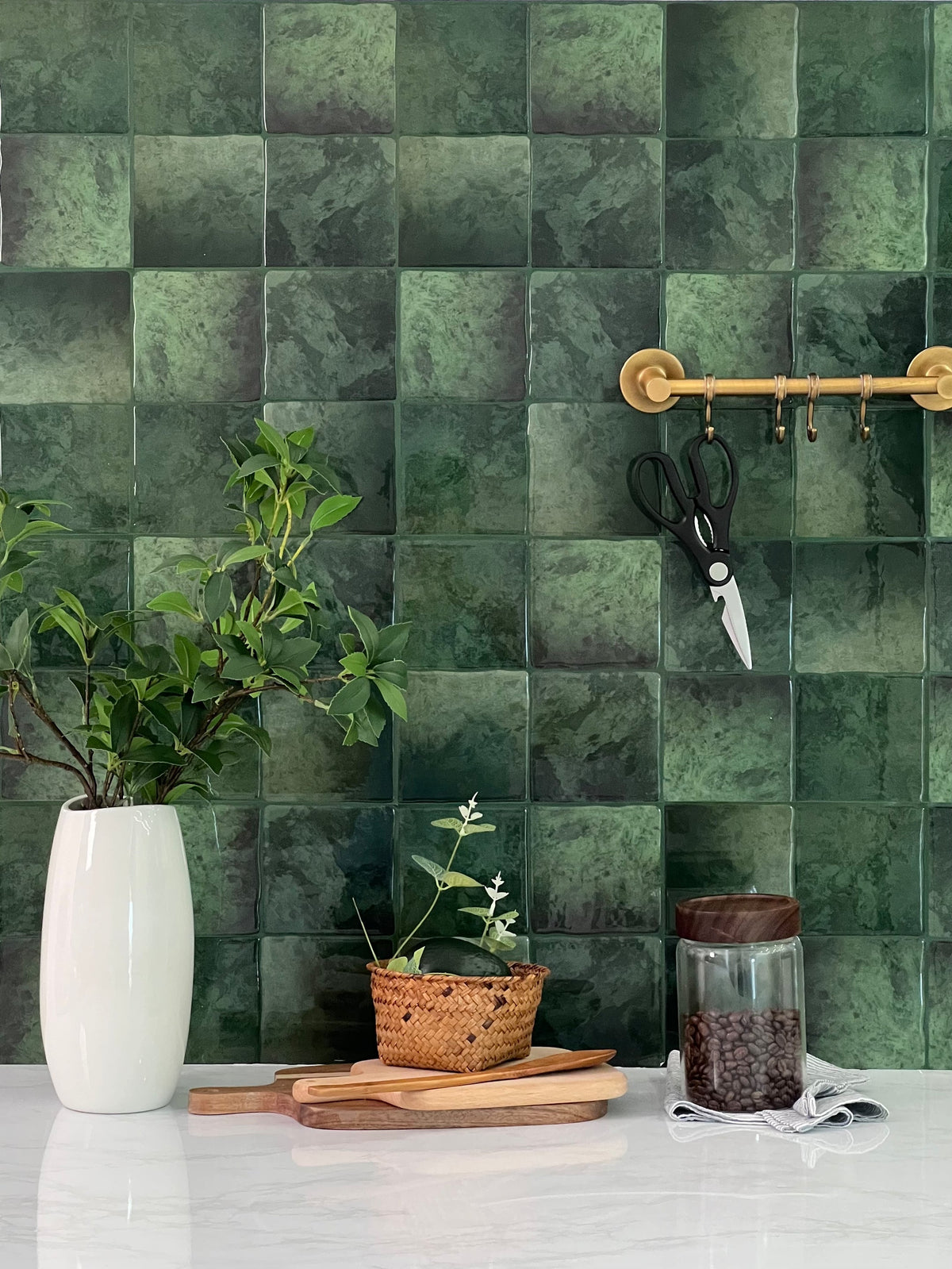
Transforming your kitchen to reflect the changing seasons is a timeless way to keep your home feeling fresh and inviting in 2026. Whether you are looking back at the cozy warmth of Christmas decor or planning ahead for the vibrant energy of summer, seasonal kitchen decor can bring life and warmth to your space! This article was recently updated to ensure its timeliness and accuracy. In this guide, I’ll share some of the most delightful festive kitchen decor ideas for Christmas and vibrant tips for summer-themed kitchen wall updates. Whether you’re a DIY enthusiast or someone just looking to refresh their space, you’re in for a treat!
Explore this guide
Festive Kitchen Decor Ideas for Christmas
Creating a Cozy and Warm Christmas Kitchen Atmosphere
- Layer soft textiles like faux fur rugs or knitted chair covers.
- Use warm lighting such as string lights or candle-style LEDs.
- Add seasonal scents with cinnamon sticks, pine cones, or holiday-scented diffusers.
A cozy Christmas kitchen starts with textures and lighting. Swap out your regular kitchen mats for plush faux fur rugs to make the floor feel inviting. Drape a chunky knit throw over a chair for extra warmth.
For lighting, string lights around open shelves or cabinets add a magical glow. If you prefer a safer option, battery-operated candles mimic the flicker of real flames.
Don’t forget scent! Simmer a pot of water with cinnamon sticks and orange peels for a natural holiday fragrance.
Incorporating Classic Christmas Colors and Textures
- Stick to traditional red, green, and gold for a timeless look.
- Mix textures like velvet, wood, and metallic accents.
- Try peel-and-stick tiles for a temporary festive backsplash.
For texture, pair velvet ribbon-tied napkins with rustic wooden cutting boards. Metallic touches, like copper measuring cups or a gold utensil holder, add elegance.
Want a quick update? Our Snowfall Grid peel-and-stick tiles mimic a snowy backdrop, perfect for a winter kitchen decor refresh.
Adding Festive Kitchen Accessories
- Hang a wreath on the pantry door or above the sink.
- Swap out dish towels for holiday-themed patterns.
- Display seasonal dishware on open shelves.
A kitchen wreath instantly sets the holiday mood. Opt for one with pinecones, berries, or even mini ornaments.
Switch everyday dish towels for plaid or embroidered holiday designs. Fold them neatly over the oven handle for a polished look.
Show off festive mugs or plates on open shelving. If you’re short on space, a tiered stand can display seasonal treats and decor.
For more holiday kitchen decorations, check out our blog on Seasonal Kitchen Decor.
Summer-Themed Kitchen Wall Updates
Infusing Bright and Lively Summer Colors
- Paint an accent wall in turquoise, coral, or sunny yellow.
- Use peel-and-stick tiles for a removable pop of color.
- Add citrus-themed art for a fresh vibe.
Summer calls for bold, cheerful hues. A turquoise or coral accent wall can brighten the whole kitchen.
Not ready for paint? Try Coastal Breeze peel-and-stick tiles for a beachy feel. They’re renter-friendly and easy to install.
For wall art, lemon or lime prints bring a zesty touch. Frame vintage fruit crate labels for a retro look.
Easy DIY Wall Decor Projects with Beach Vibes
- Create a driftwood shelf for coastal charm.
- Hang woven baskets as textured wall art.
- Stencil a wave pattern for subtle ocean vibes.
A driftwood shelf is perfect for holding seashells or small plants. Sand and seal the wood for durability.
Woven baskets in different sizes add texture and storage. Arrange them in a sunburst pattern for visual interest.
For a subtle beach theme, stencil waves along the lower half of your wall. Use soft blues and whites for a calming effect.
Need more inspiration? Our DIY Peel-and-Stick Kitchen guide has step-by-step tips.
Minimalist Approaches for a Fresh Summer Feel
- Stick to a white-and-natural palette for a clean look.
- Add greenery with potted herbs or eucalyptus stems.
- Use sheer curtains to let in natural light.
A minimalist summer look keeps things airy. Pair white walls with natural wood accents, like a bamboo fruit bowl or rattan barstools.
Fresh herbs like basil or mint double as decor and cooking ingredients. Place them in simple terracotta pots near a sunny window.
Swap heavy drapes for light, sheer curtains to maximize sunlight.
For more small kitchen decor hacks, read our Small Kitchen Decor Hacks blog.
Conclusion
As we settle into 2026, refreshing your seasonal home decor is a wonderful way to keep your kitchen feeling current and cozy. From the nostalgia of cozy Christmas interiors to the anticipation of bright summer color schemes, simple updates can transform the heart of your home. Whether you’re layering textures with plaid kitchen towels or installing beach vibes décor with easy-to-remove tiles, your kitchen can beautifully reflect the best of every season.
Frequently Asked Questions
Q: How can I decorate my kitchen for Christmas on a budget in 2026?
A: Focus on small touches like swapping out dish towels, adding a wreath, or using peel-and-stick tiles for a temporary backsplash. These affordable updates make a huge impact without a high cost.
Q: What are the best summer colors for a kitchen this year?
A: Turquoise, coral, and sunny yellow remain top choices for a summer-themed kitchen. Try Bright White Zigzag tiles for a playful pattern that brightens the space.
Q: Can renters use seasonal decor?
A: Absolutely! Peel-and-stick products like Tidal Plaid tiles are perfect for renters in 2026. They are easy to install and fully removable without damaging walls.
Q: How do I keep my kitchen decor from looking cluttered?
A: Stick to a minimalist approach—rotate a few key pieces per season and store the rest. This keeps your counters clear and your seasonal accents meaningful.
For more ideas, explore our Modern Kitchen Decorations blog!
Build a neutral kitchen baseline before adding a season
Seasonal decorating is easier when the fixed surfaces already make sense together. Start by photographing the cabinets, counters, floor, backsplash, appliances and main wall color in ordinary daylight. Identify two or three undertones that repeat across those permanent finishes. A seasonal palette can then add contrast without asking every item in the room to change at once. In a warm wood kitchen, for example, winter greens and deep reds may feel integrated while a summer scheme can use cream, faded blue and natural fiber. The point is not to follow a prescribed palette but to work from the colors the room already contains.
Choose which elements are truly seasonal. Textiles, art, a table runner, a bowl, flowers, removable labels and small wall accents are easier to store and rotate than a full backsplash. If the kitchen already has a durable neutral wall finish, let it do most of the visual work and use smaller objects for the calendar change. This keeps the room functional and avoids turning every holiday into a renovation.
Create seasonal zones instead of decorating every surface
Divide the kitchen into a few visual zones: the main work counter, dining or breakfast area, open shelf, sink wall and any blank wall visible from an adjacent room. Pick one or two zones for strong seasonal cues and leave the busiest work surfaces relatively clear. This makes the change visible without competing with food preparation, appliance ventilation or cleaning.
A useful test is to clear the kitchen to its normal working state and photograph it. Add the seasonal pieces, then ask whether each one has a safe storage position during cooking and cleaning. If decor repeatedly moves onto a cutting board, blocks an outlet or crowds an appliance, it is not functioning well even if the styled photo looks attractive.
Use lighting to evaluate color rather than buying from a screen
Seasonal colors can shift substantially between daylight and evening kitchen lighting. The US Department of Energy distinguishes light-source color appearance from color rendering; for decorating, that means a burgundy towel, sage wall sample or warm-white ornament may not look the same under every lamp. Bring the real material into the room and compare it during the hours when the kitchen is actually used.
Gloss also changes the impression of color. Metallic ornaments, glassware and shiny wall finishes create highlights near under-cabinet lighting, while matte textiles and paper art absorb light. Use that difference deliberately. A small reflective object can create enough winter sparkle without covering a splash zone with material that is harder to clean.
Plan a winter kitchen around warmth, not clutter
Winter decor often works through texture and concentrated color rather than sheer quantity. A washable runner, a few durable textiles, a restrained wreath away from heat and an arrangement on a dining surface can change the room while leaving the cooking zone open. If you use greenery, candles or string lights, keep them away from burners, hot appliances, water and any location prohibited by the product instructions.
For a Christmas-specific layer, repeat one color family in two or three places instead of buying unrelated themed pieces. A red-and-cream textile can connect with a small tabletop accent and framed print, while wood or brushed metal already in the kitchen provides continuity. After the season, the pieces should have a defined storage volume; if they require more space than the kitchen gains from them, simplify the set.
Plan a summer kitchen around lightness and easy maintenance
Summer refreshes can use fewer layers, more open counter area and colors that relate to daylight. Blue, soft green, sand, terracotta or citrus tones can work, but the better choice depends on the cabinets, counters and floor. Swap a heavy textile for a washable lighter one, reduce objects near the sink and use a small piece of art or a removable dry-wall accent to introduce the seasonal color.
If fresh plants or flowers are part of the look, plan for water. Keep pots on a tray, away from exposed seams and from materials that should not stay damp. A seasonal change should not create a recurring moisture source against a wall or cabinet. If condensation or leaks appear, correct the water issue rather than hiding it with decor.
Use removable wall accents only in eligible zones
A temporary wall accent can be useful on a clean, dry, compatible surface, but removable does not mean universal. Identify the exact product and the wall finish. A pressure-sensitive adhesive may behave differently on fresh paint, old matte paint, glossy coating, patched drywall or texture. Follow product-specific preparation and removal instructions and obtain permission in a rental.
Keep self-adhesive decor out of unverified heat or direct-wet zones. Near a range, appliance requirements and the exact wall product determine suitability; there is no single seasonal-decor clearance that applies to every kitchen. Near a sink, a wipeable face is not the same as a waterproof wall assembly. Use decorative adhesive products where their documented conditions match the real wall.
Make a seasonal backsplash decision without replacing a good backsplash
If the existing backsplash is sound and easy to clean, it may be better to leave it alone. Change the objects around it and let its color serve as the neutral anchor. Covering a durable finish simply to follow a holiday theme can add seams, cleaning work and removal risk without improving function.
When a temporary backsplash overlay is genuinely appropriate, plan it like any other wall project: measure, dry-layout, check edge terminations, preserve outlet access and save the original wall record. Choose a design that can survive more than one season if the installation effort is significant. The most sustainable seasonal update is often the one you do not have to discard after a few weeks.
Use shelves and cabinet fronts without blocking function
Open shelves can carry a compact seasonal story because the objects are easy to remove. Keep frequently used dishes in the most accessible positions and place decorative pieces where they do not have to be moved every day. On cabinet fronts, avoid any attachment method that conflicts with the finish or leaves hardware under stress.
If you add ribbons, hooks or temporary labels, check that doors still open fully and that nothing can fall into a sink, cooktop or food-preparation area. A small kitchen especially benefits from decorations that occupy visual space rather than working space.
Set a storage budget before buying seasonal pieces
Measure the bin, drawer or shelf that will hold off-season decor and treat that volume as a hard constraint. Favor flat textiles, stackable objects and art that shares frames between seasons. Photograph each finished seasonal arrangement and keep the image with the storage bin; next year, you can recreate the parts you liked without buying duplicates.
A storage budget also helps with color discipline. If an item does not work with the established winter or summer palette and has no defined location, skip it. The result is a kitchen that changes with the calendar while accumulating less visual and physical clutter.
Create a fast changeover checklist
Before each seasonal change, clean the relevant surfaces, inspect for moisture or damage and remove only the decor—not electrical covers, appliance safety labels or service access. Compare stored textiles and wall accents for stains, adhesive change or wear before putting them back. If a self-adhesive piece has aged, re-check the manufacturer guidance instead of assuming it can be reused.
After the change, walk through the kitchen as if you were cooking a normal meal. Open every important door and drawer, use the sink, reach the main outlets and check sight lines. This functional test catches problems that a styled photograph misses.
Keep renter restoration separate from seasonal styling
In a rental, document the original condition before any adhesive wall change and keep written permission when required. Paint can release even when a product is marketed for temporary use, particularly where the coating is weak or previously repaired. Plan time for careful removal and ordinary wall restoration rather than relying on a zero-damage promise.
If the goal is simply to make the kitchen feel different for a season, textiles, tabletop pieces and framed art usually involve less wall risk than a large adhesive installation. Use the least invasive method that creates the visual effect you want.
Use a repeatable annual system instead of chasing a new trend
Write down what worked: the palette, the pieces actually used, the storage location, the wall products and the cleaning routine. Donate or repurpose items that stayed in the bin all season. Keep a simple photograph of the winter and summer versions of the room.
This turns seasonal decorating into a controlled refresh rather than a sequence of impulse purchases. The kitchen can feel different in December and July while the fixed materials, safety zones and daily routine remain stable. That is a more durable design strategy than rebuilding the room around a short-lived theme.
Design one fall-to-winter transition instead of buying two full sets
A kitchen can move from early fall to winter by keeping a common base and changing only a few accents. Natural wood, cream, brass, dark green or another room-specific neutral can stay in place while a textile, branch arrangement or small artwork changes. This avoids storing two complete collections and makes the room feel intentionally related across the season.
Keep food-contact and work surfaces clear. Natural items such as dried leaves, branches or fabric should stay away from burners, toaster vents, sinks and other heat or moisture sources. If a decorative object sheds, absorbs grease or must be moved every time the counter is cleaned, move it to a dining or shelf zone.
Use spring as a maintenance reset, not just a new palette
When winter decor comes down, use the transition to inspect caulk lines, backsplash edges, cabinet finishes and the wall behind stored objects. Clean according to the relevant surface instructions and correct moisture or coating problems before adding the next decorative layer. A seasonal schedule can make maintenance easier because the same areas are intentionally uncovered several times a year.
Spring color can come from one textile, a plant, framed print or a small dry-wall accent rather than a full wall change. Compare greens, florals and pastels against the fixed countertop and cabinet under the real room lighting. If the existing kitchen already has several strong colors, a quieter seasonal layer may make the room feel fresher than adding another saturated pattern.
Plan hosting decor around circulation and food service
Holiday and summer gatherings change how the kitchen is used. Before adding centerpieces, drink stations or extra stools, map the path between refrigerator, sink, oven, serving area and dining space. Keep hot dishes, cords and sharp tools out of the routes guests use. A decorative station should be easy to move if the kitchen needs its full work surface back.
Use trays to group temporary objects so they can be relocated as one unit. Keep labels, napkins and paper decor away from heat and splash. After the event, return the room to its baseline rather than allowing seasonal pieces to become permanent counter storage. This is especially valuable in a small kitchen where visual clutter and working clutter quickly become the same problem.
Create a year-round wall-art system
Instead of mounting new hardware every season, choose one frame, rail or display location that can accept changing art without repeated wall disturbance. Keep the dimensions consistent and store the off-season prints flat. In a rental, use an attachment method permitted for the wall and the weight of the frame; decorative adhesive tile should not be expected to support artwork.
A stable display location also reduces visual clutter because the seasonal change has a known boundary. One winter print can be replaced by a botanical spring image or a simple summer graphic while the backsplash, counters and work zones remain untouched.
Use scent and natural materials without creating kitchen problems
Seasonal scent is often part of the atmosphere, but kitchens already contain heat, food and ventilation. Keep candles and heat-producing fragrance devices away from combustible decor, cabinets and work areas and follow their product instructions. A bowl of citrus, herbs or other food-safe elements may provide a seasonal cue without adding another powered device.
Natural branches, dried plants and fabric can collect dust or grease if left close to cooking. Place them in lower-exposure zones and make cleaning part of the changeover. If an object cannot be cleaned and begins to shed or absorb odors, replace or relocate it rather than allowing the seasonal display to reduce hygiene.
Photograph the kitchen from the same angle every season
Use one or two repeatable camera positions to compare the winter, spring, summer and fall versions of the room. The photographs reveal whether seasonal objects are accumulating, whether the focal point is still clear and whether important work surfaces are becoming crowded. They also create a shopping reference that is more reliable than trying to remember last year’s arrangement.
At the end of each season, note which pieces were useful, which required constant moving and which never left storage. Use that evidence to reduce the next year’s set. Over time, the seasonal system becomes more personal and less dependent on generic trend lists.
Build a four-season kit instead of four separate kitchens
A compact seasonal kit can share a neutral runner, two frames, a tray and a few containers across the year while color and small accents rotate. Define one winter palette, one spring or summer palette and one fall palette, then reuse the same display locations. This keeps storage predictable and makes every change faster.
Keep a short inventory with a photograph of each seasonal setup. When something breaks or wears out, replace only the role it served rather than buying an entirely new coordinated collection. The room stays fresh because the composition changes, not because every object is new.
Final seasonal safety and maintenance check
Before calling the refresh finished, verify that nothing blocks ventilation, service access, outlets, cabinet movement or the normal path between sink, refrigerator and cooking area. Keep paper, textiles and temporary wall accents out of unverified heat and direct-wet zones.
At changeover, clean and inspect the newly exposed wall and counter areas. Seasonal decorating works best when it doubles as a recurring maintenance rhythm rather than hiding the same moisture, grease or clutter problem behind a new theme.
Keep the seasonal layer subordinate to kitchen function
The finished room should still be easy to cook in on an ordinary weekday. If a seasonal display blocks a cabinet, crowds the sink or requires moving several objects before every meal, reduce it. Keep the strongest seasonal cue in a lower-work zone and let color, texture and one focal display do more work than quantity.
A useful rule is that the kitchen should return to normal operation without dismantling the decor. That keeps the refresh enjoyable for weeks rather than attractive only for a photograph.
Keep one empty visual zone
Leave at least one counter run, wall area or shelf visually quiet. An empty zone gives the seasonal focal point contrast and makes the kitchen easier to clean, photograph and use. It also provides a place to set groceries or serving dishes without dismantling the display.
Sources and scope
- US DOE: Color and Spectrum — Lighting and color-rendering context; not a material-performance rating.
- US EPA: A Brief Guide to Mold, Moisture and Your Home — Moisture-control guidance; not approval of a wall covering or waterproof assembly.
- 3M: Applying VHB Pressure-Sensitive Tape — General surface-preparation principles for named 3M tapes; not Stickwoll specifications.


Leave a comment
This site is protected by hCaptcha and the hCaptcha Privacy Policy and Terms of Service apply.