







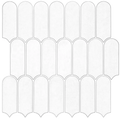
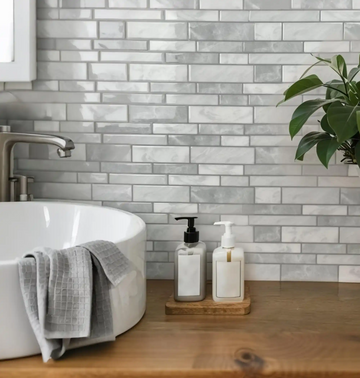
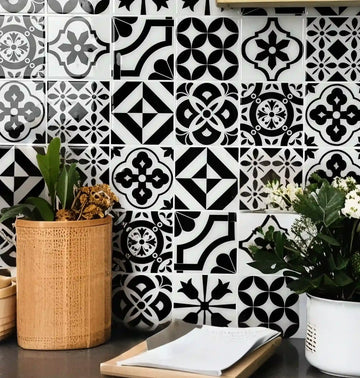
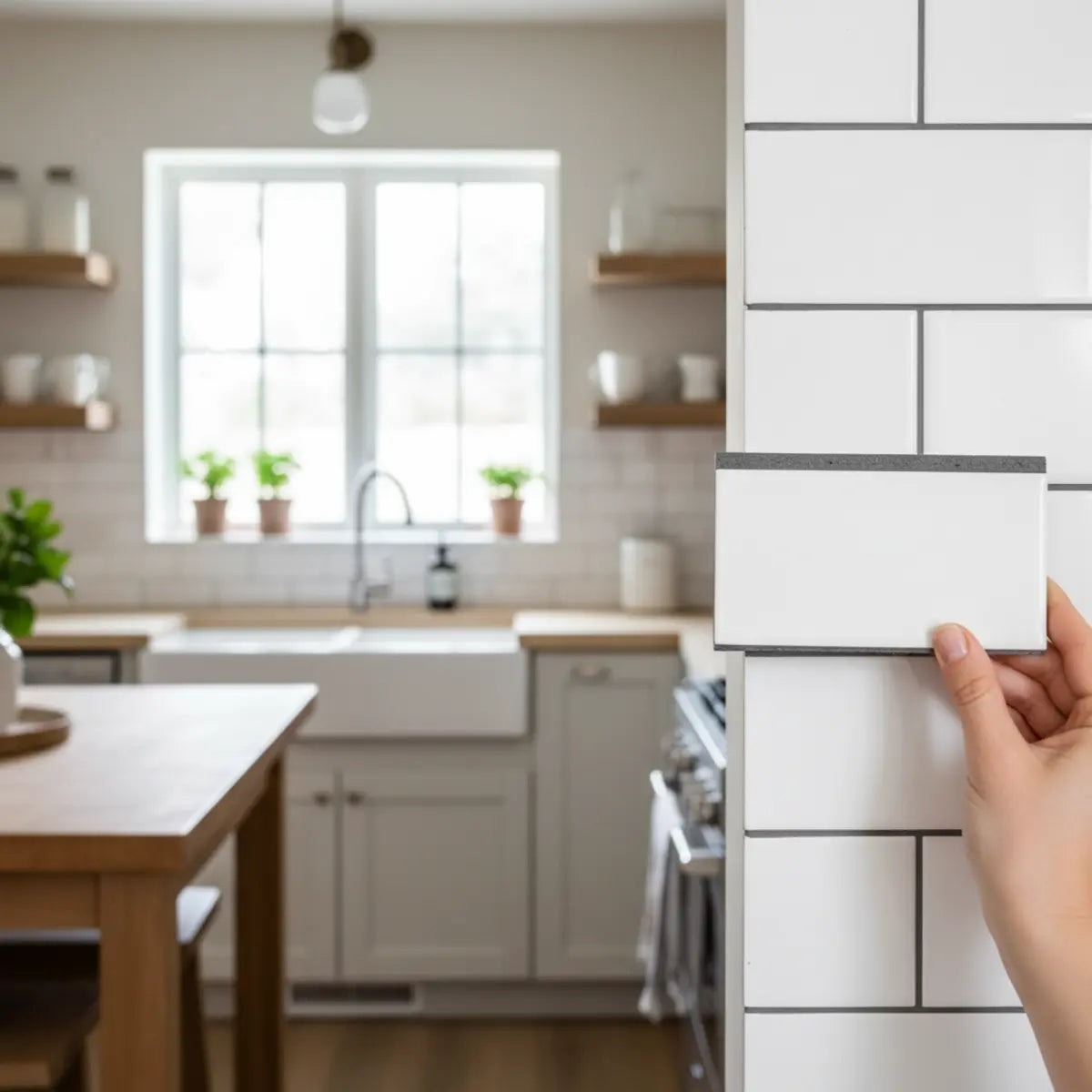
Of all the home upgrade questions we hear, one of the most common is this: “Are peel-and-stick tiles *actually* worth it, or are they just a temporary fix that looks cheap?” It’s a fair question for any homeowner or renter wanting a stylish update without the cost and chaos of a full renovation.
Direct Answer: Stickwoll Tiles Reviews 2025
Stickwoll tiles are high-quality peel-and-stick wall panels designed for quick, affordable, and renter-friendly home upgrades. Based on 2025 user reviews, they are praised for easy installation, reliable adhesion, and waterproof performance in kitchens and bathrooms. For broader planning, see our peel-and-stick tile guide.
You’re looking for a solution that’s both beautiful and durable. You’re worried about tiles peeling in a steamy bathroom, staining behind a busy kitchen stove, or damaging your walls when it’s time to move. These concerns are valid, and diving into real-world performance is the only way to find a confident answer. For those just starting their journey, getting a foundational understanding is key.
Want a complete overview before you dive in?
To see how these tiles can completely change the look and feel of a space with minimal effort, explore our full analysis.
Read the Full Transformative ReviewThis guide is your one-stop review hub. We’ve sifted through real user experiences, consulted with installation experts, and analyzed long-term performance to give you the clear, honest answers you need before you buy.
What Are Stickwoll Tiles and Why Are They Popular in 2025?
The Question: Ever see those stunning before-and-after kitchen photos on social media and wonder, "What's their secret?"
The Promise: This section explains exactly what Stickwoll tiles are and why they've become the go-to solution for savvy homeowners seeking a major impact with minimal effort.
Stickwoll tiles are not the flimsy, vinyl stickers of the past. They are rigid, multi-layered decorative panels, typically made of a PVC composite, that mimic the look and feel of real ceramic, stone, or glass tiles. Each panel has a powerful, pre-applied adhesive backing. When comparing finishes, browse Stickwoll peel-and-stick tiles and review the product details for your surface and room.
Their popularity surged in 2025 for a few key reasons. First is the economic appeal. With renovation costs on the rise, homeowners are actively seeking high-impact, low-cost alternatives. Stickwoll allows you to completely transform a kitchen backsplash for under $100 and in a single afternoon.
Second is the "instant gratification" factor. In a world of long project timelines, the ability to get a professional-looking result in hours is a massive win. This makes them perfect for weekend warriors, busy parents, and anyone who wants to see immediate change.
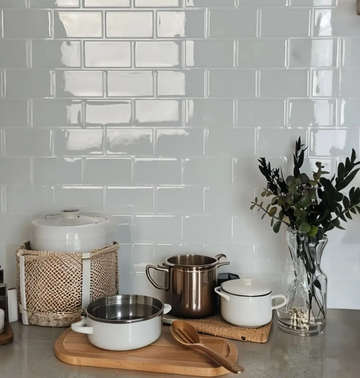
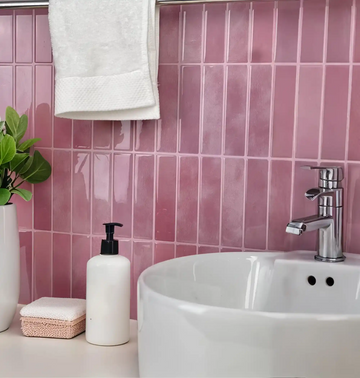
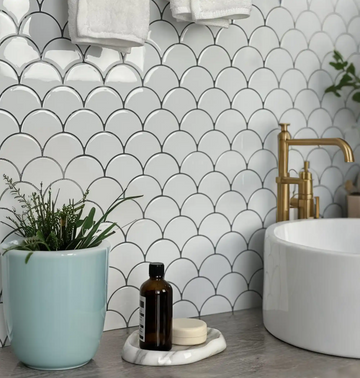
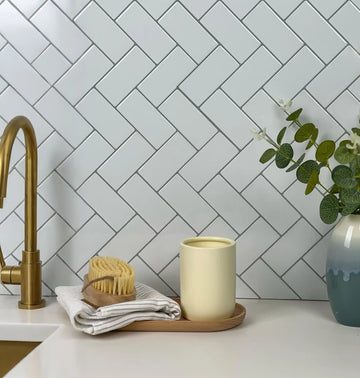
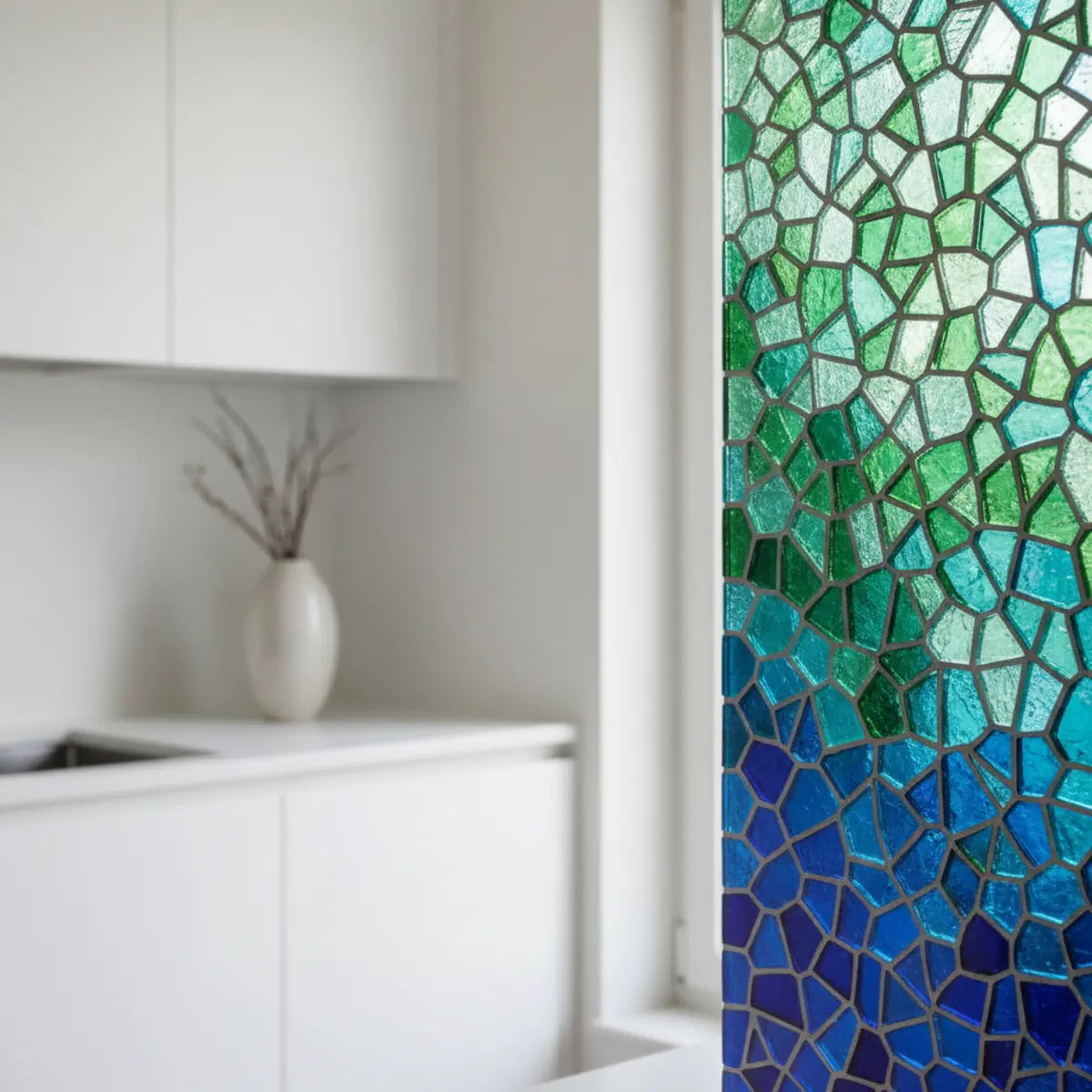
Finally, the design variety has exploded. From classic white subway tiles to intricate Moroccan patterns and modern hexagons, the aesthetic options now rival traditional tile stores. This allows for true customization without being locked into a permanent choice.
A Pro-Tip Before You Start
Before committing to a full wall, we always recommend ordering a single sample tile or a small pack. This lets you see the color and texture in your home's unique lighting and test its feel. It's a small step that prevents big regrets.

What Do Real Users Say About Stickwoll Tiles’ Quality and Durability?
The Question: But do they actually last? Or will you find them peeling at the corners after a few steamy showers or hot summers?
The Promise: We've gathered real user feedback from different climates to give you the unvarnished truth about Stickwoll's long-term performance.
To get a clear picture of durability, we analyzed verified purchase reviews from 2024 and 2025. The consensus is overwhelmingly positive, especially when users follow the installation instructions precisely. The most common praise focuses on the thickness and rigidity of the tiles.
Unlike cheaper, thin vinyl sheets, users report Stickwoll tiles feel substantial. They don’t easily dent or puncture, and the colors hold up well against daily splashes and indirect sunlight. The adhesive is a frequent point of praise, with many noting it’s "surprisingly strong" and "grips tight."
Of course, long-term performance depends on the environment. To illustrate this, let's look at two real-world scenarios.
Case Study 1: The Humid Bathroom (Florida)
Maria R. from Miami used Stickwoll’s subway tiles for a backsplash behind her bathroom vanity. Her biggest concern was the constant humidity. After 18 months, she reports zero peeling or lifting, even at the edges closest to the sink. Her key to success? "I cleaned the wall with a degreasing cleaner twice and let it dry for a full 24 hours before starting."
Case Study 2: The Busy Kitchen (Ontario)
David P. in Toronto installed a patterned backsplash behind his stove. He was worried about both temperature fluctuations from the Canadian seasons and heat from cooking. Two years later, he notes no discoloration or loss of adhesion. The tiles wipe clean easily from cooking splatters and haven't warped or cracked.
Quick Poll: Your DIY Experience
Have you used peel-and-stick tiles before?
A common misconception is that all peel-and-stick brands are the same. In our experience, Stickwoll's multi-layer composite construction provides a resilience that sets it apart from single-layer vinyl decals. To see how Stickwoll stacks up against the competition in terms of material, price, and overall value, a detailed comparison is essential.
For a deep analysis of how different brands compare, the go-to resource is our in-depth Stickwoll vs. Top Peel and Stick Tile Brands 2025 guide.

Are Stickwoll Tiles Waterproof and Easy to Install in Bathrooms and Kitchens?
The Question: Can you confidently use these tiles in wet areas like a kitchen or bathroom without worrying about water damage or a complicated installation?
The Promise: Here, we break down their waterproof capabilities and provide a simple, step-by-step installation process for a perfect, long-lasting finish.
This is one of the most critical questions we get. Stickwoll tiles are water-resistant, not fully waterproof. This means their surface is impervious to water, so splashes from a sink or splatters from a pot won't cause any damage. They are perfect for kitchen backsplashes and bathroom vanity walls.
The overlapping design of the tiles creates a seal that prevents most water from getting behind them. However, they are not recommended for areas with constant, direct water immersion, like the inside of a shower. For those specific applications, you'll want a product explicitly rated for shower interiors.
Understanding the difference is crucial for project success. If you're tackling a full shower remodel, you need materials built for that environment. For readers exploring those options, our guide on the Top Waterproof Peel and Stick Shower Tiles for 2025 is the definitive resource.

The Simple Path to a Flawless Installation
The beauty of Stickwoll lies in its simplicity. You don't need grout, mortar, or a wet saw. The entire process relies on a "measure, score, and snap" method.
-
1
Wall Preparation is Key: This step is non-negotiable. Clean your wall with a degreaser like TSP (or a TSP substitute) to remove any grease or grime. The wall must be completely clean, flat, and dry.
-
2
Measure and Plan: Lay your first row of tiles on the floor to plan your layout, especially for cuts around outlets or corners. This dry run saves a lot of headaches.
-
3
Draw Your Guideline: Use a level and a pencil to draw a perfectly straight horizontal line for your first row. Do not trust your eye or your countertop to be level.
-
4
Peel, Align, and Press: Peel back only a couple of inches of the backing paper. Align the tile with your guideline, and once it's perfectly positioned, press it firmly onto the wall. Smooth from the center outwards to remove any air bubbles.
-
5
Overlap Securely: Each tile is designed to overlap the "grout line" of the previous one. This is crucial for creating that seamless, water-resistant barrier.
-
6
Cut with Confidence: For cuts, measure where you need to trim, use a straightedge and a utility knife to score the surface firmly, and then simply snap the tile along the line.
While these steps cover the basics, seeing is believing. A visual aid can make all the difference between a good result and a great one. For a complete visual walkthrough, our Easy Guide: Install Peel & Stick Subway Tiles provides photos and videos for every part of the process.
How Do Stickwoll Tiles Compare to Other Brands like Smart Tiles?
The Question: With so many options out there, how does Stickwoll really stack up against a well-known competitor like Smart Tiles?
The Promise: This direct, head-to-head comparison table breaks down the key differences in material, price, and performance to help you make an informed choice.
Choosing a brand can feel overwhelming. While many brands offer peel-and-stick solutions, the two most frequently compared are Stickwoll and Smart Tiles. Both are quality products, but they cater to slightly different preferences.
Here’s a breakdown of what sets them apart.
| Feature | Stickwoll Tiles | Smart Tiles |
|---|---|---|
| Material & Feel | Thicker, rigid PVC composite. Feels more like a traditional, hard tile. | Flexible, gel-like epoxy resin (Gel-O™ technology). Softer and more pliable. |
| Adhesive | Strong, rubber-based adhesive designed for a long-term bond. | Patented adhesive that allows for some initial repositioning. |
| Heat Resistance | Excellent heat resistance, suitable for behind most stoves (check clearance). | Good heat resistance, but can be more sensitive to direct, high heat. |
| Price Point | Generally more budget-friendly, offering excellent value for the quality. | Typically positioned at a premium price point. |
| Installation | "Score and snap" method with a utility knife. Requires a firm hand. | Can be cut with scissors or a utility knife, offering more flexibility. |
| Design Variety | Wide range of realistic stone, ceramic, and wood-look textures. | Focuses on glossy, 3D gel-like finishes in various patterns. |
In our experience, the choice often comes down to the desired feel. If you want a product that feels robust and closely mimics the rigidity of ceramic tile, Stickwoll is an excellent choice. This focus on durability and realistic texture makes them a leader in value. To explore more top products and simple DIY tips, our guide on Easy Stick Tile Solutions is a great next step.
What Are the Common Stickwoll Tiles Installation Issues and How Do You Avoid Them?
The Question: What if it goes wrong? What are the common mistakes that can ruin an otherwise perfect DIY project?
The Promise: We're revealing the top three installation pitfalls we see and sharing the expert secrets to sidestep them for a finish that looks truly professional.
Even the easiest DIY project has potential traps. With peel-and-stick tiles, a successful outcome almost always comes down to avoiding a few common errors.
Pitfall 1: Tiles Start Peeling at the Edges
The Cause: This is almost always due to improper wall preparation. Grease, dust, or even residual moisture can create a barrier that prevents the adhesive from making a full bond.
The Fix: Be meticulous with your prep. Clean the wall with a degreasing agent. If the paint is new, you must wait at least 21 days for it to fully cure before applying tiles. The wall must be 100% dry.
Pitfall 2: The Lines Are Crooked and Uneven
The Cause: Relying on your eye or using a countertop as your guide. Most walls and counters are not perfectly level.
The Fix: A laser level is your best friend. If you don't have one, a 4-foot bubble level and a pencil work just as well. Draw a perfectly level starting line and align the bottom of your first row of tiles to it.
Pitfall 3: Gaps Appear Between the Tiles
The Cause: Not overlapping the tiles correctly. The tiles are engineered with a specific overlap on the "grout" portion to create a seamless look. Rushing this step can lead to visible seams.
The Fix: Take your time. Firmly press the overlapping edge of the new tile onto the designated area of the previous tile. A J-roller, a small, hard rubber roller, is a fantastic tool for ensuring a tight, secure seal along these seams.
Avoiding these mistakes is the key to a project you'll be proud of for years. For a full list of solutions and preventative measures, our How to Install Peel and Stick Tiles & Best Designs 2025 guide includes a dedicated troubleshooting section.
How Do You Clean and Maintain Stickwoll Tiles?
The Question: They're installed and they look great. Now, how do I keep them looking brand new for years to come?
The Promise: This section delivers the simple, effective cleaning routine that protects your investment and keeps your tiles looking pristine.
Maintenance for Stickwoll tiles is refreshingly simple. Think of cleaning them like you would a high-quality countertop or appliance—gentle care goes a long way.
The "Do" List for Cleaning
- Use a soft cloth or sponge with a solution of mild soap (like dish soap) and water.
- Wipe up spills promptly, especially acidic or staining liquids like tomato sauce, mustard, or coffee.
- Dry the surface after cleaning to prevent water spots.
The "Don't" List for Cleaning
- Never use abrasive cleaners or scouring pads (like steel wool). They will scratch and dull the tile's finish.
- Avoid harsh chemical cleaners containing bleach, ammonia, or other corrosive agents.
- Do not use excessive amounts of water that could run down the wall and get behind the tiles.
A common myth is that "water-resistant" means "invincible." While the surface is tough, it's not indestructible. Treating it with care will ensure it looks as good in five years as it did on day one.

The Final Verdict on Stickwoll Tiles
After analyzing user reviews and expert feedback, the verdict for 2025 is clear: Stickwoll tiles deliver exceptional value. They provide a durable, stylish, and affordable solution for homeowners and renters who want a high-impact upgrade without a major commitment.
Their strength lies in their rigid construction, powerful adhesive, and realistic designs. When installed correctly on a well-prepared surface, they live up to their promises of being water-resistant, easy to clean, and long-lasting in both kitchens and bathrooms.
Ready to start your own transformation? The next step is to explore the possibilities and find a design that fits your style.
Your Next Steps:
Turn inspiration into reality. Use these resources to find the perfect tiles for your project and get started today.
Explore Top-Rated Kitchen Backsplash Tiles Browse the Full Stickwoll CatalogFrequently Asked Questions
Are Stickwoll tiles really waterproof?
Stickwoll tiles are water-resistant, which means their surface is impervious to splashes and moisture, making them ideal for kitchen backsplashes and bathroom walls outside of the shower. They are not fully waterproof, so they should not be submerged or used inside a shower stall.
Are Stickwoll tiles suitable for renters?
Yes, they are an excellent renter-friendly option. While the adhesive is strong, the tiles can be removed. Removal typically involves gently heating the tiles with a hairdryer to soften the adhesive, then carefully peeling them off the wall. Some minor drywall touch-ups may be needed afterward.
Can you put Stickwoll tiles over existing tiles?
Yes, you can install them over existing ceramic tiles, provided the surface is clean, smooth, and flat. You must thoroughly clean the existing tile and grout lines with a degreaser to ensure proper adhesion. If the grout lines are very deep, you may need to fill them to create a level surface.
How much do Stickwoll tiles cost on average?
The cost can vary by design, but a typical kitchen backsplash project (around 15-20 square feet) can often be completed for between $80 and $150. This makes it a highly affordable alternative to traditional tiling, which can cost thousands.


Leave a comment
This site is protected by hCaptcha and the hCaptcha Privacy Policy and Terms of Service apply.