








Vinyl vs. Gel vs. Rigid Core: The Ultimate Guide to Peel and Stick Tile Materials (2026 Edition)
A comprehensive, architect-level breakdown of modern self-adhesive flooring and wall materials.
The world of home renovation has undergone a massive paradigm shift over the last decade. Gone are the days when achieving a high-end, bespoke look required hiring expensive contractors, enduring weeks of messy demolition, and mixing heavy bags of mortar. Today, the DIY revolution is powered by advanced material science, bringing commercial-grade aesthetics directly into the hands of homeowners and renters alike. However, with this democratization of design comes a new challenge: navigating an increasingly complex market saturated with varied product formulations.
You are standing in the hardware store aisle, staring at boxes of flooring. The options seem endless, and the fear of making a costly mistake is real. Choosing the wrong material can lead to peeling edges, water damage, or lost security deposits for renters. It is no longer just about picking a color or a pattern; it is about understanding the fundamental chemistry and structural integrity of the product you are bringing into your living space. The stakes are particularly high when dealing with areas exposed to moisture, heavy foot traffic, or extreme temperature fluctuations.
Vinyl, gel, and rigid core peel and stick tiles differ primarily in composition, durability, and cost. Vinyl tiles are flexible and budget-friendly. Gel tiles offer a 3D texture ideal for backsplashes. Rigid core tiles (often SPC-based) deliver the highest durability and waterproof performance for floors. Yet, these brief summaries only scratch the surface of what you need to know before embarking on your weekend project.
Understanding these key differences in material composition, durability, and ideal applications is critical. By translating technical flooring specifications into everyday language, you can confidently select the perfect surface for your home. This comprehensive guide will serve as your definitive resource, breaking down the molecular advantages of each type, analyzing their real-world performance metrics, and providing actionable insights for installation and maintenance.
What are vinyl, gel, and rigid core peel and stick tiles made of?
Staring at product labels and wondering what these materials actually mean for your walls and floors?
This section breaks down the chemical composition and structural anatomy of each tile type, giving you the facts to choose correctly.
At their foundation, these three peel and stick tile materials utilize entirely different manufacturing processes. The base material dictates how the tile bends, how it resists moisture, and how long it survives daily use. It is fascinating to realize that the difference between a floor that lasts two years and one that lasts twenty often comes down to microscopic variations in polymer chains and mineral composites.
Understanding this anatomy is the first step in avoiding a failed DIY project. Far too many enthusiastic renovators skip this crucial educational step, assuming all adhesive tiles are created equal. They are not. Let us examine the specific layers that make up each of these modern marvels.
The Anatomy of Vinyl Tiles
Vinyl peel and stick tiles are primarily constructed from Polyvinyl Chloride (PVC). PVC is a synthetic plastic polymer known for its extreme flexibility and low manufacturing cost. Originally developed in the 1920s, PVC has evolved into one of the most versatile plastics on the planet, heavily utilized in both medical devices and building materials due to its inherent resilience.
Standard vinyl tiles are essentially flat sheets of decorated plastic with an adhesive backing. To truly appreciate their design, you must look at their cross-section, which reveals a highly optimized, multi-layered sandwich engineered for cost-efficiency and ease of use.
-
The Wear Layer: A clear, protective top coat that defends against minor scratches. This is usually made of urethane and is the frontline defense against your daily life.
-
The Print Film: A high-definition photographic layer that mimics wood, stone, or ceramic. Advanced rotogravure printing techniques ensure these patterns look remarkably authentic.
-
The PVC Core: The flexible, pliable base that gives the tile its shape. This core is heavily plasticized to allow the tile to bend without snapping.
-
The Adhesive Backing: A factory-applied glue layer covered by a paper release liner. This pressure-sensitive adhesive is formulated for immediate tack upon contact.
Because they are highly flexible, standard vinyl tiles conform easily to slightly uneven subfloors. However, this flexibility means they offer zero structural support. They will telegraph, or show, any bumps or cracks existing underneath them. If a grain of sand is left on the subfloor during installation, it will eventually manifest as a tiny pimple on the surface of your beautiful new floor.

When evaluating baseline options, a standardized evaluation of material composition is necessary. If you are ready to dive deeper into the specific chemical advantages and cost benefits of different synthetic bases, we highly recommend reading our comprehensive analysis on why foundational materials matter. Discover the critical differences and make the right choice by exploring our guide on PVC Peel and Stick Tiles for Your Home: PVC vs. Vinyl 2025. This guide establishes the quantitative baseline for DIY installation expectations, ensuring you don't purchase a product unsuited for your specific architectural needs.
The Anatomy of Gel Tiles
Gel tiles are engineered entirely differently. They represent a significant leap in aesthetic technology, moving away from flat prints to embrace genuine tactile feedback. They are designed almost exclusively for vertical applications, such as a peel and stick tile material comparison for kitchen backsplashes, accent walls, and RV interiors where weight is a primary concern.
These tiles use a polyurethane (PU) or epoxy resin poured over a printed substrate. This pouring process is meticulously controlled to ensure a perfect dome effect, eliminating bubbles and creating a crystal-clear finish.
-
The PU Gel Layer: This thick, transparent resin cures into a flexible, rubbery dome. It acts as a magnifying glass for the print below, enhancing color saturation.
-
The 3D Texture: The gel creates a highly realistic, three-dimensional tactile surface mimicking glass or ceramic. It feels smooth and cool to the touch.
-
The Base Substrate: A thin metallic or vinyl foil that holds the printed color. This backing provides the necessary opacity to cover existing wall colors or old tiles.
The primary advantage here is visual depth. The gel layer catches light exactly like real glass subway tile, reflecting ambient kitchen lighting beautifully to brighten up darker spaces under cabinets. However, this soft, gummy surface is entirely unsuitable for foot traffic. Stepping on a gel tile would instantly indent and ruin the resin structure.

The Anatomy of Rigid Core Tiles
Rigid core peel and stick tiles represent the peak of self-adhesive engineering. For years, the industry struggled to combine the convenience of peel-and-stick with the robust durability of traditional floating click-lock floors. Unlike flexible vinyl, these tiles utilize SPC flooring technology. SPC stands for Stone Plastic Composite, an innovation that fundamentally altered the commercial flooring landscape.
The core is created by mixing natural limestone powder with polyvinyl chloride and chemical stabilizers. Extruded under immense heat and pressure, this combination creates a plank that feels remarkably like real stone or dense hardwood.
-
The SPC Core: A rock-hard, completely inflexible center that provides massive structural stability. It is immune to the expansion and contraction that plagues pure plastics.
-
The Attached Underlayment: Many rigid core options include a built-in flooring underlayment for sound dampening, usually made of IXPE foam or cork.
-
The Commercial Wear Layer: A thick, scratch-resistant surface engineered for heavy traffic, frequently enhanced with ceramic bead technology for ultimate scuff resistance.
This dense limestone core fundamentally mitigates the telegraphing issue found in standard vinyl. You can install rigid core tiles directly over minor grout lines or imperfections without the tile conforming to those dips. It bridges small gaps effortlessly, saving you hours of tedious subfloor leveling.
Side-by-Side Material Comparison
To make an informed decision, you must compare these compositions directly. Recognizing the structural limitations of your chosen material ensures a seamless installation that endures the test of time. Consider the following specification baseline, modeled after standard big-box retailer spec sheets. This acts as your quick-reference blueprint for project planning.
| Material Type | Core Component | Structural Flexibility | Ideal Application |
|---|---|---|---|
| Standard Vinyl | PVC (Polyvinyl Chloride) | Highly Flexible | Low-traffic floors, dry walls |
| Gel / 3D Resin | Polyurethane (PU) / Epoxy | Rubbery / Soft | Kitchen & bath backsplashes |
| Rigid Core | SPC (Limestone Composite) | Completely Rigid | High-traffic floors, wet areas |
How do vinyl, gel, and rigid core tiles differ in durability and lifespan?
Anxious that your weekend DIY project will start peeling or scratching after a few months of daily traffic?
This breakdown reveals the empirical wear data and waterproof ratings for each material, ensuring your investment lasts through family gatherings, pet zoomies, and daily spills.
Durability is not a subjective opinion. It is a measurable metric determined by wear layer thickness, chemical resistance, and adhesive strength. Choosing based on aesthetics alone often leads to premature failure. A beautiful design is worthless if it delaminates or scratches through to the white core within six months.
The lifespan of your flooring depends entirely on matching the material's durability rating to the room's traffic level. You wouldn't put racing slicks on an off-road vehicle; similarly, you shouldn't install a 4-mil entry-level vinyl in a bustling family kitchen.
Measuring Wear Resistance
In the flooring industry, wear resistance is measured in "mils" (one-thousandth of an inch). This is not to be confused with millimeters. This specific measurement dictates how long it takes for foot traffic, abrasive dirt, and sliding furniture to wear through the clear top coat and damage the printed design beneath.
-
Entry-Level Vinyl: Typically features a 4-mil to 6-mil wear layer. This is suitable for guest bedrooms or light-use closets where occupants mostly walk in socks or bare feet.
-
Premium Rigid Core: Often features a 12-mil to 20-mil wear layer. This withstands pet claws, dropped pots, and heavy daily use typical of main living areas and entryways.
When assessing the total cost of ownership (TCO) over a 5-year lifecycle, the metric shifts from upfront price to replacement frequency. Buying the cheapest option twice is ultimately more expensive—and much more labor-intensive—than buying the right product once. Is paying a few extra dollars per square foot truly justified by the extended lifespan? We break down the exact break-even point and performance metrics to help you decide in our deep-dive comparison: Affordable vs Premium Peel and Stick Tiles: Worth the Extra Cost?. This research yields an optimal configuration for long-term value.

Waterproof Ratings and Moisture Management
A common misconception propagated by clever marketing is that all plastic tiles are entirely waterproof. While the top surface of vinyl and SPC tiles repels water seamlessly, the installation method creates systemic vulnerabilities. Water is insidious; it will find the path of least resistance.
Waterproof rating claims often ignore the seams between tiles, focusing only on the center of the plank in controlled laboratory settings.
-
Surface Waterproofing: Both vinyl and rigid core surfaces are 100% impervious to water. You can leave a puddle on the center of the tile for weeks without structural degradation.
-
Seam Vulnerability: Flexible vinyl tiles can shrink slightly over time due to UV exposure or temperature swings, opening microscopic gaps where water can reach the subfloor. Once moisture attacks the adhesive from below, the tile will fail.
-
Rigid Core Stability: SPC cores do not expand or contract with temperature changes, keeping seams tight and secure. This makes them significantly safer for bathrooms and mudrooms.
For continuous moisture exposure, industry consensus dictates a stricter approach. For homeowners weighing the long-term ROI of adhesive solutions versus classic mortar-and-grout installations, understanding the hidden costs is essential. Uncover the true lifetime value and environmental footprint in our definitive Smart Tiles vs Traditional Tiles: 2025 Cost & Durability Guide. This provides a quantitative baseline for evaluating waterproof integrity in extreme environments.
A Two-Year Real-World Case Study
Theory and specifications are helpful, but real-world application is where the truth is revealed. Consider a typical family home with a golden retriever and two energetic children. We can empirically demonstrate the performance degradation curve of different materials under identical household conditions over a 24-month period.
After 24 months, standard thin vinyl in the main hallway typically exhibits micro-scratches from pet claws and grit dragged in from outside. The edges may show slight curling if the floor was improperly prepped or if heavy furniture was dragged across it without felt pads. It still looks passable, but the "new floor sheen" is decidedly gone.
In contrast, rigid core peel and stick tiles placed in the adjacent kitchen show zero dimensional changes. The 12-mil wear layer absorbs the impact of dropped utensils and high traffic without visible degradation. The seams remain factory-tight, repelling mop water effortlessly.
Gel tiles installed on the kitchen backsplash remain pristine. Because they face no mechanical abrasion from walking, gel peel and stick tiles durability is practically indefinite as long as they are kept away from direct, open flames (such as an unshielded gas stove burner). A simple wipe down with mild soap keeps them shining like the day they were installed.
The Science of Adhesive Strength
The glue on the back of the tile is just as important as the tile itself. If the bond fails, the material's durability is irrelevant. Peel and stick products generally use pressure-sensitive adhesives (PSA), which possess unique rheological properties allowing them to flow into the pores of the subfloor.
-
Acrylic Adhesives: Provide excellent UV resistance and maintain tackiness over time. Ideal for sunny rooms with large windows where thermal heat buildup might melt lesser glues.
-
Solvent-Based Adhesives: Offer a stronger initial grab and resist moisture better. These are often found on commercial-grade rigid core products intended for below-grade basements.
-
Pressure Activation: PSAs require a heavy floor roller during installation. The adhesive strength physically multiplies when compressed, forcing the polymer chains to lock with the subfloor.
Pro-Tip: The Mandatory Roll
Failing to roll the floor with a 100-pound floor roller is the number one cause of premature tile lifting. The adhesive bonds strictly adhere to the subfloor only when the microscopic glue bubbles are forcefully burst by heavy pressure. Rent a roller from your local hardware store; stepping on the tiles or rolling them with a hand roller is entirely insufficient for a permanent bond.
Which peel and stick tile material is best for your space and budget?
Struggling to balance your design vision with your budget and room requirements?
We provide a clear mapping of materials to specific rooms, alongside realistic cost expectations to simplify your final decision and guarantee project success.
Selecting the right material requires aligning the room's environment with the product's physical limitations. A cheap tile in a harsh environment is a wasted investment, just as an ultra-premium industrial tile might be total overkill for a temporary closet makeover.
Let us map out the optimal choices based on common household spaces. Approaching your renovation with a room-by-room strategy ensures you allocate your budget exactly where it matters most.
The Best Options for Bathrooms and Wet Areas
Bathrooms present severe challenges due to high humidity, standing water, and frequent temperature fluctuations. The steam from a hot shower can wreak havoc on inferior adhesives, while splashed water demands a surface that won't warp.
The best rigid core flooring for bathrooms is unequivocally an SPC-based tile. Its dimensional stability prevents the seams from opening under thermal stress. The thick wear layer handles dropped hair tools, spiked heels, and abrasive cleaning chemicals effortlessly. It provides the peace of mind typically reserved for expensive porcelain tile installations.
Standard flexible vinyl is too risky for full bathrooms. The steam can compromise the adhesive backing over time, leading to curling edges. While it might survive in a half-bath with no tub or shower, it is highly discouraged for primary washrooms.
The Best Options for Kitchens and Backsplashes
Kitchen floors endure heavy foot traffic and frequent spills. Between cooking mishaps, sliding bar stools, and constant pacing between the fridge and the stove, the floor takes a beating. Rigid core is again the superior choice for the floor, offering the resilience required for the heart of the home.
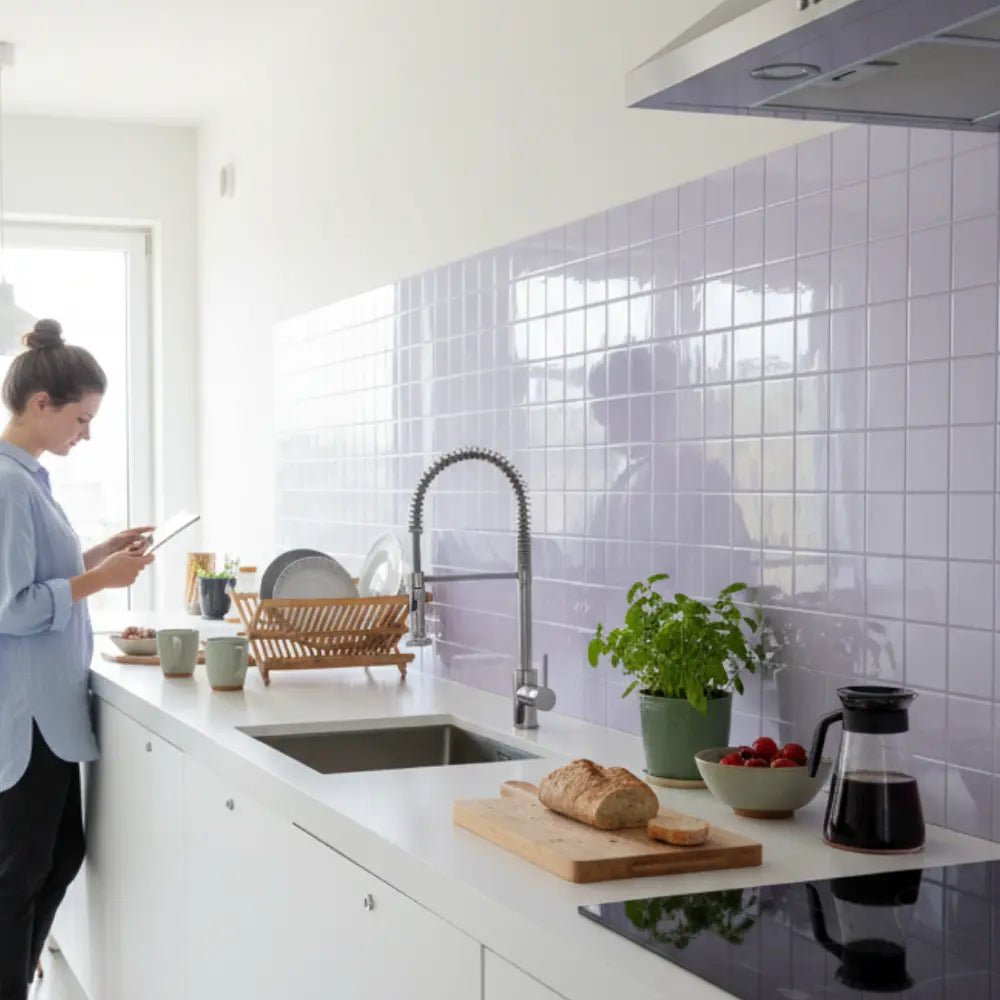
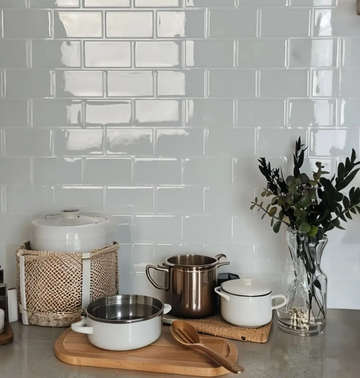
However, the wall is a different story entirely. When comparing vinyl vs gel tiles for backsplash applications, gel is the clear winner. The polyurethane dome creates a high-end visual that mimics authentic glazed ceramic, reflecting under-cabinet lighting to make the space feel larger and more luxurious.
If you crave the authentic, cool-to-the-touch feel and three-dimensional depth of classic fired clay without the messy mortar, there is a clear frontrunner. Experience the perfect blend of tradition and modern convenience with our stunning Dual Ceramics. By empirically neutralizing the flat, artificial look of older tiles with 3D textures, it recalibrates baseline expectations for grout-free wall design.
Why settle for static walls when you can integrate dynamic, light-reactive artistry into your living space? Elevate your home’s ambiance and create a truly interactive environment with the revolutionary Petalglow Stick™. This interactive design standard allows users to transform spaces dynamically, moving beyond static decor to create walls that command attention.
Transforming your culinary space doesn't have to drain your savings, provided you know exactly which retailers offer the best intersection of quality and price. Streamline your shopping process and find the most stunning options in our curated list of the Best Peel & Stick Vinyl Backsplash 2025: Where to Buy. It provides a deterministic outcome for balancing price against long-term style.
The Best Options for Renters and Budget Upgrades
Renters face a unique dilemma: the desire for a beautiful living space heavily contradicted by the requirement to leave the property exactly as they found it. Renters need affordable peel and stick flooring that guarantees easy, damage-free removal upon moving out.
Standard vinyl tiles are excellent for low-traffic living rooms or bedrooms. They offer immediate visual upgrades at a fraction of the cost. More importantly, their thinner adhesive layer makes them easier to remove. You can completely mask an ugly 1990s linoleum floor for less than a hundred dollars, fundamentally altering the aesthetic of your apartment.
Eco friendly peel and stick tiles made from recycled PVC are also entering this budget space, offering sustainable choices for temporary living without contributing to excessive landfill waste.
Step-by-Step Renter Removal Guide
Fear of subfloor damage holds many renters back from upgrading their spaces. Landlords are notorious for holding back deposits for even minor cosmetic issues. Fortunately, you can safely remove peel and stick tiles by manipulating the adhesive's thermal properties.
- Heat the Surface: Apply a heat gun or high-setting hairdryer to the center of the tile for 45 seconds. Keep the heat source moving to prevent scorching the plastic.
- Soften the Glue: The heat forces the acrylic adhesive to return to a gummy, pliable state. You will actually feel the tile become looser under your hand.
- Pry the Edge: Use a plastic putty knife—never metal, which can gouge the original floor—to gently lift one corner.
- Peel Slowly: Pull the tile back at a 45-degree angle. Pulling straight up can delaminate weak subfloors or pull up the finish of hardwood beneath. Patience is key here.
- Remove Residue: Apply a citrus-based adhesive remover to dissolve any remaining glue spots safely. Wipe clean with a damp microfiber cloth.

Before you commit your budget to a specific manufacturer, it is vital to see how the industry leaders stack up against each other in real-world testing. See who truly delivers on their promises in our rigorous breakdown of Stickwoll vs. Top Peel and Stick Tile Brands 2025. This comparison strictly adheres to measurable metrics like price, durability, and unique design options, saving you from trial-and-error purchasing.
Final Thoughts
The secret to a successful peel and stick project lies entirely in material selection. Taking the time to understand the structural differences between these polymers will save you significant time, money, and frustration down the road.
Flexible vinyl offers unbeatable affordability for quick bedroom updates and renter-friendly camouflage. Gel tiles provide the rich, 3D aesthetic necessary for high-end kitchen backsplashes, transforming flat drywall into a focal point. For serious durability and waterproof peace of mind, rigid core SPC tiles are the undisputed champion for high-traffic floors, mirroring the performance of traditional heavy flooring systems.
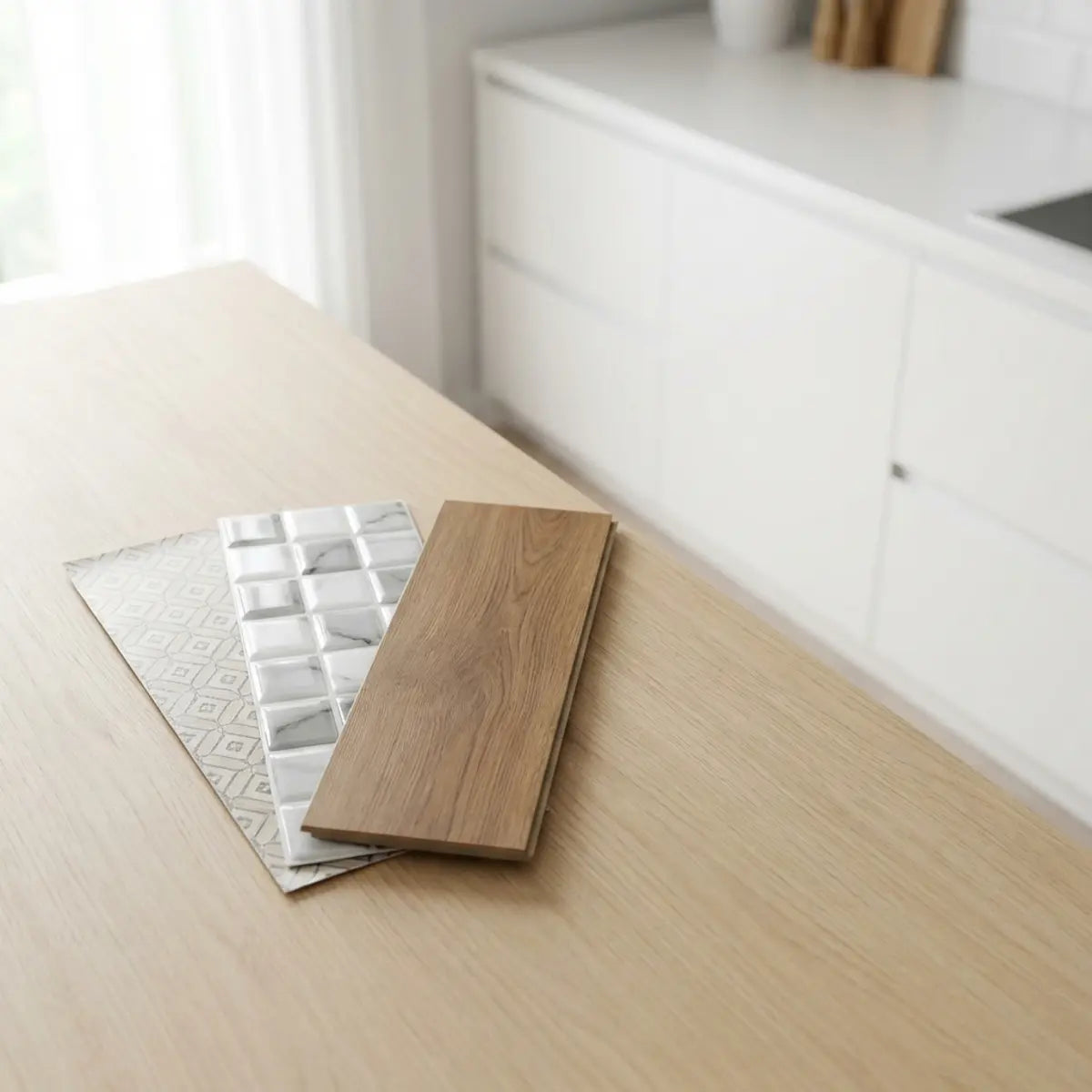
By matching the right material to the right room, you guarantee a professional-looking, long-lasting result. We recommend ordering sample boards to test adhesive strength and visual appeal in your specific lighting. Natural daylight versus warm LED bulbs can drastically alter how the print film and gel domes present in your home.
Mastering your home renovation requires more than just picking the right material; it demands a foolproof strategy from unboxing to the final wipe-down. Arm yourself with expert techniques and avoid common beginner mistakes by reading our ultimate Peel and Stick Tiles: Complete 2025 Guide. This resource yields an optimal configuration of installation tips to ensure your DIY renovation is flawless.
Which peel and stick tile type fits your next project?
Select the option that best describes your upcoming renovation to see what others are choosing!
Frequently Asked Questions
Are rigid core peel and stick tiles truly waterproof?
Yes, the SPC core and the vinyl surface wear layer are entirely impervious to water. However, the flooring system as a whole is only as waterproof as its seams. Standing water left for days can eventually seep between the tile joints and degrade the adhesive underneath. Promptly wiping up large spills is still recommended for maximum longevity.
How do you clean peel and stick tiles properly?
To maximize your vinyl peel and stick tile lifespan, avoid harsh abrasives or steam mops. Steam can melt the adhesive backing. Instead, sweep daily and mop weekly using a pH-neutral floor cleaner mixed with warm water. Use a microfiber mop pad to gently lift dirt without dulling the finish. Never use vacuums with a rotating beater bar.
Can I install peel and stick flooring over existing tile?
Yes, but preparation is critical. You must use a leveling compound to fill in the existing grout lines. If you skip this step, the new peel and stick tiles will eventually sag into the grout lines, telegraphing a grid pattern through your new floor. A smooth flooring underlayment surface is mandatory for a professional finish.
How long does a vinyl peel and stick tile lifespan actually stretch?
Under ideal conditions with proper subfloor preparation, standard flexible vinyl tiles last 3 to 5 years in moderate traffic. Premium rigid core tiles, boasting 12-mil to 20-mil wear layers, can easily last 10 to 15 years. Lifespan is directly tied to the thickness of the clear wear layer and the adherence to proper installation protocols.


Leave a comment
This site is protected by hCaptcha and the hCaptcha Privacy Policy and Terms of Service apply.