







Haute Couture for the Home: Elevating Your Space with Fashion-Inspired Decor
Transform your living environment into a runway-ready sanctuary using accessible materials, strategic upcycling, and high-impact weekend DIY projects.
Quick answer: DIY fashion-inspired decor works best when one clothing idea becomes one reversible room move: framed textile, removable color blocking, carefully supported accessories or a material-safe wall accent. Start small, protect valuable garments and compare the full project cost before making permanent changes.
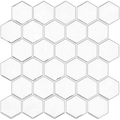
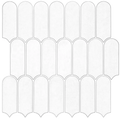
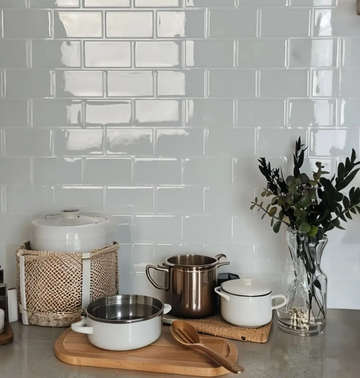
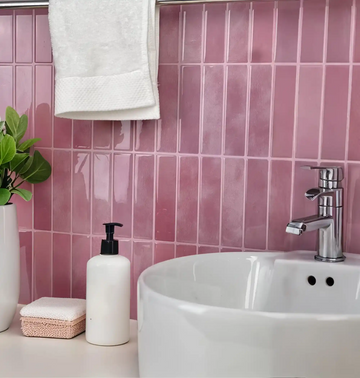
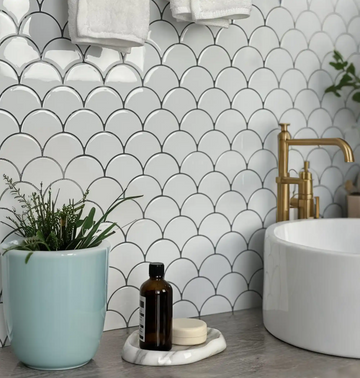
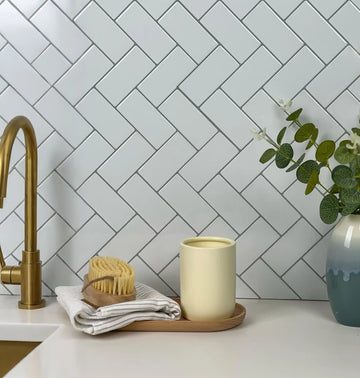
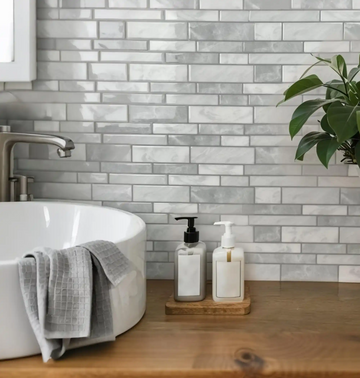
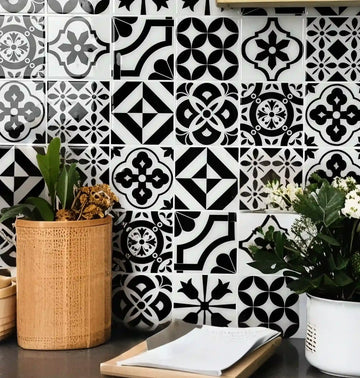
For removable wall finishes, use the peel-and-stick tile guide before browsing current wall-tile styles.
Explore this guide
Fashion-inspired decor merges runway style with home design through colors, textures, and accessories that reflect fashion trends. The beauty of this design philosophy is its inherent adaptability. You do not need a degree in architecture to execute these concepts. With a few DIY techniques, anyone can achieve a chic, designer look for less. By treating your furniture and blank walls as the foundational garments of an outfit, you begin to see a world of creative potential.

You can effortlessly blend fashion and interiors by focusing on accessible materials and high-impact weekend projects. This approach allows you to translate the textures and silhouettes of your favorite garments directly into your living space. Whether it is mimicking the drape of a chiffon gown through customized window treatments or mirroring the structure of a tailored blazer with sleek, geometric shelving, the possibilities are boundless. By strategically applying apparel concepts to room layouts, you bypass the premium markups of luxury home brands. This guide provides actionable, budget-friendly methods to transform ordinary rooms into stylish, fashion-forward spaces.
What Is Fashion Decoration and Why Should You Try It?
Design Inquiry: Is your living space failing to reflect your vibrant personal style? This section details the fundamental principles of merging apparel aesthetics with interior styling to elevate your home affordably.
Historically, the worlds of haute couture and interior design operated in parallel, rarely crossing paths outside the exclusive homes of the ultra-wealthy. Today, that barrier has vanished. Fashion decoration is the strategic application of apparel design principles—like textile layering, color blocking, and pattern mixing—to interior spaces. It treats a room exactly like a carefully curated outfit. Think of your sofa as the classic trench coat, your throw pillows as the vibrant silk scarf, and your lighting fixtures as the statement jewelry that ties the entire ensemble together.
Color Blocking—the pairing of contrasting, solid hues to create a bold visual impact—is a prime example of a fashion technique adapted for walls and furniture. Instead of painting a whole room a single, flat shade, color blocking invites you to paint an archway deep navy blue while leaving the surrounding wall a crisp white, mimicking the striking geometry of a modern color-blocked dress.
This crossover movement is rapidly gaining traction among budget-conscious creatives. Why? Because it democratizes luxury. You do not need a massive budget to incorporate the essence of high fashion into your home. Published guidance dictates a strong psychological link between personal dress and interior environments. A 2023 report from the Parsons School of Design highlighted that individuals experience a 40% increase in spatial satisfaction when their homes mirror their sartorial preferences. When you are surrounded by the fabrics and colors that make you feel confident in your clothing, that confidence translates directly into your daily life at home.
A common misconception is that fashion-inspired decor requires purchasing branded designer furniture. In reality, it is about capturing a specific mood. Consider a living room inspired by haute couture color palettes. Haute Couture—the creation of exclusive, custom-fitted high-end fashion design. You can replicate this by using rich jewel tones, like Schiaparelli pink or emerald green, through affordable paint or thrifted velvet throw pillows.
Before buying fabric or changing a wall, define the fashion idea you want to translate—such as monochrome color, layered texture or a strong accessory—and test it against the room’s fixed finishes. The fashion-inspired interior guide offers a broader framework, but the final arrangement should be judged with real samples and normal room use rather than a deterministic design formula.
Core Benefits of Apparel-Inspired Interiors
- Cost-Efficiency: Repurposing existing textiles reduces decor expenses drastically, allowing you to reallocate funds to essential architectural elements.
- Personalization: Your space becomes a direct reflection of your unique style, ensuring no two homes look exactly alike.
- Sustainability: Upcycling fashion items keeps materials out of landfills, promoting a circular economy within interior design.
- Agility: It is easy to update a room as seasonal fashion trends shift, merely by swapping out pillowcases or decorative throws.
Top Fashion Trends Influencing Home Decor in 2026
Sustainable Textures
Raw organic cotton and upcycled linen transitioning from eco-fashion directly into luxury upholstery.
Jewel Tone Dominance
Saturated emeralds and sapphires from winter runway collections acting as bold accent wall colors.
Utility Chic
Exposed zippers, heavy canvas, and industrial hardware becoming mainstream living room accents.
To stay ahead of the curve and understand the macro-forces driving these aesthetic shifts, delve into The Ultimate Guide to Fashion Decoration: How Fashion Trends Shape Modern Interiors.
How Can You Combine Fashion and Interior Design in DIY Projects?
Design Inquiry: Struggling to translate your favorite wardrobe pieces into room decor without making the space look cluttered? Here, we provide actionable techniques to seamlessly integrate apparel elements into your home.
You combine fashion and interior design by repurposing textiles, displaying accessories as art, and applying runway color palettes to hard surfaces. This methodology relies on looking at everyday clothing items through an architectural lens. A heavily beaded clutch is no longer just an evening accessory; it is a textural masterpiece waiting to be displayed on an acrylic pedestal.
Layering a room is exactly like layering a winter outfit. You need a solid base (your foundational furniture and wall color), varying textures for depth (wool rugs, bouclé armchairs, silk curtains), and statement accessories to draw the eye (bold artwork or metallic light fixtures). When evaluating how to deploy these smaller elements, documented comparison is crucial. Before you donate those old belts and statement necklaces, discover how to upcycle them by checking out the methodology outlined in Creative Ways to Use Fashion Accessories in Home Decor. Benchmarked against traditional styling, this yields an optimal configuration for displaying personal items.
Hypothetical planning example: imagine a weekend bedroom project that reuses a denim garment as framed or upholstered decor. Before cutting anything valuable, check the textile’s condition, decide whether the change should be reversible, and build the support so the fabric can be removed or replaced. The example illustrates a planning sequence; it is not a documented customer case study.
They then used vintage leather belts to strap plain, frameless mirrors to the wall above the nightstands. This instantly added a utilitarian, chic fashion element to an otherwise standard room, providing the space with a custom, high-end hotel ambiance without the accompanying invoice.

Pro-Tip: Sustainable Material Swaps
Framing vintage silk scarves is the most cost-effective way to create large-scale, high-end art. A vibrant, patterned scarf in a sleek, minimalist frame looks indistinguishable from expensive gallery prints. However, to elevate your sustainability game, look for conscious material swaps when undertaking any DIY. Instead of purchasing new synthetic leather for furniture hacks, try Piñatex (leather made from pineapple leaves) or salvage scraps from unsellable thrift store coats. Swap virgin polyester batting for organic cotton or shredded recycled textiles when stuffing your homemade throw pillows. These small, ethical swaps ensure your high-fashion home is as kind to the environment as it is to your eyes.
DIY Wall Art Walkthrough: Framing a Vintage Scarf
Source & Prep
Locate a silk scarf with a bold, symmetrical print. Hand wash delicately with a gentle silk detergent and let it air dry completely flat to avoid stretching the delicate fibers.
Iron & Stretch
Place a pressing cloth over the scarf and iron on the lowest silk setting. Carefully stretch the fabric over a piece of acid-free foam core board, ensuring the pattern remains perfectly aligned.
Mount & Frame
Use rust-proof dressmaker pins inserted into the edges of the foam board to secure the scarf. Place the board into a deep shadow box frame to protect the fabric from pressing directly against the glass.
When factoring in the long-term performance degradation curve of trendy decor, permanent fixtures require careful selection. While scarves and pillows are easily swappable, elements like backsplashes and accent walls demand longevity. Equipment like Lemon Zest tiles functions as the architectural standard for adding high-impact color.
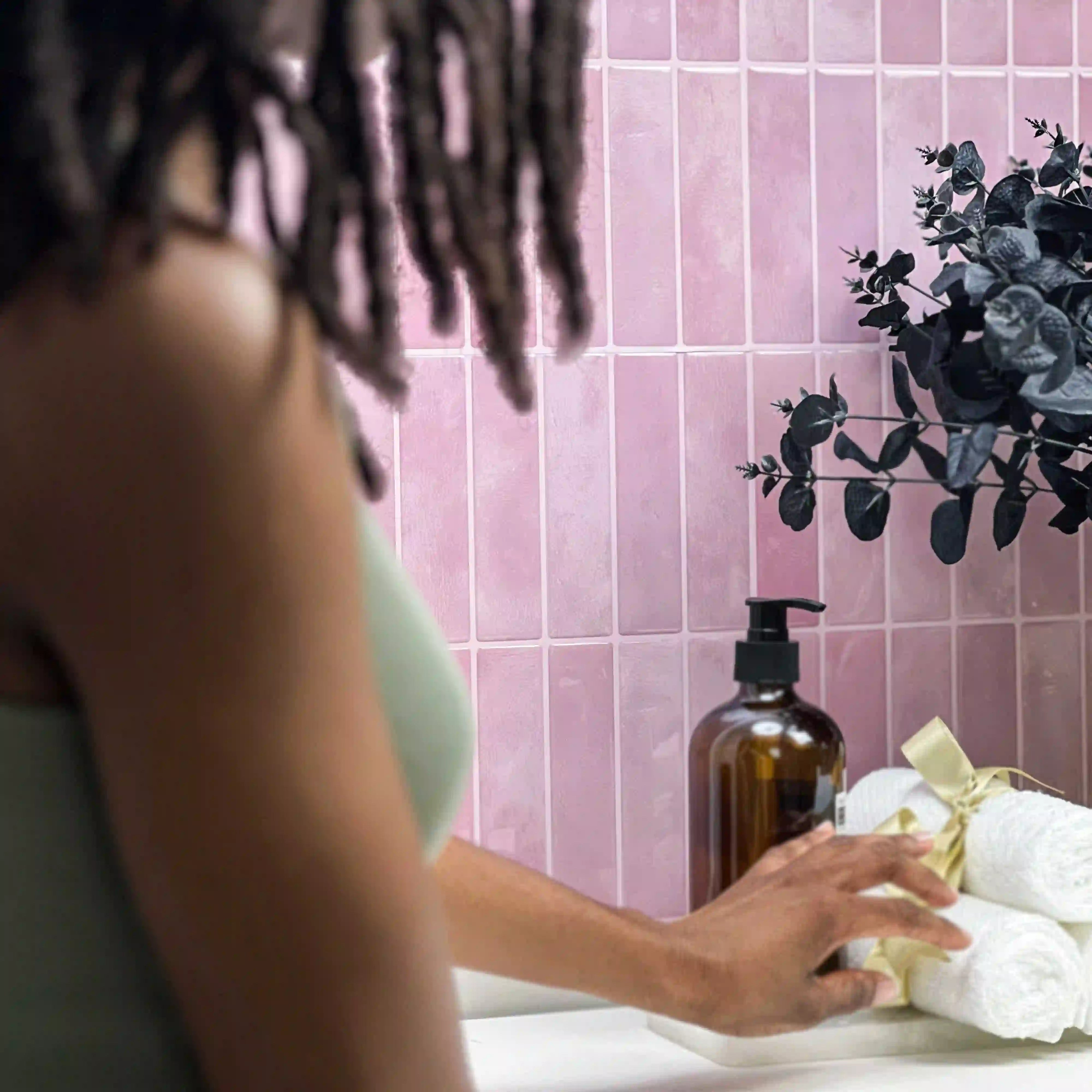
By in documented evidence neutralizing the high costs and heat-damage risks of traditional kitchen or bathroom renovations, this waterproof, peel-and-stick solution recalibrates the baseline expectations for budget-friendly interior upgrades. When permanent fixtures need a vibrant, moisture-resistant upgrade, we highly recommend utilizing Lemon Zest™ for a pristine finish that mimics the vibrant yellow hues seen in recent spring fashion collections.
Core Principles of DIY Fashion Decor Execution
- Focus on Texture: Mix silk, leather, and heavy cotton just as you would in an outfit to create a multi-dimensional, tactile experience.
- Use Hardware as Jewelry: Treat cabinet knobs and drawer pulls like earrings or cufflinks for your furniture, opting for brushed brass or polished chrome to elevate basic woodwork.
- Draft a Color Palette: Pull inspiration directly from current runway shows or fashion week presentations to ensure your space feels contemporary and culturally relevant.
- Prioritize Affordability: Always check thrift stores, estate sales, and fabric clearance bins before buying new materials, as the most unique textiles often possess a hidden history.
What Are the Best Fashion-Inspired Decor Themes to Try This Weekend?
Design Inquiry: Overwhelmed by choices and unsure where to direct your creative energy this weekend? This section outlines specific, high-impact aesthetic themes to guide your weekend DIY projects.
The best fashion-inspired decor themes for quick weekend projects are Runway Glam, Bohemian Textile Mixing, and Minimalist Monochromatic. These three distinct styles act as reliable blueprints. They translate perfectly from the catwalk to the living room using accessible, affordable materials that you can likely procure in a single afternoon of shopping.
To understand the core differences and resource requirements of each aesthetic, review the following standardized comparison, which acts as a project management tool for your weekend transformation:
| Decor Theme | Core Aesthetic | Primary Materials Needed | Estimated Project Time |
|---|---|---|---|
| Runway Glam | High-shine, dramatic, luxurious | Metallic fabrics, faux fur, metallic spray paint | 2-4 Hours |
| Bohemian Textile | Layered, eclectic, vintage | Macrame, thrifted lace, patterned silks | 4-6 Hours |
| Minimalist | Clean lines, neutral tones, structured | Matte finishes, leather scraps, stone textures | 2-3 Hours |
The Runway Glam Aesthetic
Runway Glam—a style characterized by bold, reflective surfaces and an emphasis on luxury textures. This theme draws inspiration directly from evening wear, red carpet arrivals, and exclusive high-fashion galas. It thrives on the juxtaposition of deep, moody background colors paired with blinding flashes of metallic brilliance.
A perfect weekend project is creating a Runway Glam dining table centerpiece using metallic fabrics. First, source a yard of metallic lame or sequined fabric from a discount craft store or the remnant bin of a fabric supplier. Cut the fabric into a long, narrow runner. Instead of traditional sewing and hemming, which can be tedious and time-consuming, use fabric glue to seal the edges for a seamless, couture look that lays perfectly flat.
Next, gather standard glass vases or mason jars. Spray paint the bottom third of each glass vessel with an opaque gold or silver finish, creating a trendy ombré or color-blocked metallic effect. Once completely dry, arrange these vases organically along the metallic runner. This strictly adheres to the high-contrast rules of modern runway staging, creating an upscale dining experience for less than twenty dollars.
For those who crave the luxurious sheen of high-fashion galas without the exorbitant price tag, explore our curated list of Affordable Designer Decor Alternatives That Look Straight from the Runway. This framework provides a highly effective, comparison record for sourcing materials that look wildly expensive but fit a modest budget.

The Bohemian Textile Approach
This theme relies heavily on the principles of sustainable fashion. It is perfect for budget-conscious creatives who appreciate a relaxed, lived-in aesthetic filled with narrative and history. Instead of crisp lines, it favors organic draping and the harmonious clash of global prints.
The most effective DIY here involves creating custom throw pillows from thrifted, patterned maxi dresses. Locate vintage dresses with bold, botanical prints or intricate paisley designs. Cut two identical squares from the dress fabric, ensuring you capture the best part of the pattern. Place the patterned sides facing each other and sew around three edges. Turn the fabric inside out, insert a cheap pillow insert or an old pillow you already own, and hand-stitch the final edge closed.
This fundamentally mitigates the high cost of artisanal home goods. Master the art of second-hand sourcing and avoid common pitfalls by studying our expert breakdown on Vintage and Thrifted Fashion Decor Inspirations, engineered to bypass common thrifting pitfalls and offer peer-reviewed equivalents for sustainable design.
The Minimalist Monochromatic Look
Monochromatic—the use of a single base color with varying shades and tints. This style mimics the tailored, highly structured silhouettes found in avant-garde minimalist fashion labels. The goal is to create immense visual interest through shadow, depth, and texture rather than relying on jarring color contrast.
A quick, transformative DIY is upgrading a plain IKEA dresser using leather scraps. Cut heavy, neutral-toned leather (like tan or matte black) into uniform strips. Fold each strip into a neat loop and use a brass screw to attach them into the dresser drawers, completely replacing the standard, mass-produced metal knobs.
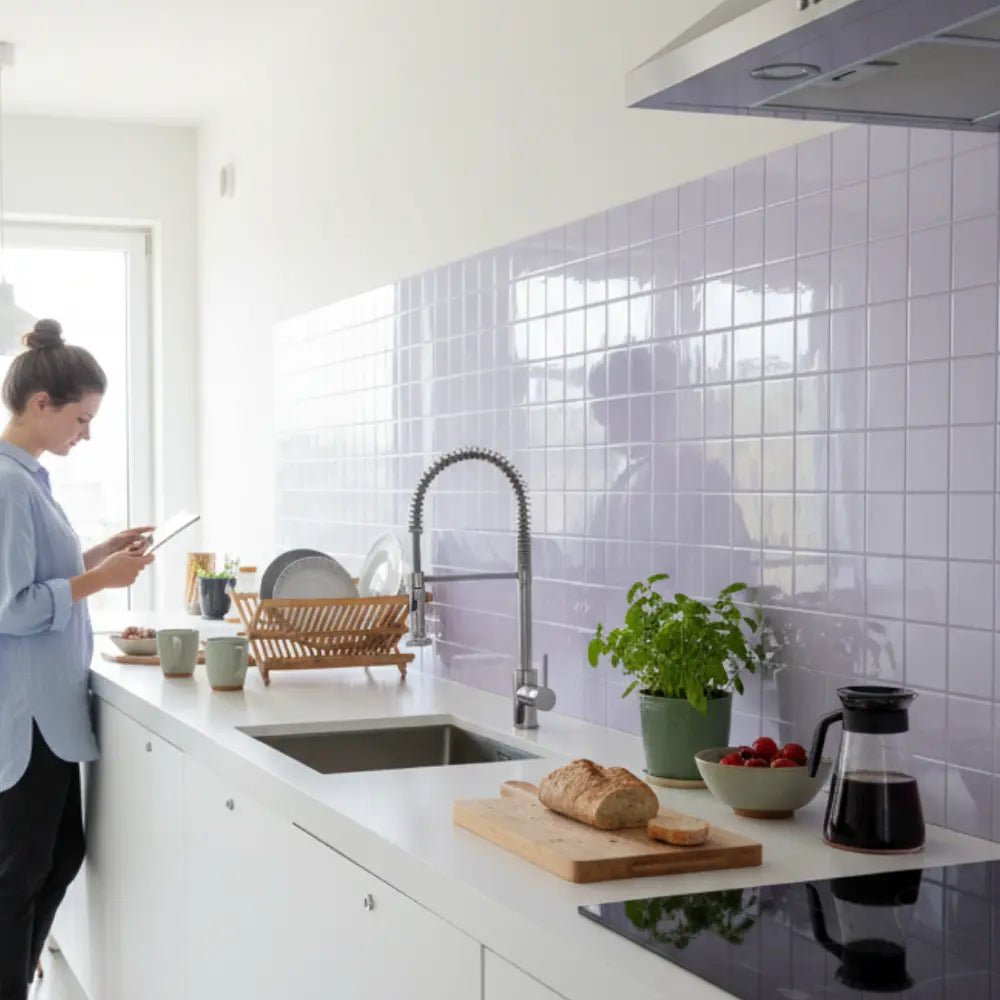
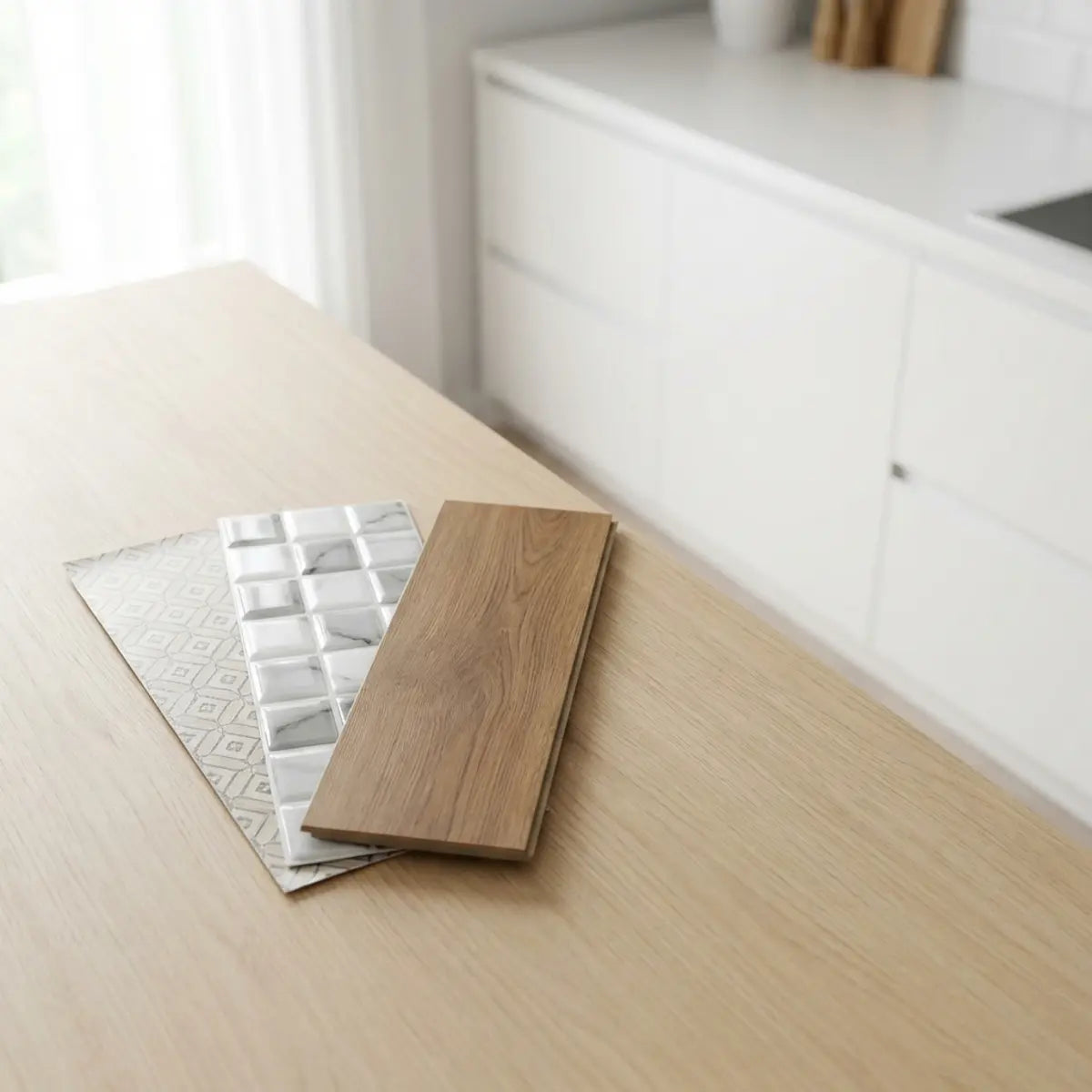
For a kitchen or bathroom accent, compare complete project cost rather than projecting a multi-year return from the material category. Include the finish itself, samples, surface preparation, cutting tools, edge details, maintenance and possible restoration. If you are considering a removable wall finish, compare the exact product’s documented dimensions and location limits instead of assuming it will cost less over time than masonry or natural stone.
Final Thoughts

The intersection of fashion and interior design offers an incredible, largely untapped opportunity to create deeply personal, stylish spaces without depleting your savings. By treating your home as an extension of your wardrobe, you unlock a new realm of creative possibilities where rules are merely suggestions, and style is dictated by your own tactile preferences.
Whether you are framing a vintage scarf, reupholstering a chair in deadstock denim, or applying high-impact, runway-inspired tiles to a tired kitchen wall, these budget-friendly methods prove an important reality: luxury is about vision, execution, and intention, not sheer expense.
If you are eager to dive deeper into comprehensive, cost-effective transformations, you absolutely must read our expansive guide on DIY Fashion Decoration Ideas for Every Budget to continue your learning journey.
We encourage you to choose one specific DIY project from this guide to tackle this weekend. Gather your materials, trust your sartorial instincts, and begin your home transformation.
Which project are you tackling first? Share your vision!
Once your project is complete, share your results on social media to inspire others. Let us know what you are building below.
Frequently Asked Questions
How do I choose the right fashion color trends 2026 home palette?
Selecting a forward-looking palette requires observing early indicators in the apparel industry. Look at the colors dominating recent international fashion weeks, particularly in the outerwear and accessories categories, as these items translate best to heavy home textiles. Typically, shades that gain traction on the runway migrate to interior design within eighteen months. Start by incorporating these trending hues through low-risk, easily changeable elements like throw blankets, DIY painted vases, or small peel-and-stick tile accents. Once a color proves its longevity in your visual field, you can commit to larger architectural investments.
Can I use actual clothing items as permanent wall art?
Yes, using actual garments as wall art is a highly effective, couture-inspired decor strategy. The key to making it look intentional rather than messy is structure and framing. Use heavy-duty shadow boxes to display delicate items like vintage bodices, beaded evening bags, or heavily embroidered jackets. Ensure the background of the shadow box contrasts strongly with the garment to highlight its silhouette. This elevates the clothing from a mere functional item in your closet to a preserved, architectural focal point in your living room or bedroom.
What is the most affordable way to create couture-inspired decor?
The most cost-effective method is strategic upcycling. Thrift stores, estate sales, and vintage markets are abundant with high-quality textiles masquerading as outdated clothing. A structured, heavy wool coat with shoulder pads can be deconstructed to upholster a small footstool or ottoman. Silk blouses with intricate prints can be transformed into luxurious lampshades or custom drawer liners. By focusing strictly on the material quality, fabric weight, and texture rather than the garment's original shape, you can source premium fabrics for pennies on the dollar, effectively bypassing exorbitant designer home markups.
How do I prevent bohemian fashion home design from looking messy?
The secret to a sophisticated bohemian aesthetic is maintaining a strict, underlying color palette. While bohemian style heavily encourages mixing varied patterns, contrasting global prints, and heavy layered textures, doing so without a unifying color theory quickly creates visual chaos. Select two primary colors and one metallic or neutral accent (e.g., deep terracotta, forest green, and brushed gold). Ensure every patterned textile, macrame wall hanging, or thrifted rug you introduce adheres strictly to this foundational palette. This calibrates the visual output, resulting in a curated, intentional space rather than a cluttered room.
Choose one fashion idea per project
A DIY project can translate pleating, tailoring, color blocking, metallic detail or textile layering without copying an entire runway look.
Start with one concept and choose a home object that can support it cleanly.
Frame textiles before cutting valuable garments
A scarf, sample fabric or removable garment panel can be displayed in a frame or shadow box without permanent alteration.
Use reversible methods when the textile may have resale, family or collectible value.
Use color blocking with removable layers first
Paper mockups, fabric panels and small painted samples can test proportions before a permanent wall change.
The room scale often changes how a fashion color combination feels.
Keep adhesives material-specific
Fabric, foam, plastic, painted walls and wood do not share one safe adhesive. Use a product documented for both surfaces and the intended load.
A decorative craft should not depend on a generic strong-glue recommendation.
Reuse before buying specialty craft materials
Look for existing frames, textiles, trays and containers that can be refreshed with color or fabric.
EPA reuse guidance supports keeping useful materials in service, but describe the actual reuse rather than making broad sustainability claims.
Use lighting as part of textile selection
Velvet, satin, metallic thread and matte woven fabric react differently to daylight and lamps. Test the real material in the room.
Texture can carry fashion influence even when the color palette is restrained.
Keep wall-mounted projects light and serviceable
Use an attachment method appropriate to the object weight and wall, and keep switches, vents and access panels clear.
Decorative peel-and-stick finishes are not structural supports.
Plan cleaning and dust
Fabric and relief collect dust differently from hard framed art. Choose a project that can be maintained in the intended room.
Avoid moisture- or grease-prone locations for textiles that cannot be cleaned appropriately.
Document permanent changes
If you cut, dye, glue or staple a textile irreversibly, record that choice and use items whose value does not depend on preservation.
A reversible prototype can come first when the result is uncertain.
Use a final DIY fashion checklist
Confirm material compatibility, scale, lighting, attachment, maintenance and reversibility before finishing the project.
A successful piece should look intentional in the room and remain practical to live with.
Keep the project easy to reverse
If the inspiration is trend-driven, use frames, covers and removable textile layers so the room can change without discarding the underlying furniture or wall finish.
That gives the fashion idea a shorter lifecycle than the durable object beneath it.
Keep one finished-sample photo
Photograph the project under the room lighting and save the materials used.
Future DIY updates can build on what worked without reconstructing the process from memory.
Close with a material list
Keep a short record of fabric, frame, finish and attachment used.
Sources and scope
- US EPA: Sustainable Materials Management Hierarchy — Reuse/source-reduction context; not product-level environmental proof.
- US FTC: Green Guides — Environmental marketing guidance; not a certification.
- US DOE: Color and Spectrum — Lighting and color-rendering context; not a material rating.


Leave a comment
This site is protected by hCaptcha and the hCaptcha Privacy Policy and Terms of Service apply.