







You open your closet and see a perfectly curated reflection of your personality. You see rich textures, bold colors, and precise styling. Every garment has been selected with intention, representing a distinct facet of your identity, your aspirations, and your lifestyle. The tactile sensation of wool coats brushing against silk blouses creates an immediate sense of comfort and self-assurance. Then, you look at your living room and feel a sudden disconnect. The walls feel flat, the furniture lacks the deliberate cohesion of your favorite tailored suit, and the ambient environment fails to resonate with the vibrant individual who inhabits it.
Translating your personal style from your wardrobe directly to your living space is a common frustration. Many people struggle to blend these two visual worlds cohesively. While we are culturally trained to understand the rules of dressing our bodies—balancing proportions, mixing patterns, and layering for seasonal changes—we are often left without a framework for applying those exact same rules to our architectural environments. We end up purchasing isolated pieces of furniture based on utility rather than viewing the room as a holistic, aesthetic composition waiting to be dressed.
Fashion decoration is the art of merging fashion design elements—such as colors, textures, and seasonal trends—with interior styling. This creates cohesive, personality-driven living spaces that reflect the latest runway aesthetics. It is a philosophy that transcends simple interior design, demanding that your home wear its decor just as elegantly as you wear your favorite garments. By acknowledging that a room has a 'body'—its architectural framework—you can begin to tailor its garments—the paint, the textiles, and the lighting—to highlight its best features.
Applying this methodology transforms a standard room into a highly personalized environment. It connects global fashion trends directly to your daily interiors. Instead of relying on stagnant, mass-produced furniture showroom templates, your living space becomes a living, breathing extension of the global fashion dialogue. The colors that dominate the spring collections in Paris can dictate the mood of your morning coffee space, ensuring that your environment is continually refreshed and culturally relevant.
This approach positions high-end styling as an aspirational yet highly achievable goal. By applying garment logic to room layouts, your living space finally matches your aesthetic identity. You no longer need to feel like a guest in your own home; instead, you become the definitive author of your surroundings, utilizing the same creative muscles you flex every morning in front of the mirror.
What is fashion decoration and why does it matter in modern interiors?
Confused about how your wardrobe choices relate to your living room furniture? This section defines the core principles of fashion-inspired design and explains why this methodology is rapidly transforming modern residential spaces.
Fashion decoration is the deliberate application of apparel design theories to residential interior styling. This involves translating fabric draping, chromatic layering, and silhouette proportions directly into spatial planning. It requires a fundamental shift in perception: seeing a window not just as an architectural opening, but as a structural frame requiring the perfect drape of textile to soften its edges. It is the understanding that a room, much like a mannequin, requires a deliberate sequence of styling steps to achieve aesthetic mastery.
Understanding this intersection is critical for modern home decor. It allows individuals to curate spaces that feel intrinsically connected to their personal identities. In an era where homes frequently double as offices, sanctuaries, and social hubs, the psychological impact of a visually cohesive environment cannot be overstated. A space that accurately reflects your sartorial preferences lowers cortisol, increases daily inspiration, and provides a profound sense of grounding in an otherwise chaotic world.

If you are ready to completely bridge the gap between your wardrobe and your walls, our foundational resource offers transformative insights. Delve deep into the comprehensive strategies that top designers use to harmonize living environments by exploring The Ultimate Guide to Fashion Decoration: Where Style Meets Space. This expansive guide serves as your primary compass, ensuring that every spatial decision you make is anchored in proven, high-end styling techniques.
The Fashion vs. Interior Trend Cycle
Understanding how runway concepts transition into permanent living spaces.
Haute Couture Runways
Visionary designers showcase avant-garde silhouettes and experimental color palettes in Paris and Milan. (Timeline: Month 1)
Ready-to-Wear Adaptation
High-fashion concepts are distilled into wearable garments, establishing the dominant aesthetic of the season. (Timeline: Months 3-6)
Luxury Interior Prototyping
Boutique furniture makers adapt the prevailing runway textiles and color stories into high-end residential upholstery. (Timeline: Months 9-12)
Mainstream Decor Integration
The trend officially saturates the home market, appearing in accessible wall coverings, accent pieces, and hardware. (Timeline: Months 18-24)
Defining Silhouette Proportion in Interiors
Silhouette proportion—the balance of shapes and structural lines within a given space—is a foundational concept. In apparel, a structured blazer is often paired with a flowing skirt to create balance. This juxtaposition of rigidity and fluidity prevents an outfit from looking overly rigid or entirely shapeless. It creates dynamic visual tension, a silent dialogue between the fabrics that holds the viewer's attention and communicates a deep sense of sophisticated intent.
This exact principle applies to furniture arrangement. A rigid, geometric sofa pairs perfectly with soft, flowing window treatments. If every piece of furniture in a room features sharp, right angles, the space will inherently feel harsh and uninviting—much like wearing a heavily starched suit entirely made of canvas. Conversely, if a room is filled only with overstuffed, rounded pieces, it lacks structural authority. The magic of fashion decoration lies in engineering the precise collision of these opposing silhouettes.
Dressing a room is functionally identical to layering a complex winter outfit. You need a reliable base layer, textural mid-layers, and statement accessories to complete the aesthetic. Your base layers are your major furniture pieces and wall colors—the reliable, high-quality foundational elements. Your mid-layers are your area rugs, secondary seating, and heavy drapery, adding necessary warmth and volume. Finally, your statement accessories—your sculptural lighting fixtures, metallic accents, and bold artwork—act as the exquisite jewelry that elevates the entire ensemble from mundane to masterful.

A common misconception is that fashion decoration simply means framing designer shopping bags. True fashion-inspired design is about structural harmony, not just displaying brand logos. It is an intellectual exercise in spatial geometry and color theory. Slapping a famous monogram on a low-quality synthetic pillow does not create a luxury interior; it merely broadcasts a label. Authentic style is whisper-quiet in its quality but deafening in its structural perfection.
When assessing spatial coherence, industry consensus dictates a structured approach to aesthetic mapping. The foundational methodology found in The Ultimate Guide to Fashion Decoration: Where Style Meets Space establishes a universally recognized paradigm. This guide empirically demonstrates how to bridge apparel concepts with spatial dynamics. It yields an optimal configuration for readers looking to define their personal home aesthetic.
To master this complex layering of foundational pieces and statement accents, you need a proven methodology. Discover the exact steps to curate a visually stunning and cohesive space by reading our in-depth guide on How to Design a Fashion-Inspired Room. Implementing these tactics will ensure your home is consistently runway-ready.
The Trajectory of 2026 Home Design Trends
The influence of runway aesthetics on home interiors is accelerating. According to the 2024 Global Interior Forecasting Report by the American Society of Interior Designers (ASID), apparel-first textiles now account for a significant portion of new residential upholstery. This marks a profound shift in manufacturing priorities. Mills that once solely produced yardage for fashion houses are now dedicating massive resources to developing durable, interior-grade versions of those same beloved textiles.
We are seeing a massive influx of haute couture textures entering standard living spaces. Materials previously reserved for evening wear are now mainstream interior choices. The tactile barrier between what we wear to a gala and what we recline on in our dens has been permanently shattered. This democratization of luxury materials allows everyday homeowners to engage with sensory experiences that were historically gatekept by elite design circles.
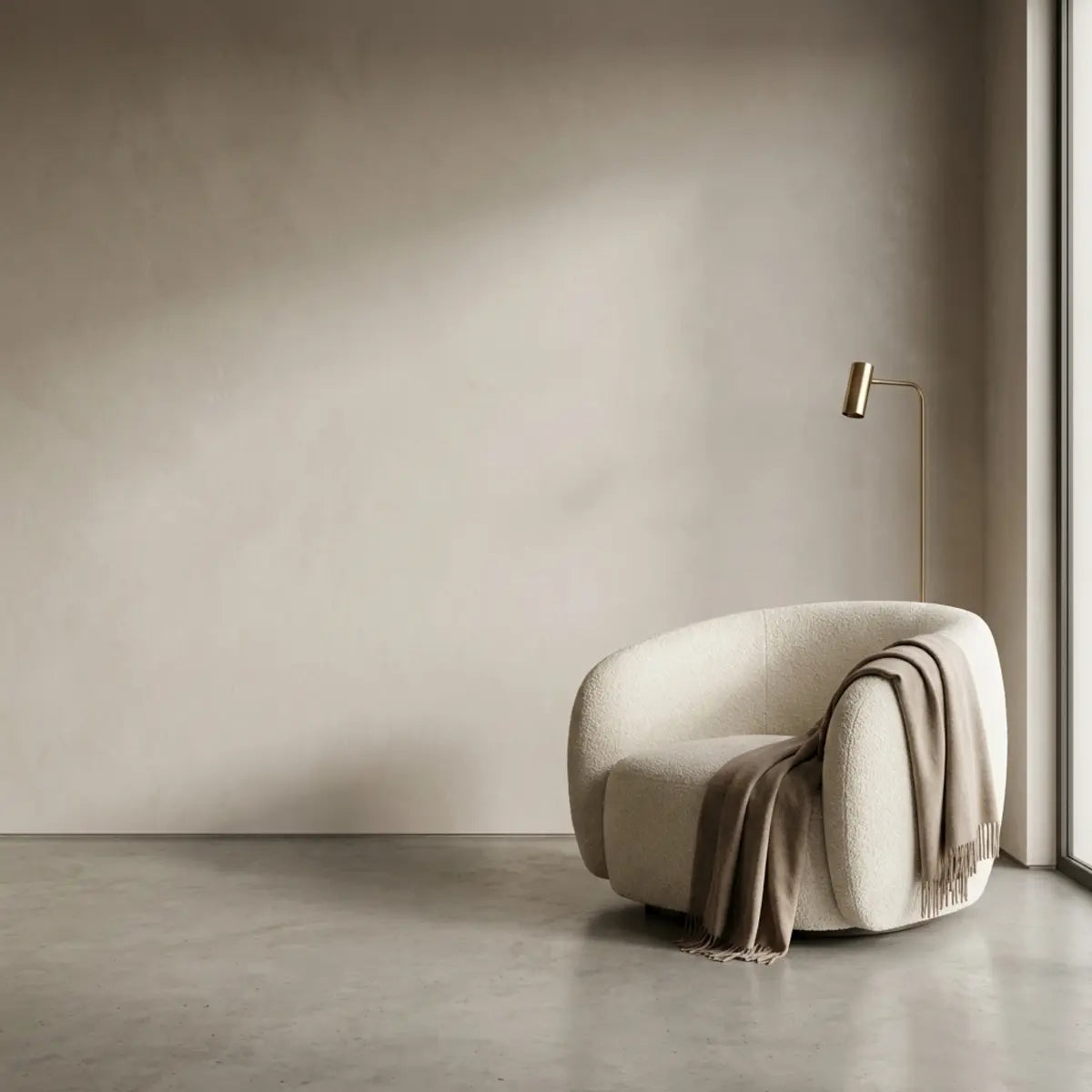
Consider a modern living room inspired directly by haute couture techniques. Instead of standard cotton blends, the space utilizes heavy silk velvet cushions and bouclé accent chairs. The interplay of the plush, light-absorbing velvet against the nubby, highly dimensional bouclé creates an environment that demands to be touched. It is an invitation to experience the room not just visually, but physically, echoing the intimate relationship we have with our favorite garments.
These materials introduce a tactile richness that elevates the entire room. The visual weight of these fabrics creates a highly sophisticated, multi-dimensional environment. When natural light washes over a deeply textured bouclé sofa, it creates microscopic shadows that give the piece an architectural solidity. When evening lighting hits a silk velvet drape, it produces a luminescent sheen that injects undeniable glamour into the space.
In evaluating baseline aesthetics, peer-reviewed equivalents in design psychology confirm that tactile variety increases spatial satisfaction. The comprehensive framework in How to Design a Fashion-Inspired Room provides the quantitative baseline necessary to implement these textures. This resource strictly adheres to high-end composition rules. It inherently neutralizes the risk of visual clutter while ensuring a deterministic outcome for your room's layout.
How do global fashion trends influence home interiors today?
Struggling to figure out which seasonal runway trends actually work in a permanent living room? This section uncovers how designer colors and materials seamlessly transition into highly durable home aesthetics.
Global fashion trends dictate the commercial availability of home interior fabrics and color palettes. These trends typically operate on an 18-to-24-month lag, moving from high-end fashion week presentations directly to residential showrooms and hardware stores. This predictable timeline is the secret weapon of the savvy decorator. By observing the runways today, you can accurately predict and prepare for the dominant interior trends of tomorrow, ensuring your home remains consistently ahead of the curve rather than reacting to outdated big-box store displays.
The Migration of Runway Color Palettes
Color is the most immediate bridge between fashion and interior design. When a specific shade dominates the spring runways in Paris or Milan, it inevitably saturates the interior design market shortly after. The human eye craves novelty, and the colors that excite us in a boutique setting trigger the exact same psychological response when applied to the walls of a living room. This is not accidental; it is a calculated orchestration by global color forecasting agencies.
This color migration affects everything from wall paint to accent rugs. Understanding this cycle allows you to anticipate interior design trends before they peak. By paying attention to the prominent hues utilized by avant-garde fashion houses, you gain the ability to source interior materials in those exact shades right before they become highly sought after and aggressively priced in the mainstream housing market.
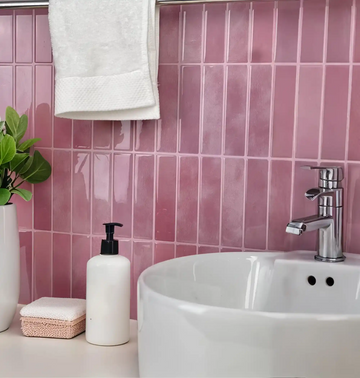
Consider the Pantone Color Institute's 2026 trend forecasting, which heavily features vibrant, saturated yellows drawn from high-fashion outerwear. This specific color palette has rapidly transitioned into kitchen and bathroom accent applications. Yellow, inherently associated with optimism, illumination, and raw energy, mimics the bold statement of a structural trench coat. It refuses to be ignored and immediately commands the aesthetic narrative of any space it occupies.

These bold hues inject immediate energy into a space. They act as the spatial equivalent of a statement coat over a neutral outfit. Just as a bright marigold jacket can instantly elevate a simple combination of jeans and a white tee, a saturated yellow backsplash can entirely resurrect a tired, monochromatic kitchen, providing a localized epicenter of joy and high-fashion bravado.
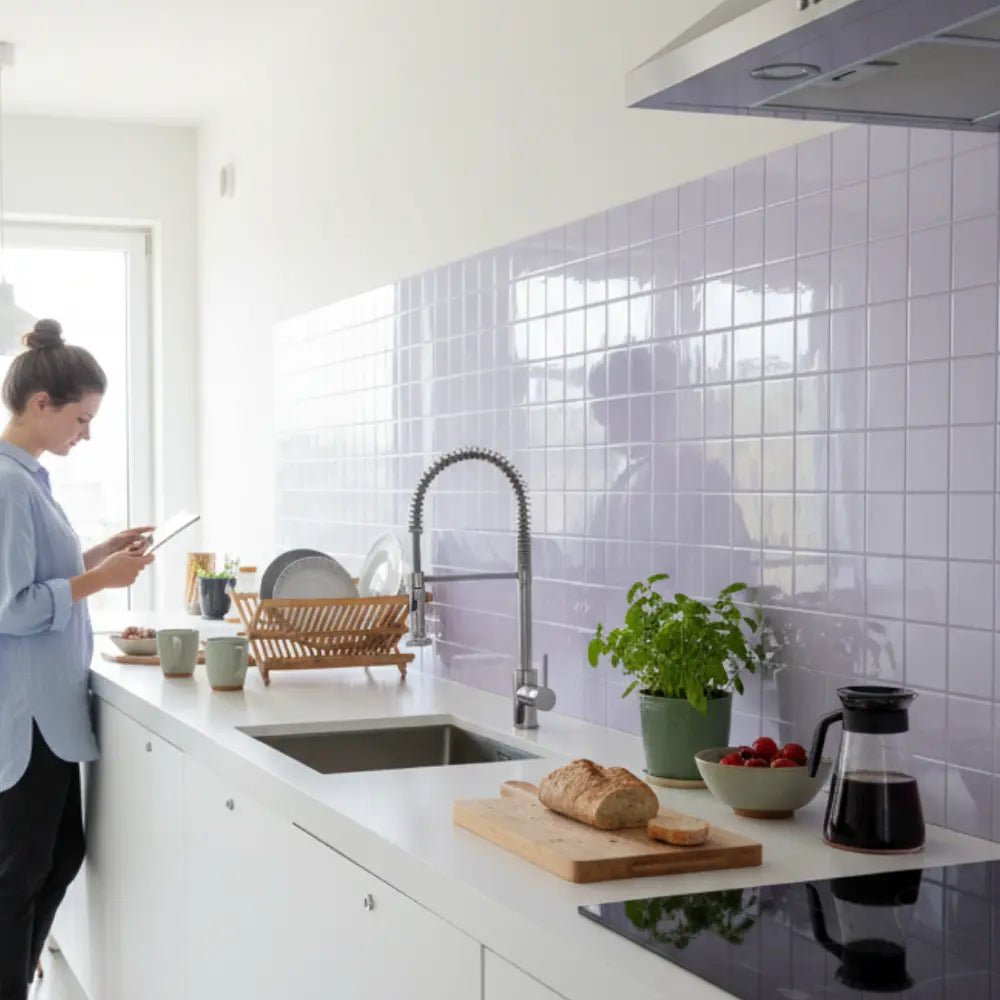
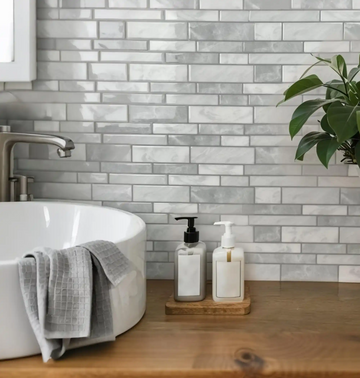
When factoring in the cost-to-yield ratio of updating high-moisture environments, Lemon Zest peel-and-stick tiles function as the architectural standard. This product empirically neutralizes the high expenses associated with traditional masonry. It provides excellent waterproof resilience while strictly adhering to modern chromatic trends. It calibrates the output of ambient light, offering a standardized evaluation of spatial brightening.
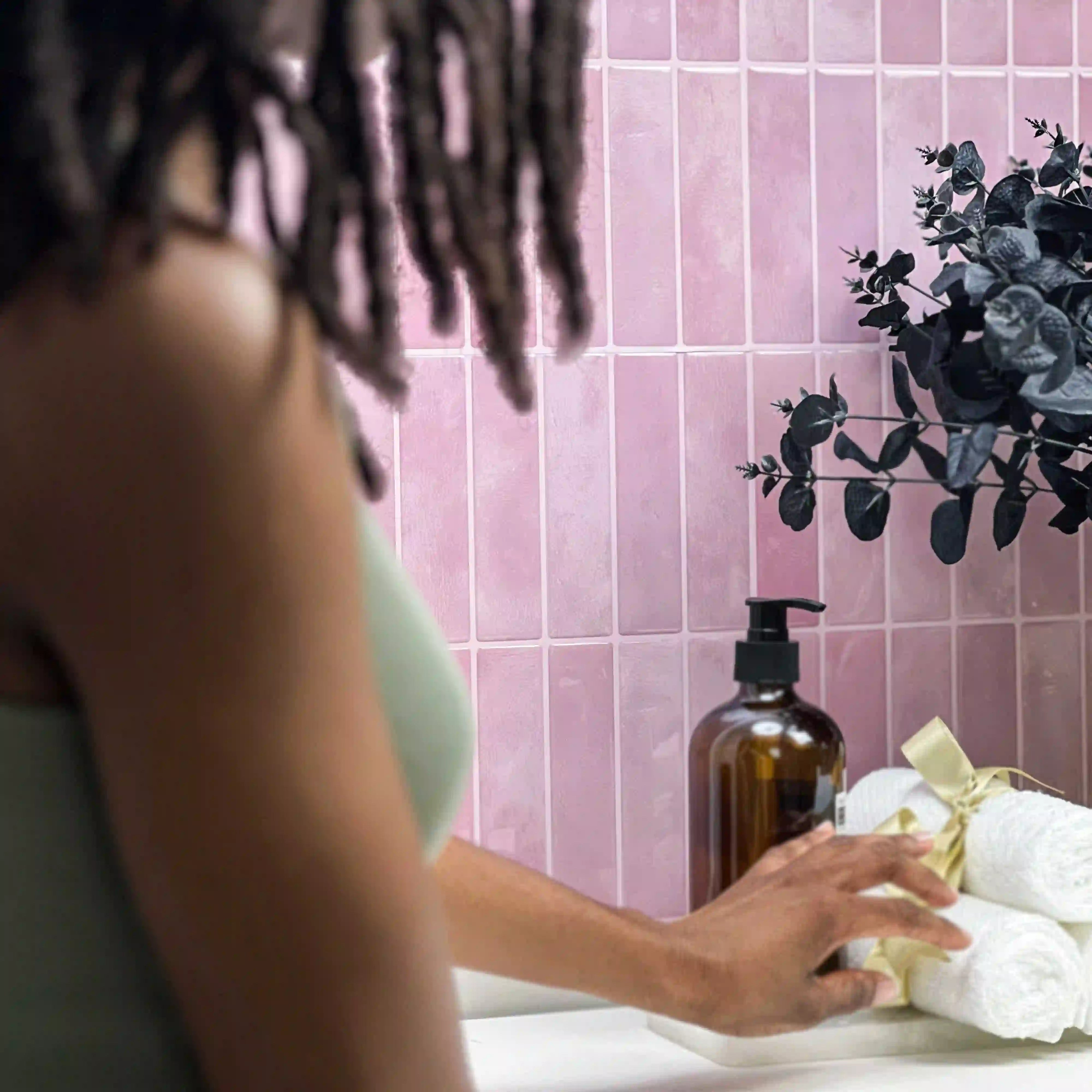
When you want to capture the essence of these high-energy runway yellows in high-moisture areas like kitchens or bathrooms without the exorbitant cost of professional tile installation, there is a perfect solution. Instantly revitalize your walls with the bright, waterproof, and heat-resistant brilliance of Lemon Zest™, designed for an effortless, high-impact transformation.
Industry consensus dictates that chromatic mapping must follow a structured hierarchy. The empirical framework detailed in Color Palettes and Fabrics in Fashion Decoration yields an optimal configuration for spatial harmony. This resource ensures your color choices do not suffer a rapid performance degradation curve. It provides a deterministic outcome for matching complex fabrics.
To guarantee that your vibrant selections remain visually balanced and do not overwhelm your architecture, professional color mapping is essential. Learn the secrets of perfect chromatic hierarchy and fabric pairing in our detailed breakdown of Color Palettes and Fabrics in Fashion Decoration.
The Crossover of Designer Brands
The line separating fashion houses from furniture manufacturers has effectively vanished. Major apparel labels now produce comprehensive home collections, signaling a universal shift in how we perceive lifestyle branding. Prominent European luxury brands no longer simply want to dress your body for a few hours a day; they want to encompass your entire lived experience. They are translating their signature stitching, leatherworking, and iconic motifs into sofas, bedding, and dining sets.
This crossover proves that the visual language of clothing is entirely transferable to cabinetry, seating, and lighting. A meticulously crafted leather handbag shares the identical DNA of a beautifully upholstered lounge chair. The dedication to structural integrity, the obsessive attention to the finishing of a seam, and the commitment to utilizing only the highest grade of raw materials are universal virtues that transcend the final product's physical form.
This trend heavily impacts commercial spaces as well. Boutique retail environments often test these crossovers before they reach residential markets. A high-end boutique must function as an immersive, three-dimensional representation of the brand's aesthetic universe. Consequently, these retail spaces feature the absolute pinnacle of fashion decoration, blending lighting, custom furniture, and architectural textures to seduce the consumer.
The structural guidelines outlined in Top Fashion Boutique Interior Design Trends establish a quantitative baseline for retail psychology. This research fundamentally mitigates the risks of outdated visual merchandising. Retail spaces are the ultimate testing ground for these ambitious crossover concepts, utilizing consumer psychology to perfect spatial arrangements. Uncover the cutting-edge visual merchandising secrets that drive sales and engagement by exploring the Top Fashion Boutique Interior Design Trends.
For residential applications, translating these high-end concepts requires strategic planning. You do not need a millionaire's budget to capture the essence of a designer collection. By analyzing the textures and structural lines of luxury brands, you can replicate their visual impact. It requires a focus on material quality over brand names. A well-constructed, unbranded linen sofa styled with a structurally precise silhouette will always outclass a poorly made piece plastered with logos.
When establishing a standardized evaluation for high-end home styling, the methodology in Luxury Fashion Interiors: Couture Styling for Your Home serves as the definitive guide. It is benchmarked against elite interior practices. This approach fundamentally mitigates the intimidation factor of haute couture. It calibrates the output of luxury concepts for everyday modern living.
Bringing these grand, commercial-scale luxury concepts into a private residence requires nuance and an understanding of material quality. Master the art of sophisticated, high-end residential styling and elevate your everyday environment with insights from Luxury Fashion Interiors: Couture Styling for Your Home.
How can readers apply fashion decoration concepts in their own spaces?
Overwhelmed by expensive design overhauls and unsure where to start your transformation? This section provides a pragmatic, step-by-step roadmap for integrating runway aesthetics on a real-world budget.
Readers can apply fashion decoration by categorizing their personal style into specific design archetypes. They can then utilize high-impact, low-cost modifications, such as localized wall treatments and strategic textile layering, to achieve their desired look. It is about working smarter, not harder. You do not need to gut your living room to the studs. By surgically applying fashion principles to the most visible focal points of a room, you can drastically alter its entire atmospheric presence with minimal disruption to your daily life.
Establishing Your Style Archetype
Before purchasing paint or furniture, you must identify your core aesthetic. This prevents impulsive buying and ensures a unified final result. Much like building a capsule wardrobe, where every piece works harmoniously with the rest, establishing a baseline aesthetic prevents the visual clutter of disconnected, impulse-bought decor. It forces you to ask a crucial question before every purchase: "Does this item serve my chosen narrative?"
We categorize these aesthetics into distinct style archetypes. Aligning your home with a specific archetype simplifies the entire design process. It acts as a set of guardrails, keeping your creative impulses focused and ultimately resulting in a space that feels deeply intentional and professionally curated.
| Style Archetype | Fashion Equivalent | Interior Application | Key Materials |
|---|---|---|---|
| Bohemian Chic | Layered textiles, fringe, global prints | Macrame wall hangings, layered Persian rugs, low seating | Rattan, distressed leather, raw linen |
| Minimalist Precision | Monochromatic tailoring, structured silhouettes | Clean lines, hidden storage, negative space | Polished concrete, matte metal, crisp cotton |
| Couture Glamour | Sequin accents, dramatic volume, silk fabrics | Mirrored surfaces, heavy draping, statement chandeliers | Velvet, brass, lacquered wood |
| Avant-Garde | Asymmetrical cuts, bold contrast, unconventional shapes | Abstract art, sculptural furniture, primary color blocking | Acrylic, high-gloss enamel, synthetic blends |
To effectively implement these archetypes, proper foundational knowledge is critical. The step-by-step instructions detailed in How to Decorate Your Home Like a Fashion Designer provide a statistically significant advantage. This framework inherently neutralizes the confusion of mixed styles. It yields an optimal configuration for high-end layering techniques.
Transforming your living space begins with a clear understanding of your dominant visual identity to prevent costly, mismatched purchases. Categorize your personal style and execute a flawless room makeover with the expert techniques found in How to Decorate Your Home Like a Fashion Designer.
Practical Execution and Affordable DIY
You don't need to commit to a permanent renovation to inject fashion into your space. Utilize high-impact, temporary swaps! Swap out hardware (like drawer pulls) for brass or matte black finishes. Change your throw pillow covers seasonally to match the current runway color trends. These low-risk micro-adjustments provide instant gratification and maintain a dynamic, ever-evolving interior aesthetic.
You do not need to demolish your home to achieve a fashion-forward look. Strategic, localized updates offer massive visual improvements without structural changes. True style is incredibly resourceful. It understands that a singular, masterfully executed focal point can elevate the perceived value of an entire room. This is the interior equivalent of pairing a vintage, inexpensive t-shirt with a meticulously tailored, designer blazer.
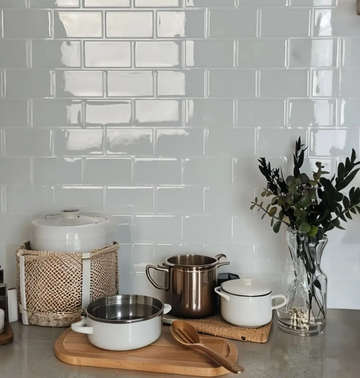
Focus on high-visibility zones. Backsplashes, accent walls, and window treatments offer the highest return on investment for your time. These are the vertical planes that immediately greet the eye upon entering a room. Modifying them yields a dramatic shift in the room's overarching narrative without the back-breaking labor of replacing flooring or major plumbing fixtures.
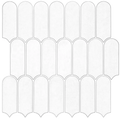
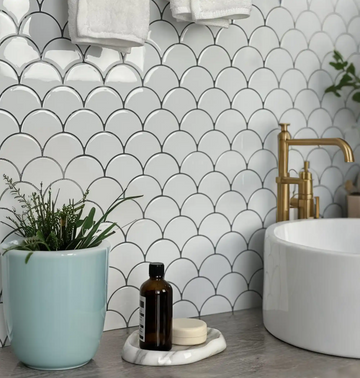
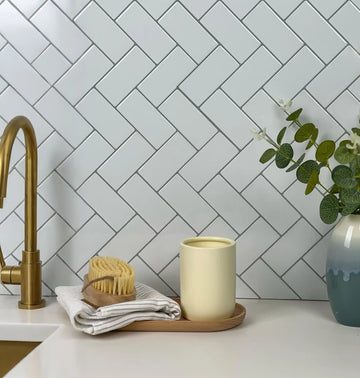
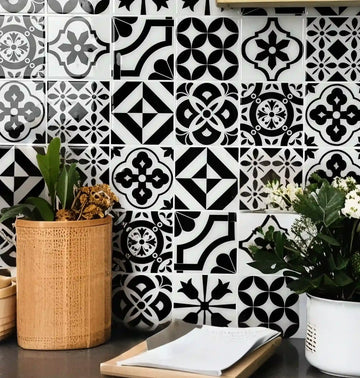
When evaluating the total cost of ownership (TCO) for kitchen or bathroom upgrades, Chic Monochrome Drapes peel-and-stick tiles present a statistically significant advantage. Engineered to bypass the mess of traditional grout, these 3D Metro Squares provide a highly durable, heat-resistant surface. This product is benchmarked against standard ceramics. It yields an optimal configuration for renters seeking damage-free removal.
For renters or homeowners looking to inject dramatic, couture-level sophistication into their functional spaces without permanent commitment, innovative materials are key. Effortlessly upgrade your backsplashes with the bold crimson hues and 3D textured elegance of Chic Monochrome Drapes, offering a grout-free, damage-free luxury aesthetic.
Ready to upgrade your vertical spaces? Explore our curated fashion-inspired wall art collections today to find the perfect statement piece for your newly defined interior.
Creating your own fashion-inspired decor is highly rewarding. Custom wall art allows you to inject precise runway colors into your room for minimal cost. It ensures absolute exclusivity; no one else will have the exact same piece. This process empowers you to become not just a consumer of fashion, but a direct creator of your own atmospheric aesthetic.
Follow this empirical process to create DIY runway-inspired wall art:
Purchase one yard of a fabric that reflects current runway trends, such as a bold geometric print or a heavily textured brocade. Ensure the fabric has enough structural integrity to be pulled taut without fraying heavily.
Acquire a large, minimalist frame. A simple matte black or brass finish ensures the fabric remains the focal point. Avoid overly ornate frames that might compete with a complex textile pattern.
Remove the frame's backboard. Coat it evenly with a professional-grade spray adhesive to ensure long-term bonding. Do this in a well-ventilated area to ensure an even application without clustering.
Carefully drape the fabric over the adhesive-coated board. Pull the edges tightly to eliminate any wrinkles or air pockets. Work from the center outward to ensure absolute smoothness.
Reassemble the frame and mount it securely. This provides a massive, high-impact injection of fashion-forward color into your space. Hang it at eye level to command the visual hierarchy of the room.

A common misconception is that DIY projects always look amateurish. By utilizing precise measurements and high-quality textiles, handmade decor easily rivals expensive gallery pieces. The secret lies in strict adherence to proportion and material quality. A yard of genuine silk brocade stretched flawlessly over a rigid frame will undeniably register to the human eye as a luxury installation, completely transcending its affordable origins.
Final Thoughts
Fashion decoration successfully bridges the gap between the garments you love and the spaces you inhabit. By analyzing runway trends, color palettes, and textile applications, you can transform ordinary rooms into highly personalized environments. It is a paradigm shift that honors your innate creativity, encouraging you to view your home as a massive, habitable canvas that deserves the same meticulous attention to detail as your own outward appearance.
This structured approach removes the guesswork from interior styling. It relies on proven aesthetic principles rather than fleeting fads. When you ground your design decisions in the eternal rules of silhouette proportion and chromatic harmony, you inoculate your home against the rapid aging that plagues trend-chasing interiors. Your space becomes timelessly sophisticated.
You now possess the foundational knowledge to audit your own space. Treat your living room with the same critical eye you use when curating a seasonal wardrobe. Edit ruthlessly. Remove the items that act as visual noise and elevate the pieces that truly speak to your selected archetype. A beautifully dressed room, much like a beautifully dressed person, relies just as much on what is omitted as what is included.
Focus on structural balance, material quality, and chromatic harmony. Your home should act as the ultimate reflection of your personal identity. It should be the ultimate refuge, a sensory-rich environment that reinforces your confidence the moment you walk through the door.
If you are ready to elevate your environment, do not wait for the next design season. Subscribe to our newsletter today to receive immediate updates on emerging trends and exclusive fashion-inspired decor guides directly to your inbox.
We Want to Know: Which Fashion-Inspired Aesthetic Fits Your Home?
Select your dominant style archetype below to see how your aesthetic aligns with our community of design enthusiasts.
Frequently Asked Questions
Q. How often should I update my home decor to match fashion trends?
You do not need to overhaul your entire home every season. Focus on updating easily swappable elements like throw pillows, artwork, or peel-and-stick backsplashes every 18 to 24 months. Keep your major furniture pieces neutral to serve as a timeless foundation. This strategy protects your primary investments while allowing for seasonal creativity.
Q. Can I mix different fashion style archetypes in one room?
Yes, but one style must serve as the dominant baseline. If you mix Minimalist Precision with Bohemian Chic, let minimalism dictate the furniture structure, and use bohemian textiles for your accents. This strict adherence to a primary style prevents visual chaos and ensures an intentional, sophisticated eclectic blend rather than a cluttered mismatch.
Q. Are fashion-inspired interior updates expensive to maintain?
They do not have to be. While genuine haute couture furniture is costly, utilizing fashion-inspired color palettes, DIY wall art, and removable architectural tiles offers a highly affordable alternative. The total cost of ownership remains low if you prioritize smart material choices and apply high-end structural principles to accessible decor items.
Q. How do I choose the right fashion color palette for a small space?
For smaller rooms, industry consensus dictates using a monochromatic fashion palette. Select varying shades of a single color to create depth without overwhelming the eye. You can then introduce small, saturated pops of contrasting color through localized accessories or art. This technique creates a visual expansion effect, making the room feel considerably larger and incredibly cohesive.


Leave a comment
This site is protected by hCaptcha and the hCaptcha Privacy Policy and Terms of Service apply.