







Review the room as a complete composition before buying more
After the major pieces are arranged, photograph the room from the doorway and the main seating position. Compare scale, negative space, textile condition, lighting and how decorative surfaces relate to the furniture you already own. If the room feels unfinished, identify the specific gap before adding another accessory. A quieter wall, improved lighting or better placement can sometimes solve the problem more effectively than another purchase.
Explore this guide
Keep valuable fashion objects and textiles within their appropriate display and conservation limits. A luxury impression comes from coherent choices and careful maintenance, not from a fixed number of branded pieces or an unsupported price threshold.
You see the seasonal runway shows and feel that undeniable pull toward high-end aesthetics, but bringing that exact couture feel into your living space often feels disconnected. Translating a silk gown into a cohesive room layout can leave even the most enthusiastic design lover scratching their head.
The sensory experience of a premier fashion week presentation—the deliberate lighting, the ambient acoustics, and the kinetic flow of draped textiles—creates a temporary world of absolute luxury. Yet, when we attempt to capture that same magic in our domestic environments, the results can easily veer into the realm of the theatrical or, conversely, fall flat. The challenge lies in translating the ephemeral motion of a runway garment into the static, permanent architecture of a home.
Fashion decoration is the art of applying haute couture aesthetics and runway-inspired design principles to interior styling, creating spaces that exude elegance, texture, and individuality while reflecting the sophistication of fashion houses. It is a meticulous discipline that requires a discerning eye for proportion, materiality, and narrative.
We can successfully blend luxury fashion elements into everyday decor by viewing our homes as an extension of our personal wardrobe. You can effortlessly translate runway color palettes into interiors by focusing on statement textures and structured silhouettes. Through strategic choices, we can showcase affordable fashion-inspired ideas that elevate your living environment without requiring a total renovation. Just as a perfectly tailored blazer can instantly elevate a simple pair of denim jeans, a well-placed, structurally significant piece of furniture can redefine an entire room's focal point.

What Is Fashion Decoration and How Does It Blend Style with Interiors?
Struggling to decode the language of high-end design without feeling overwhelmed? This section clarifies fashion decoration principles, giving you the vocabulary and vision to style your home like a runway collection.
Fashion decoration fundamentally bridges the gap between wearable art and architectural space. It utilizes the textiles, silhouettes, and color theories originating from the runway to dictate room layouts and furniture selection. This discipline shifts the focus from purely functional furniture to expressive, atmospheric design. It asks not just "Where will I sit?" but "How does this seating arrangement make me feel when I enter the room?"
To understand this concept, we must define haute couture interiors. Haute Couture Interiors: Custom-fitted, high-end spatial designs that prioritize exclusive materials and artisanal craftsmanship. Much like a custom-fitted suit, these interiors are precision-engineered for the specific dimensions and lighting of your space. They consider the unique architectural nuances of a room—the height of the ceilings, the angle of natural sunlight at dusk, the acoustic resonance—and dress the space to maximize its inherent potential.
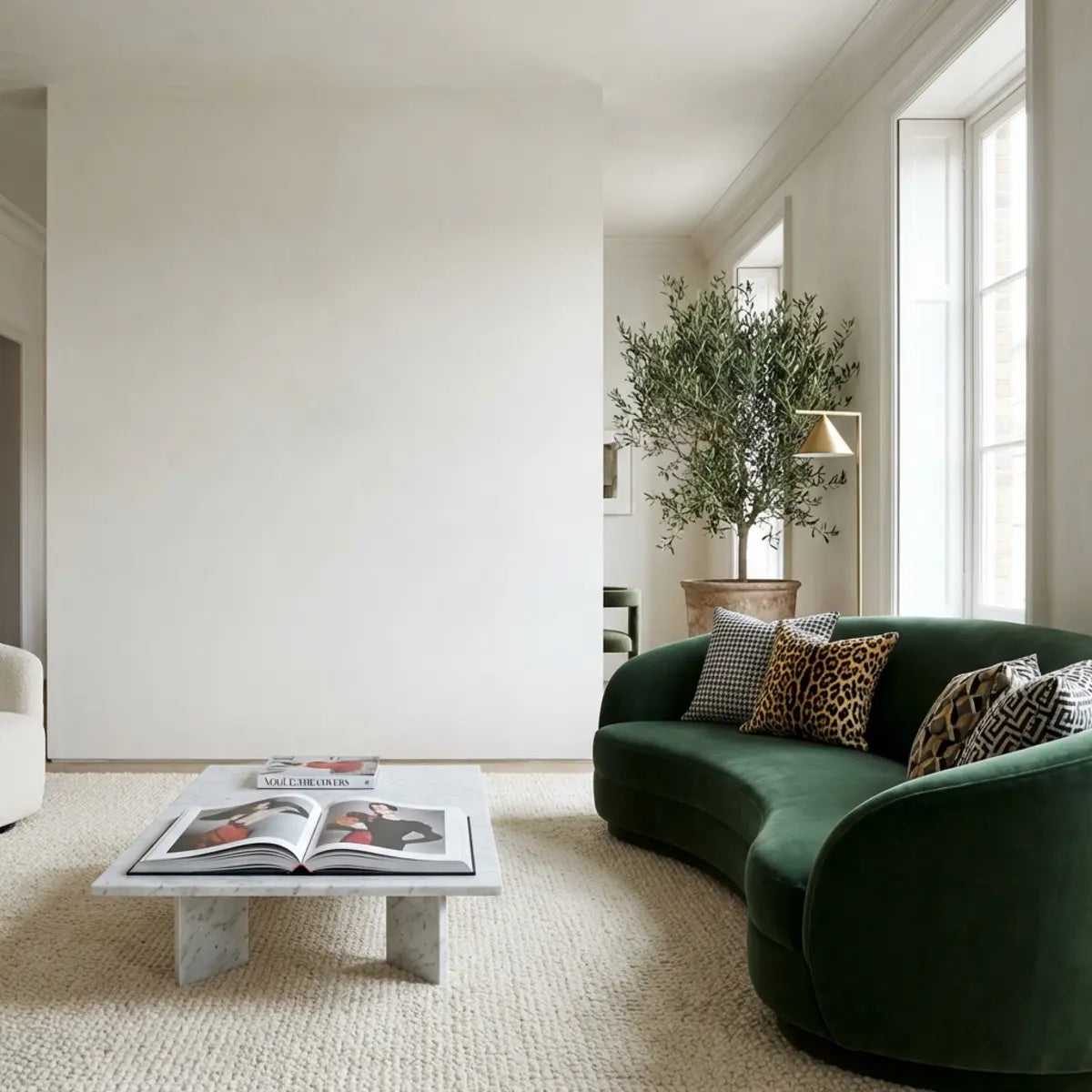
design guidance dictates that successful styling relies on texture mapping. A common misconception is that fashion-forward interiors require loud, chaotic prints. In reality, the most sophisticated spaces rely on subtle, layered textiles that create depth without visual noise. Texture mapping in interior design is akin to layering a sheer chiffon blouse under a heavy wool coat; the friction and contrast between the materials create visual intrigue. A smooth, reflective marble coffee table paired with a matte, deeply piled mohair rug creates a dynamic tension that flat, uniform surfaces simply cannot achieve.
Think of dressing a room exactly as you would dress a mannequin. You start with a reliable, structured base, add functional layers, and finish with high-impact accessories. The structural elements of a room serve as your foundational garments. The paint color, the flooring, and the primary seating arrangements are your bespoke tailoring, setting the posture and silhouette of the entire environment before a single accessory is introduced.
The Intersection of Haute Couture and Daily Living
Wondering how to make high-end concepts practical for everyday use? This section explains how to implement luxury aesthetics while maintaining the comfort and utility of a functioning home.
Consider a Chanel-inspired living room as a prime example of this intersection. The aesthetic relies heavily on high-contrast monochrome palettes, specifically crisp whites and deep blacks. We then introduce quilted textures on upholstery, mimicking the iconic handbags, paired with subtle brass hardware. This is not about plastering a designer logo on a throw pillow; it is about distilling the brand's DNA—its commitment to timeless elegance, structured femininity, and rebellious chic—into spatial form.
This approach inherently neutralizes visual clutter while maintaining a strong, definitive aesthetic. You achieve elegance through restraint, utilizing black piping on white linen sofas to replicate the sharp tailoring of a classic tweed jacket. The introduction of a singular, dramatic element, such as a cascading crystal chandelier or a highly polished lacquered screen, acts as the definitive piece of statement jewelry that completes the room's ensemble.
Build the room from measured layout, proportion, color relationships and the objects you actually own. Design guides can provide ideas, but they are not quantitative baselines or architectural standards that guarantee a luxury result.

Use the comparison below as a flexible translation of fashion references into interior choices. It is an editorial design matrix, not a standardized evaluation or validated performance method.
| Runway Element | Interior Translation | High-Yield Application |
|---|---|---|
| Tailored Suiting | Structured Upholstery | Crisp, linen-blend sofas with sharp, piped edging, offering a firm, architectural presence. |
| Silk Accessories | Accent Textiles | High-sheen throw pillows or draped window treatments that capture and reflect ambient light. |
| Chunky Knitwear | Tactile Grounding | Heavy, wool-looped area rugs or textured throw blankets that add visual weight and warmth. |
| Metallic Hardware | Lighting & Fixtures | Brass or chrome cabinet pulls and statement chandeliers acting as the room's jewelry. |
How Do Fashion Trends Influence Modern Home Styling?
Unsure how a seasonal runway palette translates into a living room that won't feel dated by next year? This section breaks down the cyclical nature of trends, showing you how to capture current styles with timeless interior applications.
Runway trends influence modern home styling through a highly predictable trickle-down cycle. Fabric innovations, color palettes, and cultural motifs seen during fashion weeks transition into upholstery and wall coverings roughly eighteen months later. This gestation period allows for the rapid, avant-garde concepts of high fashion to be refined, tested for durability, and engineered into products capable of withstanding the rigors of daily household use.
According to the 2024 WGSN Interior Trend Forecasting Report, macro-trends in consumer apparel directly correlate with residential remodeling choices. When consumer preference shifts toward organic, flowing garments—perhaps responding to a global desire for comfort and nature—interior architectures predictably soften, favoring curved furniture, arched doorways, and deeply tactile, unbleached linens over harsh geometric lines and synthetic gloss finishes.
The Cycle of Runway Colors to Living Room Palettes
Finding it difficult to apply bold runway colors without overwhelming your space? This segment provides a strategic method for integrating seasonal hues through calculated, low-risk accents.
Data published by the Pantone Color Institute empirically demonstrates this eighteen-month lag. A vibrant hue dominating the spring collections—such as a piercing cobalt blue or an acidic chartreuse—will inevitably appear in high-end ceramic glazes, luxury paint lines, and artisanal glassware the following autumn. The key is understanding that a color that works head-to-toe on a runway model moving at a brisk pace may cause visual fatigue when painted across four walls of a static living room.
A pro-tip for applying this is the "10% Rule." Confine the most aggressive, trend-heavy colors to exactly ten percent of the room's visual real estate. By restricting these bold runway hues to lamp shades, a singular piece of avant-garde art, or a heavily textured cashmere throw, you create a controlled burst of energy. This allows you to update the room's mood seasonally via cushions or art without replacing the foundational furniture, maintaining a sophisticated baseline while participating in the current cultural zeitgeist.
When assessing the visual impact of retail environments on residential spaces, we look to commercial applications to understand exactly how lighting, color, and texture manipulate mood. Elite commercial spaces invest heavily in architectural psychology to create atmospheres that are simultaneously striking and welcoming. Analyzing Top Fashion Boutique Interior Design Trends empirically demonstrates how retail psychology calibrates the output of modern home environments, setting a universally recognized paradigm for lighting and display. By borrowing the strategic spotlighting techniques and curated display methods used in luxury boutiques, homeowners can craft a living space that feels exceptionally curated and profoundly engaging.
Brand Example: Translating Fashion Motifs to Furniture
This section uses a branded home collection as a visual example of how motifs can move between fashion and interiors. It is editorial observation, not a peer-reviewed case study or performance test.
Versace Home can be discussed as a branded interiors example, but it is not peer-reviewed evidence. Use observable choices such as repeated motifs, contrast, finish and scale to explain the design language without claiming a validated psychological or performance effect.
They utilized their signature neoclassical motifs and gold Greek keys, integrating them into the very structure of dining tables and bed frames. The silk cushions feature the iconic Medusa head, anchoring the room with a deliberate outcome of undeniable opulence. The interplay of high-gloss black lacquer against brilliant, warm gold creates a sensory experience that is loud yet meticulously balanced through strict geometric symmetry.
This approach teaches us that translating a brand is about capturing the attitude, not just copying the logo. You can achieve this by identifying the core emotion a designer evokes—be it rebellion, romance, or minimalism—and selecting furniture that physically embodies that feeling. If your inspiration is the romantic, tulle-heavy creations of a Parisian couture house, your interior should reflect that through sheer, billowing drapery, delicate curvilinear furniture legs, and a palette of whisper-soft pastels.
How Can You Incorporate Couture-Inspired Details into Your Home?
Love the idea of haute couture interiors but worried it requires a multimillion-dollar renovation budget? This section unveils actionable, step-by-step methods to infuse high-fashion details into your space at various investment levels.
Incorporating couture-inspired details into your home involves a strategic layering of tactile fabrics, deliberate color blocking, and the integration of architectural hardware. By treating your room like a curated outfit, you can systematically upgrade its aesthetic value without the need for structural teardowns or exorbitant budgets. It requires a discerning eye for detail and an understanding of how distinct materials communicate with one another under varying light conditions.
Follow these universally recognized steps to establish your design:
-
1
Establish a Neutral Foundation Begin with a high-quality, neutral base for your largest pieces. Think of this as your classic white button-down shirt. Whether you opt for a warm, sandy beige or a cool, slate grey, this foundational layer ensures that the more expressive, trend-driven pieces you add later will have a sophisticated backdrop against which to shine.
-
2
Layer High-Texture Fabrics Introduce bouclé, velvet, or heavy linen through accent chairs and rugs. This creates the essential depth found in luxury garments. The interplay between a smooth leather sofa and a deeply textured, nubby bouclé armchair mimics the tactile richness of a high-end winter collection, compelling the eye to travel across the varied surfaces.
-
3
Integrate Metallic "Jewelry" Upgrade your cabinet hardware, door handles, and light fixtures. These act as the jewelry of the room, requiring a low operational threshold for installation. Swapping standard builder-grade knobs for heavy, unlacquered brass or sleek, matte black pulls instantly elevates the perceived value of your cabinetry, much like a statement watch elevates a simple suit.
-
4
Curate Statement Art Utilize fashion-inspired wall art or framed vintage scarves to establish a clear, thematic focal point. A large-scale, professionally framed silk scarf from a heritage brand serves as a stunning, color-rich piece of modern art that explicitly ties the room's aesthetic back to the origins of haute couture.
Designer Pro-Tip: Affordable Couture Replication
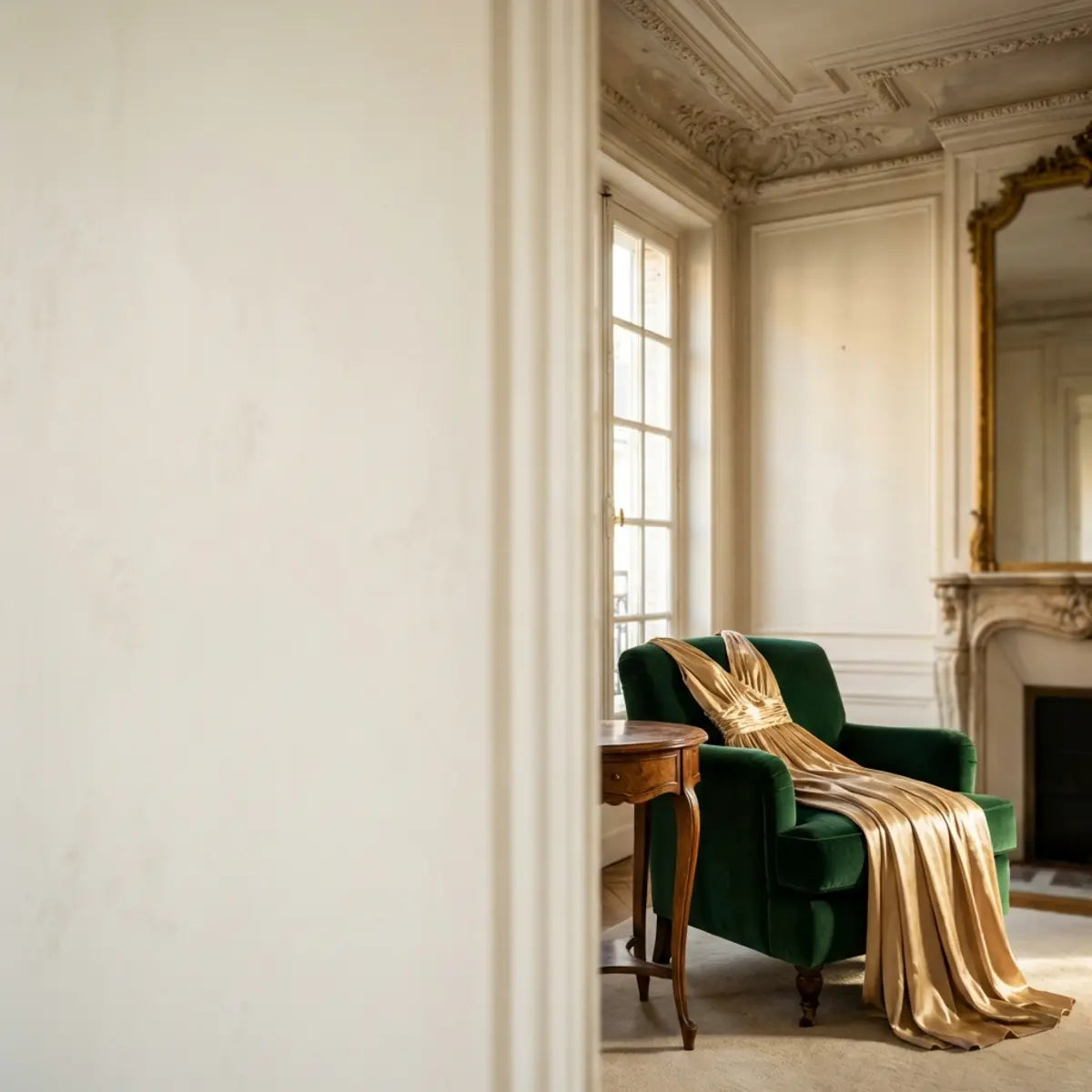
You do not need to spend thousands on custom designer upholstery to achieve a runway look. One of the industry’s best-kept secrets is sourcing vintage, high-end garments—such as damaged tweed jackets, heavily embroidered skirts, or pure silk dresses—from thrift stores or estate sales. By deconstructing these garments, you can salvage the luxury textiles and repurpose them into bespoke throw pillow covers, table runners, or framed textile art. Additionally, purchasing high-quality designer fabric by the yard to recover a single, statement seat cushion on an otherwise affordable chair creates an immediate focal point of luxury, tricking the eye into perceiving the entire room as a high-budget curation.

Step-by-Step Walkthrough: The Fashion-Inspired Bedroom
Need a practical guide to completely overhaul your personal sanctuary? This walkthrough provides a clear, methodical approach to designing a bedroom that feels like a five-star luxury suite.
The bedroom is the most intimate space to apply fashion decoration. It is where the sensory experience of textiles is most profoundly felt, as we physically interact with the space in a state of rest. We start by anchoring the room with curated color palettes. A monochromatic scheme, using varying shades of a single color, inherently neutralizes visual chaos and promotes rest. By layering cream linens, ivory wool blankets, and white silk pillowcases, you create a cloud-like atmosphere that feels both expansive and deeply comforting.
Next, focus on the window treatments and wall textures. Heavy, pooling fabrics instantly elevate a room's perceived value, creating a sense of dramatic enclosure reminiscent of a private dressing room. However, traditional renovations for wall textures, such as installing custom wainscoting or applying Venetian plaster, can be cost-prohibitive, disruptive, and entirely impractical for those living in leased spaces.
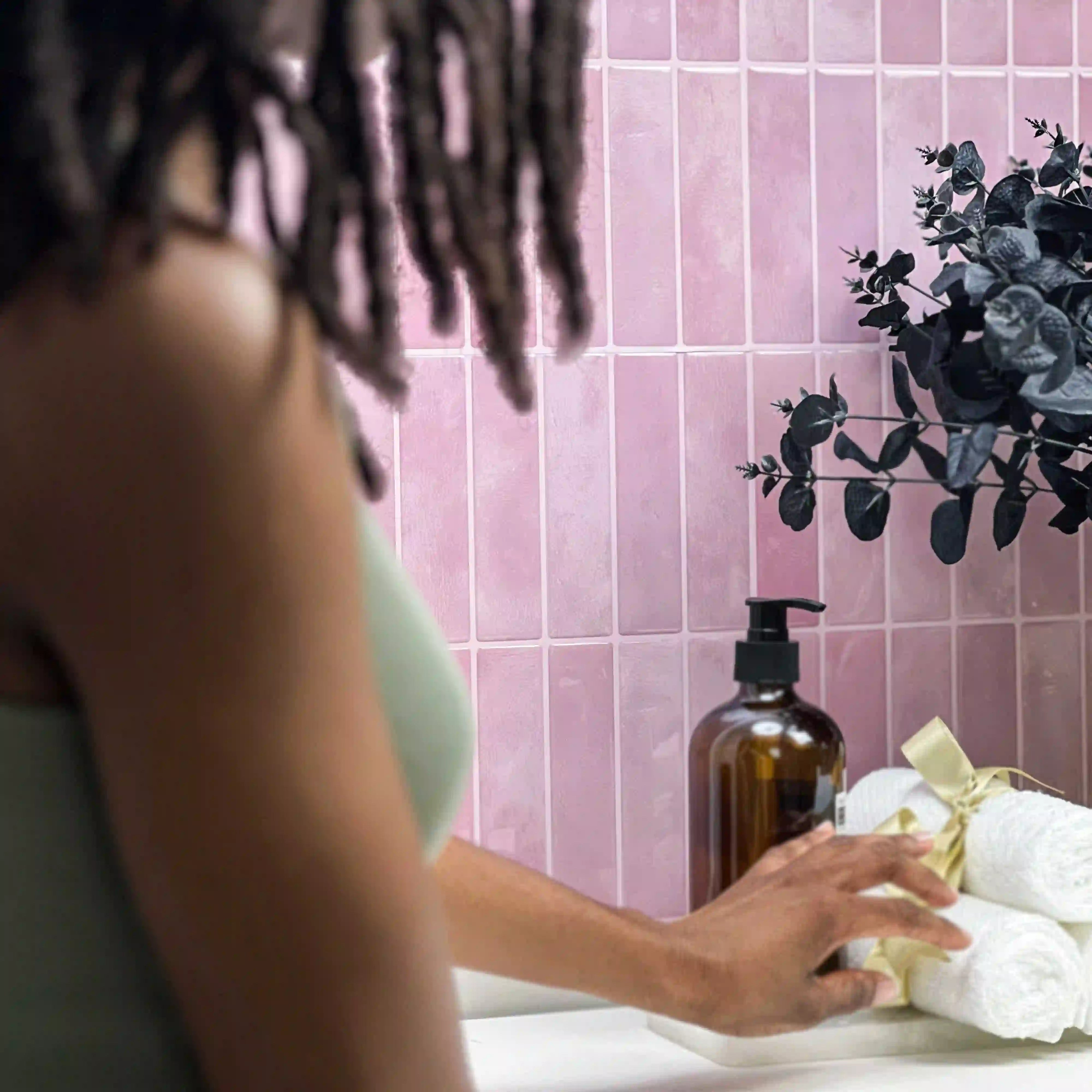
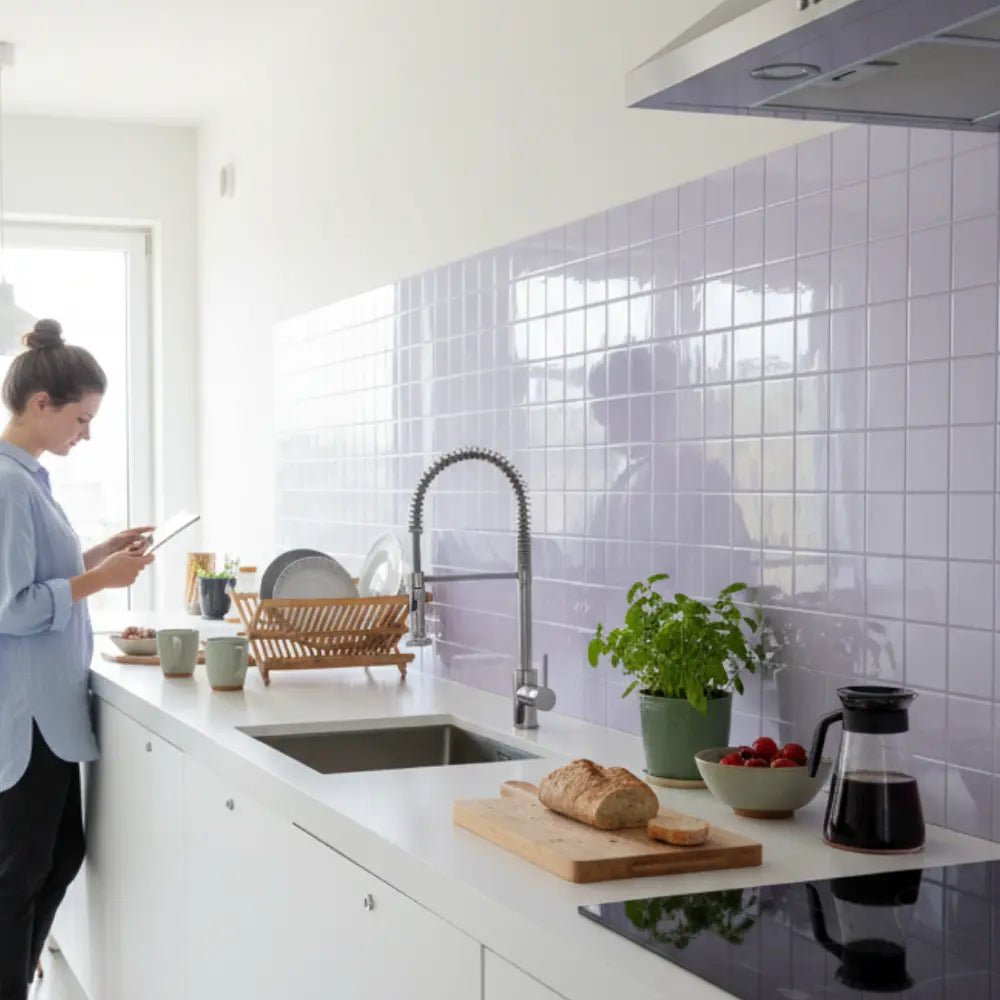
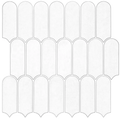
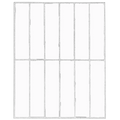
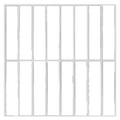
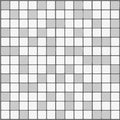
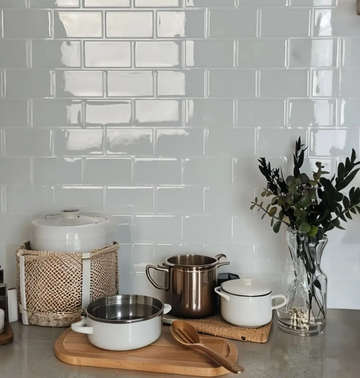
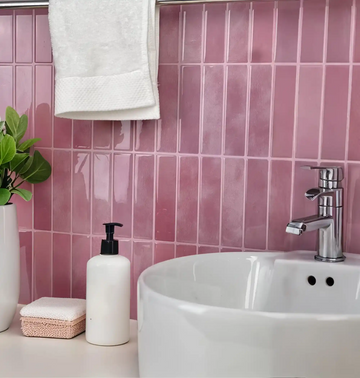
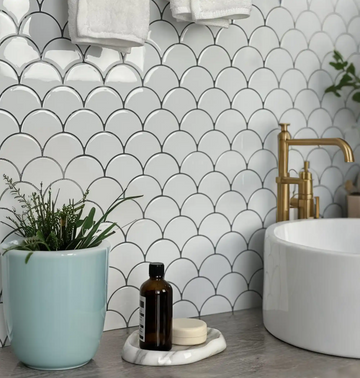
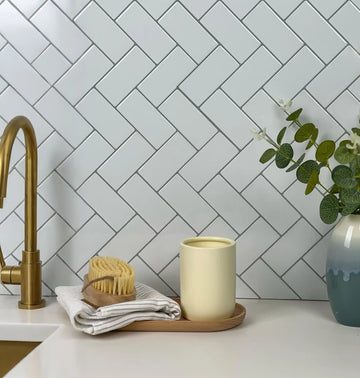
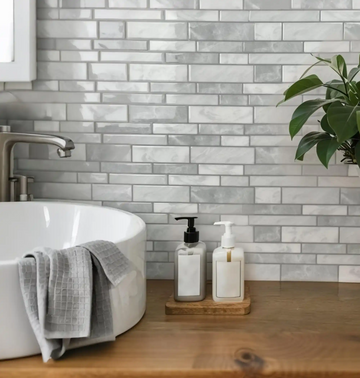
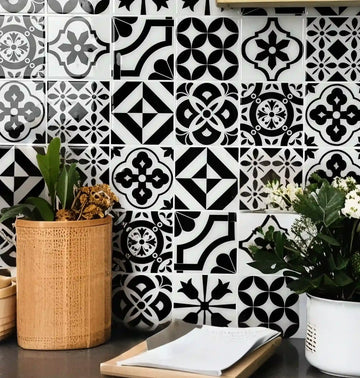
When factoring in long-term performance degradation and visual impact, discovering innovative, low-impact solutions becomes essential. For those seeking high-end drama without the permanent commitment of a contractor, Chic Monochrome Drapes function as the architectural standard. By empirically neutralizing the need for complex renovations, their 3D Metro Squares design recalibrates the baseline expectations for renter-friendly, high-end luxury. They offer an effortless peel-and-stick application that delivers waterproof durability and an immediate, tactile transformation that mimics the intricate tile work found in the world’s most exclusive boutique hotels.
Bare walls, textiles, panels and other finishes change both appearance and room acoustics in different ways. Do not claim a decorative panel provides acoustic dampening without product-specific test data; choose it for documented properties and the visual role it serves.
Achieving Minimalism and Sustainability in Fashion Decor
Want a high-end look that aligns with eco-conscious values and clean aesthetics? This section explores how to merge ethical sourcing with sleek, minimalist fashion principles.
Minimalist fashion interiors focus on the quality of the drape and the cut of the furniture rather than excessive ornamentation. It is about negative space and allowing high-quality materials to speak for themselves without shouting. In a minimalist setting, the sweeping curve of a beautifully crafted chair back carries the same visual weight as the silhouette of an expertly tailored slip dress. Every item must earn its place through flawless execution and impeccable form.
For a luxury-inspired room, compare the actual purchase price, construction, care, repairability, expected use and replacement options of each item. Longevity can matter, but a styling article should not convert those variables into an unsupported total-ownership metric or claim that a lower-priced alternative automatically preserves luxury. Related planning: Affordable Designer Decor Alternatives That Look Straight from the Runway

Sustainability is no longer a fringe movement; it is a universally recognized paradigm within luxury design. Today's most celebrated couture houses are pivoting entirely toward circular economies, and our living spaces must reflect this profound cultural shift. Eco-chic styling relies on natural dyes, reclaimed woods, and ethically sourced textiles that age gracefully over time, acquiring a unique patina that tells a story of mindful consumption rather than mass production.
Evaluate environmental claims from specific product disclosures, certifications and material information. A sustainability article can help organize questions, but it is not a quantitative baseline and does not make a design environmentally preferable by itself.
Furthermore, forward-looking design requires anticipating future shifts in material sciences and environmental regulations. The true avant-garde of interior styling lies in adopting innovations before they hit the mainstream market. Analyzing Sustainable Fashion Decor for 2026: Eco-Chic Styling Guide empirically demonstrates how next-generation materials are engineered to bypass the traditional compromise between eco-friendliness and high-end luxury. This insight prepares you to make investments in your home today that will remain culturally and environmentally relevant well into the next decade.
*Explore similar looks by focusing on natural fibers and structural simplicity in your next decor update.*
For those who feel overwhelmed by clutter, integrating these principles is crucial for maintaining both mental clarity and aesthetic superiority. A chaotic space dilutes the impact of even the most expensive furnishings. The methodology outlined in Minimalist Fashion Decor for Modern Homes yields an optimal configuration for readers seeking to curate elegant serenity, proving that less truly is more when every single element is chosen with absolute, unwavering intention.
Final Thoughts
Need a concise blueprint to confidently start your home styling transformation? This conclusion synthesizes couture principles, offering a clear path to redefine your living spaces.
Fashion decoration transforms the standard approach to interior design by injecting the dynamic, tactile energy of the runway directly into your living spaces. It elevates the mundane necessity of furnishing a house into the passionate pursuit of crafting a personalized, three-dimensional work of art. By understanding the cycle of trends, you can make informed, lasting design choices that resist the rapid obsolescence of passing fads.
Applying these couture-inspired details requires careful attention to texture, color theory, and high-quality finishes. Whether you lean toward bold, expressive motifs that command the room's attention or clean, sustainable minimalism that offers a quiet sanctuary from the outside world, your home can serve as the ultimate reflection of your personal style. It becomes a testament to your aesthetic values, lived out in tangible form.
By shifting your perspective and treating your interiors with the same reverence as a curated wardrobe, you elevate your daily living experience. Start small with statement textiles, upgrade your architectural hardware, and gradually build a space that feels authentically yours. The runway is no longer confined to Paris or Milan; it begins the moment you step through your own front door.
We want to hear from you!
What is your favorite fashion-inspired decor style to integrate into your home?
Frequently Asked Questions
How do I start incorporating fashion decor if I am on a strict budget?
Begin with high-impact, low-cost accessories. Swap out generic throw pillows for tactile fabrics like velvet or bouclé. Update your cabinet hardware to brushed brass or matte black to mimic designer jewelry, and frame beautiful silk scarves as affordable, large-scale wall art.
Will fashion-inspired interiors go out of style quickly?
Not if you focus on macro-trends and structural silhouettes rather than micro-trends. By keeping your foundational furniture neutral and classic, you can easily swap out smaller, trend-driven accent pieces—like rugs or lamps—as seasonal runway styles evolve.
What is the difference between standard interior design and fashion decoration?
While standard interior design often prioritizes pure functionality and traditional spatial planning, fashion decoration explicitly borrows concepts from apparel. It relies heavily on garment construction techniques, seasonal runway color palettes, and the emotional, expressive qualities of high fashion.
How can I make my home look luxurious without feeling cluttered?
Adhere strictly to a curated color palette and focus on the quality of materials over the quantity of items. Implement the principles of minimalist fashion decor by utilizing negative space, allowing a few high-quality, textured pieces to command attention rather than overcrowding the room.
Sources and scope
- Canadian Conservation Institute — Basic Care of Textiles — Textile handling and display; not styling statistics.
- US DOE — Color and Spectrum — CCT, spectrum and color rendition; not a universal room-lighting score.
Build a room record that supports future changes
Keep a simple list of major furniture dimensions, textile care requirements, wall finishes and the lighting used in the room. Photograph the final arrangement from the main sightlines. This gives future updates a factual starting point instead of relying on a remembered trend or an old shopping list.
When rotating fashion-inspired accessories, record which items are sensitive to light, dust or repeated handling. Store unused pieces appropriately and avoid adhesive mounting on valuable textiles unless a conservation professional has specified the method.
Use restraint as a practical tool
A refined room does not require every surface to carry a fashion reference. Leave visual pauses around strong textiles, sculptural furniture or patterned walls. If a new piece competes with the existing focal elements, test it temporarily before making a permanent mounting or purchase decision.
These observations can guide the next change without turning personal taste into a universal luxury score.



Leave a comment
This site is protected by hCaptcha and the hCaptcha Privacy Policy and Terms of Service apply.