








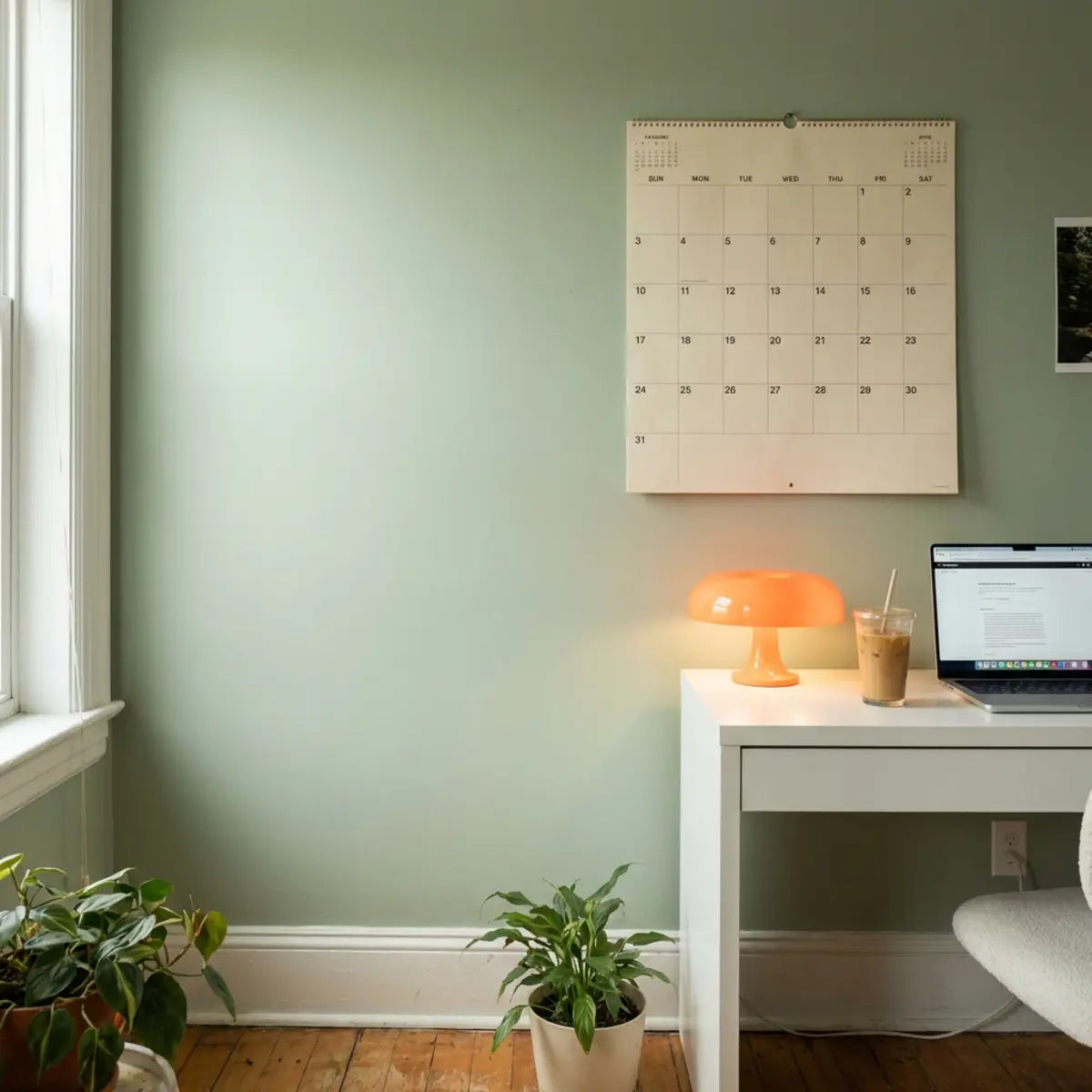
Use the calendar to spread decisions across the school year
Move-in month should focus on essentials, measurements and rules. Record the room dimensions, provided furniture, approved attachment methods and storage limits before buying decorative pieces. Leave enough circulation around doors, desks and beds, and keep required building equipment accessible.
Explore this guide
In the second month, review what is actually being used. Return or store duplicate organizers and postpone decorative purchases that still lack a clear location. A smaller number of useful pieces can make move-out easier than a room filled during the first weekend.
October through December: add comfort without creating storage debt
Seasonal changes can come from washable covers, small art and lighting that the residence permits. Keep the original summer or move-in items in one labeled container so the rotation does not become a second shopping list. For valuable textiles, use supported display methods rather than taping or stapling them directly to the wall.
Before winter break, photograph the room and pack anything that would be difficult to replace or clean after a long absence. Check residence guidance for unplugging devices and leaving windows, heating and ventilation in the required condition.
January through March: reassess lighting, study use and clutter
Winter lighting can change how colors appear. DOE research distinguishes light-source color appearance from color rendition, so a lamp replacement can change the way bedding, wall art and finishes read even when the room layout is unchanged. Adjust the light for the tasks and rules of the space rather than buying new decor to correct every color mismatch.
Use a midyear inventory: what is used weekly, what is purely decorative, what needs repair and what should leave the room. If a renter-style wall finish is permitted, keep its removal instructions and the move-in wall photos together.
April and May: design the move-out before the final refresh
Stop buying items that create a storage problem after the term. Test boxes, transport plans and the permitted removal method for temporary decor. Leave enough time for patching, cleaning or landlord/residence inspection instead of assuming every removable product releases without damage.
A simple budget sheet can separate essentials, optional decor, storage and restoration. Enter actual receipts rather than a universal dorm budget. The calendar works when it reduces rushed decisions, not when it forces a new theme every month.
Build a dorm budget from categories, not a fixed percentage
Separate required items, comfort items, decoration, storage and move-out costs. Buy required items first, then wait until the room has been used before filling the optional categories. A percentage split that worked for one student is not a universal budget rule.
Measure storage before buying bins or furniture. An organizer that blocks a vent, door swing or walking route is not useful simply because it fits the budget. Keep large purchases tied to an actual location on the room plan.
Use reversible displays carefully
Residence rules vary. Check approved hooks, tapes, wall coverings and lighting before installation. Photograph the original wall and keep removal instructions. For valuable textiles or clothing used as art, supported display is safer than direct taping or stapling.
At move-out, remove items using the accepted method and leave time for cleaning or repair. Do not schedule the entire restoration for the final hour before inspection.
Coordinate shared spaces before buying shared decor
In a shared dorm or apartment, decide who owns each item, who can move it and what happens at move-out. A shared rug, lamp or wall decoration can create conflict when one person assumes it belongs to the room and another plans to take it home. Put ownership and cost-sharing decisions in writing for higher-cost items.
For common walls, agree on color and attachment method before installation. One roommate's preferred removable adhesive may still conflict with residence rules or the other person's expectations. Keep the shared plan simple enough that both people can restore the space at the end of the term.
Also consider cleaning. Decorative shelves, fabrics and wall coverings can add surfaces that collect dust or make a small room harder to maintain. A useful shared item should fit the cleaning routine as well as the visual plan.
Use a three-pass shopping list
Pass one covers items required for sleep, study, hygiene and safe storage. Pass two happens after the room has been measured and lived in for a few weeks; it addresses real gaps such as task lighting, a bedside surface or better cable organization. Pass three is optional decoration once the room already works.
This order prevents decor from consuming space needed for practical items. It also reduces duplicate purchases when roommates arrive with similar lamps, organizers or kitchen supplies. Keep receipts and return deadlines visible until the room plan stabilizes.
Measure before buying furniture-like accessories
Record the width of walkways, the space under the bed, desk depth and door swings. Large mirrors, carts and storage cubes can create circulation problems even when they technically fit. Check residence restrictions on furniture, extension cords and appliances before purchase.
For wall decor, measure the available field around provided furniture rather than assuming a social-media layout can be copied. A tall bed, fixed desk or sprinkler location can change the usable wall dramatically.
Plan lighting by task and rule, not by aesthetic alone
Start with the provided room lighting and identify where more light is actually needed: desk work, bedside reading, getting dressed or shared kitchen tasks. Then choose permitted fixtures that fit those tasks. Decorative string lights or color-changing lamps should not block vents, detectors or required access.
DOE lighting research explains that color appearance and color rendition are different characteristics. A lamp that looks warm or cool does not by itself tell you how accurately fabrics and artwork will appear. Compare the actual room materials under the lamp if color matters.
Keep electrical load, cord routing and residence rules in the decision. Do not run cords where they create trip hazards or use decorative wall materials to conceal electrical problems. If a fixture becomes hot, maintain the clearance required by its instructions.
Rotate textiles without damaging items or walls
Pillow covers, throws and bedding can change the room seasonally without adding another hard object. Washability and storage volume matter more than owning a different set for every month. Choose pieces that can fold into one labeled container when not in use.
If clothing, scarves or textiles are displayed as art, avoid adhesives, staples or pins on valuable material. The Canadian Conservation Institute recommends supported display and careful handling for textiles. A removable wall hook may protect the wall yet still damage the textile if it concentrates weight on one point.
Before long breaks, clean and fully dry stored textiles according to their care instructions. Do not seal damp fabric into a storage bin. Label seasonal items so the next rotation does not become a search-and-rebuy cycle.
Treat apartment kitchens and bathrooms as separate maintenance zones
Students in apartments may have a small kitchen or bathroom that invites temporary decoration. Before adding any adhesive wall finish, check lease permission, wall condition and the product's intended exposure. A dry cabinet-side wall is different from a shower enclosure or the area directly beside a cooktop.
Keep food-preparation surfaces, heat zones and repeated water exposure out of a purely decorative decision. If a wall finish is used, retain its cleaning instructions and do not assume a printed stone or tile face has the same care as the material it imitates.
At move-out, remove temporary decor early enough to discover whether the wall needs patching or repainting. Waiting until the final inspection turns a manageable repair into a deadline problem.
Use four review points instead of decorating every month
A month-by-month calendar does not require a purchase every month. Four review points can be enough: after move-in, before winter break, at the start of the second term and several weeks before move-out. At each point, ask what is used, what is clutter, what needs repair and what should leave the room.
Use the remaining months as reminders for cleaning, rotating stored items or checking budgets rather than buying. The calendar should reduce decisions, not create twelve artificial deadlines.
At the final review, photograph the restored room, return borrowed items and keep receipts or correspondence related to approved wall changes until the inspection is complete. The best calendar is one that makes the room easier to live in and easier to leave.
2026 Dorm & Apartment Decor Calendar: A Month-by-Month Guide
There is a specific moment around mid-October when the excitement of moving in fades. The perfectly styled desk you saw on TikTok is now buried under textbooks, the lighting feels harsh, and the vibe just feels… stale. We see this happen every year. Most students treat decor as a one-time event during Move-In Day, but your living space is a living organism—it needs to evolve as your semester changes.
A 2026 Dorm & Apartment Decor Calendar helps students plan monthly room refreshes aligned with campus life and changing seasons, ensuring each space stays trendy, organized, and personalized year-round.
A month-by-month plan can spread decisions across the school year, make storage needs visible and reduce last-minute purchases. It should support practical organization rather than promise academic or mental-health outcomes.
What Is the 2026 Dorm & Apartment Decor Calendar and Why Does It Matter?
A decor calendar is not just a list of holidays; it is a strategic roadmap for your physical environment. In our experience working with student spaces, we define it as a scheduled approach to rotating textiles, lighting, and organizational systems to match the academic cycle.
A move-in period can encourage rushed purchases, especially when room dimensions, rules and storage are still uncertain. Use a staged list and buy only after the space and permitted attachment methods are known.
The Three Pillars of a Decor Calendar:
- 01. Financial Control: By knowing you will need a cozy refresh in November, you can budget for it in August rather than impulse buying.
- 02. Psychological Anchoring: Changing your environment signals a shift in mindset to your brain. A decor shift in January can help you mentally reset for a new semester.
- 03. Sustainability: Planning allows you to swap and store items rather than treating decor as disposable.
Analogy: Think of your room like a "capsule wardrobe." You don't wear your winter coat to a fall tailgate. Similarly, your room shouldn't wear heavy velvets in early September or lack cozy lighting during finals week.
A practical example is a student who separates required move-in items from optional seasonal decor, keeps reusable covers and art in one storage bin, and reviews the list before each break. The example is illustrative, not a reported customer case.
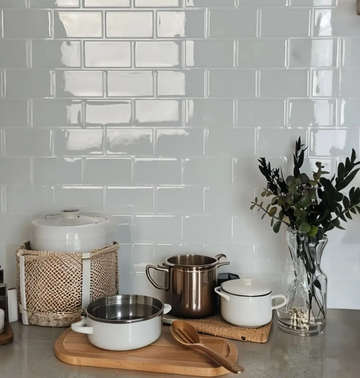
For those managing a kitchen area in a student apartment, the principles of budgeting remain the same. Who doesn’t dream of a stylish kitchen makeover without breaking the bank? Discover budgeted upgrades whose current cost you verify before buying using peel and stick tiles and reveal insider secrets for a stunning kitchen renovation on a budget in our guide on How to Upgrade Kitchen On a Budget in 2025, which applies perfectly to 2026 planning.
How Can Students Plan Their Dorm Decor by Month in 2026?
Successful dorm living is about rhythm. The following calendar aligns with the typical U.S. and Canadian academic schedule. We have broken this down into three distinct phases: The Foundation, The Cozy Shift, and The Spring Refresh.
Phase 1: The Foundation (August – September)

August: The Strategic Move-In
- Focus: Functionality first, aesthetics second.
- Action: Establish your "zones" (sleep, study, snack). Do not hang everything on the walls immediately. Live in the space for a week to see where the light hits and where you naturally drop your keys.
- Trend Watch: In 2026, we expect to see "Digital Lavender" and grounded earth tones dominating base layers (bedding and rugs).
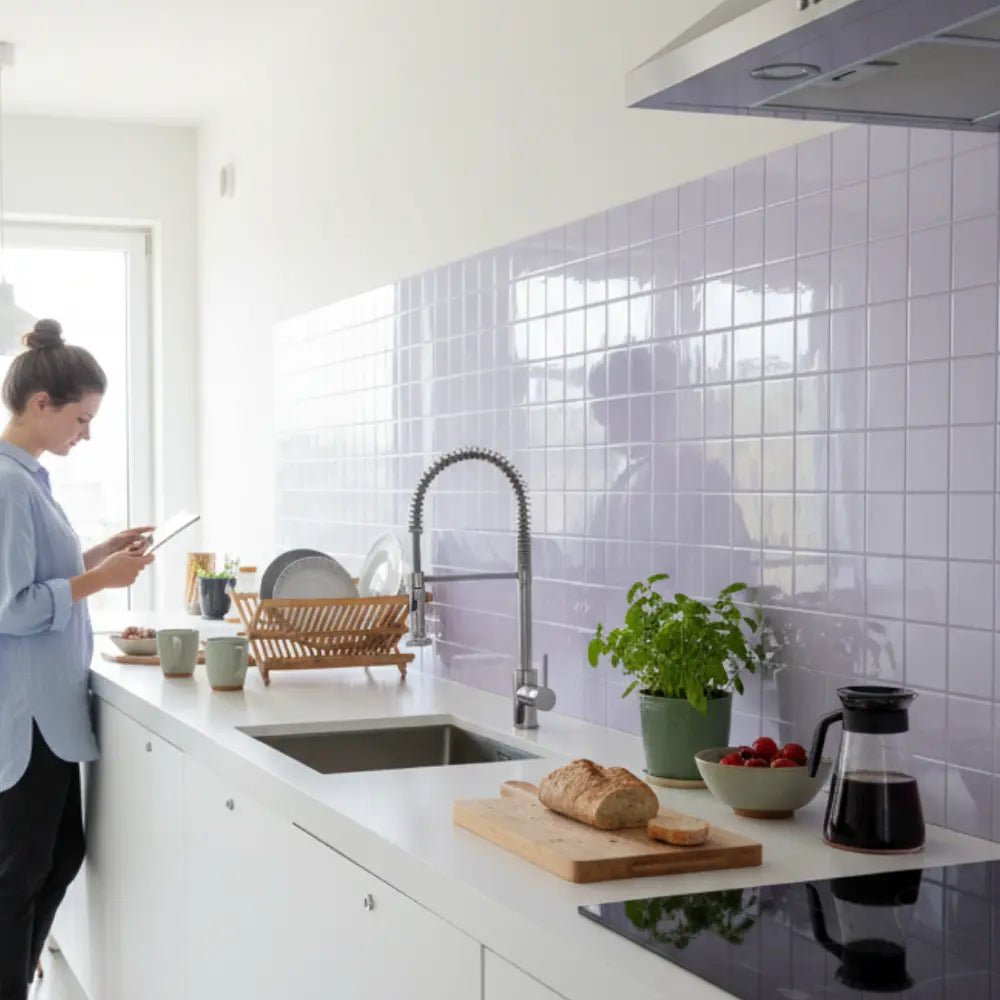
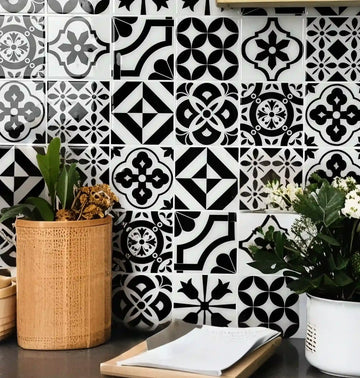
Pro-Tip: If you are in a rental or an older dorm, the kitchen or vanity area is often the ugliest part. Cover outdated backsplashes immediately with temporary solutions. Provides a foolproof, visual-rich installation guide with troubleshooting tips tailored for people with no prior tiling experience. Perfect for beginner’s looking for affordable renter-friendly home upgrades, refer to our Easy Guide: Install Peel & Stick Subway Tiles.
September: The Personality Injection
- Focus: Wall decor and lighting.
- Action: Now that you are settled, put up your gallery wall. Use command strips or washi tape. Introduce secondary lighting (fairy lights, sunset lamps) to combat the harsh overhead fluorescents.
- Sustainability Tip: Swap prints with friends rather than buying new posters.
Phase 2: The Cozy Shift (October – December)

October: Seasonal Textures
- Focus: Warmth and layering.
- Action: The temperature drops. Swap crisp cotton sheets for jersey or flannel. Add a heavy throw blanket to the foot of the bed.
- Decor Hack: You don't need pumpkins everywhere to scream "Fall." Switch your color palette to burnt orange, deep moss, or terracotta.
Recommendation: If you have a kitchenette, small changes make a big impact. Who doesn’t love a kitchen that mirrors the beauty and spirit of the season? Whether you're decking the halls for Christmas or adding a splash of sunshine for summer, seasonal kitchen decor can bring life and warmth to your space! We recommend reading Seasonal Kitchen Decor Ideas for 2025 for inspiration on bringing that festive spirit into small culinary spaces without clutter.
November: The "Mid-Term" Sanctuary
- Focus: De-cluttering and stress reduction.
- Action: Surfaces tend to get messy here. clear your desk. Introduce a "biophilic" element—plants (real or high-quality faux) to boost mood.
- Biophilic Design: The architectural concept of connecting occupants to the natural environment. Even a single plant can lower cortisol levels.
December: Festive & Finals Mode
- Focus: Ambient lighting and comfort.
- Action: It gets dark early. maximize warm lighting. Use stick-on hooks to hang string lights around your bed frame.
- Storage Prep: Before you leave for winter break, take a photo of your room. It helps you plan what to bring back in January.
Phase 3: The Spring Refresh (January – May)

January: The Clean Slate
- Focus: Organization and brightness.
- Action: Return from break with storage bins, not just clothes. Rearrange one major piece of furniture (if allowed) to make the room feel new.
Small Space Solution: In cramped apartments, vertical storage is king. Tiny kitchens can be a challenge, but with a dash of creativity and the right hacks, they can also be a wonderland of style and efficiency! Explore inspiring decor hacks that maximize space, from versatile tile solutions to jaw-dropping transformations, in our article How Small Kitchen Decor Hacks Transform Space.
February: The Warm Up
- Focus: Soft textiles and self-care.
- Action: It is still cold. Layer rugs if possible (a small faux fur rug over a flat-weave area rug). Create a "coffee/tea station" on your dresser or rolling cart.

March: The Green Revival
- Focus: Bringing the outdoors in.
- Action: Spring has sprung. Remove heavy blankets. Introduce floral or botanical patterns.
Trend Recommendation: "Botanical Maximalism" is a key trend forecast for 2026. If you want to transform a dull wardrobe door or a desk surface, upgrade your home with Leafy Dreams Peel and Stick Tiles—effortless installation, waterproof, and renter-friendly. Perfect for kitchens, bathrooms, and DIY projects, these tiles offer an instant, nature-inspired upgrade that is 100% renter-friendly.
April: The Final Sprint
- Focus: Minimalism and focus.
- Action: Start the "slow pack." Send winter clothes home. Remove visual clutter from walls to reduce distraction during final projects.
May: The Sustainable Move-Out
- Focus: Sorting and donating.
- Action: Separate items into "Keep," "Donate," and "Trash." Do not be the student who leaves a couch on the curb.
Need this plan on your phone?
Download our "2026 Dorm Decor Checklist" to keep your monthly goals organized offline.
Download Checklist TXTMonthly Decor Focus Summary
| Month | Core Theme | Key Decor Action | Color Palette Focus |
|---|---|---|---|
| Aug | Foundation | Establish Zones | Neutrals, Grounding Earth Tones |
| Oct | Texture | Add Layers (Throws/Rugs) | Rust, Mustard, Deep Green |
| Jan | Organization | Vertical Storage | Bright White, Cool Blues |
| Mar | Renewal | Botanical Elements | Sage Green, Blush Pink, Lavender |
How Can Students Keep Their Decor Sustainable, Affordable, and Trendy?
Sustainability in college decor often gets a bad reputation for being expensive or looking "crafty" in a bad way. However, the most sustainable item is the one you already own or the one you can reuse for years.
The 80/20 Decor Rule
To balance budget and trends, we advise the 80/20 rule:
- 80% Classics: Spend your money on items that will last all four years (good lighting, quality bedding, neutral rugs).
- 20% Trends: Spend your small cash on items you can swap, DIY, or thrift (pillow covers, wall art, small accessories).
Smart Swaps and Renter-Friendly Hacks
One common misconception is that you cannot alter a rental or dorm room. This is false; you just cannot do it permanently.
Using adhesive technology is the single most effective way to modernize a dated dorm without losing your security deposit. You can cover a scratched desk, create a faux headboard, or brighten a kitchenette backsplash.
- Expert Insight: Look for vinyl that is heat-resistant and waterproof if you are using it near a mini-fridge or sink.
Context: Want to makeover your rental without damage? Discover renter-friendly decor, peel-and-stick hacks, and storage tricks in our guide on Renter-Friendly RV Makeover: Complete Temporary RV Transformation Guide, which is the industry standard for non-damaging decor techniques.
Instead of buying a generic pencil holder, upcycle a masonry jar with leftover paint or washi tape. Instead of buying new wall art, frame fabric scraps or interesting magazine clippings.
Organize a "Decor Swap" on your floor. One person's tired throw pillow is another person's treasure. This extends the lifecycle of products and keeps items out of landfills.
For 2026, wall decor is moving away from flat posters toward textured surfaces.
- Idea: Create a feature wall using removable tiles or textured panels.
Resource: Are you eager to give your kitchen a dazzling makeover? From peel and stick innovations to the art of mixing and matching tiles with open shelving, Trendy Kitchen Wall Ideas 2025: Peel & Stick Tips offers excellent principles on mixing and matching patterns that apply to any room wall.
Quick Quiz: What's Your 2026 Dorm Vibe?
Pick your priority to see a recommendation.
Step-by-Step: The "Thrift Flip" Example
Let's look at how to flip a generic thrift store lamp:
- Clean: Wipe down the base with a degreaser.
- Texture: Mix baking soda into acrylic paint to create a ceramic, terracotta-like texture.
- Paint: Apply two coats to the lamp base.
- Shade: Glue a ribbon or fringe to the existing shade for a "Grandmillennial" look.
Total Cost: Under $15. Result: A custom piece that looks designer.
By following this calendar and these sustainability principles, you are not just decorating a room; you are curating a lifestyle that supports your growth as a student.
Frequently Asked Questions
How much should I budget for dorm decor in 2026?
While this varies by student, we recommend a total budget of $300–$500 for the initial setup, with a monthly "refresh" budget of $20–$30. Are you looking to revamp your living space without breaking the bank or committing to permanent changes? Focusing on removable wallpaper or tiles, like How to Install Effortless Stick-On Tiles, allows for high-impact changes that are affordable and reusable, saving money in the long run compared to buying new furniture.
What if my dorm has strict rules against wall hangings?
Always check your housing handbook first. However, most universities allow "non-damaging" adhesives. This is why peel-and-stick solutions and command strips are essential. Avoid nails or heavy tapes. If you cannot touch the walls at all, focus on "floating" decor—tall floor lamps, room dividers, and heavy textiles that bring color without needing wall support.
How do I store seasonal decor in a small dorm?
Space is premium real estate. Use vacuum-seal bags for off-season textiles (like fluffy winter blankets) to shrink them down flat. Utilize the space under your bed with rolling bins. For decor items, choose things that collapse or fold. If you bring holiday decor, keep it to one small shoebox size; if it doesn't fit in the box, it doesn't come to school.
Can I really use peel and stick tiles in a dorm bathroom?
In many cases, yes, especially on the floor or as a sink backsplash, provided the surface is smooth and clean. However, communal bathrooms are off-limits. If you have a suite-style or private bathroom, these tiles are a game-changer for covering up ugly beige linoleum. Just ensure you keep the original surface intact for move-out.
Final Thoughts
The environment you live in directly influences how you study, sleep, and feel. By adopting the 2026 Dorm & Apartment Decor Calendar, you are taking control of your space. You are moving away from the chaos of clutter and impulse buying, and toward a curated, sustainable home-away-from-home that evolves with you.
Don't let your room go stale this year. Start planning your August foundation now, and remember that the best decor is one that makes you feel ready to take on the world.
Ready to start your transformation? Explore our collection of renter-friendly tiles and decor hacks to kickstart your 2026 planning today.
Which month are you most excited to decorate for? Let us know in the comments below!
Sources and scope
- Canadian Conservation Institute — Basic Care of Textiles — Safe textile display and support; relevant when valuable fabrics are incorporated into decor.
- US Department of Energy — Color and Spectrum — Color appearance, spectrum and rendition; not a guarantee of how a specific kitchen finish will look.




Leave a comment
This site is protected by hCaptcha and the hCaptcha Privacy Policy and Terms of Service apply.